
Meeting the race organizers adapting to running’s explosive growth
 © Marathon de la Rochelle
A total of 2.96 million finishers were recorded in 2024, up 27% on 2023. With more than 12.4 million runners in France, an ever-growing number of us pin on one or more race bibs each year. The result: events selling out as fast as superstar concerts, bottlenecks on the course and ever-rising entry fees. How can race organizers adapt to the running boom? Marathons.com went to meet them.
Since the end of the Covid pandemic, people in France have pulled their running shoes back on. Frédéric David, head of Annecy Running Organisation, has seen the trend first-hand: “In 2021, everyone started running. In 2022, they started signing up for races. In 2023, races were booming. In 2024, they were overflowing, and it’s still going.” Running has become the ultimate mass-participation sport, bringing together different generations and social backgrounds.
Marathon de la Rochelle, Odyssea, Semi-Marathon des Sources d’Annecy, Abalone Marathon de Nantes… The number of running events has exploded, reaching 11,334 races in France in 2024. Despite the sheer volume of races on offer, runners keep pouring in, and events are selling out months before race day. Several factors explain the frenzy surrounding road races: “There are more and more running influencers, and they’re being followed by more and more people. It’s easier to enter races without needing a medical appointment, and after Covid, people are taking better care of their health… All of that combined has made running explode, says Julien Gaborieau, organizer of the Abalone Marathon de Nantes. Race organizers have to adapt to this transformation in the running world.
Rethinking the running event
Since 2003, Gwenaël Vigot, organizer of Odyssea de Brest and a sports agent, has witnessed this major shift, bringing ever-greater visibility to his event. There were 480 runners on the start line for the first edition. Now, more than 13,000 take part every year.
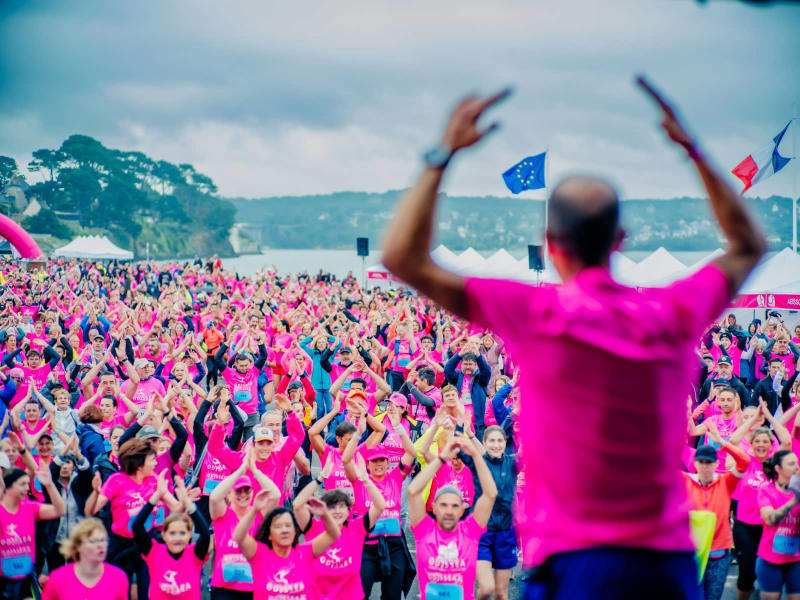 © Odyssea de Brest
“There were no social media platforms back then. Today, they’re a key part of event communication and promotion.”
Runners have become genuine bib hunters, watching for every announcement and registration opening date. Digital media is now an integral part of the runner experience, with more than 82% of runners consuming specialized content on digital platforms, turning their passion into a way of life. This has created a new economy, particularly around influencers, who have become formidable marketers for running events. More than 46% of runners actively follow them on social media. But all this targeted communication creates a problem: demand now exceeds the number of runners the roads can accommodate.
For some organizers, including Frédéric David, the influx of runners must not come at the expense of what makes his event special: “I’d rather offer people less congestion, easy parking and awards for every age group than invest in dressing up the event itself.” Putting the runner experience first is a priority for many organizers. That means more than keeping the course flowing: accessibility and a welcoming atmosphere matter too.
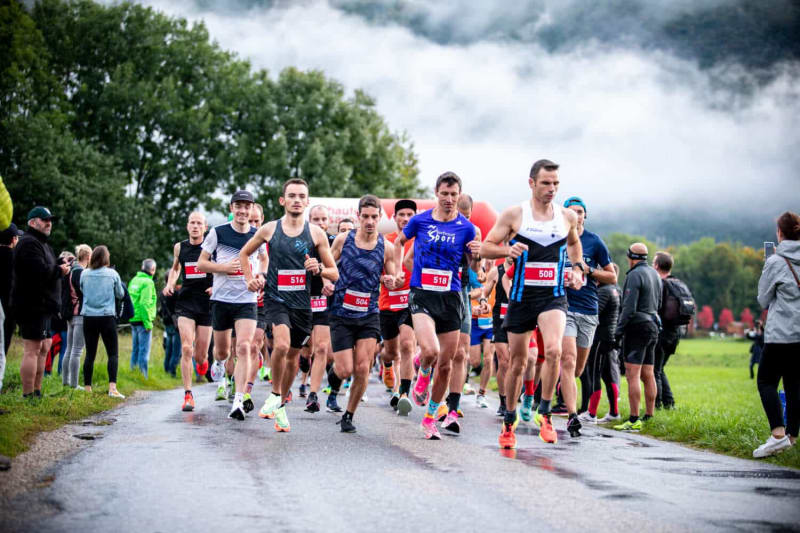 © Start of the © Semi-Marathon des Sources du Lac d’Annecy, a small road race in the mountains.
“The shorter races give runners who aren’t marathoners a way into the event.” Nicolas Mauny, organizer of the Marathon de la Rochelle since 1991, has opened his event to a broader range of runners, diversifying the offering. At the Abalone Marathon de Nantes, the strategy is different: “Between 2008 and 2025, what runners wanted changed completely. There are still people looking for a fast time, but more and more are looking for an experience.”
“In the years ahead, we want to develop the extras. People may criticize us for being the Disneyland of running, but we want to offer runners a genuine experience that goes beyond 42.195 km.” Running events are competing to find ever more creative ways to attract runners and give them a unique experience that extends beyond the race itself. More than a medal, runners are looking for an event they can share with family and friends.
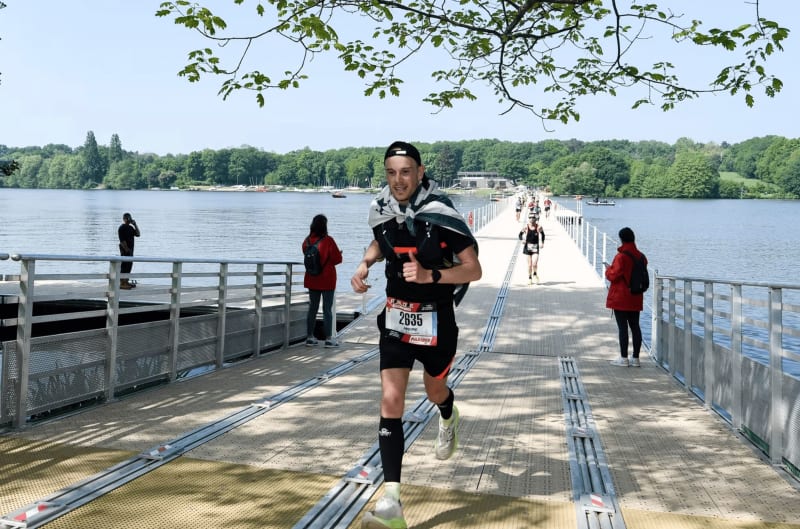 © The Abalone Marathon de Nantes
Addressing new challenges
“There’s such a buzz around running that people criticize us for selling out. That’s the downside of being an organizer, even if we’re delighted to have so many runners every year.”
With 8 million regular runners, it is difficult to offer every one of them the coveted race bib. In 2024, 45% of runners were refused entry at least once because there were not enough places to meet demand. The clearest example is the Marathon de Paris, where 51% of entrants are first-time marathoners. Supply is no longer keeping pace with the number of runners. The growing participation of women, together with the democratization of running and long-distance racing, is driving this change. The marathon is no longer an elitist event: it has become an achievable distance for anyone willing to put in the work.
“In 2023, the marathon sold out in mid-September. In 2024, it sold out in mid-August. This year, we sold out in mid-May after opening registration in mid-March! The two-person marathon sold out in one week, the 10K in three weeks and the marathon in two months.” A first for the organizer of the Marathon de la Rochelle.
“Whatever the event, we’re selling out faster and faster. We now have to set capacity limits for safety reasons.” The more runners there are, the greater the risks. Organizers are therefore being forced to limit the size of their events to guarantee good racing conditions for everyone. “On the Semi-Marathon de Nantes, we could have had 26,000 runners, but we capped it at 7,000 participants for safety reasons and to manage the flow of runners. We also don’t want to have a negative impact on the runner experience.” This has also led to innovations in how events are run: “.” Drawing on his experience, Gwenaël Vigot is introducing new solutions to keep services running smoothly at Odyssea de Brest.
Safety, smooth operations and quality are the foundations organizers are working to preserve despite the constant increase in demand for race entries. But does a perfect race formula really exist?
“You need to get the basics right and use the right ingredients”
Preserving the DNA of an event while adding something new is the organizers’ latest challenge. “You need to get the basics right and use the right ingredients: a festive atmosphere, a fast course and dedicated volunteers. It’s the combination that works, especially at the Marathon de La Rochelle!” That leads to another challenge: bringing runners the best possible experience without driving up the entry fee. “As an association, we haven’t changed the entry fee for the Marathon de la Rochelle. We organize the event for the runner above all else.”
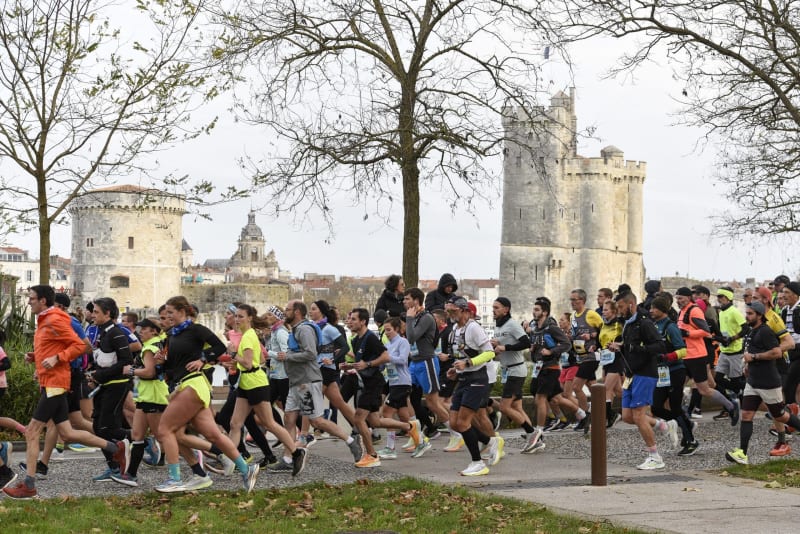 © Marathon de la Rochelle
The Brest event has also found a winning formula: “Odyssea has become a fixture. People come to support the fight against breast cancer. The untimed formats and the walk make the cause accessible to everyone.”
For the Marathon de Nantes, organized by events agency OC Sport, the equation is different but the success just as striking: “The more participants we have, the more revenue comes in, which allows us to have more people working on developing the event. That means we can invest in creating better events and offer runners something new every year.”
There is no magic formula for dealing with the running boom. But every organizer shares the same mission: deliver the best possible event for every participant!

The editorial team