
Transplant, motherhood and the marathon: Déborah Berlioz’s extraordinary fight
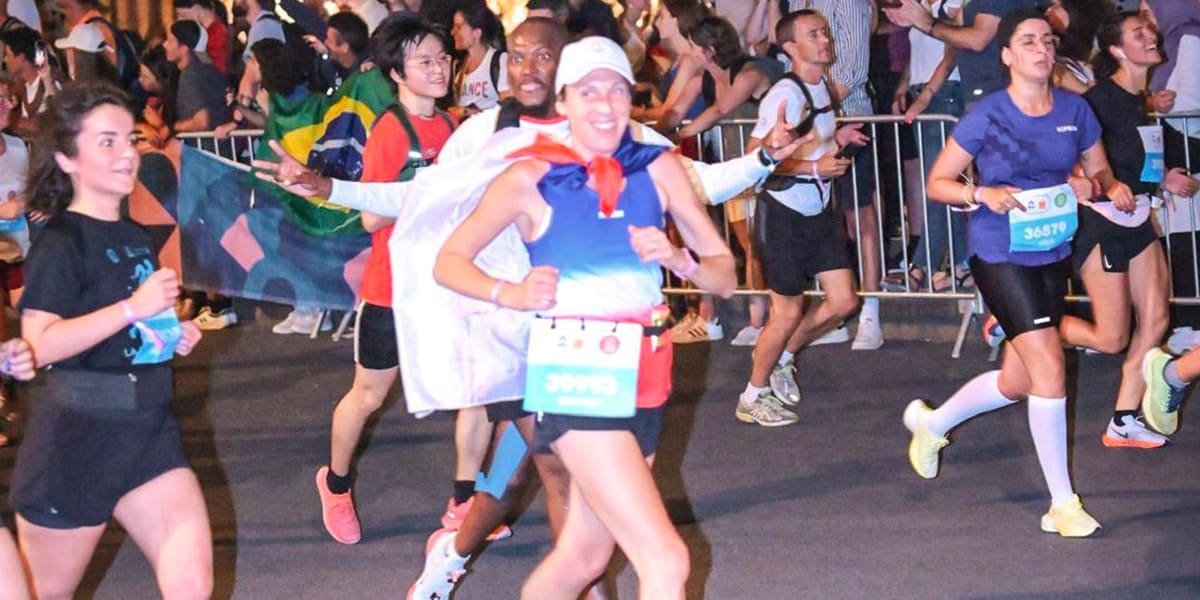
We had the privilege of meeting Déborah Berlioz, a 40-year-old mother whose extraordinary journey has taken her from the Côte d’Azur to Brittany. A former elite artistic swimmer, she faced a rare medical condition, underwent France’s first uterus transplant and became a mother. Now, through running and her bid to take on the Paris Marathon, she is writing a remarkable new chapter.
The marathon of a lifetime, from transplant to motherhood
Déborah’s story is deeply moving. A former elite artistic swimmer, she represented France with grace and determination. But at 17, her life changed forever: she was diagnosed with Rokitansky syndrome, or MRKH, a rare condition affecting one in 4,000 women and characterised by the congenital absence of the uterus. It was devastating news for a young athlete who had always dreamed of becoming a mother. The diagnosis abruptly ended her sporting career… and marked the beginning of a long, dark period. Déborah developed anorexia, a downward spiral that weakened her both physically and mentally. Yet in the midst of that darkness, a glimmer of hope appeared: the first successful uterus transplant had been performed in Sweden. Hope returned.
A few years later, Déborah became the first woman in France to undergo this groundbreaking procedure. It was a decisive step in an extraordinary journey shaped by courage, medical science and the unconditional love between a mother and her daughter.
The challenge of taking up running
Today, Déborah is hungry for new challenges and feels a powerful need to reclaim her body. She first laced up her running shoes more than a year ago. Running has become an outlet, a way to get back in the saddle and reconnect with her love of sport. In June 2024, she ran her first marathon in 4:15 in Finistère, taking on the Transléonarde.
The Paris Marathon in her sights
In 2025, the young mother’s goal is to run the Paris Marathon in under four hours. Paris holds deep meaning for her, from her years at INSEP to the transplant procedure at Foch Hospital and all the people she has met along the way. It is a chance to complete the circle, with a special connection to physical effort, the city of Paris and the course itself.
With the marathon approaching, Déborah seemed calm and excited by the challenge. She told us she had prepared well. Looking forward to race day, she wants to stay focused and keep her emotions in check so she can achieve her goal and cross the finish line in under four hours. The marathoner will, of course, have her husband’s support and encouragement all the way around the course.
Déborah Berlioz’s journey is far more than a simple story of resilience: it is an ode to life, determination and the power of hope. From artistic swimming to the marathon, from the absence of a uterus to motherhood, every stage of her story carries a message of inspiration for anyone facing adversity. With every stride, she is tracing a path of renewal. The Paris Marathon will be more than just another race; it will be a powerful symbol, almost a finish line leading towards a new freedom.
Thank you, Déborah, for this deeply moving testimony, for your honesty, your energy and your light. And above all… have a great marathon. May every kilometre remind you of how far you have come and of the beauty of what you represent.
We had the privilege of meeting Déborah Berlioz, a 40-year-old mother whose extraordinary journey has taken her from the Côte d’Azur to Brittany. A former elite artistic swimmer, she faced a rare medical condition, underwent France’s first uterus transplant and became a mother. Now, through running and her bid to take on the Paris Marathon, she is writing a remarkable new chapter.
The marathon of a lifetime, from transplant to motherhood
Déborah’s story is deeply moving. A former elite artistic swimmer, she represented France with grace and determination. But at 17, her life changed forever: she was diagnosed with Rokitansky syndrome, or MRKH, a rare condition affecting one in 4,000 women and characterised by the congenital absence of the uterus. It was devastating news for a young athlete who had always dreamed of becoming a mother. The diagnosis abruptly ended her sporting career… and marked the beginning of a long, dark period. Déborah developed anorexia, a downward spiral that weakened her both physically and mentally. Yet in the midst of that darkness, a glimmer of hope appeared: the first successful uterus transplant had been performed in Sweden. Hope returned.
A few years later, Déborah became the first woman in France to undergo this groundbreaking procedure. It was a decisive step in an extraordinary journey shaped by courage, medical science and the unconditional love between a mother and her daughter.
The challenge of taking up running
Today, Déborah is hungry for new challenges and feels a powerful need to reclaim her body. She first laced up her running shoes more than a year ago. Running has become an outlet, a way to get back in the saddle and reconnect with her love of sport. In June 2024, she ran her first marathon in 4:15 in Finistère, taking on the Transléonarde.
The Paris Marathon in her sights
In 2025, the young mother’s goal is to run the Paris Marathon in under four hours. Paris holds deep meaning for her, from her years at INSEP to the transplant procedure at Foch Hospital and all the people she has met along the way. It is a chance to complete the circle, with a special connection to physical effort, the city of Paris and the course itself.
With the marathon approaching, Déborah seemed calm and excited by the challenge. She told us she had prepared well. Looking forward to race day, she wants to stay focused and keep her emotions in check so she can achieve her goal and cross the finish line in under four hours. The marathoner will, of course, have her husband’s support and encouragement all the way around the course.
Déborah Berlioz’s journey is far more than a simple story of resilience: it is an ode to life, determination and the power of hope. From artistic swimming to the marathon, from the absence of a uterus to motherhood, every stage of her story carries a message of inspiration for anyone facing adversity. With every stride, she is tracing a path of renewal. The Paris Marathon will be more than just another race; it will be a powerful symbol, almost a finish line leading towards a new freedom.
Thank you, Déborah, for this deeply moving testimony, for your honesty, your energy and your light. And above all… have a great marathon. May every kilometre remind you of how far you have come and of the beauty of what you represent.