Heat and running: exertional hyperthermia, the invisible enemy
Summer 2026 is once again being shaped by intense, repeated heatwaves, forcing everyone to rethink daily routines. Among those on the front line, recreational and elite athletes now have to deal with a factor that’s become non-negotiable: temperature. Running at dawn, drinking constantly, backing off the intensity… These rules look obvious on paper, but ignoring them in extreme heat can be deadly. The culprit? Exertional hyperthermia.
Still too little known outside specialist circles, exertional hyperthermia is far more than a simple “overheating episode.” It’s a sudden breakdown of the body, no longer able to regulate its own temperature during exercise. Core temperature then shoots past the critical 40°C threshold, severely impairing muscular, brain and vital functions. Recent news is a stark reminder: last May, a 28-year-old participant died during Hyrox Lyon.
Exertional hyperthermia: a danger for everyone
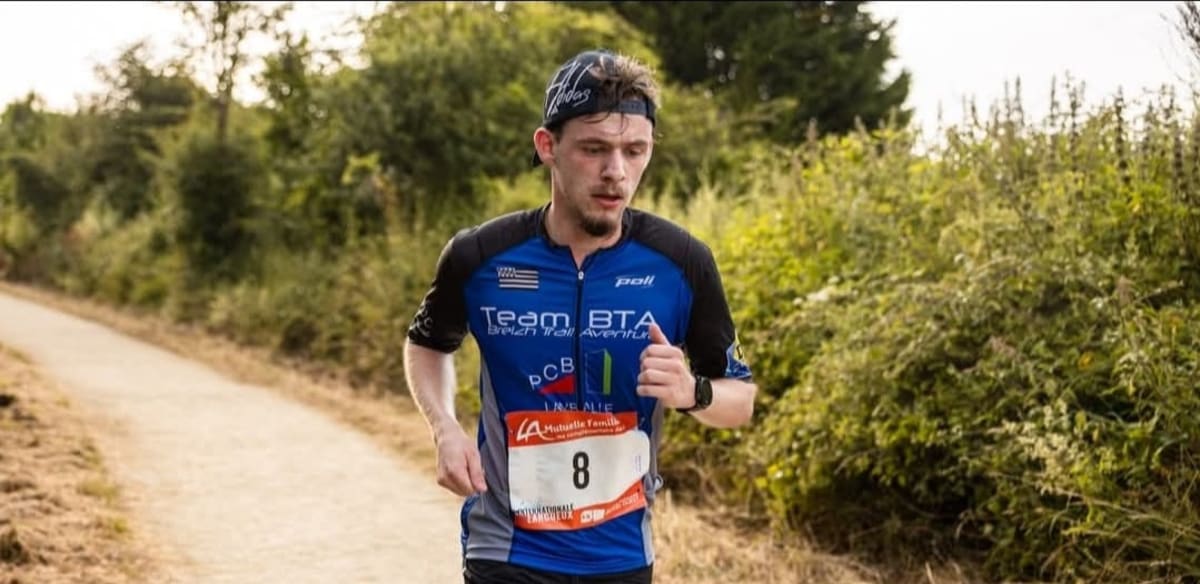
Thinking youth and top fitness protect you from this kind of incident is a trap. Arthur Audo, 21, learned that the hard way. A seasoned footballer and runner, the IUT student in Saint-Malo had no medical history. Yet on June 20, 2025, during the Corrida de Langueux, run in stifling 33°C heat, his life nearly changed forever at the end of the 13 kilometers.
“I have no memory of crossing the finish line,” he says. Struck by severe hyperthermia, Arthur collapsed on arrival. Treated as an emergency by medical teams, he was placed in an induced coma for 48 hours to try to protect his organs and keep him alive.
The doctors were very honest with my parents. There was little hope I’d survive.
He escaped the worst, but the physical after-effects are still very real a year later. “I’m not back to 100% yet. My body is still vulnerable in the heat, and the risk of it happening again is higher for me.” Arthur has pulled his boots back on, but he hasn’t taken the step of pinning on a bib again yet, though it’s only a matter of time. “I think it matters to show that even after what happened to me, you have to get back on the horse.”
How can a young, trained body suddenly give out? Dr Bastien Louguet, a sports physician, explains that the body works like a demanding engine with a very strict temperature window: “In the body, metabolism runs optimally within a certain temperature range. When the body starts climbing too high, some organs can fail. And because all the organs function in relation to each other, it can trigger a chain reaction with very serious consequences ”.
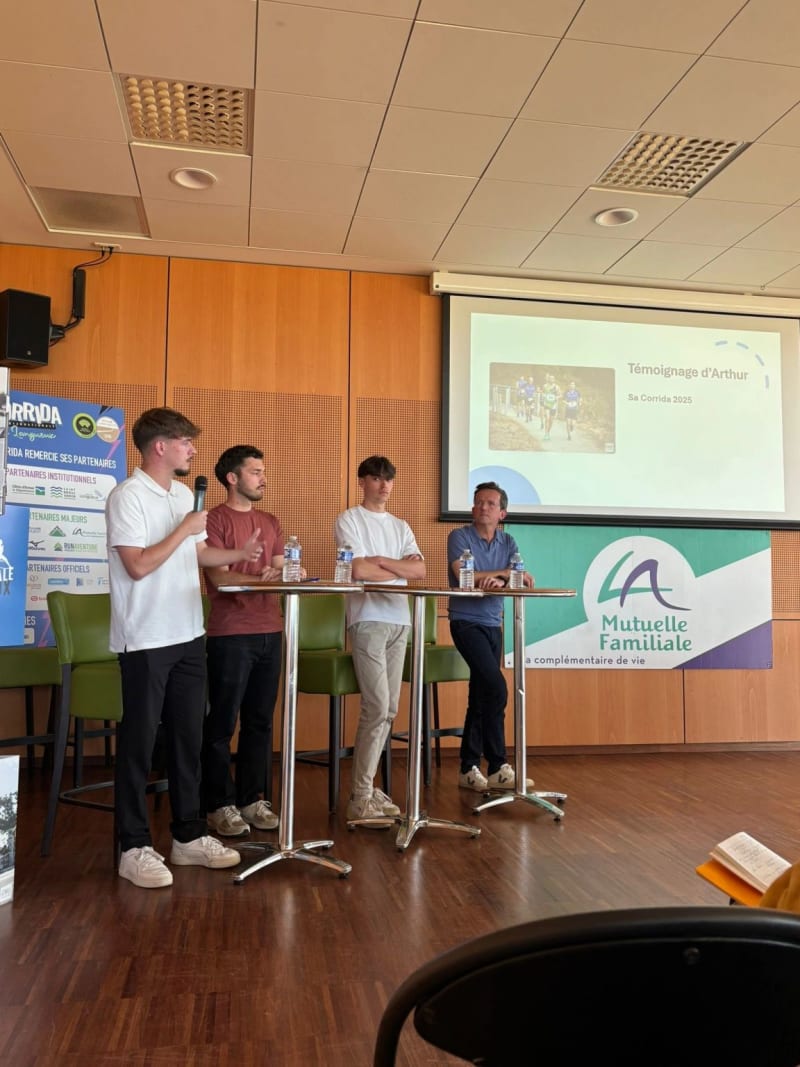
Early red flags like headaches, dizziness, incoherent speech, or an unsteady stride should be taken seriously immediately. Awareness of this condition is still limited. “You hear about the classic heatstroke, but almost nobody knows about exertional hyperthermia,” Arthur laments. “And yet it can happen to anyone, recreational or pro.” Even so, progress is being made: Arthur shared his story at the Corrida de Langueux 2026 annual conference, an initiative designed to warn and protect athletes.
Dr Bastien Louguet also points out “hyperthermia is about the weather context, the effort context, and the individual context. There isn’t one typical case.”
 © Arthur Audo
Toward a rethink of sporting events?
With climate disruption and more frequent heatwaves, the issue now goes beyond individual awareness. Pro and amateur sport is colliding head-on with limits set by the planet. Major events being cancelled under extreme heat, including races like the Ironman de Nice and some summer marathons, shows adaptation has to be systemic.
Federations, leagues and event organizers have no choice but to change. Rethink race calendars by shifting events to spring or autumn, set start times in the middle of the night, dramatically bolster medical coverage, or introduce automatic cancellation protocols as soon as the thermometer breaks 30°C: protecting participants’ health demands bold decisions. Pushing limits and embracing hard effort may be the essence of sport, but no time and no medal will ever be worth risking your life.