
From Pavement to the Big Screen: Running Takes the Spotlight
Once running had taken hold in the popular imagination, it was only natural for the sport to make its way onto the big screen too. Marathons.com looks back at the greatest films built around running. Entirely subjective, of course.
The 20th century saw the rise of cinema, which emerged in the Western world in the late 19th century, both in the United States and Europe (Edison and the Lumière brothers, to name just two). As we have discussed on our site, running itself became a social phenomenon during the 1960s and 1970s. It was only natural for the two phenomena to meet sooner or later. Countless films featuring a runner have since appeared, much to the delight of both film buffs and running enthusiasts. Here is a cinematic overview spanning ten films from different eras, from the early 1960s to the present day. Quality all the way.
The Loneliness of the Long Distance Runner (1962), the trailblazer
You have to start somewhere. Released in 1962, the British film “The Loneliness of the Long Distance Runner” perfectly captures its era and what running could represent at the time: a journey into oneself, a search for freedom, and a relationship with the world around you. Based on a short story by writer Alan Sillitoe, the film follows a young delinquent, Colin Smith, who finds in running a form of rebellion and personal reflection. It fits perfectly with the various movements taking shape among Western youth at the time. Given its release date, Tony Richardson’s film almost seems ahead of its time. Seventeen years later, “The Jericho Mile” (1979) took up the themes of personal struggle and resistance in a different story. Inspired by real events, the film recounts the life of Billy Hayes, an American imprisoned in Turkey for drug trafficking. Running becomes a symbol of freedom and resistance, a way for him to keep his mind and body in shape under oppressive conditions.
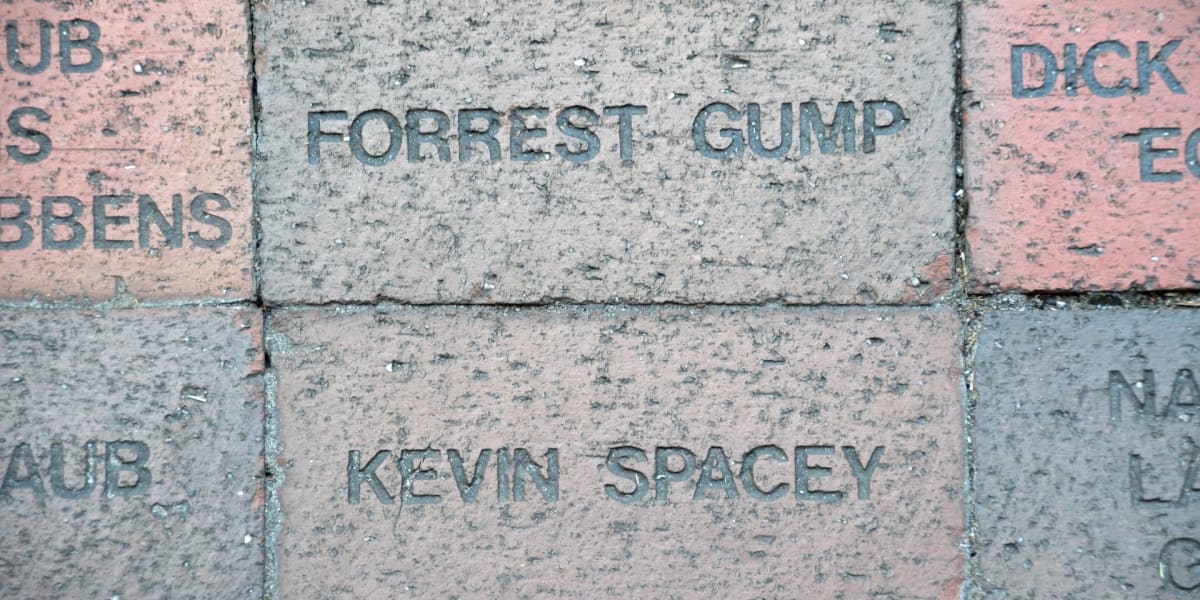
Forrest Gump (1994) and Marathon Man (1976), the blockbusters
“The Jericho Mile” by acclaimed director Michael Mann (Heat, The Insider...) was such a hit on television that it made the leap to the big screen. But three years earlier, another film had enjoyed huge critical and popular success: “Marathon Man, of course. Dustin Hoffman plays Thomas Levy, a history student and recreational runner who is drawn into an international conspiracy. Hunted by Nazis, his race against time continues. Directed by John Schlesinger, the film received several Golden Globe nominations and was a major hit with audiences. Dustin Hoffman, who had broken through a few years earlier, was surely part of the reason. Was “Marathon Man” the most successful film to feature running? Not by a long shot. Nearly 20 years later, Forrest Gump blew everything else away, becoming a global phenomenon. Tom Hanks plays Forrest Gump, an ordinary man whose extraordinary life spans several decades of American history. His running, triggered by a need to escape his problems, is one of the film’s most memorable moments. Tom Hanks arguably gives his finest performance in the film. A beautiful, timeless movie.
On the big screen too,running reflects social change
Running is often a personal battle, but it is far from being limited to individual challenges. Many fine films have brought social struggles into focus, and some of them remain strikingly relevant today. They include “Chariots of Fire” (1981), “The Finishers” (2014), “On the Line” (2014), and “Sarah Prefers to Run” (2013). These films tackle antisemitism, disability, social injustice, feminist struggles, and more. Running gives each of these battles a particular force. The first is a classic of British cinema. It tells the true story of two British athletes, Harold Abrahams (pictured above, winner of the 100 metres at the 1924 Olympics) and Eric Liddell, at the 1924 Olympic Games. “The Finishers” addresses disability without falling into clichés or sentimentality. Julien, a teenager with a disability, takes on an Ironman challenge with his father. We are also big fans of the Quebec film “Sarah Prefers to Run” (2013), directed by Chloé Robichaud.
All these films make you want to run. For the right reasons, though, not like Johann Rettenberger in “The Robber” (2010), a driven marathon runner and compulsive bank robber. A true story.
More articles

A Rough Day for Fast Times
A look back at races made tougher than usual by extreme weather, including two marathons and a legendary trail ultra.
Wed, September 9, 2026

Abdi Nageeye and Sheila Chepkirui win the 2024 New York City Marathon
More than 55,000 runners lined up for the 2024 TCS New York City Marathon, won by Abdi Nageeye and Sheila Chepkirui.
Wed, September 9, 2026

Jimmy Gressier joins Kiprun in ambitious partnership shaking up the running world
Jimmy Gressier joins Kiprun in a major partnership with international ambitions for the French running brand.
Wed, September 9, 2026