
Running and photography: the art of capturing the moment
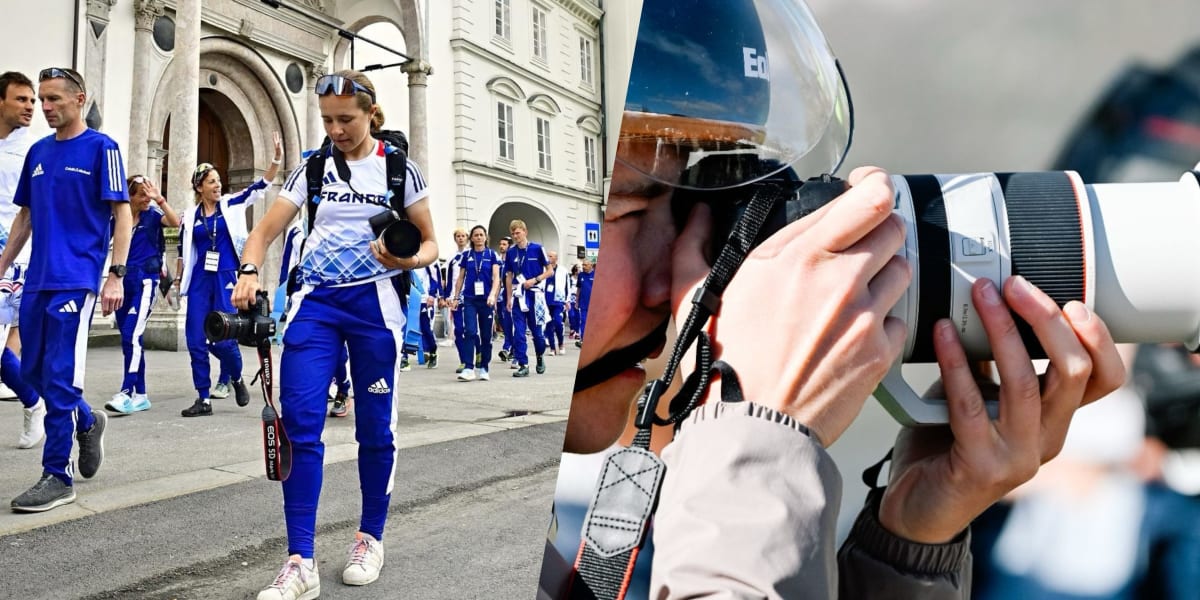
In the age of social media and running’s growing popularity, photography dedicated to the sport has never been more successful. Whether purely documentary or more artistic, with motion blur and unconventional framing, the athlete has become the subject of choice for those who “write with light”. Runners appear within natural or urban surroundings, alone or in groups, recognisable or anonymous, like the subjects of a work of art. Alanis Duc and Tom Carrascosa, sports photographers and videographers who also compete themselves, share their fascination with the genre.
In 2025, 12.4 million people in France say they run, including 8 million at least once a week. The sport’s growing appeal is just as visible on social media, particularly Instagram. If lacing up a pair of shoes is a passion, sharing that practice online often is too, a way of feeling part of the wider running community. Some photographers have also fallen for this fascinating world, to the point of making it their speciality. That is the case for Alanis Duc ( @alanis_pic_) and Tom Carrascosa (@tomahawk.__), who also compete in running at a high level.
“I’ve been immersed in sports photography since I was very young,” begins Alanis Duc, a freelance sports photographer and videographer, as well as a high-level trail runner who was selected for the 2019 European Mountain Running Championships in Zermatt and has won several bronze medals at the French junior and U23 trail and mountain running championships. “Because I’d done several different sports, I naturally started taking photos. I liked the idea of pressing the shutter at exactly the right moment and being in the right place, finding the perfect position for the runner, for example. That immediately drew me in,” she says.
For Tom Carrascosa, a sports photographer and videographer who competes in the middle distances himself (14:43 for 5,000m, 30:37 for 10K), the appeal lies in “bringing out the ideas in your head and, above all, getting messages across. Through an image, you can convey incredibly powerful messages because you freeze a moment that will never come back. Even the simplest photo can pierce the heart of the person looking at it, through the message it carries. That’s what motivates me and pushes me to be creative,” explains the passionate photographer.
A photographer’s trained eye, sharpened by running experience
 © Alanis Duc
 © Alanis Duc
 © Alanis Duc
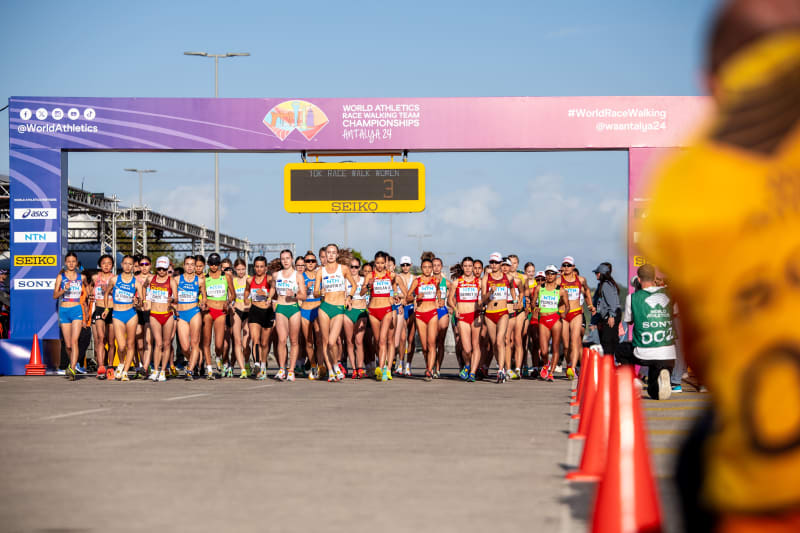 © Alanis Duc
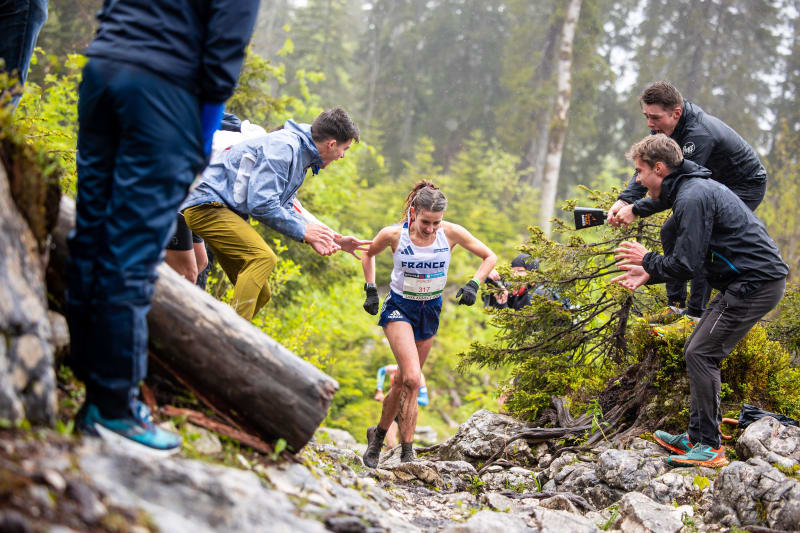 © Alanis Duc
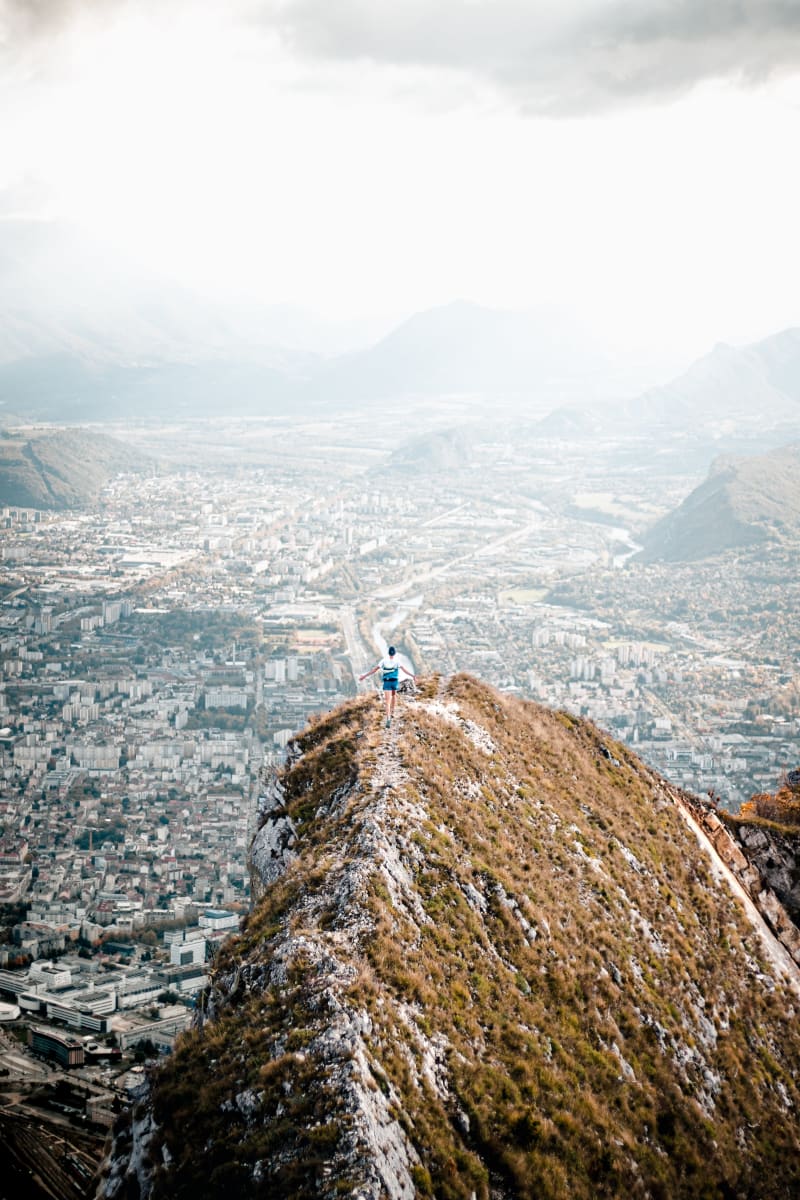 © Alanis Duc
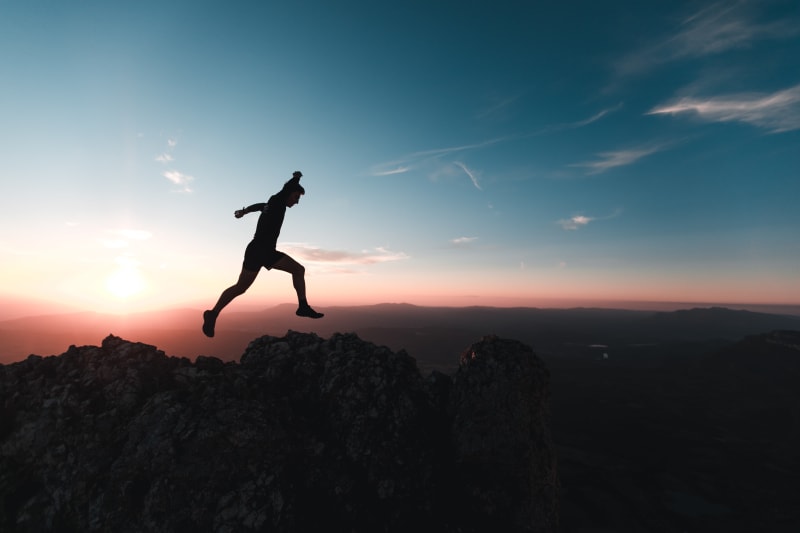 © Alanis Duc
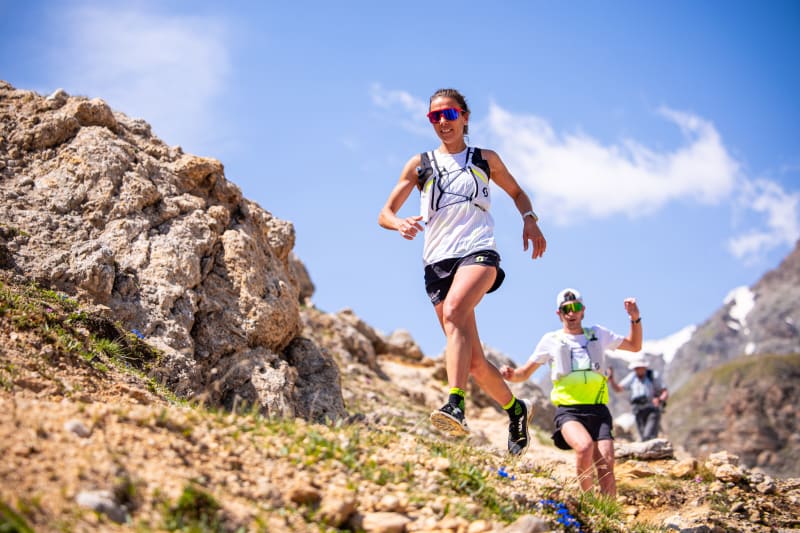 © Alanis Duc
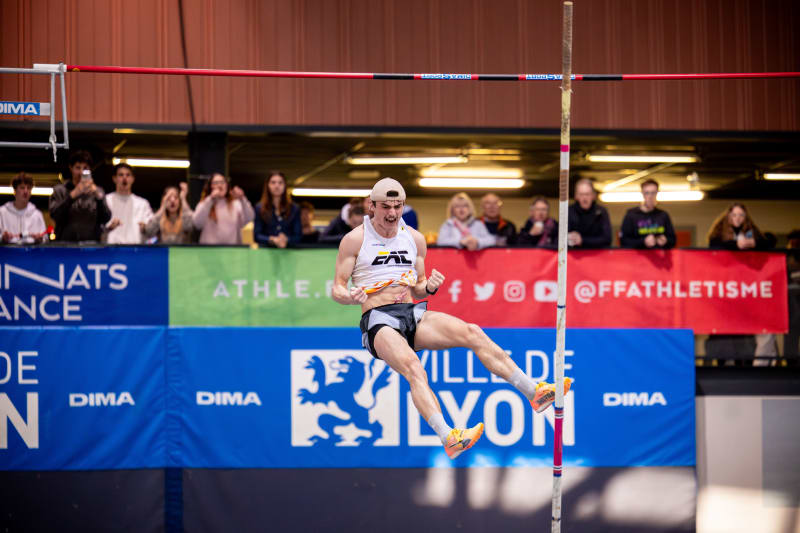 © Alanis Duc
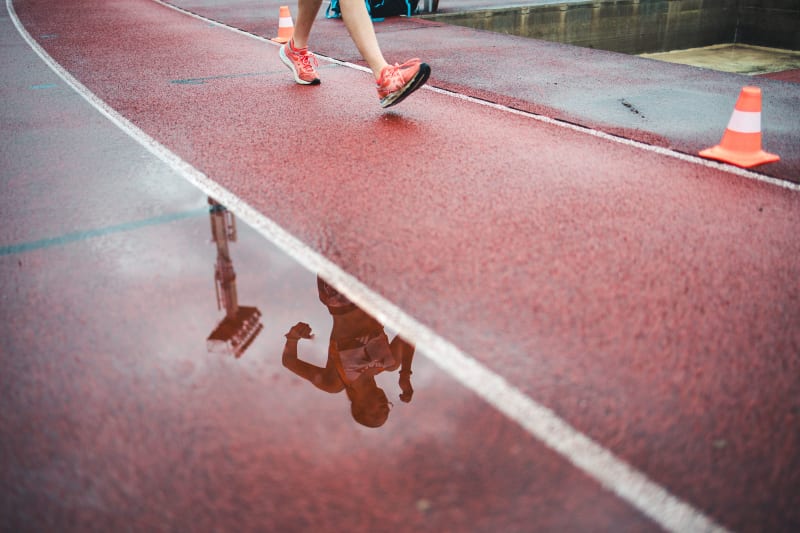 © Alanis Duc
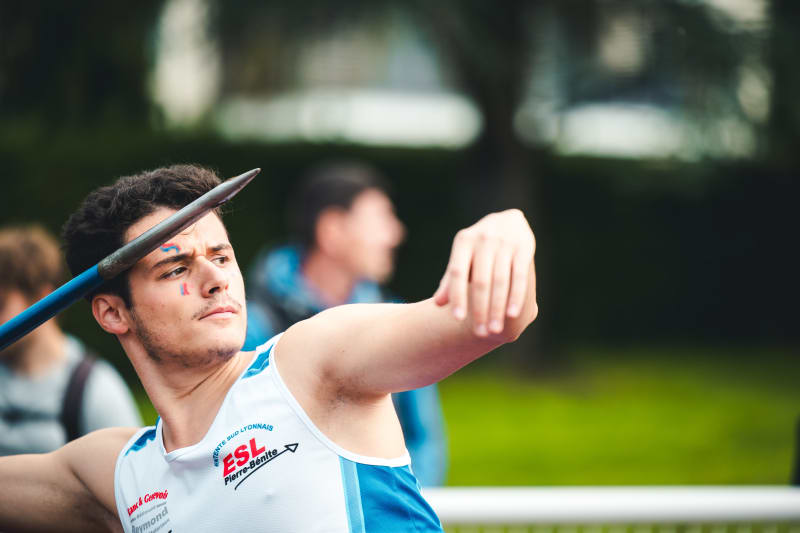 © Alanis Duc
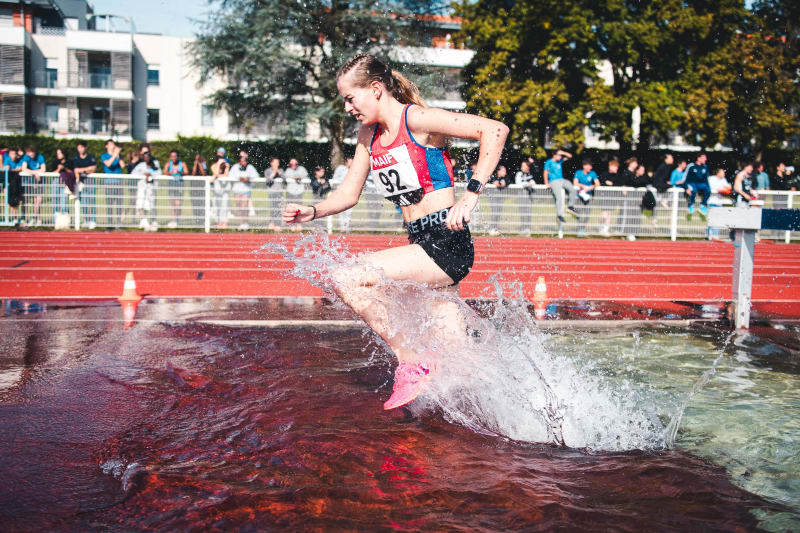 © Alanis Duc
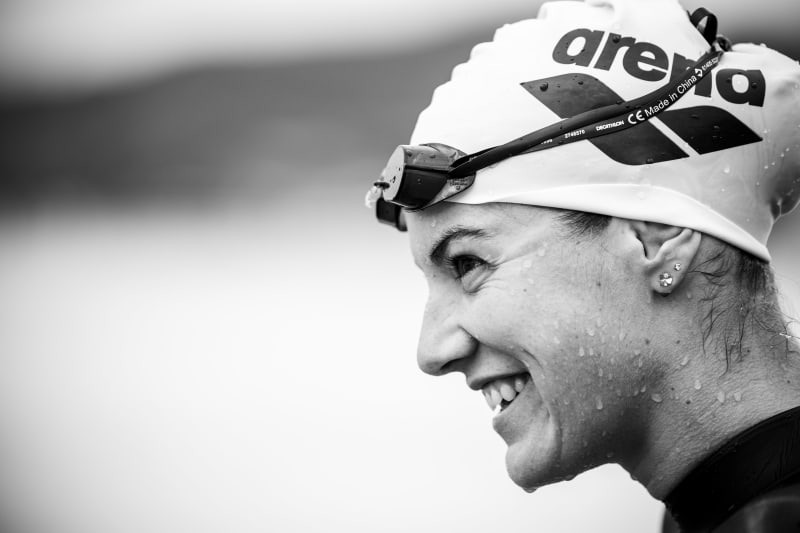 © Alanis Duc
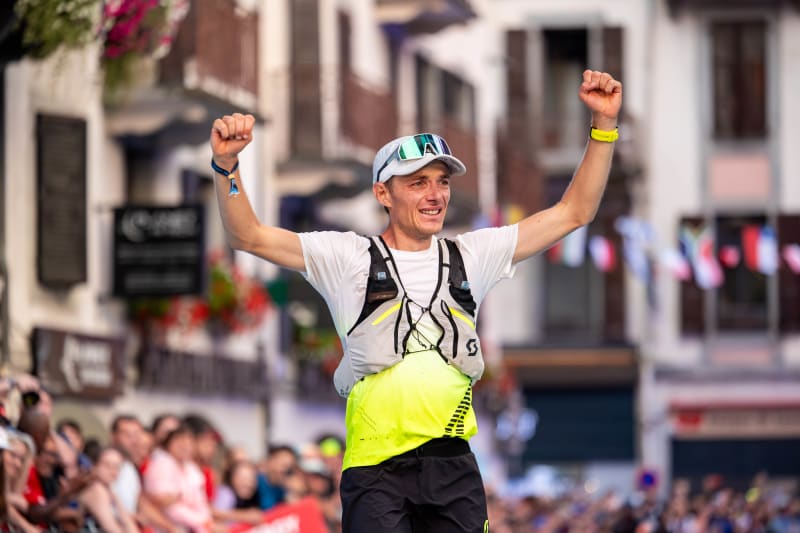 © Alanis Duc
Alanis Duc says she feels more at ease with sports photography because she practises sport herself and understands it. The multiple French trail and mountain running medallist believes she would struggle to capture the “right movement” in a discipline other than her own. Running is different: the photographer knows exactly where to stand, when to press the shutter and when to capture the emotion. “What draws me in is the action, capturing the right moment when everything happens quickly. I see it as a game, where the goal is to get that perfect movement,” explains the specialist.
Tom Carrascosa finds his favourite subject in running, the sport he also competes in at a high level. “I think running is the hardest and most demanding sport in the world, so it’s interesting when specialist photographers give it the attention it deserves,” says the athlete. He sees running as the discipline that brings out the most emotion in images, partly because it is such a central part of his everyday life.
To him, this world is free from racism and antisemitism, and excludes neither gender nor religion. “Through photographers, humanity can hope to make things better within this bubble of wellbeing that is running.”
Capturing images to preserve emotion
Over the years, and through her own sporting experiences, Alanis Duc has realised that writing with light is far more than a simple distraction. “I never expected to feel so much emotion while photographing someone running,” says the athlete, recalling the images she took of her twin brother Mattéo on his way to a French championship title. “It isn’t easy to photograph someone while you’re emotional yourself. Sometimes you can be swept away by what you’re feeling, and I discovered that gradually over the course of my career. In those moments, I remind myself not to fail in my mission as a photographer, even if I feel overwhelmed right then.”
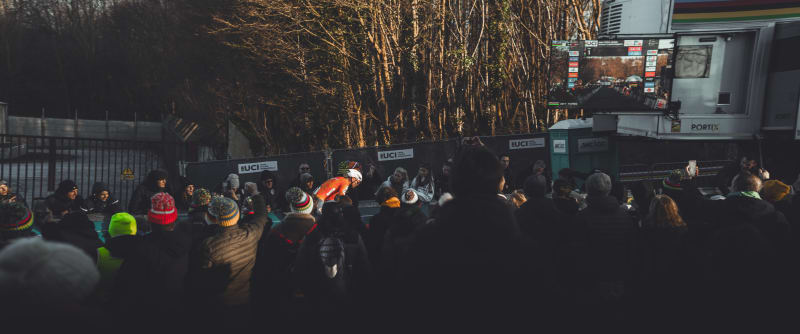
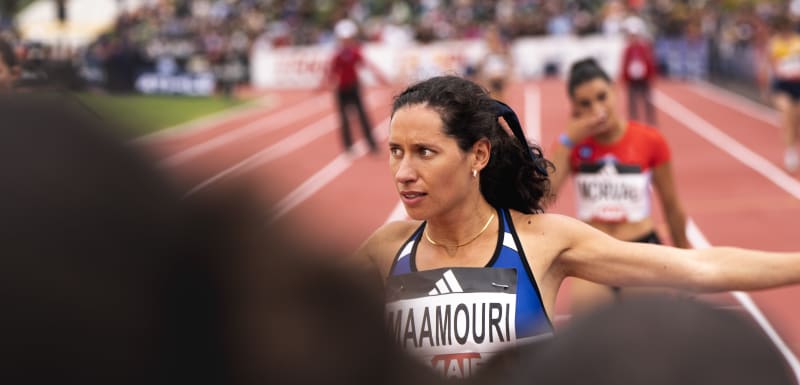
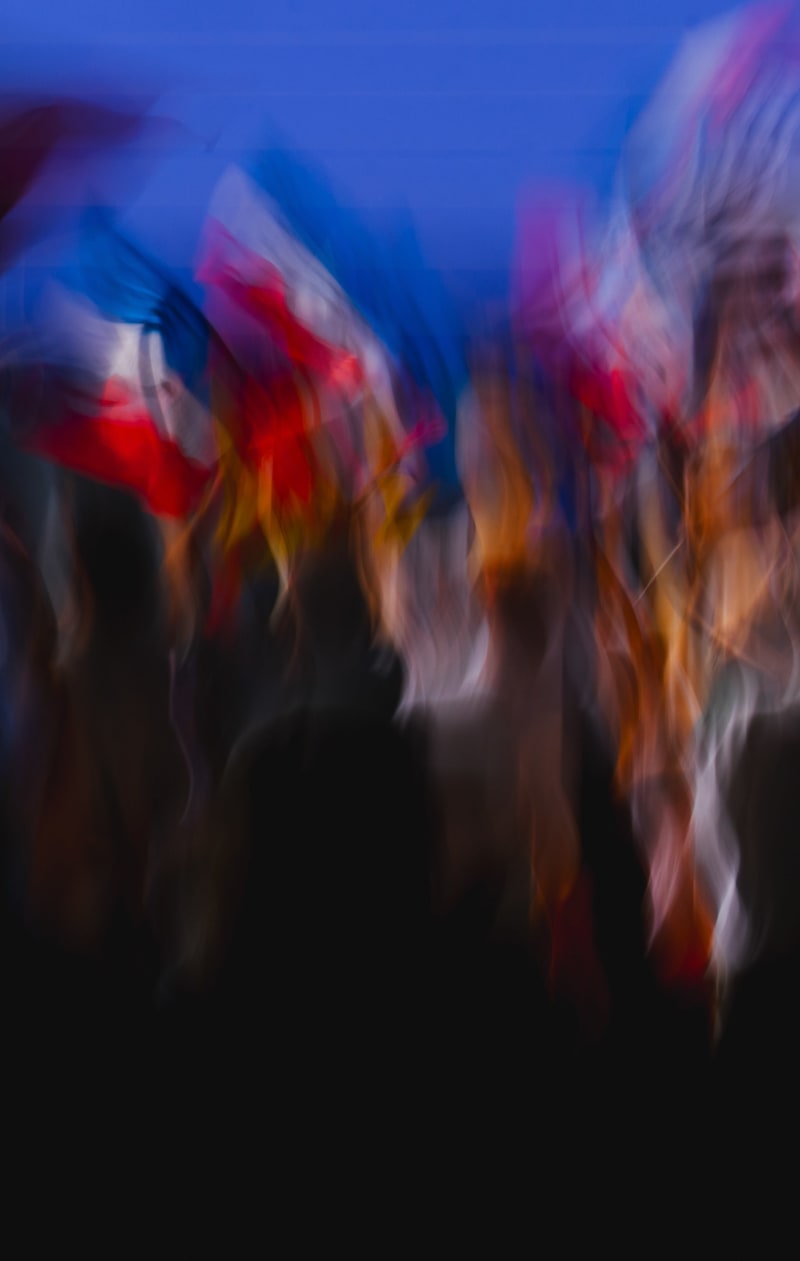
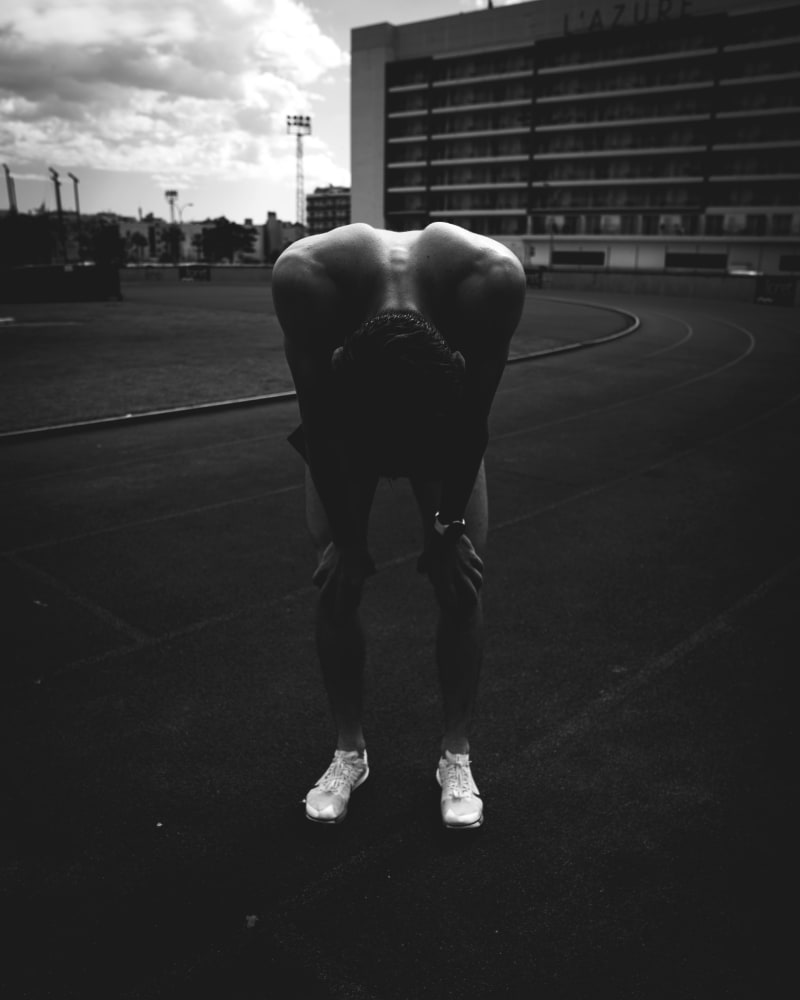
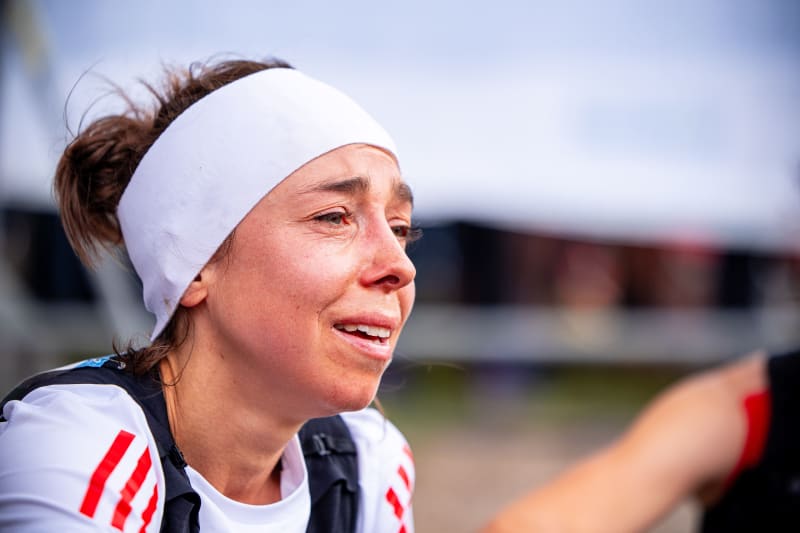
The young photographer sees the same thing in runners’ defeats. Photographing someone who has failed also means capturing “a lot of emotion, even if it’s not the same kind.” The trail runner has often wondered whether it was necessary to capture an image of failure. “It is, because moments of sadness can sometimes be the most powerful and meaningful, and they’re often the images that stay with you longest. My view of photography has changed. At first, I was looking for the perfect movement; now, I’m more interested in finding emotion, in the right place at the right time. I like to think I took that photo because it meant something in that precise moment,” Alanis Duc explains.
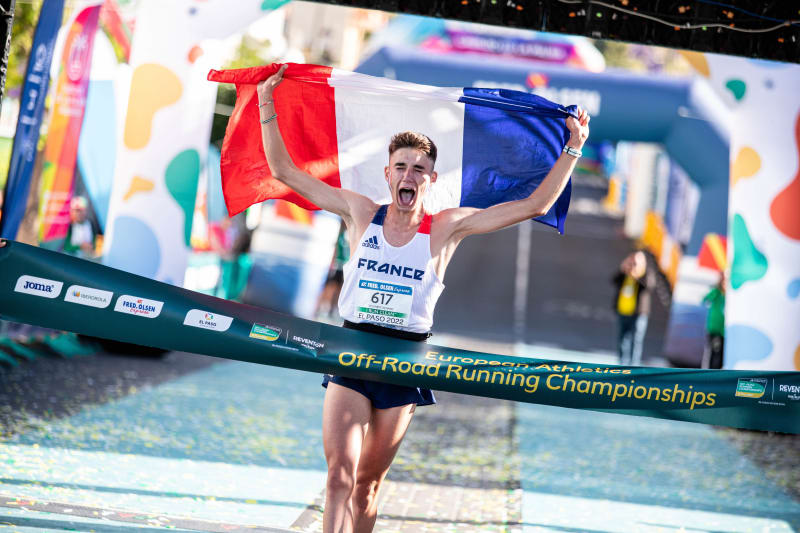
She cites the image she took of Sylvain Cachard crossing the finish line in El Paso in 2022, when he secured the European mountain running title. “You know that the memory he keeps will be your photograph. I feel proud to have captured his title, that incredible feeling of becoming European champion, and to give him a lasting record of it. I also take photos to make people happy, happy to preserve a sporting memory and extend an event beyond the day itself. When they look at the image, they’ll be taken back to their memories, whether those memories are painful or joyful. If I can achieve that, I’ve done my job as a photographer.”
For Alanis Duc, photography is above all one of the best ways to make a particular memory last longer, because time gradually blurs the details. A photo is the best way to preserve a precise moment in an image. “That’s the whole challenge: finding the most memorable moment of a finish, for example. Is it the instant the athlete crosses the line, just before or just after? Or is it at the start, in an aid station, or during a moment of doubt high in the mountains? It’s up to you to decide which moment best represents a sporting memory and will last. That’s what I love. It’s still a game, but it has evolved, with new rules.”
Photographing the everyday runner, an open book of stories and messages
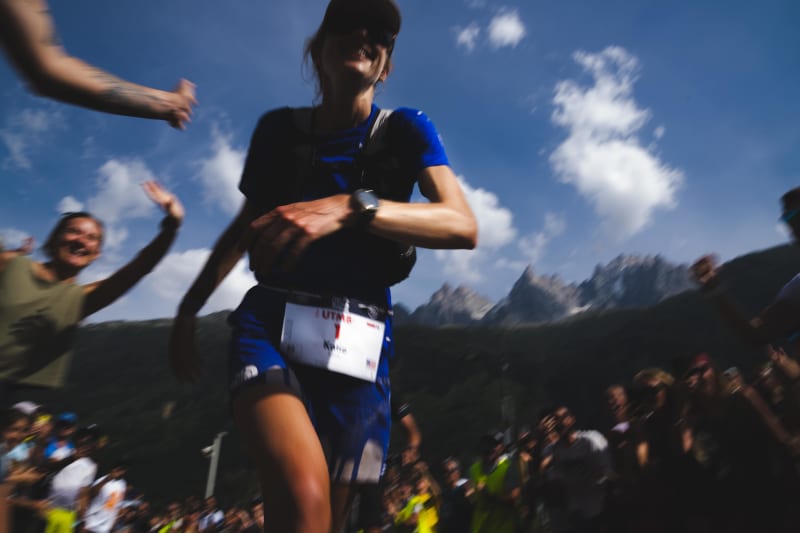
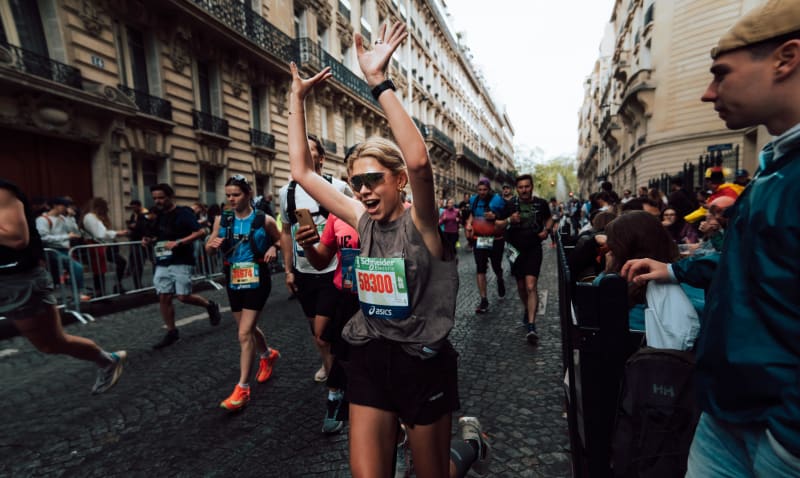
What Tom Carrascosa enjoys most is following everyday runners, not necessarily international athletes. “I’ve followed some very high-level athletes, including a few Olympians, but those aren’t the experiences I remember most clearly.” When passion becomes a full-time profession, emotions and vulnerabilities tend to fade, and running can become almost mechanical, much like any ordinary job. That is why he is drawn to “Mr or Ms Everyperson”, the runner who “gives everything in a race” out of passion, for a challenge, to overcome life’s setbacks, or to prove they are capable of achieving something extraordinary.
“What makes me tick is the heart of the field, where people build a parallel life around their sport. Showing that side of it is incredible,” says the philanthropist with a smile. The man known as tomahawk._ on social media has often been moved by ultramarathons, which carry so many “stories and messages.”
Photography is his “very simple and personal pleasure”, shaped by subjectivity. One viewer may love an image while another hates it. “That’s the strength of photography,” says the runner. “My camera is an extension of me. I love walking around with it. I take photos because it’s my collection, my blinders, a bubble of wellbeing that protects me and lets me create my own stories. A good photographer is someone who can step off the trail for a moment and offer a different perspective, bringing out the value in everything around them.”
At the crossroads of sport and art, running photography does more than freeze technical movements: it captures moments of life, effort and self-transcendence. Driven by passionate photographers such as Alanis Duc and Tom Carrascosa, it becomes a powerful vehicle for emotion, stories and memories, giving every image a fragment of eternity. Whether they are champions crowned with success or anonymous runners in the heart of the pack, they all share the same vivid humanity that photographers strive to preserve. In a world that moves at speed, running and photography remind us of the immense beauty in slowing down, observing and, above all, feeling.
More articles
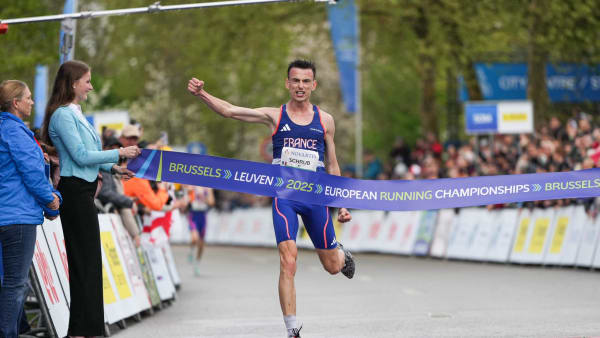
European Running Championships: Yann Schrub and France Take 10K Gold in Brussels
Yann Schrub led a French one-two in Leuven as France claimed 10K and team gold at the European Running Championships.
Wed, September 9, 2026
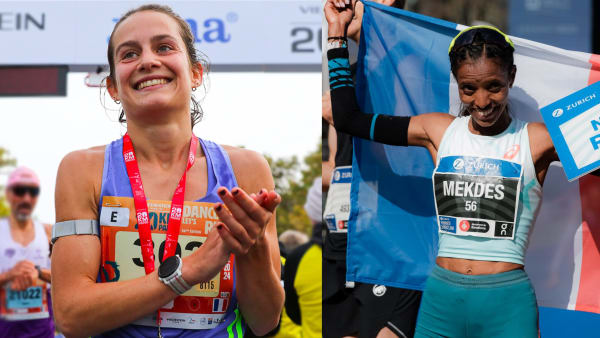
Mekdes Woldu and Manon Trapp named in France’s marathon team for Tokyo Worlds
France names Mekdes Woldu and Manon Trapp for the marathon at the 2025 World Championships in Tokyo, from September 13 to 21.
Wed, September 9, 2026
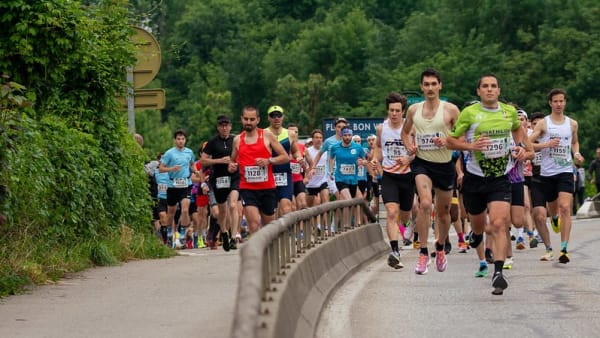
Tour du Lac d’Aiguebelette celebrates its 40th edition
The Tour du Lac d’Aiguebelette celebrates its 40th edition with 17 kilometres around one of Savoie’s most spectacular lakes.
Wed, September 9, 2026