

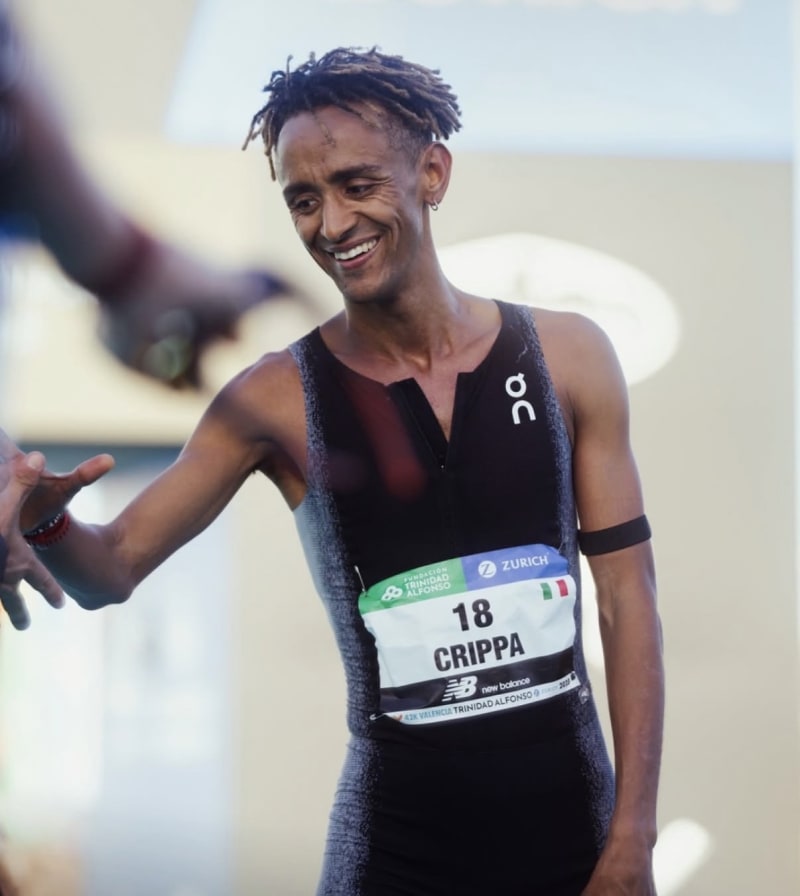
Yeman Crippa has a unique story: Ethiopian roots, a life built in Italy and a burning ambition to conquer the marathon world. After a promising start over the distance, he endured a more difficult 2025, but emerged from it stronger. 2026 has been his breakthrough year: an improved Italian half-marathon record (59:01), a first marathon win in Paris (2:05:18) and seventh place at the World Half Marathon Championships in Copenhagen. Now the Italian prodigy is setting his sights even higher, taking on a marathon monument that matches his ambitions: the New York City Marathon on November 1. Less than three weeks before race day, he spoke to Marathons.com.
Yeman, you turn 30 this week, less than three weeks before New York. How are you feeling right now?
Yes, I’m feeling very good. Training is going well, my body is responding really well. And I can’t wait, New York is getting close!
You’re reaching the peak of your marathon build. What does a typical day look like for you at the moment?
I did my last long run last week, and now I’m going to cut back the mileage quite a bit, just to maintain a high level of quality. My days look something like today: 16 km in the morning, strength training, and this afternoon I’ll do 12 km with a few strides. Tomorrow, I’ll probably have just one workout: 5 km of warm-up and 15 x 1 km. And maybe an easy 8 or 10 km in the afternoon. The volume is going down, yes. At the end of the week, I may do a 25- to 27-km long run.
I chose New York because the course is similar to Paris.
2025 was a difficult year for you in the marathon, with two DNFs and a performance below your standards in Valencia. In 2026, you’ve come back strongly: an Italian half-marathon record in Naples, a win in Paris, then an impressive seventh place at the World Championships in Copenhagen against the best runners in the world. What did you change in your training, and how do you explain such a successful season?
I made a small change, starting with my expectations for my marathon time. I ran 2:09 for my debut, 2:06 for my second marathon, and I expected to run fast, around 2:04. But I wasn’t thinking about what comes with that in the build-up: the mental side and nutrition. Then I ran Valencia, but the only goal was to finish the race. To finish a marathon and tell myself: it’s done, your mind is stronger than it was during those DNFs, stronger than in the marathons before, like Tokyo and London. And to start my new career.
Giacomo Podetti was alongside Yeman Crippa during the interview and explains what changed after 2025.
“ What changed a lot after 2025 was nutrition, along with working with a sports psychologist. After two good marathons to start with, his expectations were a little high. Then came the two marathons he didn’t finish and the weaker performance in Valencia. They weren’t bad marathons: he understood that they gave him experience to prepare for Paris, and he understood what he needed to work on.
First, nutrition, because he struggled to take his gels while running 2:56 per kilometre. In training, you don’t always run that fast, so you can manage to take your gels. But when you’re running at that pace for two hours, it’s more complicated: you have to grab your own bottle, stay focused, read the race and take in all those carbohydrates.
Mentally, he has gained a lot of experience. He has become aware of his potential and of what he needs to work on to get into the lead group and stay there. Those two DNFs weren’t bad marathons, but as part of his development as a marathoner, they were necessary to understand what needed improving. ”
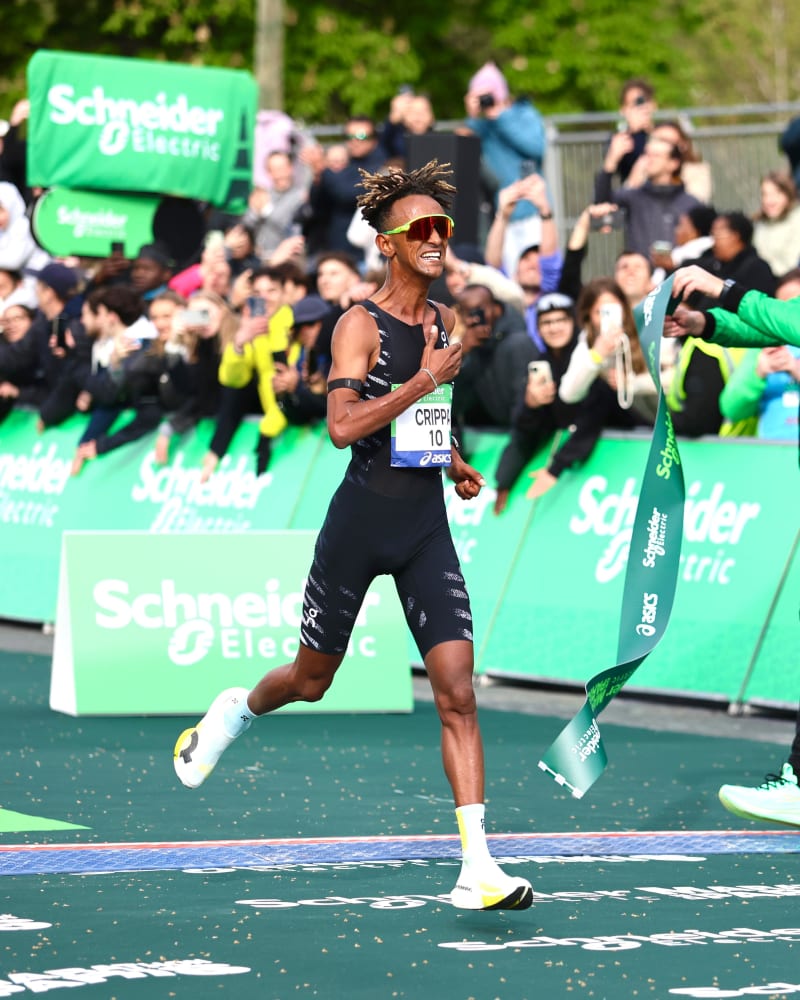 © On
© On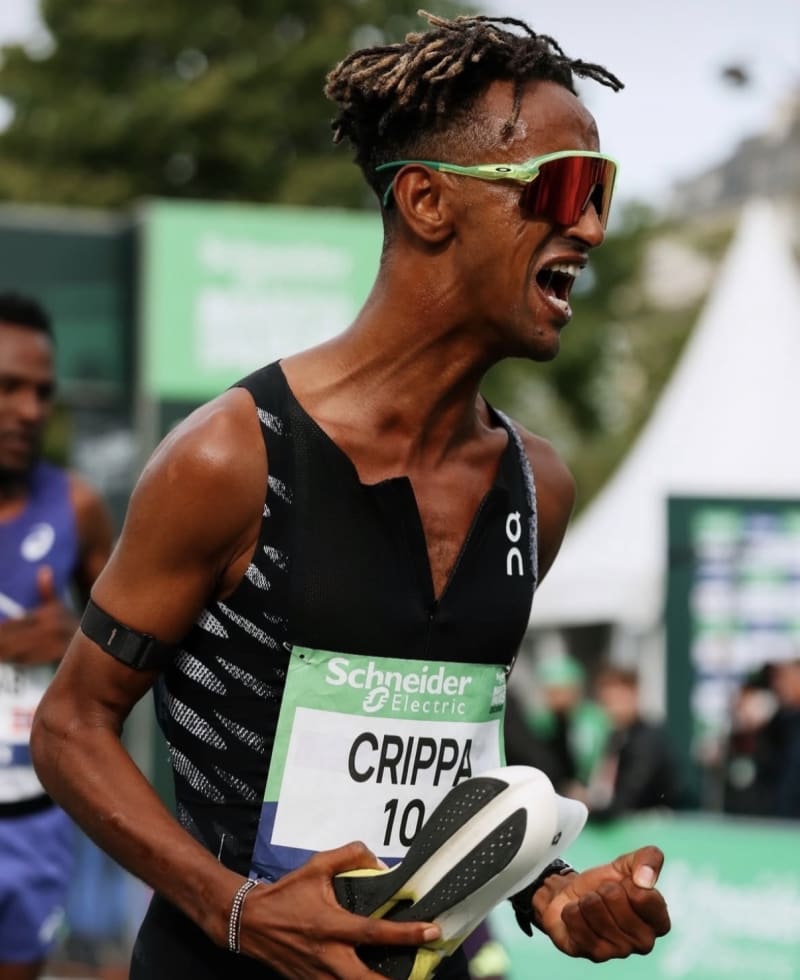 © On
© On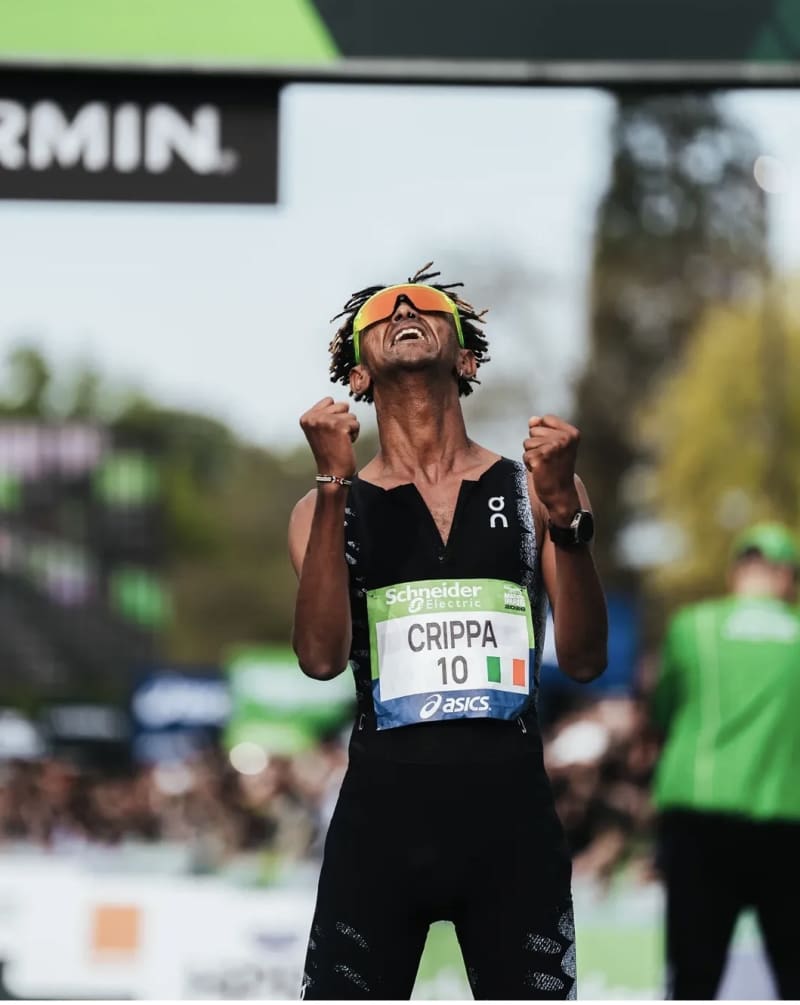 © On
© On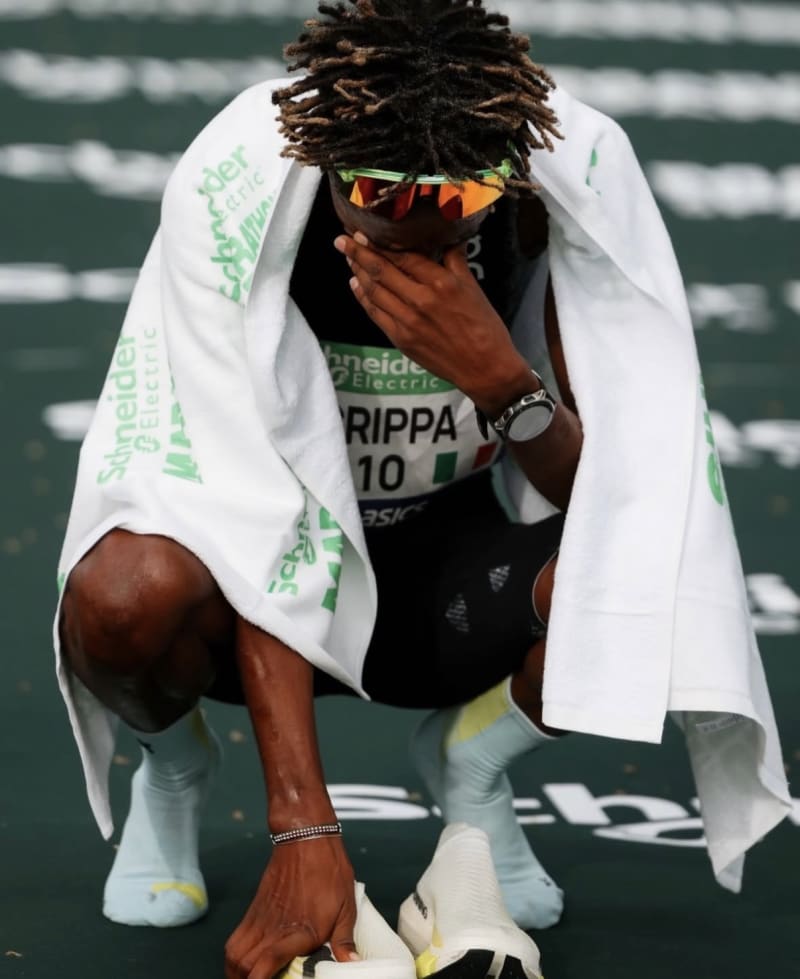 © On
© OnAt the European Championships, you finished fourth in the 10,000 m, just behind Jimmy Gressier. I imagine you were disappointed. Is that extra motivation to succeed in New York?
Yes, a little. Finishing fourth, so close to third, is a bit hard to swallow. But it was a good result, because my preparation was for the marathon, for New York. That was the goal, and so was Copenhagen. So fourth in Europe during marathon training isn’t bad, yes.
With a 2:05 in Paris, you could have targeted Berlin, Chicago or even Valencia for a faster time. Why did you choose New York?
I chose New York because the course is similar to Paris. It’s not the same, but Paris is also a fairly difficult course, especially in the second half. So it’s somewhat similar. The other thing is that there are no pacemakers in New York. I like that kind of race: everyone starts together, stays together until 20 or 25 km, and then the pressure begins. I prefer racing head to head. I like it. And next year, I hope we’ll choose a fast marathon for the time.
As you crossed the finish line in Paris, you said your marathon career was beginning that day. Six months later, what are you expecting from a race like New York?
I expect to arrive in New York with more marathon experience. As a stronger athlete, physically and mentally, with the experience of Paris. I know I’m getting stronger. I’m building something better than last year. My goal is to arrive in New York 100% ready and give my best.
 © On
© OnNew York is a difficult course, just like Paris. Have you and your coach changed anything compared with your preparation for Paris?
No, we haven’t changed anything, we’re doing the same preparation. Before Paris, I was in Kenya, and Kenya has lots of climbs and descents. A month ago, I was also in Kenya, on the same course. I haven’t changed anything compared with Paris. I’m doing the same preparation, and I hope it goes well.
You’ve been putting together some impressive workouts. On September 30, 3 x 5 km around your target marathon pace, 3 km faster, then another 5 km at marathon pace. On October 3, 6 x 4 km at marathon pace. That’s a lot of volume and quality. Can you explain how this block is structured?
Yes. I’m doing some good workouts, a lot of solid training, and plenty of volume too. The build-up is going well. Those sessions in particular are designed to work on marathon pace and recovery…
Giacomo Podetti adds: “ In these workouts, he runs 4,000 m hard, then 1,000 m that isn’t really recovery, just a little slower. It recreates what the race in New York could look like. Without pacemakers, you don’t know who will launch the acceleration or when. Sometimes the pace picks up, sometimes it slows down, and until 25 km you don’t know how the race will unfold. So he’s doing more of these types of workouts rather than only long runs, although he continues to do those too: last week, he ran 38 km and tested several things. This week, he’ll do another workout and a long run on Friday, so it’s still an important loading phase. After that, the mileage will come down. ”
A few days ago, you ran nearly 27 km at marathon pace, with treadmill testing before and after the session. What kind of tests were they, and what do they tell you three weeks before the race? Are you in the shape of your life?
It’s just to check what has changed and what has stayed the same. Mainly oxygen consumption and running economy. And the main reason I get back on the treadmill for the second test is to see how my body responds when it’s tired.
Giacomo Podetti continues : “ We don’t have the results yet. We did these tests before Paris and again now. They don’t confirm anything; they’re simply for monitoring. I’m not his coach, just a colleague, but what we can say is: before Paris, these were his values; before New York, these are the values. Next time, we’ll know how they compare. We don’t do these tests to say whether he’s in shape or not. On the treadmill, in addition to VO2 and lactate, we do a lot of video analysis. He ran 6 km on the treadmill, then 27 km outdoors, then another 5 km on the treadmill. That lets us see how much his running economy declines from the beginning to the end, and what can be improved, physically and mentally. ”
Let’s talk about your opponents in New York, and one athlete you know very well: Andreas Almgren. He’ll be making his marathon debut there, and over 42 km your experience could be an advantage. Is there a race within the race against another European? How do you approach that duel?
Yes, he’s a very strong athlete. He’s an inspiration to me because in just a few years he has gone from the 1,500 m on the track to making his marathon debut. I hope it goes well for him. What I saw from him at the European Championships, and especially in Copenhagen, was incredible.
But I know the marathon is a different sport. After 30, 32, 35 km, you enter a different sport. And it isn’t always true that running fast in the half marathon means you’ll also run well in the marathon. I’m looking forward to seeing him in New York, but I think it’s better to focus on myself and do my best. There will be a lot of very strong athletes, maybe 10 to 15. It’s not about analyzing every athlete who could be dangerous, but mainly about thinking about myself and my race.
 © On
© On © On
© On © On
© OnBetween dreaming of victory and finishing in the top 10, what result would make you say on race night, “That was a success, I’m really happy”?
I have a small chance. Somewhere between the top 10 and winning… I just want to do my best and see what my best is on the day. I know I have a small chance of winning and that I’m capable of it.
I know I have a small chance of winning and that I’m capable of it.
In training, you look equally comfortable in the LightSpray Cloudboom Strike 2 and the laced Cloudboom Strike 2. Which one will you race in New York?
I’ll use the LS, the laceless one. I prefer it; it’s very comfortable to put on. That’s the one I race in: I wore the laceless LS in Paris too, and I won in those shoes. They’re very comfortable, I love them. They’re like a Mercedes. When your foot hits the asphalt, it feels very, very smooth.
After New York come the 2027 World Championships and perhaps the 2028 Los Angeles Olympic Games. What is your ultimate goal as a marathoner?
In 2027, my goal is the World Championships in Beijing. And the big goal of my career is Los Angeles. LA 2028: to get there as a fully fledged marathoner, with experience, and with a personal best around 2:03 or 2:02.
More articles

New York City Marathon 2026 course to change in the Bronx for the first time in 15 years
The New York City Marathon will change its course in 2026 for the first time in 15 years, with a new section in the Bronx.
Tue, September 22, 2026
New York City Marathon 2025: Hellen Obiri and Benson Kipruto Triumph, Eliud Kipchoge in Tears at the Finish Line
This Sunday, more than 59,000 runners crossed New York City’s five boroughs to wrap up the 2025 World Marathon Majors season. The 54th edition of the New York City Marathon was a true display of Kenyan dominance: Hellen Obiri won the women’s race in 2:19:51, shattering the course record, while Benson Kipruto claimed victory in the men’s race in 2:08:09 after an epic sprint finish — the closest in the event’s history.
Sun, November 2, 2025