
Stockholm Marathon 2026: Edwin Kiptoo and Rebecca Chesir Rule the Scandinavian Venice
 © adidas Stockholm Marathon / Jonas Persson
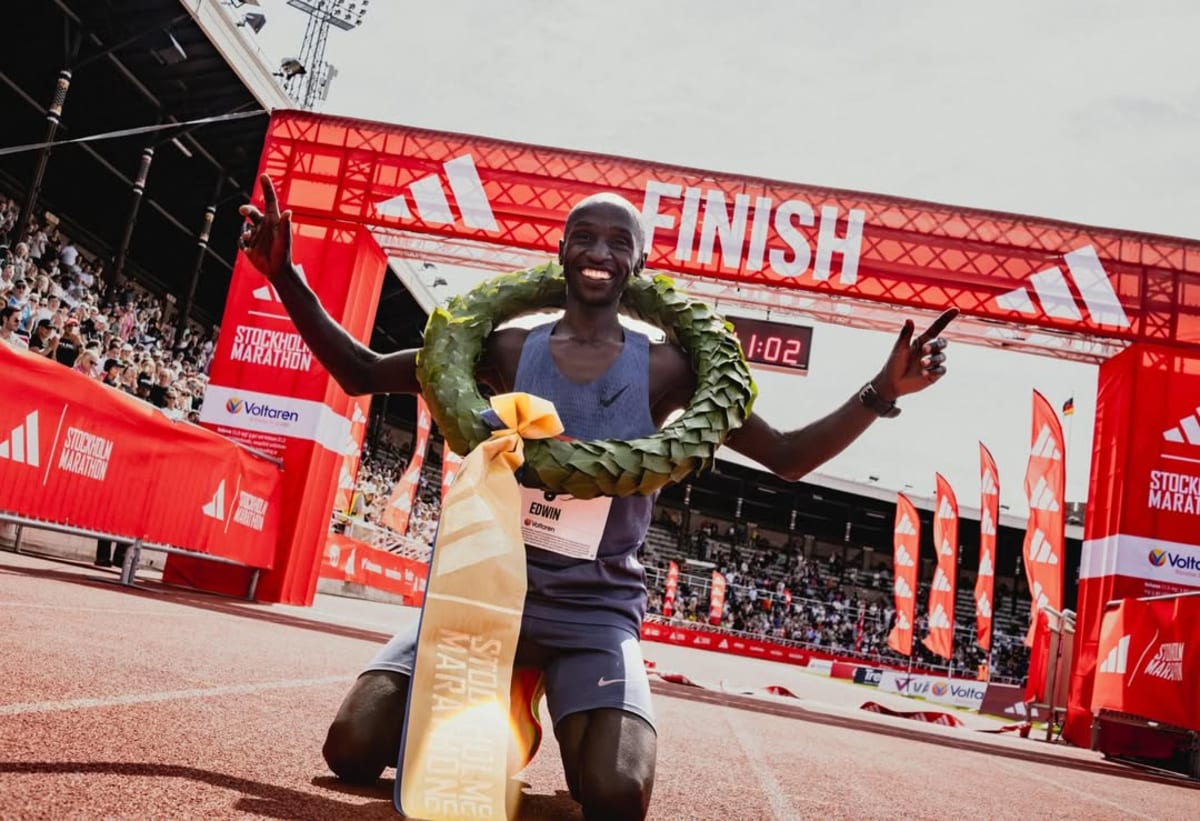
Edwin Kiptoo (2:10:46) in the men’s race, Rebecca Chesir (2:30:58) in the women’s. The 2026 Stockholm Marathon once again crowned Kenyan winners after a spectacular day of racing that brought together 20,000 runners in the streets of the Swedish capital on Sunday, May 30.
Before diving into the results, a little context is needed. The Stockholm Marathon is no ordinary race. Since its inaugural edition in 1979, it has grown into Scandinavia’s premier marathon event, the only race capable of attracting such massive crowds to the streets of a Nordic capital. And what a capital it is. Stockholm, often nicknamed the “Venice of the North,” stretches across 14 islands connected by bridges and surrounded by the Baltic Sea, making for one of the most distinctive marathon courses in Europe.
The 2026 route started at Östermalms IP before weaving through some of the city’s most iconic districts: the medieval streets of Gamla Stan, Kungsholmen and its famous City Hall, the waterfront paths of Djurgården, and the trendy SoFo neighborhood on Södermalm. Runners then followed the Baltic shoreline before crossing the legendary Västerbron Bridge. The finish line, meanwhile, awaited inside Stockholm Olympic Stadium, the venue built for the 1912 Olympic Games. Yes, that Olympic Stadium. A century-old landmark where runners complete their journey with a final lap on one of the most historic tracks in world sport. After 26.2 miles, it remains a finish worthy of the occasion.
Edwin Kiptoo: Just 24 Seconds Short of the Course Record
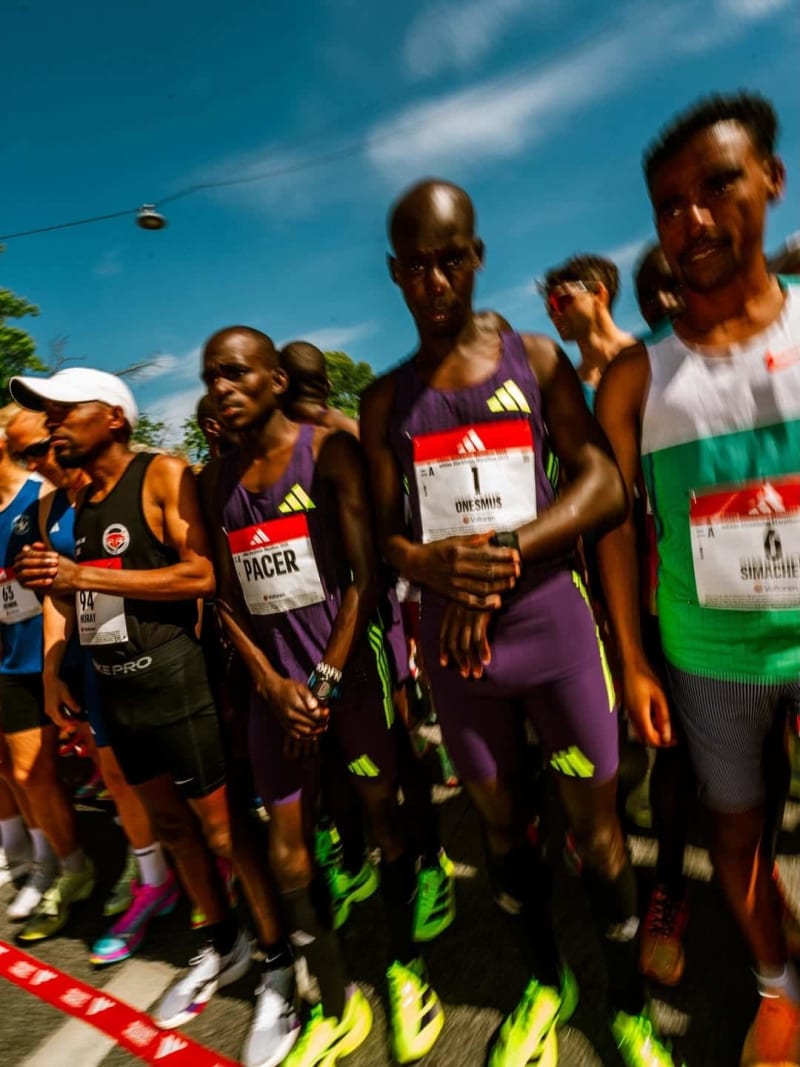
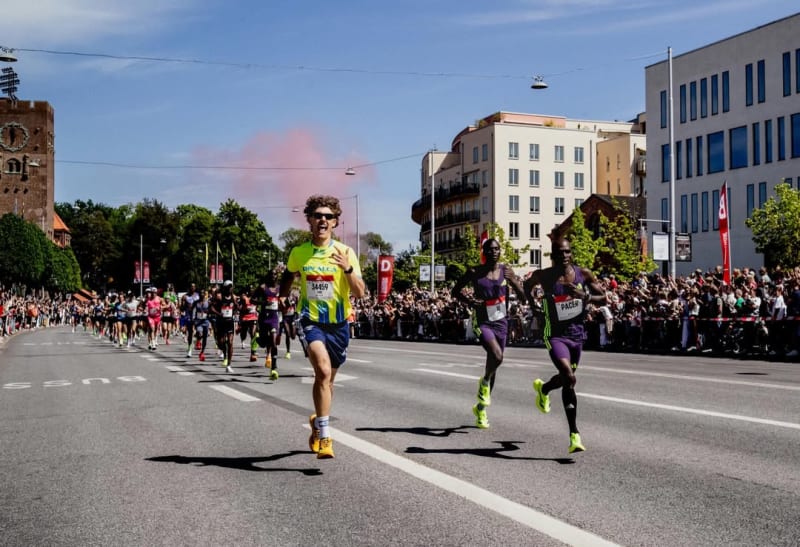
The men’s race quickly turned into a Kenyan showcase. Edwin Kiptoo claimed victory in 2:10:46, producing a controlled and convincing performance on a course not typically known for fast times. With its bridges, rolling terrain and potential Baltic headwinds, Stockholm rewards smart racing as much as pure speed. His winning time also raised an intriguing question. The men’s course record, set by Ethiopian runner Nigussie Sahlesilassie in 2019 at 2:10:10, survived by just 24 seconds. Under slightly better weather conditions and with a deeper lead pack, that mark could well be under threat in future editions.
Behind Kiptoo, fellow Kenyan Luke Kiprop secured second place in 2:11:53, finishing just over a minute back. Ethiopian Gezu Anbese Desu rounded out the podium in 2:13:31, completing an all-East African top three—a familiar sight at major road races around the world. The Kenyan dominance continued throughout the top six. Fredrick Kibii (2:14:53), Robert Ngeno (2:15:21), and Moses Kibet (2:16:55) followed closely behind their compatriots. Six Kenyan runners in the top six places. That qualifies as a statement performance.
Ebba Tulu Chala Delivers for the Home Crowd
The biggest surprise in the men’s race came just off the podium. Representing Hässelby SK, Sweden’s Ebba Tulu Chala finished seventh overall in 2:17:26, making him the fastest Swedish runner of the day and earning him the Swedish national marathon title. His club teammate Linus Rosdahl followed in eighth place with 2:18:48. Two runners from the same Swedish club finishing inside the top ten of the country’s flagship marathon says plenty about the strength of the nation’s distance-running scene.
Further down the standings, local runner Heshlu Andemariam completed the top ten in 2:21:16, with Germany’s Jan Lukas Becker (2:21:01) slotting in between the Swedish athletes. In total, 14 of the top 20 finishers represented Sweden, highlighting the growing depth of marathon running in a country traditionally better known for other endurance sports.
 © adidas Stockholm Marathon / Jonas Persson
 © adidas Stockholm Marathon
 © adidas Stockholm Marathon / Jonas Persson
 © adidas Stockholm Marathon
 © adidas Stockholm Marathon / Jonas Persson
 © adidas Stockholm Marathon / Jonas Persson
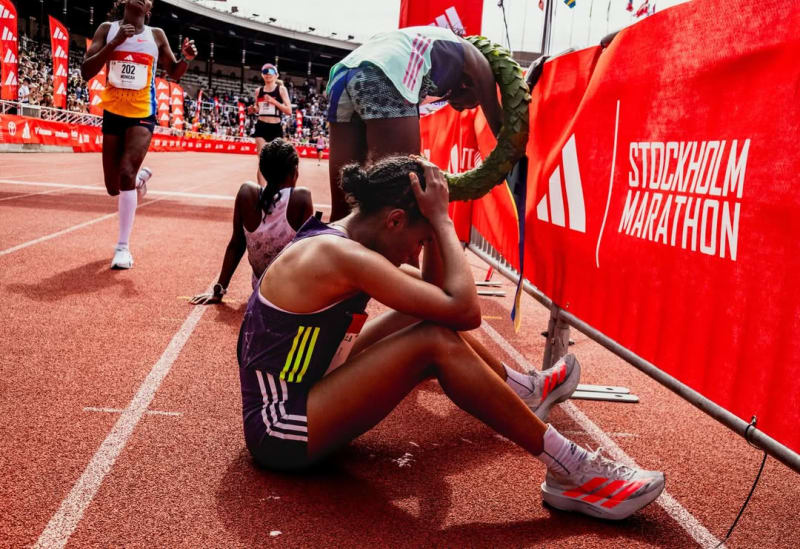 © adidas Stockholm Marathon / Jonas Persson
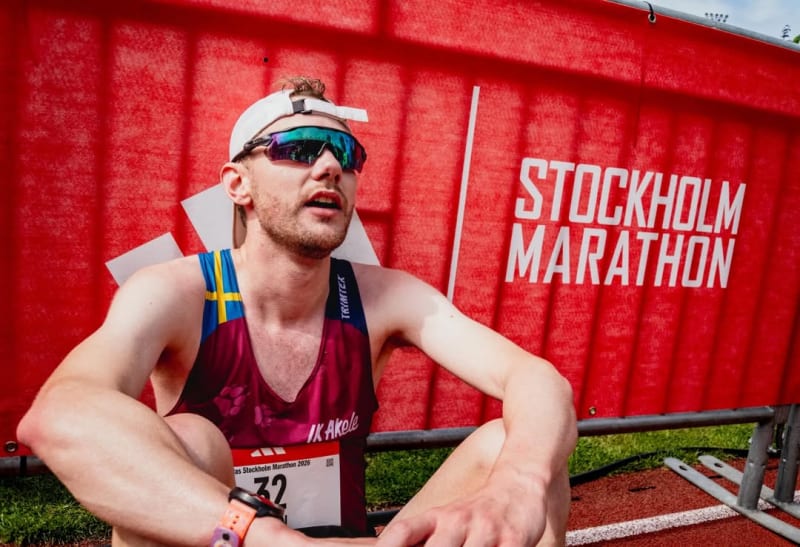 © adidas Stockholm Marathon / Jonas Persson
Rebecca Chesir Wins a Marathon Sprint
The women’s race unfolded like a thriller. Kenya’s Rebecca Chesir crossed the line first in 2:30:58, but she was pushed all the way to the finish. Ethiopia’s Sintayehu Lewetegn finished only eight seconds behind in 2:31:06—roughly 45 meters separating the pair after more than two and a half hours of racing. Another Ethiopian, Hiwot Mehari, completed the podium in 2:31:21, just 23 seconds behind the winner.
Three women separated by less than 30 seconds after 42.195 kilometers. That is the kind of finish that keeps fans glued to the race until the very end. The fastest Swedish woman was Carolina Wikström, who clocked 2:34:06. The performance carried extra significance, as it marked her first marathon in two years—a quietly impressive comeback.
Grete Waitz’s 1988 Record Still Looms Large
The most remarkable story in the women’s race actually dates back nearly four decades. The women’s course record remains in the hands of Norwegian legend Grete Waitz, who ran 2:28:24 in 1988. To put that into perspective, Waitz was one of the greatest marathon runners in history: a nine-time winner of the New York City Marathon between 1978 and 1988, the 1983 world champion in Helsinki, and the first woman ever to break the 2:30 barrier in the marathon, doing so in New York in 1979.
Despite her victory, Chesir’s 2:30:58 left her 2 minutes and 34 seconds shy of that historic mark. A record that has stood since the late 1980s—through multiple generations of runners—feels almost like a challenge issued to everyone who follows. It is also part of Stockholm’s charm: history is never far away on these streets.
20,000 Runners, 14 Islands, and a City-Wide Celebration
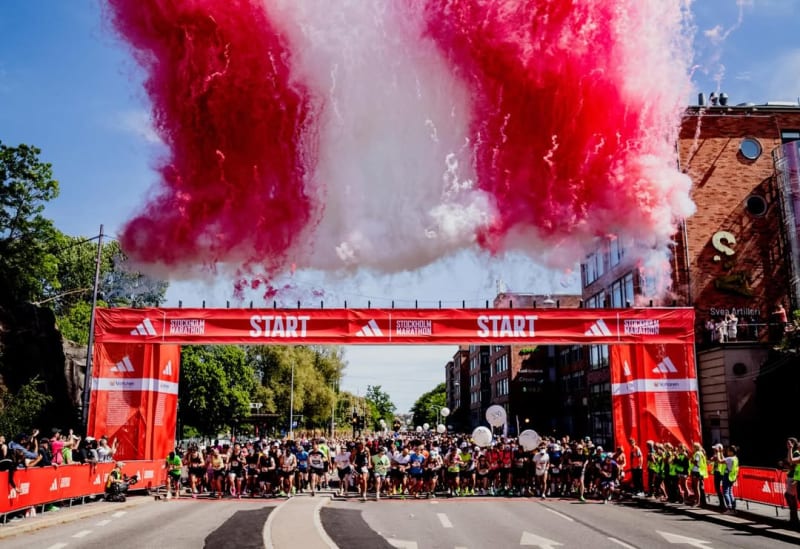
Beyond the elite races, the 47th edition of the Stockholm Marathon will be remembered for its atmosphere. A total of 20,000 runners took the start, spread across three waves between 12:00 and 12:16 from Östermalms IP. Conditions were close to ideal, with mild temperatures and plenty of sunshine. The generous 6:30 time limit welcomed everyone, from experienced competitors to first-time marathon finishers.
What Stockholm arguably does better than most marathons is tell a story through its course. Runners pass the Swedish Parliament, the Royal Palace, City Hall and the Royal Opera House. They cross the spectacular Västerbron Bridge overlooking the Baltic Sea. Then they finish inside an Olympic stadium that has stood for more than a century. Few marathons in the world can offer such a rich backdrop from start to finish.