
Nike Pegasus 42: Review After 100 km
 © MARATHONS
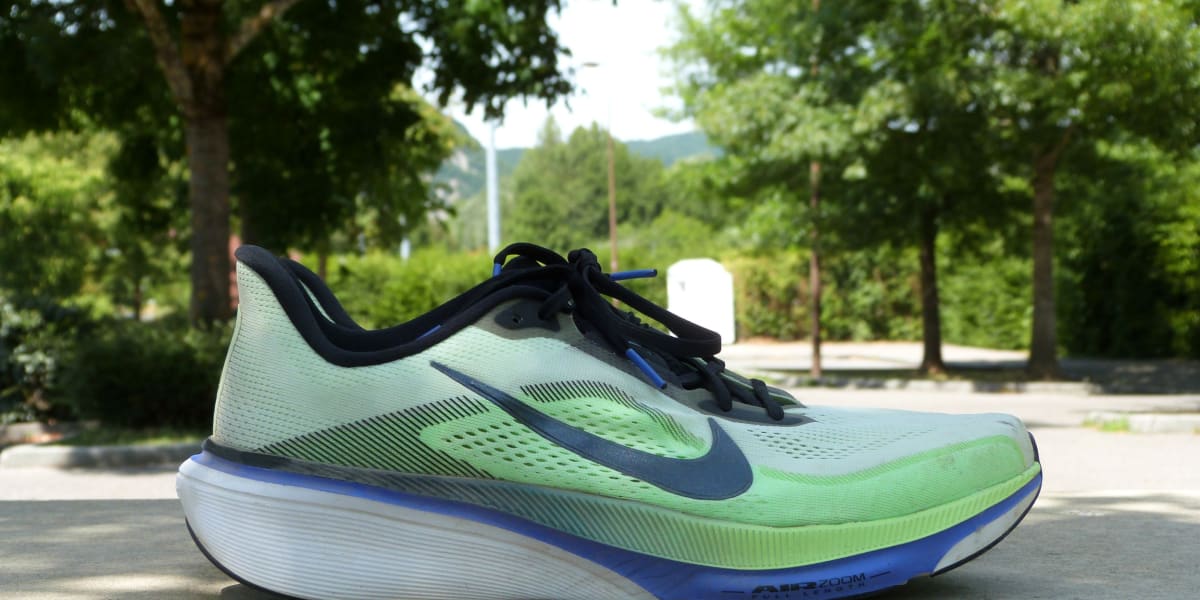
The Pegasus is probably the most famous running shoe in the world. At 44 years old, it is Nike’s most iconic franchise. In other words, it has seen generations of runners come and go. But in recent years, the American brand has lost ground, and the franchise has faded somewhat in the face of increasingly fierce competition. So, does the Pegasus 42 live up to its legendary status and, more importantly, to its competitors? Our verdict is mixed. The shoe does the job for easy runs but, despite a few innovations that sound exciting on paper, including a new Air Zoom unit, we were not fully convinced. The shoe does not feel particularly dynamic, and the foam offers very little energy return. Perhaps that is ultimately the true DNA of the Pegasus: a shoe that gets the job done and makes the foot work. But do not expect much more from it.
What’s New in the Pegasus 42
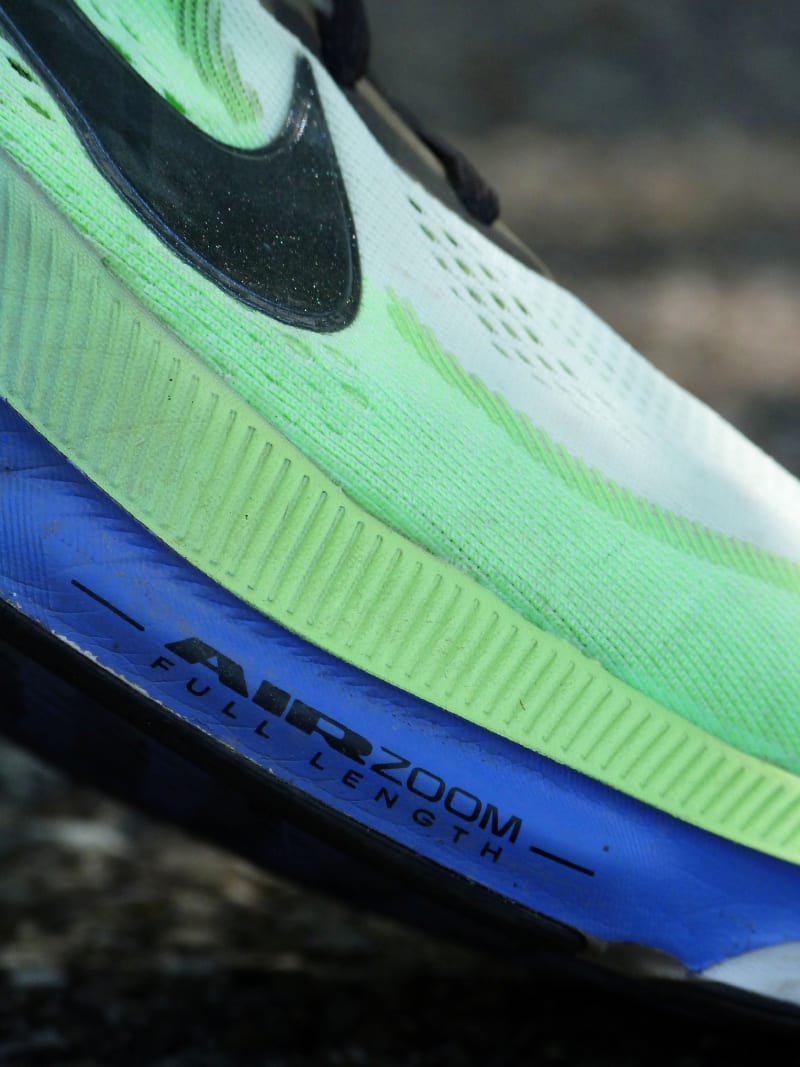
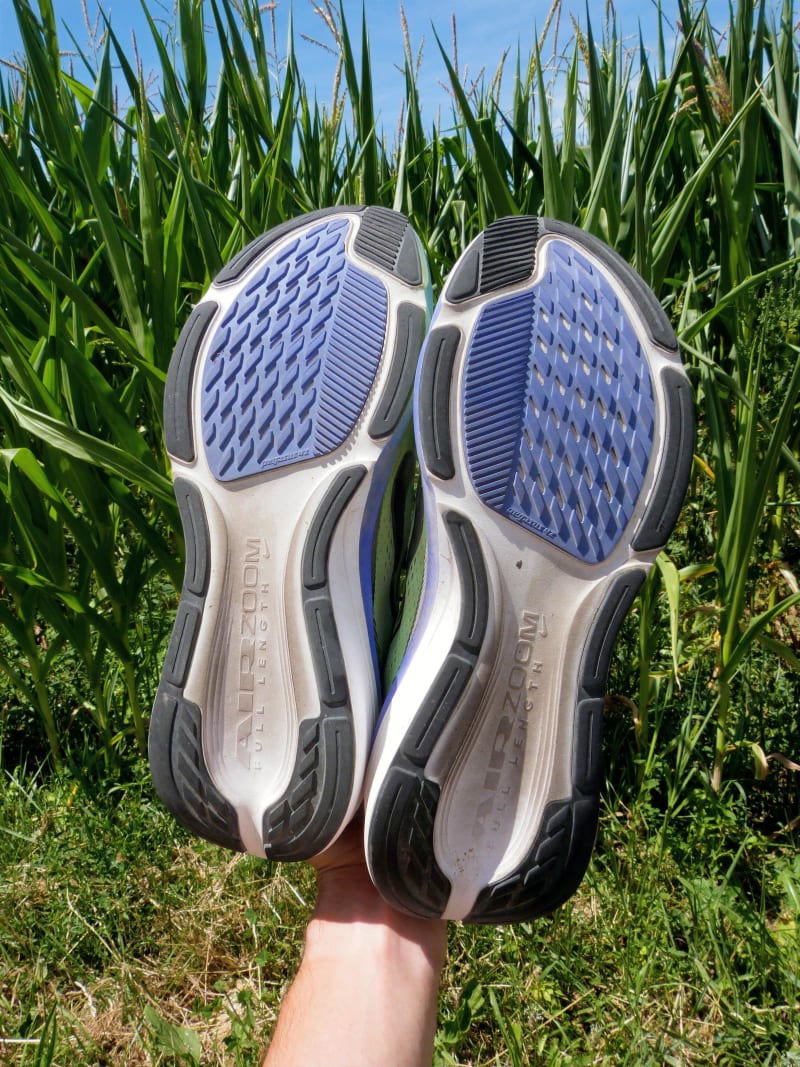
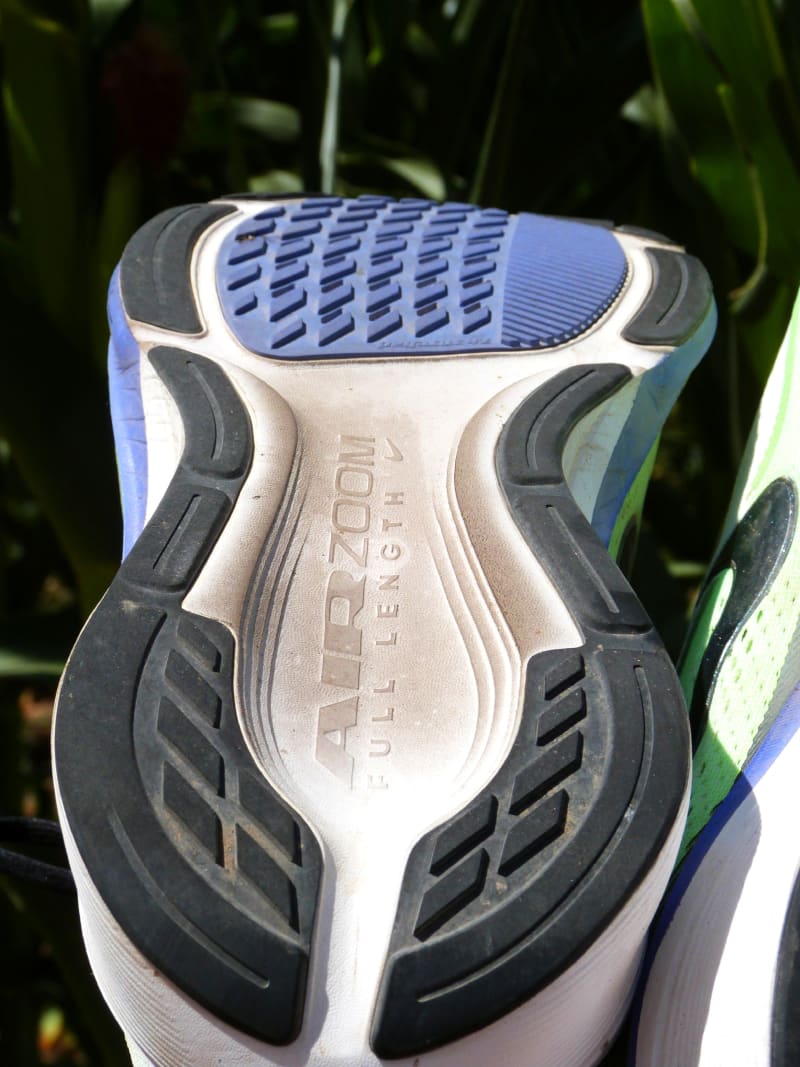
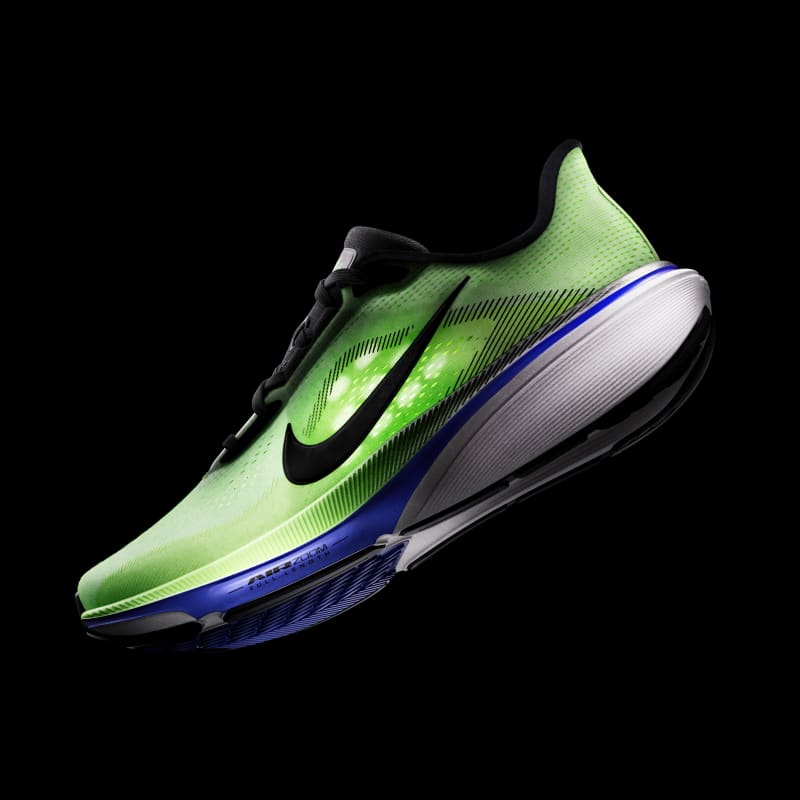
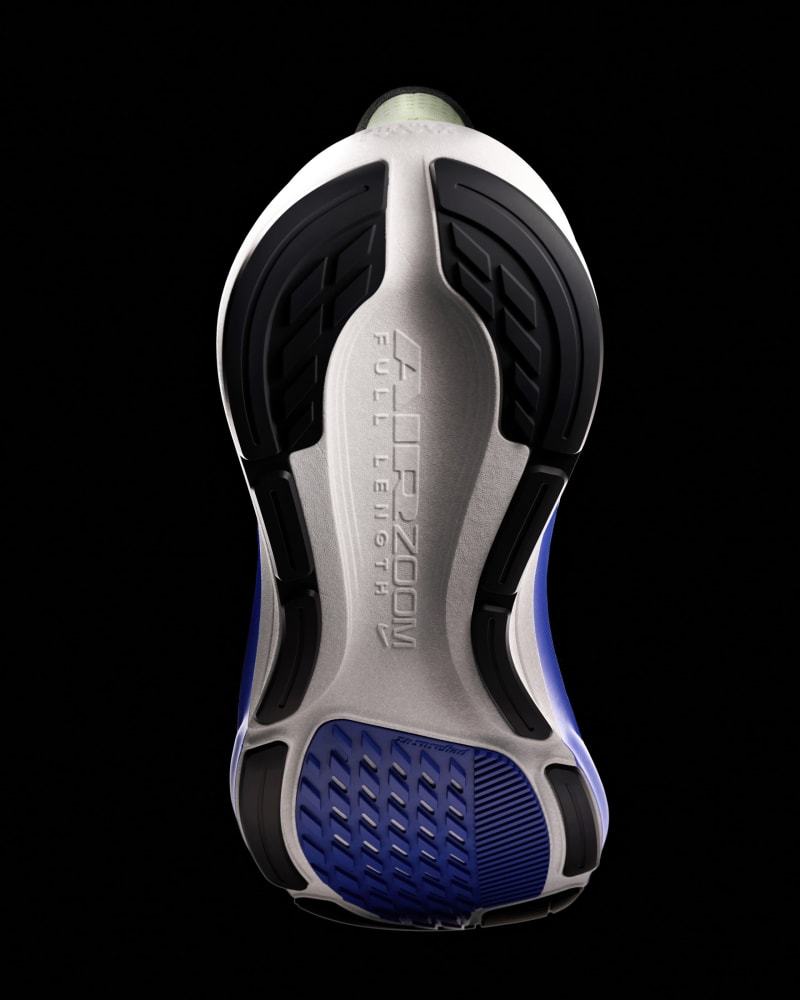
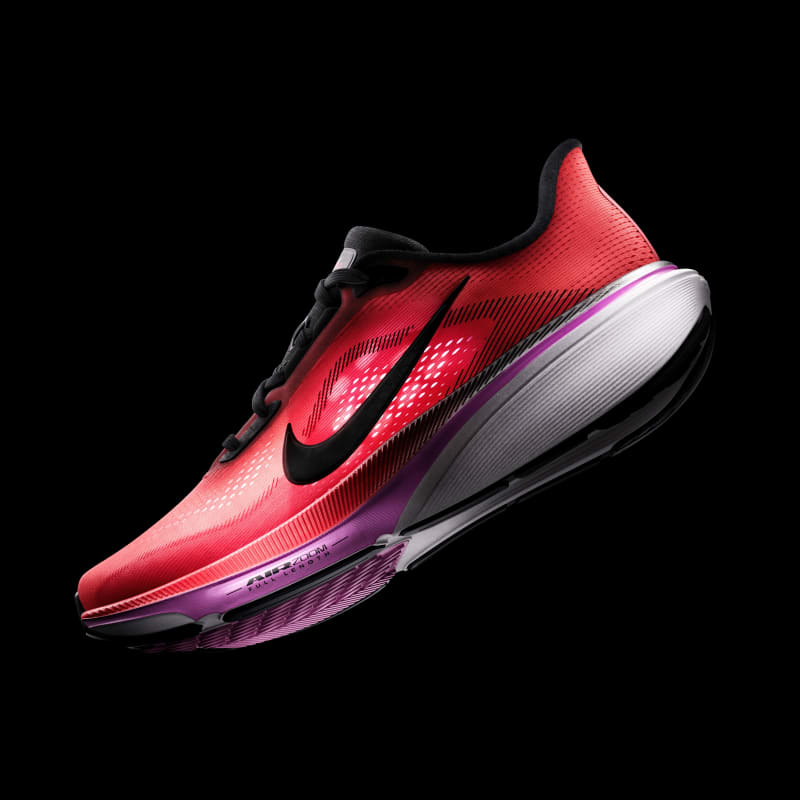
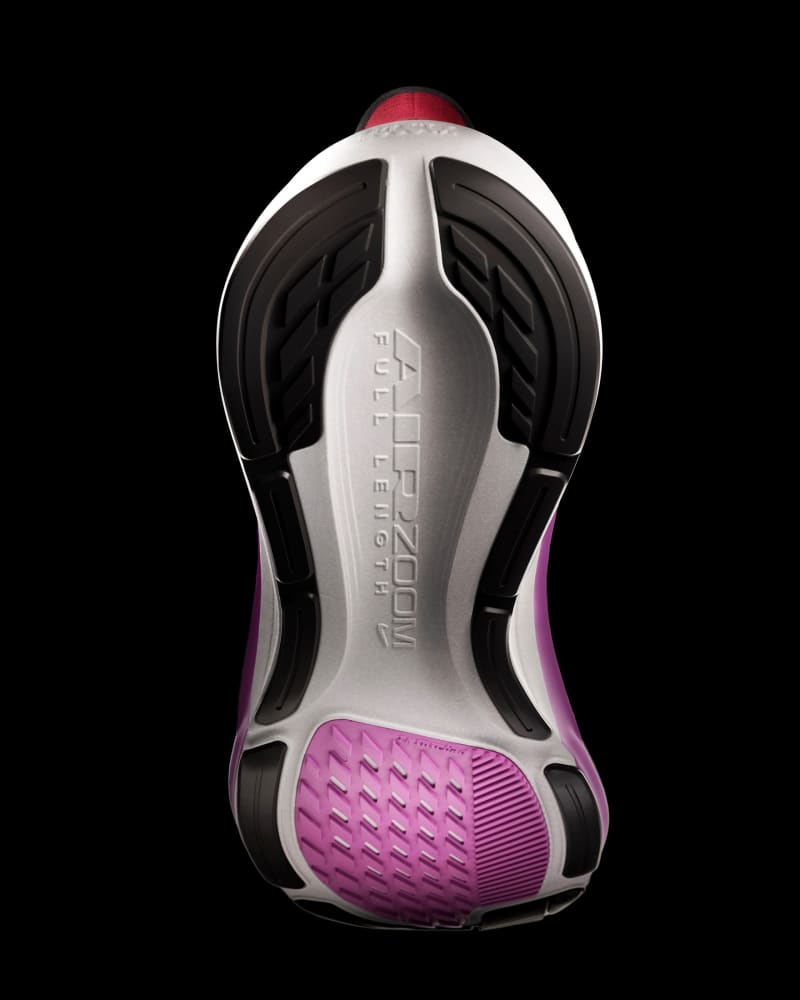
➜ Full-length Air Zoom unit: Goodbye to the two separate Air Zoom units in the heel and forefoot. They have now been replaced by a single curved, full-length Air Zoom unit that acts almost like a plate.
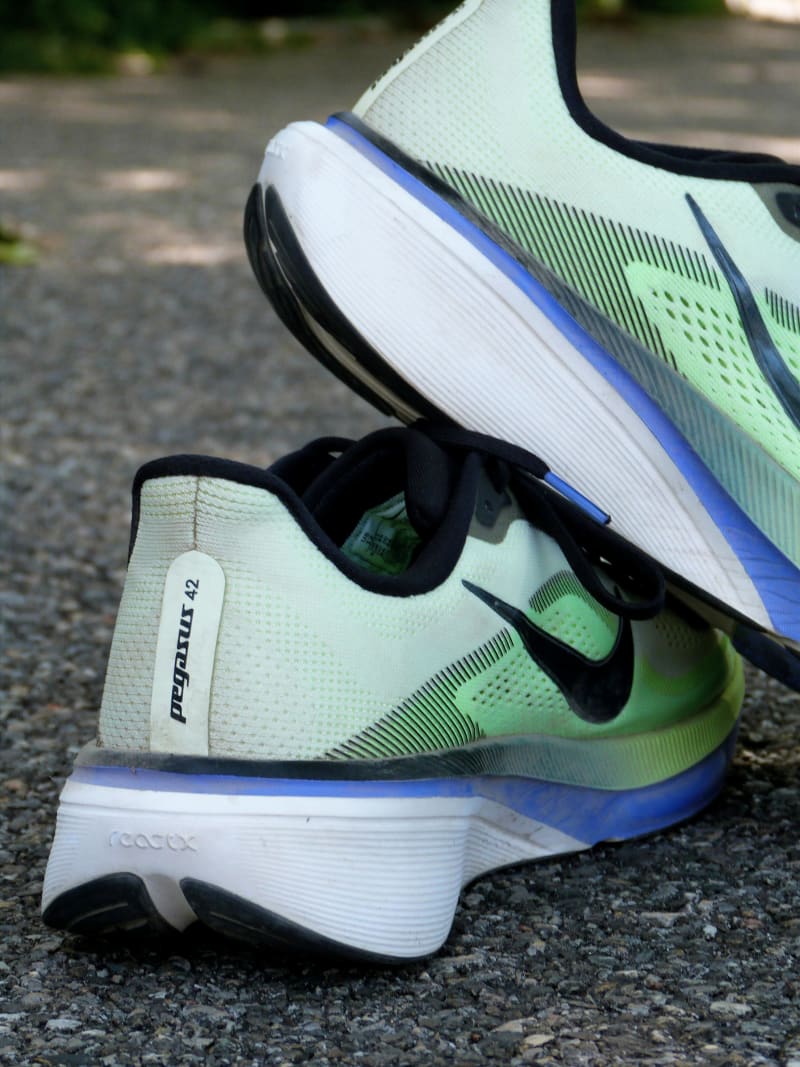
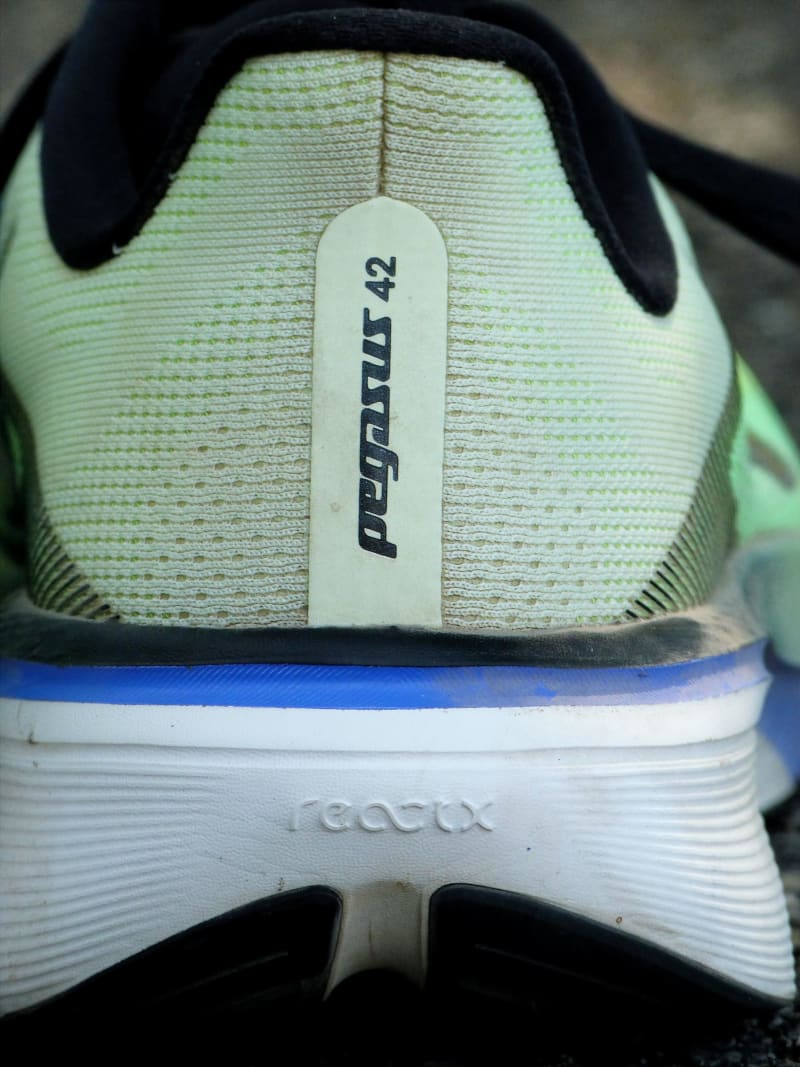
➜ ReactX foam: The material remains the same, a TPE/EVA blend, but Nike claims it delivers 15% more responsiveness. Spoiler alert: we did not really feel the difference.
➜ Updated geometry: The Pegasus 42 features a slightly more pronounced toe rocker, while Nike has added 3 mm of extra cushioning under the forefoot without increasing the overall stack height elsewhere. The shoe still has 37 mm under the heel and a 10 mm drop.
➜ Width: The shoe is slightly wider in the forefoot, although it still remains fairly narrow, in line with the American brand’s usual standards. A wide version is also available.
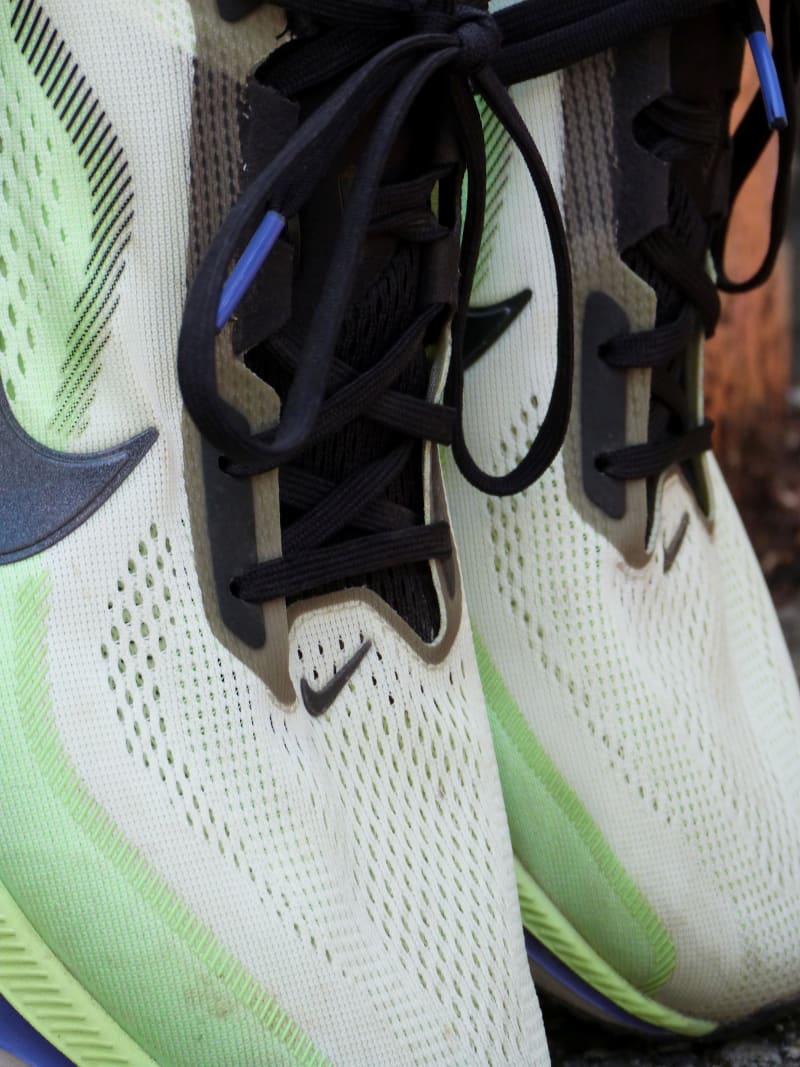
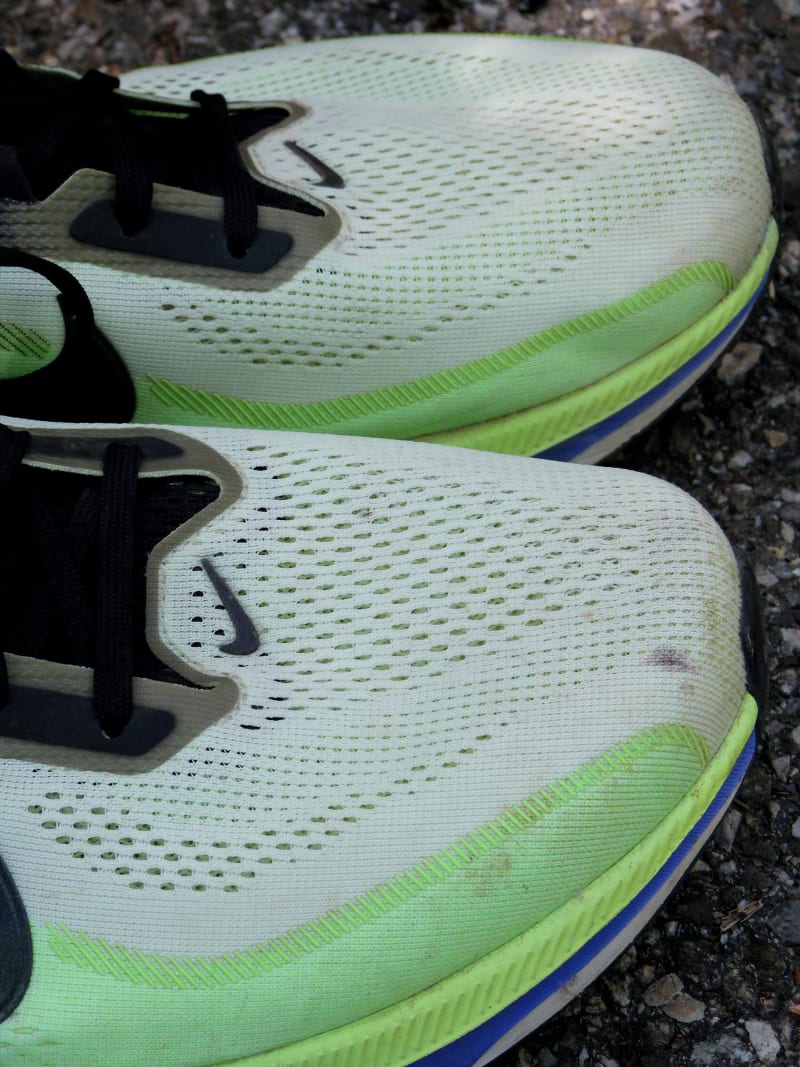
➜ Comfort: One of the shoe’s biggest strengths. The new-generation engineered mesh improves comfort while maintaining good airflow around the foot during exercise.
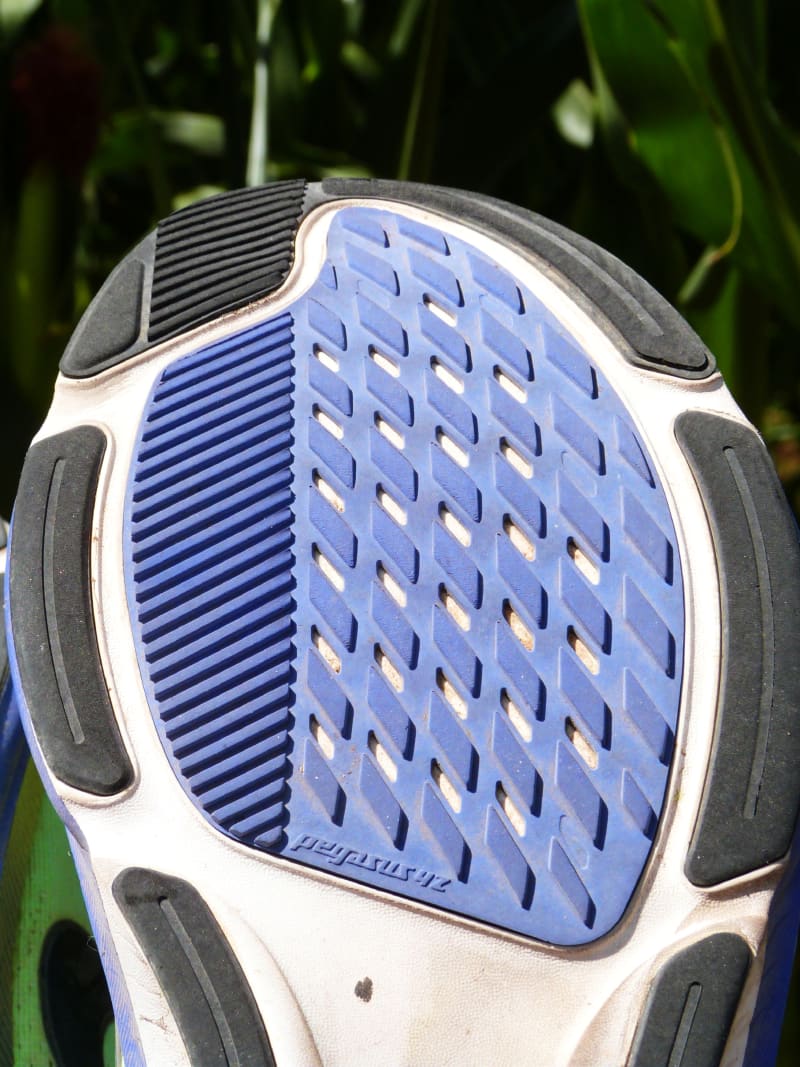
➜ Outsole: There are also a few changes underneath the shoe, with a less bulky rubber compound that is distributed more effectively to provide better protection and durability.
Technical Specifications – NIKE PEGASUS 42
Category: Daily trainer
Use: Easy to moderate runs, up to half-marathon distance
Foam: ReactX (TPE/EVA)
Air unit: Curved, full-length Air Zoom unit
Outsole: Waffle rubber outsole
Upper: New-generation engineered mesh
Surface: Road
Level: All runners
Weight: 300 g (men)
Stack height: 37 mm heel / 27 mm forefoot
Drop: 10 mm
Price: €140
Similar models: ASICS Novablast 6, PUMA Velocity 4
Testing Conditions
➜ Clément: An experienced runner currently in the off-season, with a few threshold sessions here and there, some faster work, but mostly plenty of easy running. I covered close to 150 kilometers in the Nike Pegasus 42, mainly on the road. I mostly used it for easy aerobic runs and hill sessions, with some threshold work as well to see how the shoe responded during longer intervals.
 © Marathons
Fit and Comfort
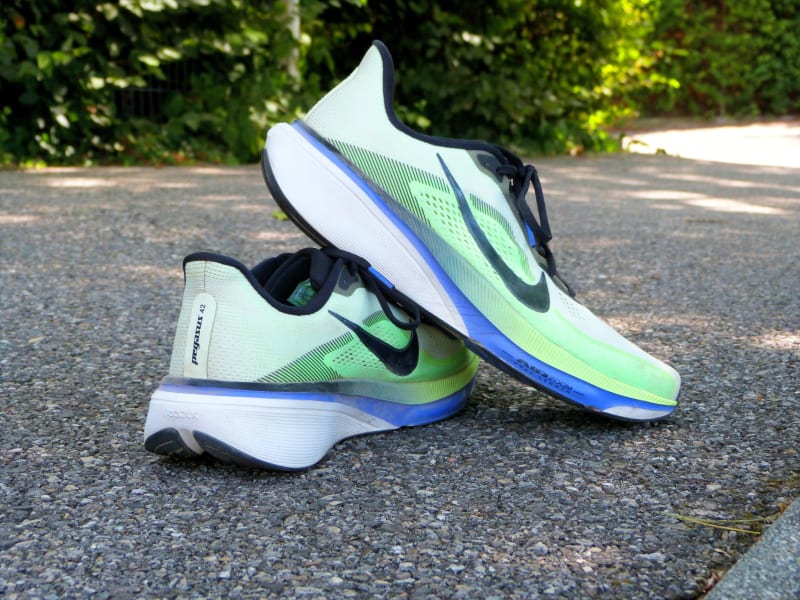
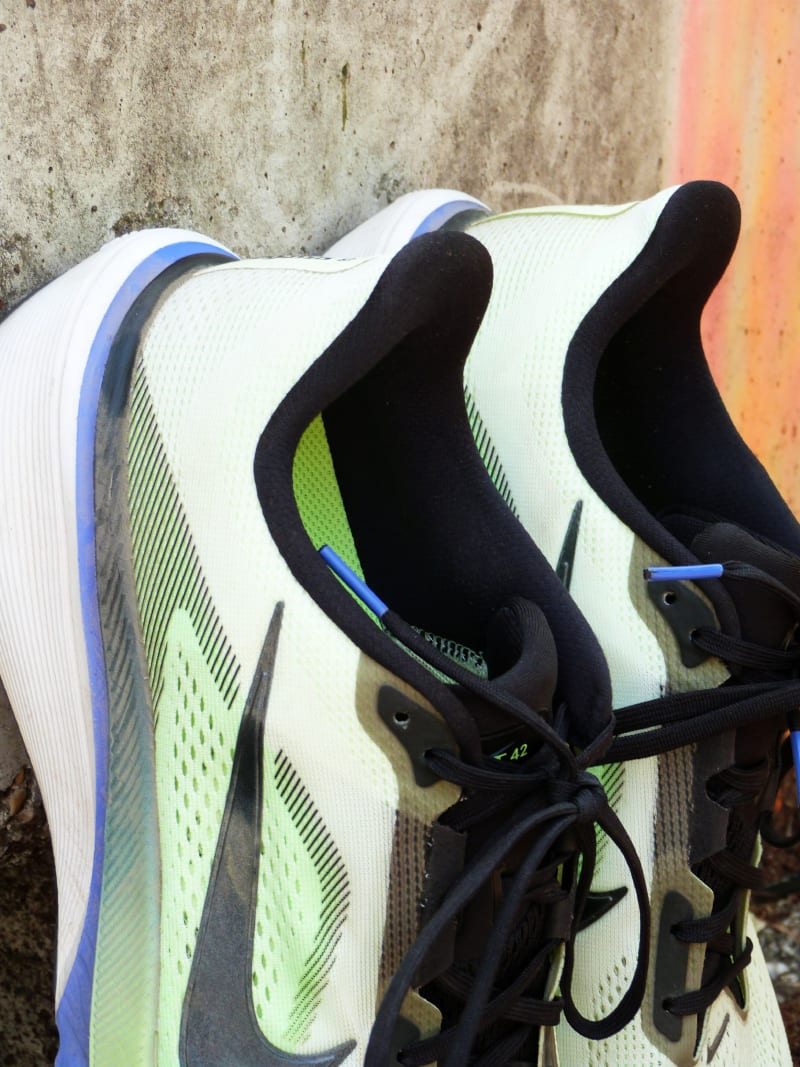
As soon as you put the shoe on, the comfort is immediately noticeable. The new-generation mesh feels pleasant. The heel is held securely thanks to a slightly rigid rear structure, without causing any discomfort. On the contrary, there is even an additional layer of foam to protect the heel from potential rubbing.
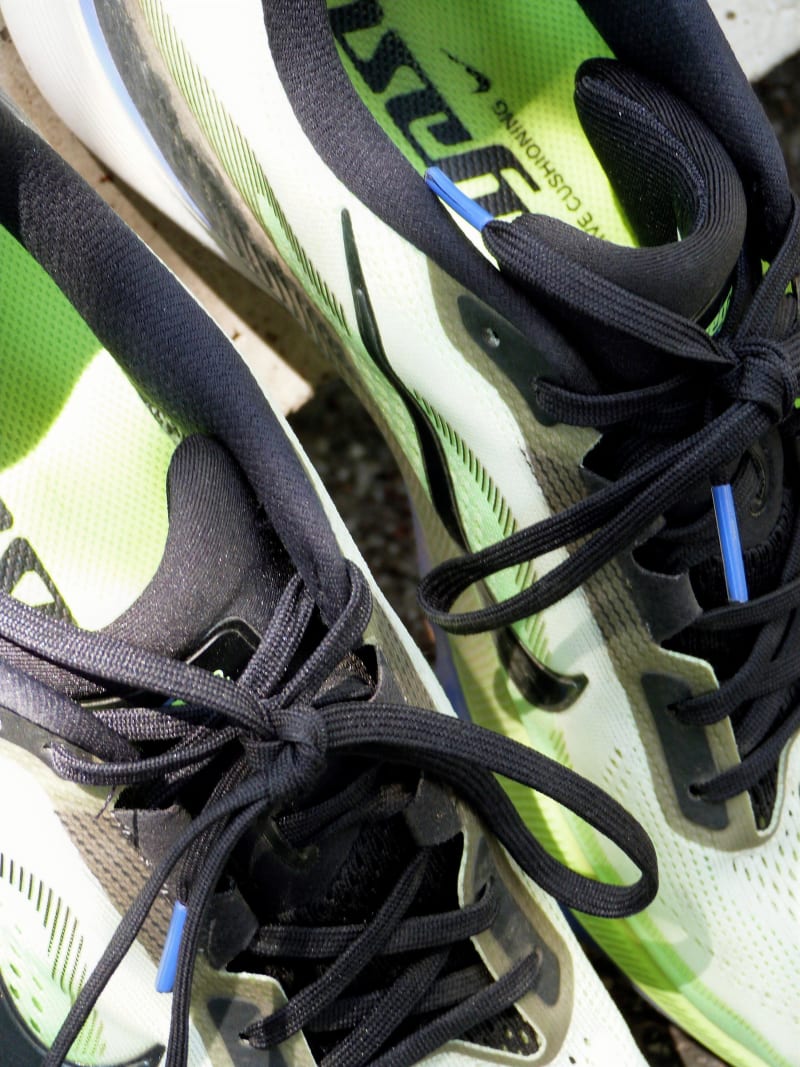
The generously padded tongue also contributes to that slipper-like feel. Overall, the shoe is well constructed. I went with my usual size and experienced no particular issues. The laces are fairly standard, but they do the job well.
Performance
The Pegasus is the shoe you choose for everyday easy runs, relaxed paces and simple runs where you do not want to overthink things. In that category, it performs its role well. But honestly, you should not ask much more from it.
The shoe seriously lacks responsiveness. You do not really feel the Air Zoom unit working underfoot. With limited energy return, you can clearly feel that the foot has to work harder with every impact.
As a recreational runner, the ride leaves me wanting more. It is not really the firmness of the foam that bothers me, but rather its limited energy return. To be fair, this is not a major issue during easy runs. You get used to it. But as soon as you increase the pace, the lack of bounce becomes obvious, and you feel like you need to work much harder to run fast, especially if you are used to more responsive models.
This ReactX foam is clearly not designed for performance. But is that really surprising when we are talking about a Pegasus? The franchise has evolved very little in recent years, remaining firmly positioned as an easy-day running shoe without any genuinely performance-focused technology.
Despite the new Air Zoom unit, the underfoot sensation is far from exceptional. And the 10 mm drop is not enough to compensate for a foam that provides so little bounce.
That said, this lack of assistance may appeal to some runners, especially those who prefer to feel the ground and make their bodies work harder. Everything a shoe does for us, including absorbing impact, returning energy and providing propulsion, is something the foot no longer has to do.
With a model like the Pegasus 42, the mechanical stress is greater and may lead to more physical adaptations. That could appeal to well-trained athletes.
We know the model is extremely popular among American college runners who put in serious track mileage and have always loved the Pegasus precisely because it feels relatively close to the ground while still offering enough protection.
Nike also highlighted the popularity of the model among American students and new runners during the product presentation.
The Pegasus is a bit like choosing Mario in Mario Kart. It excels at nothing, but it is decent at everything.
 © Marathons
 © Marathons
 © Marathons
 © Marathons
 © Marathons
Stability
The shoe is relatively stable. Even on gravel, it provides a reassuring feeling. I also tested it in the rain and did not experience any slipping.
The redesigned grip pattern underneath the shoe works well. The lacing system is simple but effective, and the foot feels securely held throughout the shoe.
 © Marathons
 © Marathons
 © Marathons
Durability
Durability appears to be a genuine strength. True to the DNA of the Pegasus franchise, the model handles mileage without showing much wear and could probably reach 1,000 kilometers, depending on each runner’s stride and body type.
It has to be said that the shoe is unlikely to lose much responsiveness over time… considering it barely has any to begin with.
Breathability
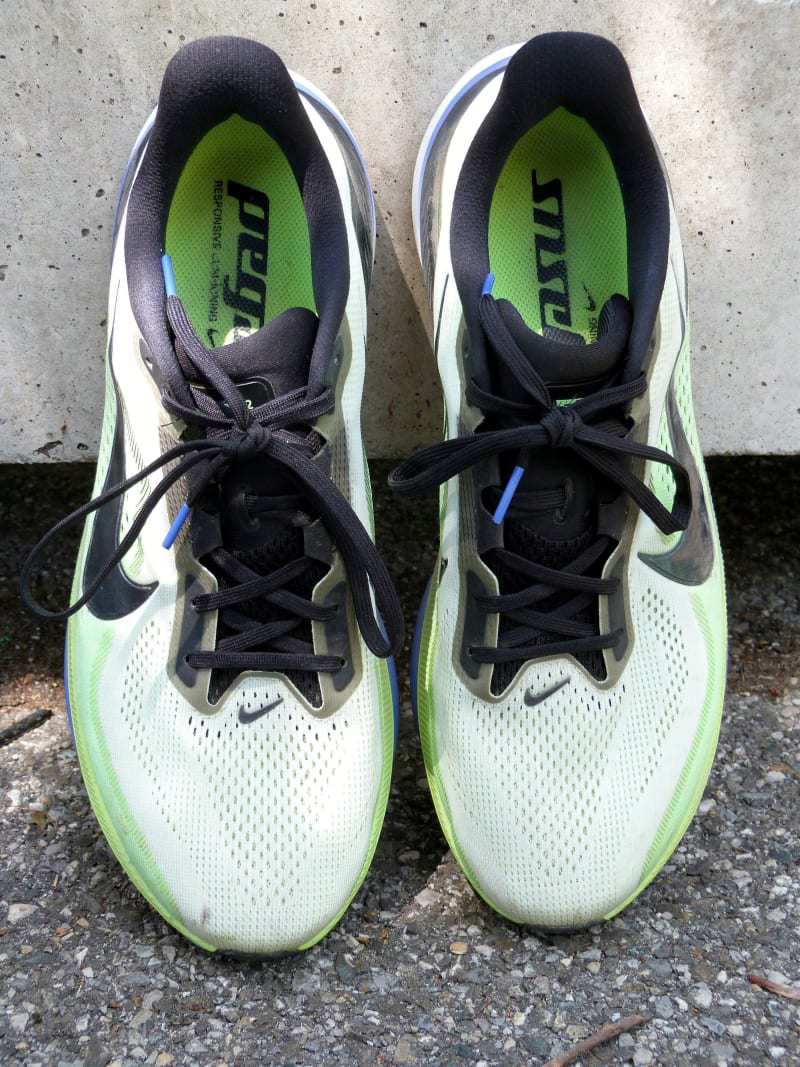
The upper uses a new two-layer material that is both highly breathable and comfortable.
You still get that slipper-like feel, and even during periods of extreme heat, my feet remained well ventilated during exercise.
No blisters or rubbing to report.
 © Marathons
 © Marathons
 © Marathons
Weight
One of the biggest weaknesses of the Pegasus 42 is its weight.
At 300 grams, it is one of the heaviest daily trainers on the market. Combined with the foam’s lack of responsiveness, that weight is noticeable with every stride.
Yes, the shoe is not performance-oriented, but it is still slightly heavier than the previous version.
While every other brand seems to be producing increasingly lighter models, Nike has moved in the opposite direction by adding more grams.
Compared With the Competition
When you look at the history of the franchise, the Pegasus 42 probably lives up to its reputation. But compared with the competition, it can no longer really compete.
In recent years, the Swoosh has lost market share in running to highly dynamic brands that regularly introduce new technologies.
Their biggest strength is that they are not afraid to bring premium technology into their daily trainers. The result is a new generation of running shoes that are genuinely fun and capable of doing almost everything.
Models such as the ASICS Novablast 6, adidas EVO SL and PUMA Velocity 4 immediately come to mind. These shoes combine responsive foams with excellent durability.
And that is what runners want today.
Even during an easy run, people want to enjoy running, and an underfoot bounce has now become part of the expectations surrounding modern running shoes.
These models also become lighter with every version, while the Pegasus 42 continues to gain weight and struggles to reinvent itself.
In short, it will struggle to find a place among passionate runners who genuinely want to take their running to the next level.
Even within Nike’s own rotation, we would rather choose a model from the Vomero line, which offers a more enjoyable and performance-oriented ride thanks to its ZoomX foam.
Value for Money
The Pegasus 42 costs €140. That is reasonable, but honestly, it is the kind of shoe we would rather buy on sale.
In this price range, there are more responsive models that are just as well constructed, including the PUMA Velocity 4 and ASICS Novablast 6. Both offer more exciting ride sensations for a very similar, or even lower, price.
The Pegasus 42 makes up some ground in other areas, such as upper comfort, but that is not enough.
When it comes to the ride itself, it is clearly no longer competing in the same league as its direct rivals.
Who Is It For?
✔ Runners looking for a fairly traditional daily trainer
✔ Long-time Pegasus runners who have always used the model
✔ Runners looking for a more ground-connected shoe that makes the foot work
✔ Purists who want to avoid overly bouncy daily trainers
Final Verdict on the Nike Pegasus 42
I am not disappointed by the Pegasus 42 because I was not expecting anything particularly special from it…
That is a little sad when talking about one of the most historic franchises from the Swoosh.
But to be completely honest, Nike needs to introduce more meaningful updates if it wants to appeal to an increasingly demanding market.
As mentioned earlier, this new version does the job for relaxed daily runs, but it will quickly disappear from my rotation because it simply cannot compete with the daily trainers offered by rival brands.
The ReactX foam provides too little responsiveness, and even runners who are loyal fans of Nike would be better off choosing a Vomero, which delivers a much more enjoyable and performance-oriented ride.
The Pegasus 42 at least deserves credit for trying new things, with its new full-length Air Zoom unit and more pronounced rocker.
Nike may have found the beginning of something interesting, but it will probably need to move away from ReactX foam if it genuinely wants to revive the franchise.
Strengths
✔ Comfortable and breathable mesh
✔ Secure foot lockdown
✔ Excellent durability
✔ Reliable grip
Weaknesses
✘ Heavy
✘Lacks responsiveness
✘ Very little propulsion
✘ Limited versatility
Score: 6,5/10
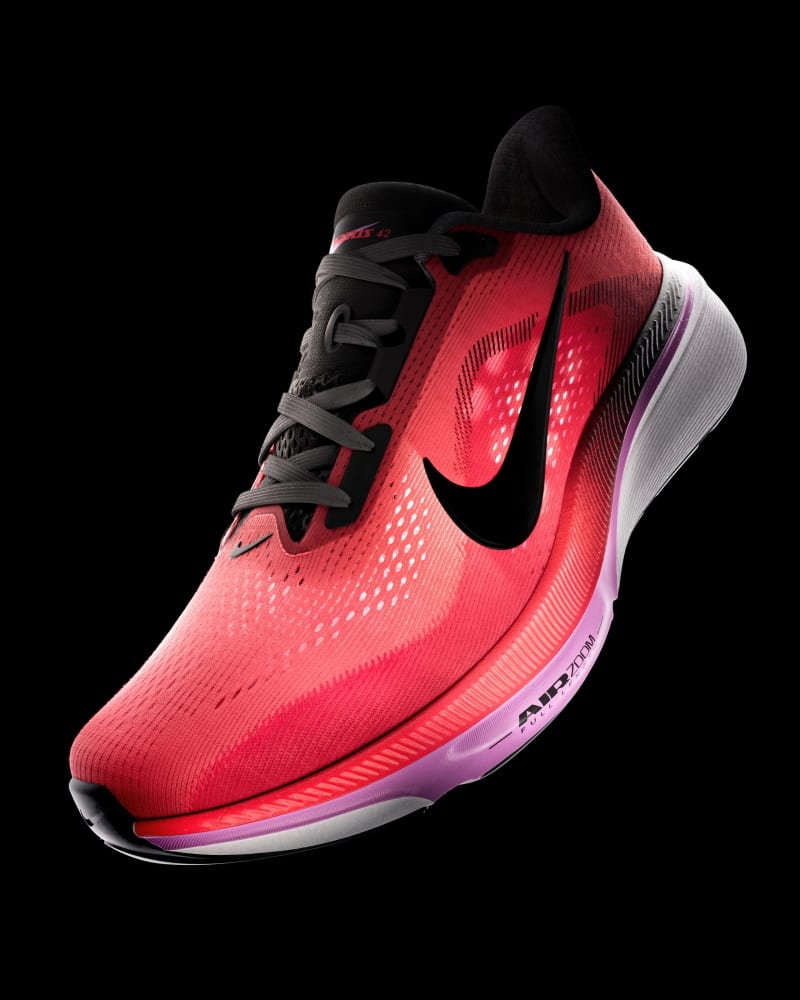
The Pegasus 42 is not exceptional, but Nike deserves some credit for bringing something new to its historic model with the introduction of a full-length Air Zoom unit. Despite the mixed result, the Pegasus remains a dependable and almost indestructible option for runners who want one reliable pair without having to overthink their choice. But it is no longer the shoe we would recommend to a runner looking to improve or rediscover the enjoyment of running. Forty-four years after the first model, the legend is still standing, but it is beginning to show its age against competitors that never stop moving forward.
✔ Find the Nike Pegasus 42 on Nike’s official website for €140.