
Running barefoot: when marathoners get back to basics
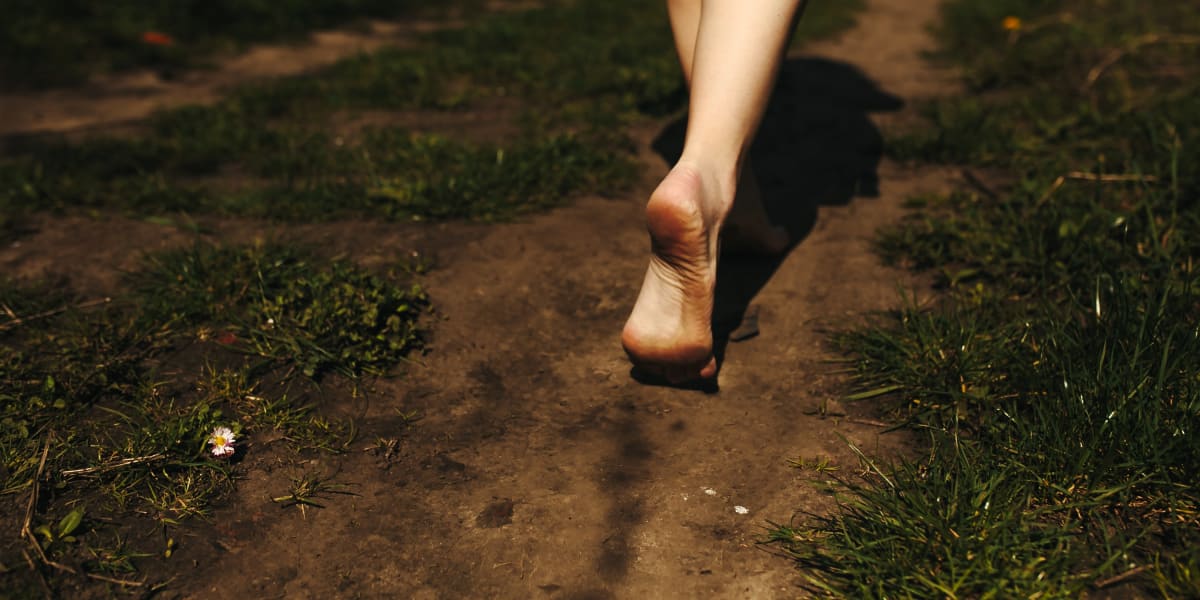
In a world dominated by cutting-edge sports technology, a growing number of marathoners are choosing to ditch their shoes and run barefoot. Far from being a mere eccentricity, barefoot running is driven by a range of motivations, from the pursuit of a more natural stride to cultural and historical influences.
We all know that slightly wild friend who throws themselves into a marathon... barefoot. And yet, one of the main arguments made by those who run without shoes or socks is a return to natural biomechanics. Our ancestors covered long distances without shoes, and the human foot is anatomically designed to absorb impact and propel the body without artificial assistance. Running barefoot places greater demands on the muscles and tendons of the foot and ankle, strengthening structures that are often overlooked. The theory is that removing the midsole encourages a lighter stride and better proprioception, improving posture and reducing the risk of certain injuries. But what else drives these athletes to embrace barefoot running?
Picture yourself barefoot, moving lightly over the ground, every step creating a direct connection with the earth or the asphalt. Barefoot running is not simply a way to run without shoes. It is an invitation to rediscover running in its purest, most instinctive form. By leaving modern footwear behind, runners adopt a more natural stride, placing greater demands on the foot’s intrinsic muscles and improving proprioception. The practice requires a gradual transition to avoid injury, but it offers a unique sensory experience that brings runners closer to their ancestral roots.
Recognized physiological benefits
Several studies and personal accounts highlight the benefits of running barefoot. They include a lower energy cost thanks to the absence of shoe weight, more efficient use of the stretch-shortening cycle in muscles and tendons, as well as lower impact forces when the foot strikes the ground. All of this can improve proprioception, allowing for better adaptation to uneven terrain. More than that, running barefoot may improve running form, as going without shoes encourages a more upright posture and a higher cadence, potentially reducing the risk of injury. And let’s not forget that the lack of external support places greater demands on the intrinsic muscles of the foot and ankle, helping to strengthen them. These adaptations may lead to better performance and a lower incidence of running-related injuries. Fair points.
A cultural and historical legacy
Running without shoes is hardly a new idea. In 1960, Ethiopian Abebe Bikila won the Olympic marathon in Rome barefoot, becoming the first sub-Saharan African to win an Olympic gold medal. His choice was driven by a desire to demonstrate his country’s determination and heroism. Today, runners such as Karim El Hayani continue that tradition by taking part in events such as the Marathon des Sables barefoot, expressing a profound connection between people and the earth.
More recently, the late 42.165 km record holder, Kelvin Kiptum, began his career by stepping onto the track with nothing on his feet. In 2013, before he had formally taken up running, the Kenyan followed the training sessions of more experienced runners barefoot, after spending his days herding goats and sheep. At his first official race, a half marathon, the future winner of the London Marathon (2:01:25) had to borrow a pair of shoes because he did not own any at the time. However, in his professional marathons, including his 2023 world record in Chicago (2:00:35), Kiptum raced in shoes designed for competition. That worked out rather well for him in performance terms...
A practice to approach with caution
Even if the benefits seem plentiful, the transition to barefoot running needs to be gradual. Feet accustomed to the support of shoes need time to adapt if injury is to be avoided. It is therefore advisable to start with short distances on suitable surfaces, while paying close attention to the signals your body is sending. Hygiene matters too: looking after your feet is essential to prevent infections and skin injuries. Yes, it really is that important!
Running barefoot is therefore about much more than a passing trend. For many marathoners, it means reconnecting with an authentic form of running, one that respects human physiology and carries a rich cultural legacy. As with any sporting practice, an informed and gradual approach is the key to making it a success.
The next time you struggle to find the running shoe that fits you 100%, remember that you can also do without one.