
Running on your period: how to make it work
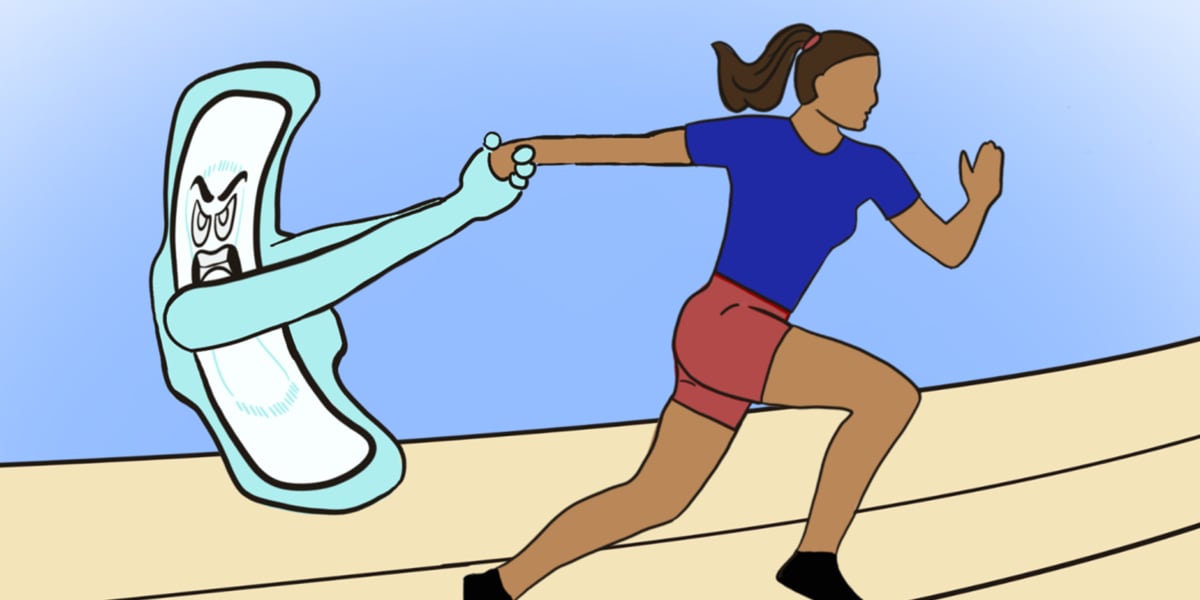
Every month, your menstrual cycle can take some of the fun out of running. Pain, fatigue and weight gain can all come with your period. The good news is that staying active during your period can benefit both body and mind.✓ Running through pain and fatigue can help ease symptoms and lift your mood. Here are some of the unexpected benefits.
Every woman’s cycle is different. Some feel exhausted or experience intense abdominal cramps, while others notice little more than mild discomfort. The key is to listen to your body and adapt your training to where you are in your cycle. When the pain is persistent, stick to easy runs and leave the high-intensity sessions for another day. The aim is to stay active without making your symptoms worse. It is worth noting that oestrogen and progesterone levels are low during the first days of your period. This may actually support better recovery and improve pain tolerance. Some runners even notice better performances at the start of their period. Despite the many misconceptions, staying active during your period is recommended. Exercise triggers the release of endorphins, the body’s feel-good hormones. The result? Less stress, less pain and, sometimes, a more stable mood.
What to wear on your period
To run without worrying about a visible bloodstain, choose black running shorts or leggings. As for tampons, sanitary pads or period underwear designed for sport, the choice is yours and comes down to personal preference. Either way, pack a spare product in your shorts or leggings if you are heading out for a long run or have a heavy flow.
Nutrition plays a key role
Alongside sleep and overall wellbeing, nutrition is the third pillar of this essential trio for physical performance. During the first phase of the cycle, the follicular or oestrogenic phase, the uterine lining develops in preparation for a possible pregnancy. Consuming vitamin E is recommended. This powerful antioxidant may play a role in thickening the uterine lining. Vitamin E is found in nuts, seeds, avocados, oily fish and leafy green vegetables.
After ovulation, at the start of the so-called luteal or progesterone-dominant phase, hormone levels are at their lowest and the body can experience a real dip in energy. B vitamins can be a valuable ally in fighting fatigue. They are found in cereals, wholemeal bread, offal such as liver, egg yolks, fish, poultry, whole grains and seeds.
During menstruation, when blood is lost, iron-rich foods such as lean meat, leafy green vegetables and pulses are important to help replace that iron. Finally, omega-3 fatty acids, found in oily fish and flaxseed, are recommended to help relieve period pain. In general, “what will really make the difference is eating a healthy, balanced and varied diet throughout the cycle,” adds Juliana Antero, an epidemiological researcher at the French National Institute of Sport, Expertise and Performance (INSEP).
Running on your period is neither a burden nor a taboo. Above all, it is about listening to yourself. While some runners prefer to ease off, others use this time to push themselves further. Whatever your experience, know that staying active throughout your menstrual cycle is not only possible but beneficial too. By adapting your training, choosing comfortable kit and focusing on suitable nutrition, you can keep running with peace of mind. Your body will thank you.
➜ Read also: “Blandine L’Hirondel au chevet de la femme sportive”