
The 10 fastest marathons in the world for a new personal best
 © TCS London Marathon
For many runners, the marathon is more than a race. It is a test of performance and self-improvement. And among the ultimate goals, setting a new personal best sits right at the top of the list. Training is obviously the key to success, but choosing the right race can be just as decisive. Course profile, weather, field density... some marathons are quite simply built for fast times.✓ The Marathons.com editorial team has selected the 10 fastest marathons on the planet, where records fall and where you could well smash your own.
1. Berlin Marathon (Germany)
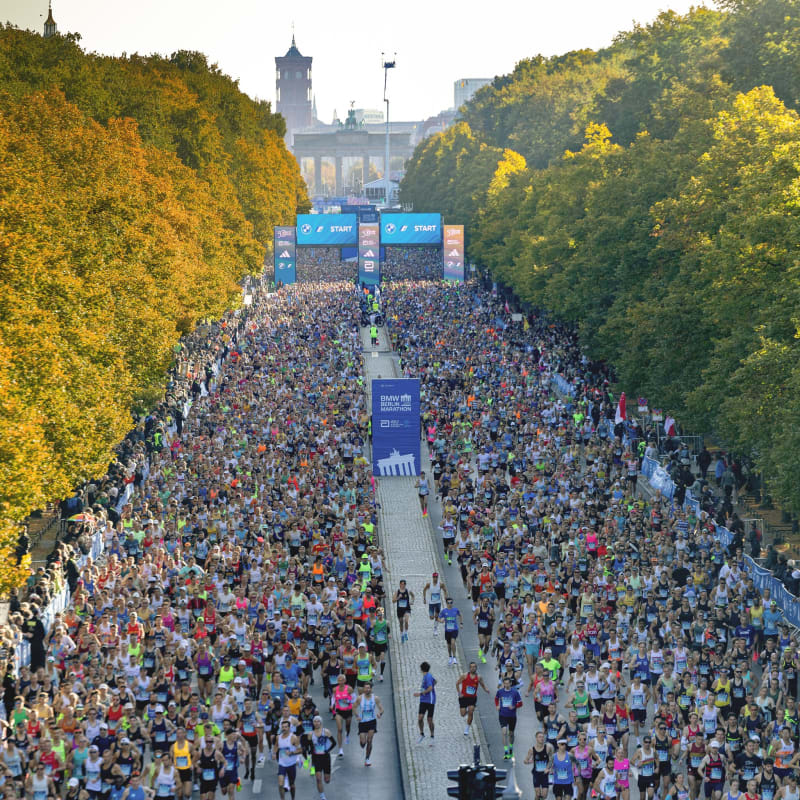
Every year, when the calendar of the world’s biggest marathons is unveiled, this is one of the first races runners look for. The Berlin Marathon has been an unmissable fixture on the early-autumn calendar for half a century. The race can look back with its chest puffed out, boasting some frankly outrageous numbers.
Since 2003, nine world records have been broken here. The latest? In 2023, Ethiopia’s Tigist Assefa smashed the world best by two minutes, running 2:11:53. It is also impossible to talk about the Berlin Marathon without mentioning Kenya’s Eliud Kipchoge, who has dominated the German race five times (2015, 2017, 2018, 2022 and 2023), setting two world records along the way: 2:01:39 in 2018 and 2:01:09 in 2022, since bettered by the late Kelvin Kiptum in 2:00:35.
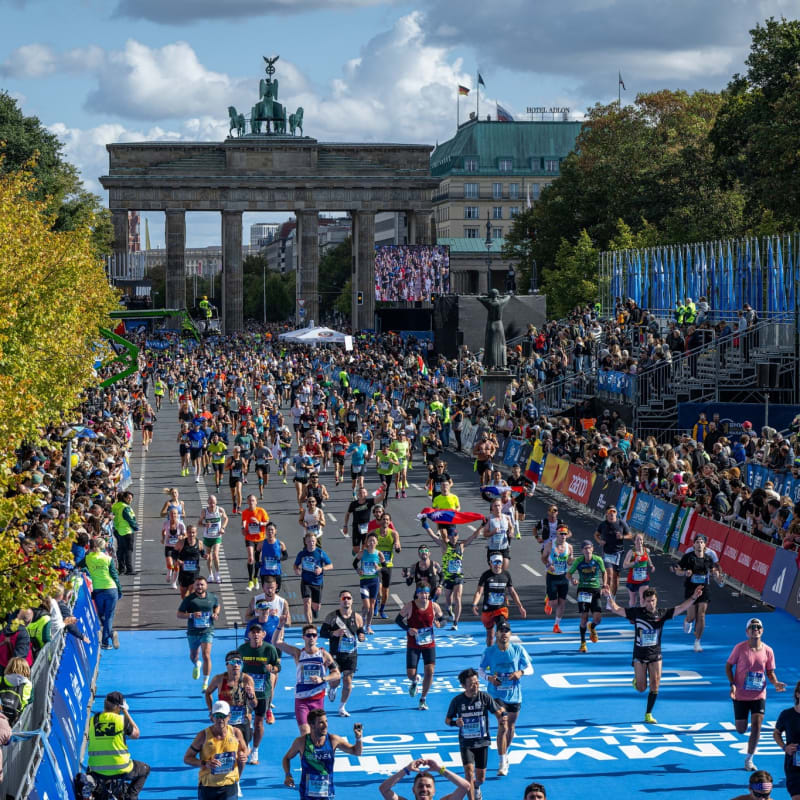
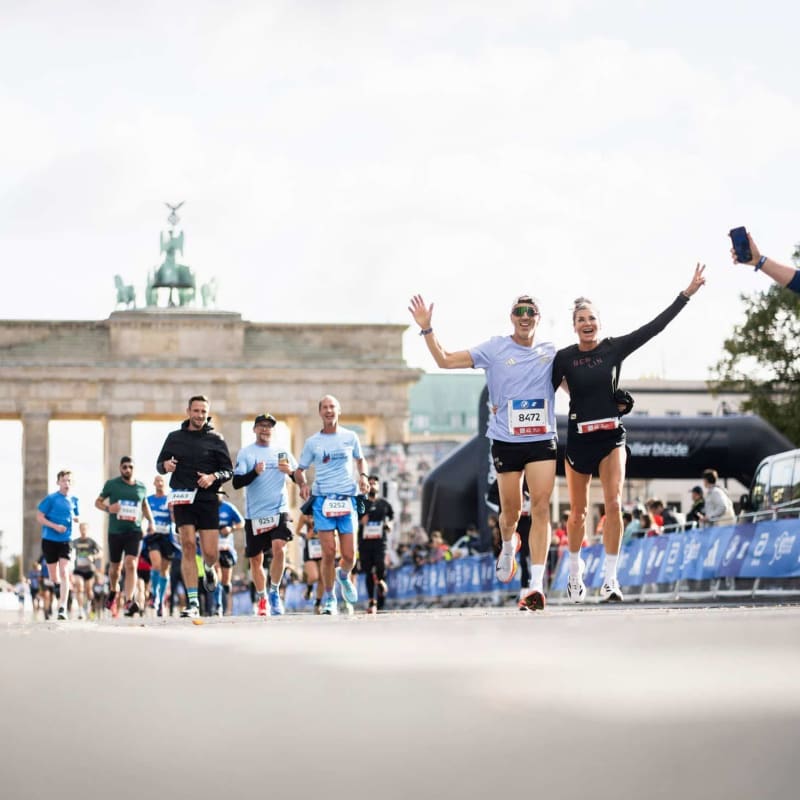
The organisation runs with German-clockwork precision: perfectly judged pacemakers, elite-level aid stations with bike-mounted support, and an iconic finish beneath the Brandenburg Gate just metres from the line. It is the ideal race for the World Marathon Majors experience. But Berlin is also a huge mass-participation celebration. In 2024, it set a finisher record... before New York and then London surpassed it soon afterwards.
There are several ways to get in: lottery, tour operators, charity entries, time qualification... Find all the information in our dedicated article.
✔ Course record: 2:01:09 (Eliud Kipchoge, 2022) – 2:11:53 (Tigist Assefa, 2023)
✔ Number of finishers: 54,280 participants
✔ Average time: 4:09:44 (men: 3:59:48 / women: 4:28:46)
✔ Runner density: 28 runners under 2:10, 305 runners under 2:30, 4,578 runners under 3:00
✔ Course elevation : +73 m / -79 m
 © Berlin Marathon
 © Berlin Marathon
 © Berlin Marathon
2. Chicago Marathon (United States)
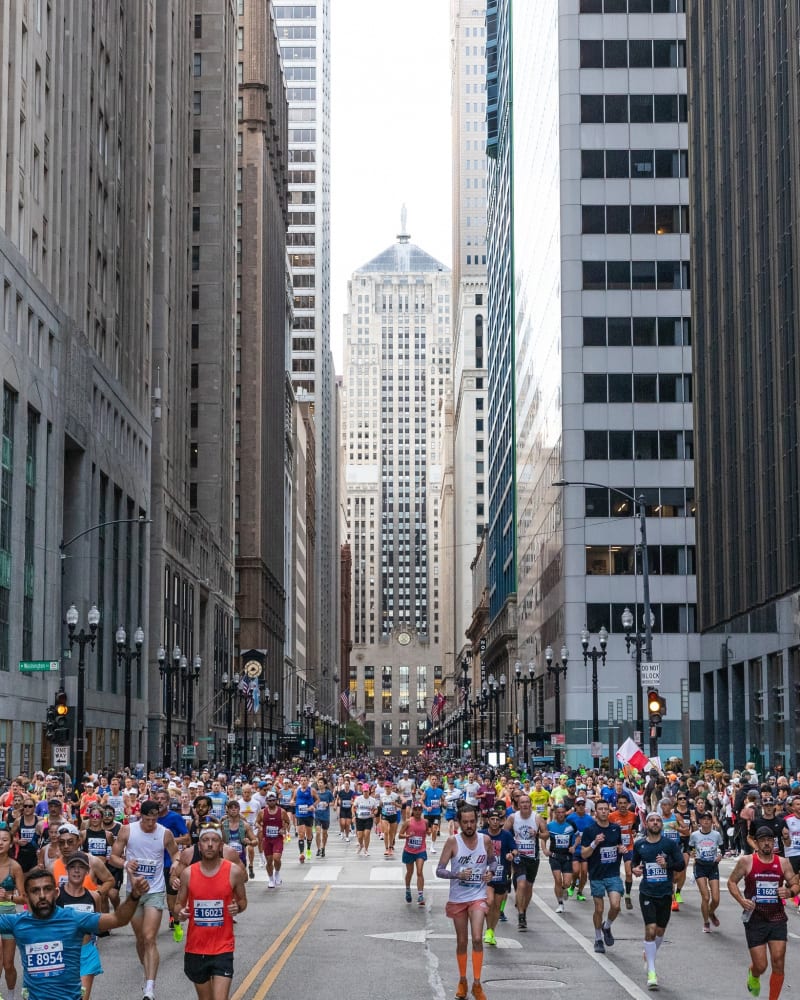
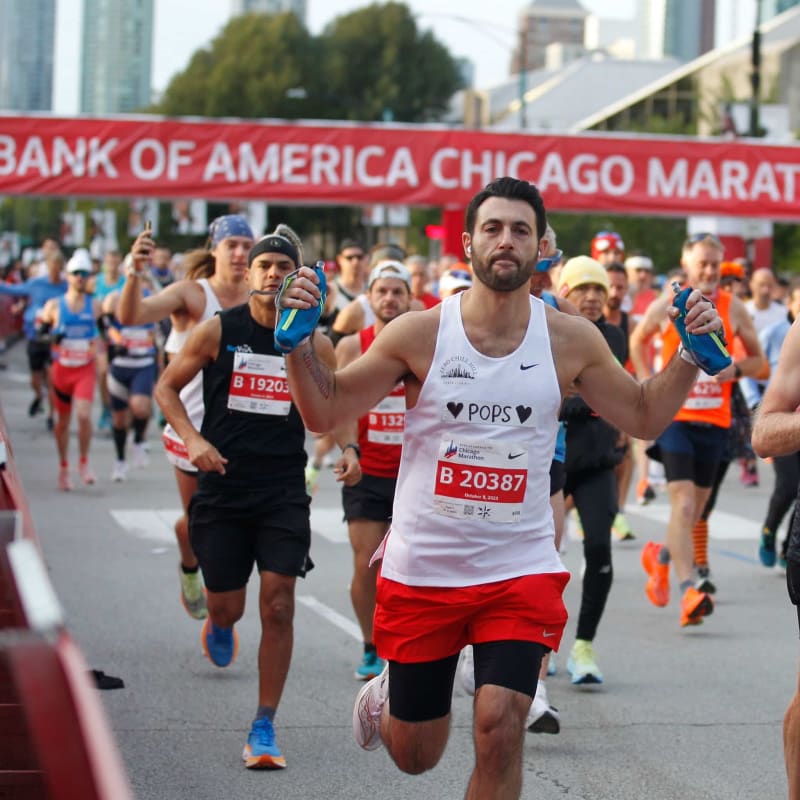
Flat course, cool October temperatures, a party atmosphere... Chicago is the place to be for a fast time. Seven world records have been set here, including the two current records, in 2023 for the men and 2024 for the women. Every year, the elite field is exceptional, drawing the best marathoners on the planet.
A member of the exclusive World Marathon Majors and holder of a World Athletics Platinum Label, Chicago delivers exemplary organisation for athletes and spectators alike.
To secure a bib, options include the lottery, time qualification or the new High-Performance Program for sub-elite runners who have already run under 2:25 for men or 2:45 for women. If you like big, fast American-style races, this is the destination for you. Find all the entry details in our dedicated article.
✔ Course record: 2:00:35 (Kelvin Kiptum, 2023, world record) and 2:09:56 (Ruth Chepngetich, 2024, world record; editor’s note: the athlete has since been suspended for doping)
✔ Number of finishers: 52,150 participants
✔ Average time: 4:20:01 (men: 4:04:03 / women: 4:35:03)
✔ Runner density: 11 runners under 2:10, 145 runners under 2:30, 3,299 runners under 3:00
✔ Course elevation : +74 m / -73 m
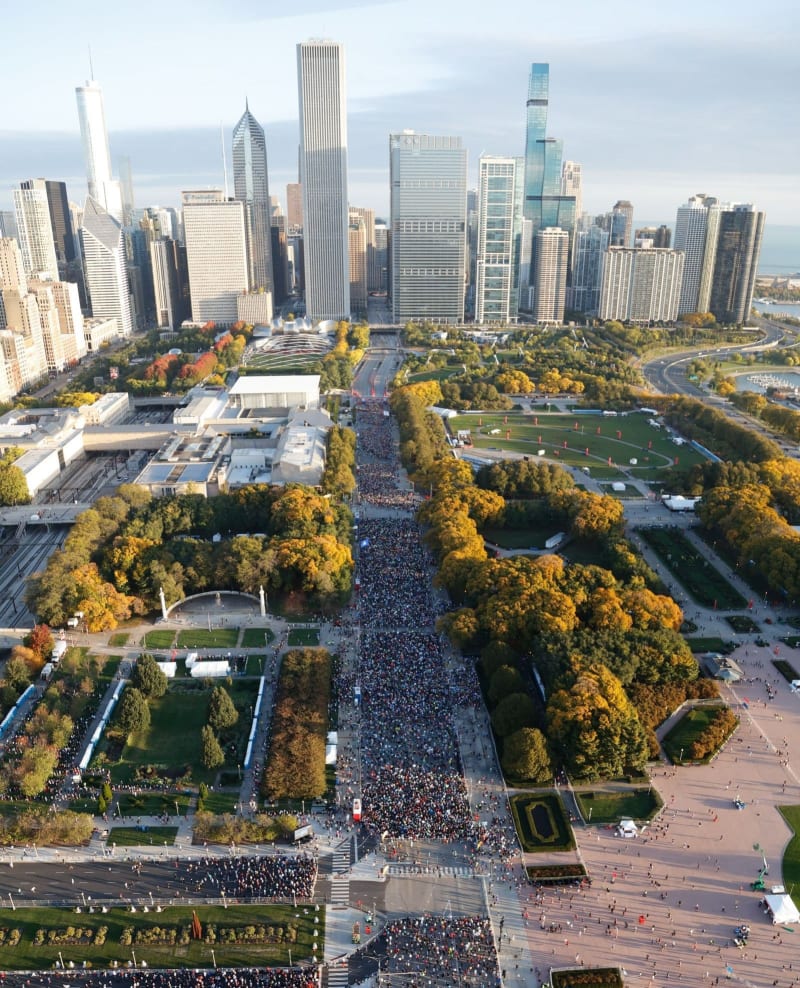 © Bank of America Chicago Marathon
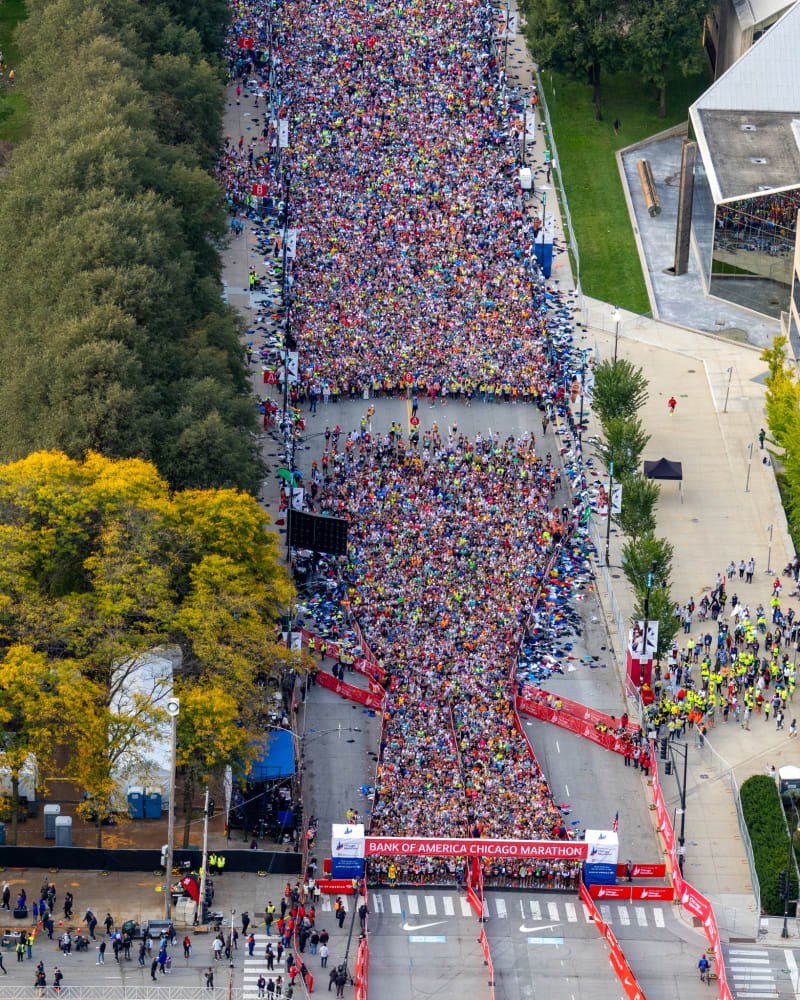 © Bank of America Chicago Marathon
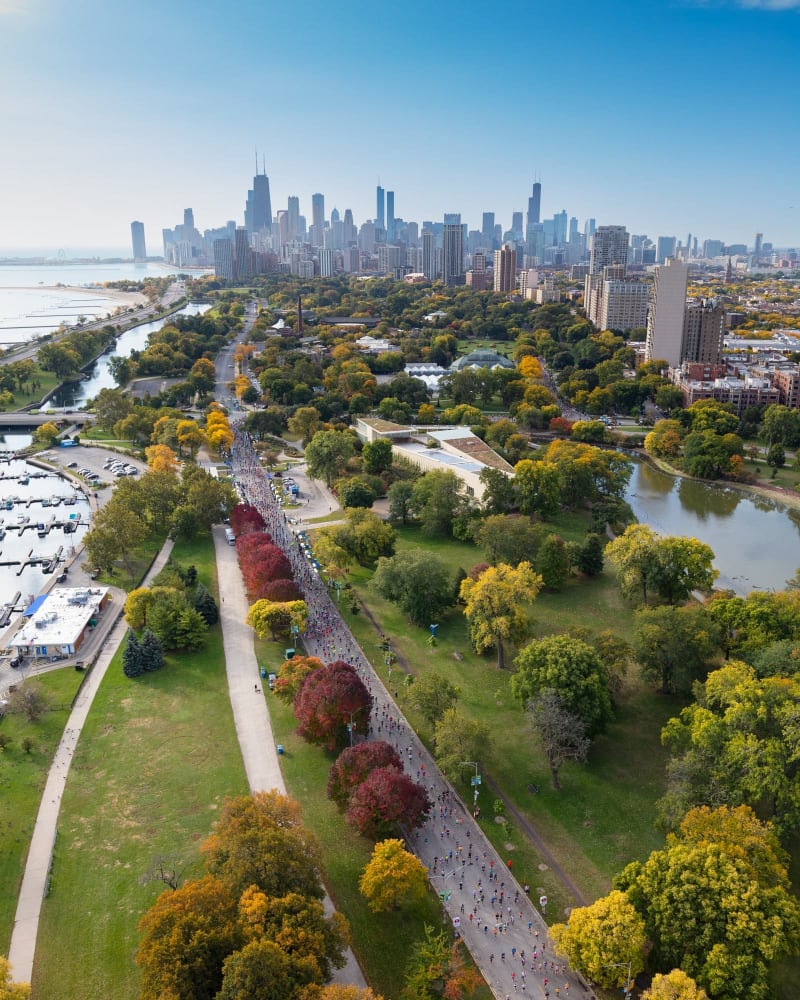 © Bank of America Chicago Marathon
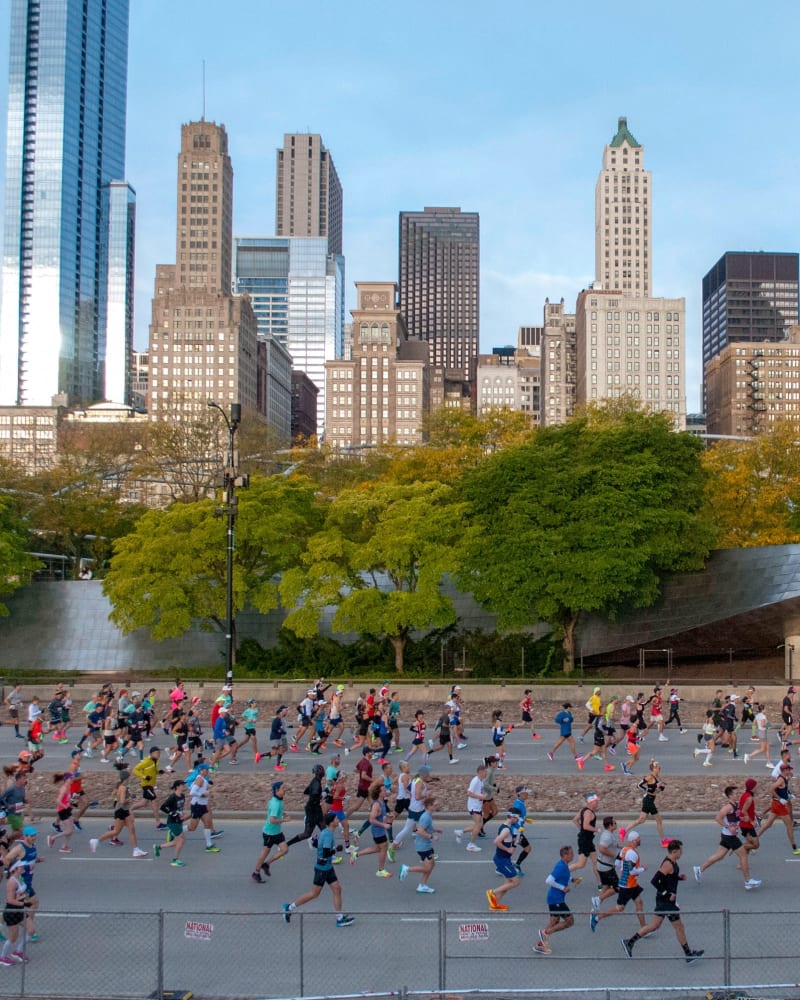 © Bank of America Chicago Marathon
 © Bank of America Chicago Marathon
 © Bank of America Chicago Marathon
3. Valencia Marathon (Spain)
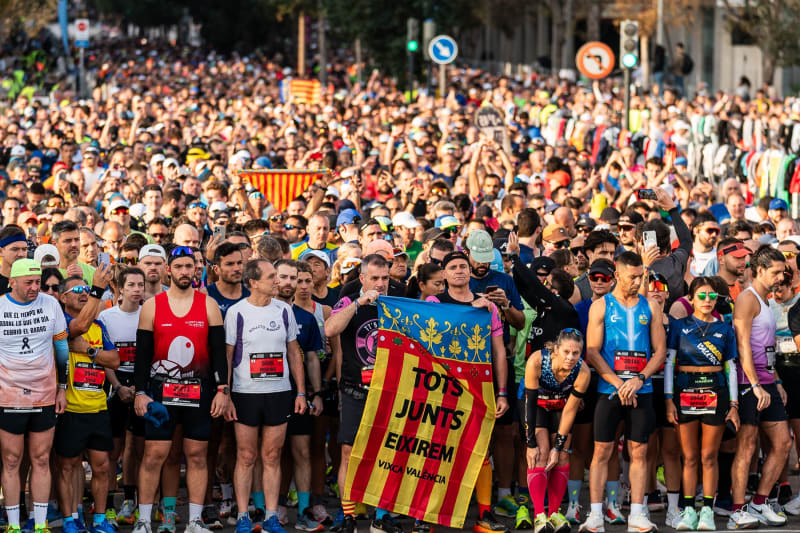
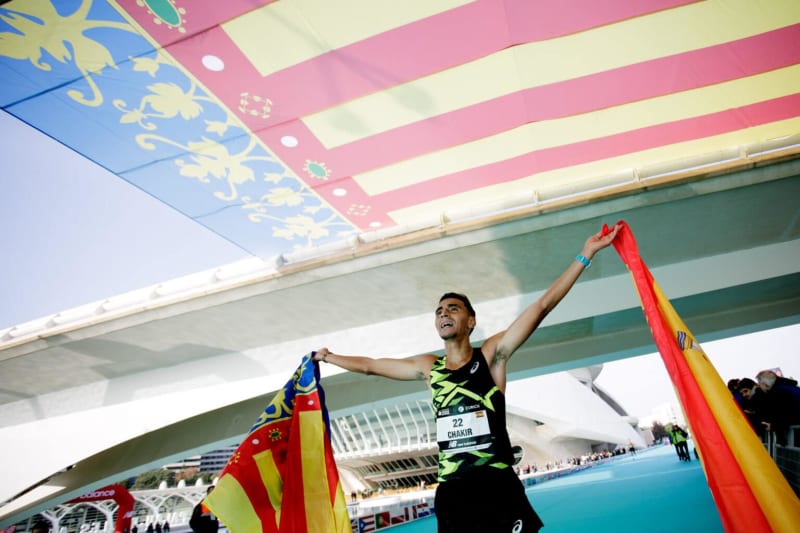
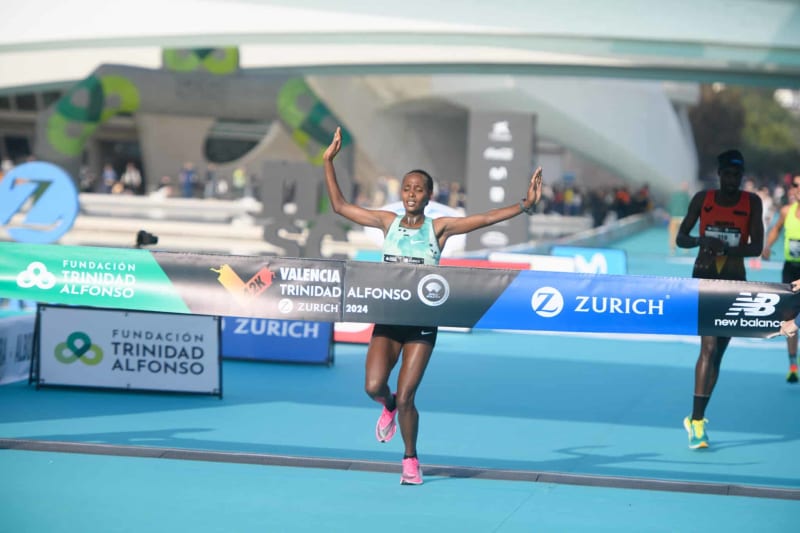
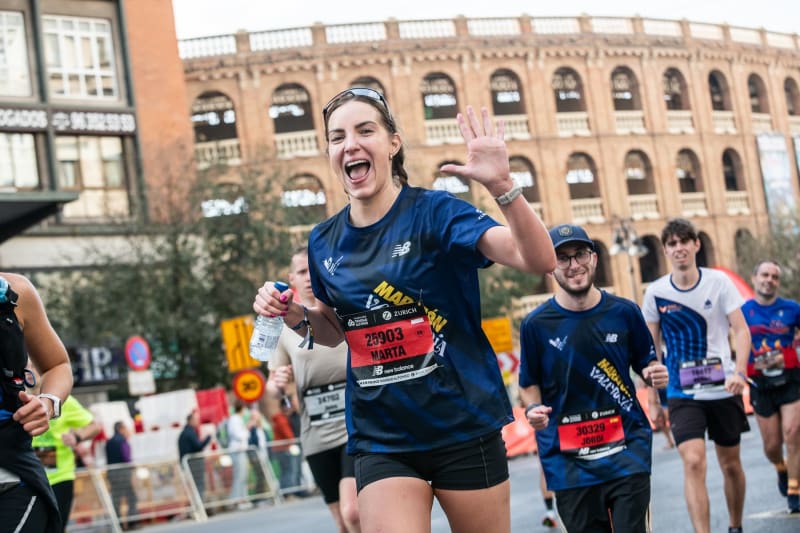
In barely a decade, Valencia has established itself as the international marathon benchmark. Ideal early-December weather, an exceptionally fast course, a roaring atmosphere... the “Ciudad del Running” attracts an impressive mix of elite athletes and fast amateurs.
In 2024, the race made history: 10 men under 2:05 and more than 5,000 runners under 3:00. No other marathon comes close to Valencia for field density. The organisers are thinking big, too, offering a €1 million bonus to anyone who breaks the world record in Valencia.
With demand soaring, a lottery system will be introduced from 2026, a first in Spain.
✔ Course record: 2:01:53 (Sissay Lemma, 2023) – 2:14:58 (Amane Beriso, 2022)
✔ Number of finishers: 28,182 participants
✔ Average time: 3:39:12 (men: 3:33:30 / women: 4:00:00)
✔ Runner density: 31 runners under 2:10, 500 runners under 2:30, 5,068 runners under 3:00
✔ Course elevation : +76 m
 © Valencia Marathon Trinidad Alfonso Zurich
 © Valencia Marathon Trinidad Alfonso Zurich
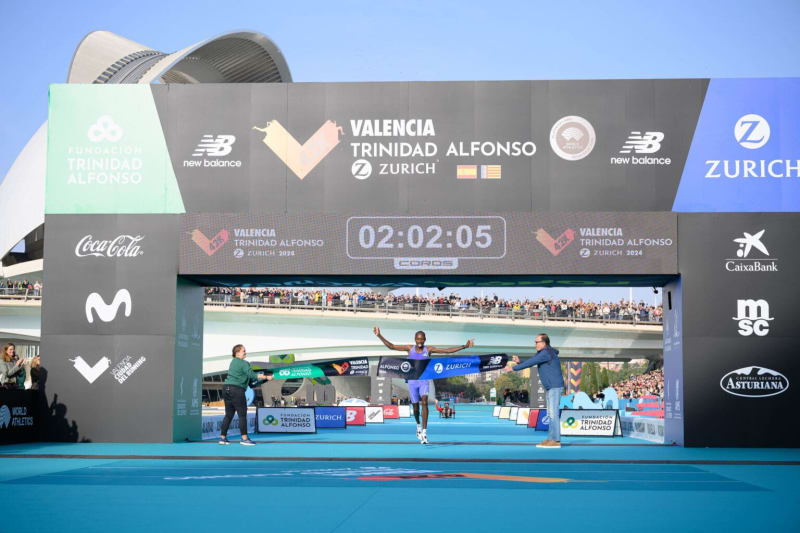 © Valencia Marathon Trinidad Alfonso Zurich
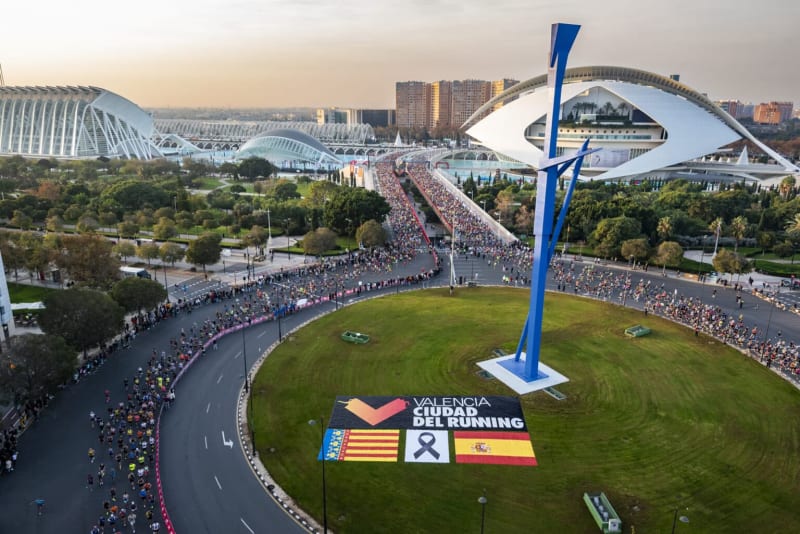 © Valencia Marathon Trinidad Alfonso Zurich
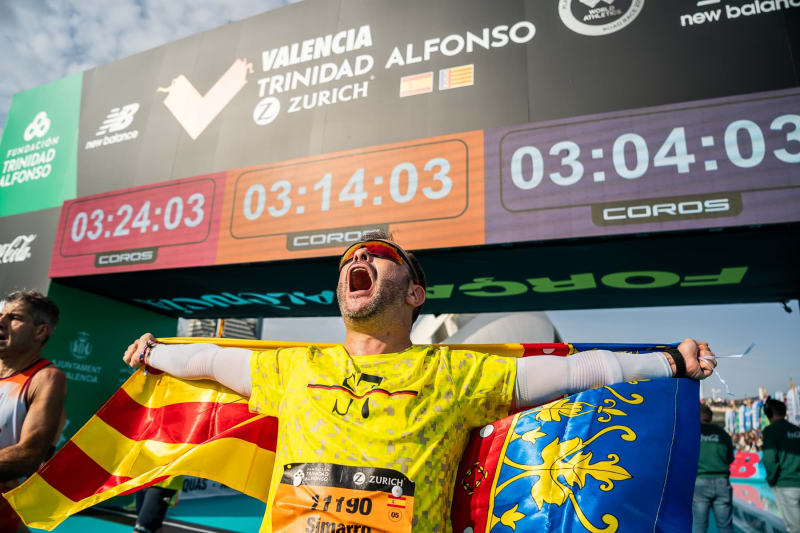 © Valencia Marathon Trinidad Alfonso Zurich
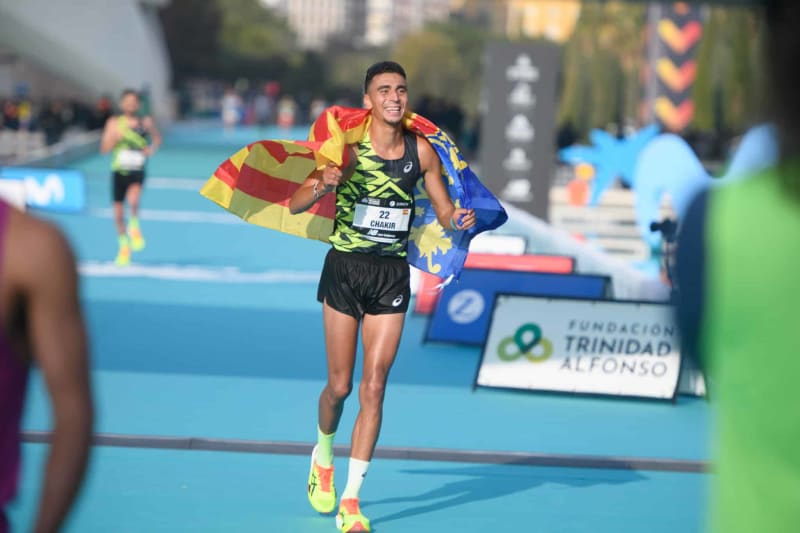 © Valencia Marathon Trinidad Alfonso Zurich
 © Valencia Marathon Trinidad Alfonso Zurich
 © Valencia Marathon Trinidad Alfonso Zurich
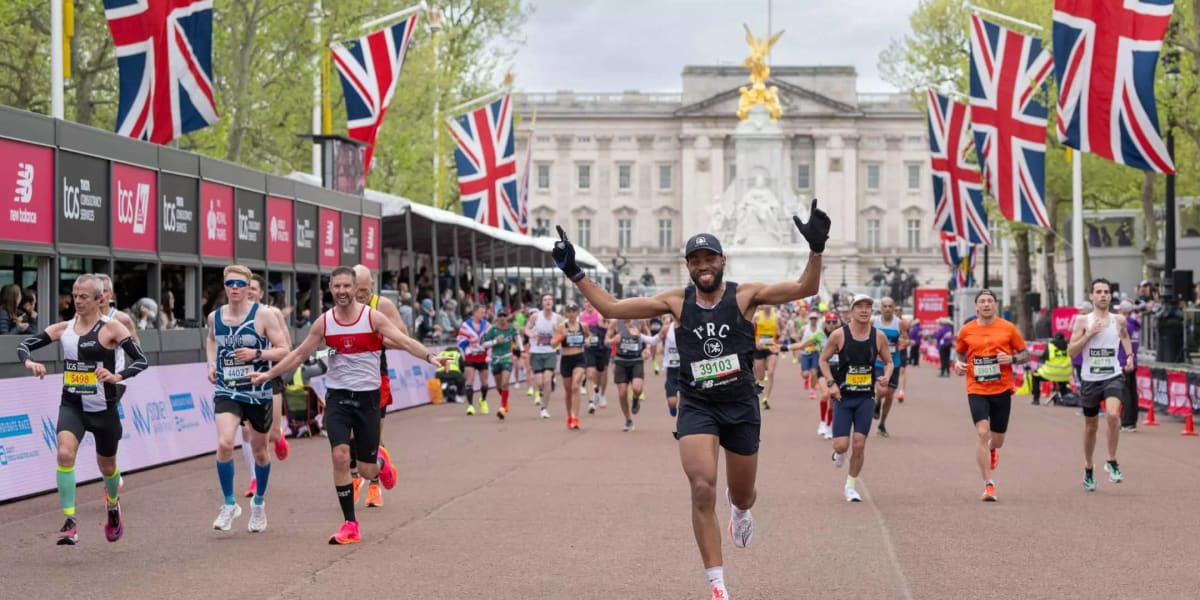
4. London Marathon (United Kingdom)
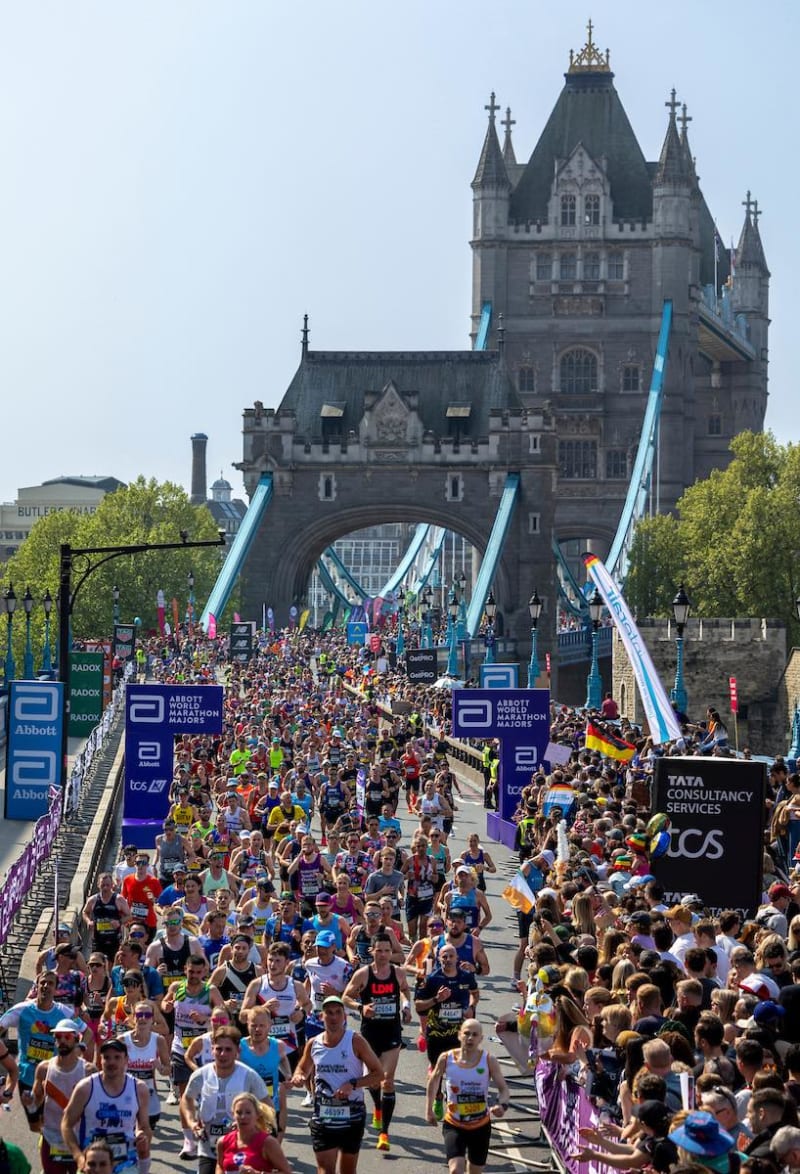
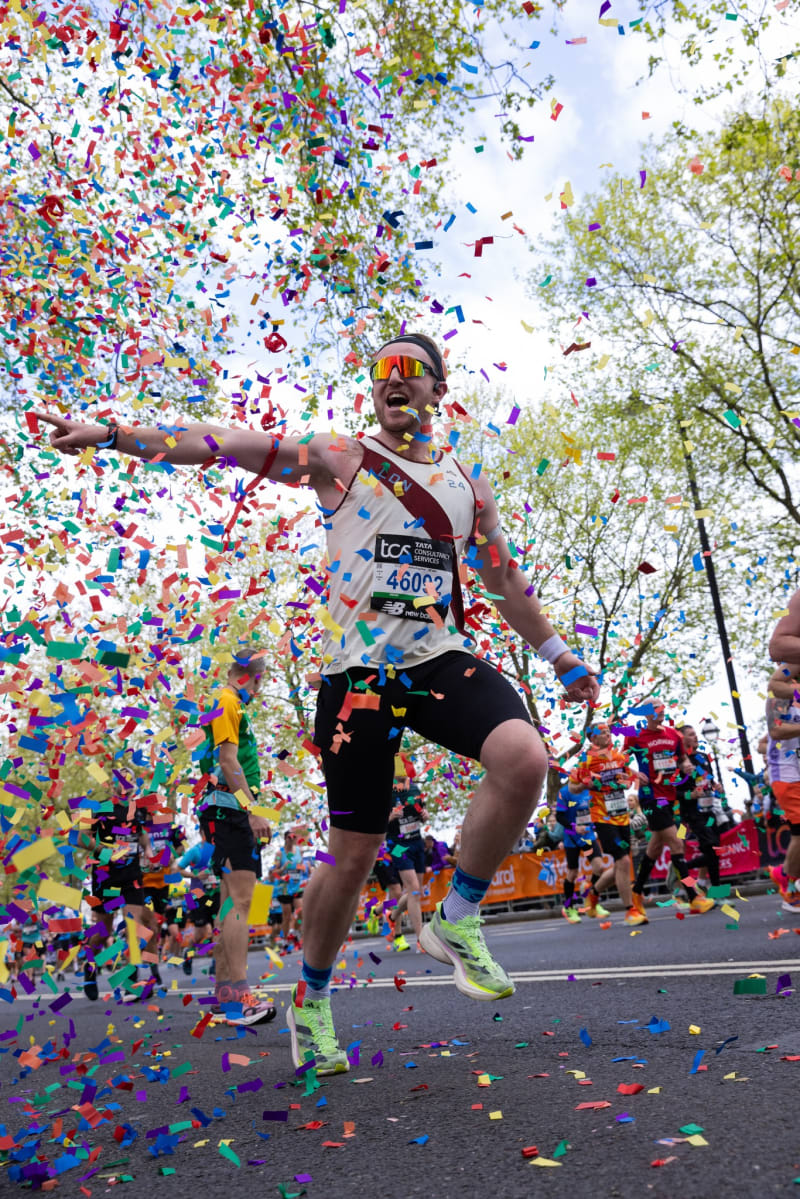
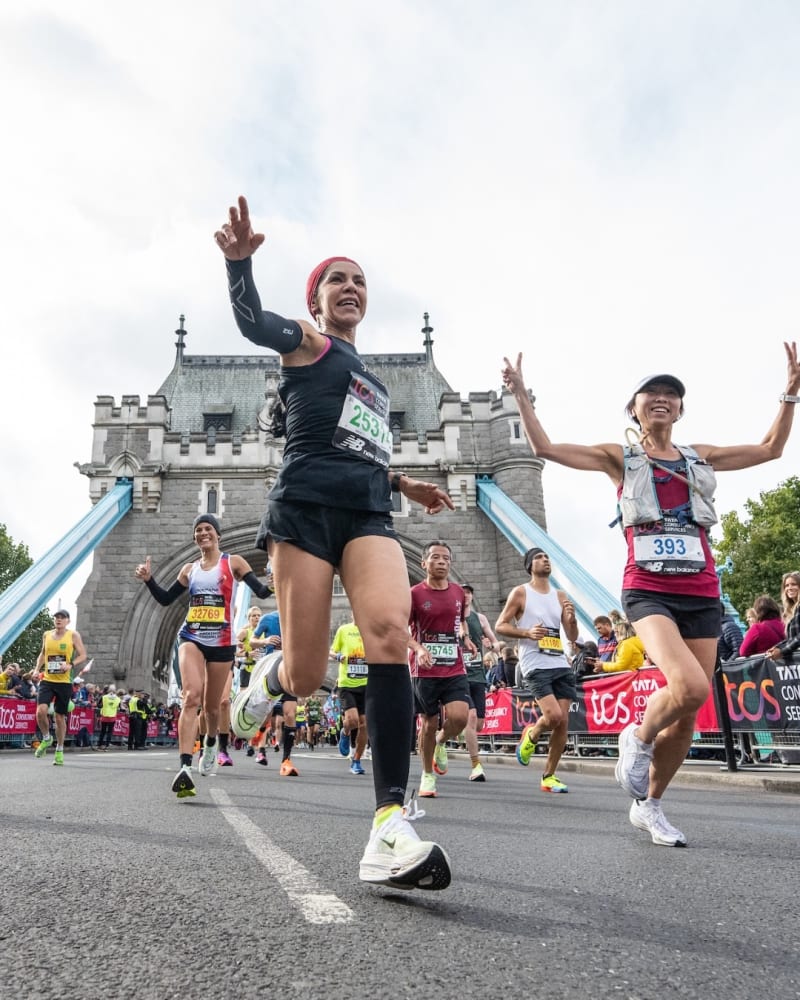
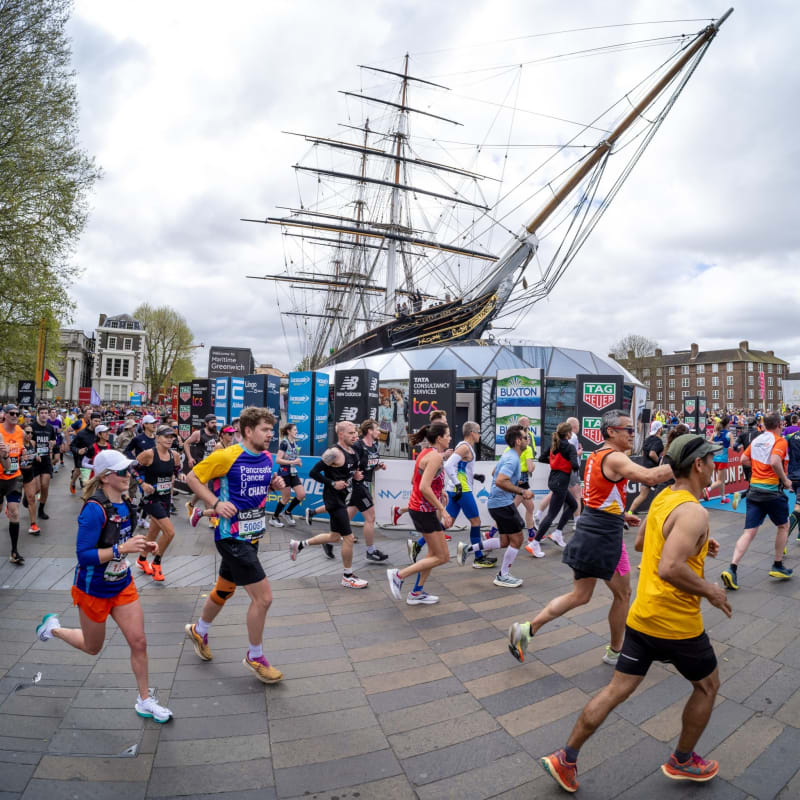
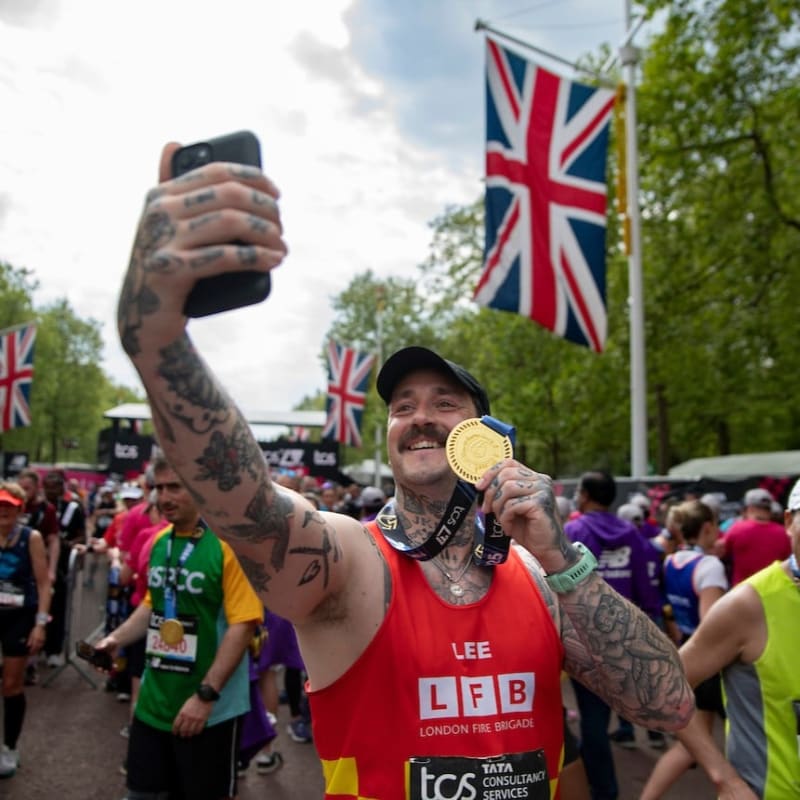
More than 1.1 million lottery applicants for the 2026 edition... London is simply the most sought-after marathon in the world. With a wild atmosphere, more than 800,000 spectators, the iconic Tower Bridge crossing and an astonishingly deep elite field every year, it has it all.
In 2025, the crowd got an XXL show featuring Tamirat Tola, Eliud Kipchoge, Jacob Kiplimo and Sabastian Sawe in the men’s race, while Tigst Assefa set a world record in an exclusively women’s race.
Historically, London has been the stage for extraordinary performances. In 2003, British athlete Paula Radcliffe ran a stratospheric 2:15:25, a world record long considered untouchable before the carbon-plated shoe era. In 2023, the late Kelvin Kiptum clocked 2:01:25 in his first Major, the third-fastest marathon ever at the time.
➜ Find the entry details here.
✔ Course record: 2:01:25 (Kelvin Kiptum, 2023) – 2:15:25 (Paula Radcliffe, 2003, mixed race) – 2:15:50 (Tigist Assefa, 2025, exclusively women’s race)
✔ Number of finishers: 56,640 participants
✔ Average time: 4:02:19 (men) / 4:41:57 (women)
✔ Runner density: 13 runners under 2:10, 212 runners under 2:30, 2,987 runners under 3:00
✔ Course elevation : +127 m / -161 m
 © TCS London Marathon
 © TCS London Marathon
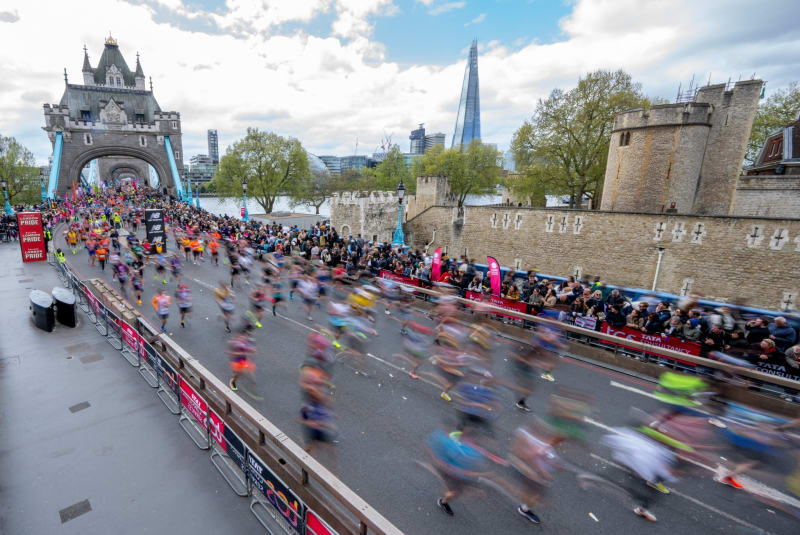 © TCS London Marathon
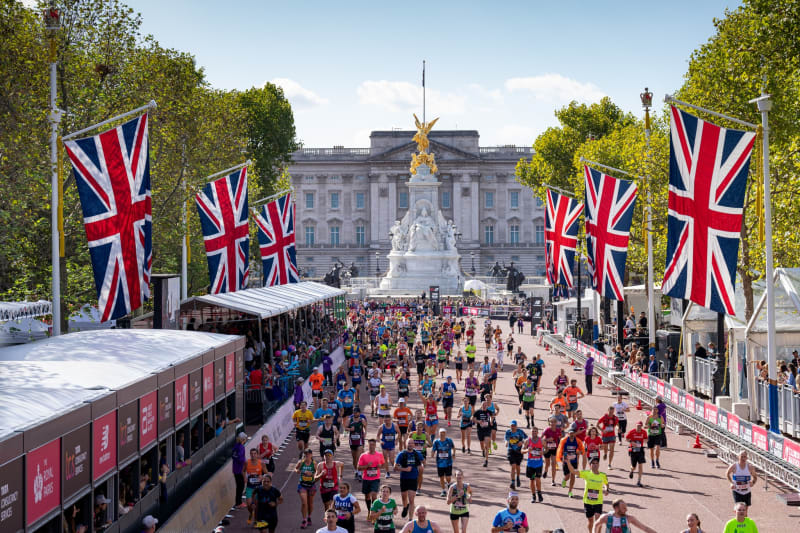 © TCS London Marathon
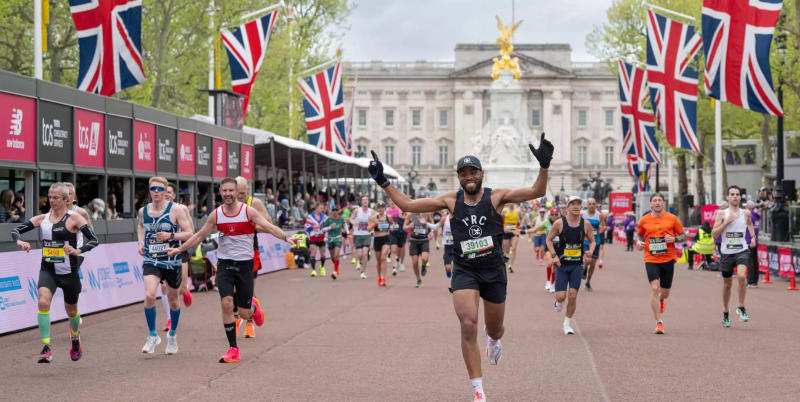 © TCS London Marathon
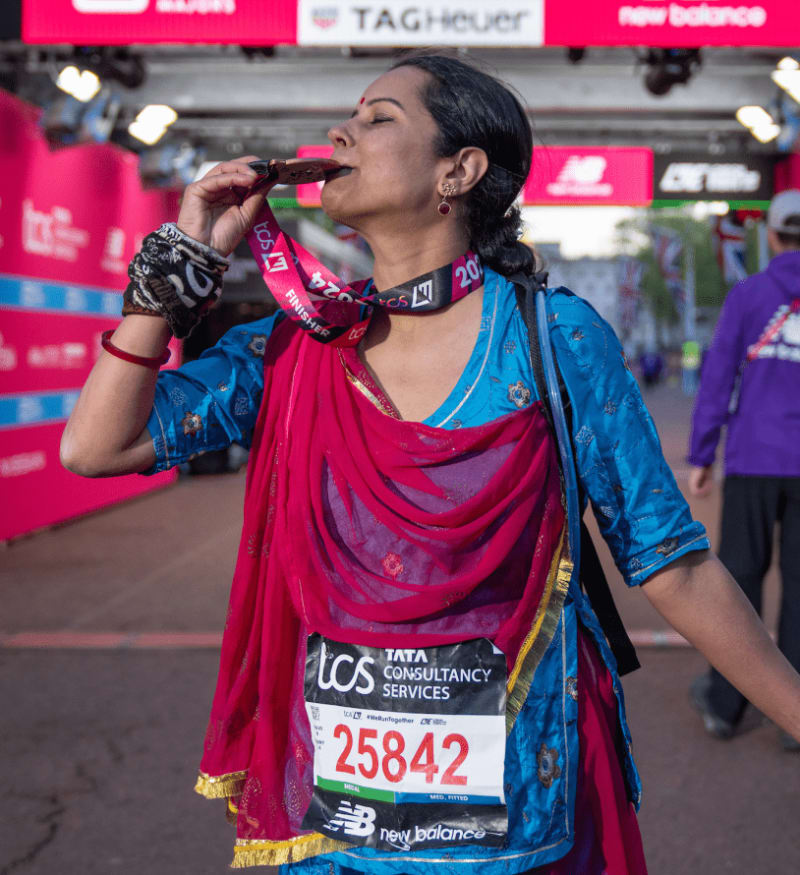 © TCS London Marathon
 © TCS London Marathon
 © TCS London Marathon
 © TCS London Marathon
5. Tokyo Marathon (Japan)
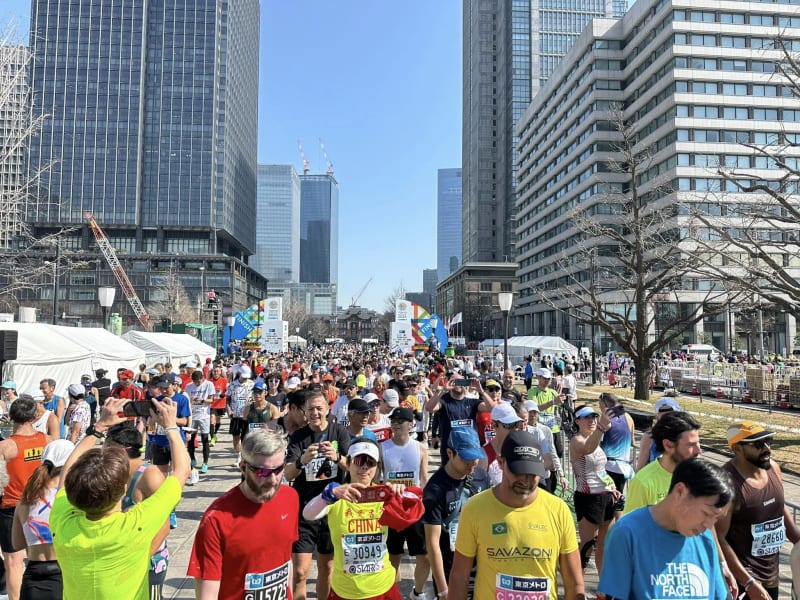
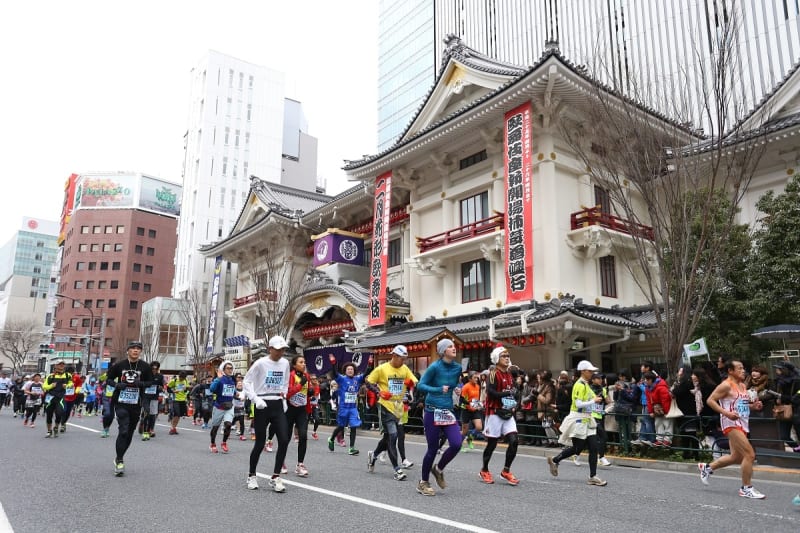
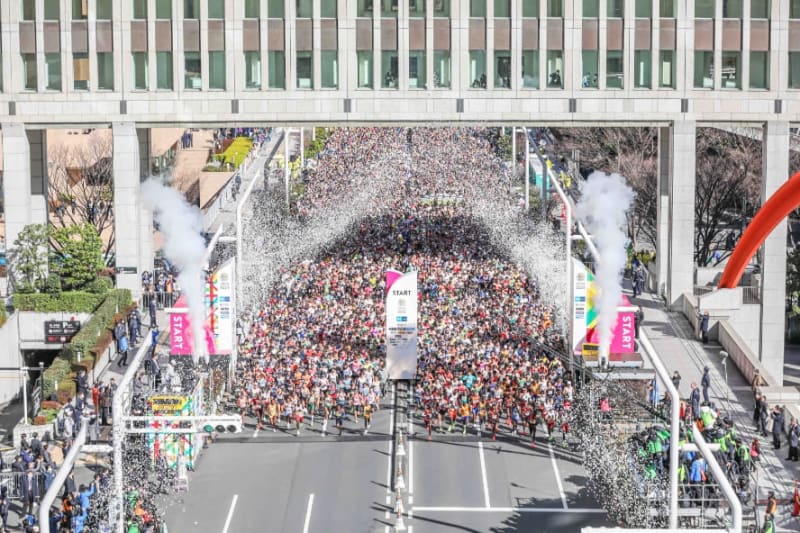
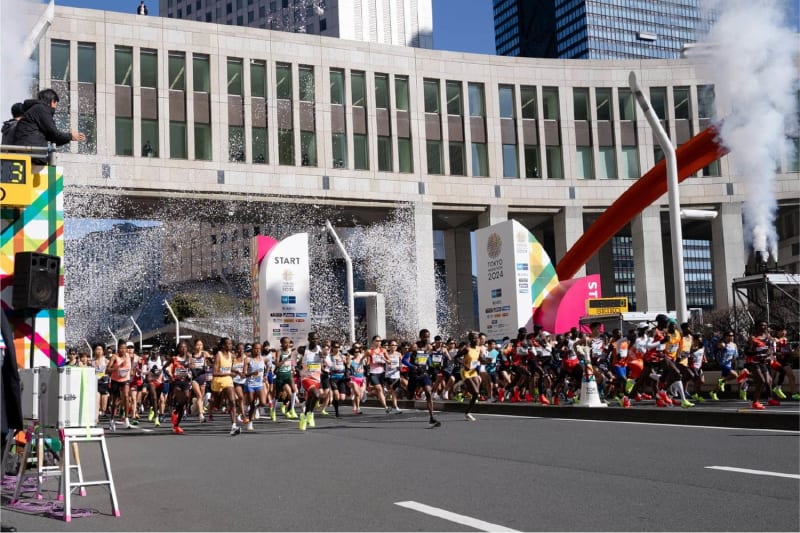
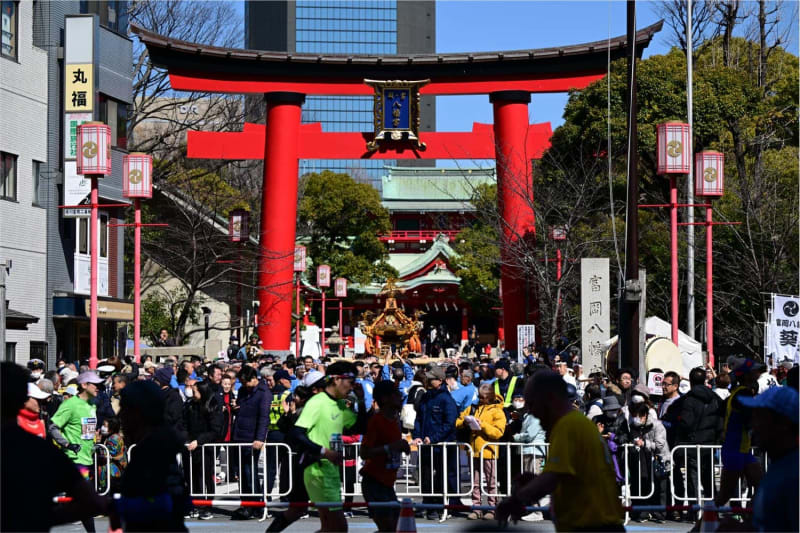
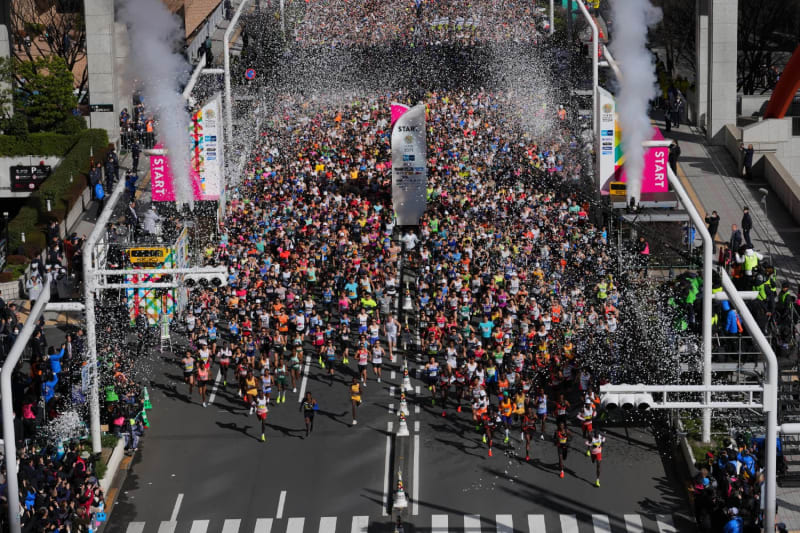
Fast course, mild weather, flawless organisation: Tokyo is one of the smoothest and most enjoyable Majors to run. It appeals to elites and amateurs chasing a new PB alike. Held in early March, it is the first Major of the year and gets the season of these prestigious marathons under way.
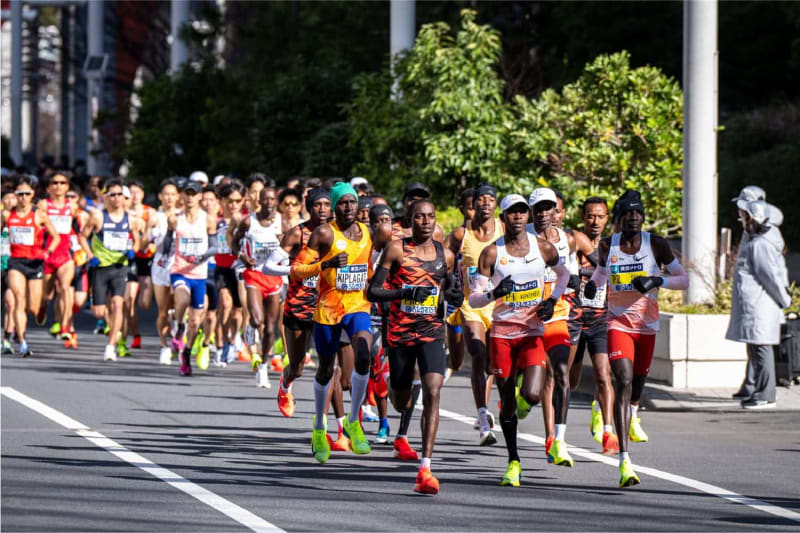
The race offers an iconic course through the heart of Tokyo. Between modern districts and Japanese temples, the route reflects the country’s past, present and future. It is a deeply immersive cultural and sporting experience. Tokyo has also hosted historic performances. In 2022, Eliud Kipchoge won in a superb 2:02:40. Two years later, compatriot Benson Kipruto set a new course record of 2:02:16.
Several entry routes are available: lottery, charity programmes and tour operators. There is also the RUN as ONE programme, created to attract very fast runners. Places are limited, however: 25 men under 2:28 and 25 women under 2:54.
✔ Course record: 2:02:16 (Benson Kipruto, 2024) – 2:15:55 (Sutume Asefa Kebede, 2024)
✔ Number of finishers: 36,513 participants
✔ Runner density : 1,781 participants under 3:00
✔ Course elevation : +60 m / -98 m
 © Tokyo Marathon
 © Tokyo Marathon
 © Tokyo Marathon
 © Tokyo Marathon
 © Tokyo Marathon
 © Tokyo Marathon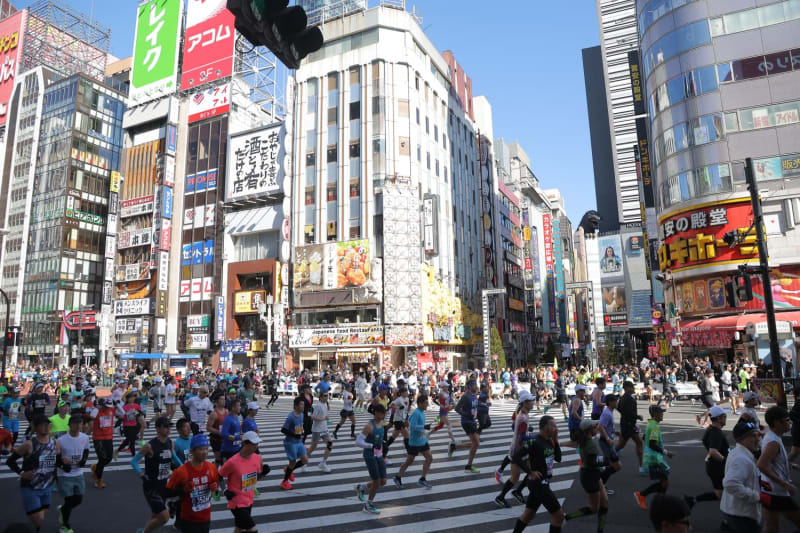
 © Tokyo Marathon
6. Rotterdam Marathon (Netherlands)
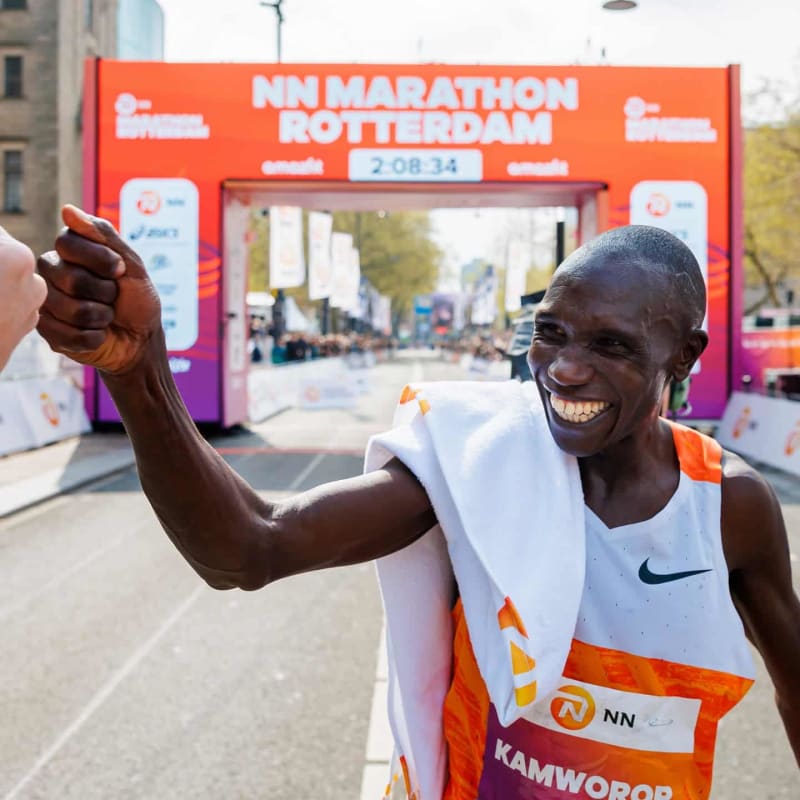
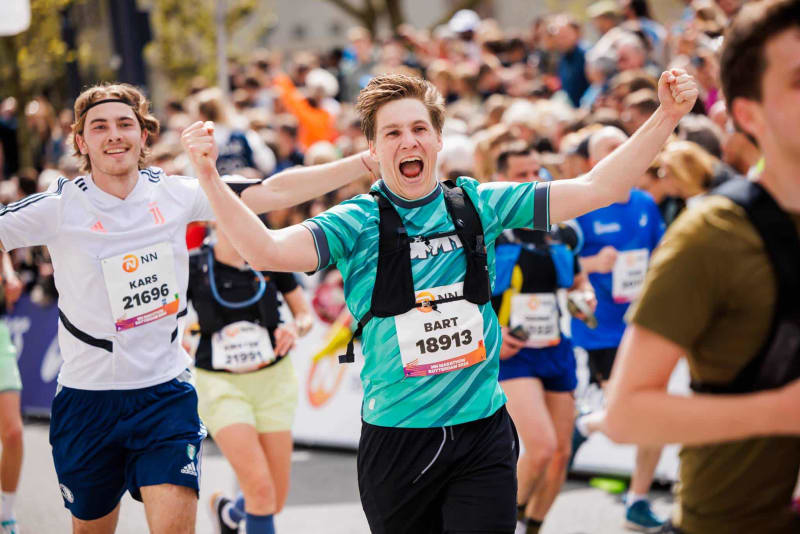
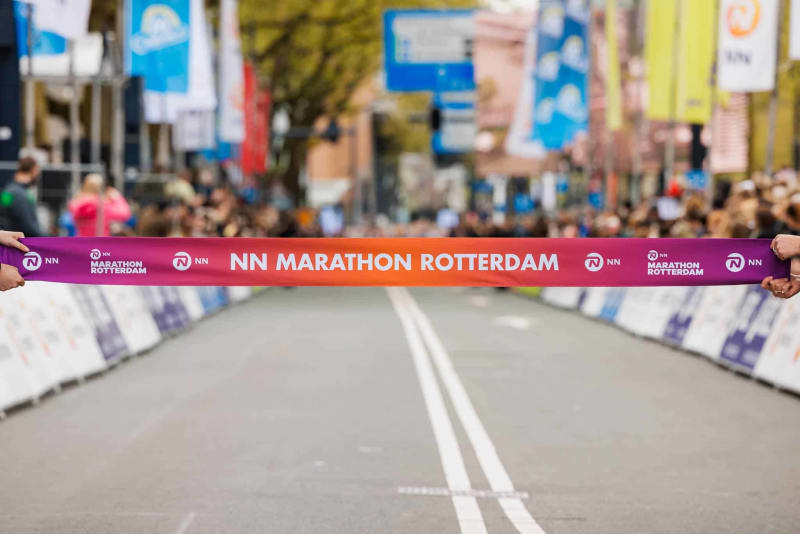
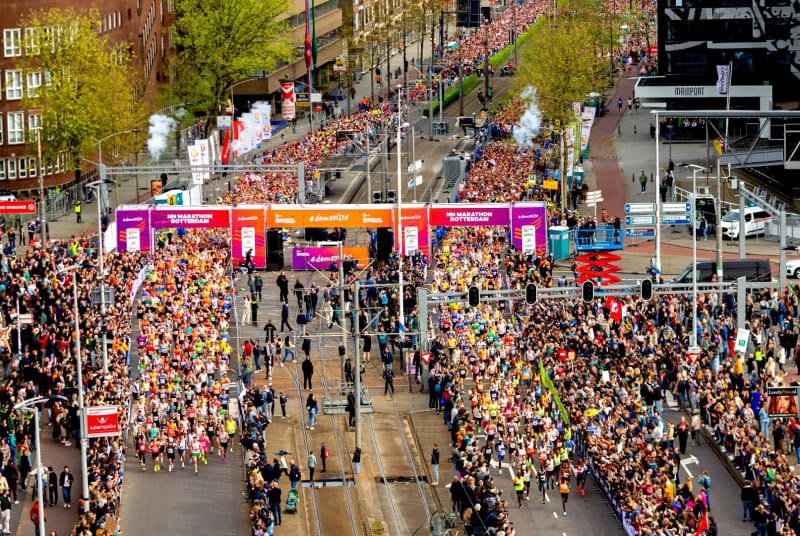
Flat course, spring weather, long straight sections... Rotterdam is one of Europe’s fastest courses. Three world records have been set here, and the race remains popular with Kenyan and Ethiopian elites. In 2014, running his third marathon, Eliud Kipchoge posted a fine 2:05. The late Kelvin Kiptum had even planned to attack the mythical two-hour barrier on this lightning-fast course.
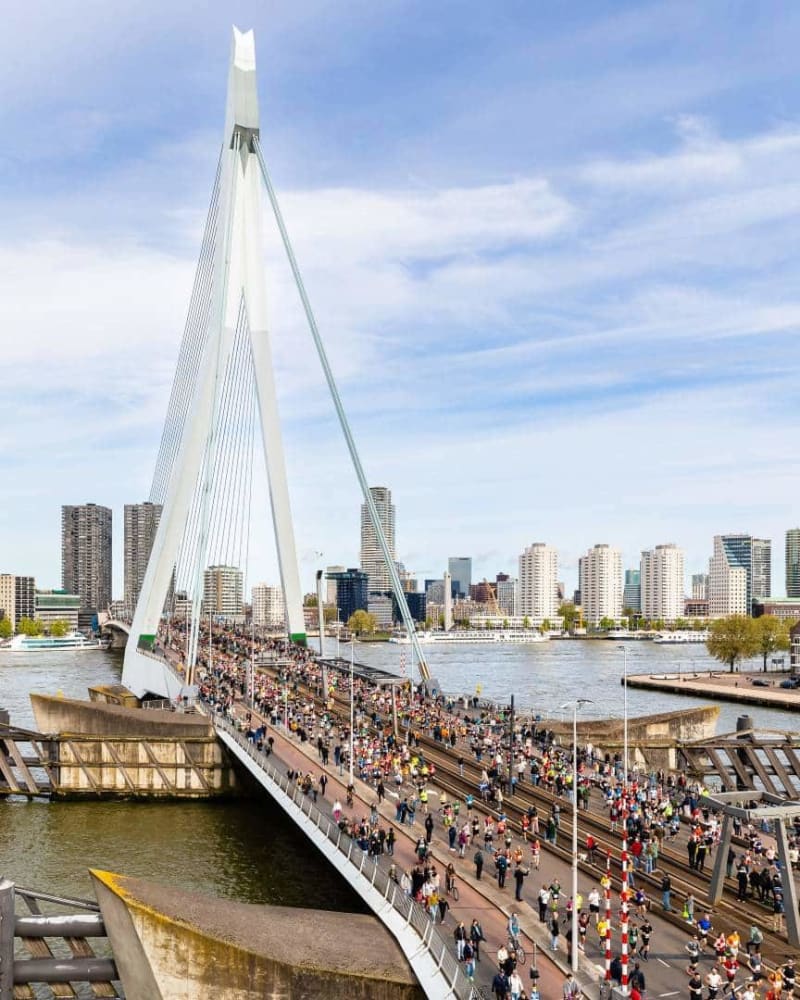
The route passes city landmarks including the Erasmus Bridge and Feijenoord Stadium, known as De Kuip. The finish on Coolsingel is a highlight, with runners taking in the roar of spectators packed around the line.
Registration usually opens in August, so be ready: bibs go quickly. Last year, all 17,000 places sold out in just two hours...
✔ Course record: 2:03:36 (Bashir Abdi, 2021) – 2:18:58 (Tiki Gelana, 2012)
✔ Number of participants : 17,000 participants
✔ Runner density: 14 runners under 2:10, 80 runners under 2:30, 972 runners under 3:00
✔ Course elevation : +66 m / -71 m
 © NN Rotterdam Marathon
 © NN Rotterdam Marathon
 © NN Rotterdam Marathon
 © NN Rotterdam Marathon
 © Rotterdam Marathon
 © NN Rotterdam Marathon
 © NN Rotterdam Marathon
 © Rotterdam Marathon
7. Seville Marathon (Spain)
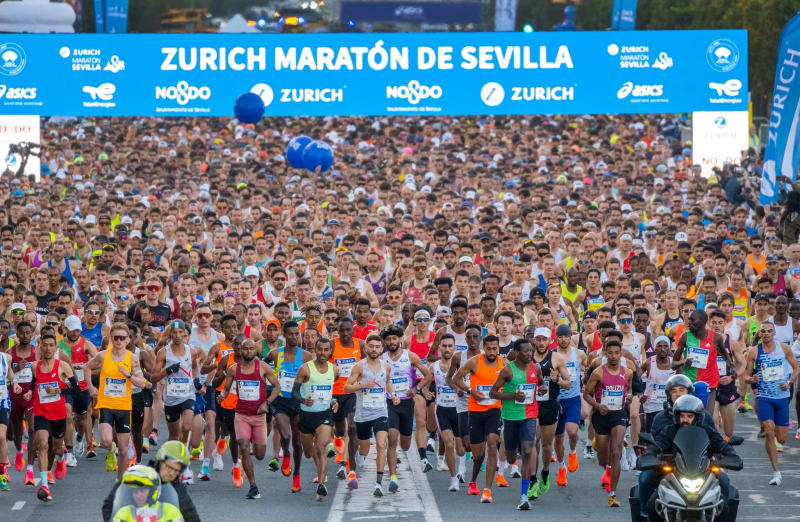
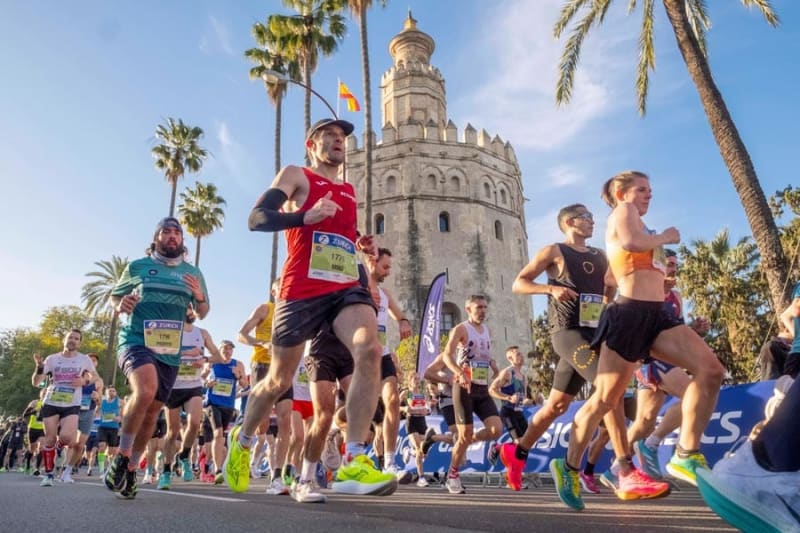
“The flattest course in Europe.” That is how the organisers themselves describe the Seville Marathon. Running 42.195 km through the warm streets of Andalusia’s capital puts you in the best possible position to set a PB. Sheltered from the wind and packed with runners, this spectacular marathon has all the ingredients of a major international race, including a World Athletics Elite Label. The race takes place in February, when conditions are ideal for fast running in Spain.
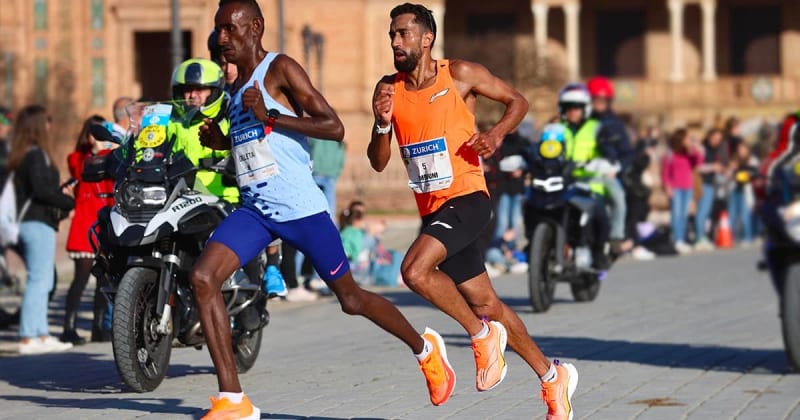
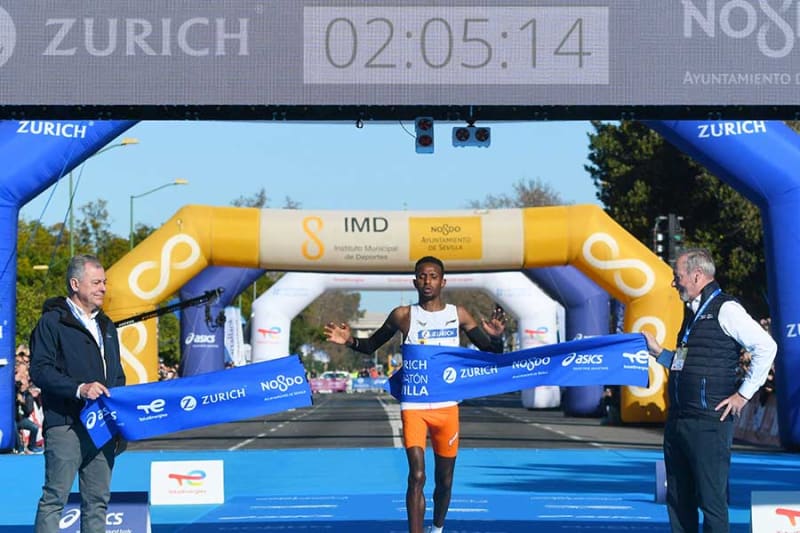
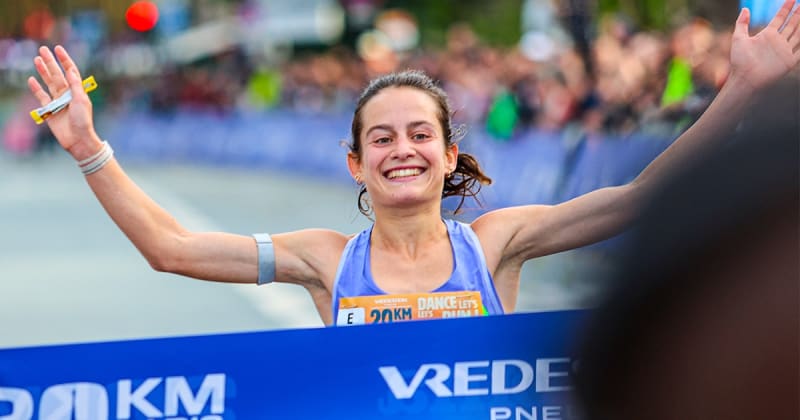
Numerous records have fallen here. The race is particularly popular with French runners. Manon Trapp and Méline Rollin have both broken the French national record here. The current French marathon record was also set on this course by Morhad Amdouni (2:03:47 in 2024). That same year, the race ranked among the six fastest marathons in history. With 11 national records broken, the 2024 Seville Marathon brought together more athletes under 2:10 and 2:15 than any other race.
To enter, you need to be quick: the field is initially limited to 12,000, with a possible second release of 2,000 bibs.
✔ Record: 2:03:27 (Deresa Geleta, 2024) – 2:18:52 (Alemu Megertu, 2024)
✔ Number of participants : 14,000 participants
✔ Runner density : 28 runners under 2:10, 156 runners under 2:30, 1,655 runners under 3:00
✔ Course elevation : +64 m / -64 m
8. Amsterdam Marathon (Netherlands)
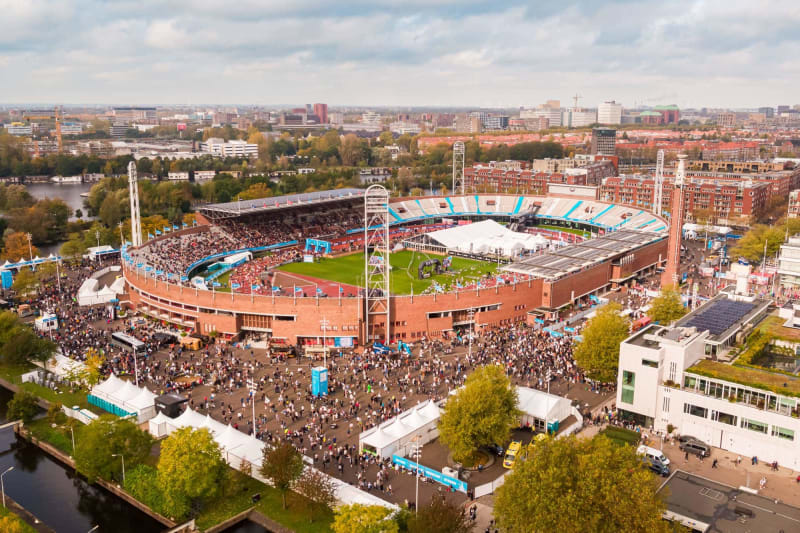
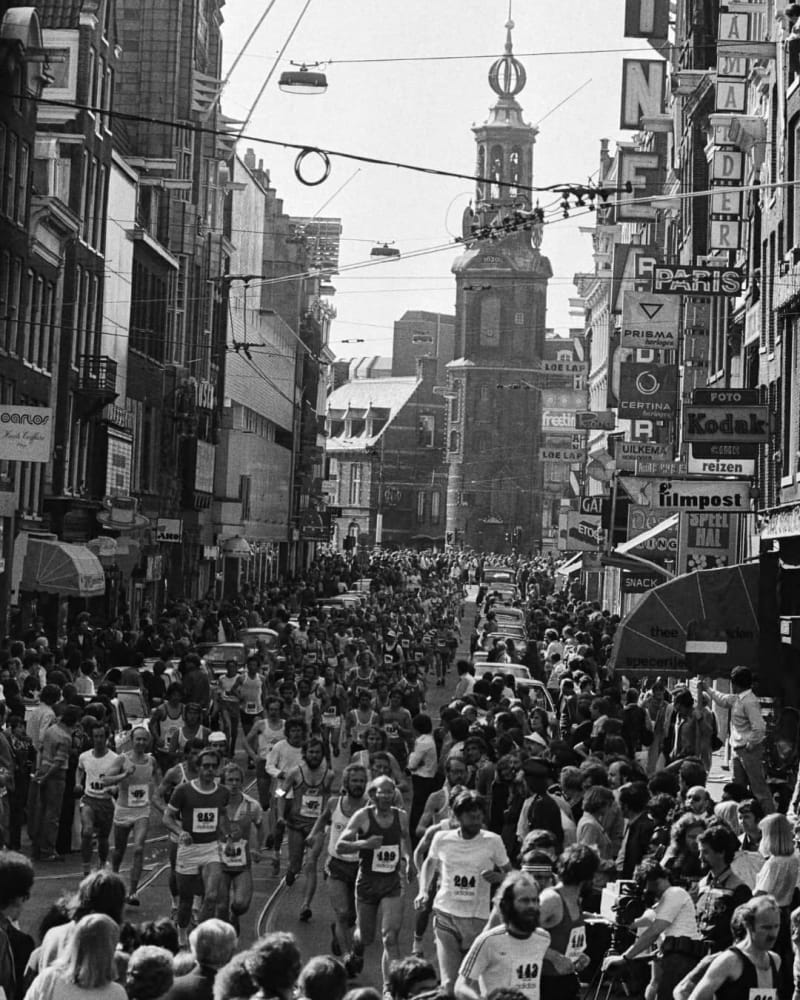
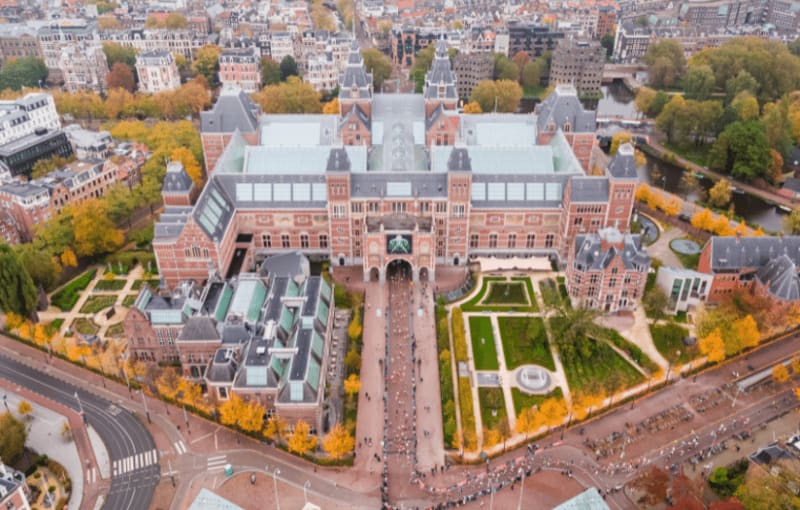
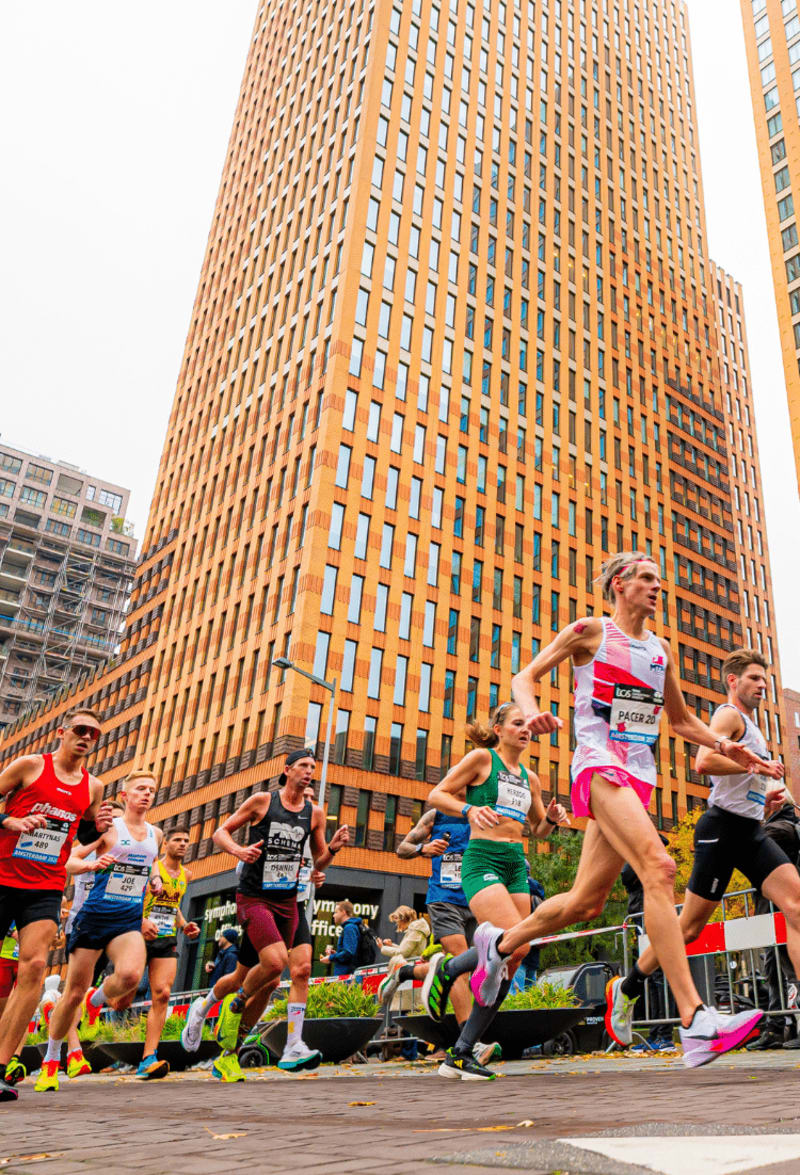
The Amsterdam Marathon is among Europe’s fastest races. Awarded World Athletics Platinum status, it delivers an exceptional racing experience through meticulous organisation: runner support, clear course signage and avenues closed entirely to traffic. In 2025, the event celebrated its 50th anniversary, a sign of the rich heritage and unique expertise that make it a major fixture on the international calendar.
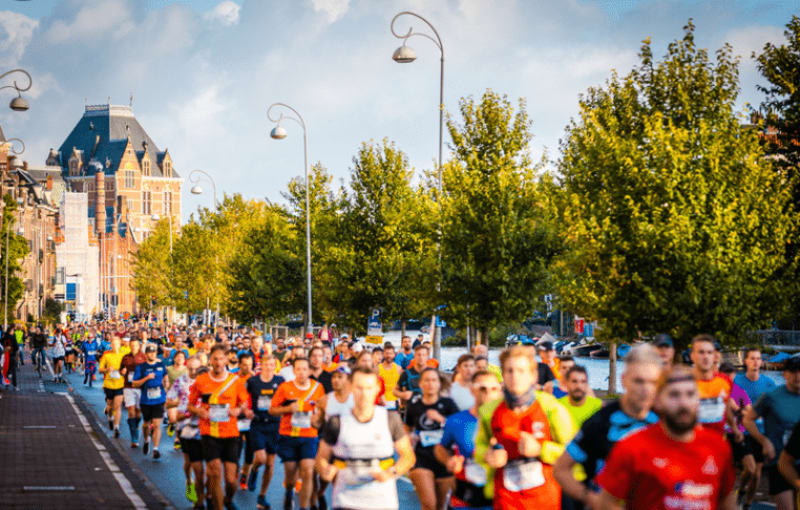
Running 42.195 km through the Dutch capital, along its canals and through its parks, gives you every chance of posting an ambitious time. The race takes place on the third Sunday of October each year, when conditions are ideal for fast running: cool autumn temperatures. Keep an eye out for rain, though, which can make an appearance on the course.
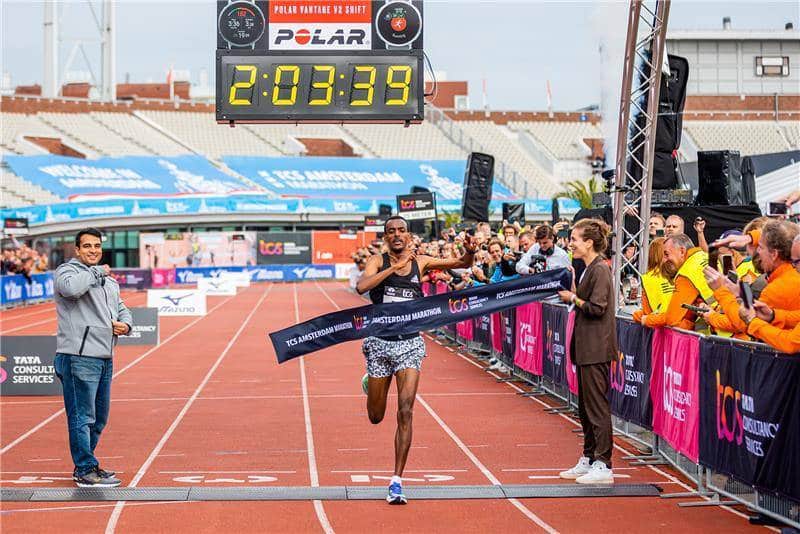
The marathon attracts plenty of elite athletes each year and has hosted some major performances. In the men’s race, Tamirat Tola set the course record with 2:03:39 in 2021, while the women’s record was set by Yalemzerf Yehualaw in 2:16:52 in 2024. That Ethiopian double places Amsterdam among the fastest races in the world.
Highly popular, the event attracts more participants every year. In 2024, 22,500 runners took the start; from 2025, the field will grow to 30,000, proof of the race’s exceptional appeal.
✔ Record: 2:03:39 (Tamirat Tola, 2021) – 2:16:52 (Yalemzerf Yehualaw, 2024)
✔ Number of participants : 30,000 participants
✔ Runner density : 11 runners under 2:10, 57 runners under 2:30, 924 runners under 3:00
✔ Course elevation : +91 m / -91 m
 © TCS Amsterdam Marathon
 © TCS Amsterdam Marathon
 © TCS Amsterdam Marathon
 © TCS Amsterdam Marathon
 © TCS Amsterdam Marathon
 © TCS Amsterdam Marathon
9. Dubai Marathon (United Arab Emirates)
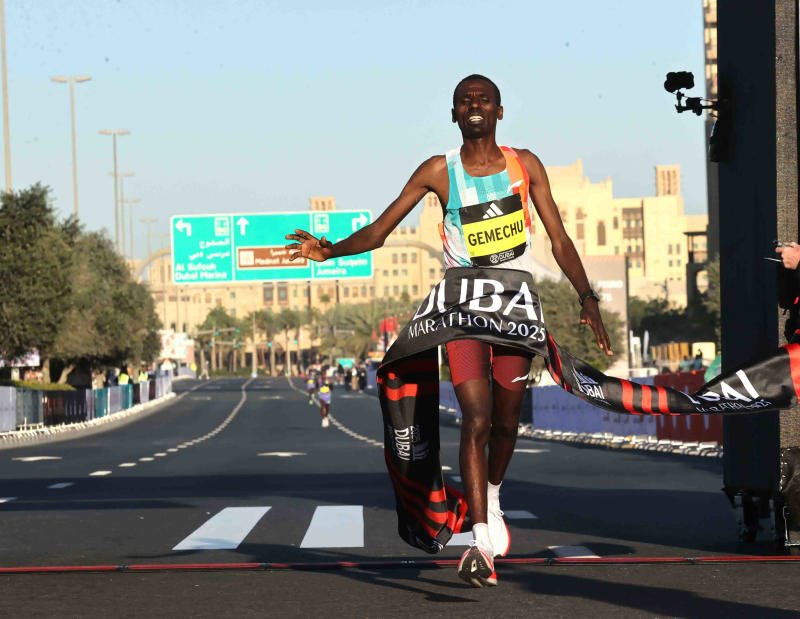
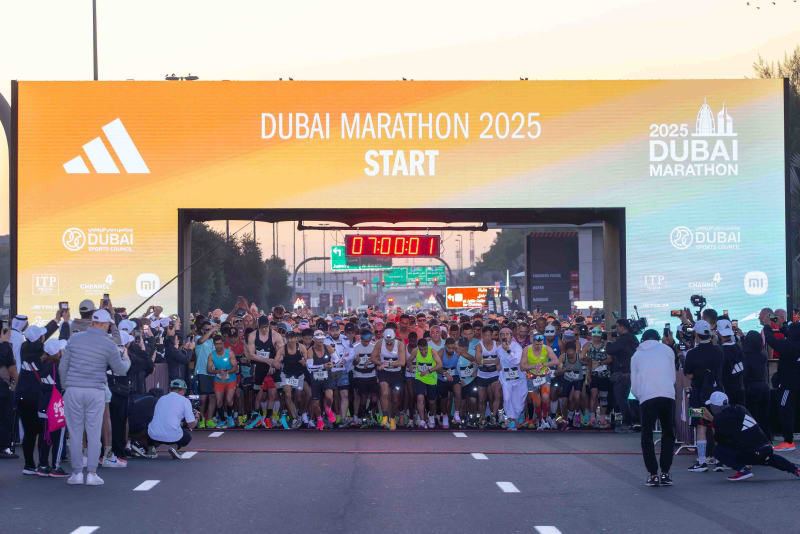
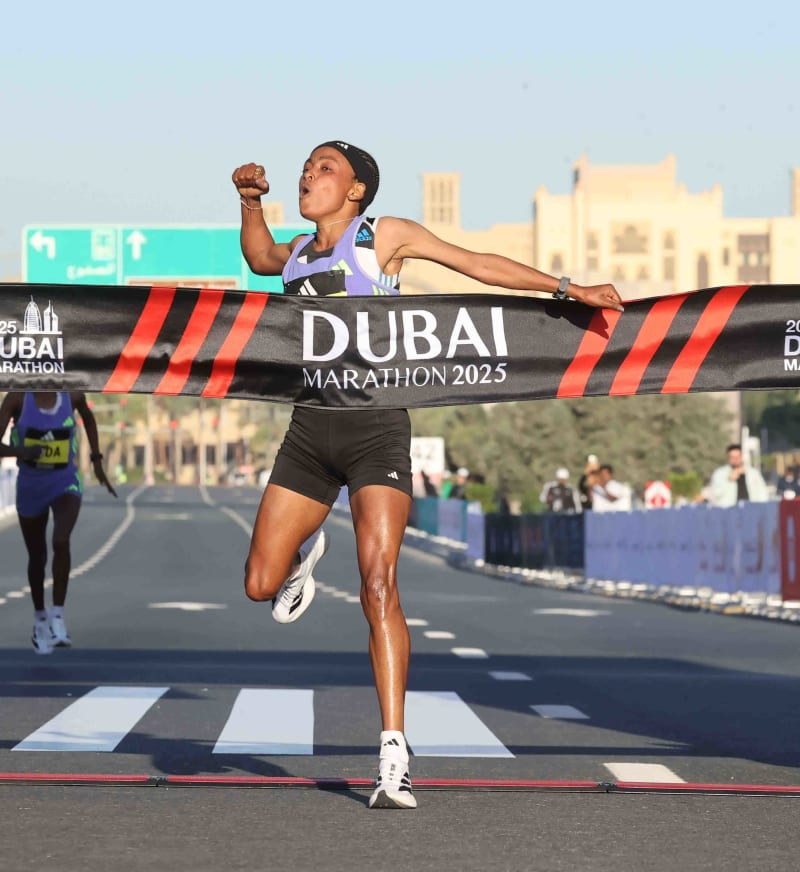
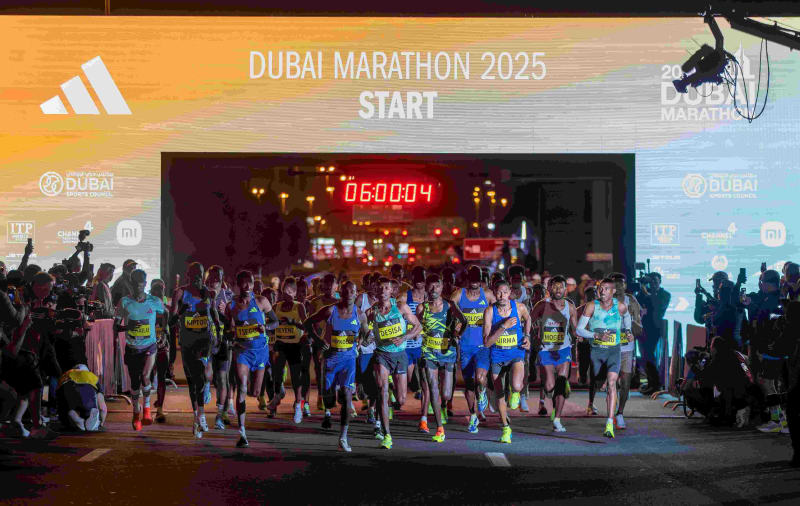
The Dubai Marathon is an international race with a World Athletics Gold Label. It is a very fast marathon held in January or February, depending on the edition, when the Middle Eastern climate is still cool and dry. Taking on the marathon distance in Dubai means running an ultra-flat seaside course through a unique landscape where modernity meets nature. To avoid the heat, the race starts at 7 a.m. The route itself is straightforward and designed for speed: an out-and-back along Jumeirah Beach Road, with few turns and wide coastal avenues. Runners have every opportunity to find their place in the pack and settle into a steady cruising pace.
Of the 100 fastest times ever recorded across the men’s and women’s events, 23 were run at the Dubai Marathon. That says plenty about the speed of the course and its appeal to elite athletes.
The event attracts 20,000 participants across several distances, but only 2,000 line up for the marathon.
✔ Record: 2:03:34 (Getaneh Molla, 2019) – 2:16:07 (Tigist Ketema, 2024)
✔ Number of participants : 2,000 participants
✔ Runner density : 10 runners under 2:10, 18 runners under 2:30, 88 runners under 3:00
✔ Course elevation : +7 m / -9 m
 © Dubai Marathon
 © Dubai Marathon
 © Dubai Marathon
 © Dubai Marathon
10. Boston Marathon (United States)
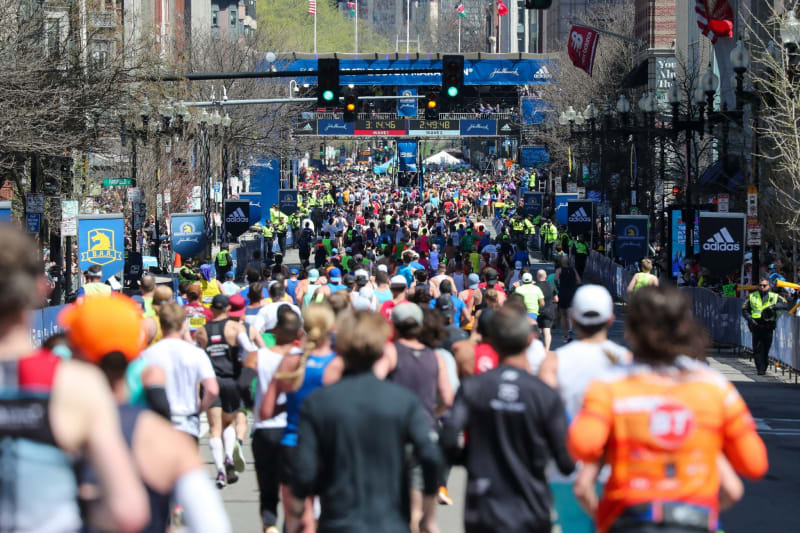
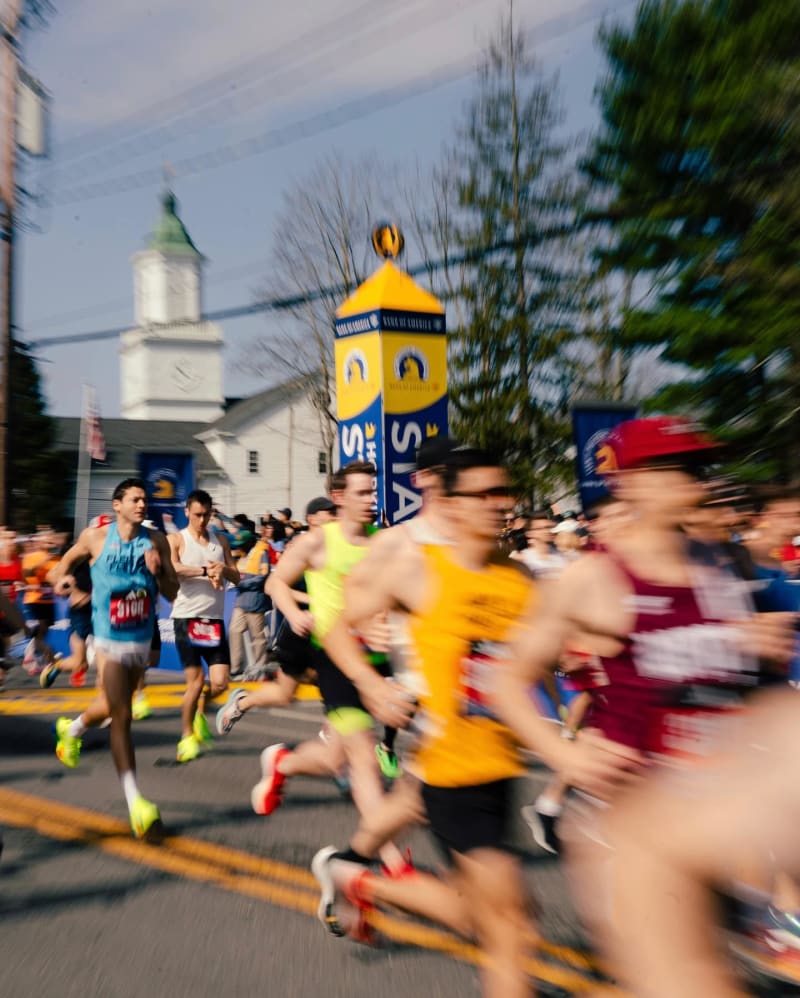
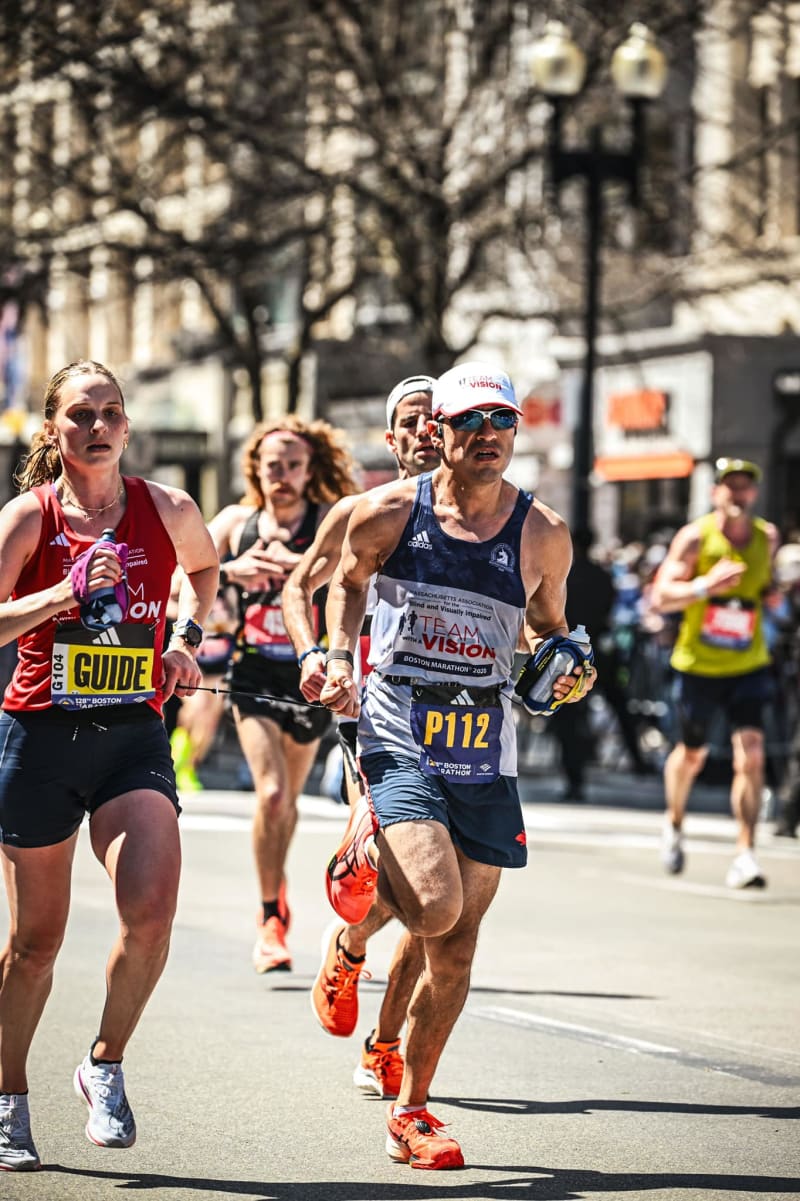
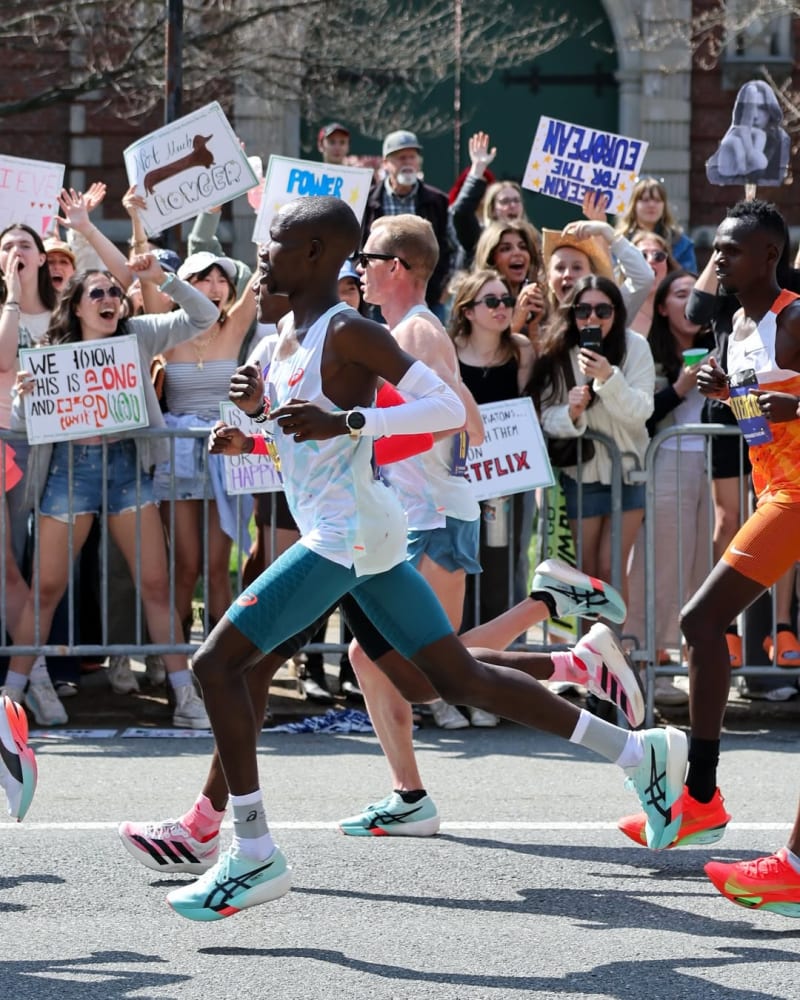
The Boston Marathon is far more than a race: it is a true institution in running. Founded in 1897, it is the world’s oldest marathon and a major symbol in sporting history. It has been the stage for landmark moments in women’s rights and remains deeply rooted in American culture. Held each year on Patriot’s Day, it turns the city into a huge celebration in which residents and spectators honour both the runners and the history of the United States. The tragic 2013 bombings left a deep mark on the community, giving rise to the famous slogan “Boston Strong”, now a rallying cry of resilience proudly carried by the city and its runners.
From a performance perspective, Boston is a legendary race where the best elite athletes go head-to-head on a demanding, iconic course. With the famous Newton hills and a rolling profile, it puts serious strain on the legs. A strong finish and a PB are still possible, provided you are prepared to handle the elevation. Although it is not eligible for world records because of its net downhill and the distance between the start and finish, it holds World Athletics Platinum status and is part of the Majors. It remains fertile ground for exceptional performances... for those who manage to get on the start line. Taking part in Boston is a privilege: you need to earn a strict qualifying time, the famous Boston Qualifier (BQ), making it one of the most selective and competitive marathons in the world. In 2025, the average finishing time was 3:33:39, with almost 15% of participants under three hours.
Find the entry details here.
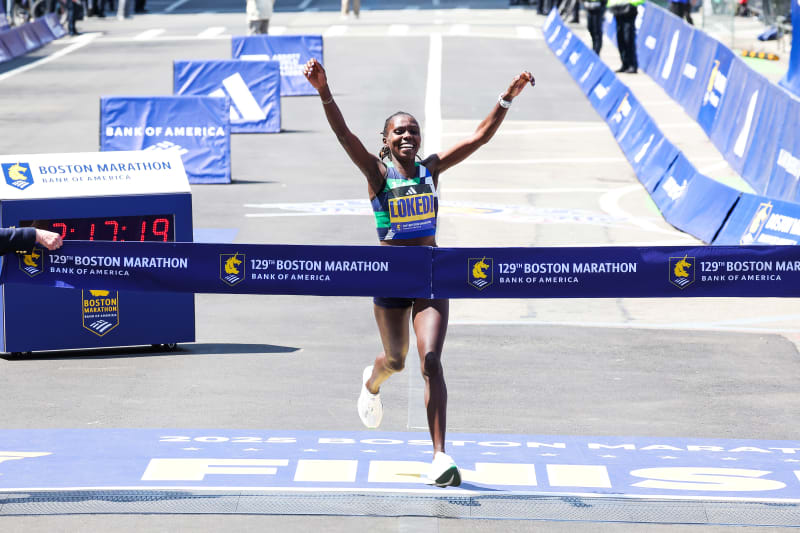
✔ Record: 2:03:02 (Geoffrey Mutai, 2011) – 2:17:22 (Sharon Lokedi, 2025)
✔ Number of participants : 31,670 participants
✔ Runner density : 12 runners under 2:10, 214 runners under 2:30, 4,684 runners under 3:00
✔ Course elevation : +248 m / -388 m
 © Boston Marathon / Victah Sailer@PhotoRun
 © Boston Marathon
 © Boston Marathon
 © Boston Marathon
 © Asics
Honourable mentions
Of course, there are plenty of other marathons where you can set a new PB. These races also offer excellent conditions for fast times:
➜ Paris Marathon
➜ Milan Marathon
➜ Frankfurt Marathon
➜ Hamburg Marathon
➜ Prague Marathon
➜ Copenhagen Marathon
➜ Houston Marathon
Tips to improve your chances of a PB
Choose the right weather: aim for 10–14°C.
Choose a flat course: less elevation means you can hold your pace and save your legs.
Look for long straight sections: fewer turns mean fewer accelerations and more energy to keep moving.
Study the density of runners around your target time: the pack’s collective rhythm can help you hold pace.
Arrive fresh: avoid heavy travel and long walks the day before the race, and watch out for jet-lag fatigue.
The course will not do everything for you, but it can give you the precious seconds that make the difference. It is no coincidence that 13 world records have fallen in Berlin: some courses simply give you a better chance of running fast and reaching your goal. Berlin, Valencia, Chicago, Seville... every marathon in this top 10 opens the door to a new personal best. For your next target, remember: a PB starts the moment you choose your race.