 © ASO
© ASO
Running Without Tech, or the Art of Getting Back to Basics
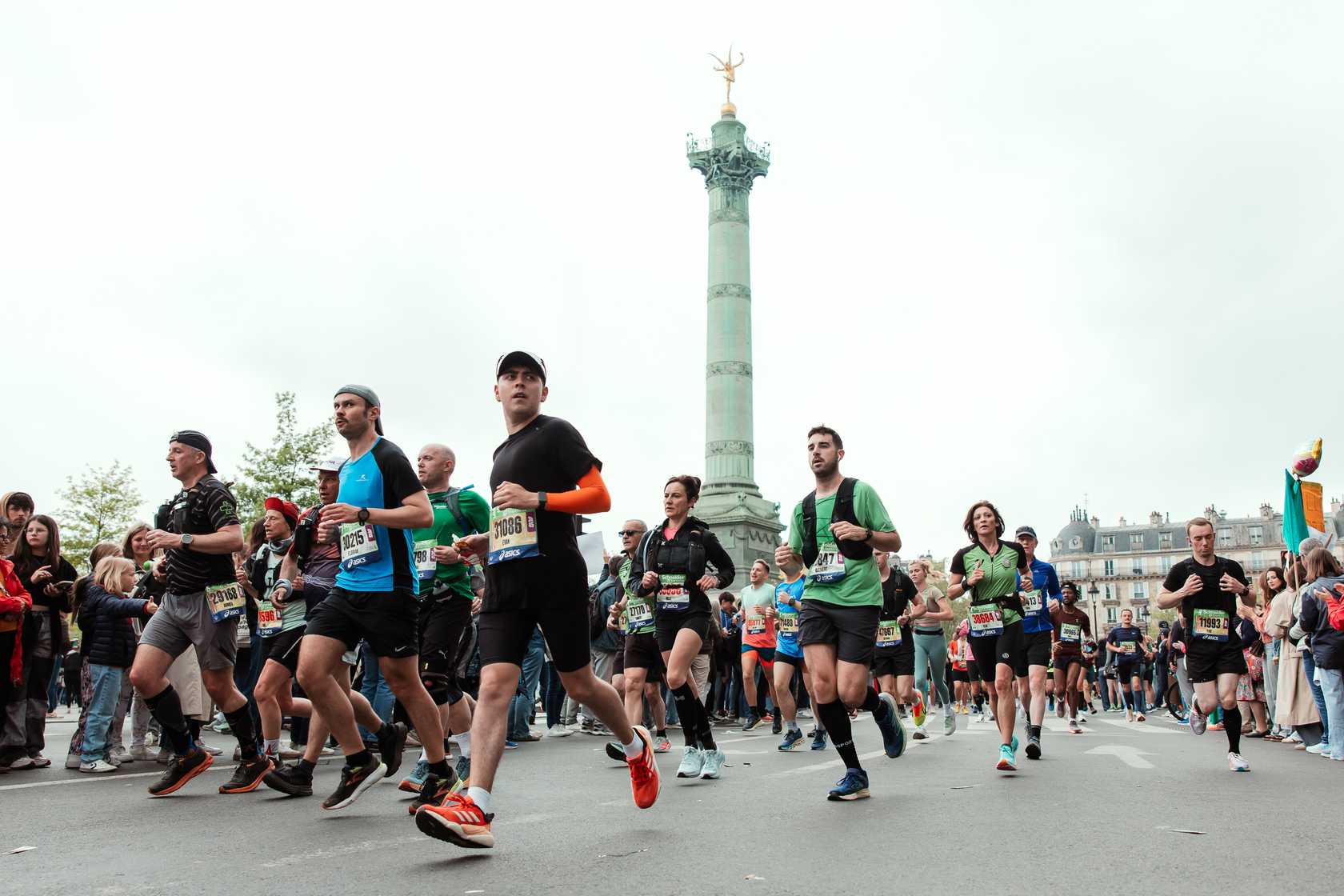
Smartwatches, GPS, headphones, tracking apps—technology now follows every stride. And yet, more and more runners are choosing, at times, to leave it all behind. Running without data, without music, without a digital footprint. Not to turn back the clock, but to reconnect with sensations often forgotten and to give running back its simplest—and perhaps most valuable—dimension.
One morning, the wrist stays bare. No watch to charge, no GPS searching for satellites, no playlist ready to drown out the first sensations. Just a pair of shoes, a door closing behind you, and the road ahead. Running without technology feels almost abnormal in 2026. Nearly a statement. And yet, this practice is quietly gaining ground among runners who are otherwise fully equipped the rest of the week. Not out of rejection of progress, but out of a desire to feel again.
| When the numbers fall silent, the body speaks
Without pace displayed in real time, running instantly changes tone. No more compulsive glances at the wrist, no constant comparison with the previous session. You have to listen differently. Breathing becomes the main indicator. The legs set the tempo. The heart sometimes reminds you that easing off might be wise.
Over time, something surprising happens. The body naturally adjusts pace. Too fast, breathing unravels. Too slow, a sense of boredom creeps in. “The best coach is the body,” once pointed out Arthur Lydiard, one of the founding fathers of modern endurance training. “It’s always talking—if you’re willing to listen.” Without a screen acting as referee, balance finds itself. This skill, long numbed by data, comes back quickly. Many coaches still repeat it today: perceived effort remains the most reliable tool over the long term. Running without a watch is one of the best ways to retrain it.
| The route becomes an adventure again
Without GPS, logic shifts. Kilometers give way to tangible landmarks—a bridge, a park, a familiar straight. You run to a place, not to a number. Time stretches or shortens depending on how the day feels. Even the most familiar routes take on a new flavor. A side street catches the eye. A path once noticed but never taken becomes an invitation. Running regains an exploratory, almost childlike quality.
These spontaneous detours often leave deeper marks than perfectly calibrated sessions. The smell of fresh bread at dawn. Low light reflecting off a still-empty quay. Details that disappear when attention stays glued to a screen.
| Running without music: accepting the face-to-face
Giving up headphones is often the hardest step. Silence forces a direct confrontation with yourself. The first minutes feel long. Thoughts pile up—then slowly settle. Ambient sounds take over: footsteps on asphalt, breathing finding its rhythm, wind, rain, snippets of conversation picked up along the way.
“Music disconnects you from your internal biological feedback. There’s nothing better than a session in nature where you can listen to your breathing,” said Jean-Claude Vollmer, a marathon coach and one of France’s leading analysts of long-distance running. This immersion subtly changes stride—steadier, more consistent. Without music imposing an artificial tempo, pace becomes organic. Some runners even describe it as a form of active meditation—a rare pause in days saturated with noise and stimuli.
| Running without Strava means running for yourself
Removing the digital trace deeply changes the relationship to a run. No automatic upload, no segments to chase, no need to justify anything. The run exists even if no one sees it—to the great relief of the anti-Strava crowd.
That freedom lifts a quiet pressure: the obligation to “nail” every session. “Success in running doesn’t depend on what others see, but on what you feel,” perfectly summed up John Bingham. Yesterday and today alike, an average jog remains a useful jog. A shortened run no longer needs an excuse—it simply fits into the bigger picture. Ironically, that discretion enhances pleasure. The memory of the session settles in the body, not in an app. And that’s more than enough.
| A modern practice, not a nostalgic one
Running without technology doesn’t mean abandoning structure altogether. Many runners alternate: key workouts with a watch and data, others completely free, without any device. That contrast enriches training. “Running is very simple. People complicate it,” says Eliud Kipchoge, without embellishment.
The benefits appear quickly: better effort management, sharper sensations, less mental fatigue—and sometimes, unexpectedly, improved race performances. Great champions didn’t always train with sensors. They learned, above all, to know themselves. That skill remains essential, whatever the level.
In a world obsessed with measurement, running without technology becomes a quiet luxury. An hour without notifications. Without charts. Without the need to share. Just a direct relationship between body and movement. At its core, running has never needed electricity. It only asks for legs, some open space, and the desire to move forward. Everything else is optional. And sometimes, subtracting instead of adding is all it takes to restore meaning to every stride.
➜ Explore the marathon calendar

Dorian VUILLET
Journalist
 21/02/2026
 03/02/2026
 19/01/2026