
Run For Climate brings 700 runners together for the planet in Paris
 © Run For Climate
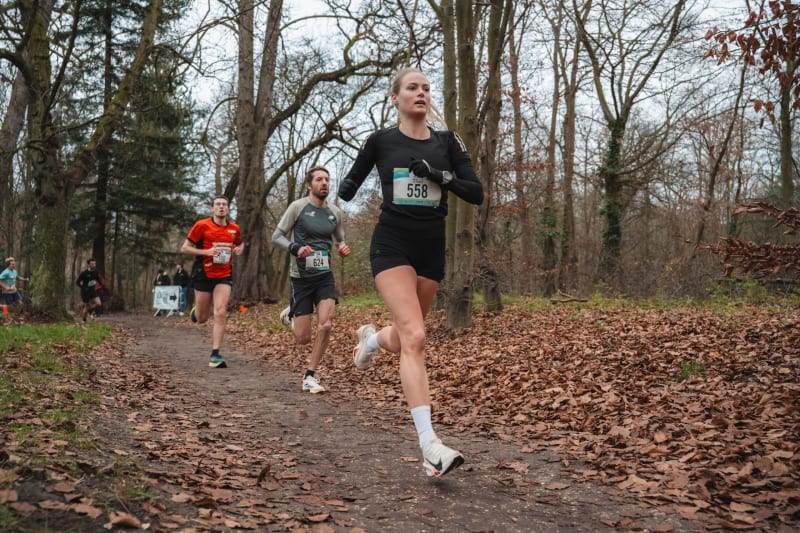
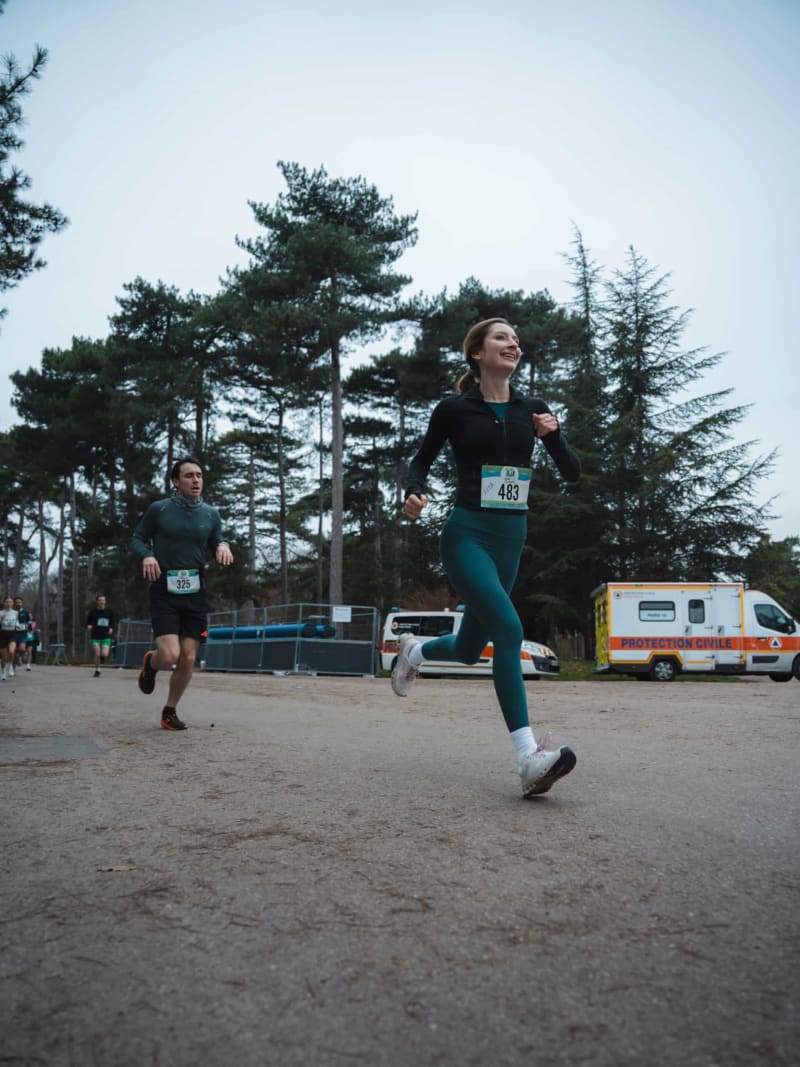
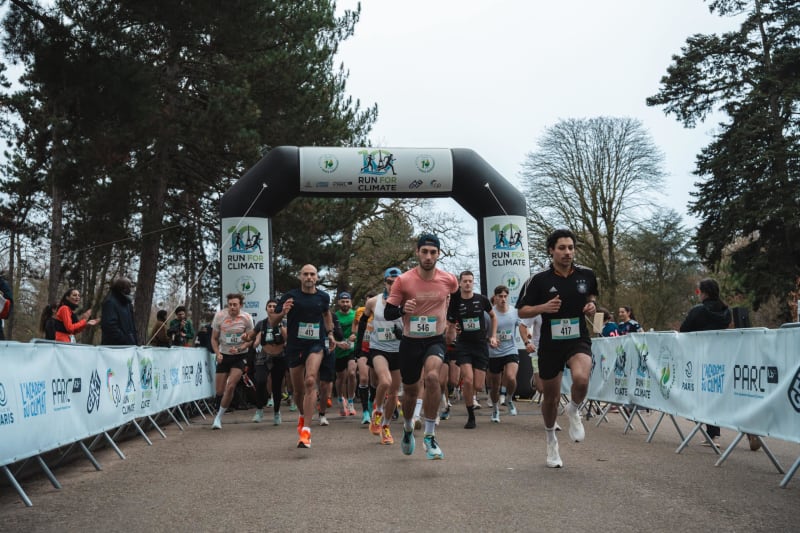
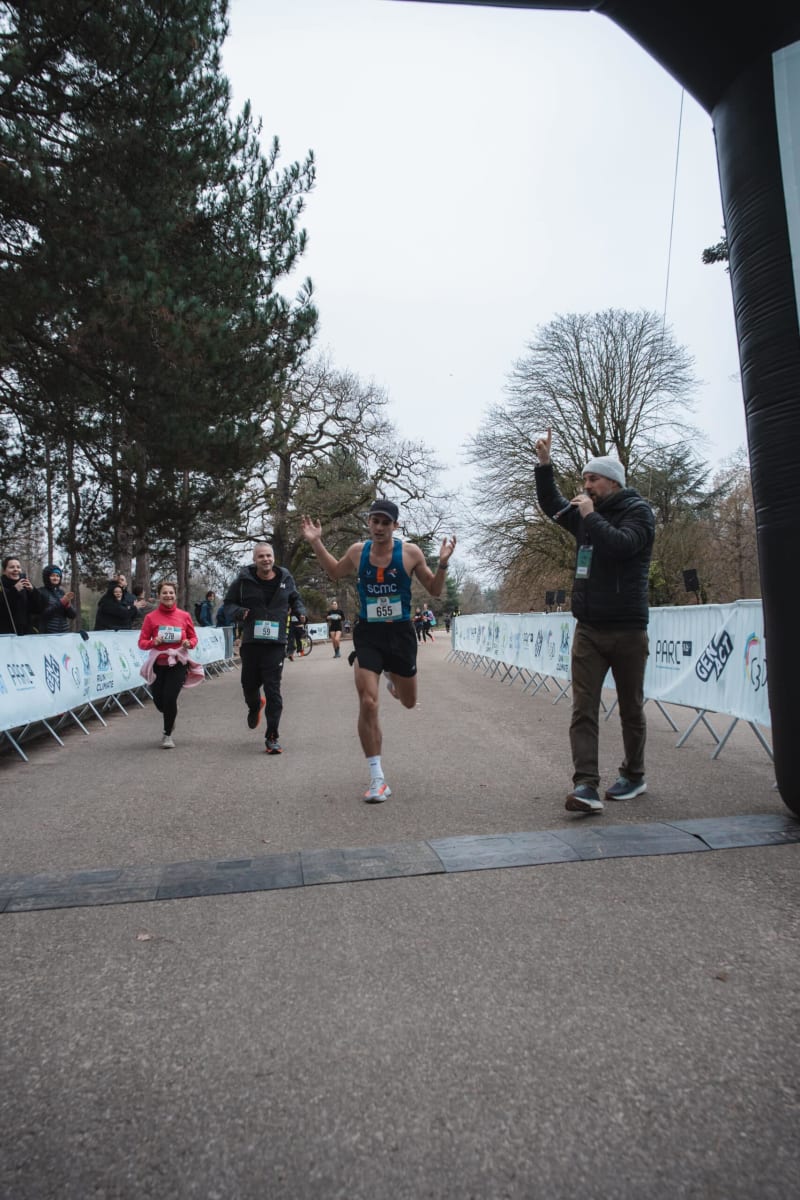
Just a stone’s throw from the Pavillon Royal in the Bois de Boulogne, 700 runners took on two laps this Sunday, December 14, at the inaugural 10 km Run For Climate, launched by Fondation PARC and organised by EcoTrail Organisation to support climate research.
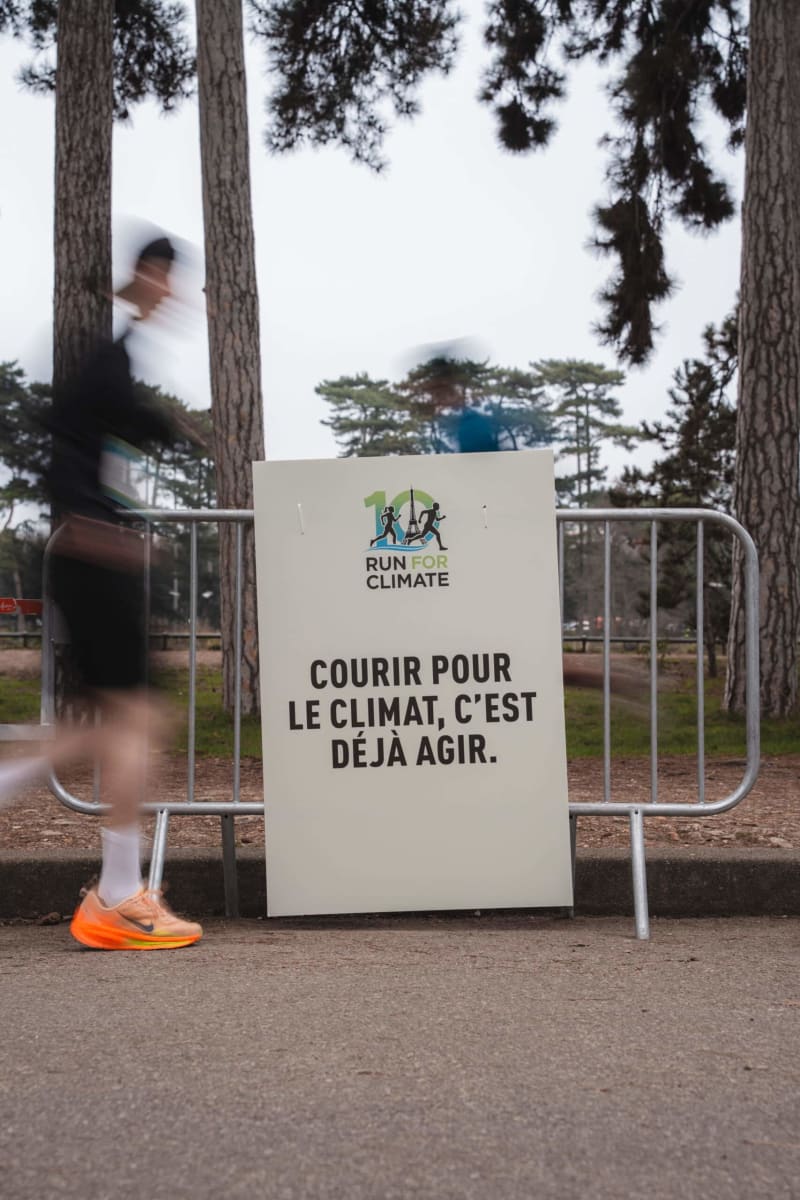
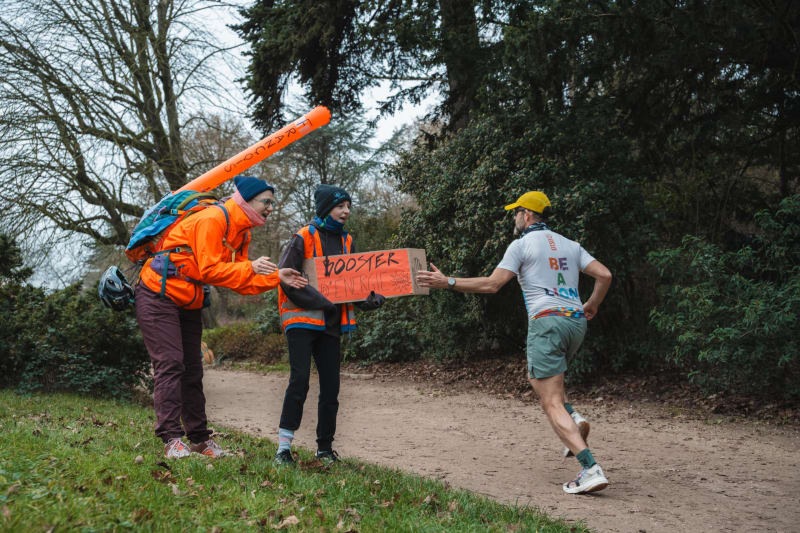
“Running for the climate is already taking action”, “Together, let’s help the planet breathe”, read the signs dotted around the course. Powerful messages that reflected the purpose of this charity race, organised to support climate research. For every entry, €5 was donated to Fondation PARC (Paris Agreement Research Commons), hosted by Institut Louis Bachelier, where race creator Lita Marret works as a sustainable finance analyst.
The initiative immediately struck a chord with Hervé Pardailhe-Galabrun, president of EcoTrail Organisation, which handled the event logistics: “When they came to us, we thought: let’s do it together. It made total sense!” Originally planned in central Paris, around Place de la Bastille, the start was eventually moved to the Bois de Boulogne. It proved to be a particularly fitting choice: running near Lac Inférieur, surrounded by nature, reinforced the message behind the event.
A race designed as a wider project
Designed as a wider project, Run For Climate combined a connected 10K challenge held from November 10 to 21 with a series of talks at Académie du Climat, which also served as the race’s bib collection venue. The inaugural edition brought together 700 participants, split into two starting waves. Held partly at Académie du Climat on Friday, December 12, this period of reflection and mobilisation aimed to reignite momentum around the Paris Agreement, which marked its tenth anniversary that day. “The real idea was to rebuild some positive energy around the agreement”, explains Lita Marret, who launched the race.
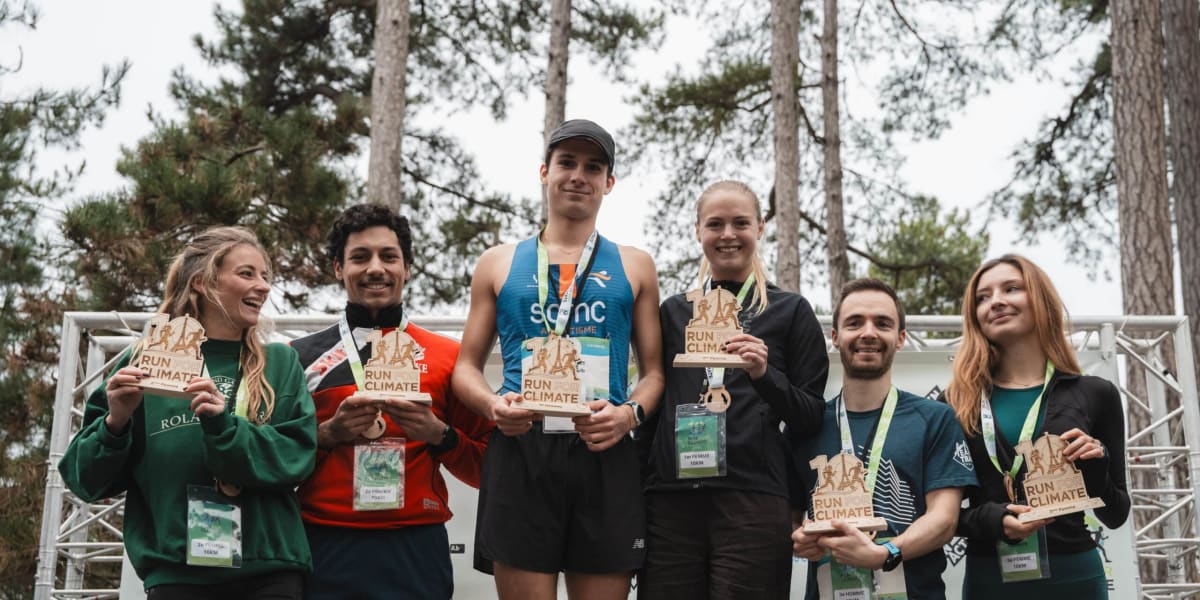
Race winner Tom Connery also felt the impact of the cause on his performance. “Running for a cause is always better. Picking up our bibs at Académie du Climat made it feel more tangible”, says the SCMC athlete, who belongs to the new club based in Hauts-de-Seine. Emma Granström, the Swedish winner who has lived in Paris for four months, was still recovering from the Valencia Marathon but appreciated the race’s distinctive spirit: “Running for a cause is a real bonus. In Sweden, I mostly take part in competitive races. This was mainly about the atmosphere. And for a first edition, especially for a race of this size, the organisation was genuinely brilliant.”
Running for the climate without adding to your carbon footprint
What is the point of running for the climate if the event leaves behind a heavy carbon footprint? For the organisers of the first Run For Climate, consistency was a priority. Choosing EcoTrail Organisation as its event partner was therefore an obvious decision. “From our very first conversations, it was clear that this was a race genuinely committed to those principles”, explains Hervé Pardailhe-Galabrun, founder of EcoTrail Paris. The launch fully reflected the spirit of the Paris-region event and the ethical charter established when it began. “Back in 2008, with EcoTrail, we tried to leave as little trace as possible. Ever since then, we’ve been encouraging runners to do the right thing, sort their waste, leave nothing on the ground and respect nature”, he recalls.
The accessibility of the start venue is therefore crucial. Just 15 minutes from Porte Dauphine, it makes it easy for runners to use public transport. “We’re very much focused on promoting low-impact transport and leaving the car at home”, stresses the organiser, who was already handing out transport tickets to runners in 2008 to encourage them to travel by means other than car. It is a major issue: according to an internal carbon assessment carried out in 2010, participants’ travel is the biggest source of emissions at a race.
 © Run For Climate
 © Run For Climate
 © Run For Climate
 © Run For Climate
 © Run For Climate
 © Run For Climate
 © Run For Climate
 © Run For Climate
Another key lever is reducing energy consumption. Fuel-powered generators were replaced with reusable batteries. Water and food were handled along the same lines. Plastic bottles disappeared entirely, replaced by water containers connected directly to the Paris water network. The aid stations, meanwhile, used unsold food including oranges, apples and cake. “Nothing changes for the runners, and it avoids waste”, explains the man behind the race.
The one symbol that remains difficult to change is the medal. “I’m trying to eliminate giveaways from all our races. T-shirts are a thing of the past. The medal is more complicated, but we’ll get there”, says Hervé Pardailhe-Galabrun. Rather than eliminate them altogether, EcoTrail opted for wooden medals, which require far less energy than metal ones. “A wooden medal represents around 0.0367 kg of CO2, compared with much higher figures for textiles, where a T-shirt can reach 6 kg of CO2”. No question about it: Lita Marret was right to bring them on board for the event. “When it comes to zero waste and organising a truly responsible event, without greenwashing, they’re clearly the best of the best”, she says, delighted.
A first edition paving the way for many more
For a first edition, the event was a clear success. Stéphane Voisin, programme director at Fondation PARC, is delighted: “As soon as Lita presented the project to us, we said yes. We weren’t necessarily convinced it would work, but it did. It was complicated to organise, and EcoTrail were brilliant. Next year, we’re aiming for 3,000 participants, then 10,000, and after that, the whole of France”. Lita Marret, meanwhile, has one slight regret: “It’s just a shame we got started so late, because by the end we could feel there was real enthusiasm. A lot of people were still looking for places”. The race sold out, an encouraging sign for the future: “We left it a little late to communicate about the event. With more time, we could have increased the field and welcomed even more people. But at least it’s a good sign for future editions.”
Congratulated by her colleagues at Institut Louis Bachelier, who also finished the race, Lita Marret, dressed head to toe in green to subtly match the theme, smiles: “I wondered whether it was a bit too much”. Happy to see everyone’s commitment, she says she is proud to have brought the event to life and to have claimed third place: “When I realised I could make the top three, I went for it. I wanted them to be proud”. Judging by the success of this first edition, they certainly are.