
Millau 100K: Stéphanie Gicquel and Benjamin Polin Rewrite the Record Books

The 53rd edition of the Millau 100K delivered a remarkable script, with Stéphanie Gicquel (8:02:34) and Benjamin Polin (6:19:18) smashing the course records. From the freezing morning temperatures to the punishing slopes of Col de Tiergues and the unique atmosphere of Aveyron, Millau once again showed why it remains the Mecca of 100K racing.
It is 10 a.m. when the field sets off along Avenue Jean-Jaurès on Saturday, September 27. The thermometer barely reaches three degrees. Many runners are wearing gloves, while others breathe clouds of vapor with every stride. The temperature difference from the day before is striking, but that is Millau: wide temperature swings are part of the scenery. And as usual, the runners know this is only the opening act. As the day wears on, the sun will beat down on the long straights toward Saint-Affrique.
As for the Millau 100K course, nothing has changed: a fast opening section along the Tarn, then rolling terrain around the 20K mark, before the race's defining challenge after passing beneath the viaduct: Col de Tiergues, with its 8% gradients, tackled out and back. In total, runners face nearly 1,200 meters of elevation gain. A road ultra, certainly, but with a profile worthy of a mountain marathon.
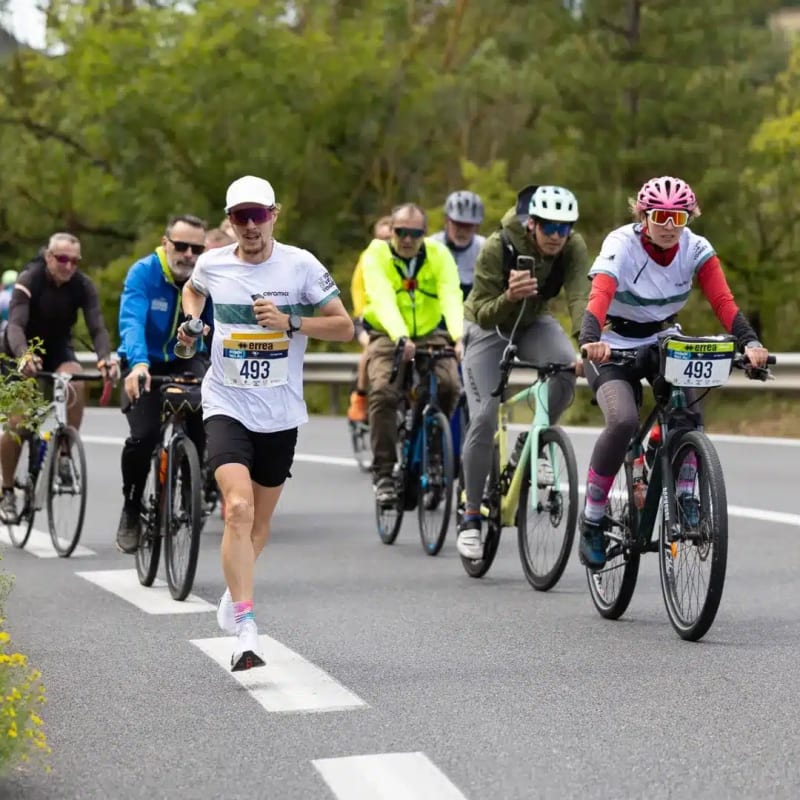 © Benjamin Polin
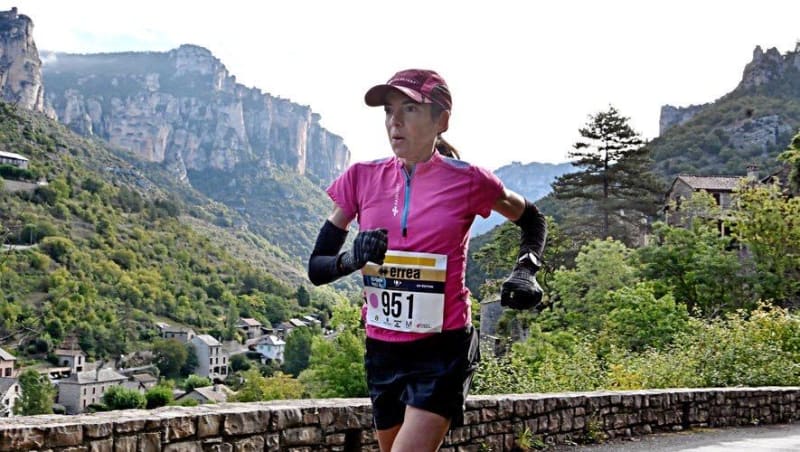 © Jean Louis Bories
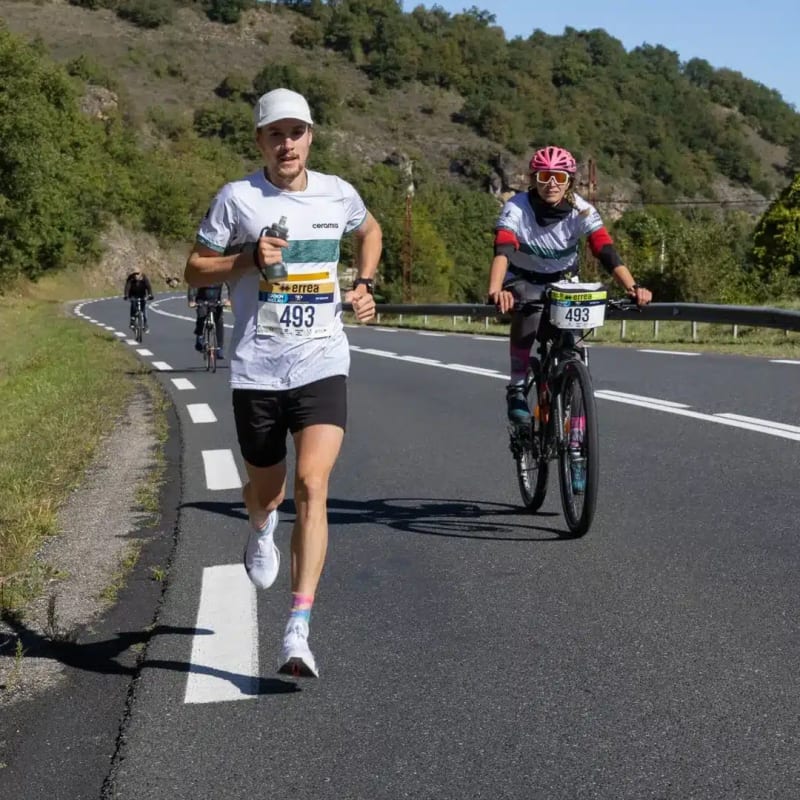 © Benjamin Polin
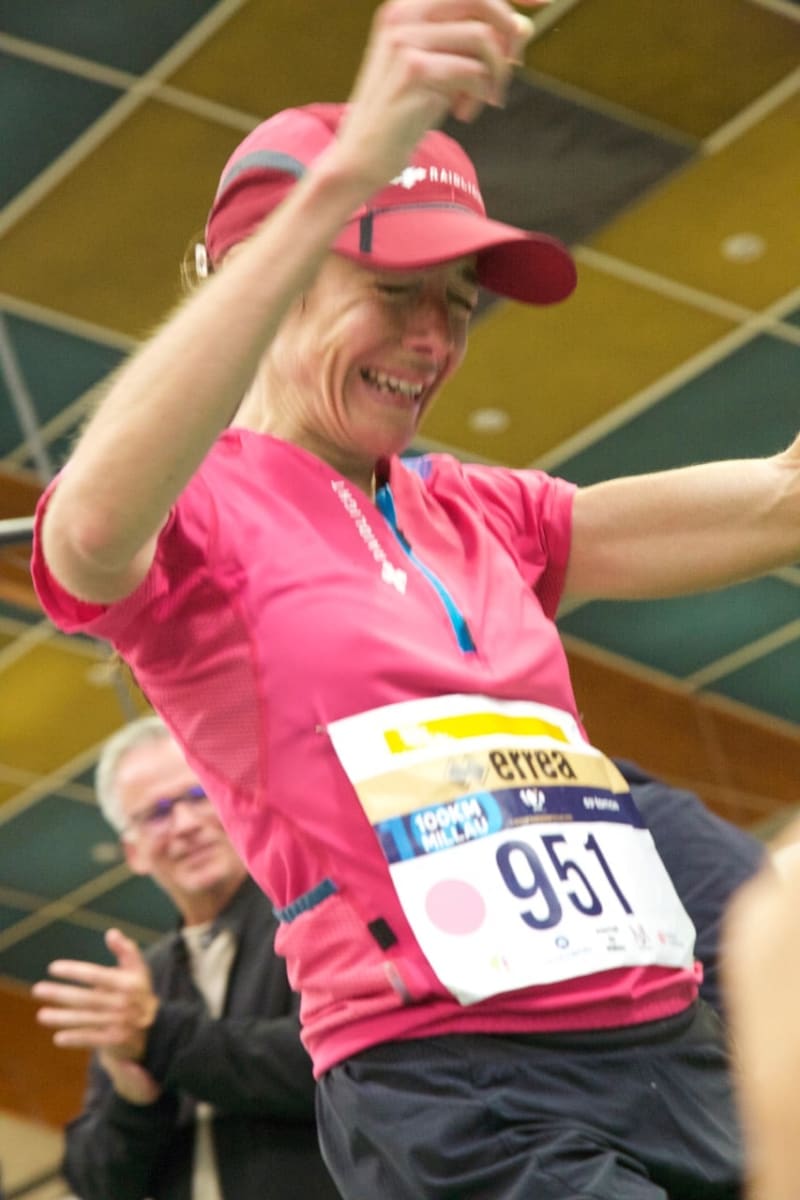 © Marcel Compan
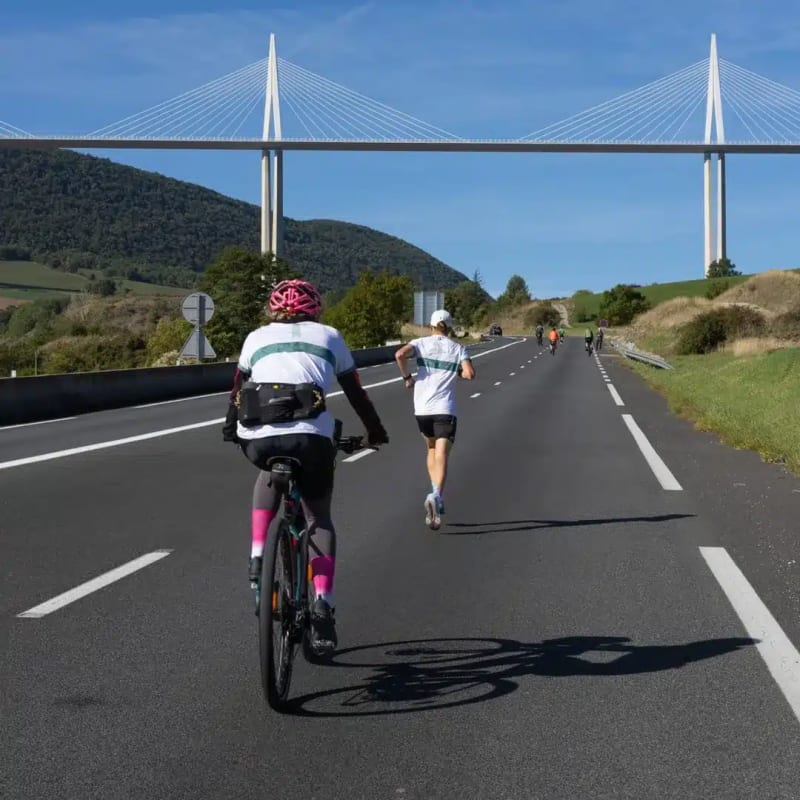 © Benjamin Polin
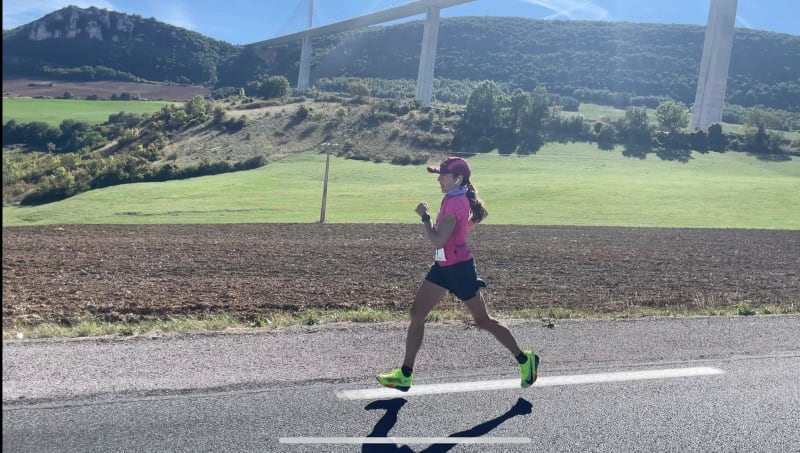 © Marcel Compan
Stéphanie Gicquel, faster than ever
She had already joined the ranks of the leading 100K runners. But on Saturday, Stéphanie Gicquel reached another level. Her time of 8:02:34 in Millau was 19 minutes faster than the 8:21:34 she ran here in 2023. That is a huge leap at this level, and confirmation of her steady rise over the past two years. The foundation of the performance was flawless management of the conditions. To counter the cold at the start, the long-distance specialist had planned ahead: gloves, plus ice-cold towels around her neck and wrists. It may sound paradoxical, but the approach helped her maintain a “cool zone” through the opening kilometers, ahead of the heat to come.
The only setback was stomach trouble caused by the icy water she drank early in the race. It could have derailed her day. Instead, she held firm and then some: over the final 10 kilometers, Gicquel was still surging like a marathoner in complete control. Four minutes per kilometer, and at times 3:47, after more than 90K in her legs. A surreal pace that electrified the spectators lining the finish. The new record fits an extraordinary trajectory. Three months earlier, the lawyer and professional author had won the Ultra Marin in Vannes. And last winter, she set the 24-hour track world record with 249.126 km in Phoenix in December 2024.
France's top endurance runner, who also holds the French 24-hour road record (253.6 km) and the national best for 100 miles (14:17), has now joined the very select group of athletes to have won a major ultra-trail race four times. That means 100-mile races with more than 1,500 starters, alongside Kilian Jornet and François d'Haene at UTMB. Millau simply confirmed that she is now operating on another level.
Benjamin Polin, a record from another era
For the men, the signs were there: the 2025 edition was set to mark a turning point. Still, few expected Benjamin Polin (31) to strike quite so hard. In 6:19:18, the two-time French 100K champion (2022 and 2023) and two-time French marathon champion (2024 and 2025) erased Jean-Marc Bellocq's legendary 6:28:31 from the record books, a mark that had stood since 1990. Thirty-five years of history swept away on an Aveyron morning.
A head-to-head battle with Gabriel Noutary was expected, but he eventually finished second in 6:52:46. Polin, who works for a regional electricity union outside his life as an ultrarunner, imposed an unrelenting pace from the outset. The gap opened by the 50K mark, then became enormous. The race turned into a solo exhibition, every stride confirming the new leader's superiority. No collapse, no hesitation: a clinical effort all the way to his triumph in central Millau.
By breaking a record that had stood for more than three decades, the runner-up at the 2024 100K World Championships in India has moved into a different class. The Vosges native has joined the select group of runners capable of pushing back the limits of a legendary race, one that has shaped so many ultra careers. Behind them, local runner Lucas Gaquière claimed third in 7:04:09.
The marathon: a nod to the 100K
Alongside the 100K, the highly regarded Millau Marathon delivered its own share of suspense and fast times. Simon Dubocage managed his effort intelligently over the 42.195K course. A local runner familiar with the Tarn Gorges and the iconic passages beneath the viaduct, he gradually pulled clear of his rivals to cross the line in 2:34:39, signing off his career in style. A course record was the reward.
In the women's race, Coralie Blanchard stunned everyone by completing her first marathon in 2:58:40, the fastest time in the history of the women's race. It was another reminder that Millau is as much a proving ground for breakthrough performances as it is a stage for legends. The course, demanding despite its reputation as “flat,” put energy management to the test. Long straights, false-flat climbs and technical descents demanded focus and anticipation. The marathoners shared Millau's unique atmosphere with the 100K runners, trading cheers and feeding off the collective adrenaline.
Beyond the times, Millau remains a collective adventure. Those who finish in six hours and those who take 15 cross the same climbs, pass beneath the same viaduct and face the same doubts. The biting cold at the start, the crushing heat in Saint-Affrique and the seemingly endless false flat before the descent back to Millau: all of it is part of the experience.