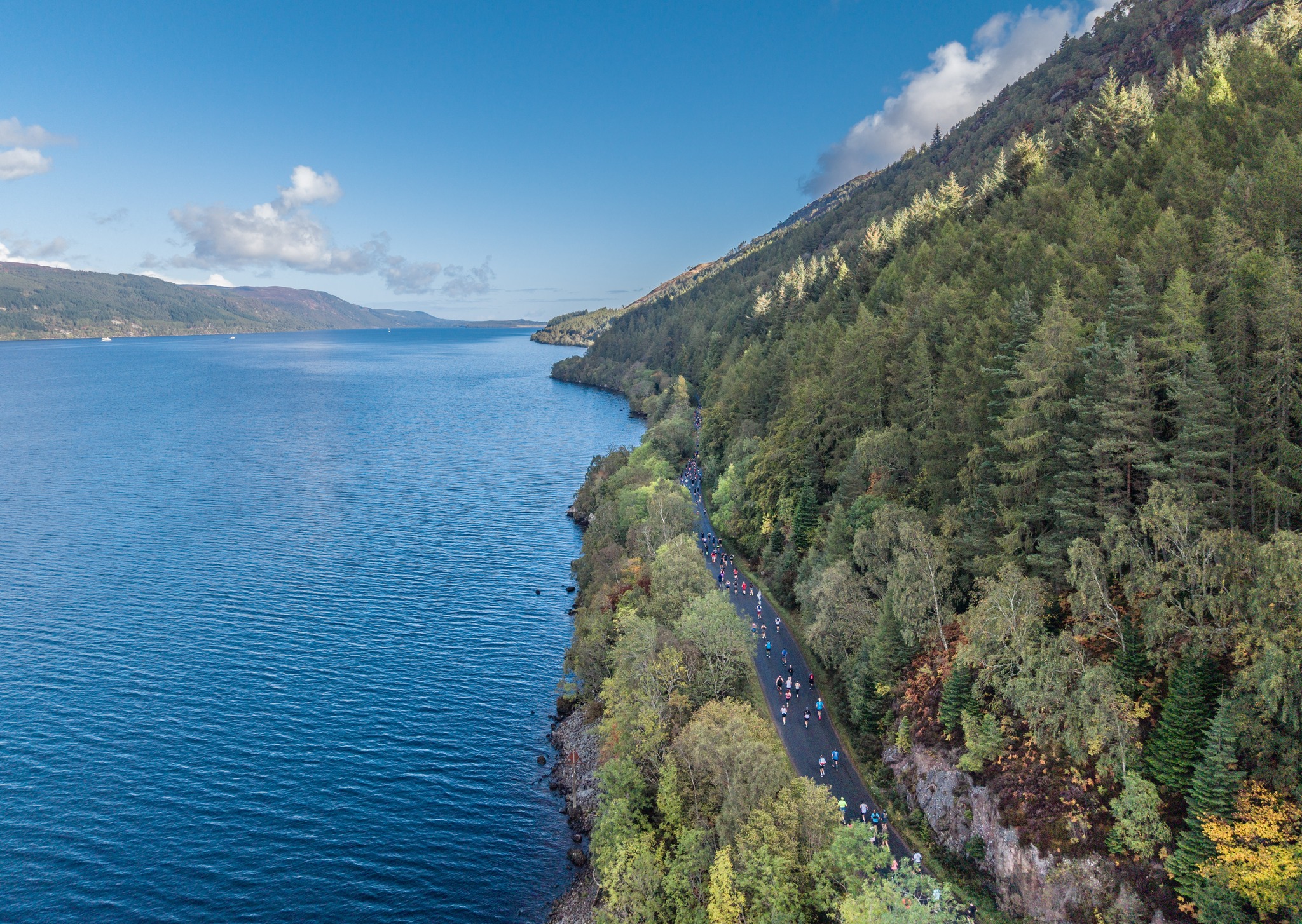
 © Baxters Loch Ness Marathon
Baxters Loch Ness Marathon: 42.195 km of Scottish nature and folklore
Running is an ideal excuse to travel the world and discover iconic places through racing. The Baxters Loch Ness Marathon, which will return to the Scottish Highlands on September 27, 2026, is a perfect example. This exceptional 42.195 km race is sure to appeal to runners who enjoy history and legend.
While some marathons take the form of loops through well-known cities, others follow point-to-point routes that pass through places steeped in mystery. The Baxters Loch Ness Marathon is one of them, much like the Athens Marathon – The Authentic. These spectacular races, blending myth and folklore, offer the perfect opportunity to push your limits while immersing yourself in the richness of a region’s heritage.
| Immersion in a world-famous legend
Chasing a fast time over the marathon distance is not everyone’s priority. Some runners travel the world in search of the ultimate race or adventure, drawn by spectacular scenery. If you have always dreamed of encountering Nessie and exploring the shores of the vast Loch Ness, this distinctive event may well inspire your next sporting trip. Since its creation in 2002, several thousand finishers have completed the route, with more than 10,700 participants across the 10 km, 5 km, children’s races and marathon in 2025, including around 5,800 on the marathon distance. The course begins in the wild countryside south of the loch and finishes in the city centre of Inverness.
As you probably know, this body of water is unlike any other. Its reputation is global and has endured for centuries. The loch is said to be home to a mysterious aquatic creature known as Loch Ness Monster, or Nessie, believed to live in its depths. The legend is very old and is often traced back to around the year 565, when the Irish monk Columba of Iona is said to have encountered the creature.
The legend resurfaced in 1933, notably after a new road was built along the loch. In 1934, the famous photograph showing what appeared to be a long neck emerging from the water made headlines around the world, although it was later revealed to be a hoax. Scientists have also investigated the mystery in recent years, carrying out deep-water explorations and DNA analyses of the loch. Nessie, however, has remained elusive. The presence of unusually large eels has sometimes been suggested as a possible explanation for the enduring myth.
| A traditional, festive and mysterious atmosphere
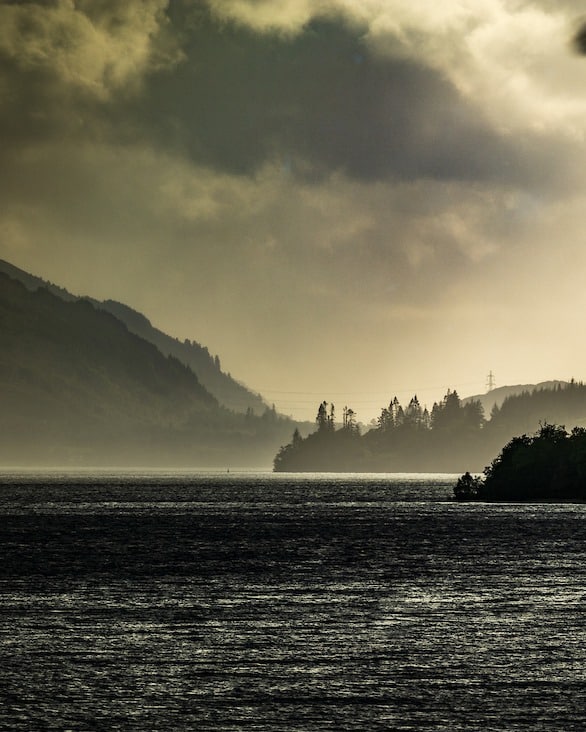
The story continues to fascinate, not least because the expanse of water lies in a remote natural setting, surrounded by moorlands and forests that reinforce its mystical atmosphere, perfect for fantastic tales. Scotland is also known for its rich folklore, which appeals to both locals and visitors. Finally, Loch Ness itself, vast and extremely deep, with dark, murky waters, only fuels the feeling that it may still hide unexplained secrets.
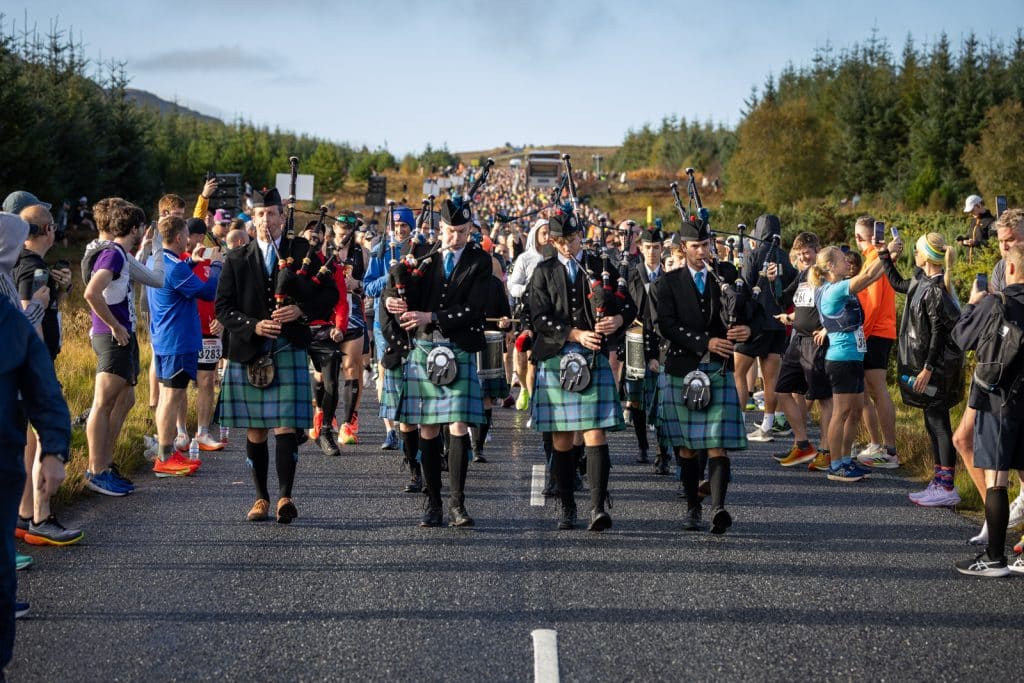
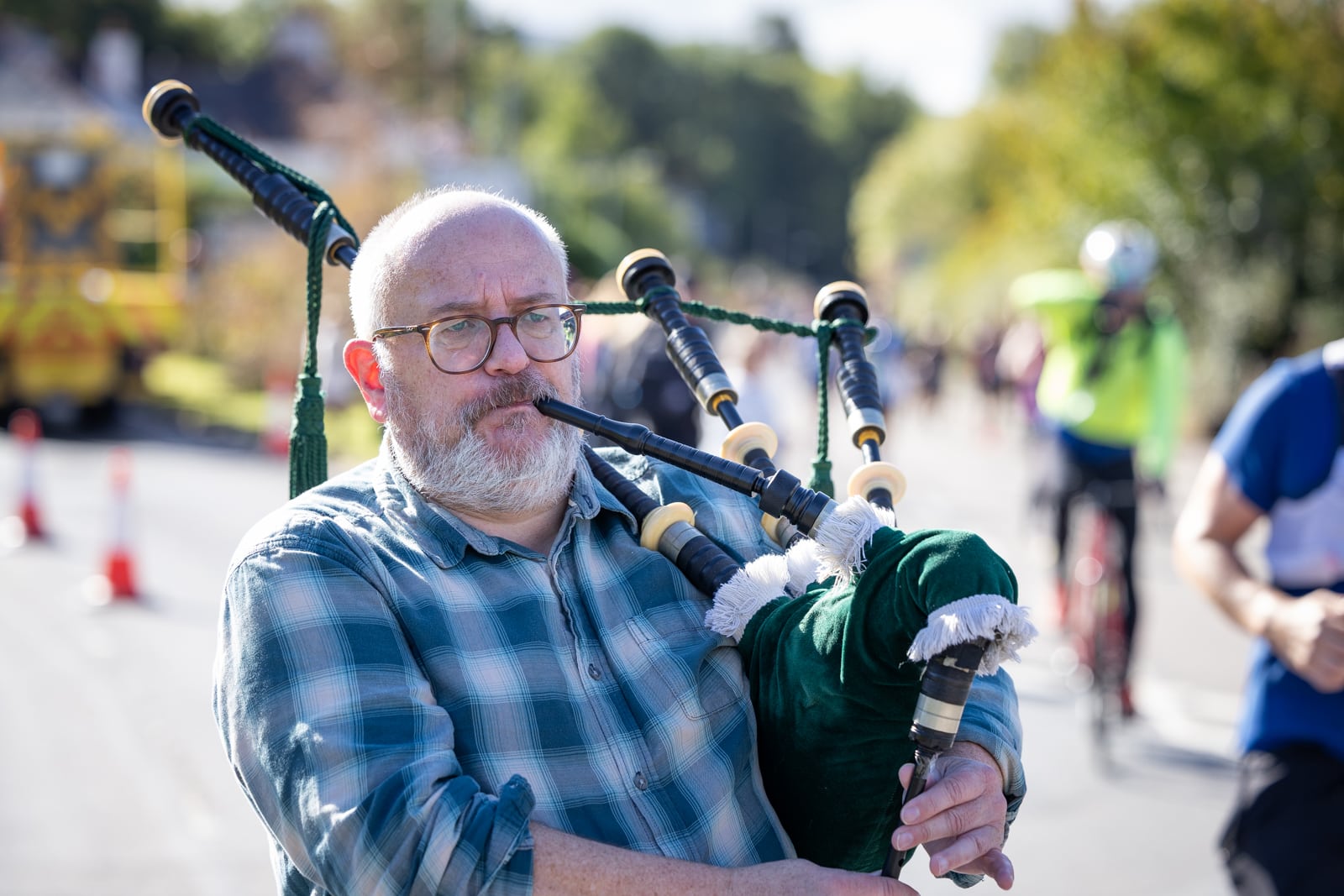
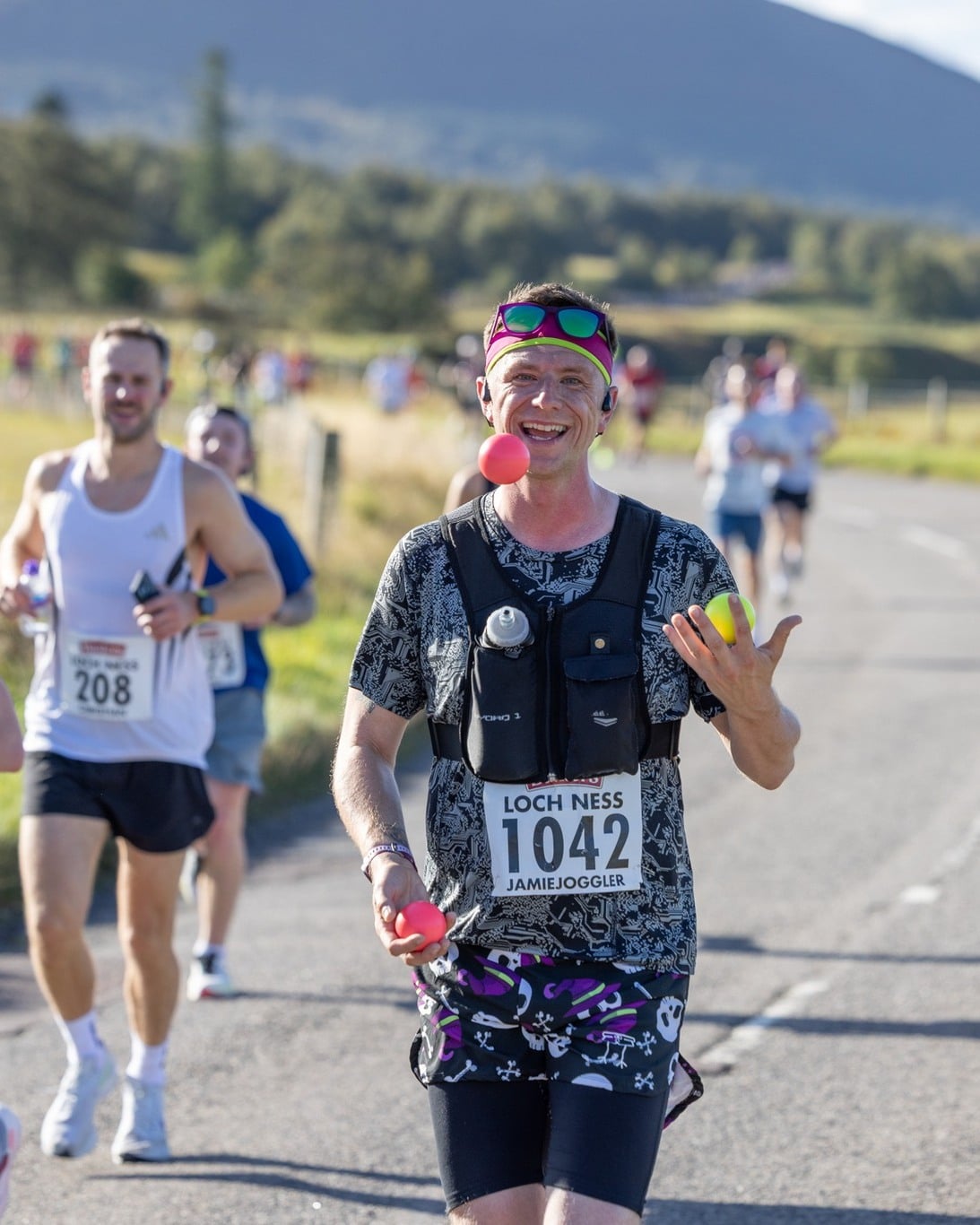
Beyond its spectacular course, the event, which is part of the Loch Ness Festival of Running, offers a wide range of activities for runners, spectators and families. An exhibitors’ village, traditional concerts and stalls serving local specialities are all part of the programme, helping to create a festive race weekend. The event also has a charitable dimension, with participants able to support various causes if they wish.
| A course with a varied profile
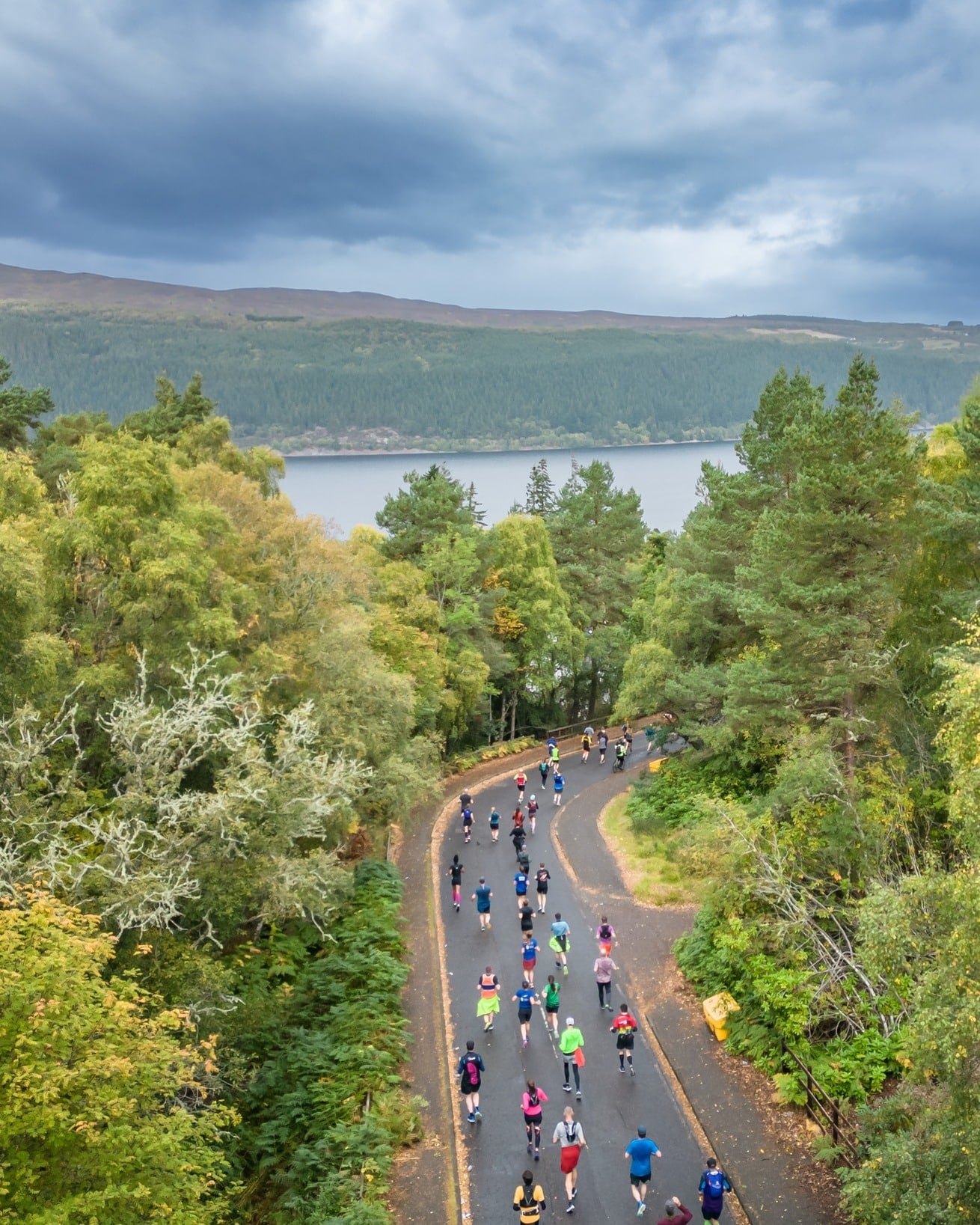
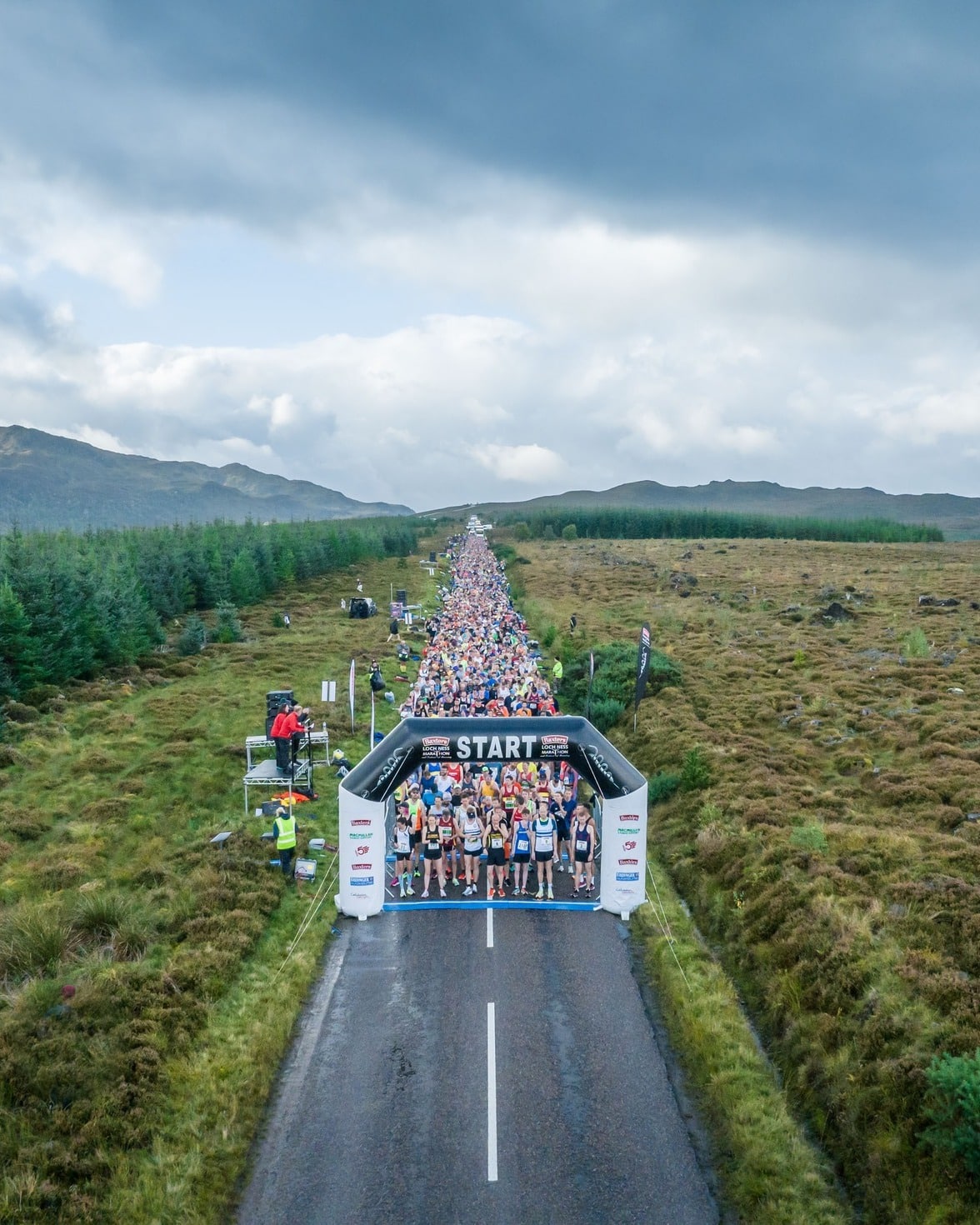
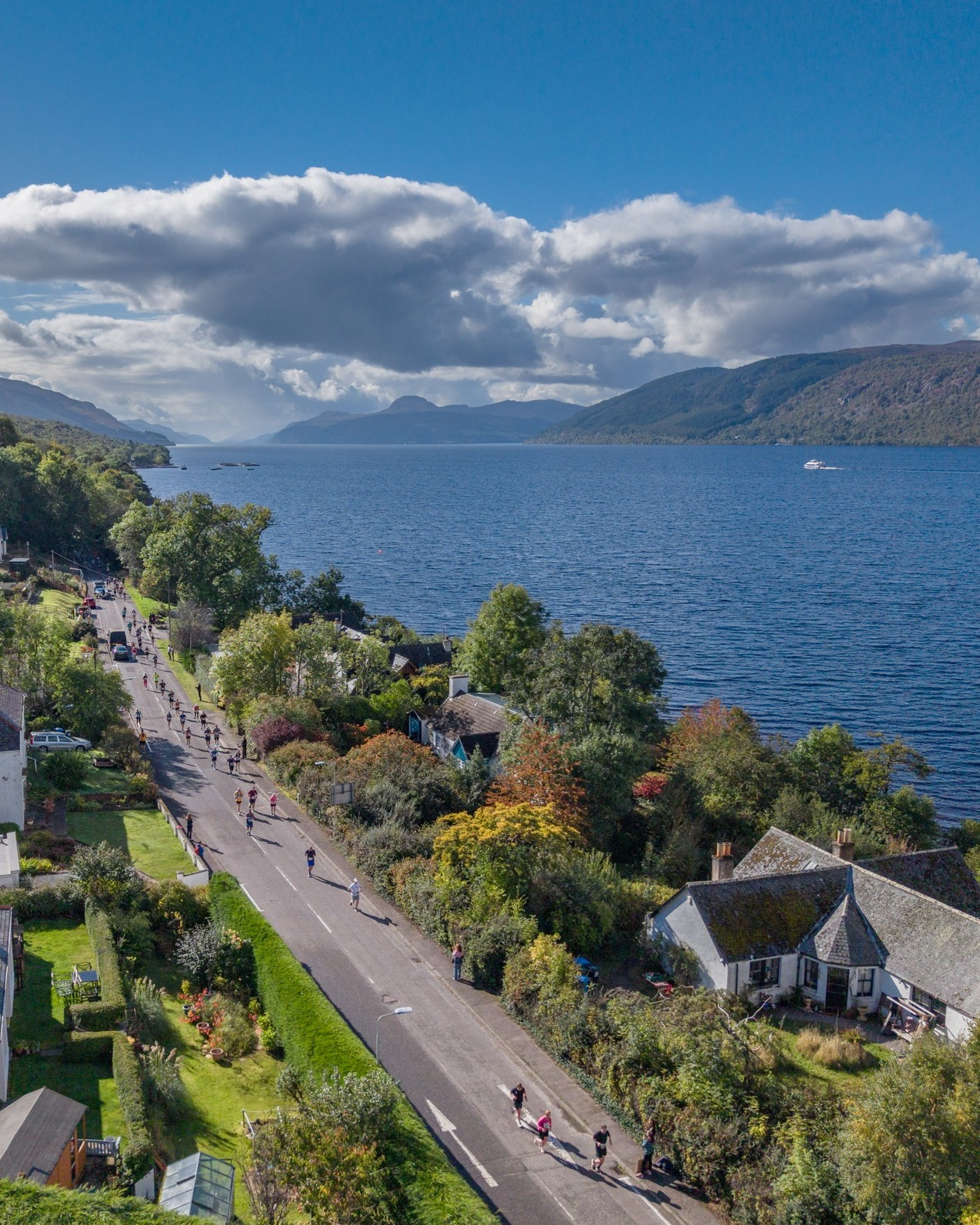
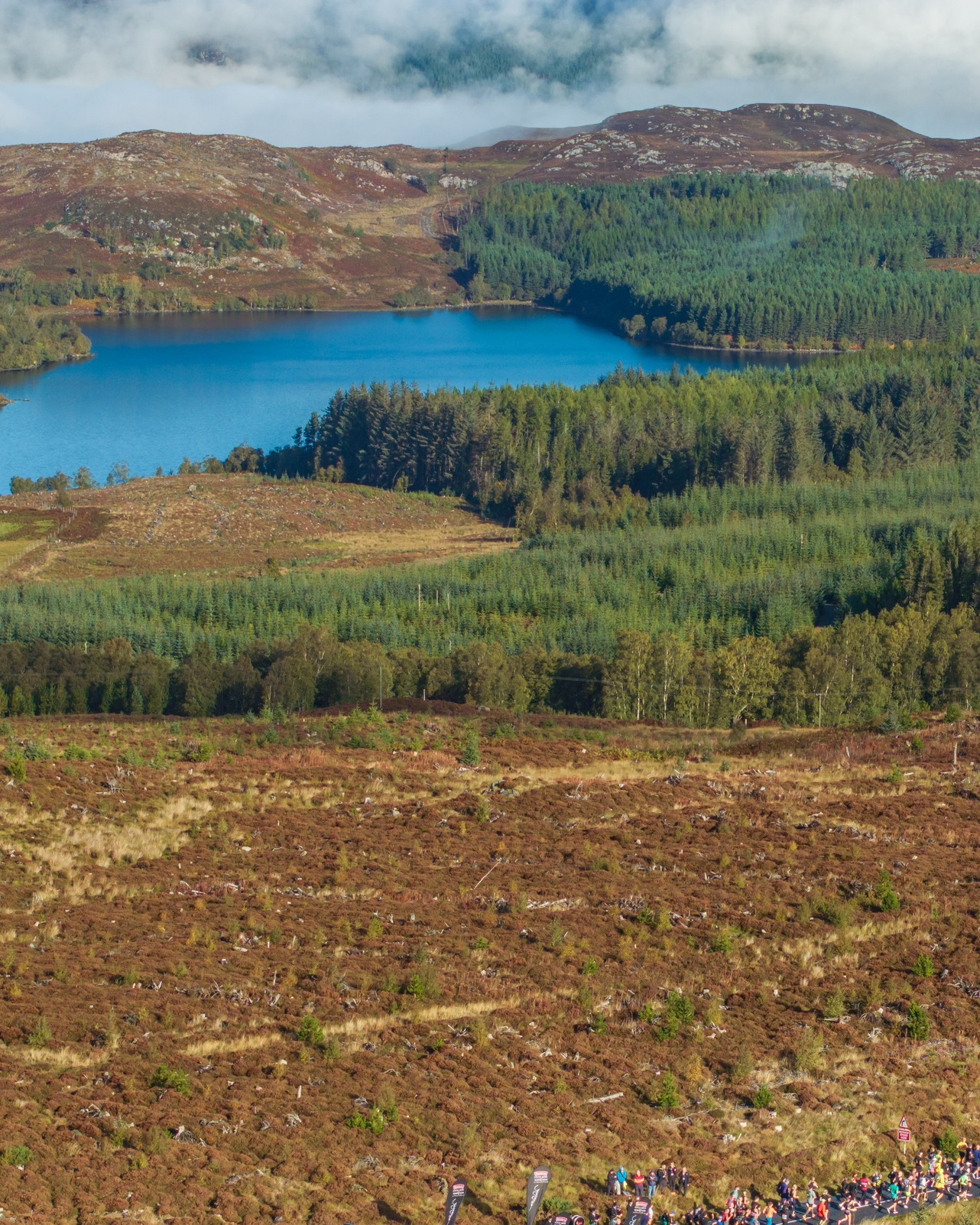
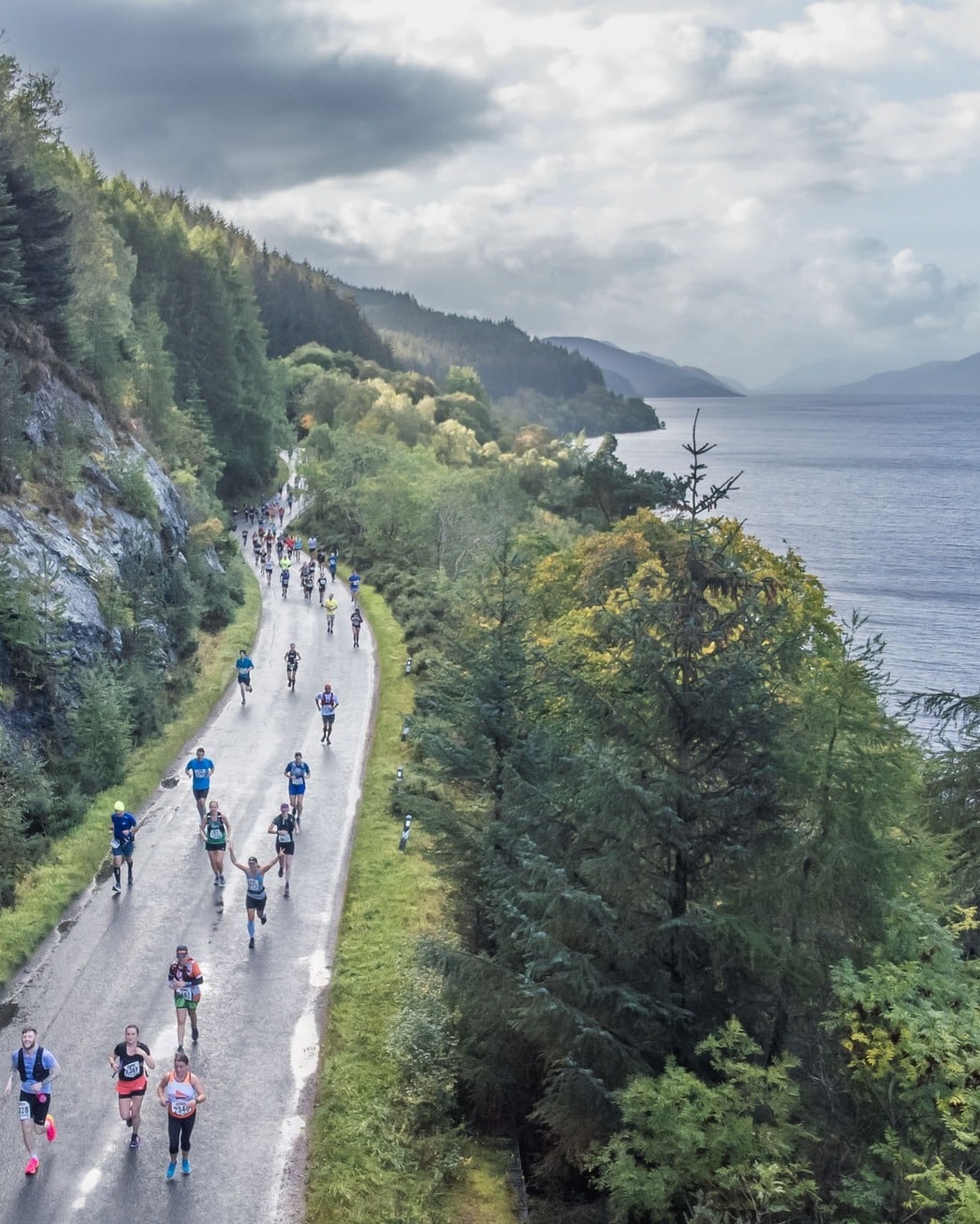
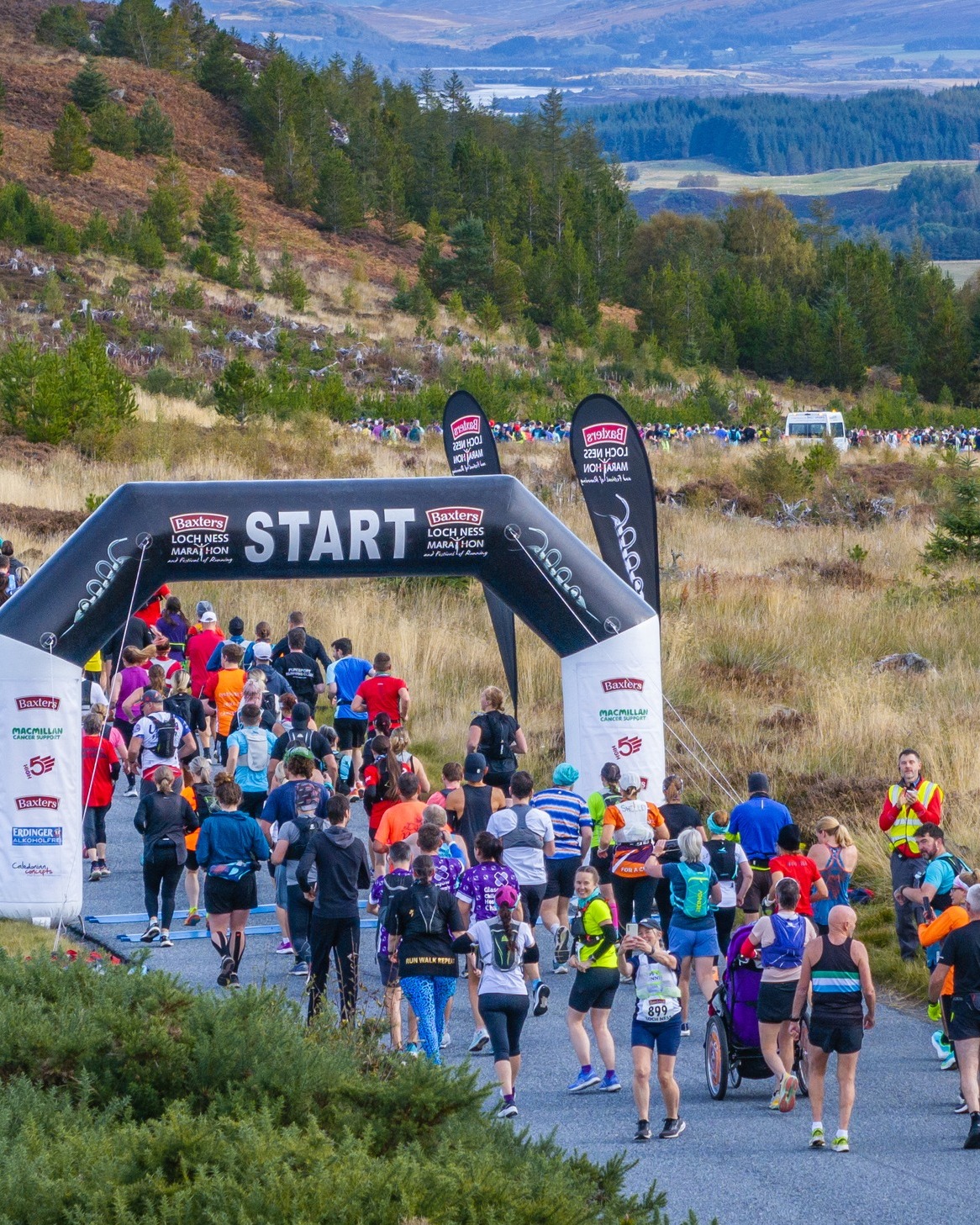
As for the course itself, the start is given on the heights south of the loch, on a quiet and isolated road. From there, runners are treated to a cinematic panorama over the dark, still waters of Loch Ness, in the heart of the lush Scottish Highlands stretching as far as the eye can see. From the very first kilometres, you get the feeling of running in the middle of nowhere, an impression that stays with participants all the way to the finish and contributes to the race’s unique character. Early in the course, a long descent takes runners down to the south-eastern shore before continuing toward the finish in the festive streets of Inverness.
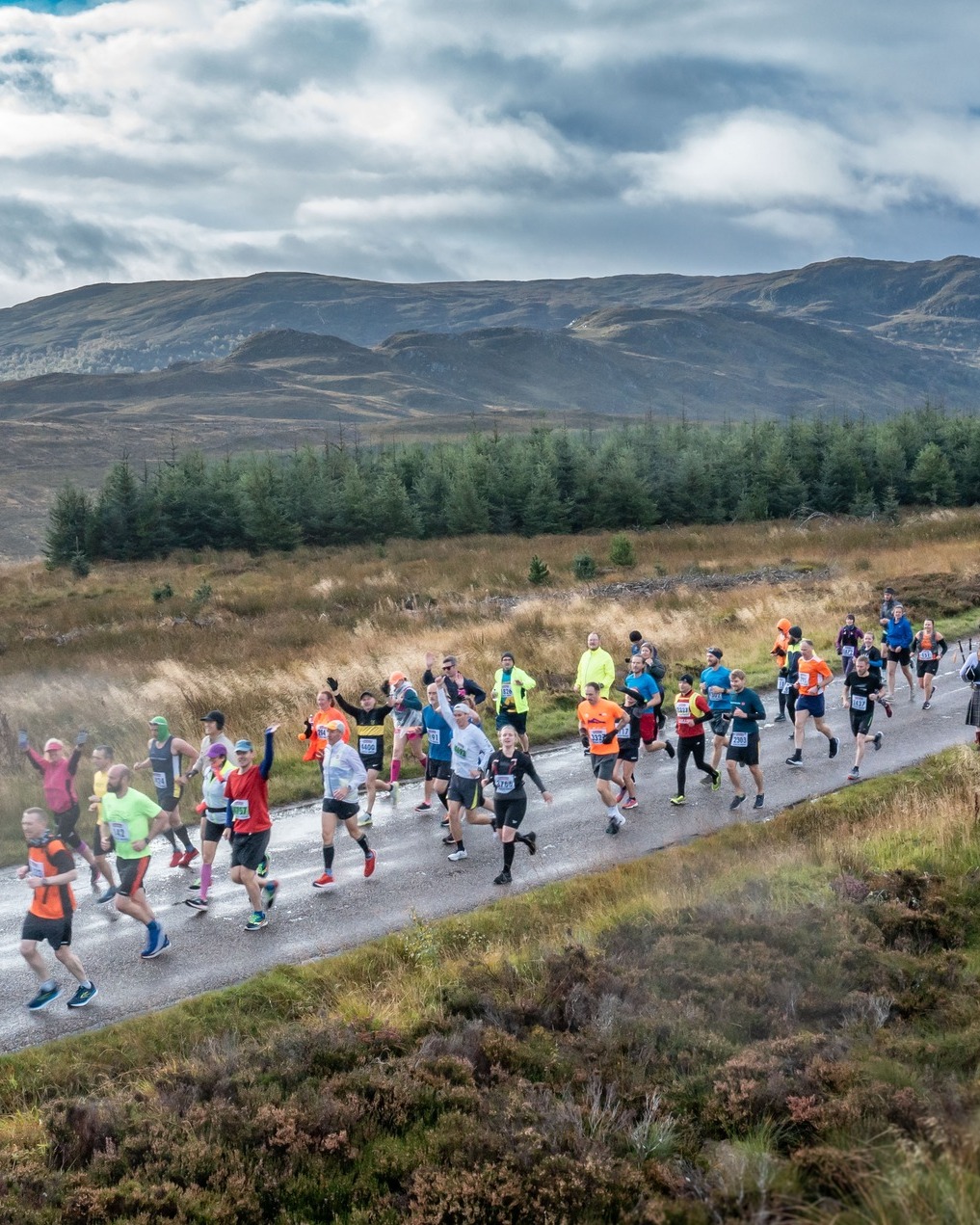
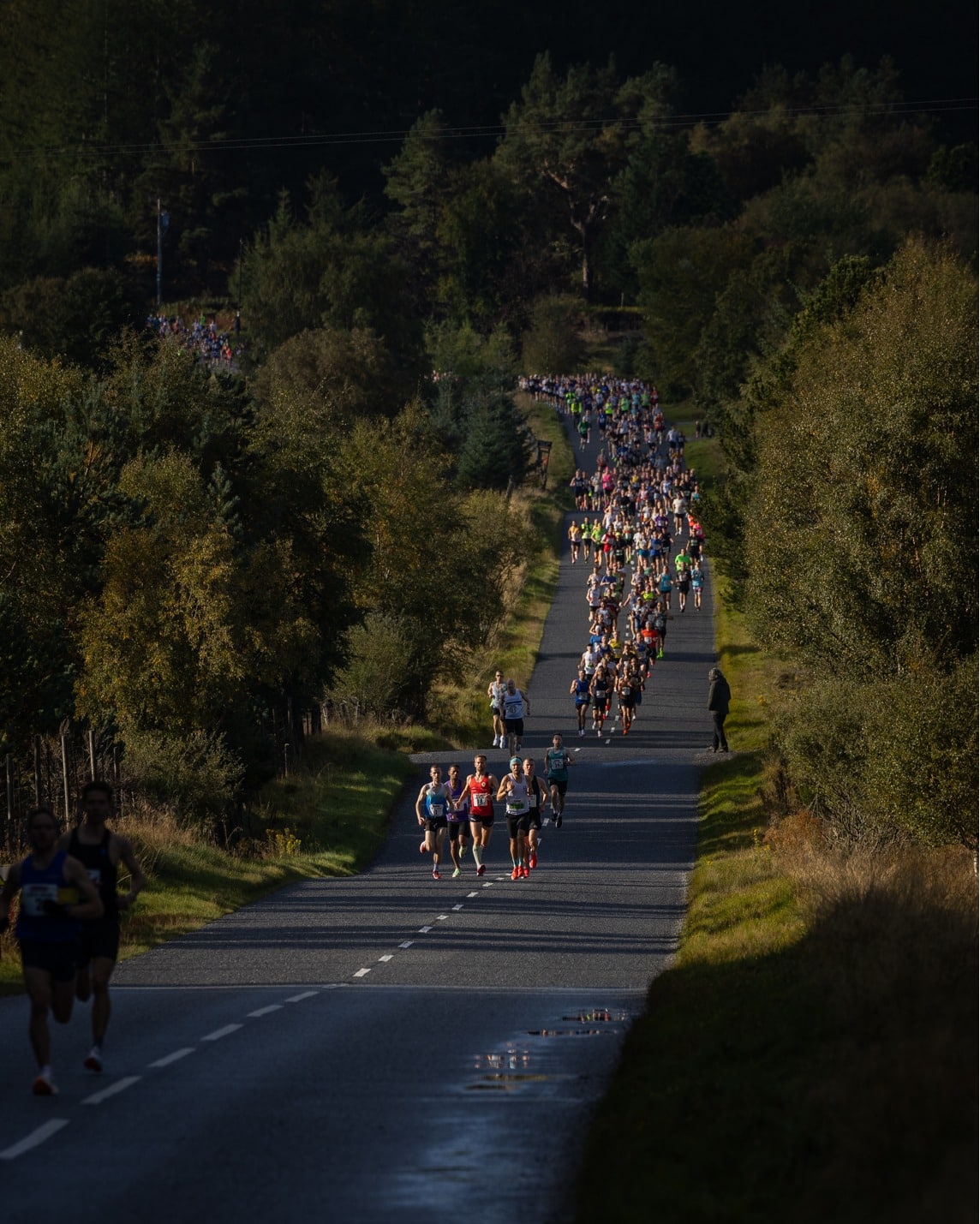
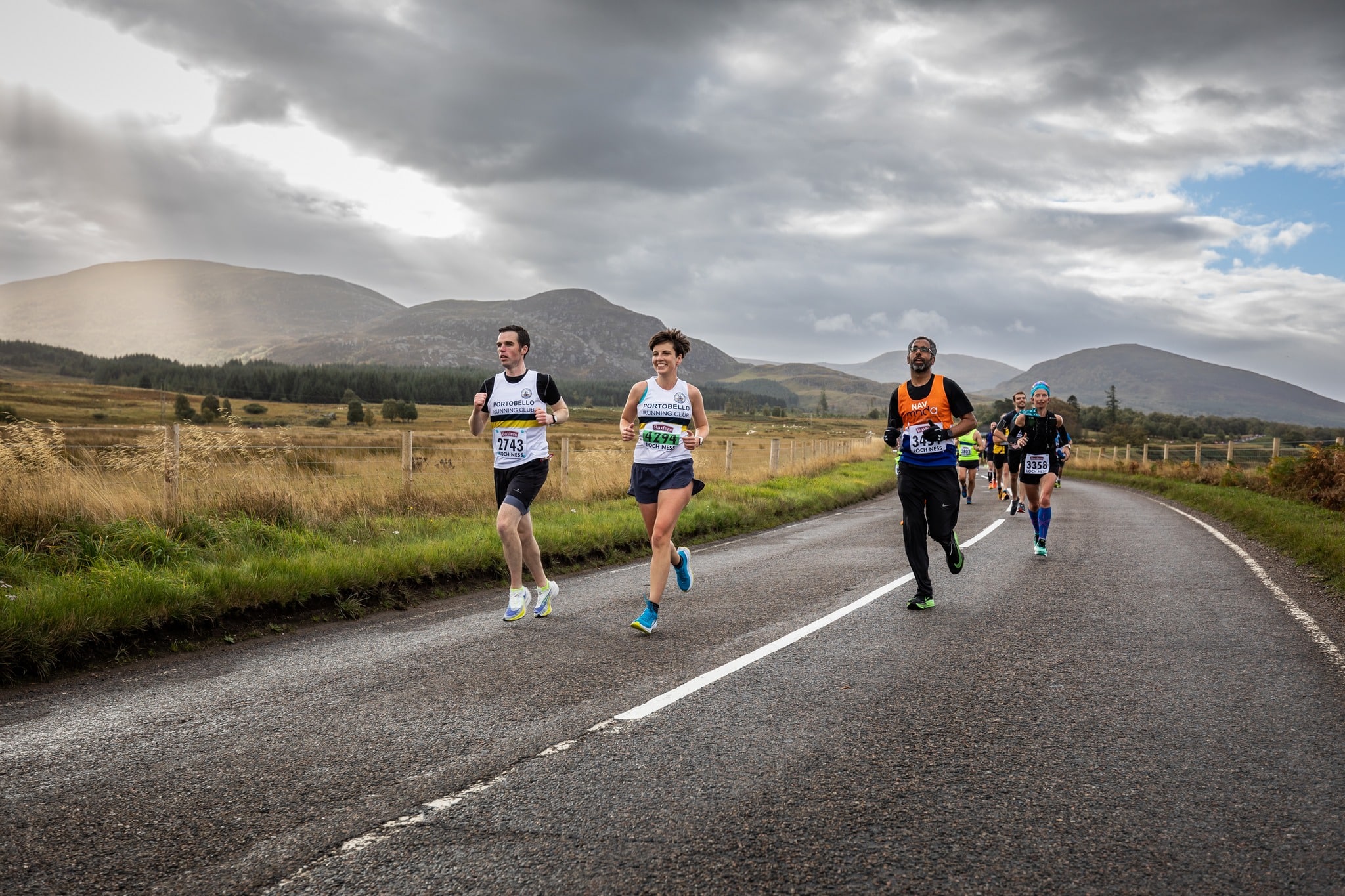
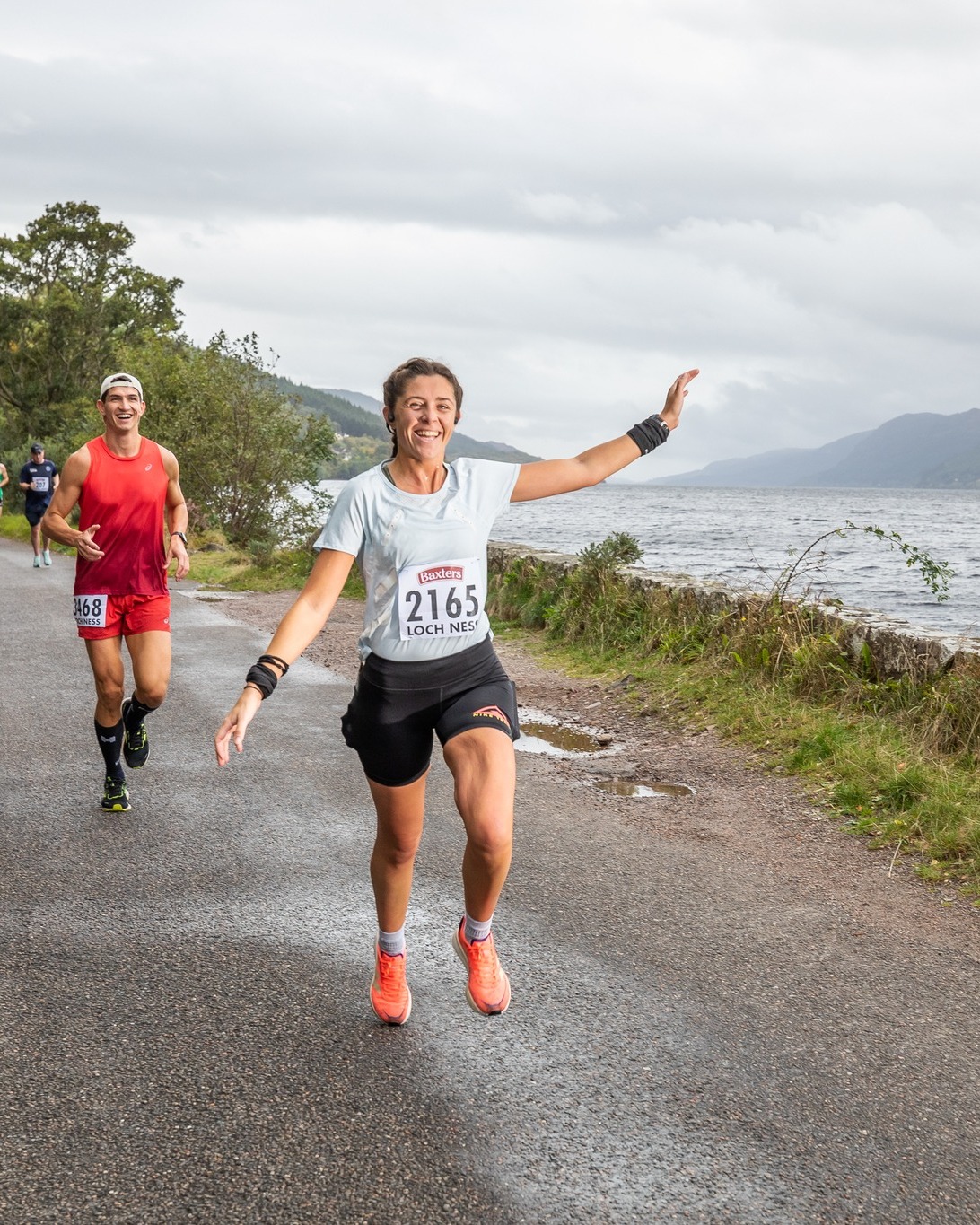
A must-run event in the region, the Baxters Loch Ness Marathon is appreciated for its very quiet roads winding through Scotland’s magnificent nature, between heather-covered hills and forests of Scots pine. Its gently rolling course, with around 120 metres of elevation gain, remains accessible without being entirely flat.
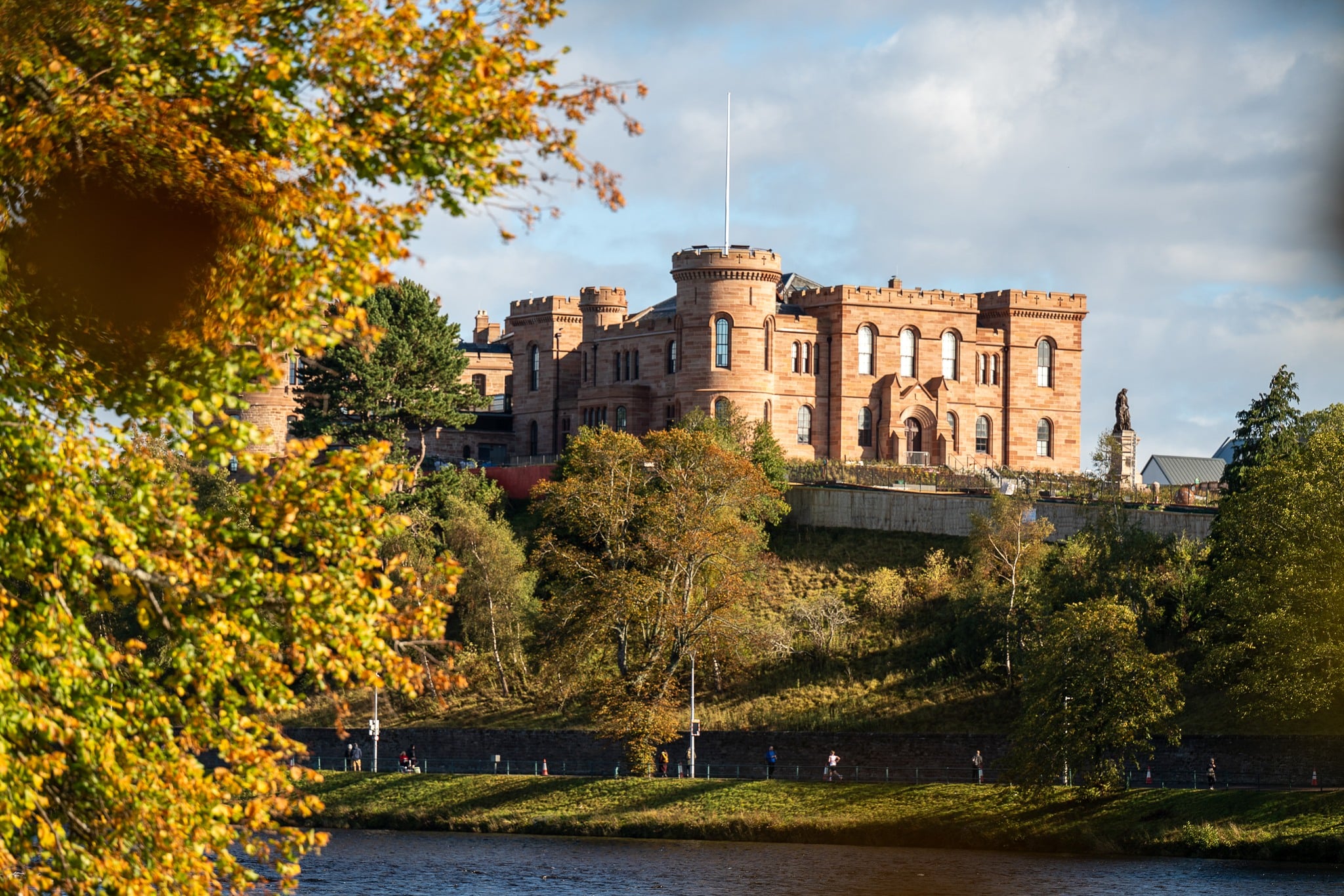
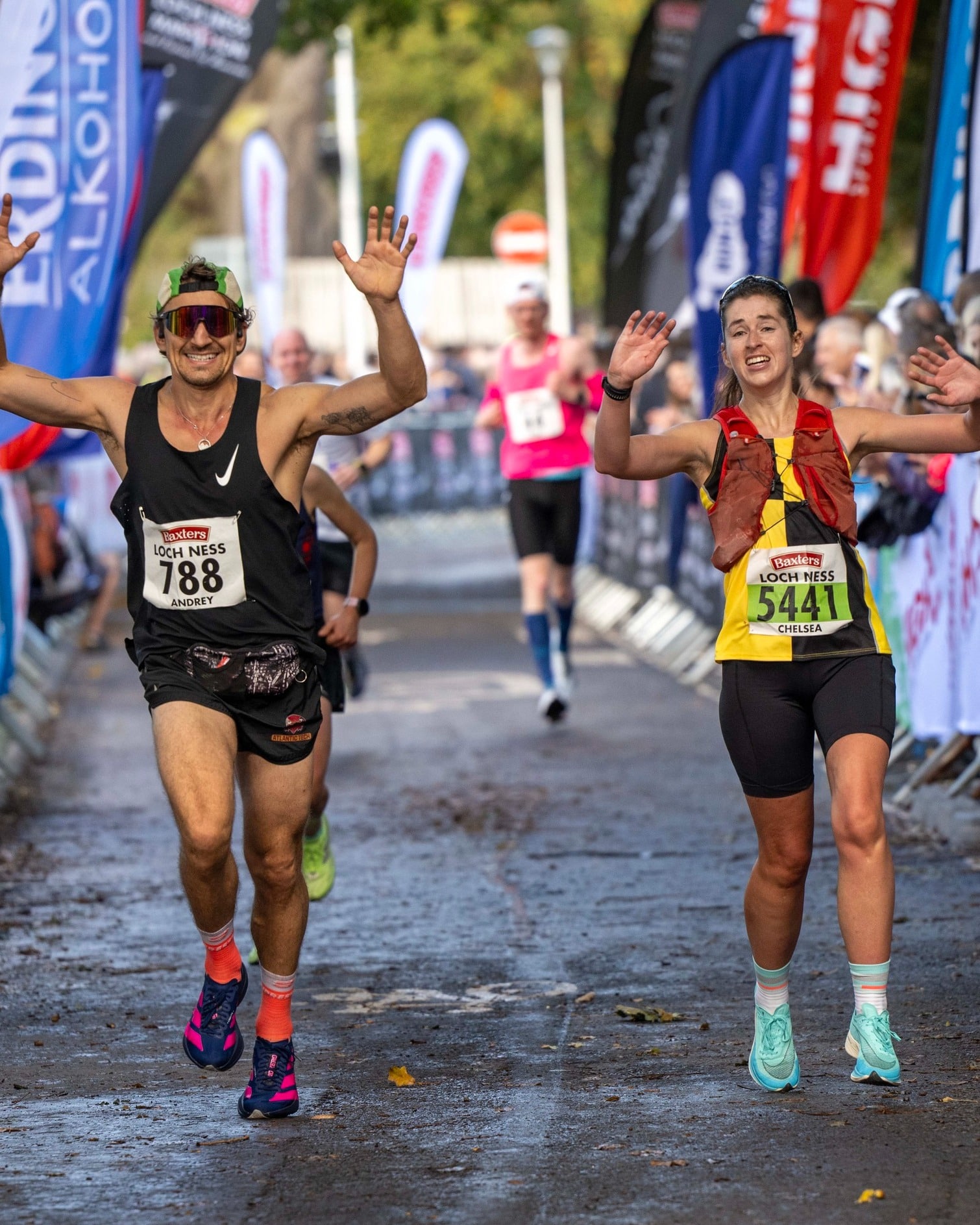
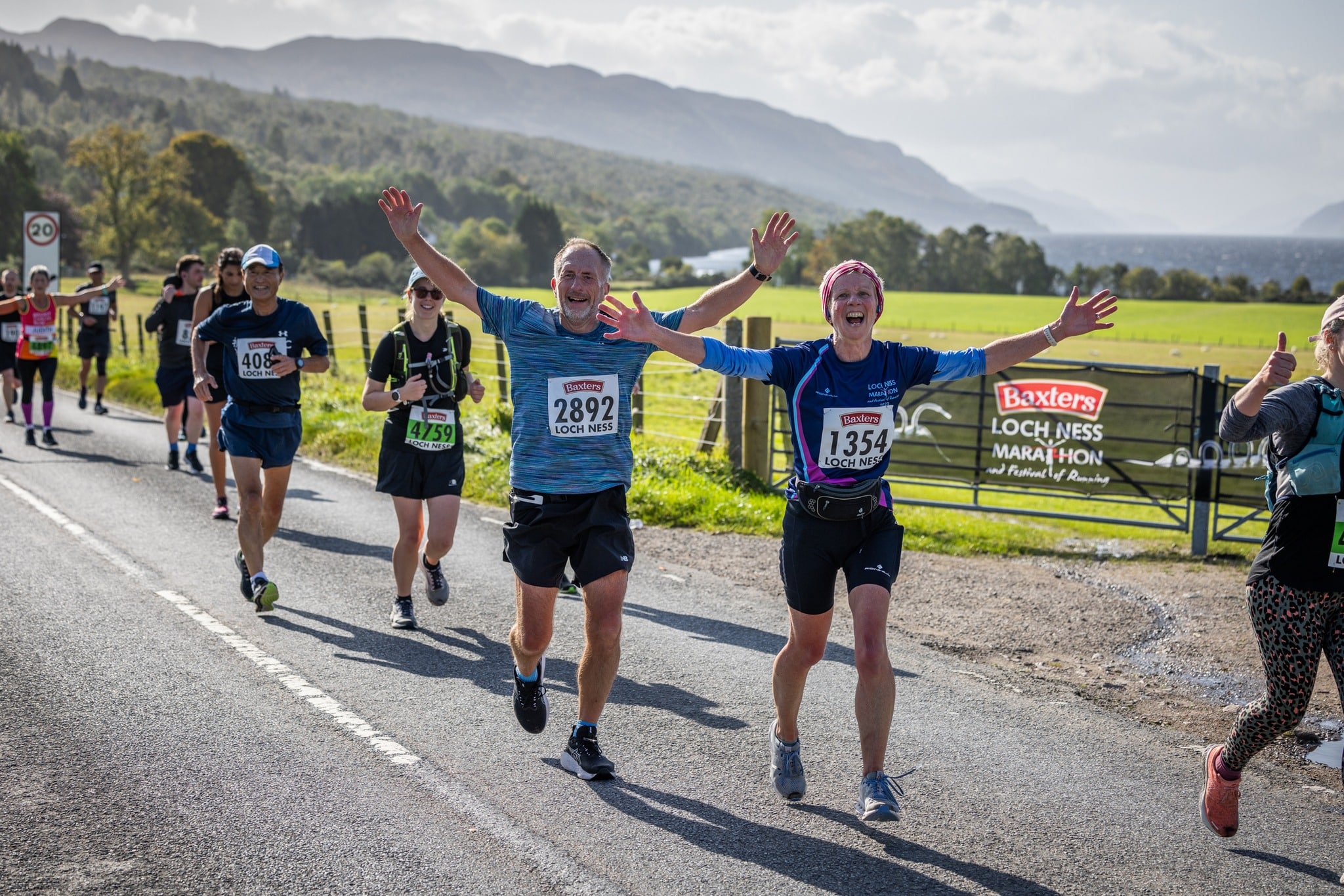
Above all, its authentic atmosphere and breathtaking views, often wrapped in mist and soft light, continue to captivate runners year after year. The organisation also knows how to welcome athletes at the end of their effort, with a warm and festive atmosphere in Inverness. Cheers and music contrast with the long 42.195 km journey that until then has been punctuated only by the sound of running shoes on the asphalt, like a sudden return to reality.
Runners should nevertheless keep an eye on the weather, which can sometimes be unpredictable. Wind and rain often sweep across the Highlands. In late September, temperatures generally range between 8 and 14°C, making for very pleasant conditions for running.
| A high level of competition
Even though most enthusiasts travel from across Europe to run a marathon in such a unique setting, the level of competition remains high. In 2025, Britain’s Alex Milne claimed victory in 2:15:36, while the first woman, Melissah Gibson, crossed the finish line in 2:43:06. The Baxters Loch Ness Marathon holds strong prestige among local runners and attracts participants from far beyond Scotland, with around 50% of entrants coming from outside the country. No fewer than 82 nationalities are represented, making victory here a particularly meaningful achievement.
The Baxters Loch Ness Marathon is one of those events that sparks curiosity thanks to its stunning setting and its fantastic stories. For more than twenty years, runners from around the world have gathered at the start of this spectacular race, seemingly in the middle of nowhere. Whether you are searching for the legendary creature or simply looking for an extraordinary marathon, the Scots know how to deliver a festive and unforgettable experience, steeped in fascinating traditions.
➜ Discover the calendar of marathons

Emma BERT
Journaliste
 28/02/2026
 21/02/2026
 21/02/2026