 ©️ MARATHONS
Running at night: does Ramadan turn runners into night owls?
When the sun sets and the fast is finally broken, some lace up their running shoes instead of settling onto the couch. During Ramadan, training schedules shift, sensations evolve, and the night becomes a new playground. For many runners, these late outings turn running into something almost intimate—a blend of physical adaptation and a sense of freedom found in quieter streets.
The date has just been eaten, tea still steaming in the glass, and the running shoes wait by the door. The scene repeats itself almost every evening for a month—from February 17 to March 19 this year. The fast has just been broken, the first bites taken, and the body slowly wakes up after a full day without food or water. In some homes, the evening is only just beginning. In others, running shoes are already on. A few minutes later, a silhouette jogs through the neighborhood. Then another. Sometimes a third. Under streetlights or the soft glow of shop windows, a quiet rhythm takes shape: Ramadan runners moving through the night.
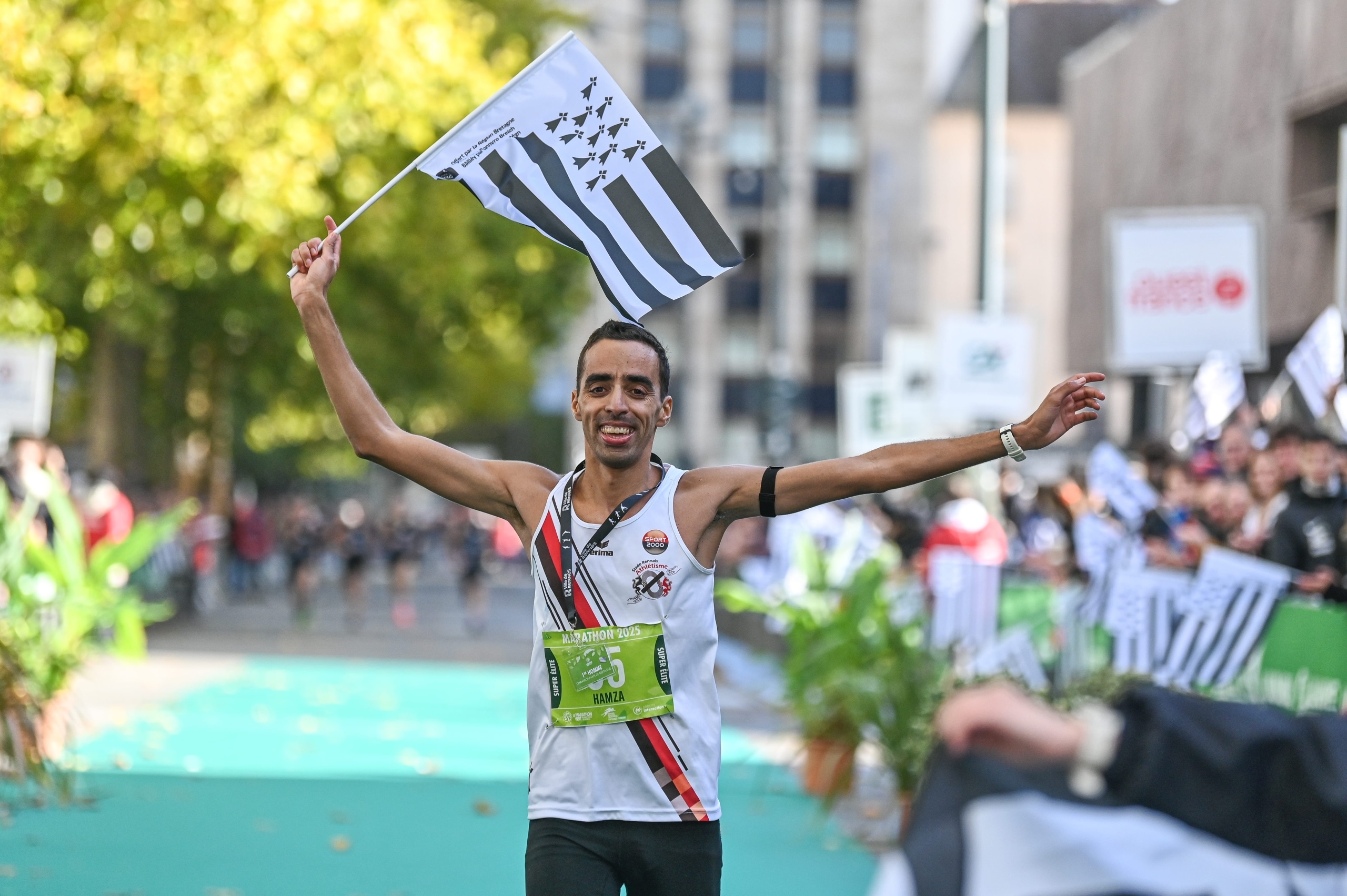
Running at night never quite feels like a regular session. The light shifts your sense of space, sounds fade, and the city feels different. Some runners describe it as almost suspended in time. For French-Moroccan marathoner Hamza El Ouardi, who regularly adapts his training during Ramadan, the experience remains unique. “Running at night is special,”says the Stade Rennais Athlétisme athlete. “You almost feel disconnected from everything happening around you.”
« Nighttime remains a space of freedom. There are fewer people, you stay more alert, but it feels like you have the streets to yourself »
Hamza El Ouardi, Rennes-based marathoner
Over the years, sensations have evolved. When Ramadan fell in spring or summer, he often preferred running just before sunset. Now, with the holy month shifting toward winter and shorter days, post-iftar runs are easier to organize. And once underway, the body can be surprising. “Paradoxically, running feels lighter once you get going,” explains the recent winner of the Marathon Vert de Rennes. The toughest sessions aren’t always the ones you’d expect. For him, early morning or midday runs are often harder, since they require getting through the rest of the day without drinking.
| Night as a space of freedom
Nighttime offers something daytime often can’t: space. Less traffic, fewer pedestrians, fewer distractions. The environment becomes more personal, almost silent. Footsteps echo differently, breathing too. At 36, El Ouardi often describes this as a kind of positive solitude, as if the streets temporarily belong to runners. “Nighttime remains a space of freedom. There are fewer people, you stay more alert, but it feels like you’re alone in the streets.”
This nocturnal shift doesn’t just change the atmosphere—it reshapes training. Contrary to popular belief, Ramadan doesn’t necessarily mean stopping altogether. Many runners keep going, just differently. Sessions move around the day, intensity is adjusted, and goals are redefined. For the Brittany-based runner, performance still matters. “I have goals after Ramadan, so performance remains a driver,” he says. The period feels more like an adjustment phase than a break. Sessions may be shorter and more targeted, but training never really stops.
| Adapting training without losing momentum
This approach aligns with that of Mohamed Serbouti, a former French elite runner—French 10,000m champion in 1999—who now works closely with young athletes and clubs in western France. Over the years, he has learned how to navigate this unique period by observing how fasting affects the body.
His strategy is simple: reduce volume, maintain quality. “When I lowered my mileage and focused more on quality and strength work, I realized I could maintain my cardiovascular fitness,” explains the 55-year-old coach. The most common mistake, he says, is trying to train exactly as usual. A body that goes hours without hydration simply doesn’t respond the same way.
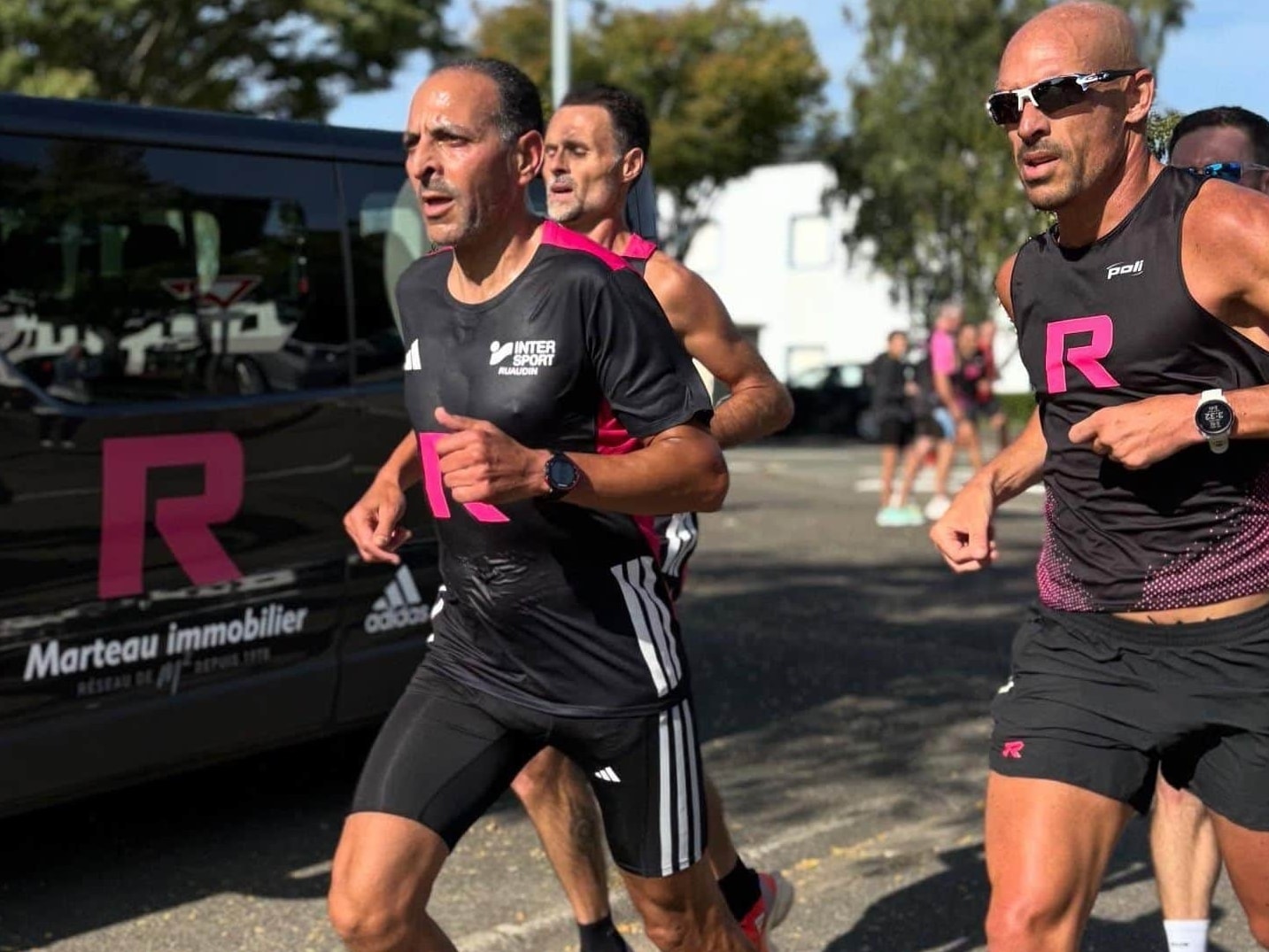
Hydration becomes a key issue. Physiologically, the body can handle a day without food relatively well—but the lack of fluids is quickly felt. Legs grow heavier, cramps appear more easily. “When you don’t drink, you feel it immediately,”adds the man everyone calls “Momo.”
| Eating and drinking differently
To compensate, meal planning becomes crucial. Breaking the fast isn’t just about eating a lot. Balance plays a major role, especially for those who keep running. The first bite is often the traditional date—a habit rooted in both culture and physiology. “It prepares the stomach,” says Serbouti. Then come savory foods, proteins, vegetables, and carbs. Refined sugar, however, is best avoided to prevent digestive issues.
«You have to listen to your body and understand that this isn’t the same period as the rest of the year »
Mohamed Serbouti, former elite runner
Hydration also requires a method. Drinking a large amount of water all at once is ineffective. Instead, he recommends spreading intake over several hours and relying on water-rich foods like fruits and vegetables—cucumber, melon, watermelon—all valuable allies for runners. This period also demands mental discipline. Many runners say the hardest part isn’t physical fatigue, but managing pace—knowing when to slow down, accepting lighter training, and resisting the urge to follow a faster group.
| Night runs that feel almost timeless
In some cases, Ramadan becomes a kind of mental laboratory. The body functions differently, sensations shift, and familiar markers disappear. Serbouti often speaks of an inner process: “You have to listen to your body and understand this isn’t the same period as the rest of the year.” Some memories from these night runs can be surprising.
El Ouardi recalls one particularly unusual session: pain from shoe friction forced him to take them off mid-run. He finished the session barefoot, running through the quiet streets at night. With the recent boom in running, these nocturnal silhouettes are becoming less rare. Road race fields are growing, bibs sell out months in advance, and the sport continues to expand. Ramadan, in the end, simply adds another time slot to an already ever-present passion.
➜ Check out the marathon calendar
Dorian VUILLET
Journalist
 26/03/2026
 28/02/2026
 27/02/2026