
The Palestine Marathon is returning in 2026 !
The most recent edition of the Palestine Marathon took place in 2023, just months before the events of October that plunged the region into an even more intense conflict. It is with deep joy that the race is scheduled to return in 2026—an act of resilience that speaks volumes. Marathons.com had the chance to speak with race organizer Mahmoud Al-Haddar and Lisa Amer, a Palestinian athlete who has taken part in several editions.
On March 10, 2023, Lisa Amer toed the start line of her sixth Palestine Marathon. At the time, she could hardly imagine that she would have to wait more than three years before another chance to race (the 2026 edition is planned for April 17). This is no ordinary marathon. First held in 2013, it was created as a peaceful act of resistance to the Israeli occupation of the West Bank, which began in 1967 (a situation condemned by the United Nations and much of the international community).
Today, more than 3.3 million Palestinians live in this territory under military restrictions. Daily life is shaped by checkpoints, ID inspections, limited movement, long delays for access to work, healthcare, and university. The West Bank population lives in a network of fragmented enclaves. The Palestine Marathon was born to confront this forced immobility. Beyond the celebration of freedom, the race advocates for Palestinians’ basic right to move freely—and, symbolically, their right to run. In 2013, 700 runners joined the inaugural event. This April, several thousand participants are expected to gather in Bethlehem, bringing visibility and a hopeful image to Palestine.
| Mahmoud, can you tell us how the marathon began?
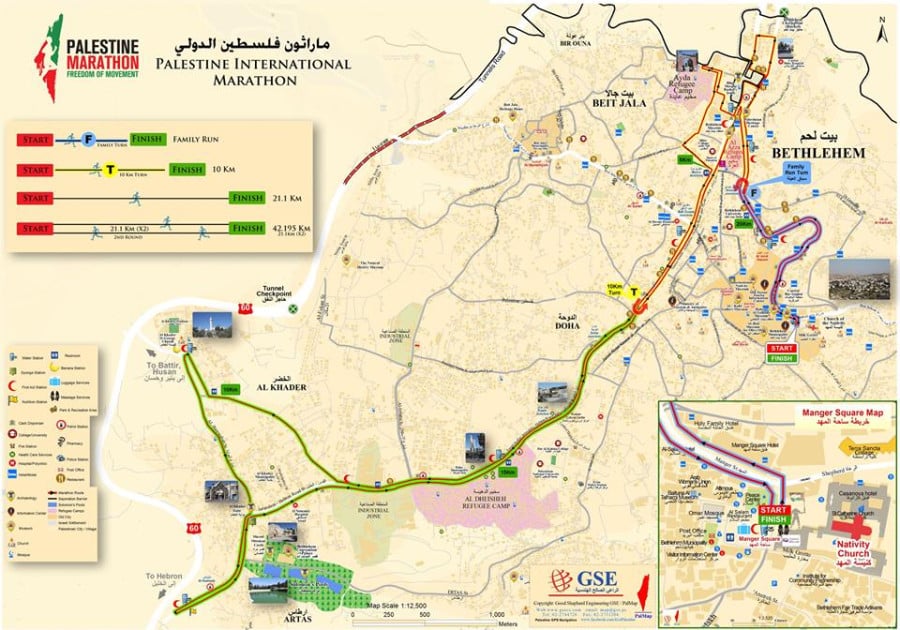
We launched the first edition in 2013 with the same goals we still pursue today: fighting for freedom of movement and the right to run, for women as well as men. We continued organizing the race until the COVID-19 pandemic forced a two-year pause. We resumed in 2023, but once again war stopped everything. If all goes well, 2026 should mark the 10th edition of the Palestine Marathon. I truly hope it happens and becomes a meaningful moment for everyone. From the beginning we had to be resourceful. In the West Bank, there simply isn’t enough uninterrupted space to run a full marathon distance without hitting military checkpoints. To complete the 42.195 km, runners must cover the same loop twice.
| From the start, the marathon was more than a race…
Since 2013, the event has served as a peaceful way to highlight Palestinians’ restricted freedom of movement under Israeli control. That remains our central message. The marathon is also a window into Palestinian life and culture—our hospitality, our resilience—and an invitation to dialogue and mutual understanding. The course begins and ends at the Church of the Nativity, a global symbol of peace for Christians. It then winds past critical points, including stretches of the separation wall and through two refugee camps. We want the race to continue shedding light on the realities here.
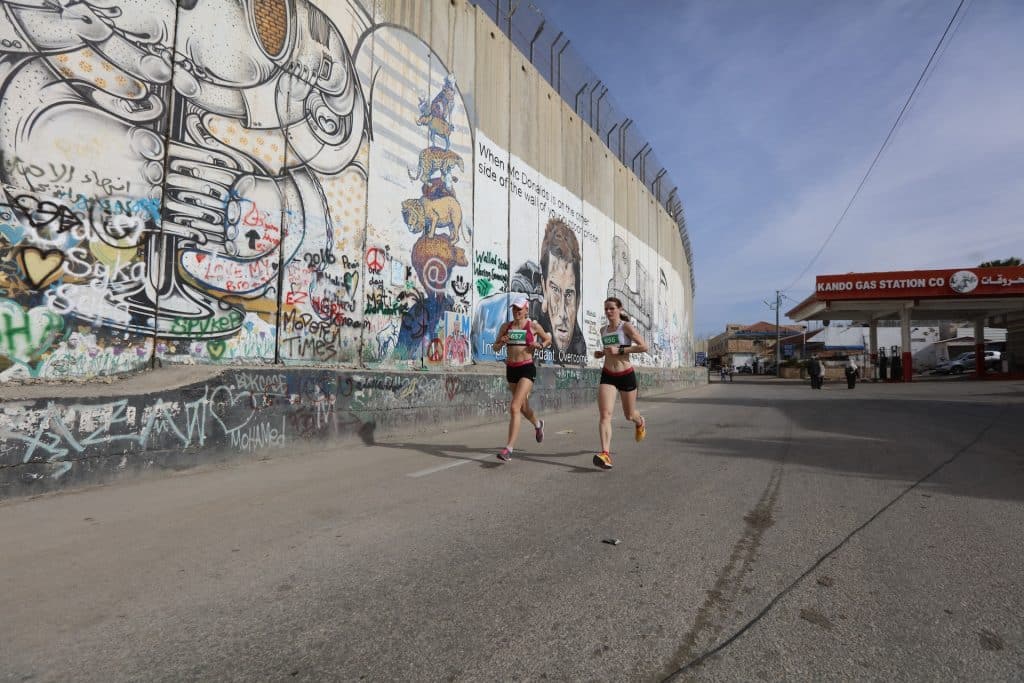
Since 2013, the event has served as a peaceful way to highlight Palestinians’ restricted freedom of movement under Israeli control. That remains our central message. The marathon is also a window into Palestinian life and culture.
Mahmoud Al-Haddar
| What challenges are you facing for the next edition?
The same challenges—really, the same structural situation—return every year. With the escalation of the conflict, new checkpoints, gates, and barriers have appeared. Our daily lives are chaotic. We never know when a road will open or close. The 2026 race will be no exception. The logistics are overwhelming: movement restrictions, special permits, limitations on transporting equipment. Palestinians living in Gaza must request permission to enter the West Bank, and refusals are frequent. Many Arab runners are barred from participating. International runners must apply for permits or Israeli visas to race in Palestine. Then there are material constraints caused by the blockade. For example, our timing equipment was damaged by Israeli forces—€30,000 lost—and we are prohibited from importing replacements. The challenges are enormous, but so is our community’s solidarity.
| Tell us more about this community...
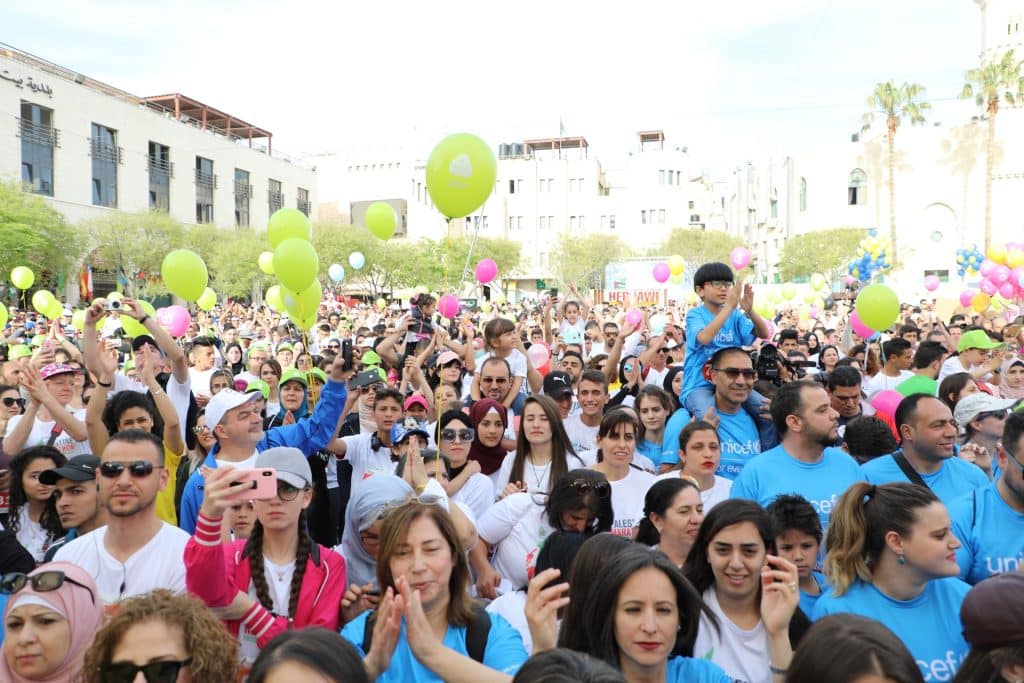
Many partners stand behind the event: local groups, more than twenty NGOs—including Right to Play, the Red Cross, and PCRF—and hundreds of volunteers. On race day alone, more than 500 volunteers help. Another 200 support bib pickup during the week before the race. The task requires patience and dedication. We are proud of this community and want to strengthen it, especially among youth. That’s why we’ve created new race formats: a 5 km trail run, a family run, and more.
| Photos show many women and young people participating.
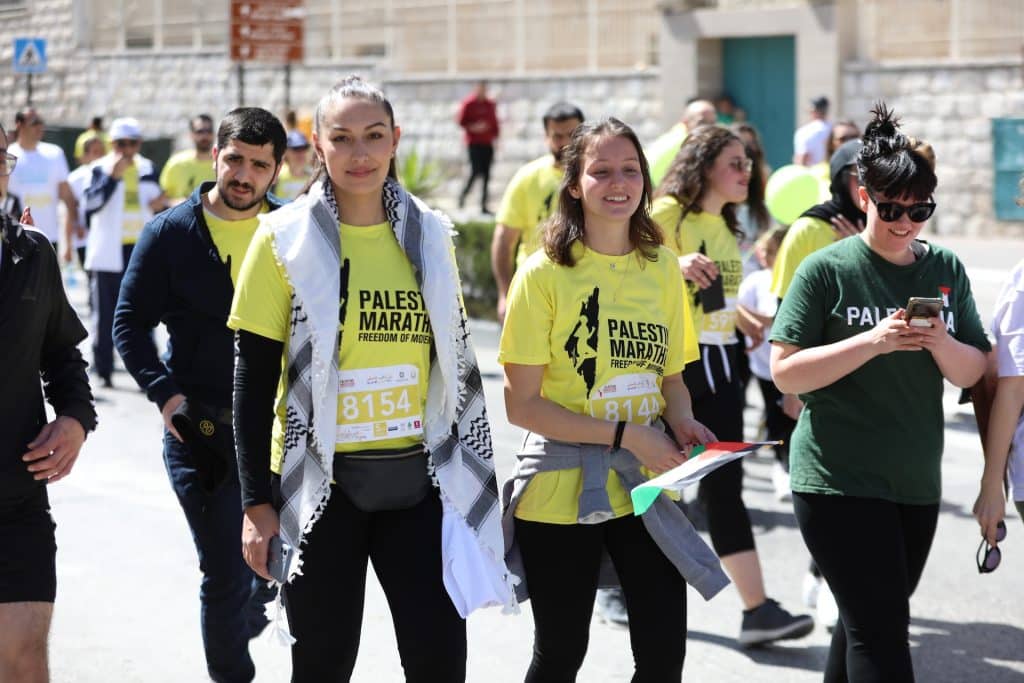
Mahmoud: Yes, and it’s wonderful. During the last edition, participation was evenly split—50% women and 50% men across all events. That makes us smile. From the beginning, women and young runners have been deeply motivated.
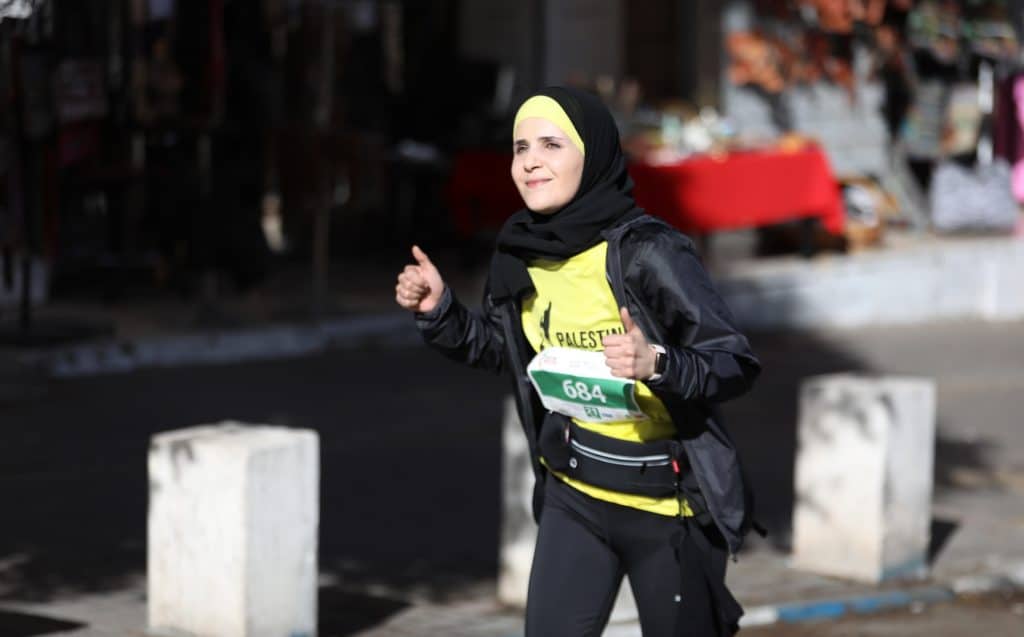
Lisa: Hearing that statistic made me very happy. You probably know aspects of our conservative social traditions… Running in public isn’t always easy for women here. It’s a powerful image for our country—and a reflection of ongoing struggles for equality.
| Lisa, what emotions does the marathon evoke for you?
I’ve run the half marathon six times, after starting with the 10 km in 2013. The event means a lot to me. I was truly saddened that it didn’t take place these past two years. March will mark three years without a race. For us athletes, the absence of competition makes training extremely difficult. We work without clear goals. Still, I keep training because I believe we’ll run together again one day. I had the chance to race in Dubai, but it never compares to running at home in Bethlehem. Our marathon carries a special emotional meaning. It’s different from racing for trophies. The atmosphere is incredible: music, traditional songs and dances, encouragement from everyone. Children cheering in the streets, older people smiling from doorways. It’s a beautiful feeling. I cry every time I cross the finish line—even without winning—because finishing here feels like achieving something profound. I hope to be able to run the full marathon distance in the coming years, but this year once again I’ll be racing the half marathon.
© Marathon de Palestine
| What does it mean to welcome runners from around the world?
Lisa: From a sporting perspective, it’s a privilege to compete with international runners because most of us cannot easily travel abroad for races. They are kind and encouraging. Many come to show solidarity. It means a lot to our people.
Mahmoud: Their presence strengthens our cause. Through the Palestine Marathon, our voices reach beyond our borders. International runners choose to come here despite the obstacles. They aren’t here to chase fast times; they stand for freedom of movement, dignity, and justice. Their presence sends a powerful message.
| What everyday realities do you want the marathon to expose?
Mahmoud: Our lives are chaotic. We never know what will happen. We cannot travel freely between cities because of checkpoints and newly built gates. We never know when they will open. Let me share something personal that happened last week: my children were playing in a nearby square when Israeli forces suddenly flooded the area and fired tear gas, without any clear reason. This constant alertness shapes our lives. As I speak, I look out my window toward the city—and toward Israeli settlements on the surrounding hills, which the UN and most of the international community consider illegal. There are few safe places for recreation or leisure with our children. They understand more than we wish they did. Even if I try to reassure them, they sense the truth.
| Lisa, how do you manage your training and personal life?
I’m single, which simplifies things somewhat. My workday is scheduled to end at 4:00 p.m., though it sometimes extends later. I typically train in the evenings. Along with running, I do boxing-based workouts at the gym.. Running at night in Palestine isn’t easy; unexpected incidents happen. I’m often tired, but I keep running. I constantly invent new routes to avoid dangerous areas. It’s mentally exhausting, but manageable. Sometimes I run loops—over and over—to reach at least 10 km. Sometimes I train at the soccer field with a group of runners, but on the streets, I’m alone.
| When did you begin running?
I started in school, but I began training seriously at age 29. I’ve always had good endurance and love running. During the COVID-19 lockdown, motivation intensified. With gyms closed and no facilities available, running outside became the only option.
| Have you inspired other people ?
Yes! When I run in the park, young girls always want to join me. If I miss a day, they scold me and ask why I wasn’t there. It’s beautiful. Some even ask their parents to bring them at that time.
| Looking ahead to April 2026, what are the next organizational steps?
Mahmoud: We’re trying to find solutions knowing that many people cannot come. Before this interview, we were working on the possibility of a virtual race, enabling anyone in the world to participate remotely. I hope registration opens soon. We’re in contact with groups in France, Denmark, Germany, and elsewhere who want to support the marathon but cannot travel due to permit restrictions. So the Palestine Virtual Race may soon become reality. We will continue promoting the marathon through our Facebook page and local media, and hold partner meetings to celebrate the 10th edition. We also want to reinforce local initiatives. And one important detail: the official start signal for the 2026 race will come from Gaza.
.

Charles-Emmanuel PEAN
Journaliste
 14/01/2026
 13/01/2026
 13/01/2026