

Inside the Kiprun Pacer community: what a study of 224,000 runners reveals
Running is no longer told only at the finish line. With so much technology now at runners’ fingertips, it can also be read in the data. One example is Kiprun Pacer, the coaching app launched by Kiprun (Decathlon). Downloaded more than a million times, the app has become a hit with the running community. It is easy to see why: Kiprun Pacer offers free training plans to help runners prepare for their next races. The result? 80% of users set a new personal best. Kiprun Pacer clearly works. And with more than 224,000 active runners, the platform has built up a huge database covering how its users train. Road, trail, preferred distances, average pace… Marathons.com takes a closer look at the key trends and figures from the Kiprun Pacer study.
Table of contents
- A young community growing at speed
- 37 million kilometres: runners are going farther
- Training looks different at different ages
- Road still dominates, but trail is gaining ground
- The 10K and half marathon lead the way
- Spring and summer bring the motivation peak
- What time do Europeans run?
- Average race times for Kiprun Pacer users
- What the study really tells us
- The Kiprun Pacer study methodology Kiprun Pacer
A young community growing at speed
The first takeaway is clear: growth has been spectacular. It is no secret that running has been booming since the end of the pandemic and lockdowns. Every weekend, parks fill with runners while race organisers struggle to handle the thousands of bib requests coming in each week.
The same phenomenon can be seen in the rapid growth of Kiprun Pacer. Runners increasingly want personalised support to improve and reach their goals. The Kiprun Pacer community doubled in a year, reaching 224,000 active runners. That is a remarkable figure.
More than half of them are under 35. Running continues to attract a young, connected generation with a structured approach to training. The 25–34 age group is the largest, accounting for 40% of participants.
Another notable demographic trend is the growing number of women taking up running. The gender balance is moving in the right direction, which can only be welcomed. Women account for 43.5% of app users, up from 42.9% in 2024. The figures confirm that women’s participation in the sport is steadily increasing.
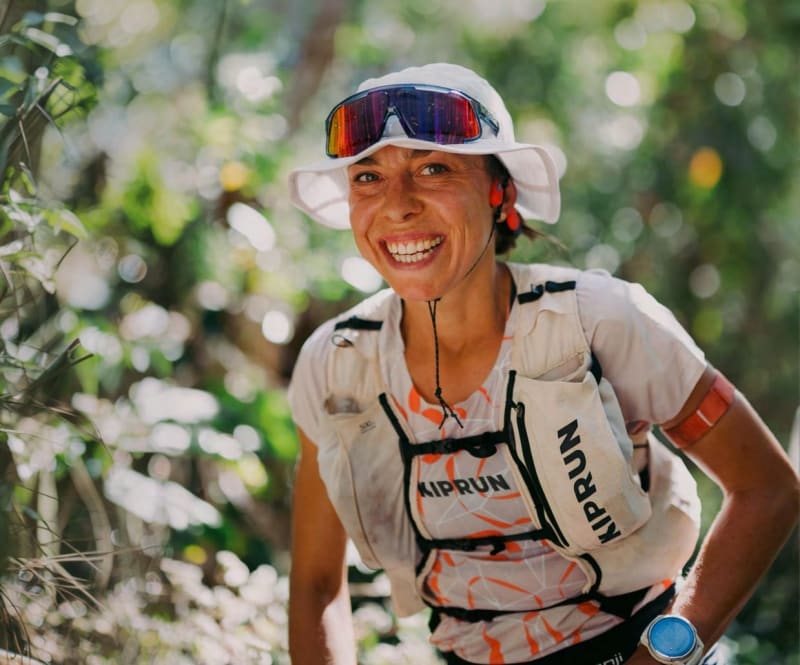 © Kiprun
37 million kilometres: runners are going farther
Between 2024 and 2025, Kiprun Pacer users covered 37,000,000 km. The figure is almost dizzying. It is the equivalent of running around the Earth more than 900 times.
On average:
✓ 519 km per year for regular runners
✓ 10 km per week
✓ 20 km more than in 2024
Among regular runners, defined as those completing at least one run every two weeks:
Women
✓ 9.2 km per run
✓ Average pace: 6:32/km
✓ Average run time: 1:00:08
✓ 449 km per year
Men
✓ 10.98 km per run
✓ Average pace: 5:47/km
✓ Average run time: 1:03:28
✓ 573 km per year
These figures are very much in line with what you see out on the roads: committed runners, but not elites. People who jog at the weekend while also juggling busy social and professional lives. This is the heart of modern running.
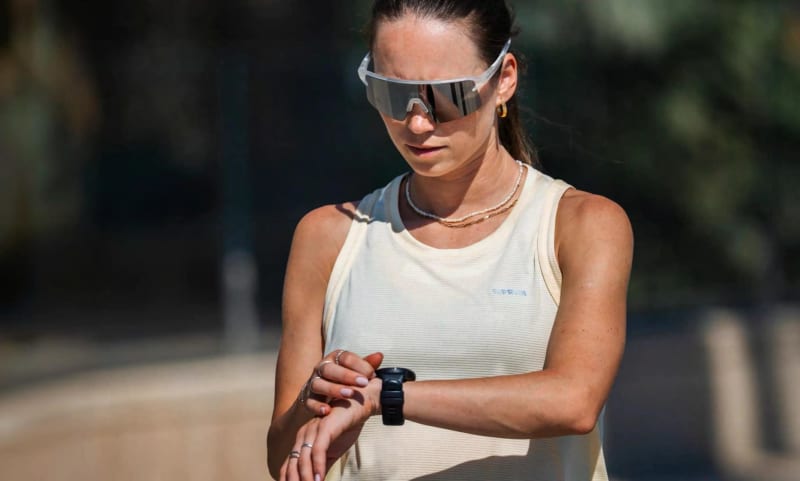 © Kiprun
Training looks different at different ages
The study also highlights an interesting pattern: average pace slows with age, but distance increases.
Between the ages of 18–24 and 45–54:
➜ Pace slows from around 5:56/km to 6:11/km
➜ Annual distance rises from 451 km to 578 km
In short, younger runners go faster while more experienced runners go farther. That is hardly surprising when you think about athletics and road racing more broadly. With age, distances get longer and running becomes an endurance sport in every sense of the word. We all know at least one runner in their thirties currently training for a marathon…
Road still dominates, but trail is gaining ground
In 2025, road running remains the most popular discipline. But the app has recorded clear growth in trail running:
✓ 78% of plans are road-focused
✓ 22% are trail-focused
Trail is moving forward, up from 19% in 2024. The increase is gradual, but real. It is also generational:
✓ 18–24-year-olds remain heavily road-focused (85%)
✓ Among 35–55-year-olds, trail’s share rises to 28%
The older runners get, the more they move away from the city and urban scenery. They look for different kinds of challenges, where connection with nature matters more than the clock. The phenomenal rise of UTMB is a perfect example. In just a few years, the Chamonix race has become the most heavily covered trail event in the world.
Geography inevitably plays a role too. France, Portugal and Italy account for a larger share of trail plans. Some of the world’s most beautiful trail races take place in these countries, and the terrain and surface clearly influence how runners train.
 © Kiprun
The 10K and half marathon lead the way
When it comes to goals, the more accessible distances are the most popular:
➜ 10K: 42% of plans
➜ Half marathon: 41%
➜ Marathon: 17%
Social media can easily make it seem as though the marathon is the big running trend right now. The data says otherwise. The 10K is by far the most popular distance among younger runners. The half marathon is a favourite, while the marathon only becomes more popular with age.
The picture is similar among women. Some 49% favour the half marathon, while only 15% choose the marathon. The half remains the perfect middle ground: accessible but challenging, without requiring runners to sacrifice their social lives for training.
Spring and summer bring the motivation peak
The seasonal data confirms what every runner instinctively feels: the peak period for training comes in spring and summer. Unsurprisingly, March, July and August record the highest averages, reaching as many as 6.3 runs per month in August. Weather still has a major impact on participation. Runners know how much harder it is to find the motivation to train outside when darkness sets in and temperatures drop below zero. Winter is therefore the quietest season for running.
What time do Europeans run?
Another fascinating finding is how running times vary from country to country:
✓ France favours lunchtime and morning runs.
✓ Spain and Portugal see more activity in the evening.
✓ Germany and Belgium are dominated by after-work runs.
✓ The UK and Netherlands show strong morning consistency.
Running follows the cultural rhythms of each country.
 © Kiprun
 © Kiprun
 © Kiprun
Average race times for Kiprun Pacer users
These are the average times recorded by Kiprun Pacer users in official races.
Women:
➜ 10K: 1:03:07
➜ Half marathon: 2:09:46
➜ Marathon: 4:27:31
Men:
➜ 10K: 51:13
➜ Half marathon: 1:50:49
➜ Marathon: 3:58:34
Although most runners train for enjoyment or personal progress, performance remains a powerful motivator. Kiprun’s study also highlights the fastest times recorded by its top users in the 2025 Hall of Fame:
➜ Men’s marathon: 2:28:05 in Valencia
➜ Women’s marathon: 2:38:21 in Boston, a particularly impressive performance
➜ Men’s 10K: 31:38
➜ Men’s half marathon: 1:05:00
These figures show that the app can also deliver training plans capable of supporting very high-level athletes.
What the study really tells us
Beyond the figures, three major trends stand out:
Running is becoming more structured
Runners use training plans, analyse their data and adjust their sessions. Like professionals, they are looking to optimise every aspect of their performance and improve their personal bests. The days of the improvised jog are long gone.
Experience matters
Training volume increases with age. Progress becomes more sustainable and the passion for longer distances grows.
The marathon remains a summit
The ultimate distance accounts for just 17% of plans. It remains an extreme, physically demanding challenge, but also a social one because of the long and intensive preparation it requires. Even so, the marathon remains a symbolic goal for many runners.
The Kiprun Pacer study methodology Kiprun Pacer
The study is based on data from training sessions planned and completed between September 2024 and August 2025.
It covers app users exclusively, meaning runners who are already committed to a structured approach to training. This is not a picture of the occasional jogger, but of motivated runners.
It is also worth noting that the app’s users are predominantly French (80%), alongside Belgian, Spanish and British runners. Running crosses borders, but the platform’s influence remains concentrated in Europe.
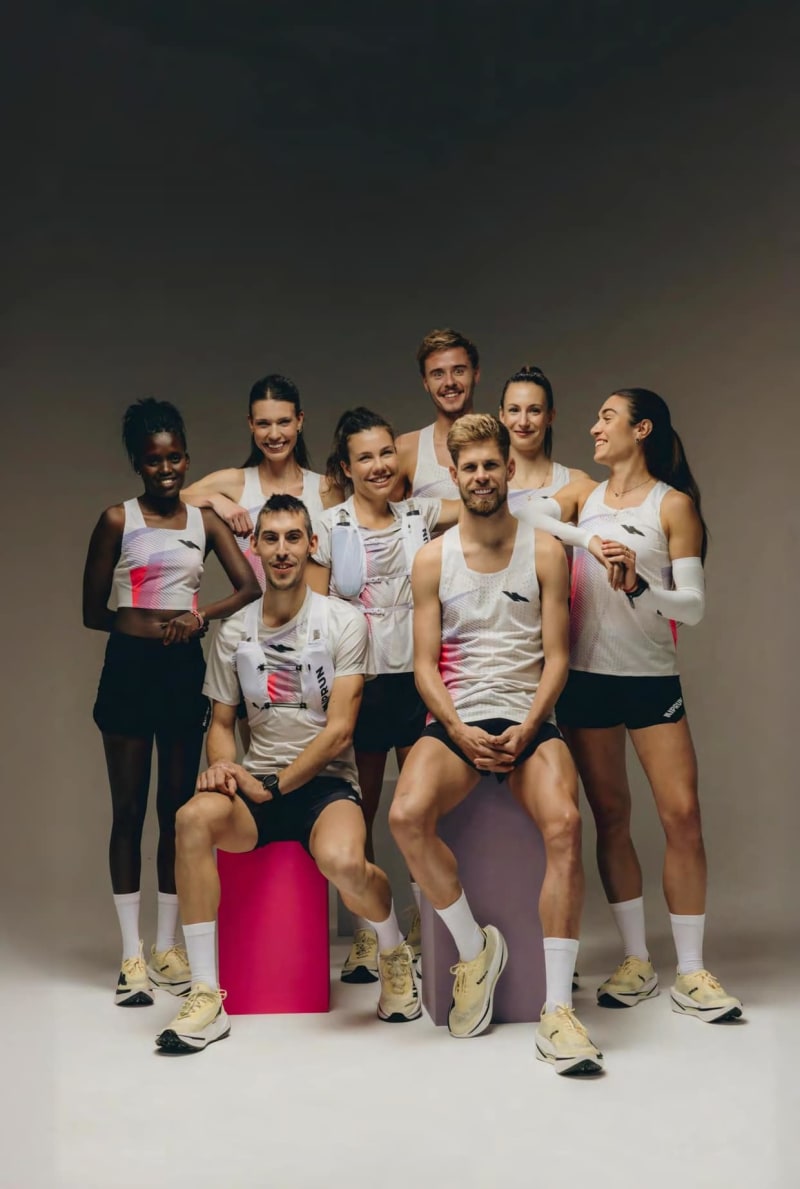
 © Kiprun
 © Kiprun© Kiprun
37 million kilometres. 224,000 runners. A younger, more diverse and more international sport. Running continues to evolve, becoming more structured and more connected than ever. Today, every session is analysed, every data point dissected and every plan optimised. The pursuit of a personal best is now part of the game. But deep down, nothing has really changed. We still run for the same reasons: to improve, to push ourselves… and to feel the unique freedom that only a pair of running shoes can offer. As long as enjoyment remains at the heart of the sport, running has a bright future ahead.
✓ Find all the information from the study on the Kiprun Pacer website.
More articles

Running Health: Foot Injuries and Care
Blisters, black toenails and hot spots: learn how to prevent and treat common foot problems so you can keep running comfortably.
Wed, September 9, 2026
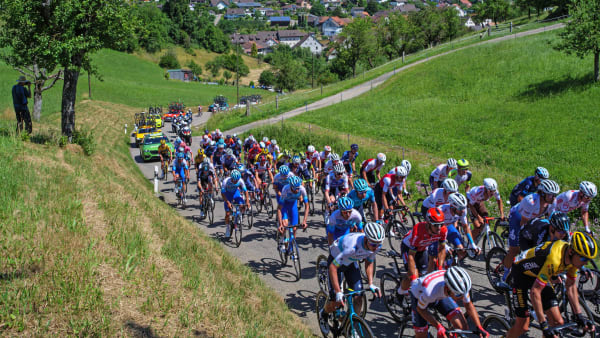
From cycling pelotons to running packs: Mathieu van der Poel, Tony Martin, Nacer Bouhanni and the cyclists turning to running
Each winter, cyclists and triathletes take to the roads, testing their endurance and chasing new goals after life in the peloton.
Wed, September 9, 2026

Emil Zátopek, built to suffer
Emil Zátopek, the Czech locomotive, remains one of the 20th century’s greatest athletes. A look back at his extraordinary life.
Wed, September 9, 2026