
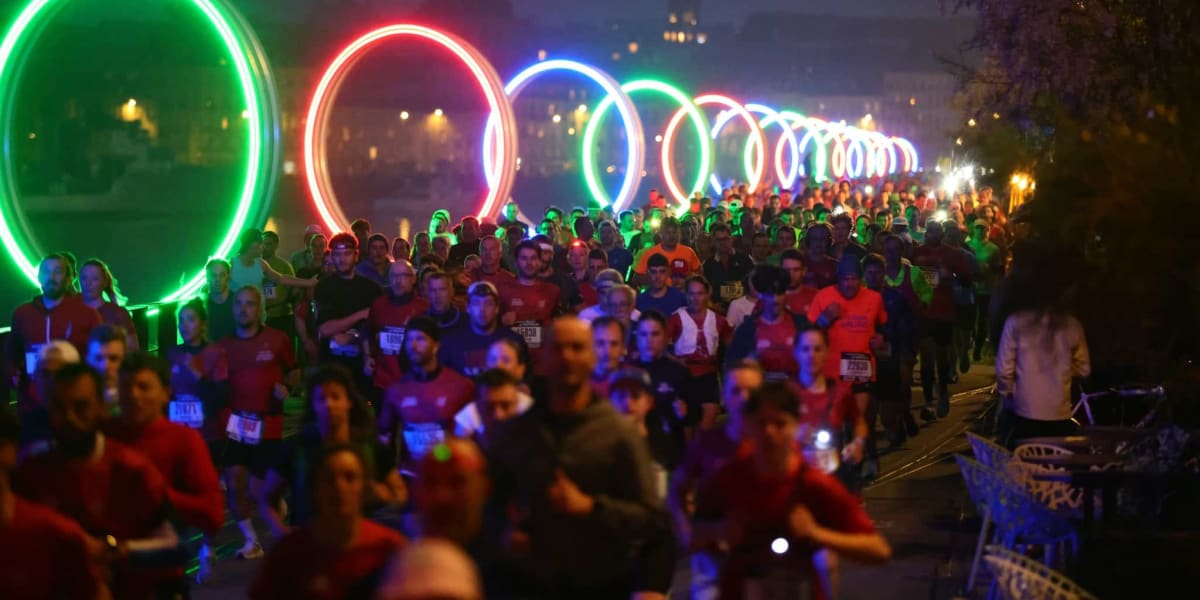
From major events such as Les Foulées de l’éléphant to dancefloor-style Glow Runs, along with more low-key races and ekidens in the great outdoors, night running is gaining ground. Less tightly codified, freer in format and often wrapped in a festive atmosphere, these events are attracting an ever-wider audience looking for a different way to run: a little less focused on the clock, a little more on the sensations. A look at a phenomenon that never sleeps.
Table of contents
- Stars in their eyes, not watts in their legs
- From ultras to urban runs: formats by the dozen, for every taste and every hour
- Night-time drinks, DJ sets and faster times: running has found its summer groove
- The race, but not only the race
- A stage for running to reinvent itself
- Rediscovering your city after dark
- At night everything changes… even your gear
It’s late. Sometimes 9 p.m., midnight or even much later. As shop shutters come down in the cities and the countryside falls silent, the boldest runners head out to warm up. Headlamps strapped to their foreheads, laces firmly tied, they set off into the night. More and more runners are choosing darkness over the harsh light of day and waiting for neither sunrise nor daylight to line up at the start. Fluorescent city runs, semi-wild trail races, ekidens with friends or 10Ks through the still-warm streets of a summer evening… The formats are multiplying, entries are selling out in record time, and night-time pelotons are no longer a curiosity or a mere whim of insomniacs short on endorphins. It’s a genuine trend, and it keeps growing.
Stars in their eyes, not watts in their legs
Running at night is above all about the atmosphere. A feeling. A different kind of experience. You don’t need to travel far to feel as though you’re having a small adventure. Just put on a headlamp, leave the streetlights behind and head down a path or along an avenue emptied of traffic. The setting changes everything: your reference points blur, your gaze narrows, and your breathing becomes your guide. “ I run differently at night, says Thomas, an amateur runner with six marathons under his belt. I’m less focused on performance and more on how I feel. I pay more attention to my foot strike and my breathing. It’s almost meditative.” No blazing sun, no stifling heat, just your breathing, your footsteps, and sometimes birds calling or the distant sounds of the city.
 © Arnaud Masson
 © Arthur Aumond
 © Arnaud Masson
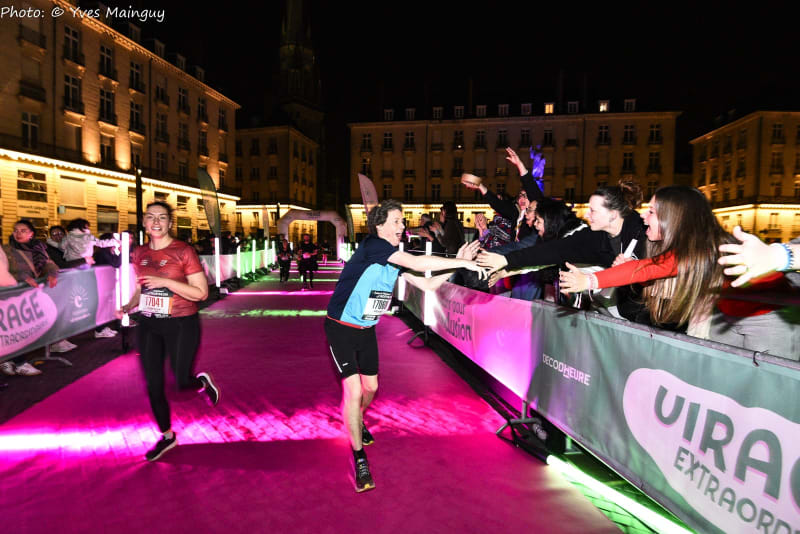 © Yves Mainguy
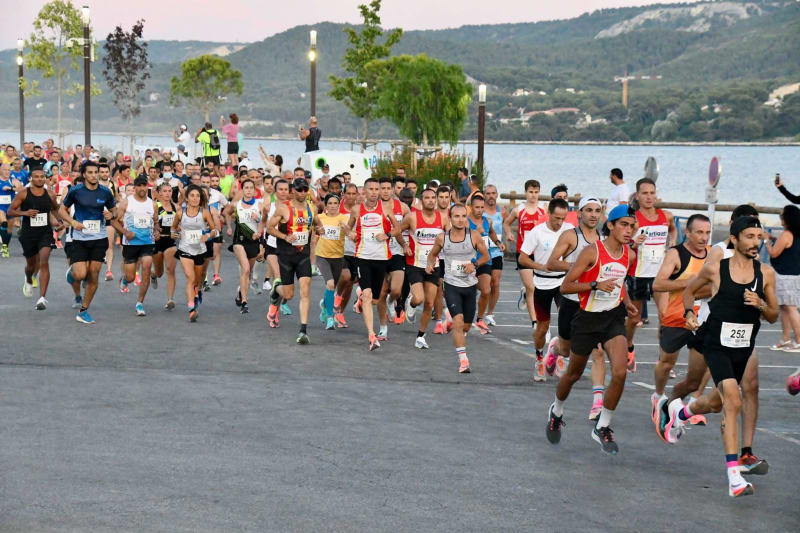
You might think fatigue would take over, that night would sap motivation. It’s the exact opposite. Night runners don’t talk about performance, but about the thrill. The excitement. The feeling of being alone in the world or, on the contrary, sharing an intense moment with others. A kind of unspoken pact: if everyone is here at this hour, there must be a good reason. That’s the idea behind Les Foulées de l’éléphant, a night-time 10K held the day before the Marathon de Nantes, “created to round out a running schedule that was fairly limited,” explains Julien Gaborieau, founder of Les Foulées de l’éléphant, launched in 2016 in connection with the famous elephant at Les Machines de Nantes as part of the Marathon de Nantes. “It’s a bit of an UFO in the running world!”, he can only conclude. But it’s not just runners overflowing with fierce energy: the spectators have plenty left to say too. The event has become popular, local residents have made it their own and turn out every year to cheer on the participants. The same is true of the Ronde Nocturne de Ponts Bleus, held in Martigues, where “the race has become one of the city’s major summer events,” with large crowds attending. Between “the people out for a stroll and those eating on the terraces, there are huge numbers of people, creating an atmosphere that fits perfectly with the festivities,” says Thierry Daurelle, the current president of Martigues Sport Athlétisme.
I think it was the first night-time road race created in France. “
From ultras to urban runs: formats by the dozen, for every taste and every hour
La SaintéLyon, starting at midnight and covering almost 80 kilometres between Saint-Étienne and Lyon, is the benchmark. Mickaël has entered the next edition of the Rhône-Alpes classic. “ When you’re alone in the woods at 3 a.m., you can’t fake it anymore, says this regular night runner. You run with what you’ve got. And that makes the finish even more powerful.” The event also inspired the creator of Les Foulées de l’éléphant. “ I think it was the first night-time road race created in France”, says the deputy managing director of OC Sport, a company specialising in large-scale events with a dedicated branch in Nantes.
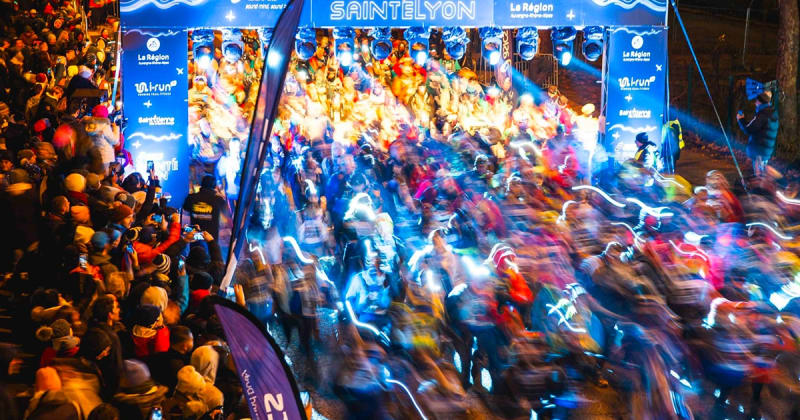 © Le départ de la SaintéLyon 2024 ©SaintéLyon
The race was born from an initial observation, which the runner and event organiser explains: “ First, as part of the Marathon de Nantes, there were only two races, with no half marathon. I suggested that the organising club, ‘Courir à Nantes’, create one.” Adding the half marathon brought a huge influx of participants, forcing the organisers to adapt. To fit the new race into Sunday’s programme without inconveniencing local residents for too long, they found a solution that proved a major success. Julien’s dream of running La SaintéLyon evolved, and the idea of getting people to run at night took hold. Moving the 10K from Sunday morning to Saturday evening took some work, but thanks to the determination of its founder, the race found its place, with an exclusive start from Les Machines de l’île.
Night-time drinks, DJ sets and faster times: running has found its summer groove
Other races, such as the Ronde Nocturne des Ponts Bleus, take place in the middle of July, with a shifted start time offering the best way to beat the heat. Between a couple of swims at the beach and dinner on the harbour, this race is a must for runners who want to keep their legs ticking over or try something new. It also appeals to anyone looking for a summer evening challenge. Most participants are locals, but plenty of holidaymakers join in every year. Its reputation is strong enough to attract runners who make the trip especially for the event. Festive yet well suited to fast running, despite a few climbs around the two bridges, this hugely popular race has welcomed big names in the sport, including Nicolas Navarro, who put on a show in 2021. Its strength? Its lively feel, woven into the city’s entertainment, its sightseeing appeal and the chance to race in midsummer without suffering through the day’s peak heat.
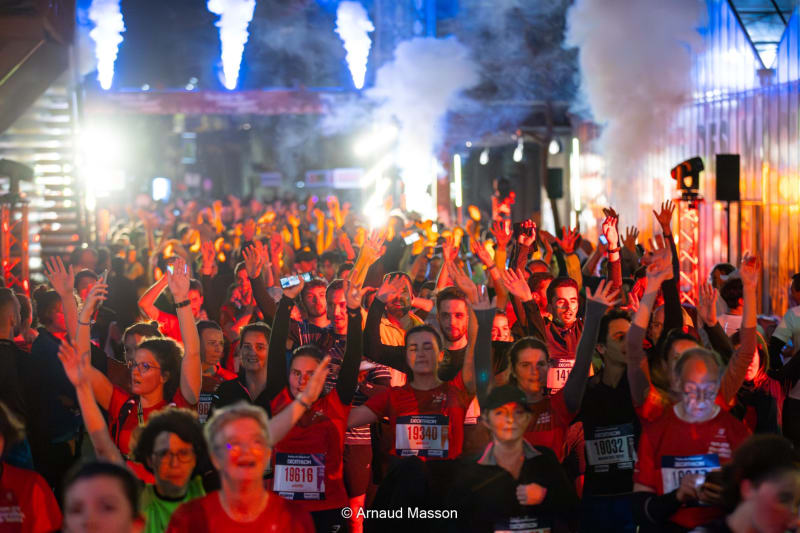
Then there’s the festive side, where running flirts with electronic music. Glow Run and Color Night Run embody those fluorescent evenings when runners look like giant fireflies on a vast dancefloor. Light shows, DJs lining the course and a race bib that feels as much like a concert ticket as a sporting credential. “I don’t run very often, but this was a proper night out. DJs, lights, people in costumes, it was fun from start to finish,” says Julien, 24, who took part in the Color Run in Bordeaux on 25 May. “You don’t look at your time, you just enjoy it.” It’s clearly halfway between a race and a night out. And it’s a hit. That compromise doesn’t rule out performance, either. Les Foulées de l’Éléphant proves it: a huge party at Les Nefs, complete with pyrotechnics and nightclub vibes, because its founder is “ a music fan”, as well as a playground where some runners set personal bests. “The core group of serious runners still comes, because we’re lucky enough to welcome good-level regional athletes,” says Julien Gaborieau. The year the race was created, he dreamed of turning it into a “ little French New York”, a reference to “one hell of an American party where New Yorkers cheer on runners like heroes.” And the challenge seems to have been met: “ When I see the party it was last April, we tell ourselves we pulled it off,” concludes its proud creator.
I’d never run at night. I went for the novelty, but in the end I loved the atmosphere. People talk to each other more; it’s less individualistic “
The race, but not only the race
The boom in night-time events also reflects a deeper desire. A desire for sport, yes, but above all for an experience. Running becomes an excuse to get out, meet people, breathe, slow down or escape. “I’d never run at night. I went for the novelty,” says Charlotte, who is increasingly fond of these unusual running hours. “In the end, I loved the atmosphere. People talk to each other more; it’s less individualistic.” Races are no longer just timed tests. They become little escapes. And night allows that more readily than day. The runners at Les Foulées de l’éléphant are lining up at the start with smiles on their faces. “ Everyone is happy to be there, not necessarily aiming for a personal best, but to have a good time with friends and family”, says the man who has started the event for almost 10 years.
Unconcerned about entries selling out, the MSA president explains: “ Last year, we capped the field at 1,000, and it was full by Thursday. This year, we’re increasing it to 1,200. Last week we were already at 600.” Although the Ronde Nocturne des Ponts Bleus is FFA-certified, making it a qualifying race for the French 10K Championships, and its entry fee is very attractive, that’s not what explains its huge success. Thierry insists that “ it remains an affordable race for everyone, including recreational runners who want to take part with friends or family.” Its appeal comes as much from its festive side as from the beautiful places it showcases to participants.
A stage for running to reinvent itself
The success of these night-time formats also reflects the major transformation running has undergone. For around a decade now, the one-size-fits-all model of a Sunday half marathon at 9 a.m., with banana stations every 5 kilometres, has been fading. When Les Foulées de l’éléphant was created in Nantes in 2016, Julien Gaborieau already had “the desire to offer participants a new experience and take a step sideways from the running world,” which he felt had become a little too predictable. “There’s always a great start and finish line, but it doesn’t go any further,” he observed. That vision matches what runners are now looking for in their sport: meaning, fun and emotion. That’s what the Nantes race offers, having attracted 6,000 runners from its very first edition. It’s also what the Ronde Nocturne des Ponts Bleus delivers, an event that “ would lose all its charm if it took place in the morning,” admits its organiser. “It’s part of the history and identity of our race to hold it at night, at sunset, with a 9:15 p.m. start rather than exactly 9 p.m.,” says Thierry Daurelle. Taking part in these races is a memorable experience, one that stays with you through the week. Night, with all its intimacy and freedom, represents the culmination of this search, laying out everything runners need on a silver platter.
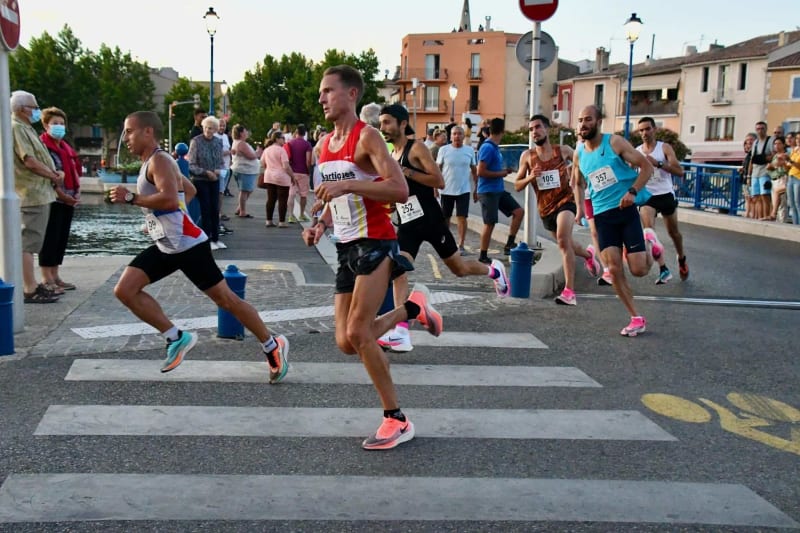 © Martigues Sport Athlétisme
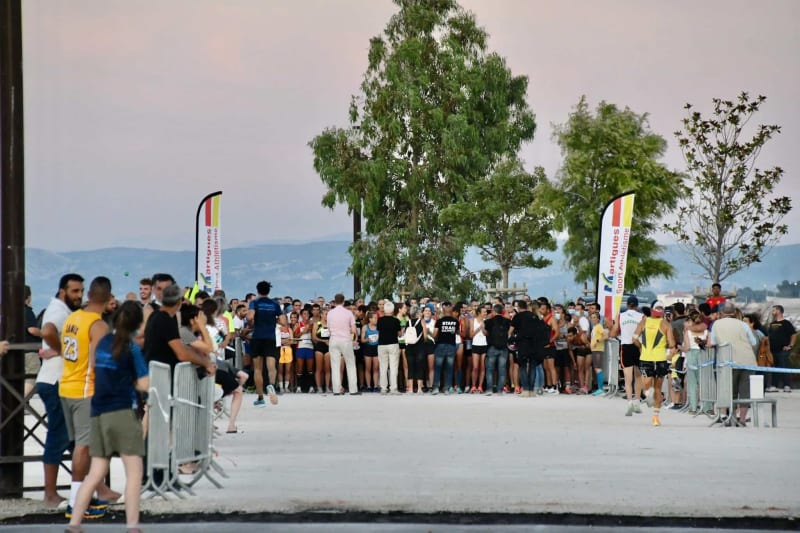 © Martigues Sport Athlétisme
 © Martigues Sport Athlétisme
Our lifestyles increasingly push us to run late. After work, after the kids, after a busy day, it’s time to train. Except some people have decided to turn it into a pleasure rather than an obligation. An evening run becomes a breath of fresh air, a shot of calm or adrenaline depending on your mood. Why not make it an adventure with friends, a tradition, a ritual? Once you get used to running in the dark, you might as well keep going and line up for Les Foulées de l’éléphant, a night race that, for some, marks a turning point: completing a 10K for the first time or, who knows, taking on increasingly frequent races. It’s the perfect opportunity: one first night race with friends, and everything starts moving in life again. Whatever the goal, enjoyment remains the key word.
It’s called the night loop because it goes around Martigues“
Rediscovering your city after dark
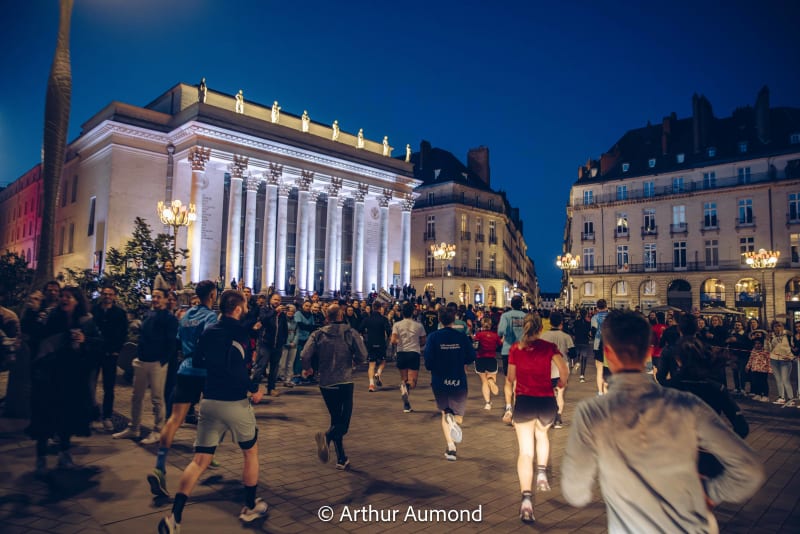
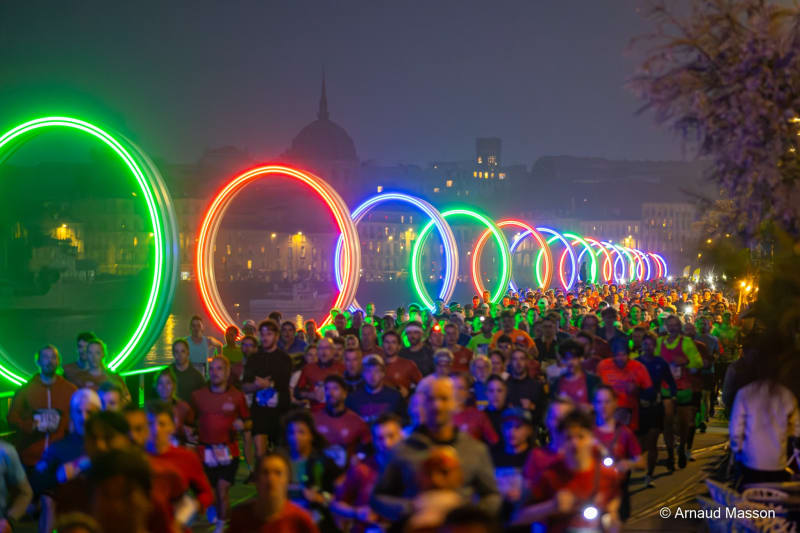
Our perception changes by day and by night, as do our sensations. Running through the city under streetlights, with flashes from the floodlights installed for the occasion, can give an entirely new dimension to a metropolis you may already have explored from every angle. In Nantes, participants pass all the city’s finest landmarks: Place Graslin, Place Royale and the rings… The aim is to avoid shopping and industrial areas, which do little to showcase the city’s heritage. Thanks to the small touches added along the route, Les Foulées de l’éléphant can even turn Nantes into a “little Disneyland of running” for a few hours. The same goes for Cahors, where Benoît Bosc, a former distance runner and outdoor enthusiast, and his team organise a night-time ekiden “because it meant people had the day free, and in the evening it creates a different atmosphere, more exhilarating and magical.”
During the day, some places can’t be closed off for a race, whereas at night they often become more accessible. La Ronde nocturne des Ponts Bleus was launched seven years ago with the aim of allowing runners to “visit Martigues’ historic districts, a distinctive city divided into three neighbourhoods separated by water,” explains current president Thierry Daurelle. Patrick Thibaut, the former president of Martigues Sports Athlétisme, gave it its name in reference to the two bridges linking the districts to the island, with its blue colours, which runners cross several times during the race. “ It’s called the night loop because it goes around Martigues,” Thierry explains. Holding it at night also makes it possible to better “ centralise the city centre away from all traffic”.
On more natural courses, you need to know how to navigate and be familiar with the trails. At night, the variables change.“
At night everything changes… even your gear
Running in the dark disrupts your reference points, and your kit is no exception. Running in the dark requires specific preparation. Lighting becomes crucial: there’s no question of setting off with a backup headlamp. You need a proper light, powerful, with a broad, steady beam that will last for the entire course. “At night, you need good lighting; that’s essential. We use a serious headlamp for mountain biking, and it’s the same for running,” says the head of the Ekiden de Cahors. He knows what he’s talking about: for several years, he has coordinated this urban event, which attracts nearly 1,000 participants to the city streets for a night relay.
But lighting isn’t everything. The rest of your kit has to keep up. The terrain can surprise you, your footing becomes less certain and concentration needs to rise a notch. “Yes, you need to be somewhat prepared, and yes, you need a little experience,” he says. “On a race like ours, everything is well marked, so it’s not very complicated. But on more natural courses, you need to know how to navigate and be familiar with the trails. At night, the variables change.” Your equipment should therefore anticipate the unexpected: a windproof jacket in your pack, breathable yet warm clothing, reflective accessories and shoes with good grip… And above all, avoid improvising. “As with any sporting event, you need to prepare yourself for the conditions. In my view, you should train at night beforehand, in similar conditions. That’s the best way to avoid unpleasant surprises.” The advice applies to everyone, from occasional runners to seasoned trail runners. At night, nothing happens quite the same way: shadows deceive, sounds throw you off and fatigue tastes different. But that’s also what makes this format so appealing.
One thing is clear: these night races put something essential back at the centre of running: connection. In the dark, we talk more. We encourage one another, laugh and reassure each other. We forget the watch for a while and reconnect with what makes us run: a moment for ourselves, but not necessarily alone. A sense of freedom, never isolation. A challenge, certainly, but not a war against ourselves.
Then there’s the little rush of the start, the whispered “good luck” in the darkness, the smiles exchanged at the aid station and the distant music making the air vibrate. A slightly hazy moment of unity, almost outside time, yet profoundly human. Running at night isn’t just about moving through the dark. It’s about being surrounded by light: the beams of other runners’ lamps, the solidarity in their eyes and the human warmth that shines brighter than any floodlight.
➜ Explore the night-race calendar.
More articles
Marathon de Chablis set to welcome 4,400 runners among the vines
The Marathon de Chablis returns on Saturday, October 24, with races, hikes and a festive atmosphere among the vineyards.
Wed, October 21, 2026

Avignon Marathon makes a winning debut with more than 3,450 runners
More than 3,450 finishers turned out for the successful first edition of the Avignon Marathon on Sunday, September 27, 2026.
Wed, September 30, 2026

Kenya, the distance-running powerhouse in a country where running is king
How Kenya became distance running’s powerhouse, from Kipchoge Keino to Eliud Kipchoge and the generations shaped by its unique culture.
Thu, September 10, 2026