

Running Health: Foot Injuries and Care
Often overlooked, feet deserve proper attention. They are the only point of contact with the ground, absorbing thousands of impacts on every run while dealing with friction, sweat and constant microtrauma. Blisters, black toenails, plantar pain, hot spots... These minor problems can quickly become a nightmare. Understanding how to prevent and treat foot injuries is essential. Here is Marathons.com’s expert advice.
A reminder: your feet are fundamental to running
The words “running” and “foot” go hand in hand. For good reason: the foot is the only part of the body that comes into contact with the ground. It is the body’s sole point of support on the ground. A complex structure, it is the subject of scientific research as well as an entire medical specialty: podiatry.
The foot has three sections:
The hindfoot, comprising the calcaneus (heel bone) and the talus
The midfoot, made up of the cuboid, navicular and three cuneiform bones
The forefoot, which includes the five metatarsals and the phalanges
The foot is made up of 26 bones and 17 joints. Pronation is the inward roll of the foot, while supination is the outward roll when walking or running. The foot acts as a natural shock absorber, but also as a spring to help us move forward and jump.
The most common foot injuries and problems in running
Maceration and fungal infections
As distances increase, feet can spend hours macerating inside socks and shoes. They are effectively “soaked” in moisture, which can cause intense discomfort. The condition is not serious, however. Drying out the skin is usually enough to resolve the problem.
Prolonged exposure to a damp environment, sometimes combined with poor hygiene, can cause fungal infections, which are more troublesome. They appear as reddened skin, itching and sometimes nail damage. The familiar “athlete’s foot” is an infection between the toes caused by the fungus Tricophyton rubrum. It can initially be treated with baking-soda foot baths, grapefruit-seed extract or essential oils such as tea tree, lavender or Atlas cedar. If it persists, see a doctor.
Friction and blisters
Over the course of a run, friction inside the shoe can cause blisters, also known as friction blisters or phlyctenae. They are one of the most common reasons for dropping out. Friction and blisters alter running mechanics, with knock-on effects on the muscular, tendon and joint systems.
One of the most popular solutions, and yet one of the most counterproductive, is applying hydrocolloid dressings such as Compeed preventively or over an existing blister. With sweat and friction inside the shoe, they can come loose and create new areas of rubbing. A recipe for misery. To prevent friction, start by choosing your shoes and socks carefully. Preparing the feet with specific creams can also help.
Black toenails
Subungual haematomas, in other words bruising beneath the nails, are responsible for black toenails. Very painful, they can eventually cause the affected nail to fall off. They are often caused by repeated microtrauma inside a shoe that is too small. Subungual haematomas need to be drained to relieve the painful pressure beneath the nail. A disinfected, heated needle is often used to pierce the nail and release the blood.
Plantar fasciitis
This is inflammation of the plantar aponeurosis, or plantar fascia, the membrane that supports and protects the tendon on the sole of the foot and the arch. Caused by repeated and/or excessive strain, prolonged standing or unsuitable footwear, it produces sharp heel pain. Recovery is slow and requires support from a healthcare professional.
Tendinitis
The foot can develop several types of tendon inflammation, affecting the tibialis anterior or posterior, peroneal tendons, toe flexors or Achilles tendon. Medical care is recommended. In every case, rest is the first strategy to adopt, along with the patience needed to get rid of the inflammation for good.
Hallux valgus
This deviation at the base of the big toe is characterised by a bony deformity, often linked to genetic factors. Encouraged by wearing high heels and pointed shoes, it is also common among overpronating runners. Orthoses can help realign the toe, while stretching and massage may provide relief, but surgery may ultimately be necessary.
Morton’s neuroma
More common in women, this condition involves painful compression of a nerve in the metatarsal tunnel, often between the third and fourth toes. A thickening called a neuroma may develop. Worsened by tight shoes, the pain eases when barefoot or resting while lying down. Wide, flexible shoes without heels, possibly combined with orthotic insoles, can relieve symptoms for affected runners. Surgery may be considered as a last resort.
Preventing foot injuries in running
Good daily hygiene
Good hygiene helps prevent most minor problems, including fungal infections, cracked heel skin and unpleasant odours. Wash your feet every day, preferably with a pH-neutral soap, then dry them carefully, including between the toes. Trim your nails regularly, keeping them fairly short without cutting them right down. Socks should be washed after every use.
Choosing the right shoes and socks
It is advisable to choose running shoes half a size to a full size larger than your usual everyday shoes, with a fit (in other words, a shape and volume) suited to your foot. Lacing also needs to be managed carefully, perhaps using a technique tailored to your specific issue. The aim is to provide optimal support without creating pressure points or excessive looseness.
Socks also play an essential role in preventing foot problems. Technical fabrics limit friction and help wick moisture away.
Natural care and anti-chafing creams
Preparing and maintaining your feet is a good way to avoid the most common problems. Tanning creams can help prevent friction and blisters, while anti-chafing creams should be applied before exercise. Do not use them before running on sand, however. Some runners apply lemon juice to their feet before long-distance events to create a natural callus. Essential oils are another option, but seek advice from a qualified herbalist or naturopath. You can also moisturise your feet with pure shea butter.
Exercises to do at home: self-massage, rollers, proprioception...
Rolling a tennis or massage ball under the arch, using a massage roller or simply massaging your feet are all gentle ways to look after them at home.
To strengthen the muscles in your feet and prevent injuries such as tendinitis and sprains, there are countless proprioception, stretching and strengthening exercises. Ask a good physiotherapist for advice and build a “feet” routine into your training programme.
For running to remain enjoyable, looking after your feet is essential. Keep these key points in mind:
➜ Regular checks
➜ Excellent hygiene
➜ Adequate moisturising
➜ Suitable shoes and socks
➜ Regular exercises
As always, if a minor problem persists or you experience unusual pain, see a specialist to prevent the condition from getting worse.
More articles
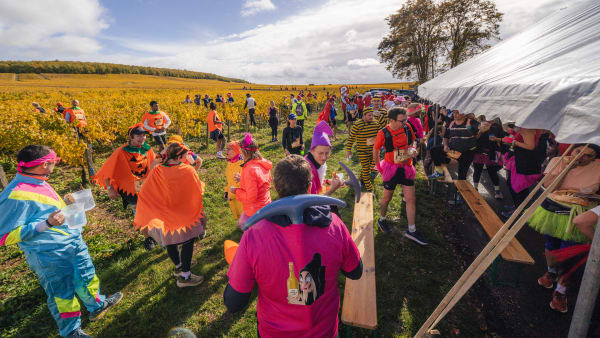
Marathon de Chablis set to welcome 4,400 runners among the vines
The Marathon de Chablis returns on Saturday, October 24, with races, hikes and a festive atmosphere among the vineyards.
Wed, October 21, 2026

Avignon Marathon makes a winning debut with more than 3,450 runners
More than 3,450 finishers turned out for the successful first edition of the Avignon Marathon on Sunday, September 27, 2026.
Wed, September 30, 2026

Night races: why does everyone want to run while everyone else is asleep?
From Glow Runs to low-key trail races, night running is taking off, offering a more festive experience and a different relationship with the clock.
Thu, September 10, 2026