 © The Art O’Neill Challenge
The Art O’Neill Challenge : so Irish !
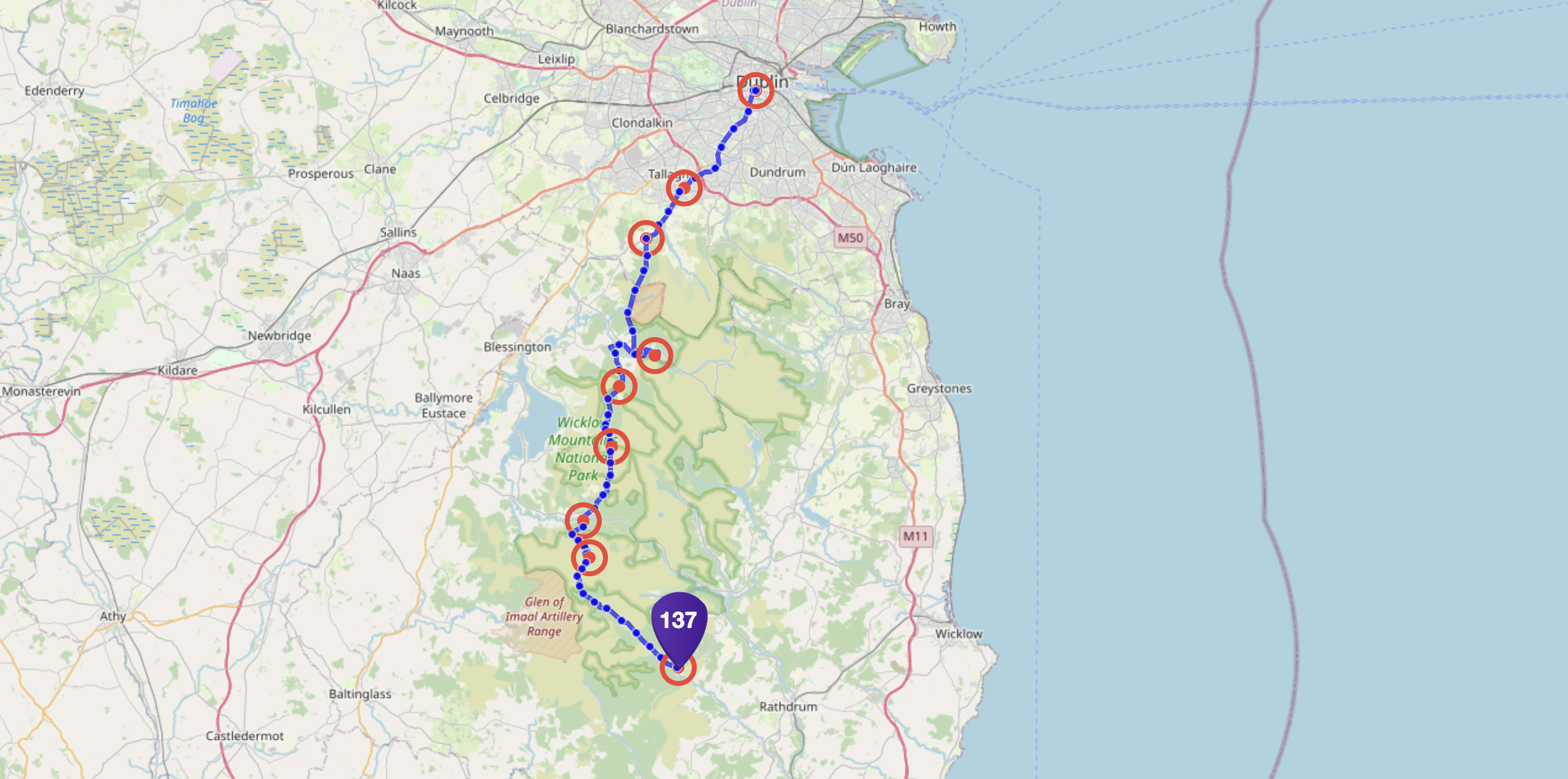
21/01/2026 08:48On January 16, in the depths of the Irish winter, 200 runners and hikers gathered once again in Dublin to take on one of the country’s most unusual endurance events: the Art O’Neill Challenge. Covering 60 kilometers (37 miles) of road and mountain terrain, the race retraces the legendary escape of Art O’Neill and his companions in 1592. It doesn’t get much more Irish than that.
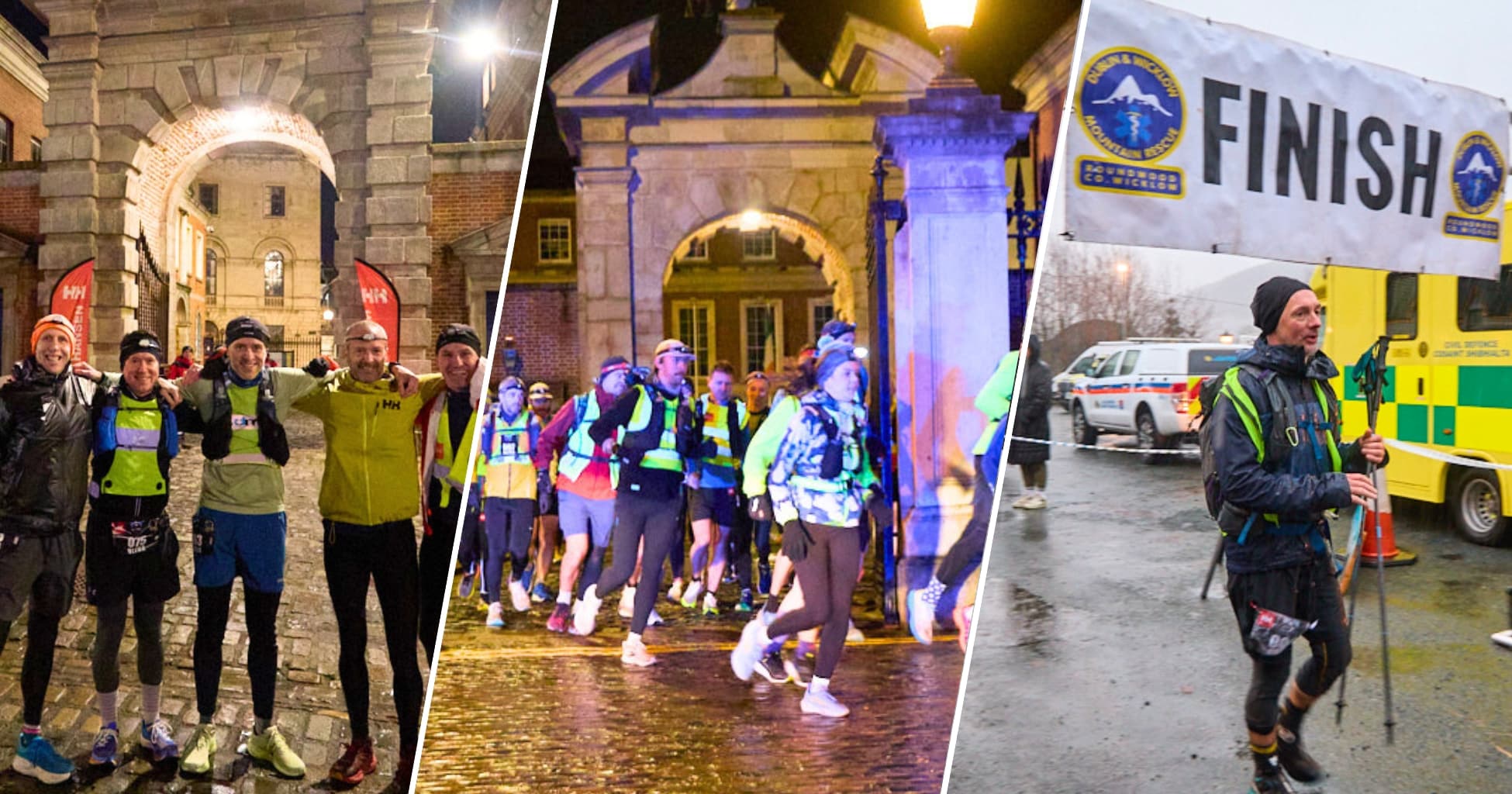
The Art O’Neill Challenge holds a special place on Ireland’s running calendar, blending endurance, navigation skills, and capital-H History. On the evening of Friday, January 16, under a cold drizzle and temperatures hovering around freezing, 200 participants—runners and walkers alike—assembled at Dublin Castle. They were preparing to face the punishing conditions of an event that began in the 1950s as a commemorative walk before evolving into a fully fledged sporting challenge. But what exactly are these determined participants honoring?
| The History Behind the Race
For many Irish people, the Art O’Neill Challenge carries deep symbolic meaning. Ireland’s long and complex history with England dates back to the Anglo-Norman invasion of 1169—a legacy still visible today in Northern Ireland, which remains part of the United Kingdom. The race commemorates a dramatic episode from the late 16th century. On January 6, 1592, Art O’Neill, his brother Henry, and the Gaelic chieftain Hugh Roe O’Donnell escaped from Dublin Castle, then the seat of English power in Ireland, after years of imprisonment. Their flight took place in the dead of winter, under cover of darkness, in brutal conditions: freezing temperatures, snow, and driving rain.
From the moment they broke free, the three men were in hostile territory. They crossed wild countryside, heading south toward the rugged Wicklow Mountains. Henry eventually split from the group and returned north to Ulster, but Art O’Neill and O’Donnell pressed on toward Glenmalure, a remote valley known as a stronghold of Irish clans and a refuge from English forces. Despite their efforts, Art O’Neill succumbed to hypothermia along the way, while O’Donnell survived. A popular historical figure in Ireland, the Irish chieftain Hugh Roe O’Donnell later inspired the 1966 Disney film The Fighting Prince of Donegal. At the time, the success of the escape was extraordinary and became a powerful symbol of resistance to English rule. Today, several memorials along the original route mark key points of the fugitives’ journey.
| A Viking-Style Ordeal
Long before retracing the 1592 escape became an organized sporting event, the route was already attracting walkers keen to follow in the footsteps of history. Informal hikes along the trail have taken place since the 1950s, drawing history enthusiasts and outdoor adventurers alike. The modern version of the event officially began in 2006 as a fundraiser for Stuart Mangan, a young Irish rugby player who had been seriously injured. The challenge quickly gained popularity and now offers several formats, catering to both runners and walkers.
Each January, participants set off at night from Dublin Castle—one of the capital’s most historic landmarks. The race begins on paved city streets before transitioning to rougher terrain as competitors enter the Wicklow Mountains. The 2026 edition was won by Andrew Tees in 6:13:14, a full 40 minutes ahead of runner-up Sean Meehan. Competitors must navigate independently through cold, wet, slippery, pitch-dark, and often windy conditions—making the finish in Glenmalure all the more triumphant.
In keeping with strong Anglo-Irish charitable traditions, the event supports the Dublin & Wicklow Mountain Rescue Team. In recent years, the organization of the race and all funds raised have been dedicated to this volunteer search-and-rescue service, which plays a crucial role in emergency operations in remote and mountainous terrain.
| Ireland’s Darker Side
The few participant accounts available online capture the intensity of the Art O’Neill Challenge. Starting at midnight in the bitter cold of January, outside Dublin Castle, sets the tone immediately. Once competitors leave the city behind and head into the mountains south of the capital, the conditions are a far cry from Ireland’s postcard image of lush green landscapes and warm hospitality. Moisture, biting wind, snow, darkness—everything combines to create a chaotic, grueling experience. Though the highest peak in the Wicklow range rises to just 925 meters (3,035 feet), the mountains are notorious for their remote, hard-to-access valleys. It’s no coincidence that the 16th-century fugitives chose this exact terrain to evade their pursuers.
Many runners and walkers speak of moments of doubt in the mountains, when fatigue, darkness, and treacherous footing make every step more difficult. Fortunately, camaraderie is a defining feature of the event, with participants often helping one another navigate snow-covered paths. As one race post described it: “There’s a moment, in the darkness of the hills, when you wonder whether to keep going, as the snow lashes your face.” Numerous amateur videos on YouTube offer a glimpse of the race’s atmosphere—raw, intense, and undeniably dark.

Charles-Emmanuel PEAN
Journaliste