
Berlin Marathon 2025: the key figures from a historic edition
 © SCC EVENTS
A few days after the finish, the legs have started to feel a little fresher. The numbers, however, are still making the rounds. On September 21, the Berlin Marathon added another chapter to its history. Its 51st edition was marked by unexpected heat, with temperatures reaching 27°C at the height of the day and putting bodies under serious strain. Yet Berlin remains Berlin: a record-chasing machine and a major fixture on the running calendar, where the world’s elite line up alongside tens of thousands of passionate runners. Here is the historic edition in numbers.
The elites put on a show
2:02:16. Sabastian Sawe made a huge statement with a 2:02:16, the ninth-fastest time in history. More importantly, it was the fastest marathon ever run in such heat. He went out like a rocket, clocking 28:26 for 10K and 1:00:16 at halfway, and for a while the Kenyan even looked capable of threatening the world record and breaking the mythical two-hour barrier. But after the pacemakers dropped out early and the mercury continued to rise, he understandably faded late on. No outright record, then, but a brilliant victory and a new unofficial nickname: the “hot-weather record holder”.
2:02:28. Berlin once again confirmed its status as the marathon of records: the average of the 10 fastest times ever run on its course now stands at 2:02:28. Quite simply, it is the fastest average in the world.
1. Only one athlete broke 2:05 in Berlin, compared with five last year.
2:07:36. The average time among the elite athletes in the top 10 was 2:07:36, well off the previous edition’s top-10 average of 2:04:37. The heat had a major impact, particularly in the second half of the race, forcing athletes to back off the pace.
Three seconds. The women’s race delivered maximum suspense: Rosemary Wanjiru won in 2:21:05, just three seconds ahead of Dera Dida, who was charging back on the Kenyan in 2:21:08. Berlin had never seen such a close women’s finish. Behind them, local runner Fabienne Königstein flew the flag for Germany in style, running 2:22:17, smashing her personal best by 3:30 and becoming the third-fastest German woman in history.
The French make their mark with Hassan Chahdi and Joseph Fristch
Sixth place. Hassan Chahdi finished an impressive sixth in 2:07:43. As usual, the AL Voiron distance runner put together a superb race, running the kind of negative split only he seems to have the secret to: 1:03:59 for the first half and 1:03:44 for the second.
57:53. And Berlin is not only about running: France’s Joseph Fritsch produced a standout performance, becoming the first handbiker to break the one-hour barrier in 57:53. Well clear of his rivals, he set an exceptional world record.
A weekend of mass celebration
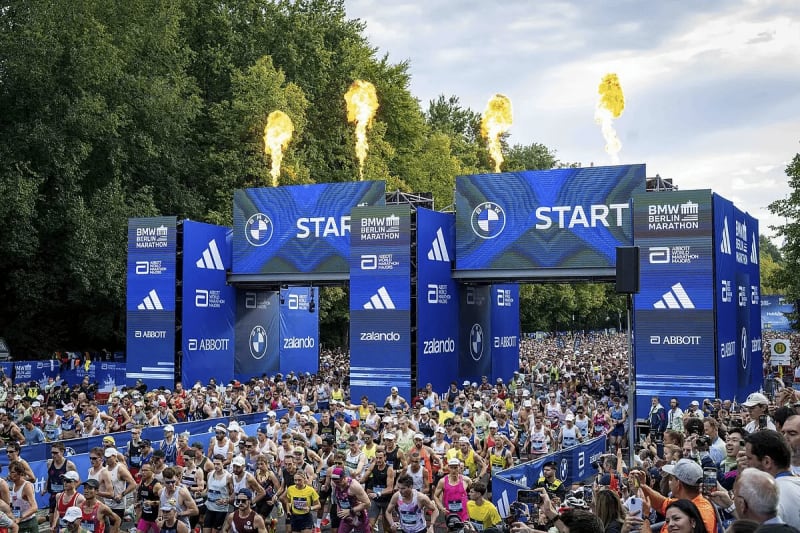
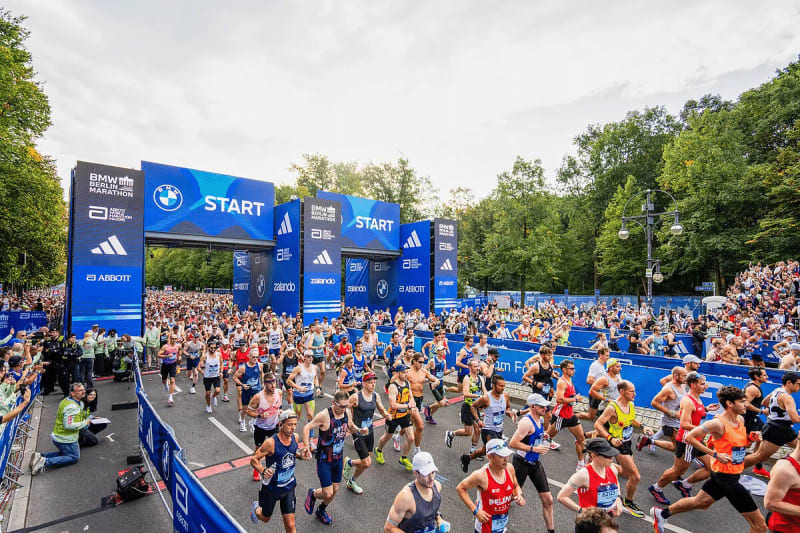
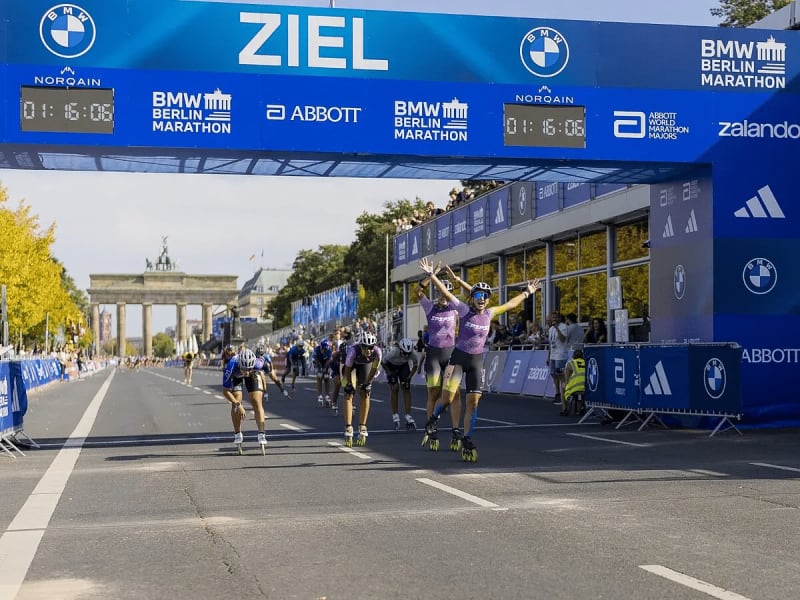
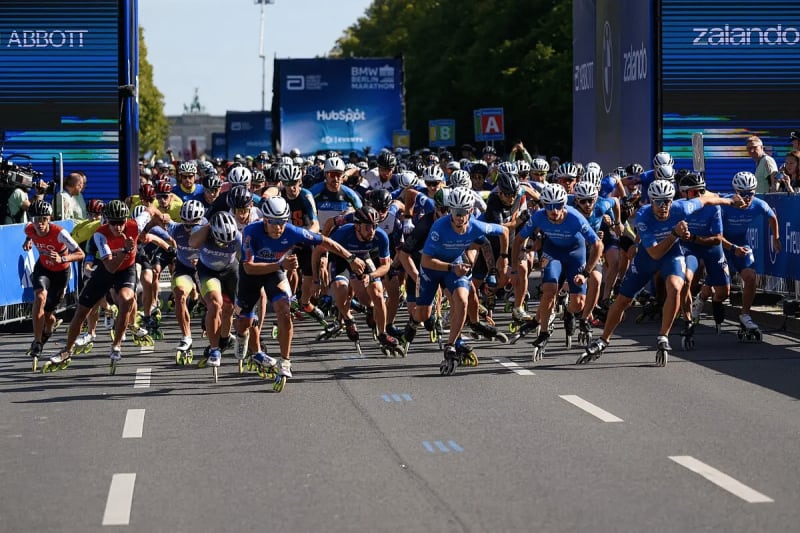
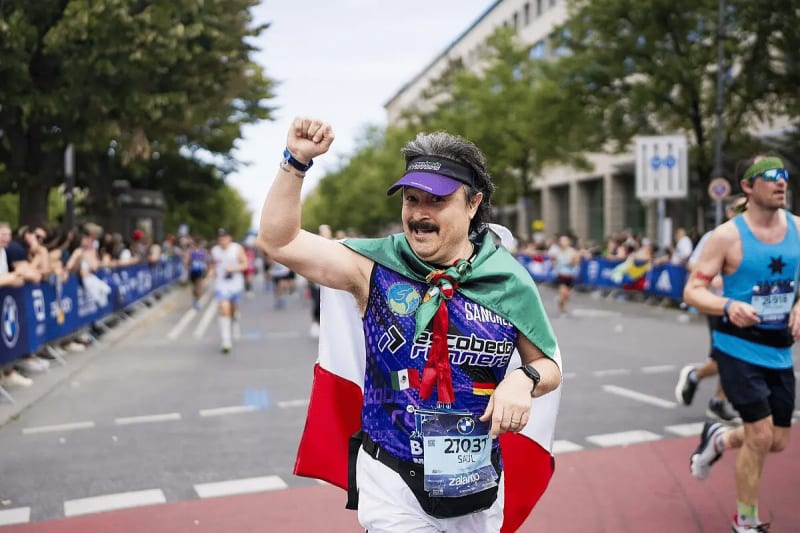
80,000 participants. The scale of the event remains impressive. Nearly 80,000 people took part across the weekend, including the marathon, inline skating, 5K, mini-marathon, wheelchair and handbike events.
49,831 finishers. In the headline event, 49,831 people completed the 42.195 km course, including 48,020 runners. The field was slightly smaller than last year’s 50th anniversary edition, but Berlin remains one of the world’s biggest marathons, alongside New York, London and Paris.
139 runners under 2:20. Despite the difficult conditions, the depth of performance remained unique: 139 runners under 2:20, nearly 2,400 under three hours, almost 7,800 under 3:20 and more than 17,000 under four hours.
5,700 volunteers. The Berlin Marathon could not take place without the invaluable support of the 5,700 volunteers deployed across the event over four days.
 © SCC EVENTS
 © SCC EVENTS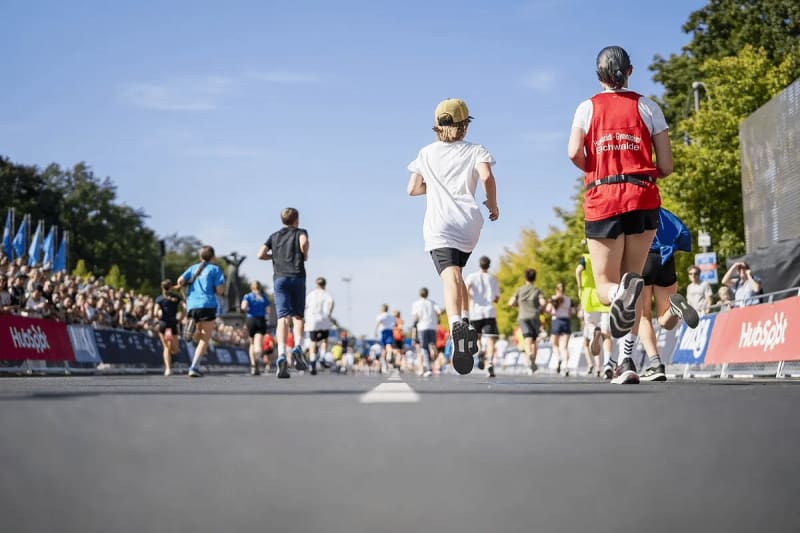
 © SCC EVENTS
 © SCC EVENTS
 © SCC EVENTS
 © SCC EVENTS
 © SCC EVENTS
 © SCC EVENTS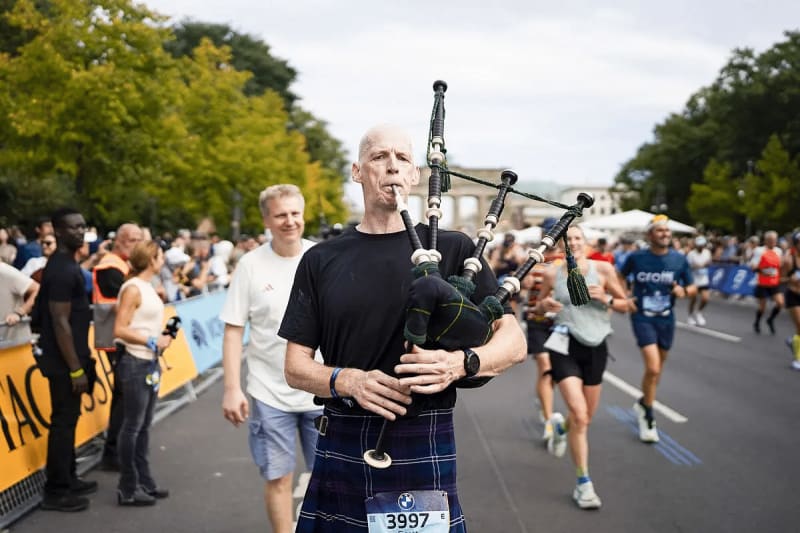
 © SCC EVENTS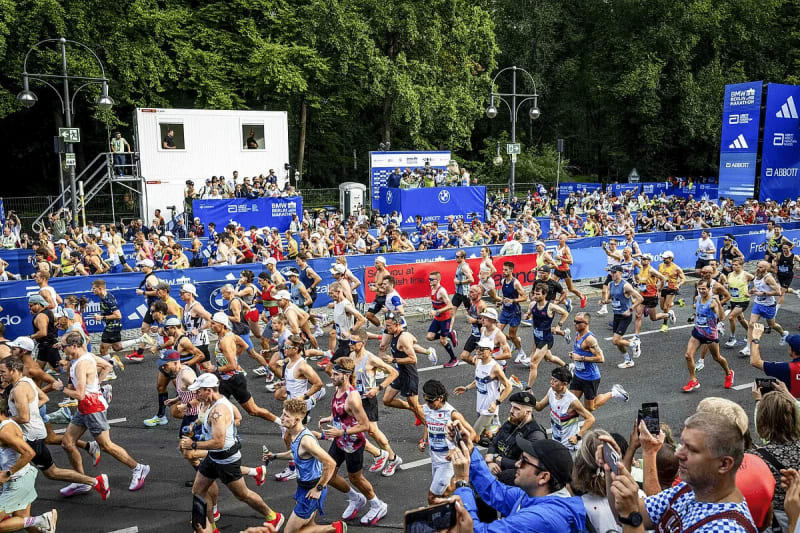
 © SCC EVENTS
2:59:13. Singer Harry Styles impressed by running the Berlin Marathon in 2:59:13. He had hoped to go unnoticed, but his performance inevitably caught the crowd’s attention. After running the Tokyo Marathon earlier in the year, he finally broke the mythical three-hour barrier, a genuine achievement in running.
A historic heatwave
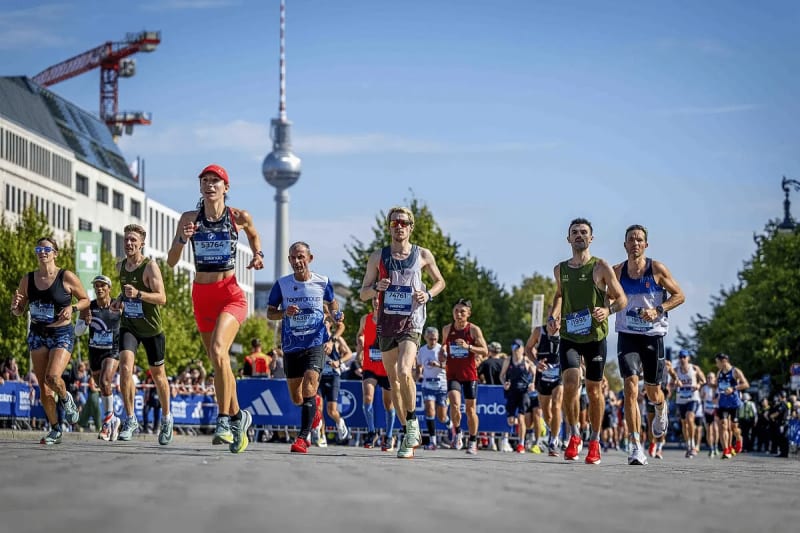
27.6°C. The thermometer climbed on Sunday, September 21, with temperatures reaching 27.6°C in the afternoon. The heat had a major effect on performances all along the course, forcing runners to slow their pace. This was simply the hottest Berlin Marathon in history, surpassing the 2009 edition, when temperatures reached 25°C.
12.9% did not finish. In the suffocating heat, the gap between entrants (55,146) and finishers (48,020) was one of the largest in the race’s history, with the non-finish rate approaching 12.9%.
A strong international and female presence
35.6%. More and more women are taking to the start line, and the Berlin Marathon is a perfect example. The 2025 field was historic, with women accounting for 35.6% of finishers, up 1.4 percentage points on 2024. Among runners aged 26 to 30, the female share came close to 45%: the field is getting younger and more female at an accelerating rate.
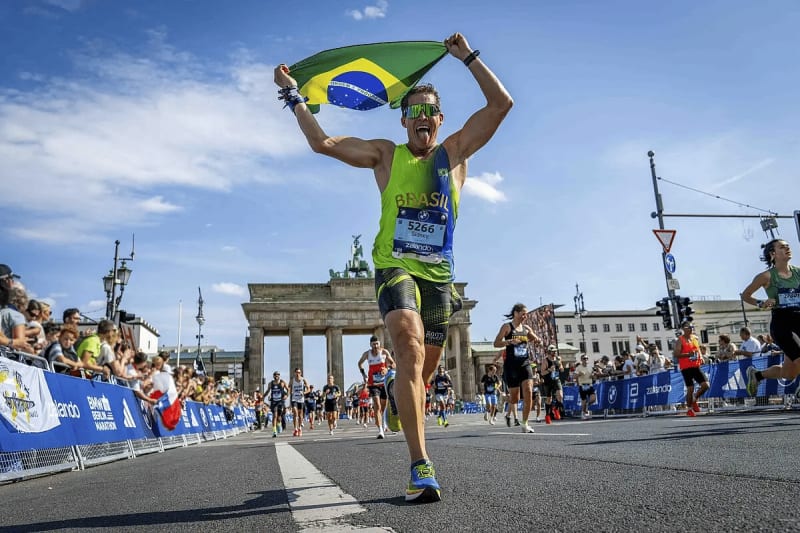
7,680. Behind Germany, which had 24,259 finishers, the USA was the most represented nation at this year’s race, with 7,680 finishers. Next came the United Kingdom (3,792), Mexico and Brazil, followed by France with 1,705 finishers, just ahead of Italy.
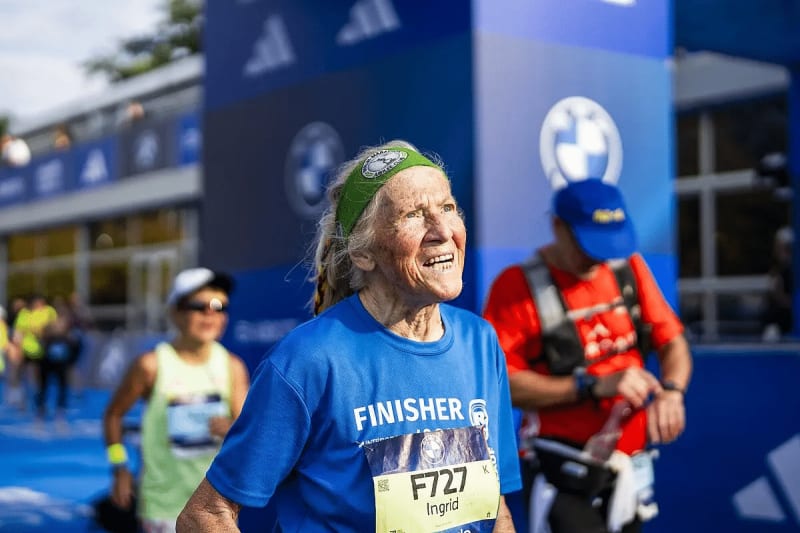
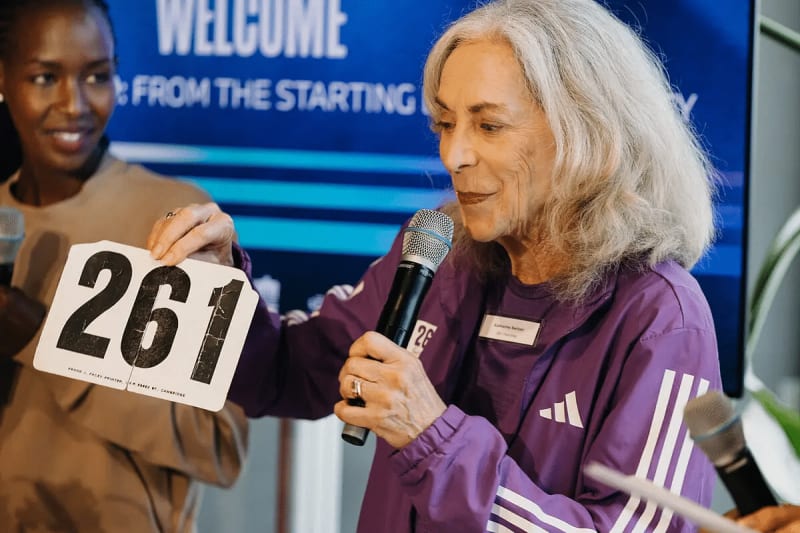
80 years old. There is no age limit on running. That was one lesson from this historic race, with 16 finishers aged over 80. The legendary Berlin Marathon continues to appeal to every generation.
 © SCC EVENTS
 © SCC EVENTS
 © SCC EVENTS
 © SCC EVENTS
 © SCC EVENTS
In the end, Berlin 2025 was a one-of-a-kind edition: exceptionally hot, demanding, but every bit as legendary. World-class performances, a huge turnout, a mass celebration powered by thousands of volunteers, and that unmistakable Berlin feeling of never running alone. It is tempting to dream of cooler conditions next year. After seeing what Sawe managed in 2:02:16 in temperatures close to 27°C, it is becoming harder to imagine the world record, and perhaps even the two-hour barrier, standing for much longer. The date is set: September 27, 2026, for the 52nd Berlin Marathon.