 © Toronto TCS Waterfront Marathon
How to Register for the Toronto Marathon?
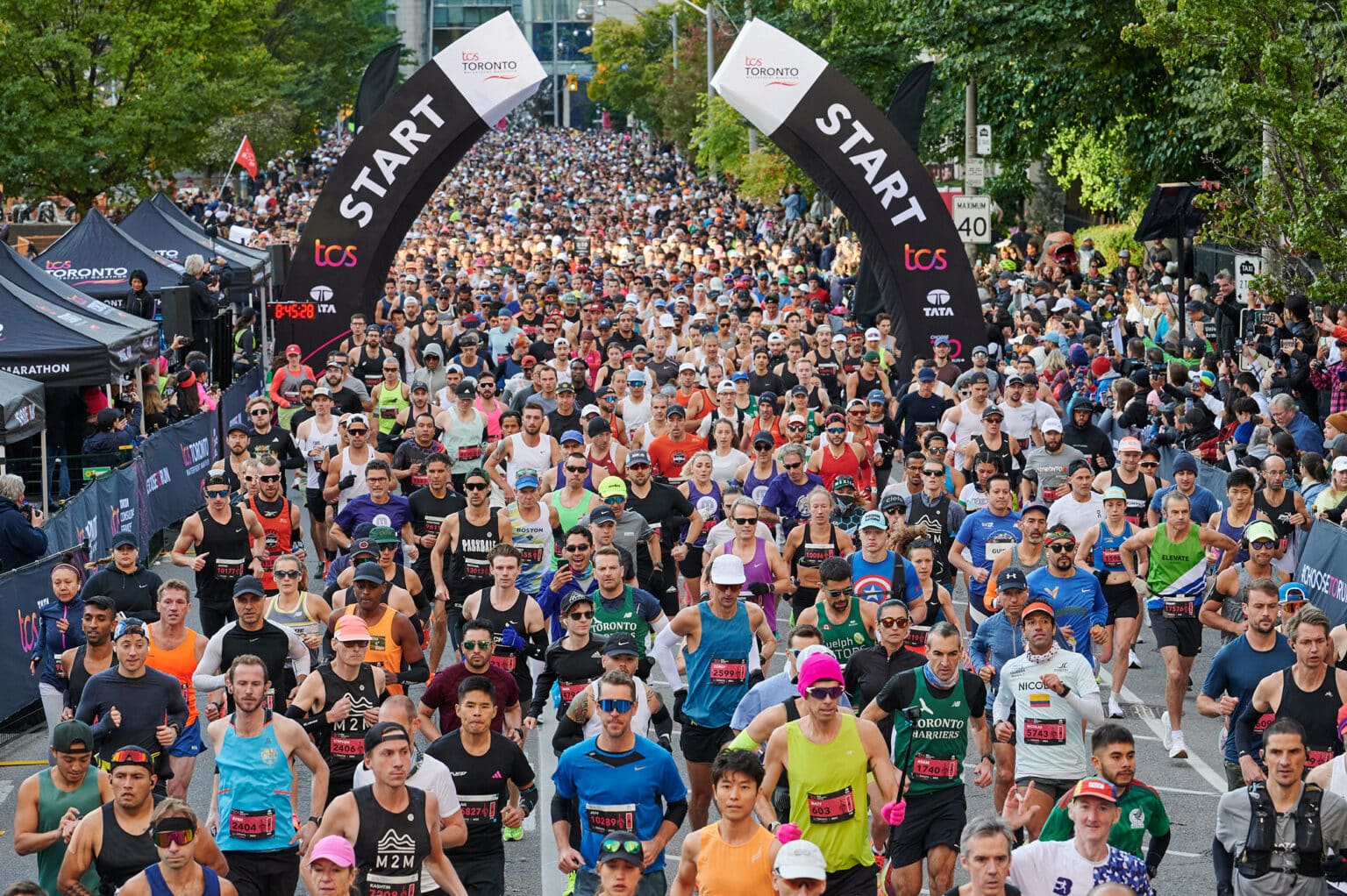
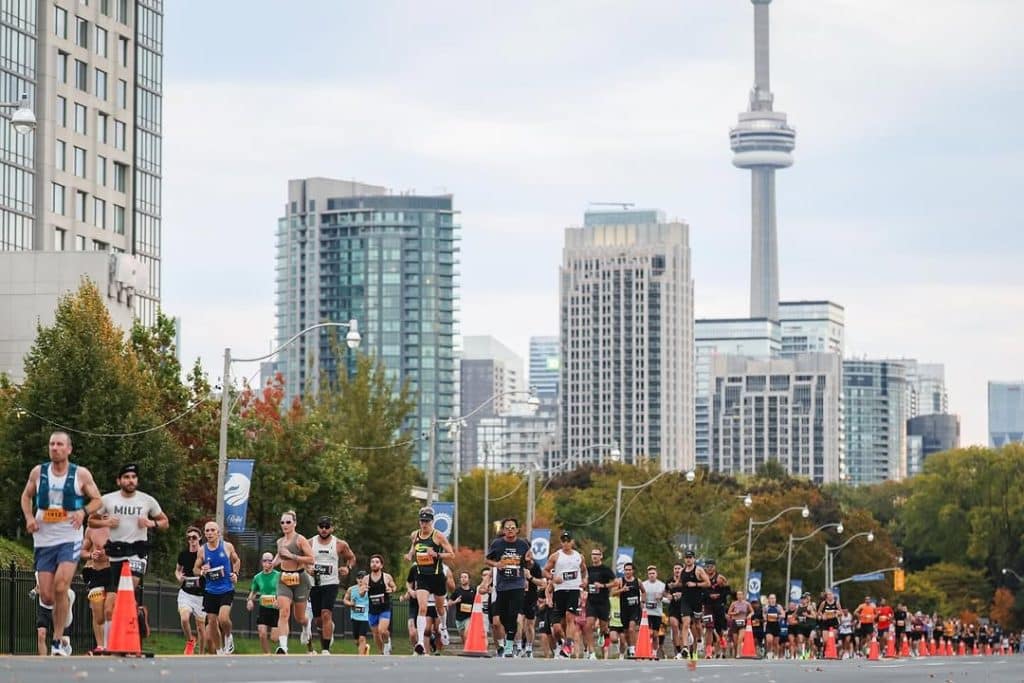
Held in mid-October along the shores of Lake Ontario, the TCS Toronto Waterfront Marathon has established itself as one of Canada’s premier running events. A fast course, festive atmosphere, and flawless organization attract thousands of runners every year—whether they’re chasing a personal best or enjoying a running-focused trip to Canada. In 2025, more than 31,000 participants lined up across all races, and the event sold out months in advance. More accessible than neighboring World Marathon Majors, the Toronto Marathon is clearly gaining momentum across North America. So how do you register for the 2026 edition? Here’s everything you need to know.
| Registration: First Come, First Served
Unlike Chicago or New York, there is no lottery in Toronto. The TCS Toronto Waterfront Marathon operates on a first come, first served basis for all distances: 5 km, half marathon, and marathon.
Registration is completed online via the organizer’s website using the Race Roster platform. In 2025, both the half marathon and the marathon were nearly sold out by June, and the 5 km filled up just weeks before race weekend. Demand is expected to be even higher for 2026—if you want a bib, don’t wait.
2026 race dates:
➜ 5 km: Saturday, October 17, 2026
➜ Marathon & Half Marathon: Sunday, October 18, 2026
Participant caps:
➜ Marathon: 9,500 runners
➜ Half Marathon: 12,500 runners
➜ 5 km: 8,000 runners
| How Much Does a Bib Cost for the Toronto Waterfront Marathon?
For 2026, the announced public prices are:
Marathon: 190 CAD (approx. €117)
Half Marathon: 150 CAD (approx. €92)
An early bird rate is available when registration opens, valid until November 4. After that, prices increase in tiers. The later you register, the more you pay—and the greater the risk that your distance sells out. Updated pricing details are always available on the official race website.
Note: There is no waiting list for the marathon or half marathon. Once a race is full, registration is closed.
| How to Register for the Half Marathon and 5 km
The half marathon and 5 km follow the same registration system as the marathon: first come, first served.
Half Marathon: up to 12,500 runners, time limit: 3 hours 30 minutes
5 km: capped at 8,000 runners, time limit: 1 hour 20 minutes
Marathon and half marathon runners start at the same time and share the course for a long stretch before splitting in downtown Toronto shortly after kilometer 20.
Aid stations are provided every 3 kilometers, offering water, sports drinks, and even energy gels. Nordic walking poles are permitted on all distances, while strollers are allowed only in the 5 km.
Toronto is therefore an accessible, well-marked race, suitable for all levels—from first-time runners to seasoned athletes chasing fast times.
| Travel Agencies: Combining Marathon and Tourism
Some tour operators offer all-inclusive packages to help runners enjoy a stress-free Canadian experience. These packages may include flights, accommodation, race bibs, and sightseeing—such as trips to Niagara Falls. This option is ideal if you want to combine the marathon with tourism and avoid logistical hassles.
| Bib Transfers: A Major Safety Net
One of the standout advantages of the Toronto Marathon is its bib transfer policy. Through the Race Roster platform, participants can transfer their registration or change distance up to three days before race day.
Transfers are secure and fully online—an invaluable safety net in case of injury or unexpected changes. Each bib can only be transferred once, and only to the same distance if that race is already sold out. If races are not full, runners may even switch distances (for example, from marathon to half marathon).
The organization is clear: only transfers made through the official platform are valid. Any unofficial exchange may result in a non-recognized bib.
In short: you can secure a bib early in the year and adjust or transfer later if needed—a huge plus for runners planning their season well in advance.
| Elite / Sub-Elite Status: Who Is Eligible?
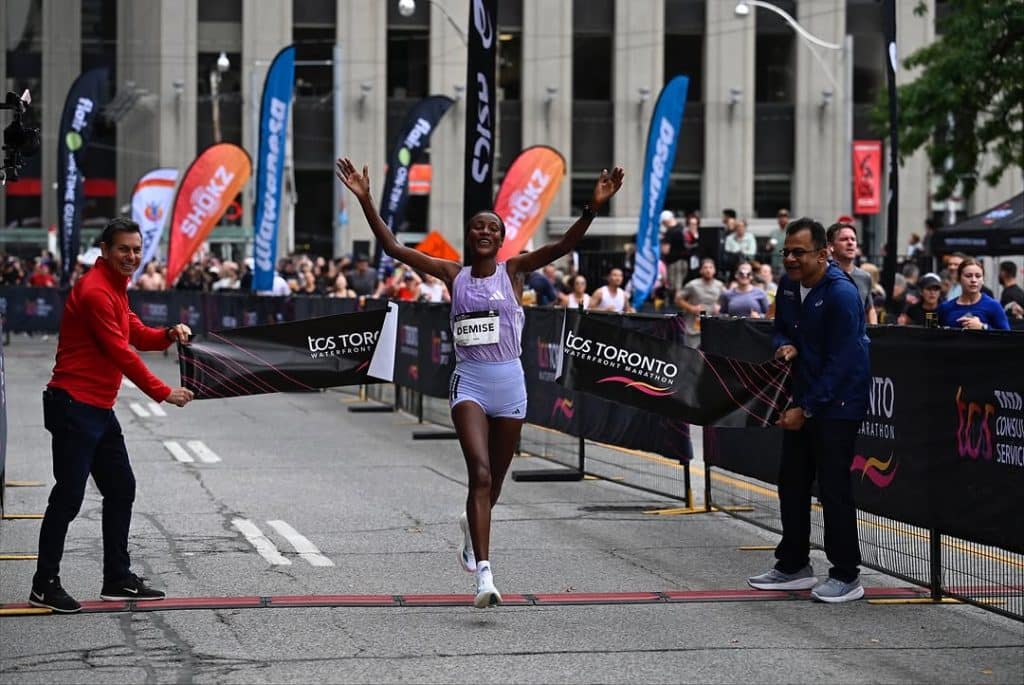
Toronto is also a major stage for elite athletes. The race holds a World Athletics Elite Label and features strong international fields each year, particularly from East Africa.
Course records:
Men: 2:05:00 – Philemon Rono (Kenya, 2019)
Women: 2:20:44 – Ethiopia (2024)
To apply for elite status, the race defines several categories (A, B, and Masters) with qualifying standards:
Men’s standards
➜ A: 2:10:00 (marathon) / 1:03:00 (half)
➜ B: 2:21:00 / 1:08:00
➜ Masters (40+): 2:25:00 / 1:09:30
Women’s standards
➜ A: 2:27:00 (marathon) / 1:10:30 (half)
➜ B: 2:45:00 / 1:19:00
➜ Masters (40+): 2:50:00 / 1:21:30
Key Facts – Toronto Marathon 2026
- Date: Sunday, October 18, 2026
- Participants: Around 30,000 runners expected (all distances combined)
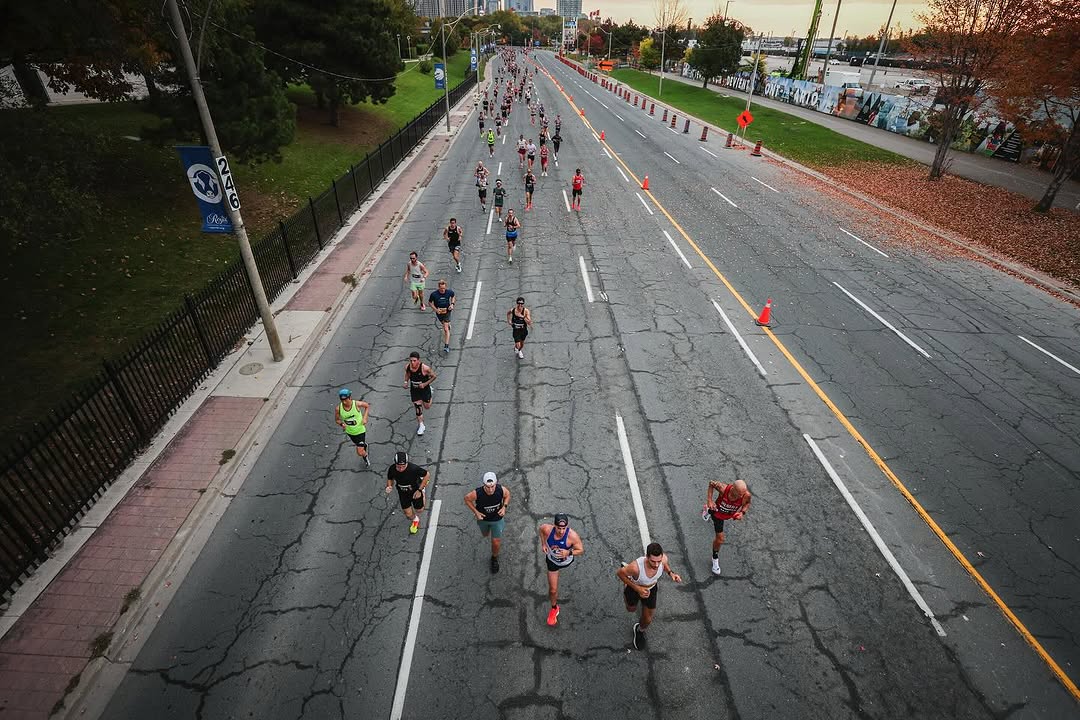
- Total elevation gain (marathon): 138 m (PB course)
- Total elevation gain (half): 76 m (PB course)
- Average temperature: 10–15°C (50–59°F)
- Goal: A fast course ideal for personal bests
- Price: From €92 depending on distance and registration date
| A Meticulously Organized Event
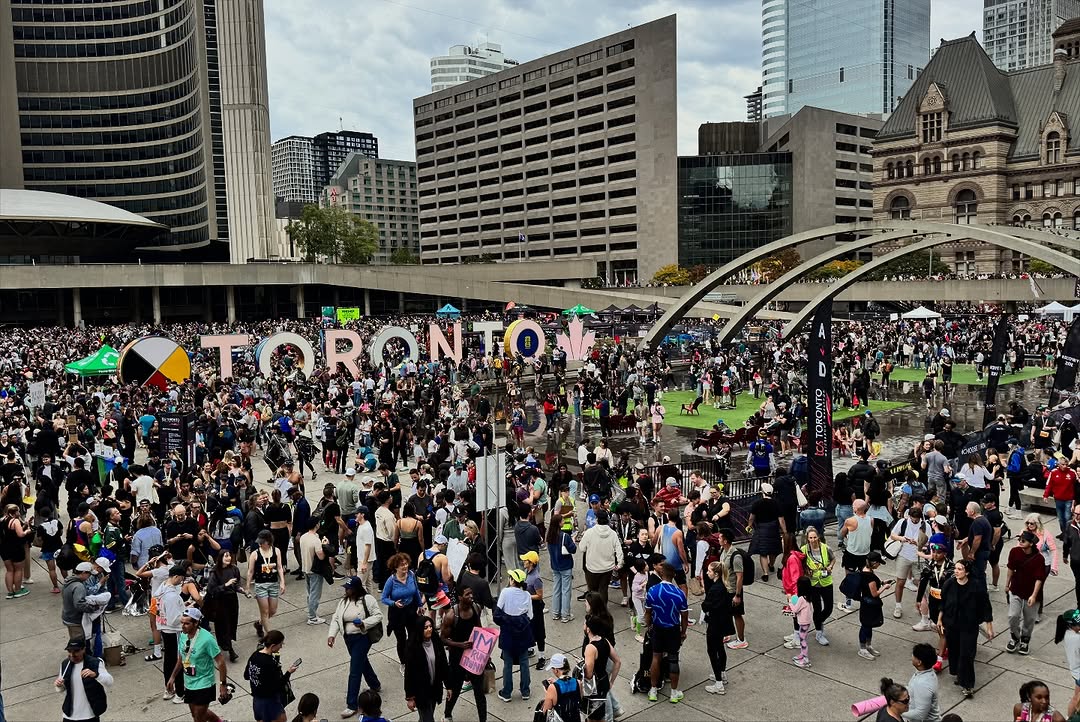
Beyond race day, the Toronto Marathon weekend is a true running festival. The expo, held downtown at the Enercare Centre, spans two days and features equipment brands, nutrition companies, and talks with special guests. Entry is free, and most runners attend to pick up their bibs and explore the latest innovations.
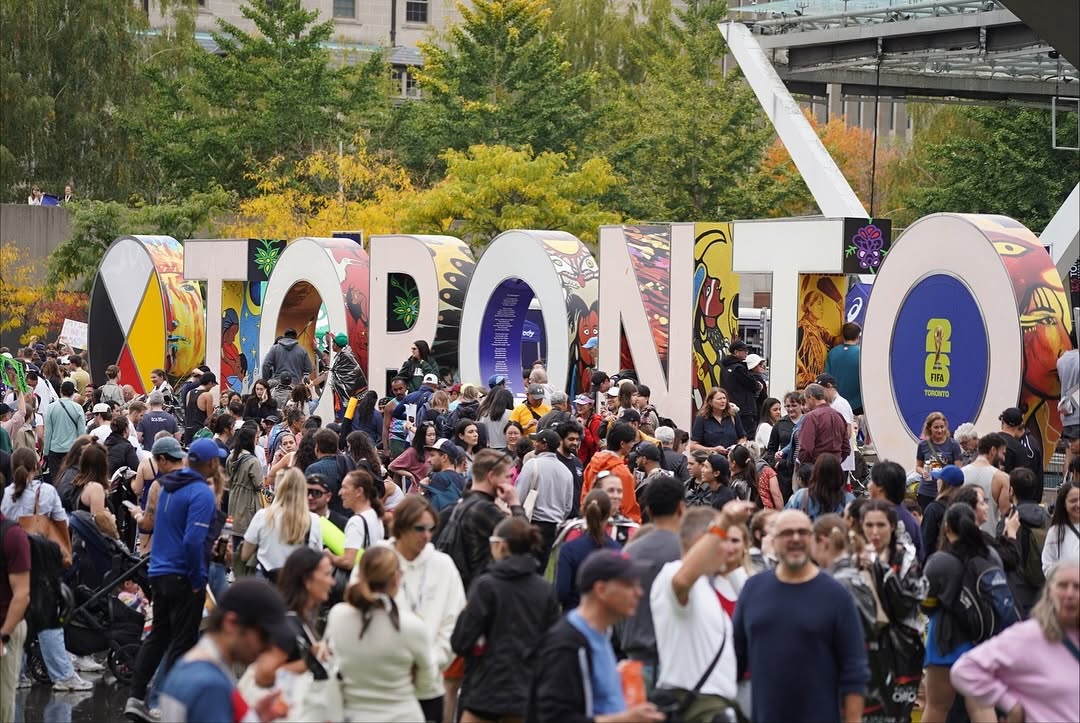
On race day, aid stations are plentiful and well-spaced. Medical support is overseen by Odyssey Medical across the entire course, while The Running Physio provides post-race care in dedicated tents at Nathan Phillips Square, the post-race village.
Toronto delivers a complete, carefully planned experience, allowing runners to focus solely on their race.
| The Largest Marathon in Canada
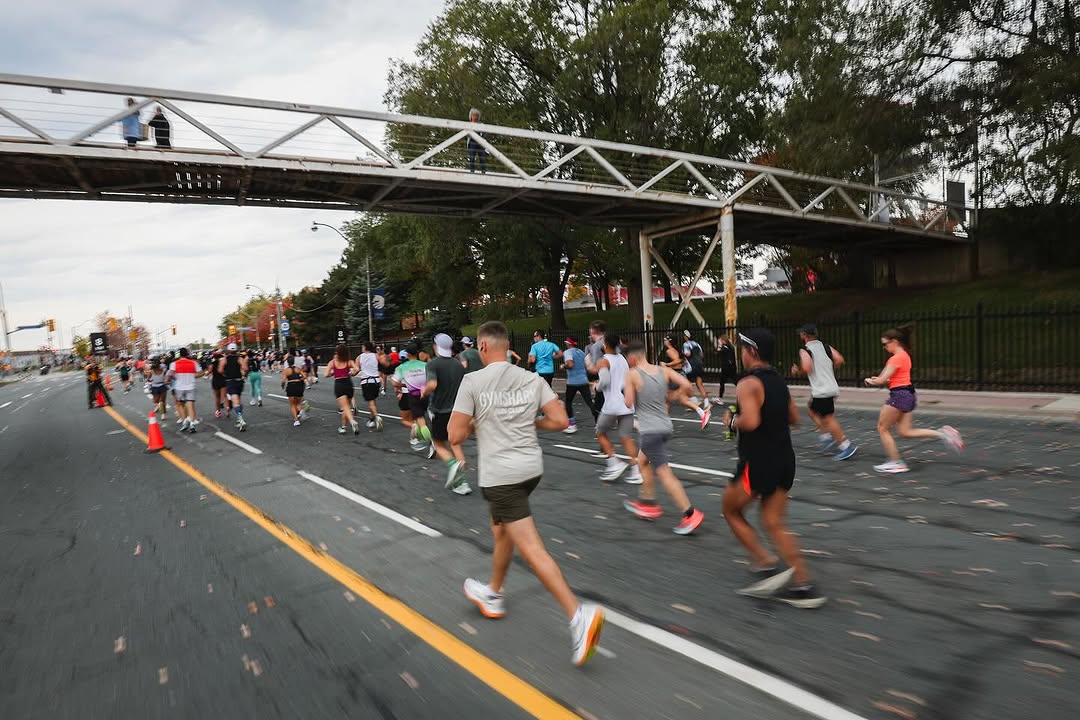
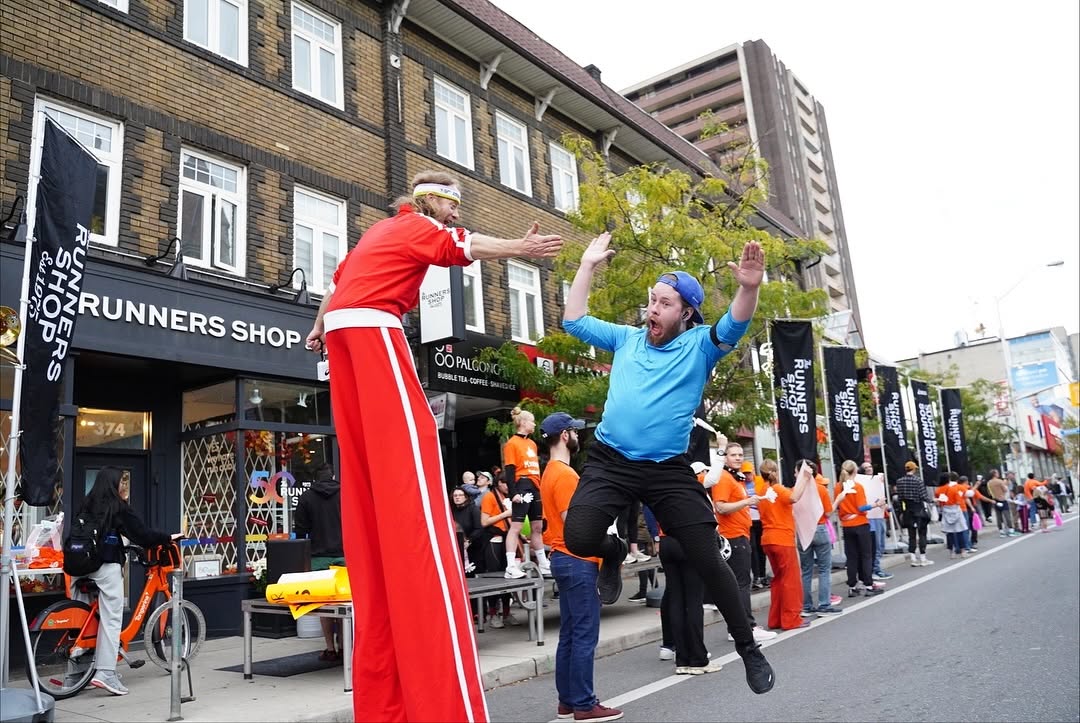
The 2025 edition confirmed Toronto’s status as one of the key autumn races on the international calendar. With over 31,000 participants, all races sold out months in advance. The atmosphere was electric, thanks to 35 cheering zones along the course—an all-time record in Canada—turning the marathon into a true city-wide celebration.
The economic impact is equally impressive: the 2024 edition generated over $50 million in economic activity across Ontario and added more than $23 million to Toronto’s GDP. With 66,000 visitors traveling specifically for the event, the marathon extends far beyond sport and energizes the entire city.
If you’re looking for a fast, well-organized marathon in a major North American city—with a huge atmosphere but without the lottery and logistical complexity of the Majors—Toronto should be high on your list.
✔ Find all registration details for the Toronto Marathon
Clément LABORIEUX
Journalist