
Paris Marathon: 10 mistakes to avoid before race day
 © ASO
© ASOEvery year, tens of thousands of runners line up for the Paris Marathon with one goal in mind: to finish, enjoy the experience, perform, or simply take it all in. But with only a few days to go, things can still unravel. The mistakes made before the Paris Marathon are often the most underestimated. One extra session, a poor logistical decision or a last-minute experiment can undo months of preparation within the first few kilometres. Rest assured, you’re not alone. Beginners and experienced runners alike regularly fall into the same traps, often through stress, excitement or overconfidence. The good news is that these mistakes are avoidable.
✓ Here are the 10 mistakes you absolutely need to avoid in the days before the Paris Marathon, so you reach the start line calm, ready and free of regrets.
1. Doing too much in your final training sessions
This is without a doubt one of the biggest mistakes runners make before a marathon. Adding a hard session or extending a long run is how many fall into the trap of trying to reassure themselves. In reality, it’s already too late. If you haven’t taken your preparation seriously enough and feel underprepared, there’s no point trying to cram in more training. Not only do you risk getting injured, but that extra session won’t make you any stronger. If you’re worried despite having followed a solid plan, trust yourself and stick with it to the end. During the final week before a marathon, it’s important to keep a little quality in your training while reducing the volume. Short easy runs and a few brief efforts will help you arrive at the Paris Marathon start line feeling fresh and ready.
2. Trying out new kit
Whether it’s a recent online or in-store purchase, or a new pair of shoes that caught your eye at the Paris Marathon’s Run Experience, race day is no time to test new kit. Brand-new shoes, an untested outfit or “technical” socks bought at the last minute are all off the table when you’re lining up for 42.195 km. Blisters, chafing and discomfort can range from a minor annoyance to a race-ending problem. Paris Marathon race day is not a testing ground. Your final long runs and specific sessions should give you the chance to test everything you plan to wear and use.
3. Changing your diet at the last minute
Have you just come across a nutrition tip or a “special marathon” menu? Poorly managed last-minute changes can quickly turn into a digestive nightmare. Bloating, stomach trouble, a heavy feeling, or even an urgent toilet stop on race day: the perfect recipe for derailing your race. Radically changing your diet in the days before a marathon is clearly not advisable. If you want to optimise your pre-race nutrition, stick to familiar, simple and effective habits. Choose foods you know you tolerate well, spread your carbohydrate intake over several days without overdoing it, and limit fibre, alcohol and spicy food during the final two days.
 © ASO
© ASO4. Neglecting your sleep
Whether it’s your first Paris Marathon or you’re a regular on the Parisian course, lining up for a marathon brings stress. As race day approaches, the excitement builds. Between the nerves, logistics and anticipation, nights can become restless. A poor night’s sleep before the race isn’t a disaster, but building up fatigue throughout the week is more serious. Make the most of your final nights, especially three and two nights before the race. Limit screen time late in the evening, give yourself time to wind down after a busy day at work, and accept that your final night may not be your best night’s sleep.
5. Underestimating Parisian logistics
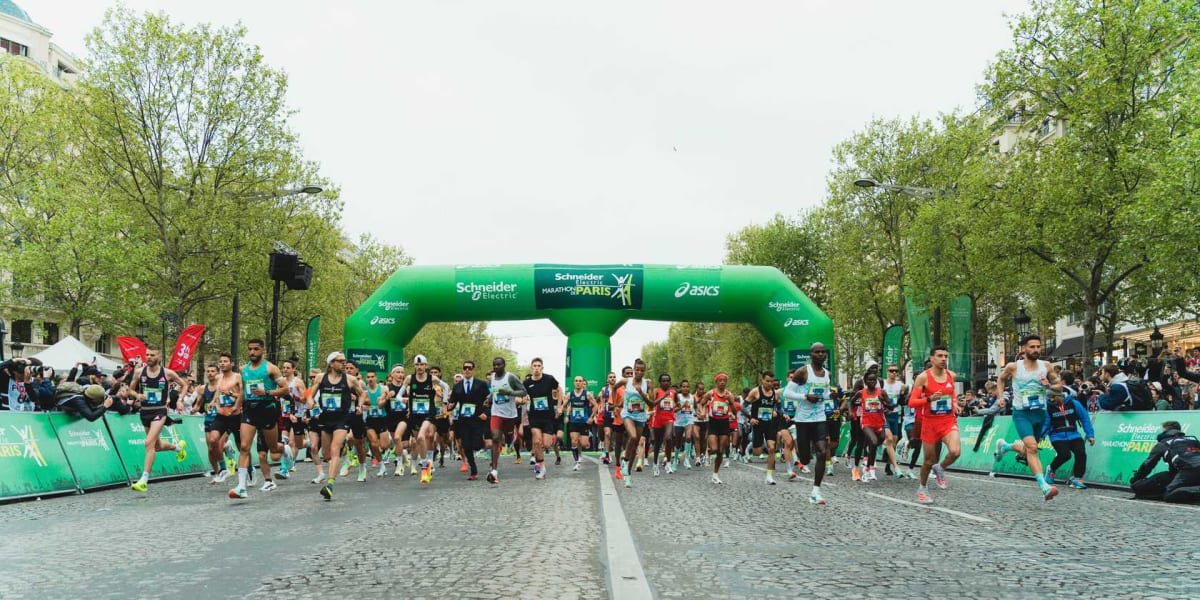
With 60,000 runners and at least as many spectators, the Paris Marathon is one of the biggest marathons on the planet. Starting on the Champs-Élysées is a dream, but it takes some planning. This international event is a huge logistical operation, and it’s easy to assume everything will run smoothly. To avoid arriving out of breath before the race has even started, plan your journey carefully. Public transport will be disrupted, metro stations will be packed, and you’ll have security checks and walks to the corrals to deal with. Even the smallest unexpected delay can add stress. Allow more travel time than you think you’ll need, aim to reach the start area at least 45 minutes to an hour early, and bring clothing suitable for waiting around.
6. Mishandling bib collection
The Run Experience, the Paris Marathon’s race expo and one of the biggest running expos around, is an essential part of the event. It’s a must, often exciting, but it can also catch you out. The expo is an energy drain: crowds, lots of walking, noise and constant distractions. Some runners spend several hours there the day before the race, trying products, standing around or queuing. The result is predictable: accumulated fatigue, heavy legs and sometimes even sore muscles that same evening. Of course, it’s hard to resist the experience, but here are a few good habits to keep in mind:
Go early in the weekend if possible
Limit the time you spend there
Avoid trying anything new, whether nutrition or equipment
 © ASO
© ASO7. Ignoring the Paris weather
In April, don’t put away your layers just yet. The weather at this time of year can be highly unpredictable. Some editions of the Paris Marathon have been hot, while others have been bitterly cold. Temperatures, rain, wind and other weather conditions can have a clear impact on your race. A common mistake among Paris Marathon runners is getting their kit wrong. With only a few days to go, the forecast will become more reliable. Keep an eye on the latest updates so you can adapt your packing and race-day outfit. Plan an outfit you’ve tested in training in different conditions, and bring an old layer you can discard at the start. The organisers collect these clothes after the race. Remember this rule: too many layers and you’ll overheat by the 10th kilometre; too few and you’ll be uncomfortable, with tight muscles from the start.
8. Failing to prepare for the course
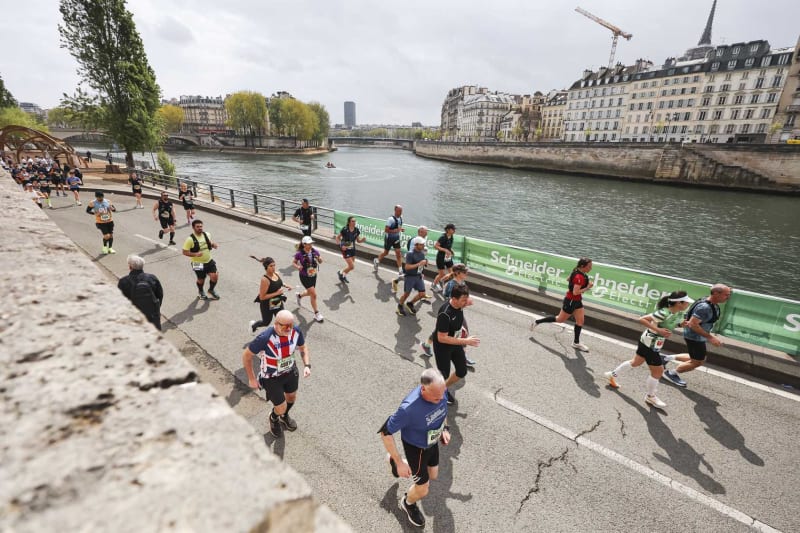
The Paris Marathon is often described as a fast course. That’s true, but it’s not quite that simple. There are a few traps along the way: rolling sections, tunnels beside the Seine, cobbled stretches and a tougher-than-it-looks finish. As a result, many runners get caught out, especially if they start too fast. Without a clear picture of the course, you risk being dictated to by these changes instead of managing them. Take the time to study the route beforehand. It will help you anticipate the key moments, adjust your pace and, above all, avoid blowing up too early. On a marathon, pacing is everything, especially in Paris.
9. Letting stress take over
The Paris Marathon is about far more than the race itself. With the atmosphere, the crowds and the personal stakes, the pressure can rise quickly as the start approaches. A little stress is normal, but too much can work against you. Starting too fast, struggling to digest your breakfast or feeling mentally drained before the first kilometre: the effects are real. Beginner or experienced runner, no one is entirely immune. The goal isn’t to eliminate stress, but to channel it. Rely on your usual routines, visualise your race and accept that some uncertainty is part of the deal. Arriving at the start line with a clear head already puts you in the best possible position.
10. Changing your strategy at the last minute
In the days before the Paris Marathon, advice comes from everywhere. At the expo, on social media and from other runners, it’s hard not to start second-guessing yourself. That’s when the mistake happens: changing your goal, pace or strategy at the last minute. In a marathon, those changes often come at a high price. Your plan was built over several weeks around your fitness and preparation. Changing it two or one days before the race means stepping outside a framework you know and understand. Keep it simple: trust the work you’ve done. Race day is not the time to improvise, but to execute.
The Paris Marathon is decided as much by your legs as by the details you get right in the final days. With the start approaching, this is no longer the time to do more, but to do the right things. Stay true to your preparation, avoid these traps and arrive at the start line with one thing in mind: enjoy the experience and give it your best.