
Paris Marathon: 5 little-known stories from France’s most iconic running event
 © ASO
© ASOThe Schneider Electric Marathon de Paris returns on April 12 for its 49th edition. In almost half a century, the race has grown into one of the biggest events in global running, picking up plenty of stories along the way.
The magic of Paris. The French capital has a way of casting a spell. Foreign visitors admire it, Parisians adore it, and lovers turn it into a refuge... Runners see it as something special too. In 2023, more than 60% of participants came from abroad, making the Paris Marathon one of the most international events in the world, with 145 nationalities on the start line. Since the race was first held in 1976, its popularity has continued to grow. Back then, around a hundred participants tackled a course through the Bois de Boulogne. Today, there are more than 55,000. Marathons.com looks back at five stories from the history of the Paris Marathon.
1. The Paris Marathon and its first winner
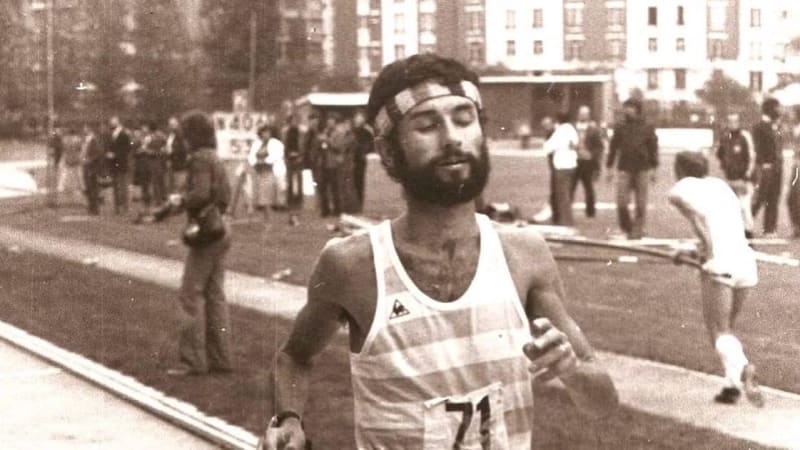
The first story is not really an anecdote at all. You may never have heard of him, but his name is part of the race’s history as its first winner on September 18, 1976: Jean-Pierre Eudier. At the time, the young Sorbonne student was one of those strange young athletes still eyed suspiciously by passers-by, back when running remained a niche pursuit. Eudier ran the first Paris Marathon in 2:20:57, an astonishing time for an amateur in those days. The race took place entirely in the Bois de Boulogne. Since then, the Paris Marathon course has changed considerably, and it is clearly part of the race’s appeal. Runners now pass the Eiffel Tower, the Palais Garnier, Place de la Bastille, the Bois de Vincennes and plenty of other Parisian landmarks.
A start... in the Bois de Vincennes. The first marathon did not start on the Champs-Élysées as it does today. Runners set off from the Bois de Vincennes, following a very different route in a far more intimate atmosphere than the one seen today.
2. Bib number 1 decided by lottery
 © STADION-ACTU
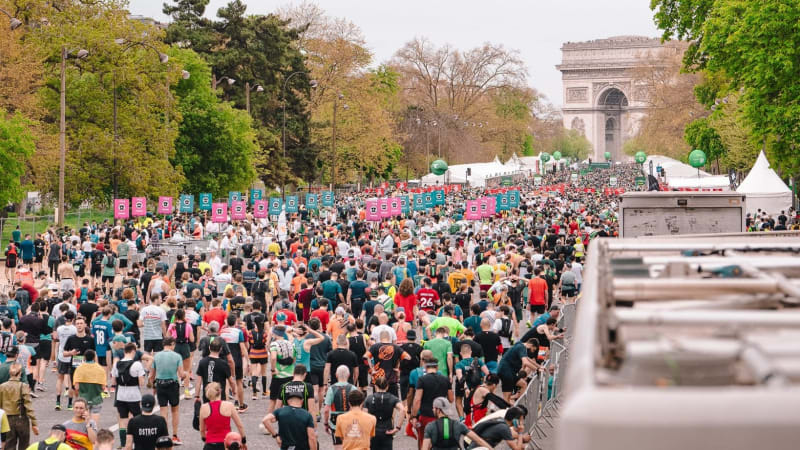
Amateur runners are the soul of the marathon. They give the event its unique, celebratory character. Awarding bib number 1 to one of them is a way of putting them in the spotlight. Unlike most major international marathons, where bib number 1 is usually reserved for an elite athlete, the Marathon de Paris has chosen a different approach. For several years now, the coveted number 1 has gone to an anonymous runner drawn at random from the 55,000 participants. Amateur runners are the soul of the marathon. They give the event its unique, celebratory character. Awarding them bib number 1 is a way of honouring them. The winner is informed a few weeks before race day and becomes the event’s symbolic ambassador.
3. 2017: a victory for love
In 2017, the Paris Marathon produced a historic result: Kenyan couple Paul Lonyangata and Purity Rionoripo won the men’s and women’s races, creating a unique moment in the event’s history. That day, Paul Lonyangata, then 24, dominated the men’s race in an impressive 2:06:10, a performance that placed him among the world’s best marathoners at the time. Purity Rionoripo was equally outstanding, finishing in 2:20:55. It isn’t only taurine-infused energy drinks that give you wings.
4. Paris after Athens
 © STADION-ACTU
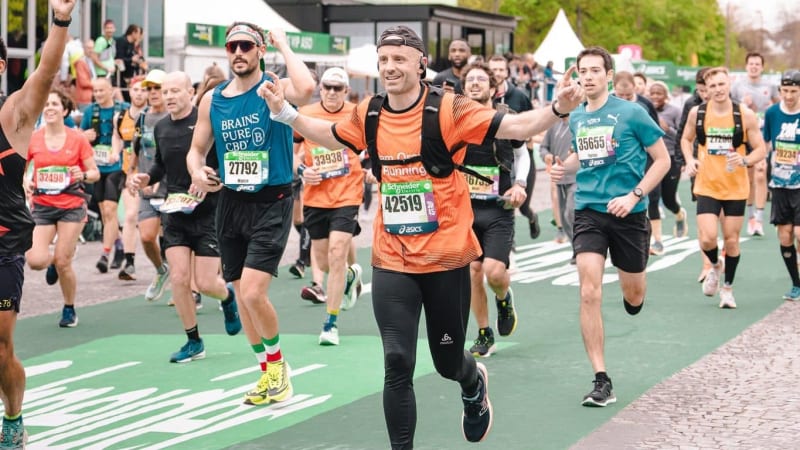
There was a Paris Marathon before the event we know today... A precursor organised at the initiative of Le Petit Journal, a Parisian daily newspaper of the time. In 1896, just a few days after the first Olympic Games of the modern era, a marathon was held in Paris. On July 19, a race set off from Porte Maillot and headed to Conflans in the Yvelines. The winner? Britain’s Len Hurst, who completed the course in 2:31:30. The fact that Frenchman Pierre de Coubertin was president of the International Olympic Committee at the time must have played a part in organising this Paris race so soon after Athens. The enthusiasm sparked by the first Olympic Games in Greece was still running high. Another Paris marathon would not be held until 1976.
5. A medal packed with subtle symbols
 © photo credit
 © photo credit
 © photo credit
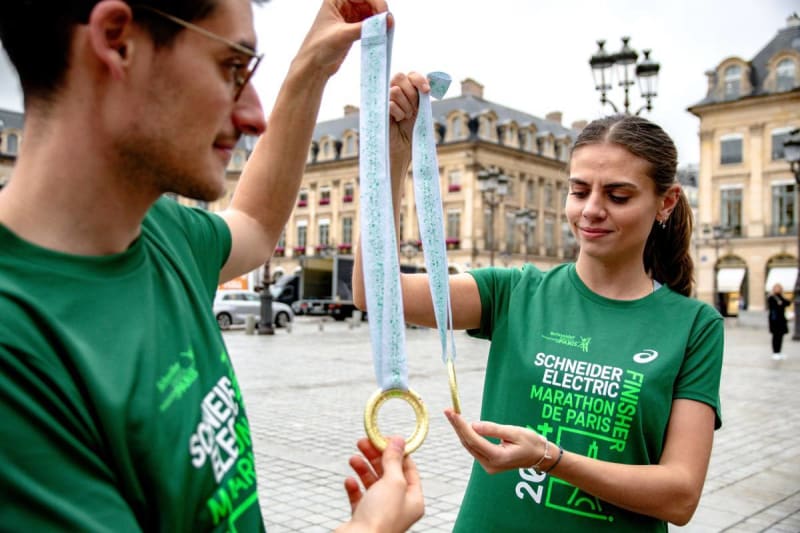
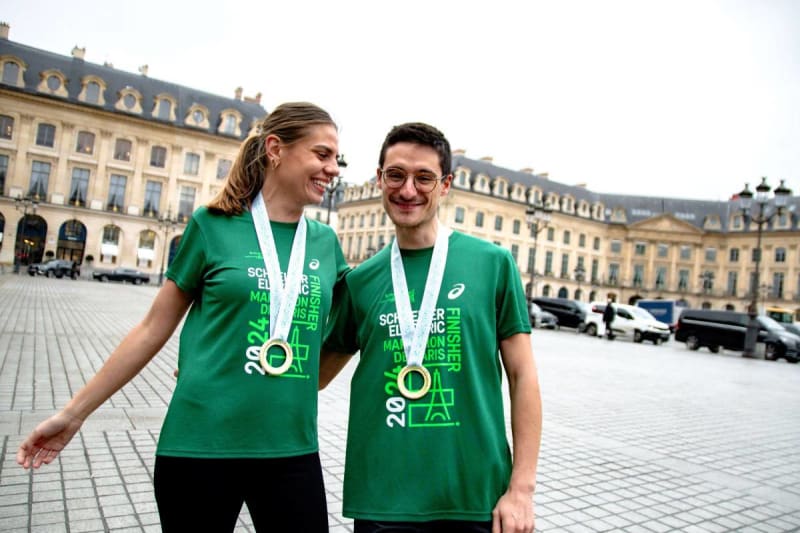
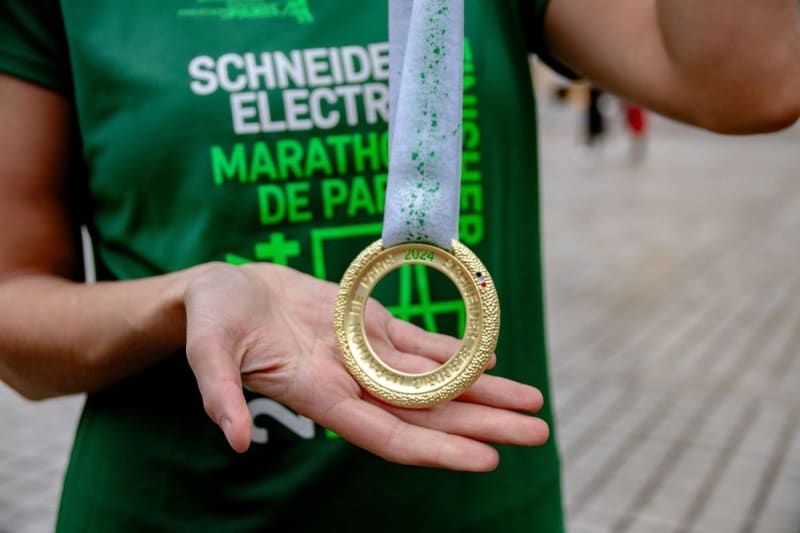
Every year, the Paris Marathon finisher medal features details linked to the French capital: a miniature Eiffel Tower, a subtle reference to the Seine or an inspirational quote. Organisers sometimes even add a nod to the event’s history or to a prominent figure from the world of sport.
Want more? The Paris Marathon draws a cosmopolitan crowd. In 2025, runners from more than 145 different nationalities took part, placing the event among the most international in the world, just behind the New York and London marathons.