
Tokyo Marathon: How to Beat Travel Fatigue
 © Tokyo Marathon
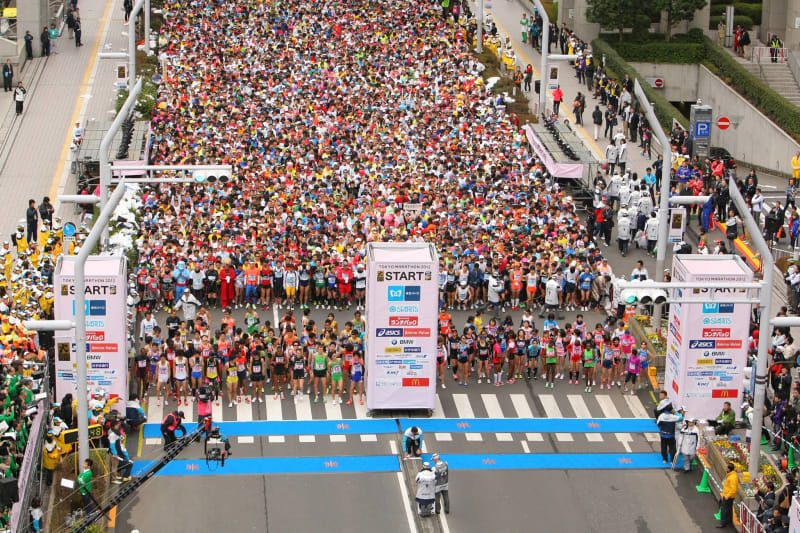
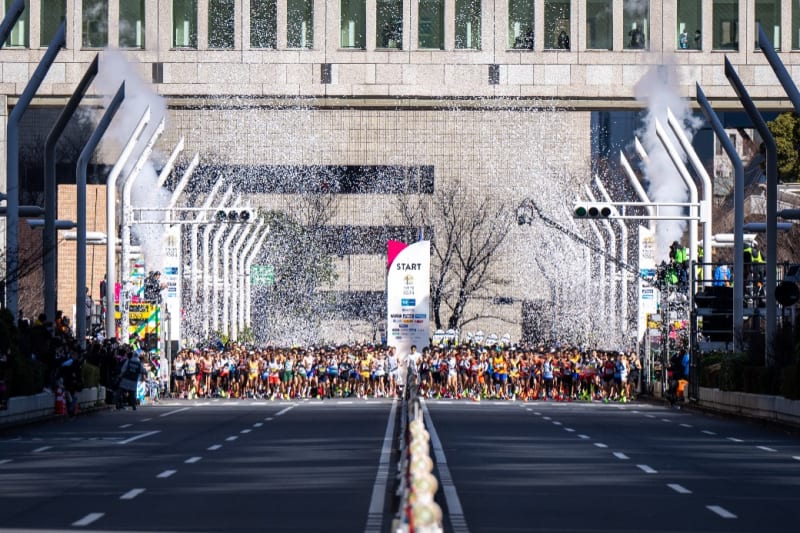
On March 1, 2026, nearly 40,000 runners will line up in front of the Tokyo Metropolitan Government Building for the legendary Tokyo Marathon. The Land of the Rising Sun hosts the opening race of the World Marathon Majors season in early March. With almost 300,000 entries submitted for the lottery each year, the Tokyo Marathon’s popularity continues to grow. While many runners on the start line are Japanese, plenty of others will have travelled from all over the world. For them, the journey to that start-line arch is a long one, and you may well be among them. Here’s how to manage travel fatigue, inevitable jet lag and those final days in Tokyo before race day.✓ How can you manage travel fatigue before the Tokyo Marathon?
Why travelling is so tiring before the Tokyo Marathon
For European runners, particularly those travelling from France, taking part in the Tokyo Marathon requires a fair amount of logistics. With an eight-hour time difference in winter, travelling to Tokyo creates significant fatigue before any race, and especially before a marathon. Depending on your transport options and starting point, the journey can be longer or shorter. If you’re flying from France, the “fastest” option is a direct flight from Paris. Even then, expect around 12 hours in the air.
This long-haul journey to the Japanese capital requires a marathon runner to deal with several challenges: near-inevitable dehydration, mental fatigue, muscular fatigue and general tiredness. For those who are not comfortable flying, the journey can also bring stress and anxiety. In short, travelling to Tokyo is anything but restful. When it’s a genuine sporting goal, it pays to leave nothing to chance.
When to arrive in Tokyo to limit fatigue
In 2026, the race will take place on March 1, a Sunday. The day before is usually reserved for the final logistics: collecting your bib and race pack, getting your marathon kit ready and resting as much as possible. But not everyone responds to jet lag and long-haul travel in the same way.
Arriving too late because you believe sleeping as long as possible at home will reduce fatigue is a trap to avoid whenever you have a choice. Either way, at least 12 hours of travel will inevitably take its toll. Once you arrive in Japan, your body is still running on European time. Allow at least four days to adjust to the new time zone. If your schedule and budget allow, arriving five to seven days before the start is the ideal option. That gives you enough time to adapt to Japanese time, regain good muscle function and feel physically ready again.
Unlike other international marathons such as New York or Chicago, which are held in the Americas, the Tokyo Marathon demands more adjustment time. The Japanese race starts during the biological night for a European runner, whereas that is not the case for races in the United States.
 © Tokyo Marathon
Managing jet lag before and after the flight
Reducing fatigue starts well before take-off. In the days before you leave, gradually shifting your bedtime can help soften the impact of jet lag. Obviously, it depends on your daily routine, and this strategy will not work for every lifestyle. Still, moving your sleep schedule little by little allows your body to start adapting to Japanese time.
During a long journey, it’s very easy to forget to drink or simply not drink enough. In the days before your flight, make a point of staying well hydrated. Running in the morning can also move your body clock forward, making it easier to adjust when travelling east, as on the Paris–Tokyo route. If possible, schedule your final sessions in the morning and keep that routine until the Tokyo Marathon.
Once you arrive in Tokyo, the priority is not to try to sleep off the travel fatigue immediately, but to reset your body clock as quickly as possible. After a long-haul flight east, your body is still operating on French time, with sleep and alertness signals completely out of sync. Trying to “catch up” on sleep during the first few hours is often counterproductive. Exposure to natural light as soon as you arrive sends your brain a clear signal: the day has started. It is also the most effective way to bring your body clock forward. By contrast, staying in a dark hotel room prolongs jet lag. Long naps may be tempting, but they delay falling asleep at night and slow down the adjustment process. It is better to stay awake or limit yourself to a very short nap.
Finally, switching straight to local timings for meals, outings, training and bedtime helps your body establish new reference points. Within a few days, this discipline can restore more stable sleep, steadier energy and better sensations in training. For a marathon runner, this adjustment phase is often decisive in arriving fresh and clear-headed on race day.
Running during race week: not too much, not too little
The aim in the week before the Tokyo Marathon is to let your body recover, absorb the journey and get used to Japanese time. The final sessions should combine easy aerobic running with a few short bursts of intensity, enough to maintain quality through to race day. There is no point trying to make up missed sessions from your training block. Apart from creating extra fatigue, they will not save you a few seconds on your finishing time. With travel fatigue in the mix, it becomes essential to listen to your body and stick to your training paces. These final sessions are primarily about waking the body up and stimulating it without overdoing things. Remember that the goal in the days before the Tokyo Marathon is not to chase a performance. Arriving fresh at the start gives you the best chance of having a strong race.
Food and hydration: the keys to fighting fatigue
Food and hydration play a central role in managing fatigue. They directly affect sleep quality, nervous-system recovery and how you feel in training during race week. Cabin air is relatively dry. Even without feeling thirsty, you lose a significant amount of fluid during the journey. That dehydration increases fatigue, headaches and the feeling of heavy legs. Once you arrive, drink small amounts of water regularly.
As for food, Japan offers an exceptional cuisine. However, race week is not the time to go overboard with culinary experimentation. Your body does not handle dietary changes well when it is already tired from travelling. To optimise your race and reduce the risk of digestive problems, stick to familiar foods that are easy to digest. White rice with a simple fish dish, for example, is an ideal option. Be careful with fibre and unfamiliar dishes in the days before the race, too. You can enjoy Japan’s cuisine to the fullest after the race, as part of your recovery.
Key takeaways
Race date: March 1, 2026
Eight-hour time difference from France
Arrive at least four days before the race
Gradually adjust to local time before you leave
Stay well hydrated before, during and after the journey
Do not overdo your final training sessions
Stick to your usual diet and avoid new foods before the race
The Tokyo Marathon is much more than a marathon: it is a journey, a change of rhythm and a complete adventure before you even reach the start line. By planning ahead, respecting your body and accepting that you may need to adapt your routine, fatigue becomes a manageable factor rather than an obstacle. In Tokyo, the runners who reach the start line in the best condition are often the ones who have shown the most patience and discipline.
✔ Find out everything you need to know about entering the Tokyo Marathon