
What Gear Do You Need to Run Your Best Marathon?
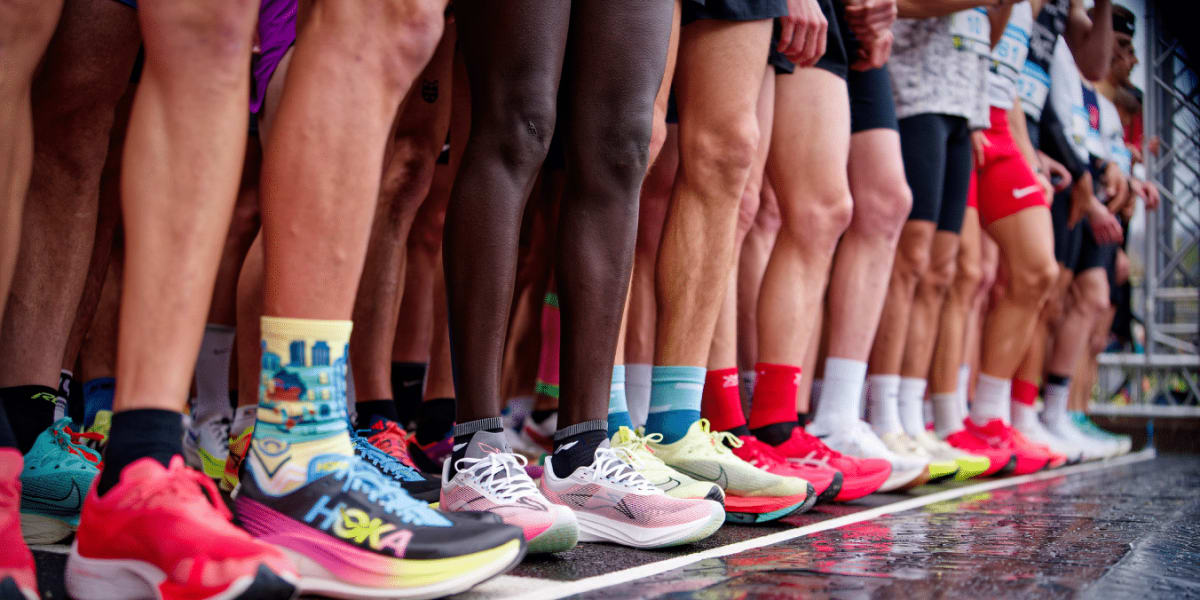
The marathon, that iconic 42.195 km challenge, is about far more than physical endurance. It is a personal adventure that demands preparation, discipline and strategy. Gear is one of the factors that can make a difference, yet it is often underestimated. This guide will help you choose the right equipment for your marathon goal. From your shoes to your race singlet, here are the essentials for taking on the distance with confidence.
Gearing up for a marathon
Running is one of the most widely practised sports in the world because it is so accessible. A pair of shoes, shorts, a T-shirt, socks and you are good to go. In recent years, equipment has taken on a much bigger role in running. Depending on their goals and races, runners have expanded their kit lists. For road runners, and marathon runners in particular, the arrival of carbon-plated shoes has changed buying habits. Many want to use the technology to improve their personal best, but plenty of runners cannot afford to invest in a new pair every month. In 2025, a large number of runners have more than one pair of running shoes in their wardrobe. Add in technology such as GPS watches and heart-rate monitors, recovery equipment and sports nutrition products, and the cost of a runner’s gear while preparing for a marathon can quickly add up. Our advice? Adapt and test your equipment according to your needs, goals and budget. Trying out your gear for the first time on race day is one of the most common marathon mistakes.
Gear for marathon training
When you compare the time spent racing with the time spent training, there is no contest. Training takes up most of the journey. Having the right equipment for a solid marathon build-up matters. The very best runners string together weeks of more than 100 km. For experienced runners seriously preparing for the distance, that usually means around three to five runs per week. Gear wears out, which makes it an important factor in injury prevention. Shoes are the most obvious example, taking a constant beating throughout training. With so many kilometres covered during a marathon build-up, choosing the right shoes is essential. Specialist running stores with knowledgeable staff can point you in the right direction. They can guide you towards a pair that suits your build, running style, goals and budget. Clothing also plays a key role in training. Socks, for example, can cause rubbing and blisters. Adjust your kit to the weather and the session, and get used to running in the equipment you plan to wear on race day.
The basic marathon training kit:
One or more pairs of running shoes
Training clothing: T-shirts, singlets, long sleeves, tights, half tights or loose shorts, waterproof layers, socks, sports underwear, arm sleeves and gloves.
Practical accessories: GPS watch, heart-rate belt, hydration belt, cap or headband, sunglasses and anti-chafing cream.
Nutrition and hydration for marathon runners
Nutrition
Nutrition and hydration play a major role in marathon performance. After several hours of effort at a sustained pace, your body needs enough energy to keep moving. That energy comes from carbohydrates, found in sports drinks, bars, purées and gels. The preparation phase is the time to test your race nutrition strategy. Some runners can take gels without any stomach issues; for others, swallowing a gel is impossible. Products can also vary significantly from one brand to another in terms of concentration, flavour and volume. As you prepare for your marathon, make room for nutrition in your kit and choose products that suit your preferences.
Hydration
Hydration also plays a role in running performance. When you run, your body generates heat. Sweating kicks in to regulate your core temperature and prevent overheating. If you are dehydrated, sweating cannot work effectively, so your body cannot cool itself properly and begins to overheat. Your performance will suffer directly. Dehydration reduces blood volume, which limits the delivery of oxygen and nutrients to your muscles. The result? A higher heart rate, fatigue and reduced performance. Staying hydrated during your race is therefore essential. Find the option that works best for carrying your soft flasks or bottle, whether that is a belt, a lightweight vest or a bottle holder.
Different marathon fuelling options:
Energy gels, purées, bars, chews and compotes
Sports drinks, pre-race drinks and recovery drinks
Solid food at aid stations, such as bananas, dried fruit and still water
 © Alanis Duc
Recovery equipment
Recovery is an integral part of preparing for a marathon. Building a solid recovery routine does not require a major investment in equipment. An easy recovery run after a session, regular restorative sleep, a sensible lifestyle, adequate hydration and a healthy, varied diet all support recovery. If you want to go further, you can invest in dedicated recovery equipment.
Compression
Compression and recovery socks are ideal allies between sessions. They can support circulation and help your legs feel fresher after training. They are also useful when travelling to the race venue. Pneumatic compression therapy is becoming increasingly popular among runners. It uses inflatable boots that apply sequential pressure to the legs, stimulating blood and lymphatic circulation to support recovery.
Self-massage
Self-massage tools such as foam rollers, balls and massage guns can help relax muscles and ease tension independently. Electrical muscle stimulation devices offer different programmes, including recovery, pain relief and strength training. They stimulate your muscles with small electrical impulses, which can support circulation and help reduce muscle tension.
Cryotherapy
Cryotherapy uses cold to reduce inflammation and relieve muscle soreness. Some recovery centres and physiotherapy clinics offer dedicated cryotherapy chambers. At home, you can also try a few cold showers or baths, or find the nearest river and spend around ten minutes in the water.
Race-day equipment
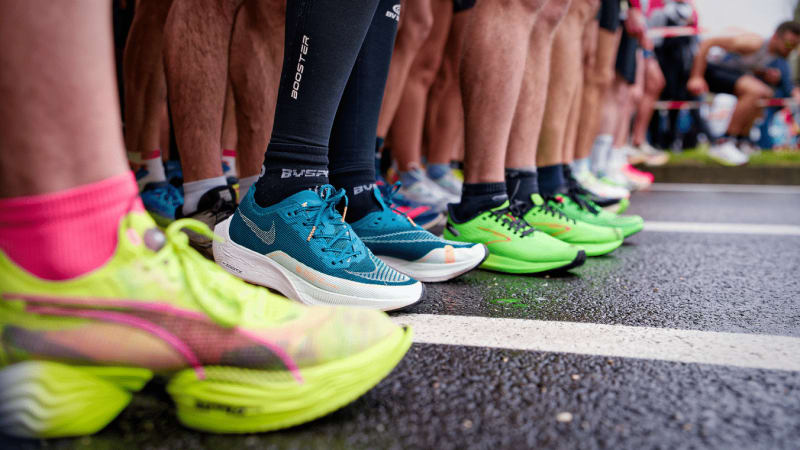
On race day, you should have tested every single piece of equipment. There is no room for improvisation or for thinking, “It’ll probably be fine”, because spoiler alert, it probably will not be. That is why it matters to train in your race outfit for several sessions and test your nutrition strategy. Even if that attractive pair of socks catches your eye at the expo, save it for your next easy run with friends. Use the taper, when your training volume drops significantly, to plan every detail of race logistics, including your kit.
 © Roland Vacther
Your race kit will be fairly minimal, but remember to pack layers for your warm-up and post-race recovery. Check the forecast and adapt your race-day kit accordingly. One tip: it is better to have too much than not enough. If the weather looks uncertain, bring something to protect you from rain or cold. In the worst case, it stays in your bag. In the best case, it saves your race. A few days before the event, check your watch battery and the battery in your heart-rate belt. Stock up on gels, drinks and your chosen nutrition and hydration products. Prepare your bottles or soft flasks if you have personal support. Finally, do not forget your recovery equipment if you use it. Compression socks or a Compex device can be useful during travel before and after your marathon.
Choosing your gear for a marathon is a key step towards performing at your best and getting the most out of the experience. Every item, from shoes and clothing to accessories, should be selected carefully and tested before race day. Equipment suited to your build, running style and the weather will help minimise the risk of discomfort or injury.