
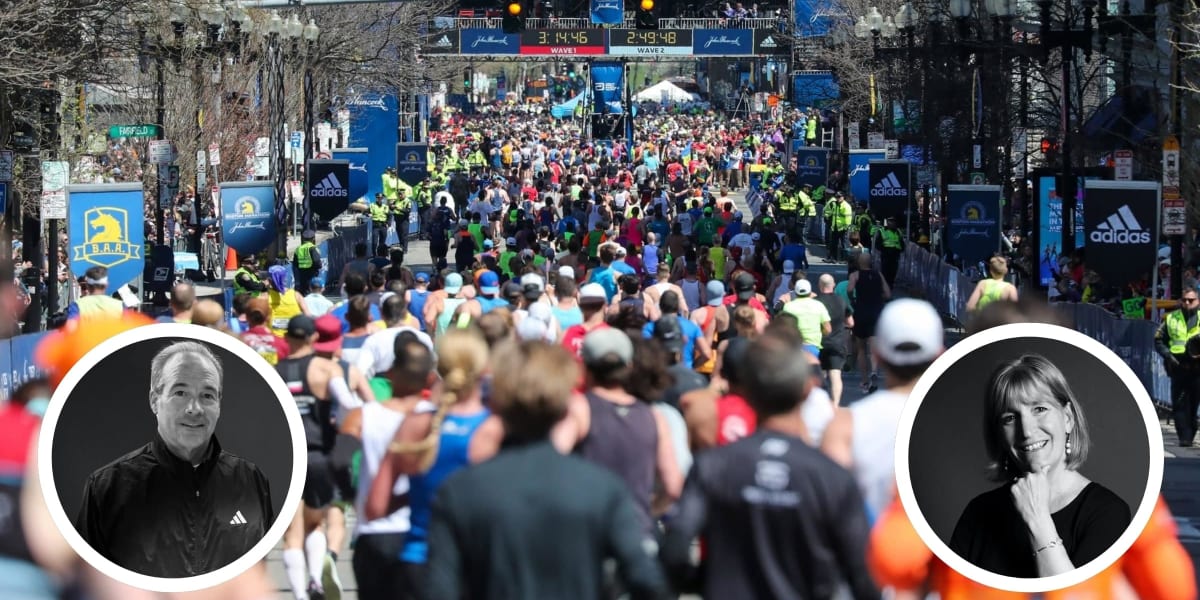
In Boston, the marathon is more than a race: it is an experience to live, pass on and honor. Every third Monday in April, on Boylston Street, what comes to an end is not simply 42.195 km, but the continuation of a tradition more than a century old, shaped by history, powered by an electric crowd and fueled by a unique sense of local pride. At the latest edition, nearly 30,000 runners took to the streets of Massachusetts, embodying the diversity and passion that make this event a sporting landmark. In this joint interview, Jack Fleming, President and CEO of the Boston Athletic Association (B.A.A.), and Mary Kate Shea, Director of Professional Athletes, take us behind the scenes of a global running icon ahead of its 130th edition. From the unique character of the course to the logistical challenges, from the essential role of volunteers to the careful selection of elite athletes, they share their passionate and humble vision of what makes the Boston Marathon a race like no other.
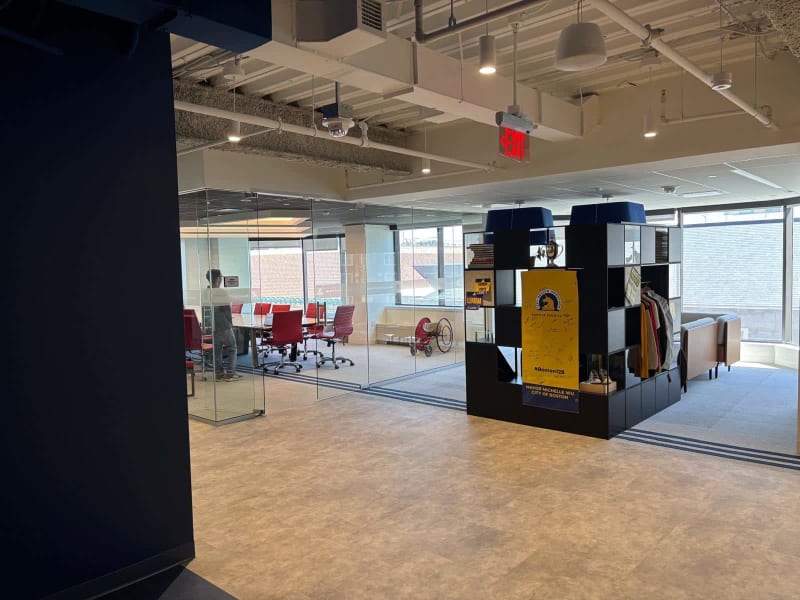
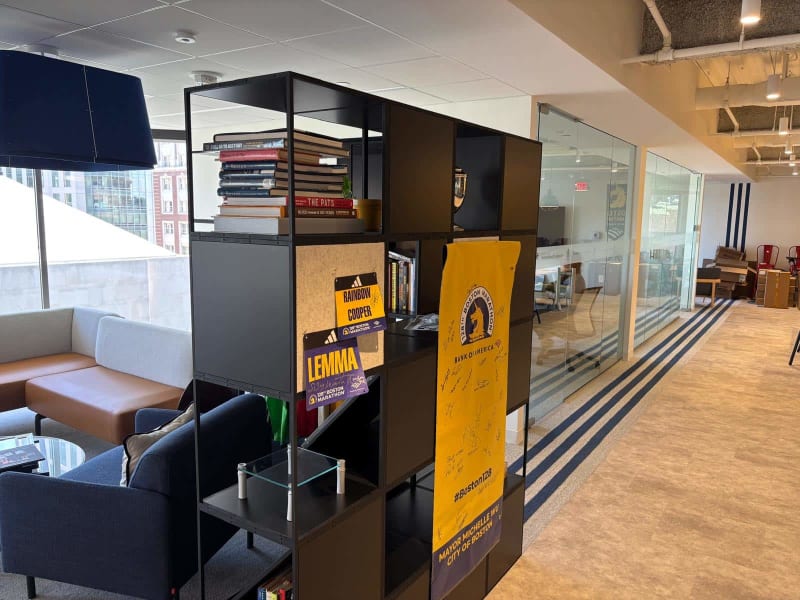
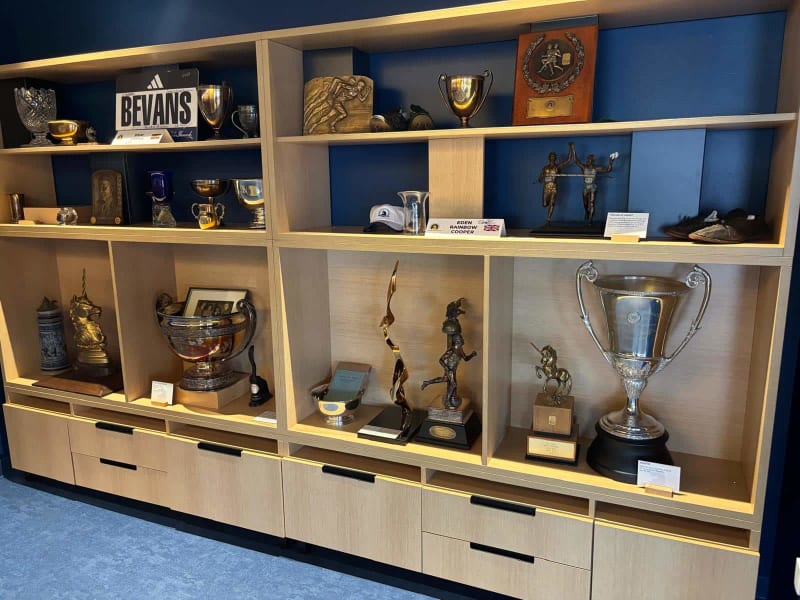
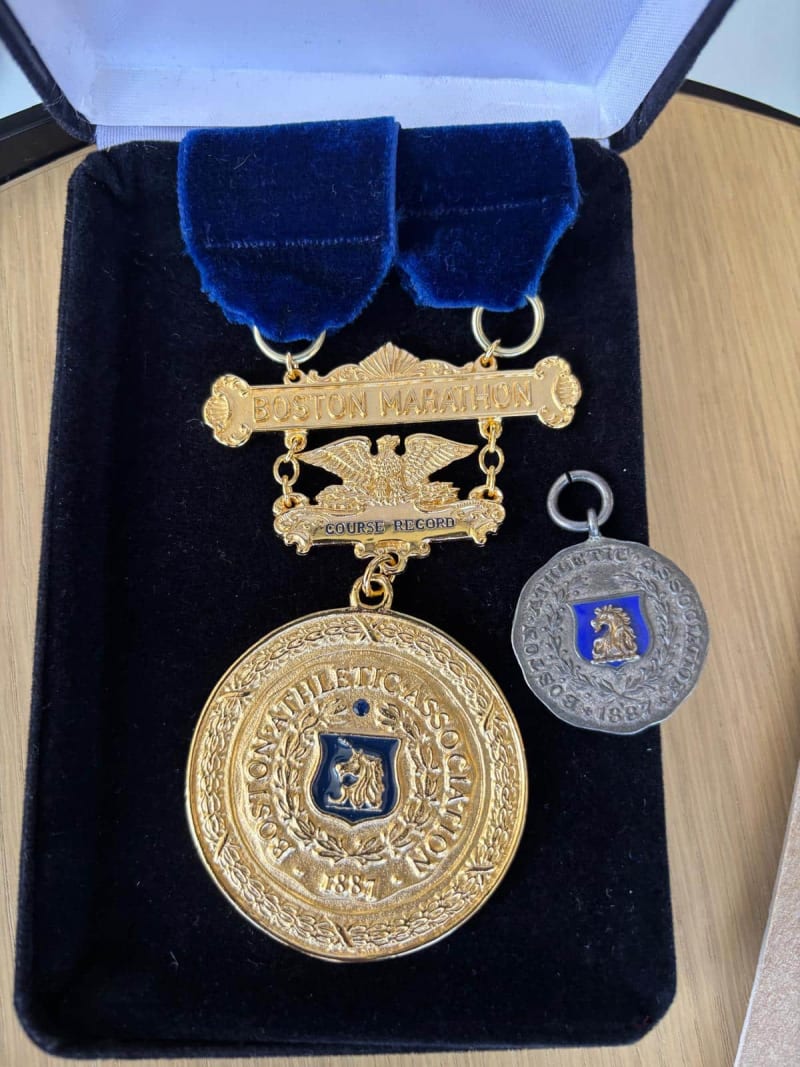
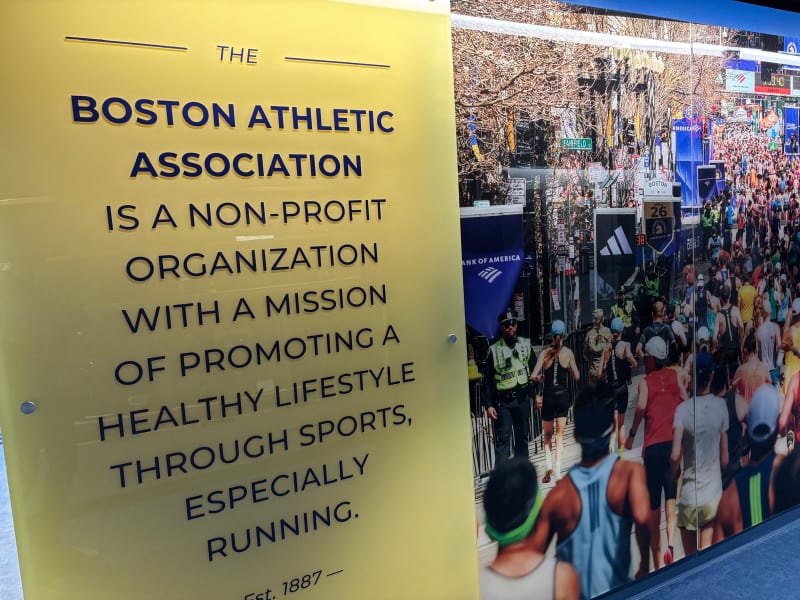
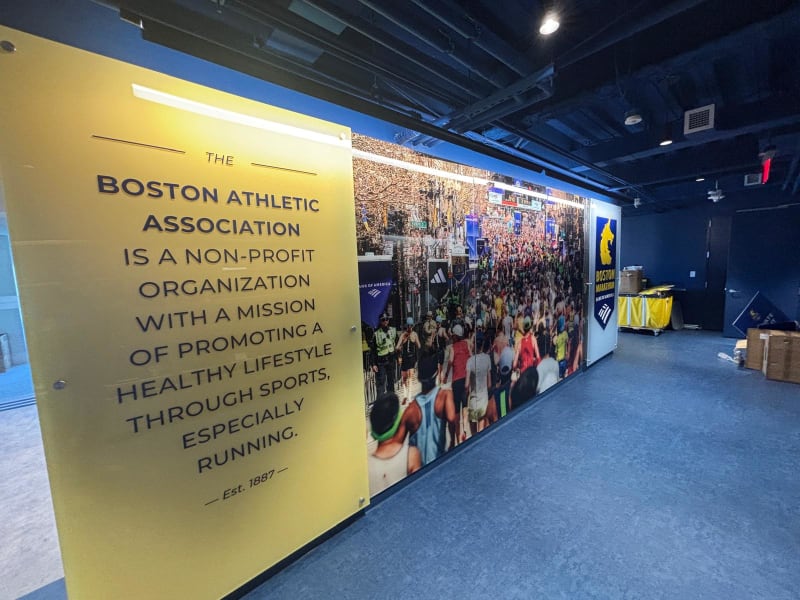
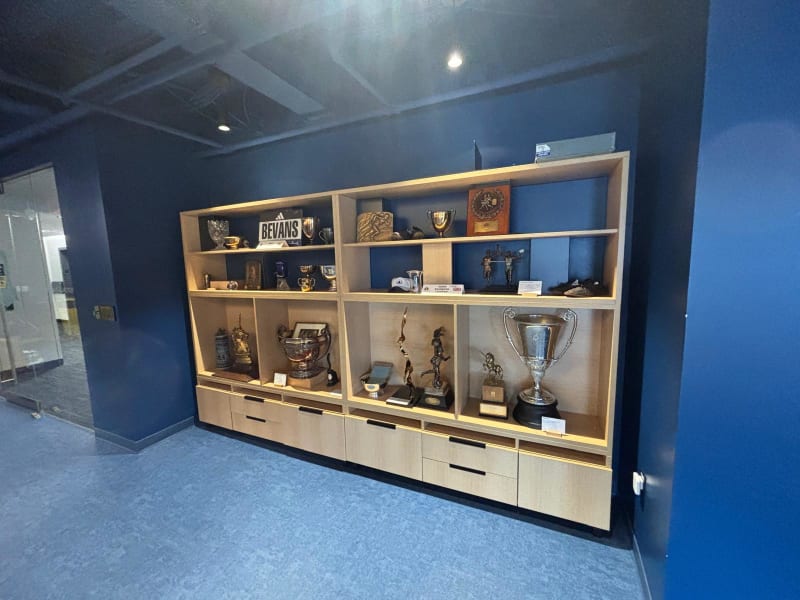
➜ Just days after the 2025 edition, with the last banners packed away and Boylston Street settling back into its usual calm, we were given the rare opportunity to go behind the scenes at the Boston Athletic Association. In their historic offices, filled with photographs, trophies and memorabilia, Jack Fleming and Mary Kate Shea welcomed us for an intimate conversation. It was a chance to meet them on their home turf, where every decision about the race's future is made with deep respect for its legacy.
 © Marathons
 © Marathons
 © Marathons
 © Marathons
 © Marathons
 © Marathons
 © photo credit
 © Marathons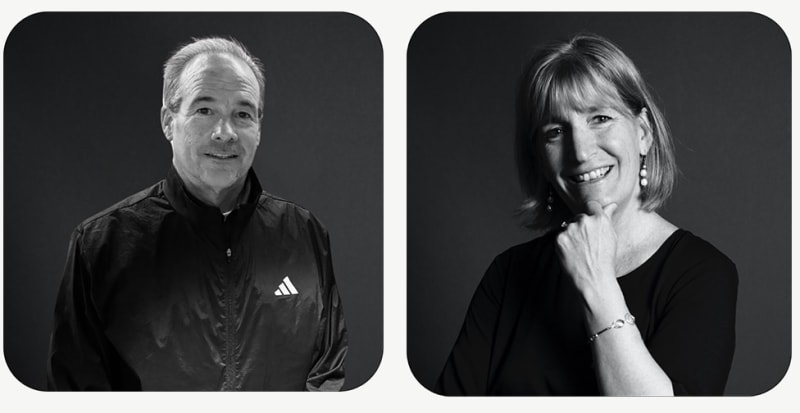
Behind the scenes of the world's oldest marathon: a conversation with Jack Fleming, the man behind its global reach and international prestige, and Mary Kate Shea, guardian of Boston's soul.
| The Boston Marathon is a true sporting legend, first held in 1897. What do 129 years of history mean to you personally? And how do you carry that legacy forward while meeting today's challenges?
Mary Kate Shea: Next year, we will celebrate the 130th anniversary of the Boston Marathon. Three pillars guide our work every day: history, legacy and community. They give us the momentum we need to take the race into the future. This is a uniquely characterful event, shaped by its past, and that is what sets it apart from every other marathon in the world.
Jack Fleming : We have the honor of organizing the world's oldest marathon, and that comes with a real responsibility. Beyond sport, it is a question of integrity, ethics and the experience we offer. Our role is to honor the past, acknowledge what the race is today and prepare it for the future. We see ourselves as custodians of this tradition. Every edition is unique, just like the city of Boston.
We have never tried to be the world's biggest marathon in terms of participation. We always ask ourselves the same question: are we improving the experience for runners, the eight cities and towns along the route, volunteers, spectators, sponsors and everyone else involved? Our goal is to deliver a world-class event that brings together runners from across the globe.
✓ Since 2006, the Boston Marathon has been part of the Abbott World Marathon Majors, alongside Tokyo, London, Berlin, Chicago and New York. This prestigious series has strengthened collaboration between organizers and driven innovation, giving runners ever more memorable experiences.
| The Boston Marathon is far more than a race. It is a tradition deeply rooted in the hearts of Massachusetts residents. How do you ensure a memorable experience for everyone, from elites to charity runners? What new initiatives have you introduced recently?
Jack Fleming : We launched a three-day festival at City Hall Plaza over marathon weekend. It is a gathering place for runners, their families and everyone who lives in the city. For some, it is their very first marathon experience, and we know how much that first impression matters.
We then do everything we can to ensure that every runner has the best possible experience. Not just the front-runners, but the last finishers too. Everyone deserves to feel the same pride in what they have achieved. This year, we received an enormous amount of positive feedback thanks to the dedication of our volunteers and the attention given to every participant.
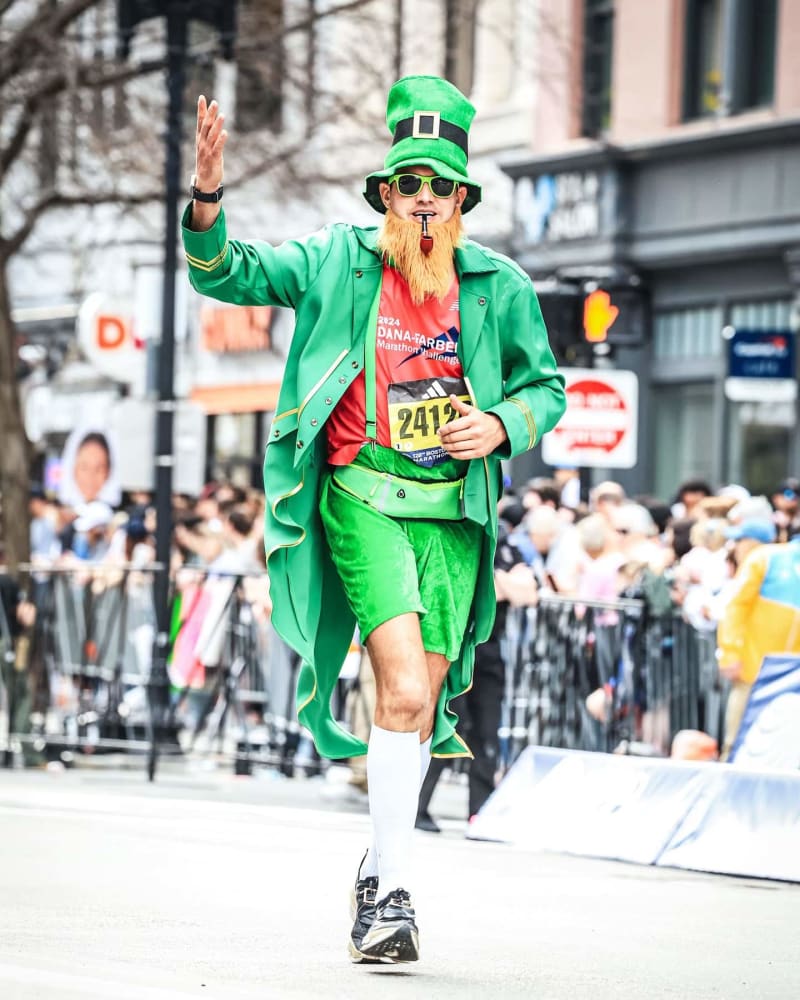
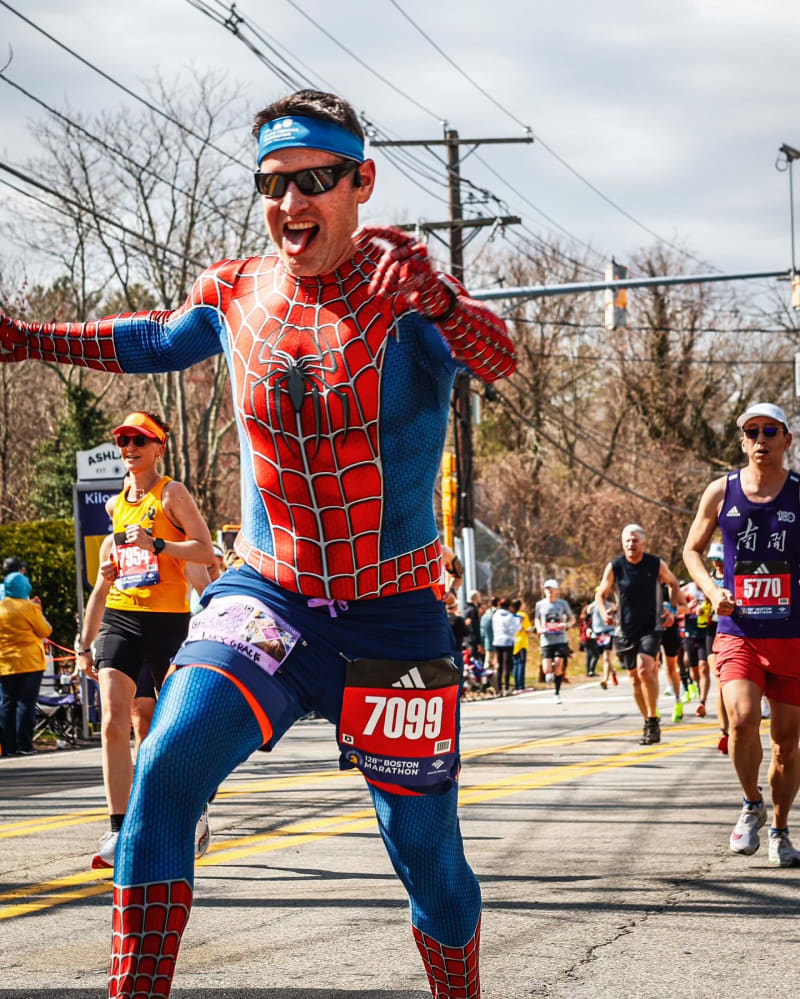
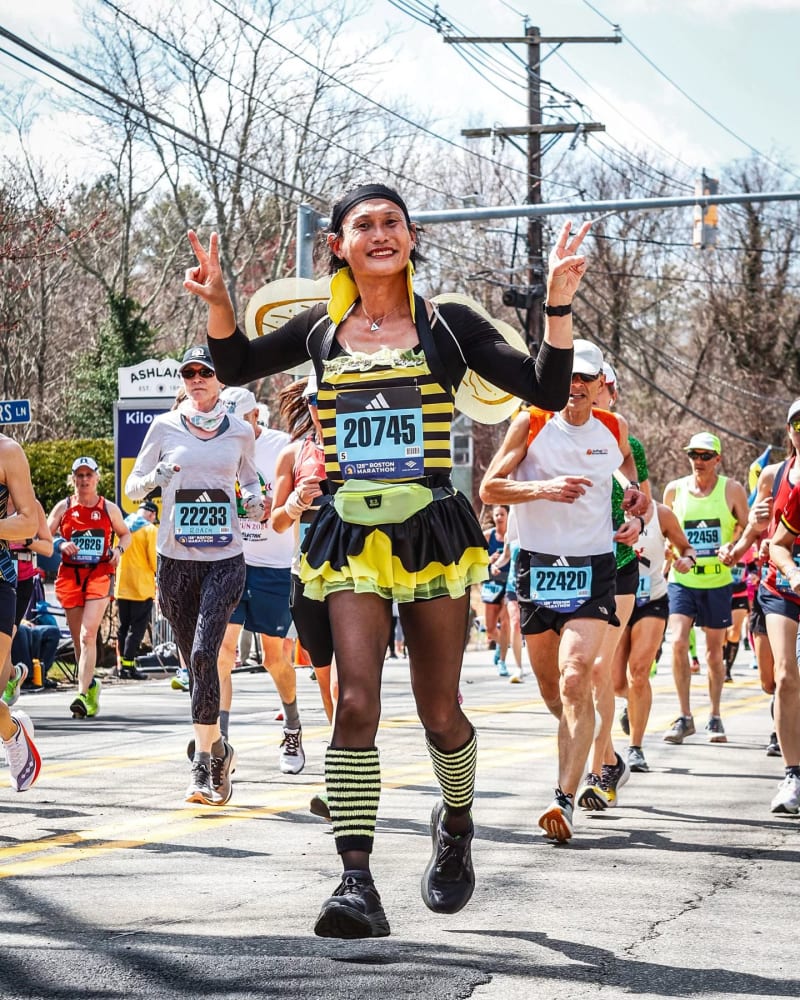
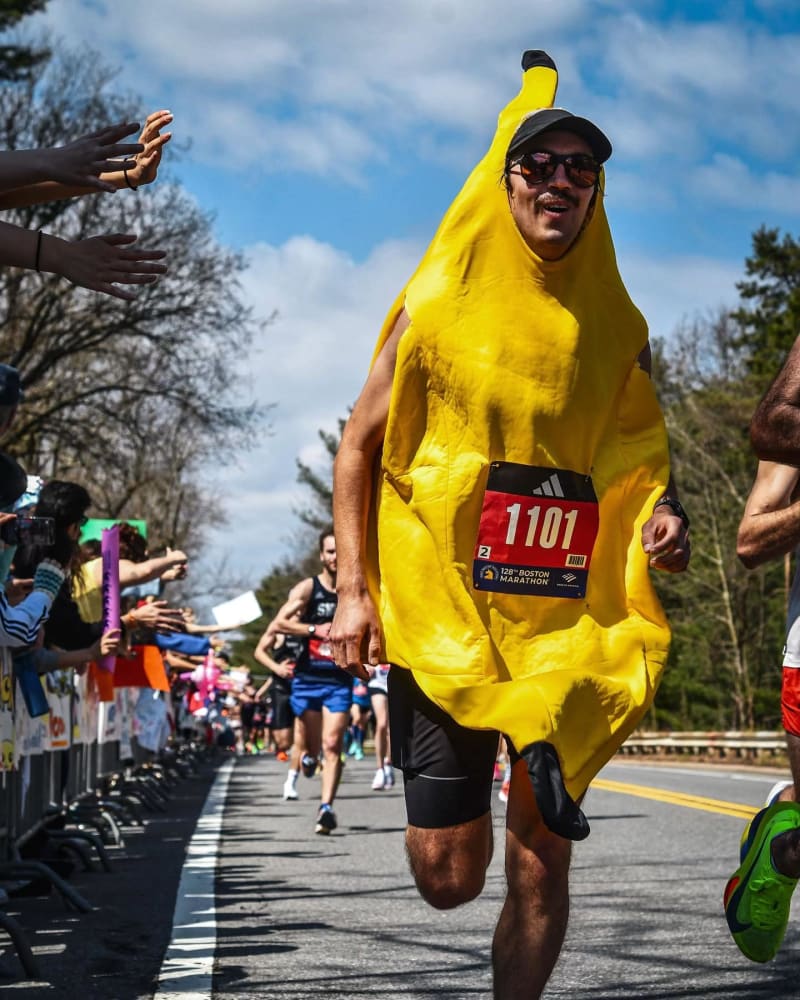
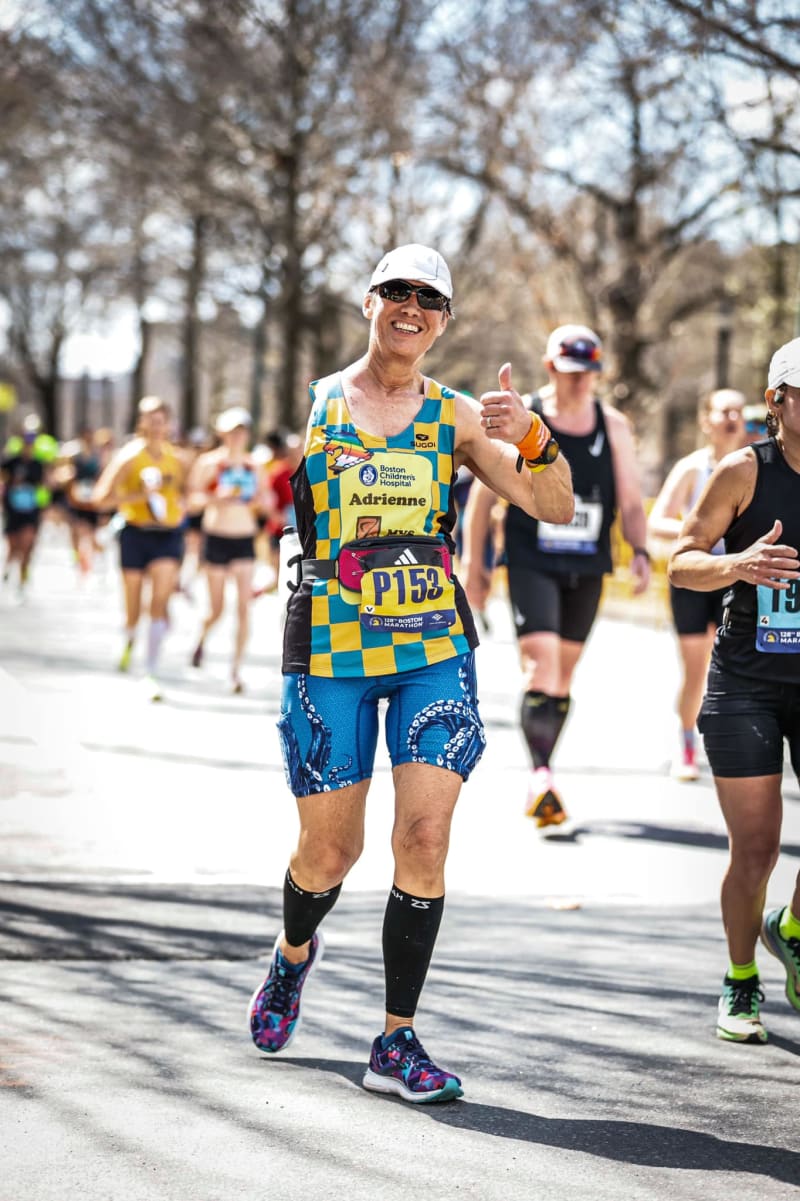
Mary Kate Shea: We mobilize more than 10,000 volunteers for an event that brings together 30,000 runners. Many have been coming back for decades, driven by extraordinary loyalty. From the moment you arrive in Boston, you can feel the energy, especially on Boylston Street, where both the finish line and the race expo are located. Between the entertainment, exhibitors and chance encounters, you become part of the Boston Marathon family as soon as you arrive.
Boston is a small city, and for one weekend, the city is the marathon, and the marathon is the city. It is a powerful feeling, all the more so because the race always takes place on Patriots' Day, a historic and symbolic holiday in Massachusetts.
✓ Every Major has its own personality: Berlin attracts record hunters, London celebrates diversity, Tokyo impresses with its precision. And Boston? Boston remains in a league of its own: rooted in tradition, with its point-to-point course and one-of-a-kind atmosphere.
 © Boston Marathon
 © Boston Marathon
 © Boston Marathon
 © Boston Marathon
 © Boston Marathon
 © Boston Marathon
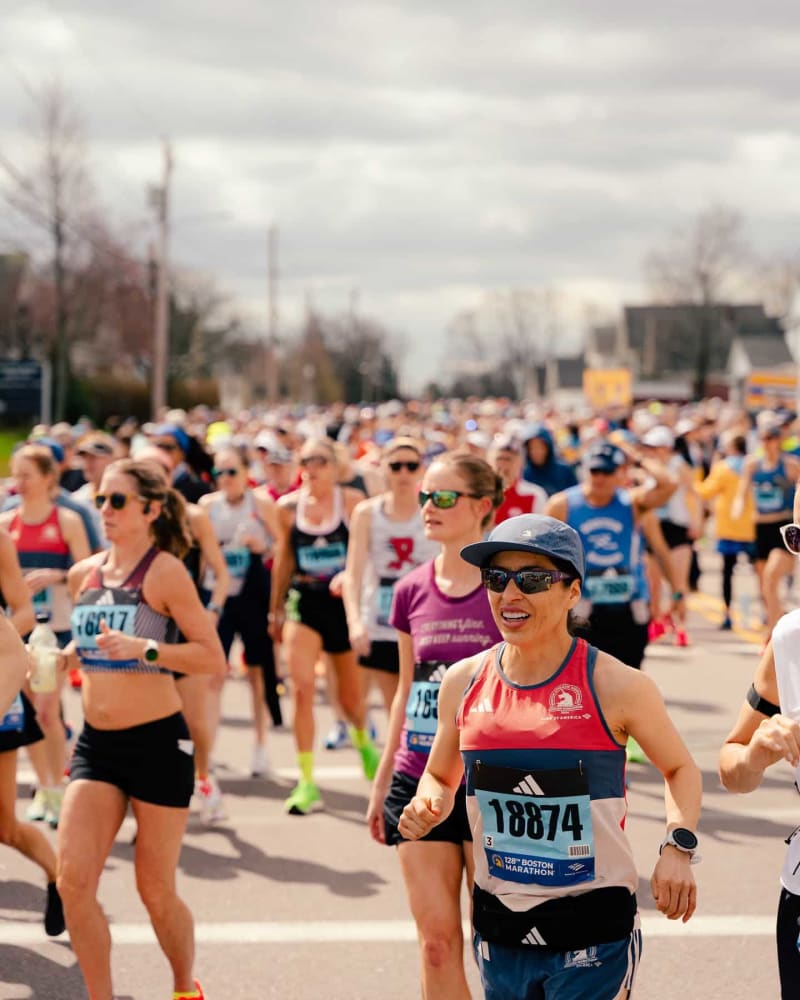 © Boston Marathon
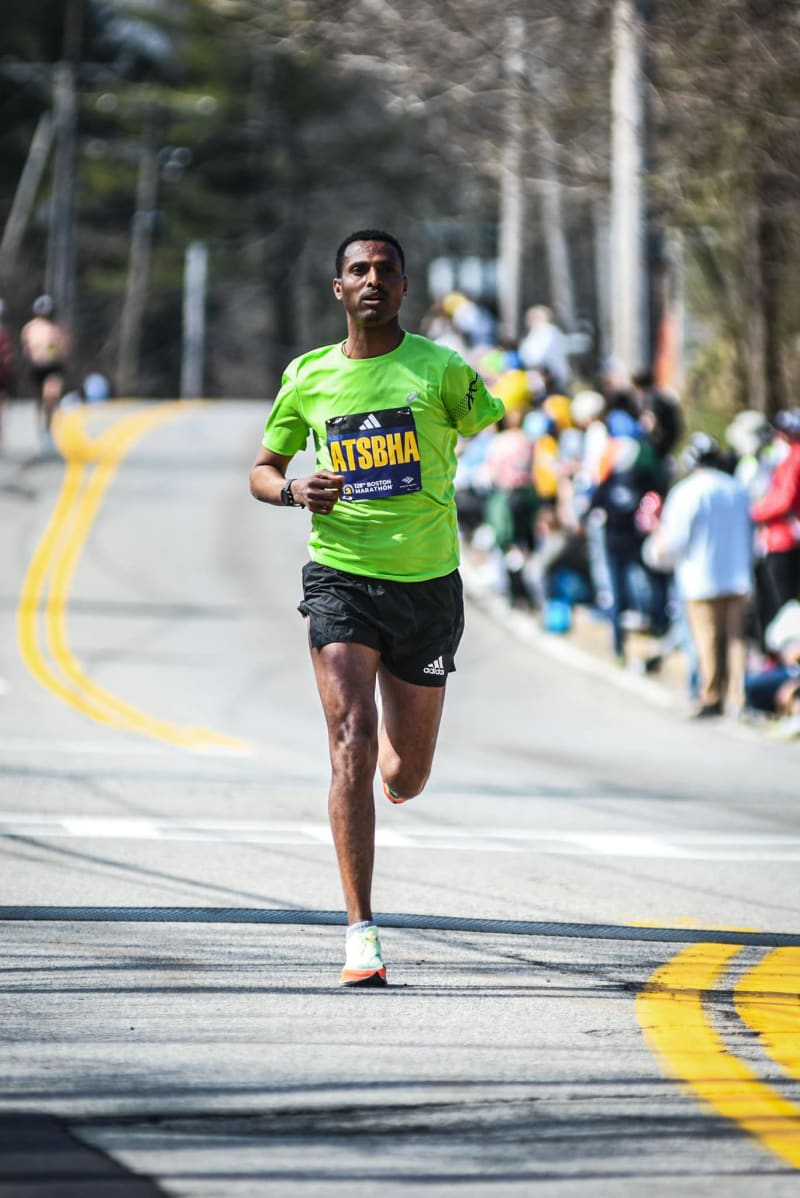 © Boston Marathon
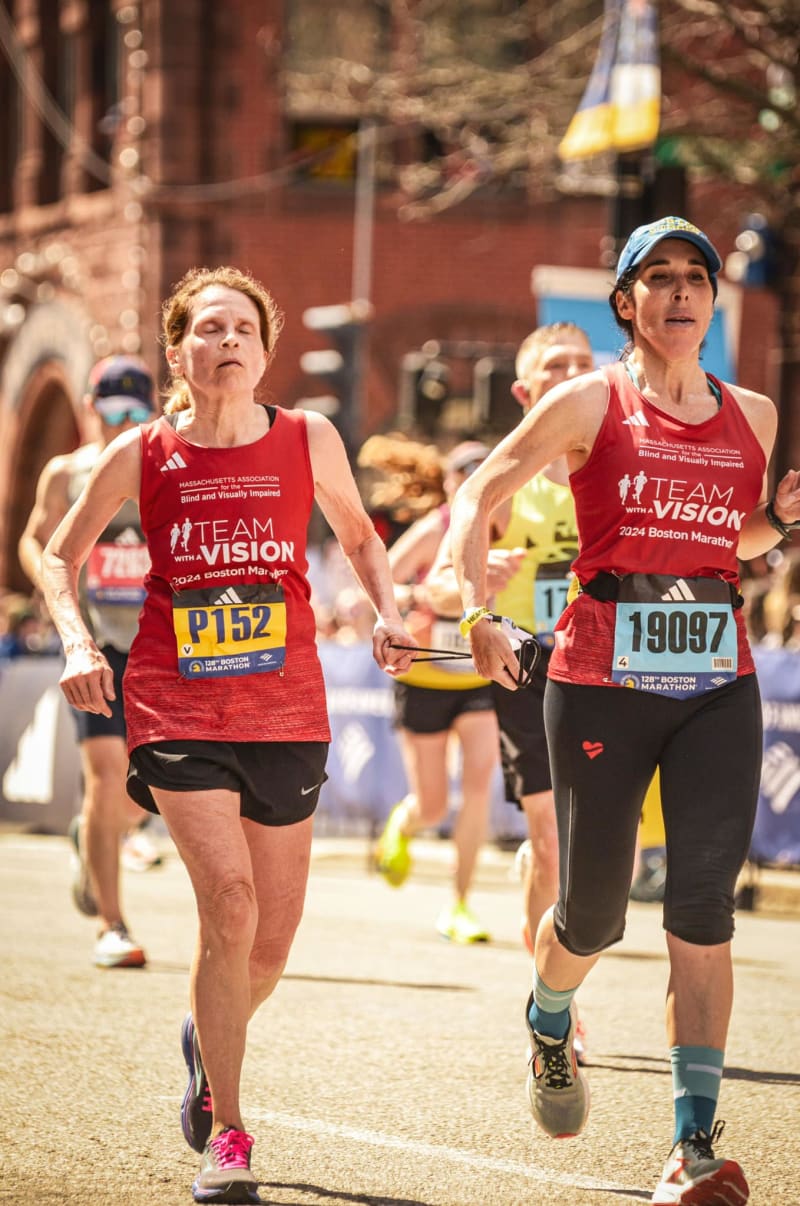 © Boston Marathon
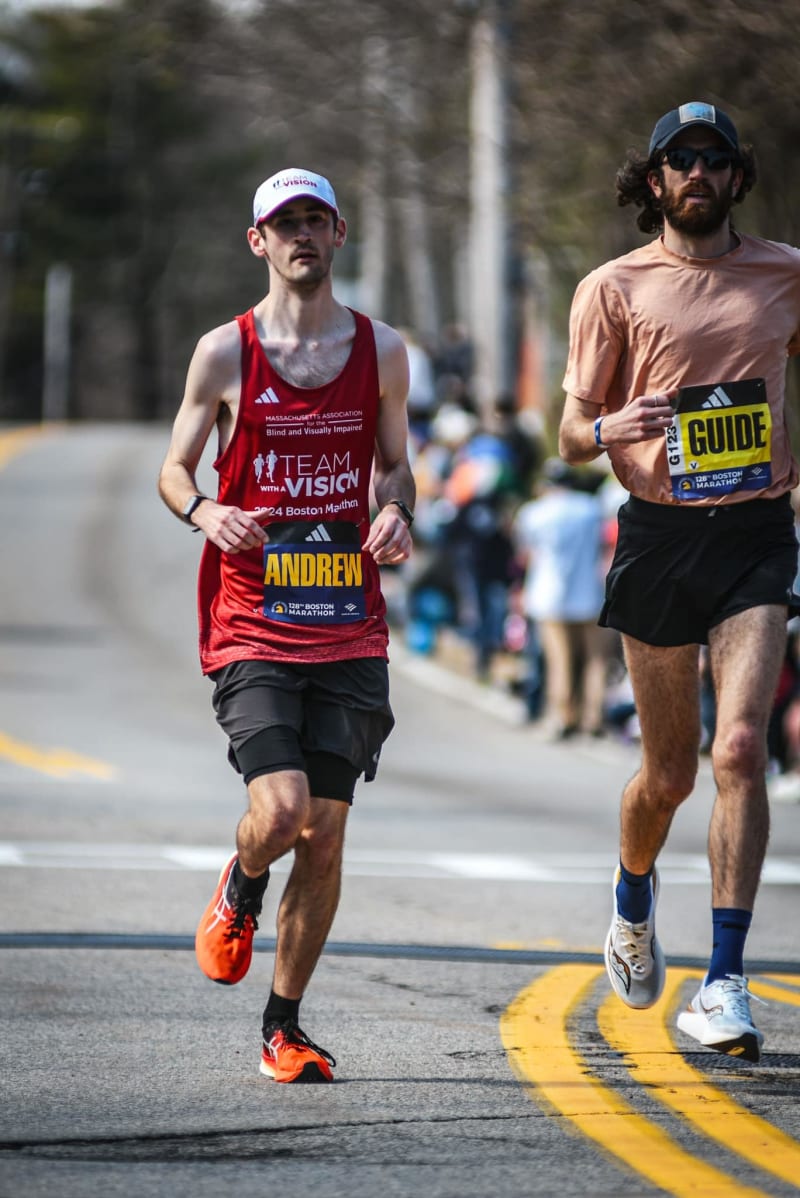 © Boston Marathon
 © Boston Marathon
| The marathon electrifies Boston and the towns along the route every Patriots' Day. What is its economic and social impact? How do you work with local governments, residents and businesses to maximize those positive effects?
Jack Fleming: In 2024, the Boston Marathon generated an economic impact of $509 million across Massachusetts, more than half a billion dollars. We expect a similar figure, or perhaps slightly higher, in 2025. The date is ideal: after a harsh winter, residents eagerly await the arrival of spring. And because the race takes place on a public holiday, Patriots' Day, the excitement is doubled.
Every city and town along the route has its own identity, which makes the marathon compelling from start to finish. The event reflects the spirit of the region itself: authentic, commercially balanced and, above all, deeply rooted in its community.
Mary Kate Shea: There is also an impressive charitable component. In 2025, around 2,000 charity runners raised more than $50 million for local nonprofits, an average of more than $14,000 per person. And this edition brought together more than 32,000 runners from 129 countries. That gives you a sense of Boston's international reach.
✓ The Boston Marathon extends far beyond sport: it is an economic and social engine for the entire region. Hotels, restaurants, businesses, local organizations and residents all contribute to it and benefit directly from it.
In 2024, the Boston Marathon generated an economic impact of $509 million across Massachusetts, more than half a billion dollars. We expect a similar figure, or perhaps slightly higher, in 2025.
 © Boston Marathon
 © Boston Marathon
 © Boston Marathon
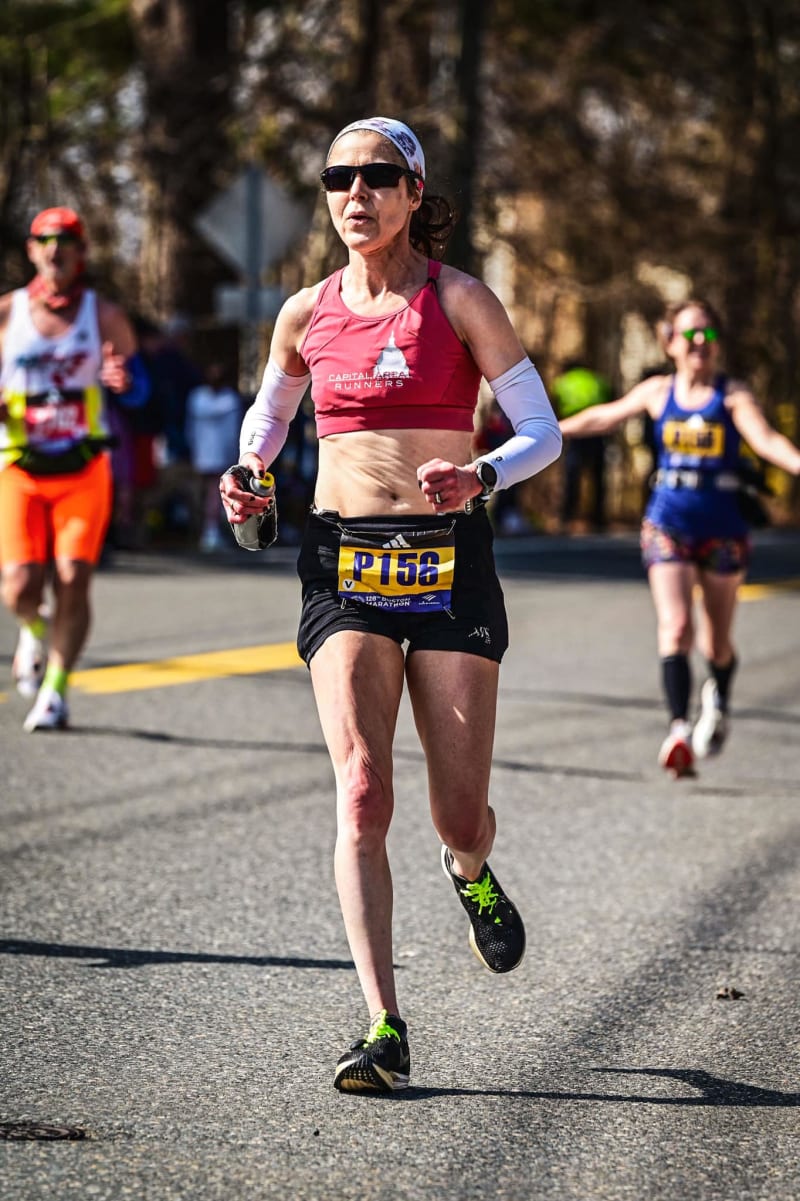 © Boston Marathon
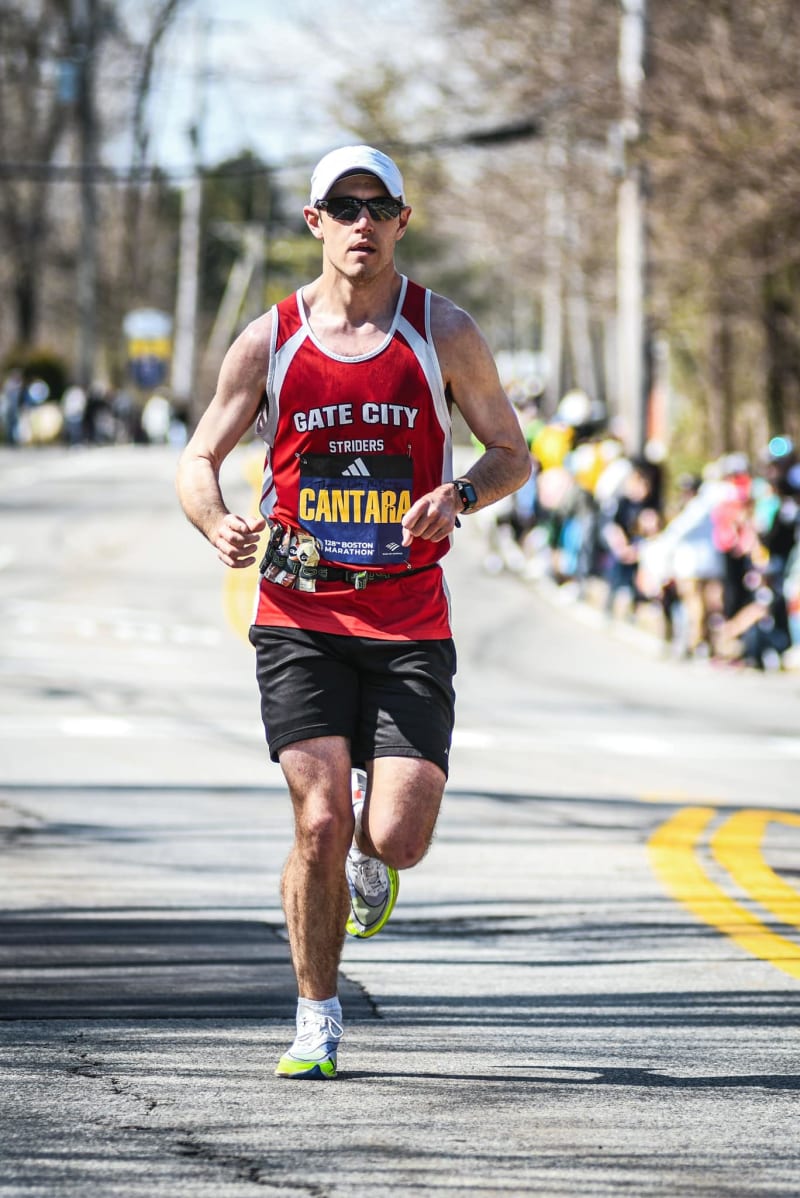 © Boston Marathon
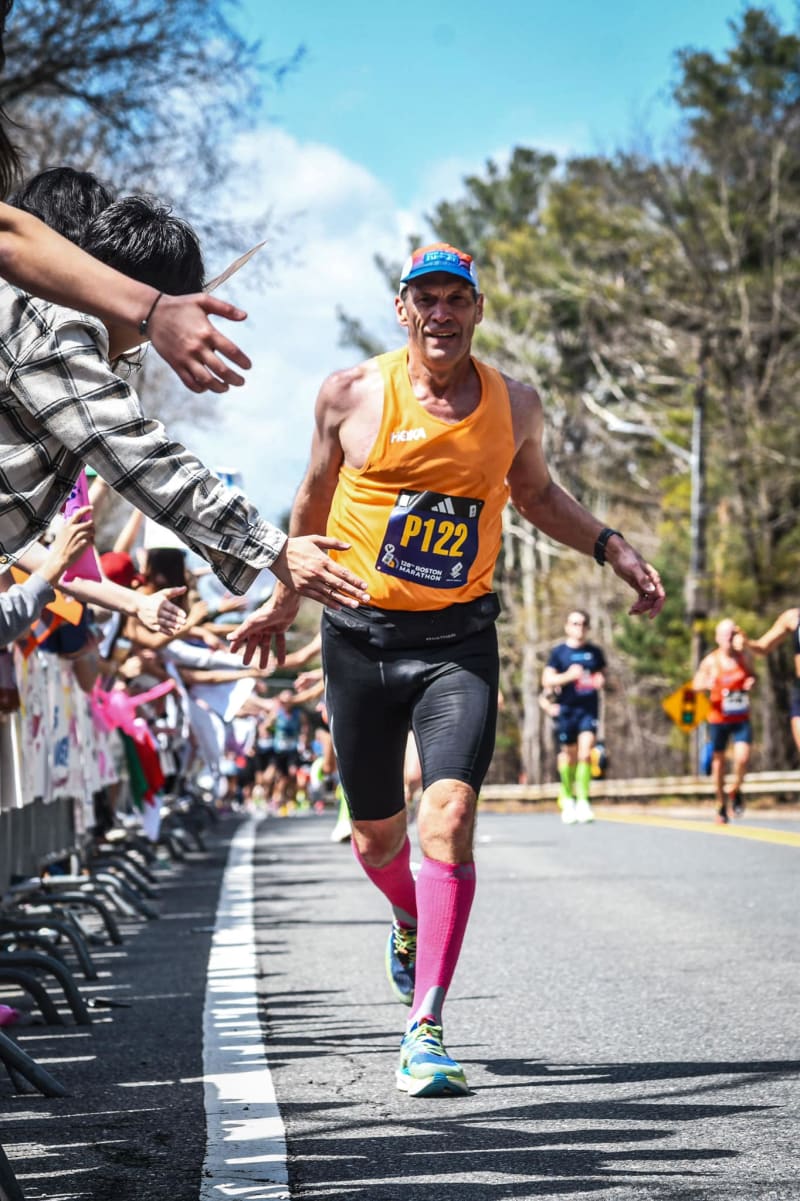 © Boston Marathon
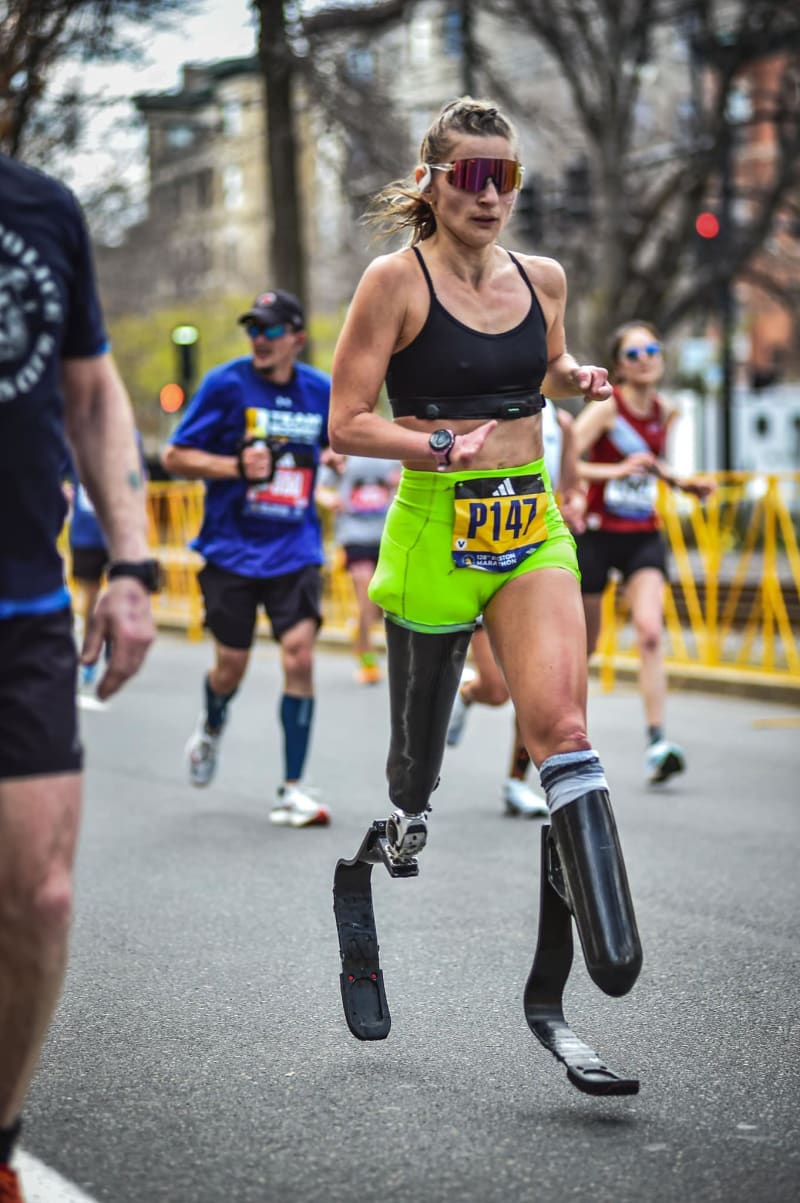 © Boston Marathon
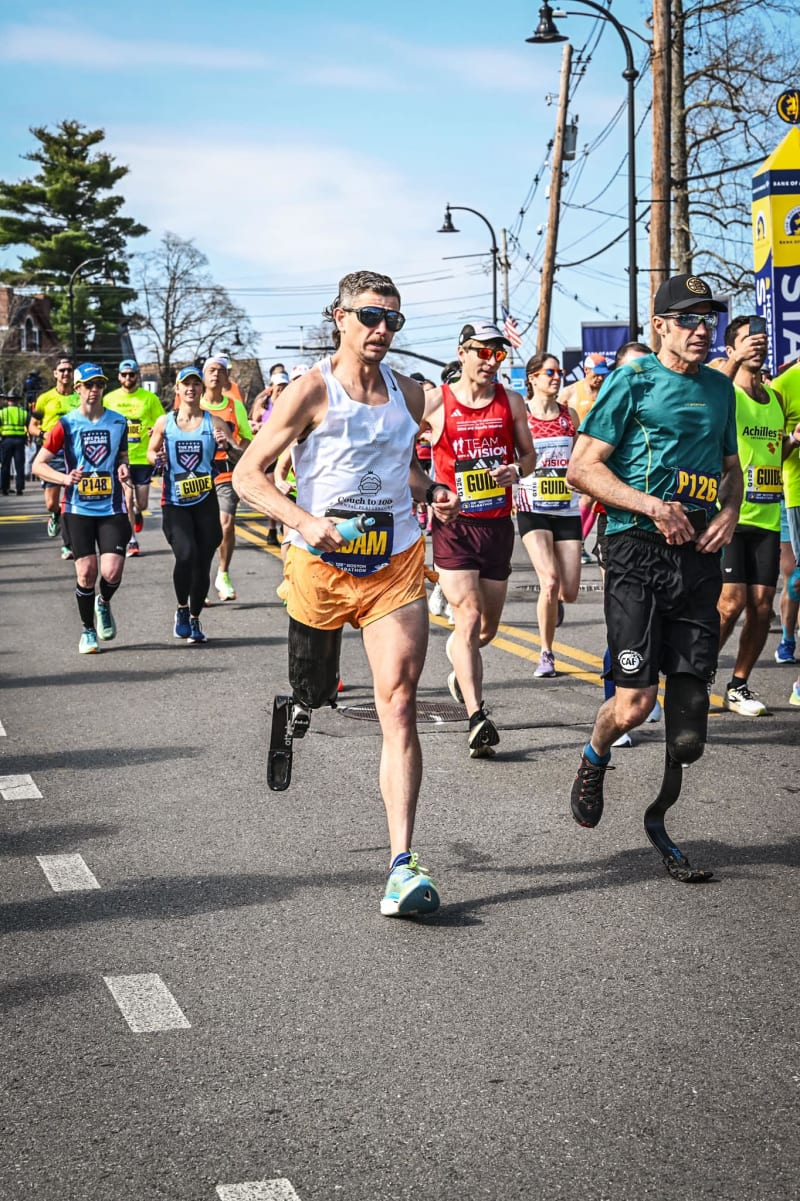 © Boston Marathon
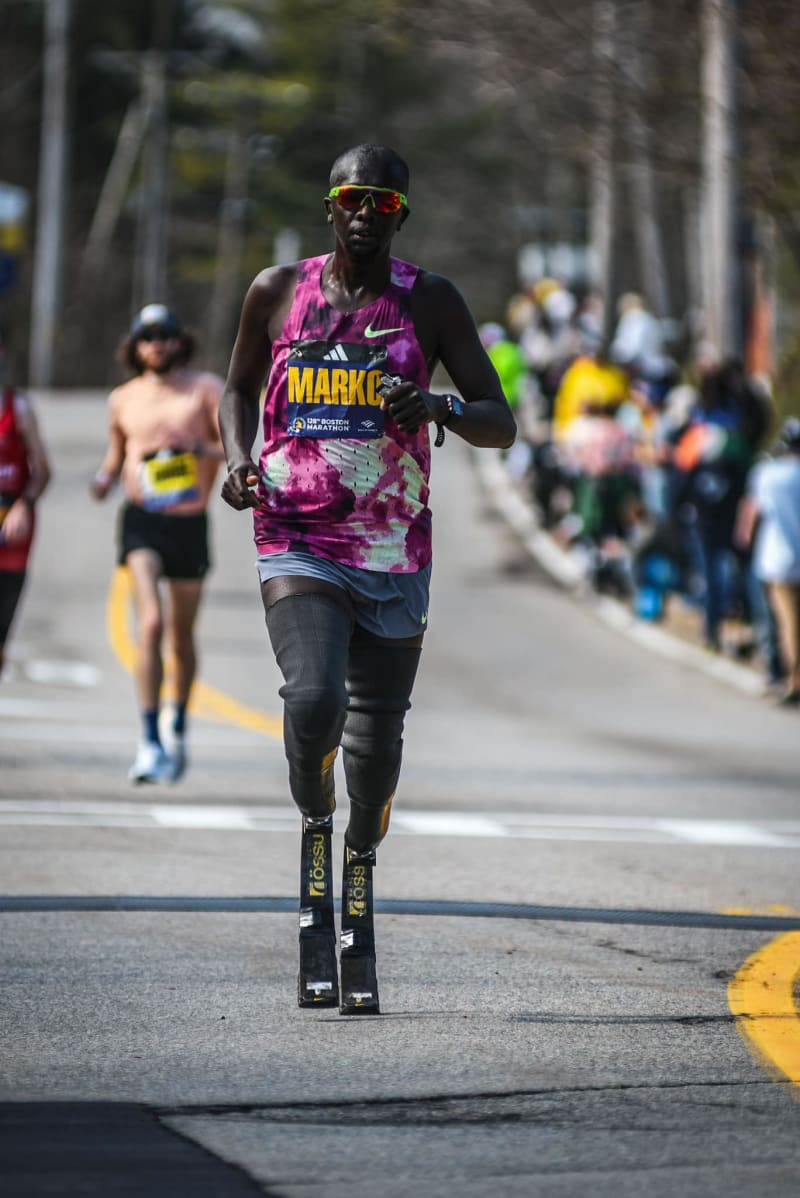 © Boston Marathon
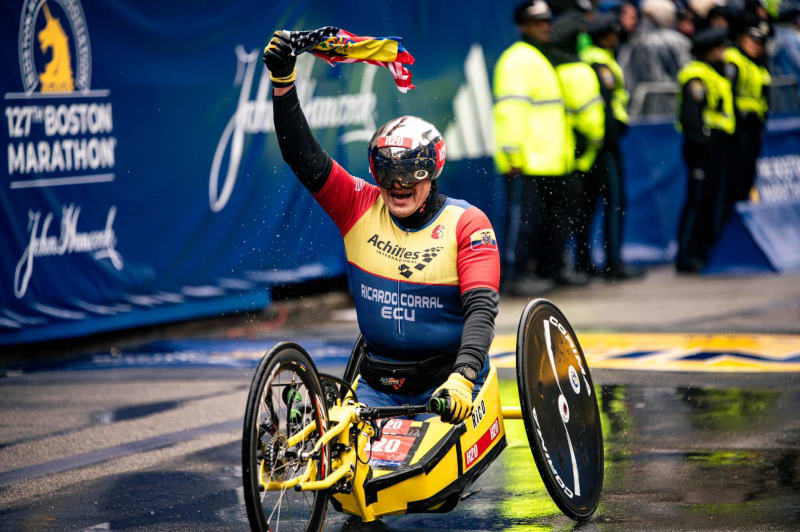 © Boston Marathon
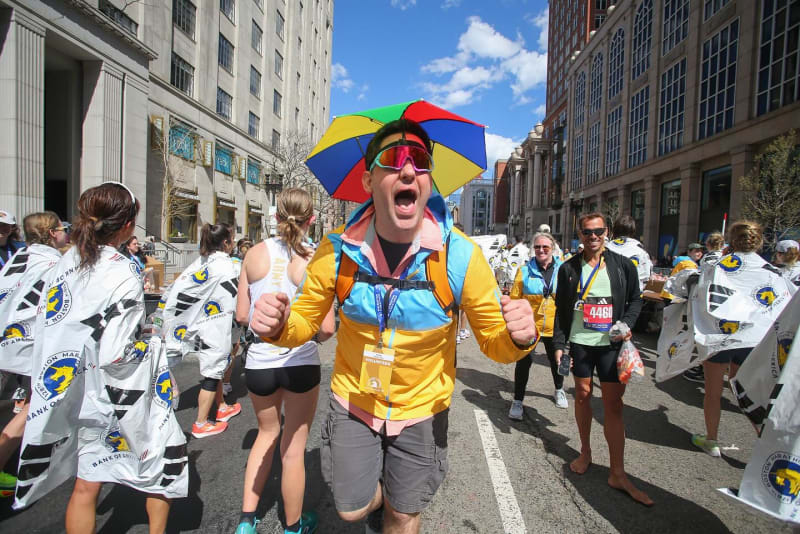 © Boston Marathon
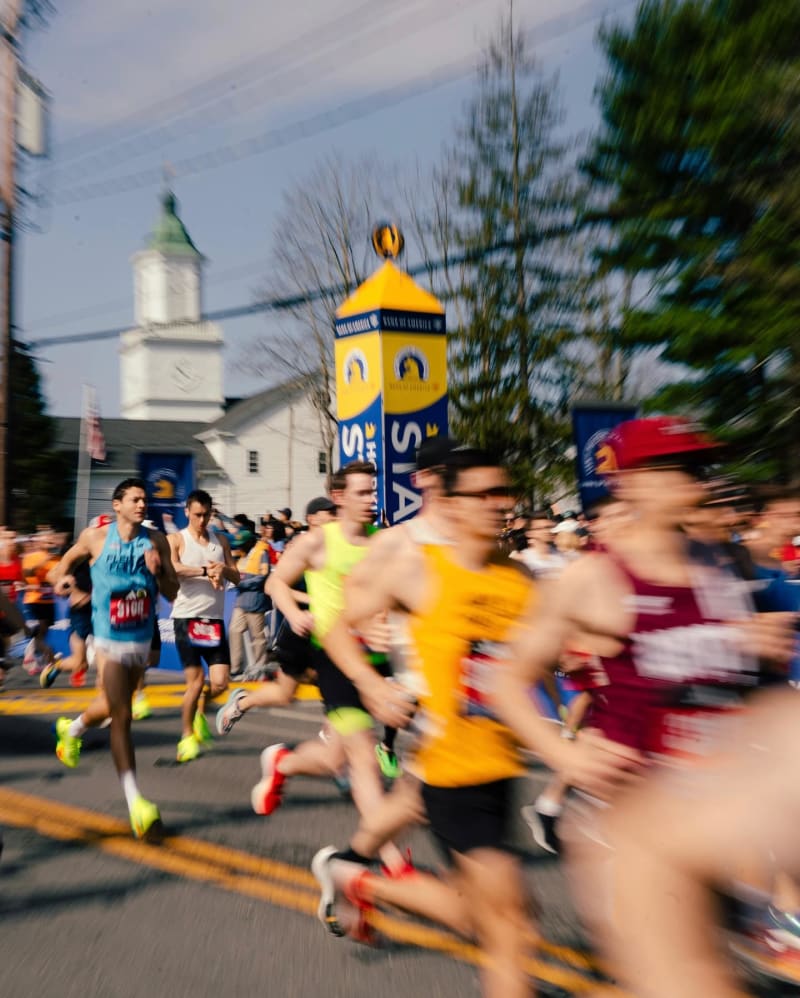 © Boston Marathon
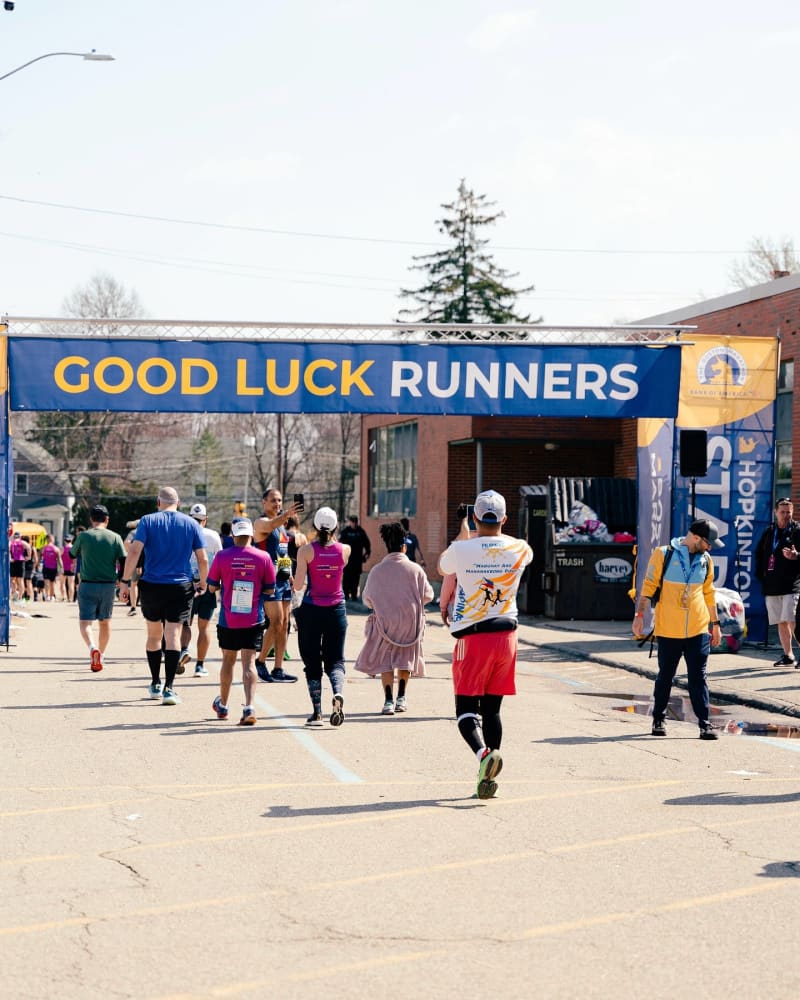 © Boston Marathon
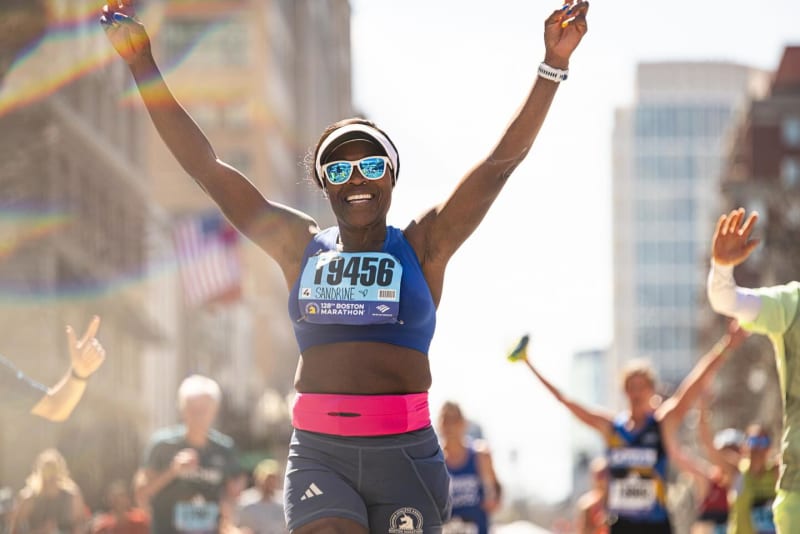 © Boston Marathon
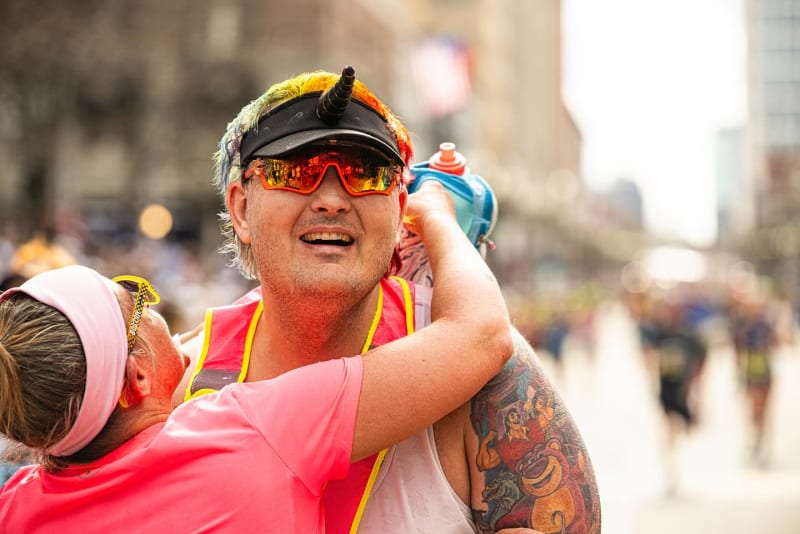 © Boston Marathon
✓ Behind the images of the crowds on Boylston Street and the emotion at the finish, there are years of preparation and investment. The Boston Athletic Association relies on meticulous organization, a combination of loyal volunteers and full-time staff, to stage an event of global stature.
| Organizing the world's oldest marathon in a city so attached to its race must be a constant challenge. What are the most complex issues you face? And how large is your team throughout the year and during marathon week?
Jack Fleming : The Boston Athletic Association operates with around 40 staff members, supported by 11 members of our board of directors and approximately 325 volunteer leaders, who in turn oversee nearly 9,500 volunteers. We also work with a race committee of around 110 part-time consultants, as well as judges and officials.
The biggest challenge is demand. Since COVID, running has exploded in popularity. Around 79% of runners qualify by time, while the remaining 21% are primarily charity runners. We are not trying to change the nature of the marathon: it has remained the same for 129 years. So many runners want to take part in the Boston Marathon, and managing that demand while preserving our identity is a real challenge. It is not easy to meet every request, so we are always looking for ways to improve.
✓ Unlike many other major marathons, Boston's course is not eligible for world records, and the race does not use pacemakers. These deliberate choices reflect a philosophy: here, authenticity and competition matter more than the time alone.
| The Boston Marathon cannot be certified for world records. Is that a problem? Would you consider changing the course? And why not allow pacemakers?
Mary Kate Shea: We have had world records in Boston in both the able-bodied and wheelchair races, but when World Athletics was formed out of the track and field world, it also established parameters for road races. Boston's course does not meet those specific criteria because of the rolling terrain, hills and wind. Even so, athletes recognize how important it is to run Boston in their careers, and that does not stop them from valuing what they achieve here. The race was designed in the spirit of the Olympic Games, as a championship race. Here, there are no pacemakers: you run for yourself, you need to devise a strategy and fight for your place in the standings. That is the essence of sport. Runners from all over the world come here determined to take on the challenge.
Jack Fleming : We respect the term “world record,” but we prefer to talk about the “world's best performance.” Last year, Marcel Hug not only broke the wheelchair course record, but also set the world's best performance. Boston's course offers no advantage: with the Newton hills between miles 15 and 21, it is a formidable test. The world's best runners take part in the Boston Marathon every year, and no one will tell you that it is a race that offers any kind of advantage. In Boston, runners come to face a genuine challenge in a competitive spirit. Fighting for a place in the standings is what truly captures the essence of sport.
The world's best athletes recognize how important it is to run Boston in their careers. The race was designed in the spirit of the Olympic Games, as a championship race. Here, there are no pacemakers: you run for yourself, you need to devise a strategy and fight for your place in the standings. That is the essence of sport.
| Many European runners dream of running Boston, but the qualifying standards are demanding. Do you think you might loosen them in the future?
Jack Fleming : It is one of the most sensitive questions. We know demand is enormous, particularly in Europe. We want to be as inclusive as possible, but the qualifying standards are part of Boston's DNA. Many athletes spend years trying to meet them, and it is important to recognize that achievement. We review the standards regularly, while expanding our categories for athletes with disabilities. It is about finding the right balance.
| Boston is also known for its commitment to diversity and accessibility. What concrete steps are you taking in this area?
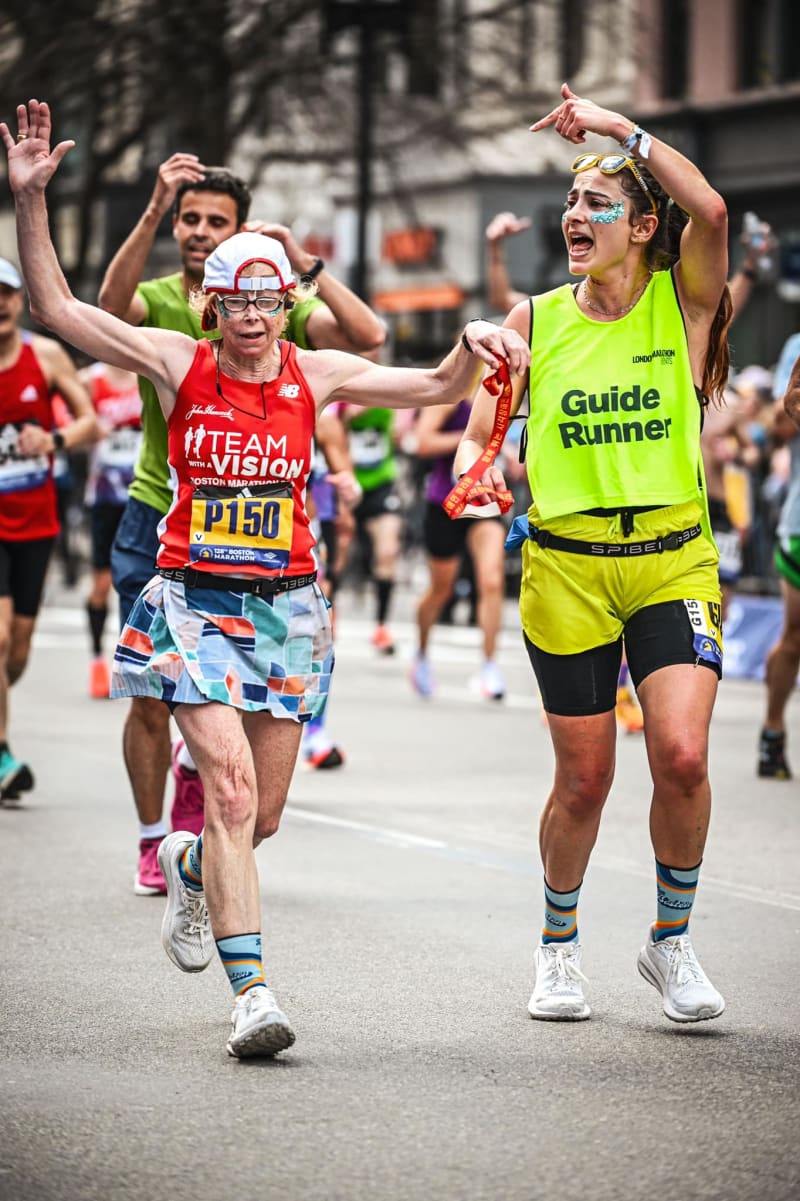
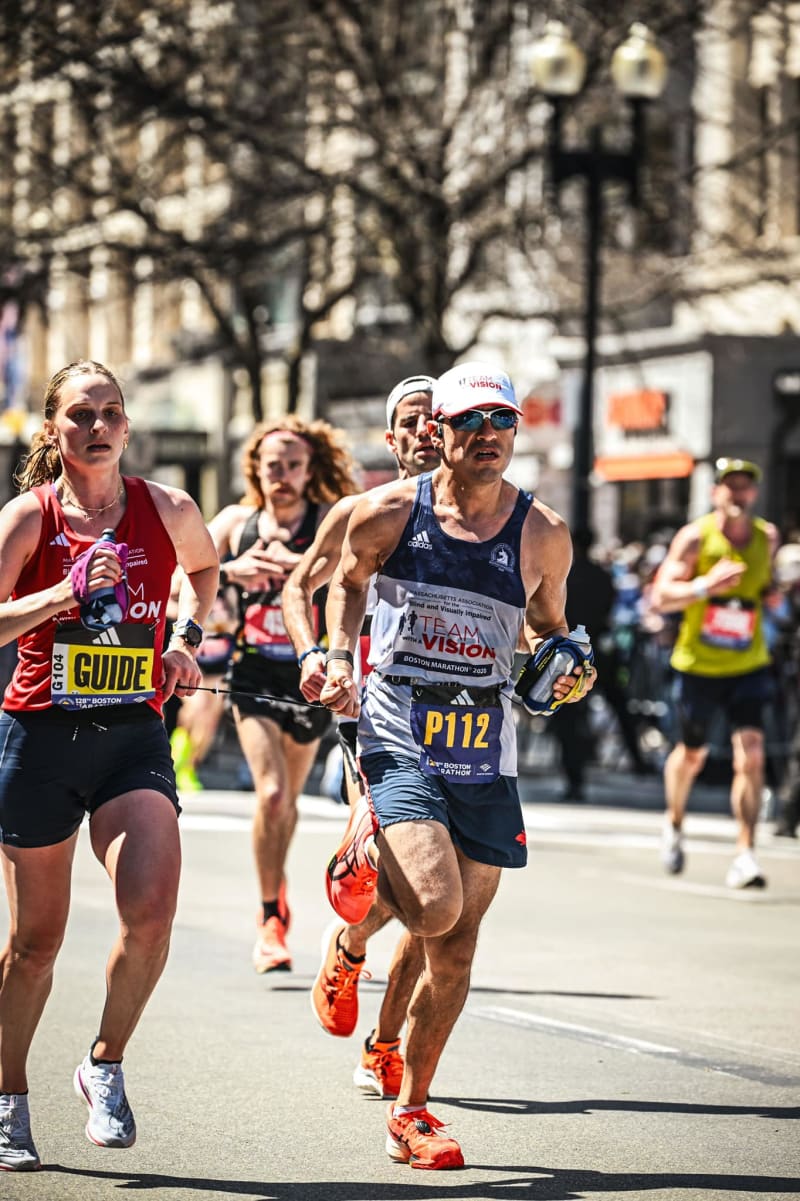
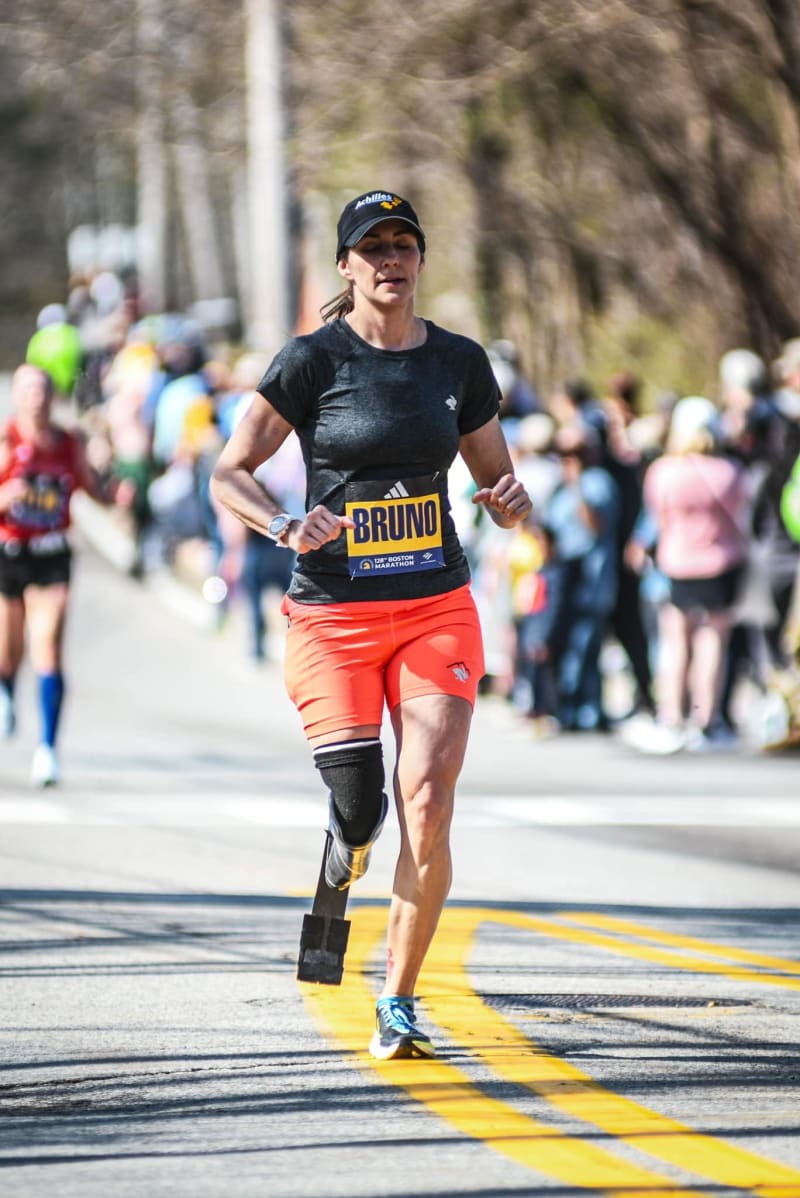
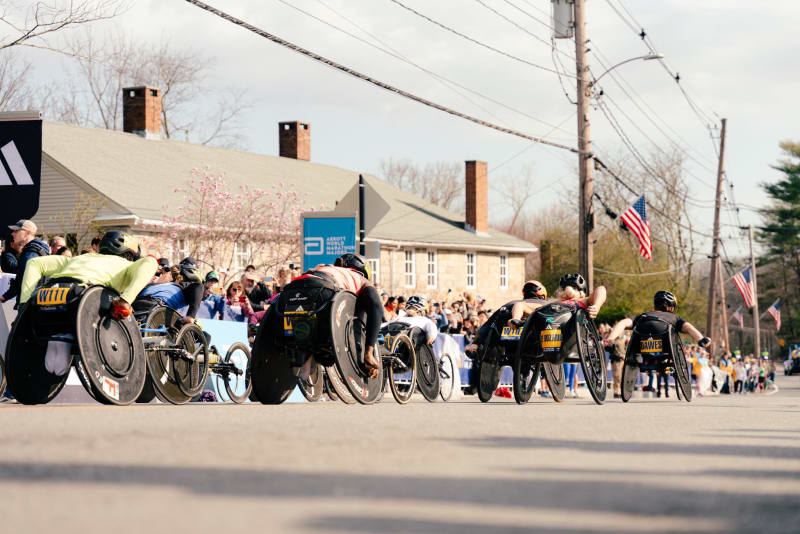
Mary Kate Shea: Boston has always been a pioneer in this area. We were the first marathon to include a wheelchair race, 50 years ago. Today, we offer seven para-athletics divisions, all with prize money, which is unique in the world. We want to encourage every race organizer to follow our lead. That is why we share all our initiatives with our counterparts at other races. Completing a marathon is an incredible achievement, and simply being able to do so is an accomplishment. It is important for us to recognize the achievements of every athlete, including para-athletes. We are constantly working to improve accessibility, train our volunteers and adapt our logistics.
Participation is still more male than female, but our qualifying standards are adapted for all ages and genders. We have also introduced a nonbinary category. Our ambition is clear: to open the door a little wider for every community.
Jack Fleming : We are a local, national and international event all at once. And inclusion starts locally. That is why we are developing programs to help Boston residents take up physical activity and gradually work toward the marathon. Our board of directors also includes champions such as Cheri Blauwet, a Paralympic medalist and two-time Boston wheelchair winner, who brings invaluable expertise. We have created a professional para-athletics division with prize money and full logistical support. Our goal is not only to shine a light on the podium, but to build a strong support system behind the scenes for every participant.
| Finally, the environmental question is now unavoidable for events of this scale.
What is your sustainability policy? What steps are you taking to reduce the marathon's environmental impact?
Jack Fleming : We are working with World Athletics and our partner Schneider Electric to reduce our environmental footprint. The first step was finding a genuine partner capable of working with us from where we are today, improving every aspect of sustainability: our carbon footprint, accessibility, governance and everything related to sustainable development. It is a priority for participants, the city of Boston and all of us.
Mary Kate Shea: It will take years, but we are on the right path. World Athletics has defined around 50 criteria, and we are making progress step by step.
| Two more personal questions: since taking charge of the Boston Marathon, what is your most memorable moment? A symbolic moment that particularly moved you? And do you have a little-known or inspiring story from behind the scenes that you would like to share?
Jack Fleming : After 35 years at the Boston Athletic Association, it is the people I have met who stand out most. But two victories remain etched in my memory: Meb Keflezighi in 2014 and Desiree Linden in 2018. Two Americans who truly wanted to win Boston during their careers. They came back several times after setbacks before finally triumphing. Their perseverance perfectly embodies the spirit of Boston.
And then there was welcoming Eliud Kipchoge. He finished sixth, which was remarkable in itself, but above all, he publicly acknowledged how difficult the course is. Hearing that from a legend only reinforces Boston's prestige.
Mary Kate Shea: I love every race; every edition is different. I remember Moses Mosop losing by a few seconds to Geoffrey Mutai. And then there was the victory of Japan's Yuki Kawauchi, who never made the Olympic team but competed for Japan at three World Championships. The athlete who won in 2018 in driving rain dug deep into his emotions to take the victory. I was also stunned by Desiree Linden, as well as by all the incredible champions who have come here: Hellen Obiri, Evans Chebet, Catherine Ndereba. So many iconic moments have taken place on Boylston Street. I cannot name just one. That is what makes Boston so special. No matter what your personal best is, when you come to Boston, what matters is how you adapt to all the changes that unfold during the race, how you keep going and grit your teeth. That is what it means to be a champion in Boston.
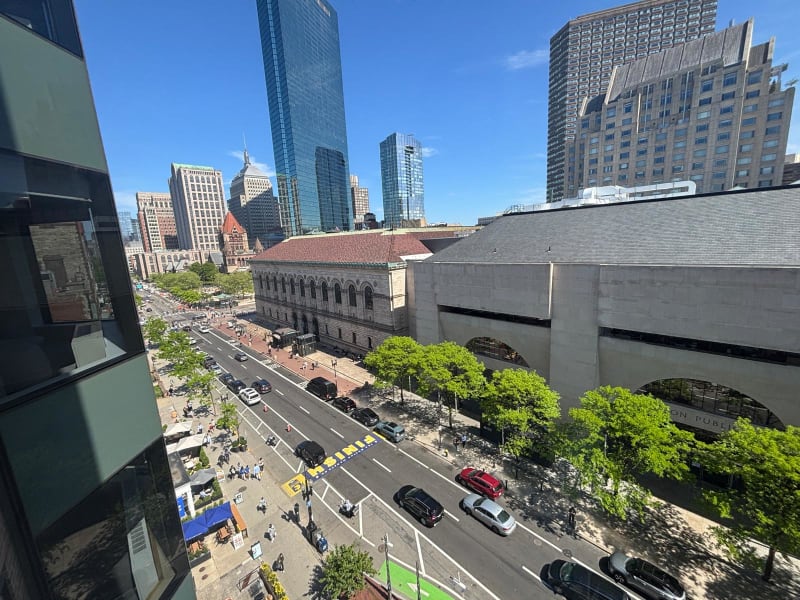 © The finish line is painted on the road and maintained all year round, a permanent tribute to the thousands of runners who cross it every edition. © Marathons
| Do you have a sense of what the next edition will look like?
Jack Fleming : The next edition will be historic. It will be the marathon's 130th anniversary, coinciding with the 250th anniversary of the United States. The celebrations began on Patriots' Day 2025 and will continue through the 2026 edition. And in 2030, Boston will celebrate its 400th anniversary. We are already working with the mayors of the cities and towns along the route to imagine what it will look like.
| Besides the races you organize, which one is particularly close to your heart?
Jack Fleming : I love the 10K distance. Outside the races we organize, I also think of the Bank of America Chicago Half Marathon. I am very impressed by the way the course passes through different neighborhoods and showcases the city, including places that do not usually come to mind and that let you truly feel the city's energy.
Mary Kate Shea: I was going to mention the Nipmuck Trail Marathon. But I would say that, as a runner, one of my favorite races is the Vermont 50 miles or the 100-miler. Still, the Boston Marathon remains special to me. There is a sense of community when you are here in Boston, surrounded by an incredible number of runners, no matter how long the marathon takes you. Boston is my favorite marathon. When you run Boston, for many people, the most important thing is simply crossing the finish line. You want to give everything you have on that particular day in Boston. And that is what I love about it, in contrast with ultras, where there is more of a sense of community, where we all run together regardless of the time on the clock.
For many years, Mary Kate Shea and Jack Fleming have watched over the Boston Marathon like a priceless treasure: with passion, rigor and humility. Behind every bib, every volunteer's smile and every stride up the Newton hills lies their vision, shaping the magic of this race.
In Boston, you are not running only for a time. You are running to belong to something bigger than yourself. And with the 130th edition approaching, this legendary race continues to reinvent itself without ever betraying its soul.
➜ The 130th edition of the Boston Marathon will take place on April 20, 2026. Find all the information here.
Related event
More articles

Avignon Marathon makes a winning debut with more than 3,450 runners
More than 3,450 finishers turned out for the successful first edition of the Avignon Marathon on Sunday, September 27, 2026.
Wed, September 30, 2026

Night races: why does everyone want to run while everyone else is asleep?
From Glow Runs to low-key trail races, night running is taking off, offering a more festive experience and a different relationship with the clock.
Thu, September 10, 2026

Kenya, the distance-running powerhouse in a country where running is king
How Kenya became distance running’s powerhouse, from Kipchoge Keino to Eliud Kipchoge and the generations shaped by its unique culture.
Thu, September 10, 2026