
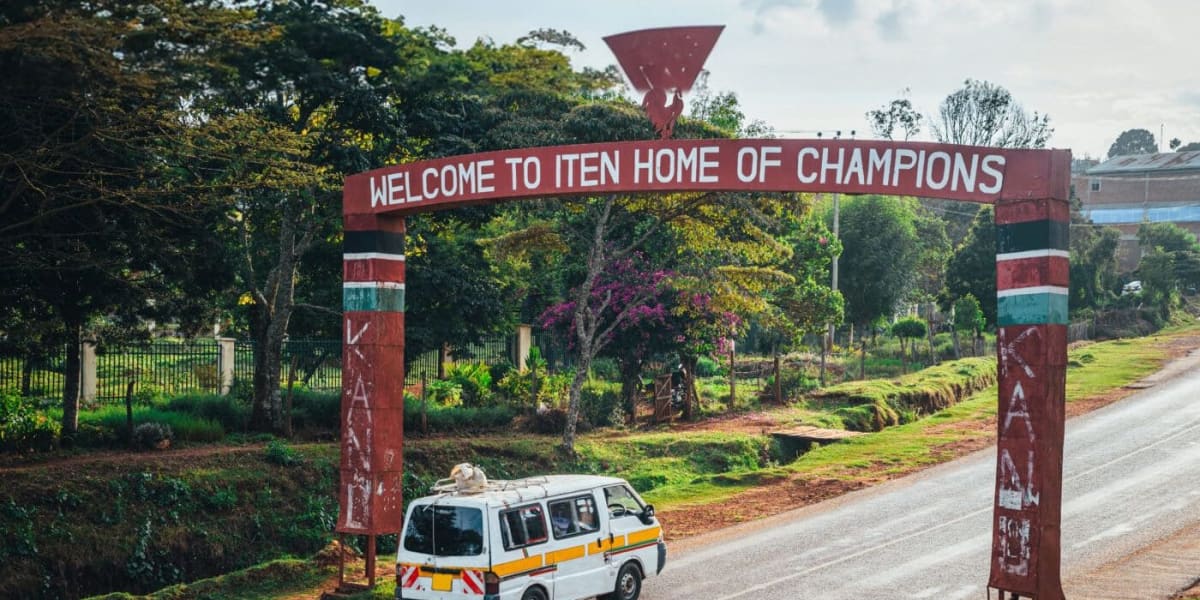
Since the 1970s, Kenya’s high-level training infrastructure has gone from strength to strength. It all began in Nyahururu before Iten and Kaptagat took over. Today, as the undisputed Home of Champions, Kenya continues to draw runners from around the world while developing the country’s own best athletes.
In the first instalment on Kenya, published on 19 August, Marathons.com looked at Kenya’s recent history and how the country became the distance-running superpower we know today. Yesterday’s and today’s successes are closely tied to the country’s training infrastructure, which has become concentrated over the past 50 years in three cities: Nyahururu, Iten and Kaptagat. This second instalment focuses on them.
Nyahururu, where it all began
The story of Kenya’s training camps began far from the current buzz surrounding Iten. During the 1970s and 1980s, the first athlete communities took shape in Nyahururu, a town in the central highlands, around 200 km from Nairobi. This is where Kenya’s first internationally renowned champion, Kipchoge Keino, made his name. At the time, runners from across the country gathered in this high-altitude town, 2,300 metres above sea level, more specifically at Nyahururu Stadium. Few places in Kenya could boast a stadium back then. It was here, in a venue now showing its age, that Kipchoge Keino and the Kenyan national team prepared for the 1968 Mexico Olympics, the Games that introduced the country’s athletes to the world. During the 1980s and 1990s, the country’s sporting centre of gravity gradually shifted west towards the Rift Valley. The professionalisation of the sector attracted foreign coaches and managers, and the training infrastructure began to improve.
 © Iten © KIPRUN
Iten and Kaptagat take over
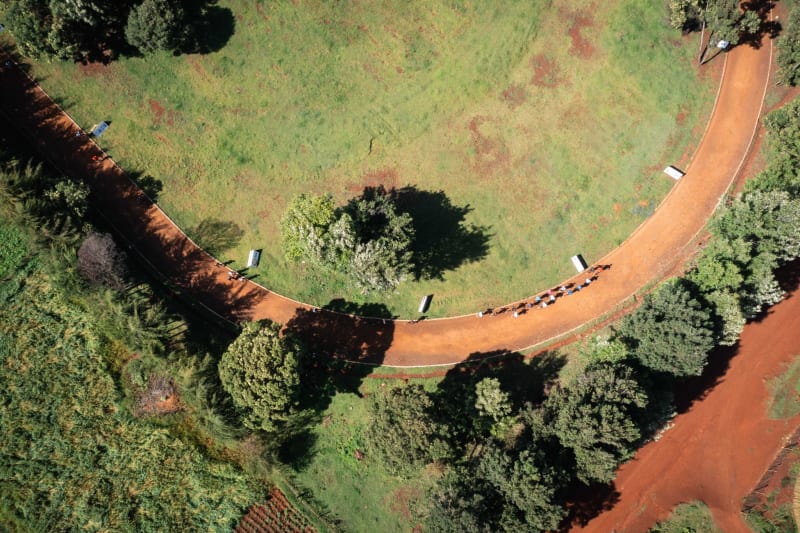
It was in Iten, a small town perched at 2,400 metres, that Kenya’s running phenomenon entered a new dimension in the late 1970s. The arrival of Irish missionary Colm O’Connell at St. Patrick’s High School in 1976 marked a turning point: the school became a champion factory. More than 20 of his pupils went on to win world or Olympic titles. Among those coached by him were David Rudisha, Vivian Cheruiyot, Matthew Birir and Brimin Kipruto. Little by little, a genuine running culture took root and more camps opened, turning Iten into the global capital of distance running. Today, the tracks in and around the town are packed with groups of Kenyan and foreign runners. Some are professionals, others amateurs. To meet this growing demand, the infrastructure continues to expand. Numerous private organisations are helping develop running in Kenya, even as they turn it into a fully fledged industry.
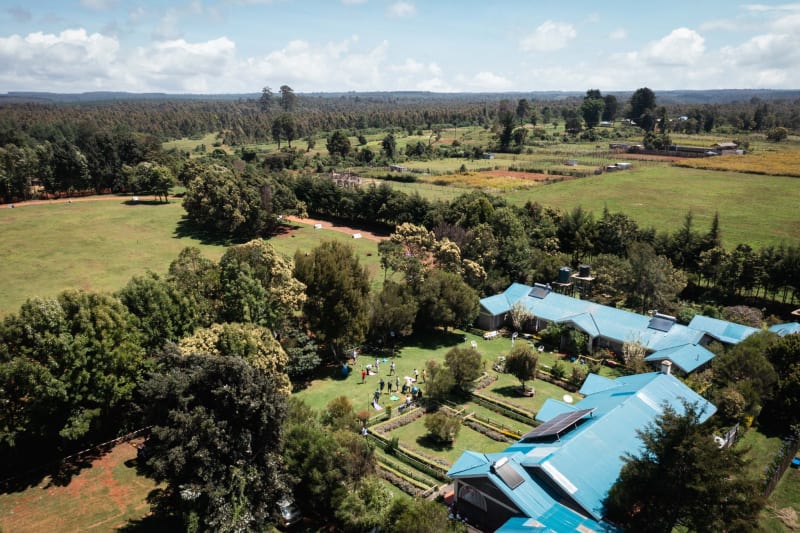
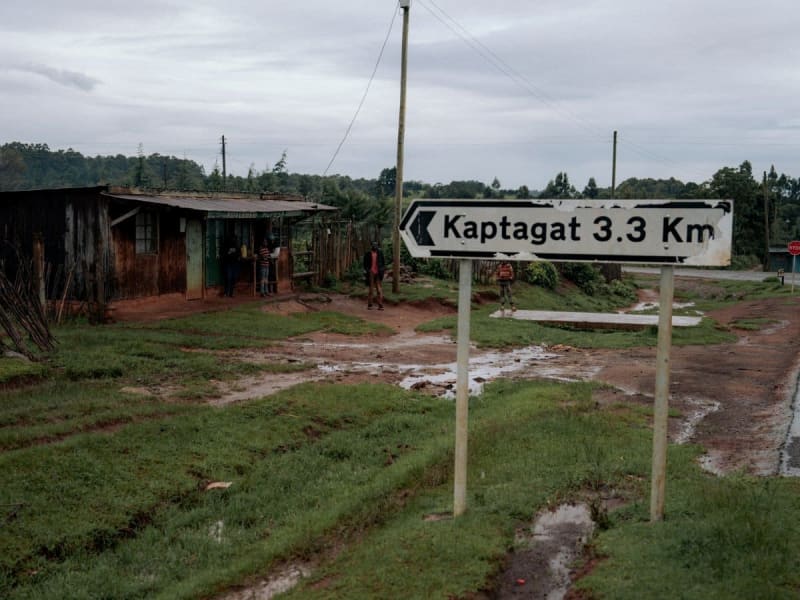
Kaptagat, a quieter town around 30 kilometres from Iten, has established itself as the country’s other centre of excellence. This is where Eliud Kipchoge has trained for more than 20 years, in a camp run along almost monastic lines. The altitude, at 2,400 metres, the unspoilt surroundings and the collective discipline create an ideal setting for performance. While Iten attracts established champions as well as overseas amateurs, Kaptagat remains more closed off and focused on Kenya’s elite.
 © NN Running Team
 © NN Running Team
 © NN Running Team
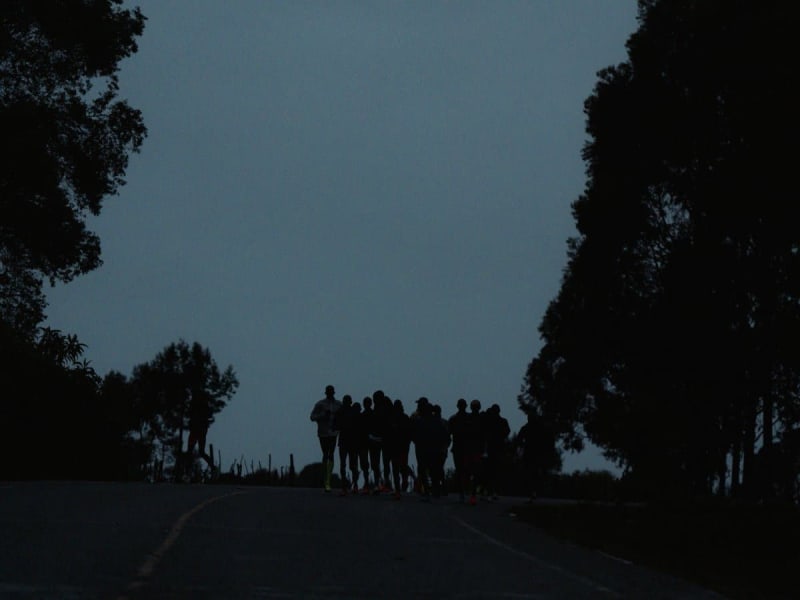
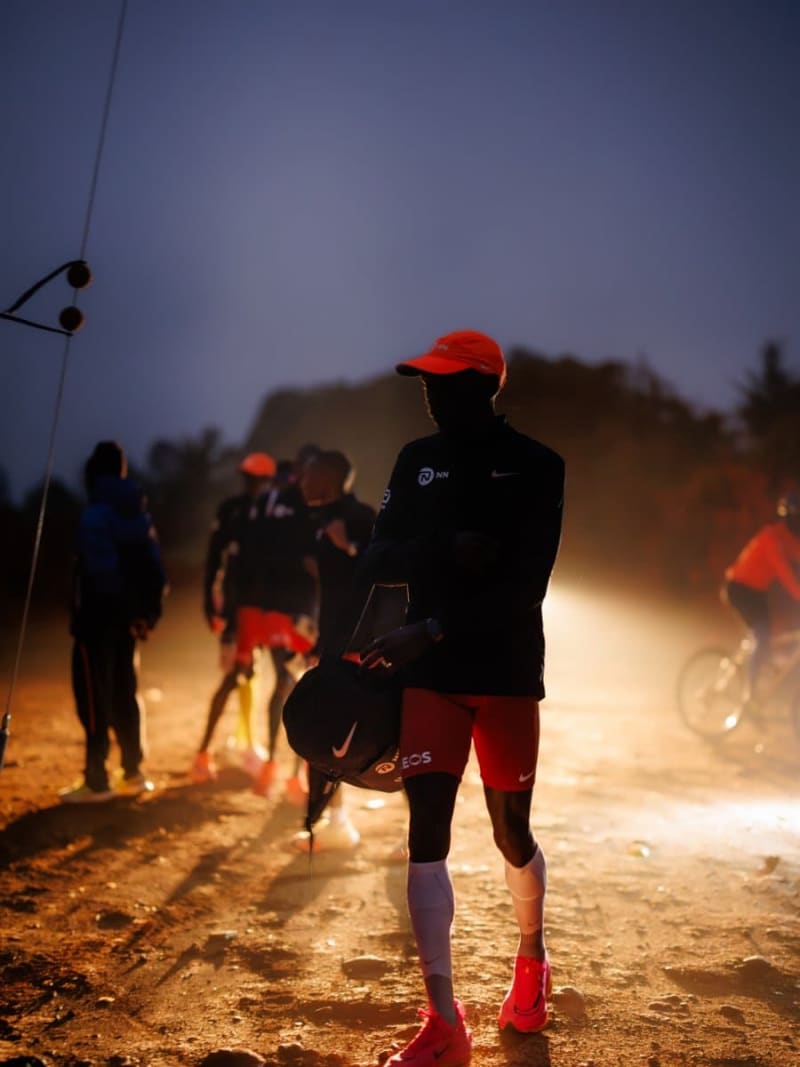 © NN Running Team
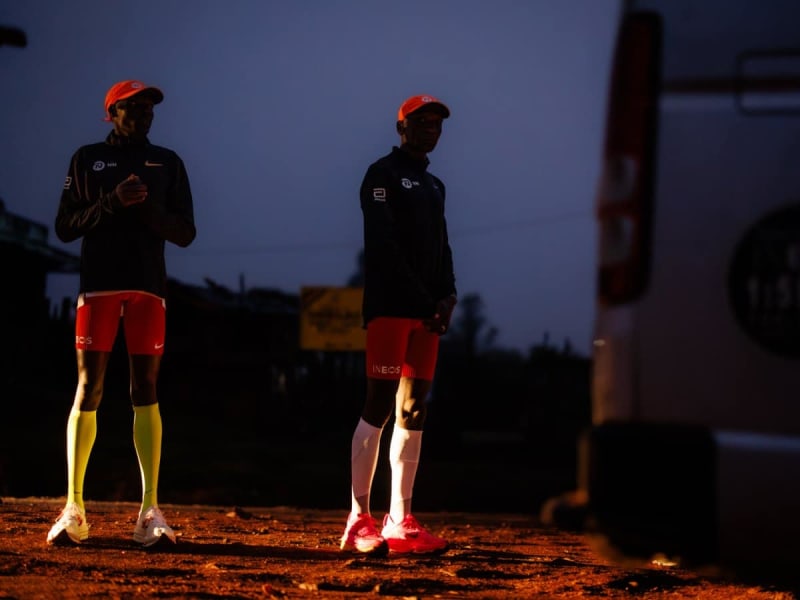 © NN Running Team
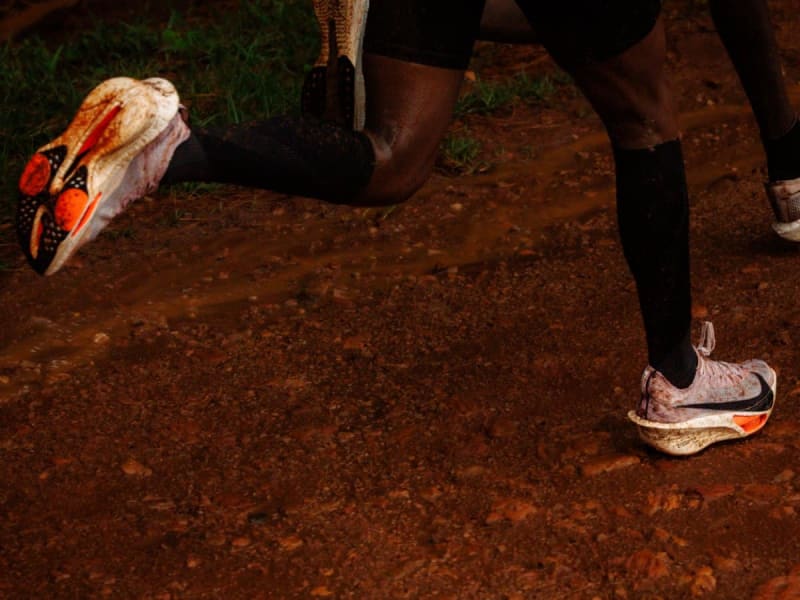 © NN Running Team
A wealth of private training centres
Iten has a remarkably high concentration of private organisations dedicated to running. It would be impossible to list every name that has emerged in this mecca of distance running… One of the country’s best-known facilities was launched by Dutch athlete of Kenyan descent Lornah Kiplagat, who won major marathons during her career, including Los Angeles in 1997 and 1998. The High Altitude Training Centre (HATC) offers accommodation, sports facilities and access to recovery services. Everything is under one roof, allowing runners fortunate enough to stay there to focus on their stride. The Kenya Camp goes a step further, with pacemakers and coaches on site. The JC Iten Training Camp also combines accommodation, sports facilities and coaching. There is no selection process: the only requirement is being able to afford the stay… Brands have joined in too.
Ambitious sportswear brand Kiprun opened its own centre, the 42 House, in November 2023. Around 20 athletes, men and women, live at the centre and train under the guidance of a coach. Partnerships with two Kenyan schools will support the development of young athletes aged 13 to 18, also through the 42 House. Among the specialists involved in running the centre is the ever-present Colm O’Connell of St. Patrick High School, still an indispensable figure in Kenyan running. The centre also works with The Swiss Side in Iten, a high-end training centre designed for runners and other athletes seeking a strong recovery environment and tailored support for intensive training.
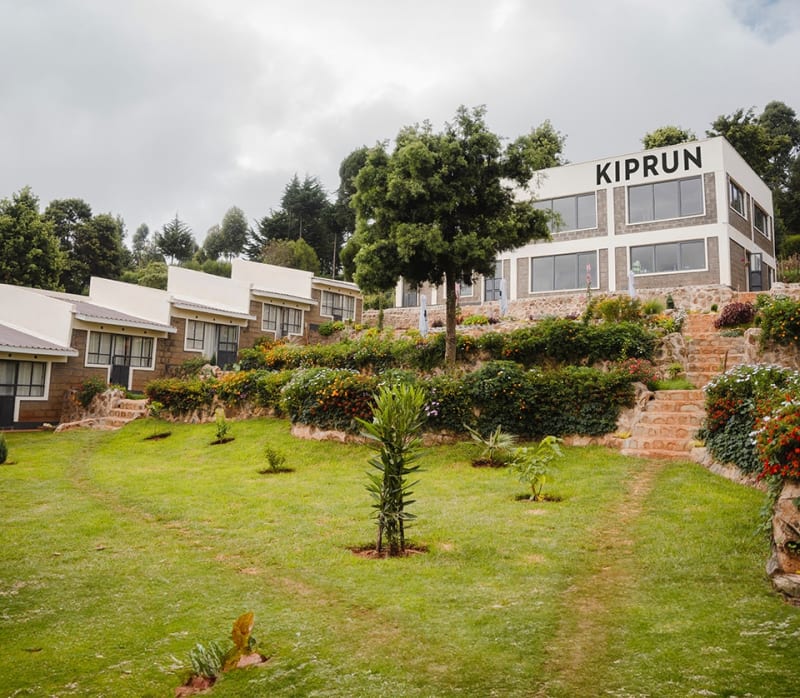 © KIPRUN
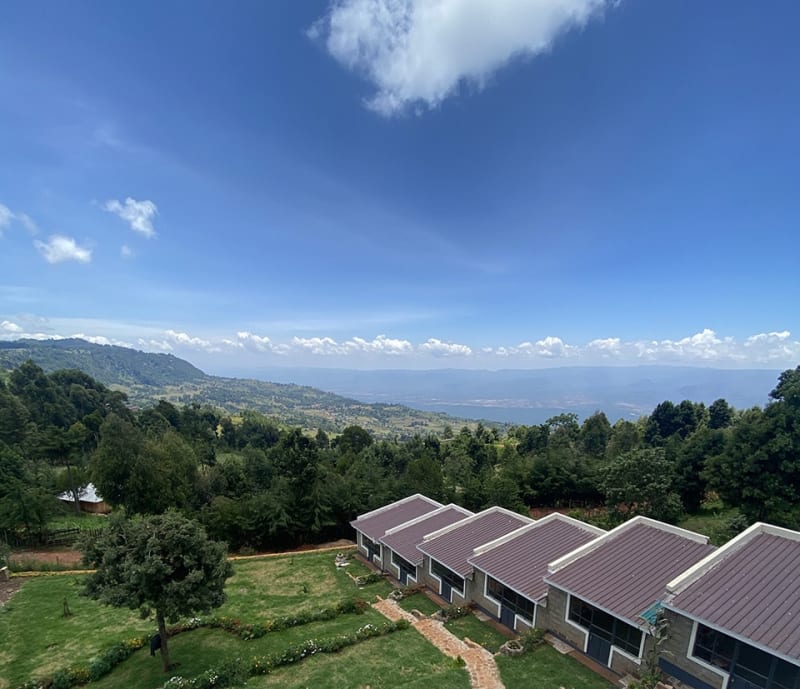 © KIPRUN
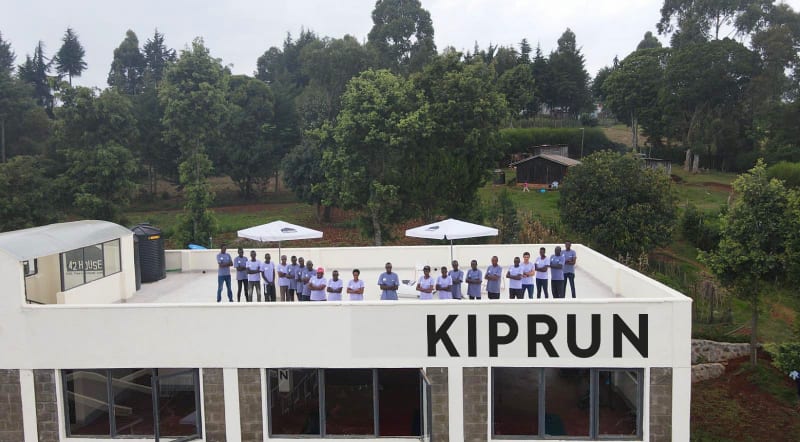
 © KIPRUN
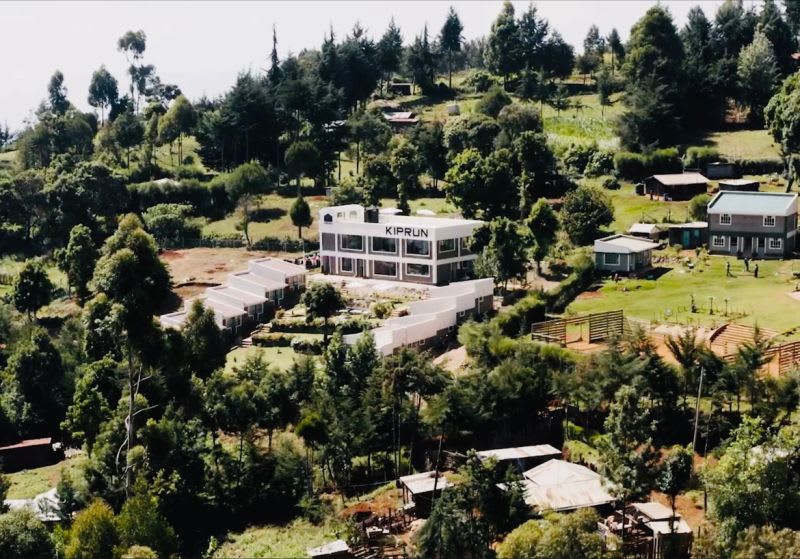
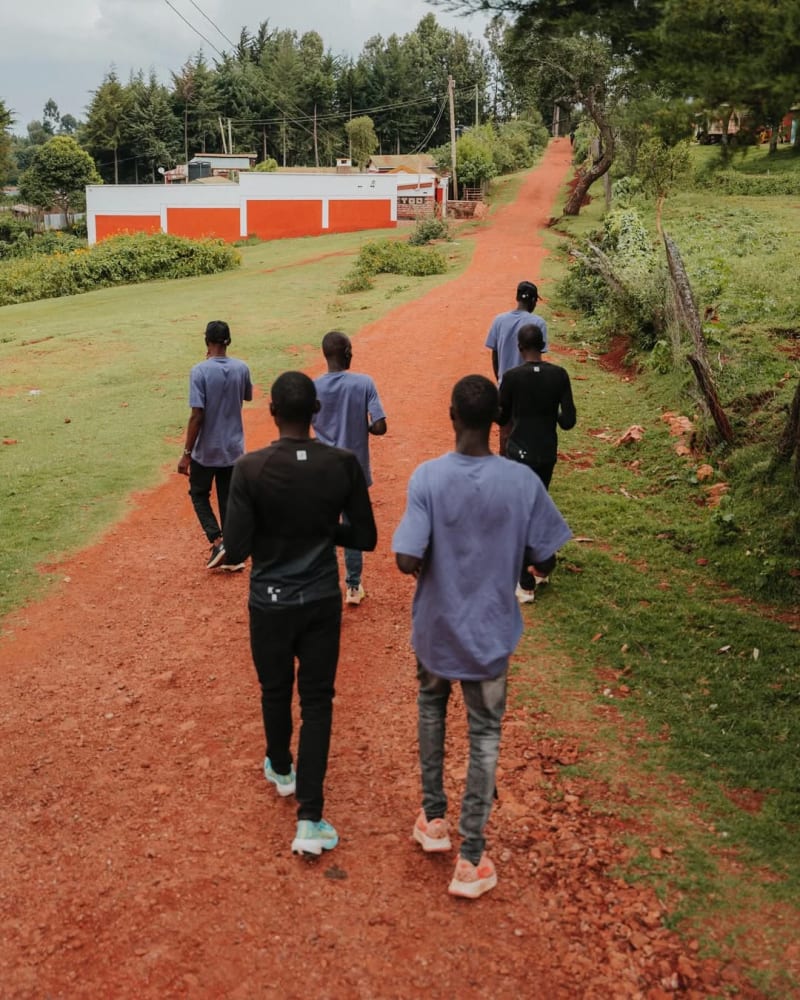
In Kaptagat, private options are more limited, and the town is geared towards the country’s professional elite. The Great Rift Valley Sports Camp is the preferred training base of champions such as Eliud Kipchoge, Geoffrey Kamworor and Moses Tanui. It operates in partnership with Global Sports Communication and offers an isolated setting, ideal for maximum focus and less crowded than vibrant Iten. The NN Running Team, the international professional team launched in 2017 that also includes Eliud Kipchoge, has a training centre in Kaptagat.
For more than 50 years, Kenya has cultivated a deep-rooted running culture that has benefited both Kenyans and countless foreign athletes. As the running boom gathers pace, more options are appearing in Iten and, to a lesser extent, Kaptagat. One point remains troubling, however: few private organisations are launched by Kenyans themselves. That deprives the country and its people of economic benefits they could badly use from the growth of running.
More articles

Avignon Marathon makes a winning debut with more than 3,450 runners
More than 3,450 finishers turned out for the successful first edition of the Avignon Marathon on Sunday, September 27, 2026.
Wed, September 30, 2026

Night races: why does everyone want to run while everyone else is asleep?
From Glow Runs to low-key trail races, night running is taking off, offering a more festive experience and a different relationship with the clock.
Thu, September 10, 2026

Kenya, the distance-running powerhouse in a country where running is king
How Kenya became distance running’s powerhouse, from Kipchoge Keino to Eliud Kipchoge and the generations shaped by its unique culture.
Thu, September 10, 2026