 © Maratona do Rio
Rio de Janeiro Marathon 2026: Ethiopia’s Tsegaye Getachew and Gadise Mulu Demissie conquer the “Marvelous City”
The 24th edition of the Rio de Janeiro Marathon delivered on all expectations this Sunday, June 7, along Brazil’s Atlantic coast. Ethiopians Tsegaye Getachew (2:10:22) and Gadise Mulu Demissie (2:25:47) etched their names into the history of one of Latin America’s most iconic road races.
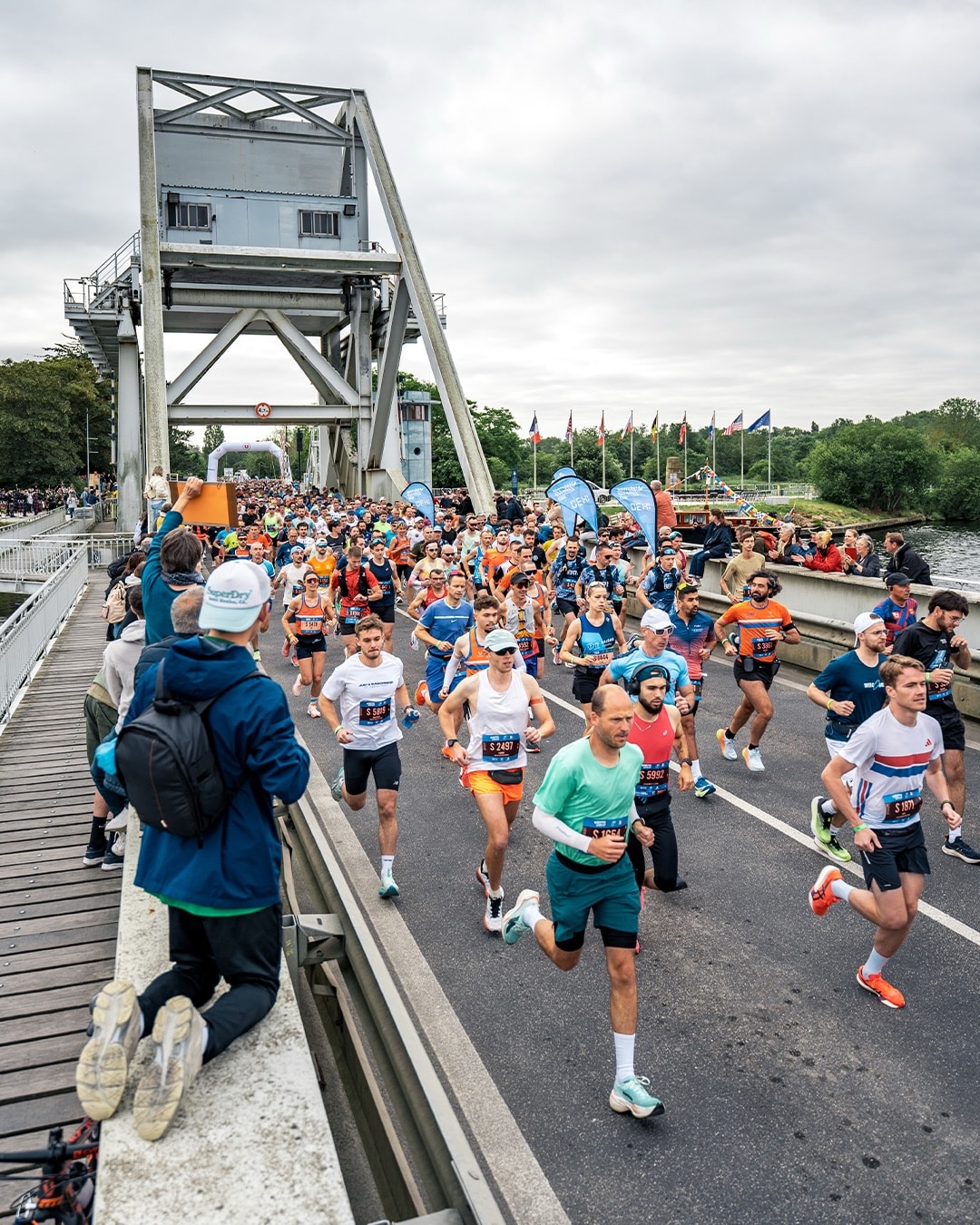
Because a sunrise shot of Ipanema with a race bib in hand is priceless. The Rio Marathon stopped being just an elite athletics event a long time ago — it has become a full-scale spectacle, backed by brands such as Itaú, Adidas and Michelob Ultra. For its 24th edition, staged in Rio de Janeiro from June 4 to 7 over the long weekend, the event set a new benchmark with 70,000 bibs distributed — an all-time record, surpassing the 60,000 from 2025.
Across four days and four distances (5 km on Thursday, half marathon on Saturday, 10 km and marathon on Sunday), the entire city was in motion. Instagram turned into a sunrise photo gallery, Copacabana and Ipanema became natural stages, and TikTok was flooded with clips from the final stretch along Aterro do Flamengo, confetti and flags included — the kind of World Cup-like atmosphere only Rio can produce. The 2026 edition also marks the race’s new World Athletics Elite Label status, placing Rio alongside Tokyo, Boston, Chicago, Berlin and London among the world’s top-tier races in terms of competitive depth.
| Night start and 12°C conditions
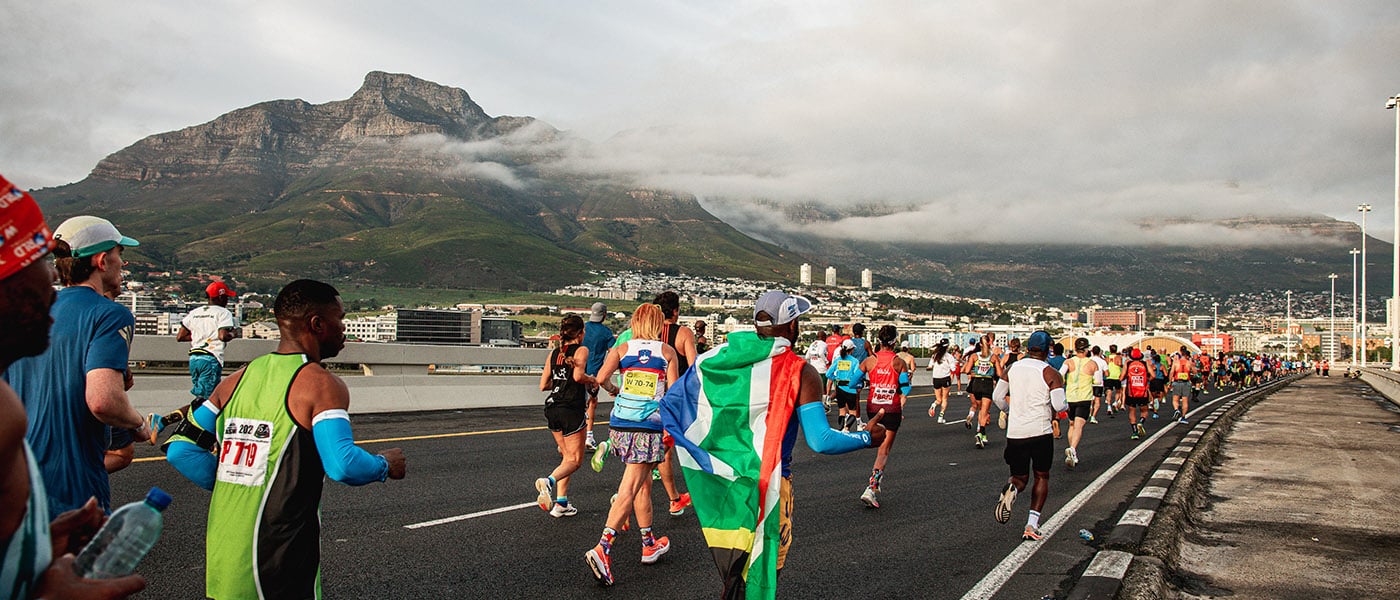
The return to the original course was widely welcomed in Brazil. After a few seasons of altered layouts, 2026 brought back the classic route: start at Praia da Reserva, finish at Aterro do Flamengo, passing through São Conrado, Leblon, Ipanema, Copacabana and Botafogo, with the Atlantic Ocean as a constant backdrop.
The race began before sunrise under the gaze of the Christ the Redeemer. Early conditions were unusually cool: 12.2°C recorded in Alto da Boa Vista — the second-lowest temperature of the year in the city, according to municipal data. A welcome advantage for runners. Then came the beauty: midway through the race, the sun rose over Ipanema, turning the course into a postcard scene. For those further back in the field, the heat returned in the final third — a reminder that Rio always reasserts itself.
| Tsegaye Getachew misses record by two seconds
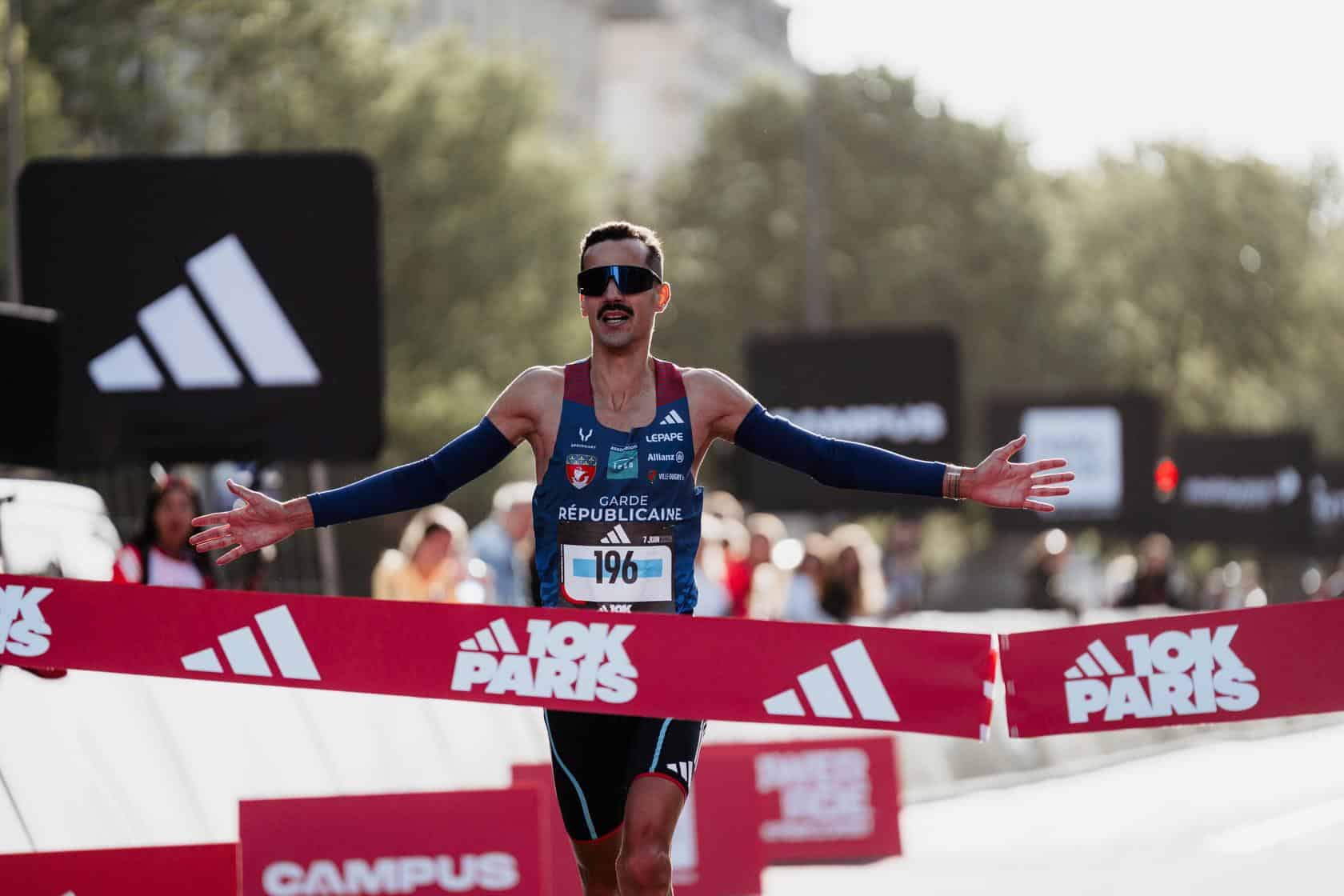
In the men’s race, Tsegaye Getachew controlled proceedings from start to finish to win in 2:10:22. The Ethiopian, a highly consistent marathon specialist, is a Tokyo Marathon bronze medallist (2023) and a two-time Amsterdam Marathon winner (2022, 2024). He was pushed all the way to the line by his compatriots. Antenayehu Dagnachew Yisma took second in 2:10:24, just two seconds behind, while Ethiopian-born American Daniel Mesfun Teklebrhan finished third in 2:10:45 ahead of Morocco’s Mustapha Houdadi (2:10:51).
The frustration is real: the fastest marathon ever run on Brazilian soil had been set just a week earlier in Porto Alegre by Kenya’s Daniel Hiprono Sang in 2:10:21 — one second faster than Getachew’s winning mark. For context, Brazil’s all-time reference remains Eliud Kipchoge’s 2:08:44, set during the Rio 2016 Olympic Gamesmarathon — a performance that still looms large in Brazilian running history. Best Brazilian finisher Melquisedeque Messias Ribeiro placed 10th in 2:16:48.
| Gadise Mulu Demissie smashes course record
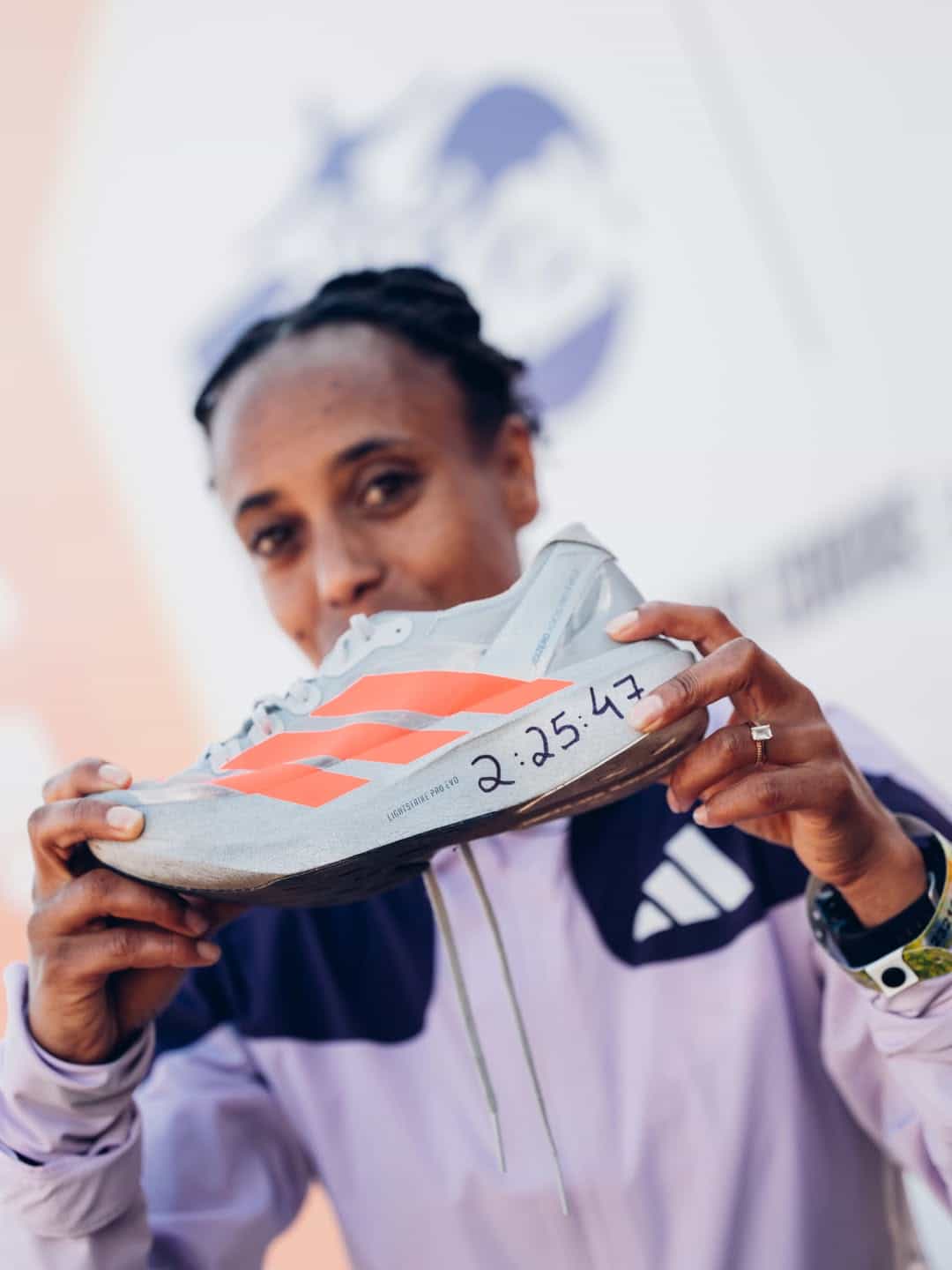
The women’s marathon was an Ethiopian masterclass. Gadise Mulu Demissie, whose personal best stands at 2:20:59 (Amsterdam 2024), won in 2:25:47 — a new Brazilian all-comers record. Her performance was so strong she finished just three seconds behind the men’s winner. Shortly after crossing the line, she felt unwell and received medical attention at Marina da Glória, before being quickly taken care of by the event’s medical team.
Behind her, five more Ethiopian athletes ran under the previous national-best benchmark: Tirfi Tsegaye Beyene (2:26:03), Azmera Abrha Gdey (2:26:20), Affera Godfay Berha (2:26:37), Zinash Debebe (2:26:55) and Ayinadis Teshome Birle (2:27:43). Kenya’s Catherine Cherotich also dipped under the historic mark in 2:28:56.
Seven athletes under the former Brazilian record in a single race — a clear sign of the extraordinary depth in the women’s field. The previous national standard had stood at 2:29:48. The absolute Brazilian soil record remains Jemima Sumgong’s Olympic-winning 2:24:04 from Rio 2016. Best Brazilian finisher Amanda Aparecida de Oliveira was 11th in 2:38:58.
| Brazilians strike back in shorter races
While the marathon was dominated by international elites, Brazilian athletes took control of the shorter distances. In the men’s half marathon, Fabio Jesus Correia won in 1:01:53 ahead of Kenya’s Felix Mursoi Kurui (1:02:05) and Uganda’s Paul Simotwo Korir (1:02:08). On the women’s side, Kenya’s Margret Gati Chacha prevailed in 1:11:11, followed by Ethiopia’s Alemaz Samuel (1:13:24) and Tanzania’s Vaileth Adam Kidasi (1:15:24). Best Brazilian finisher Maria Lucineida da Silva Moreira placed fourth in 1:15:45.
In the 10 km, Brazil nearly swept the podium: Wendell Jeronimo de Souza won in 29:17 ahead of Daniel Santana de Souza (29:31) and Jose Geraldo Ferreira Junior (29:37). Colombian runner Laura Manuela Espinosa Morales won the women’s race in 34:30. The 5 km saw Fabio Jesus Correia double up with another win in 14:12, while Ketlen Petry took the women’s title in 16:48.
| 70,000 bibs and growing momentum
The Rio de Janeiro Marathon has never been bigger: four days of racing, four distances, 70,000 entries, and a newly awarded World Athletics label confirming its global rise. In Brazil — where nearly 400,000 followers engage with the event on Instagram alone — running has become more than sport: it is culture, identity and celebration rolled into one. And somewhere in the Ethiopian highlands, Tsegaye Getachew and Gadise Mulu Demissie have already circled next year’s date.
✔ Full results of the Rio Marathon 2026

Dorian VUILLET
Journalist