 © 10 km de l'UNICEF 2026 / Nicolas Averty
UNICEF 10K: when the Bois de Boulogne turns into a playground of solidarity
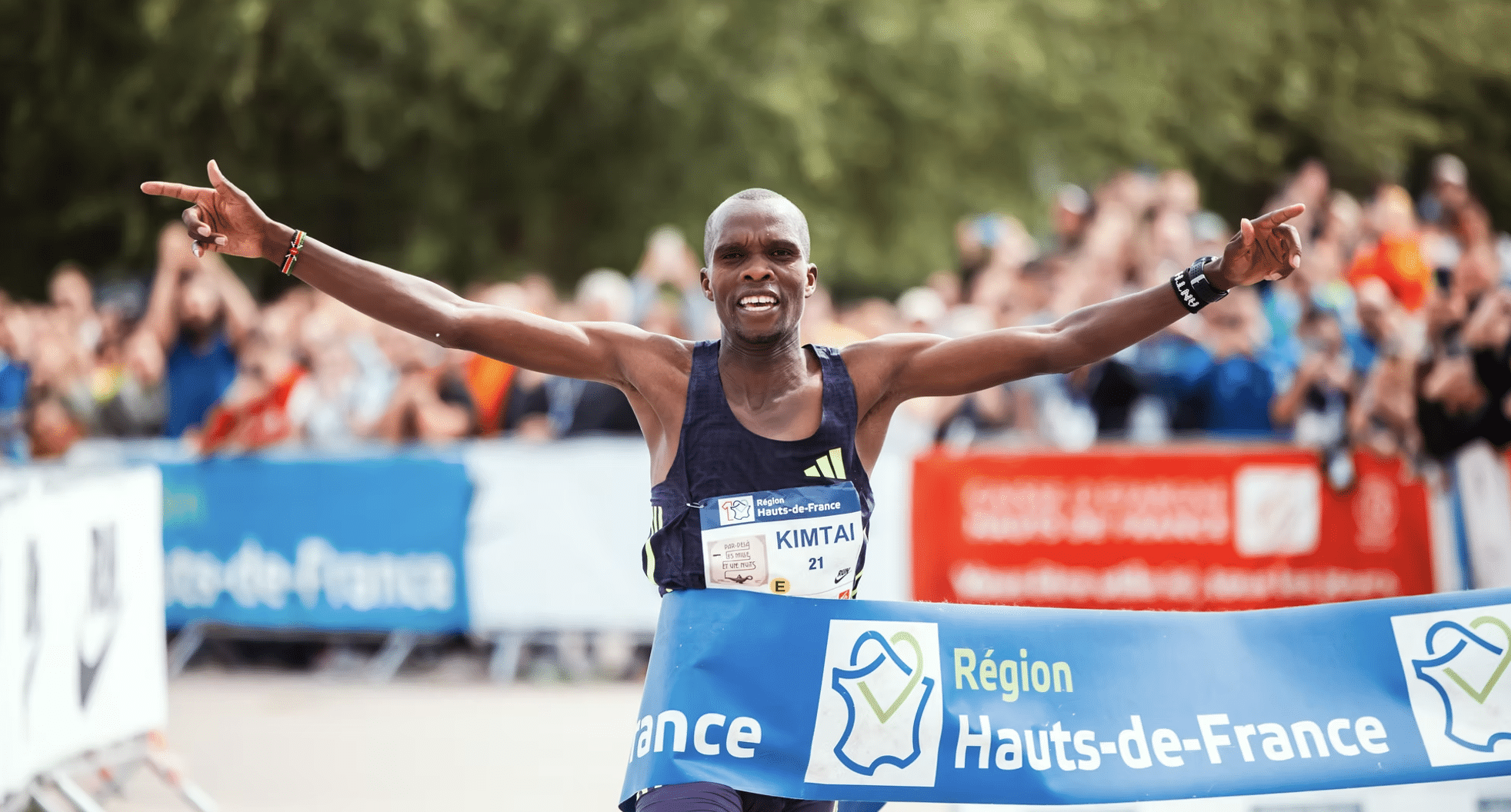
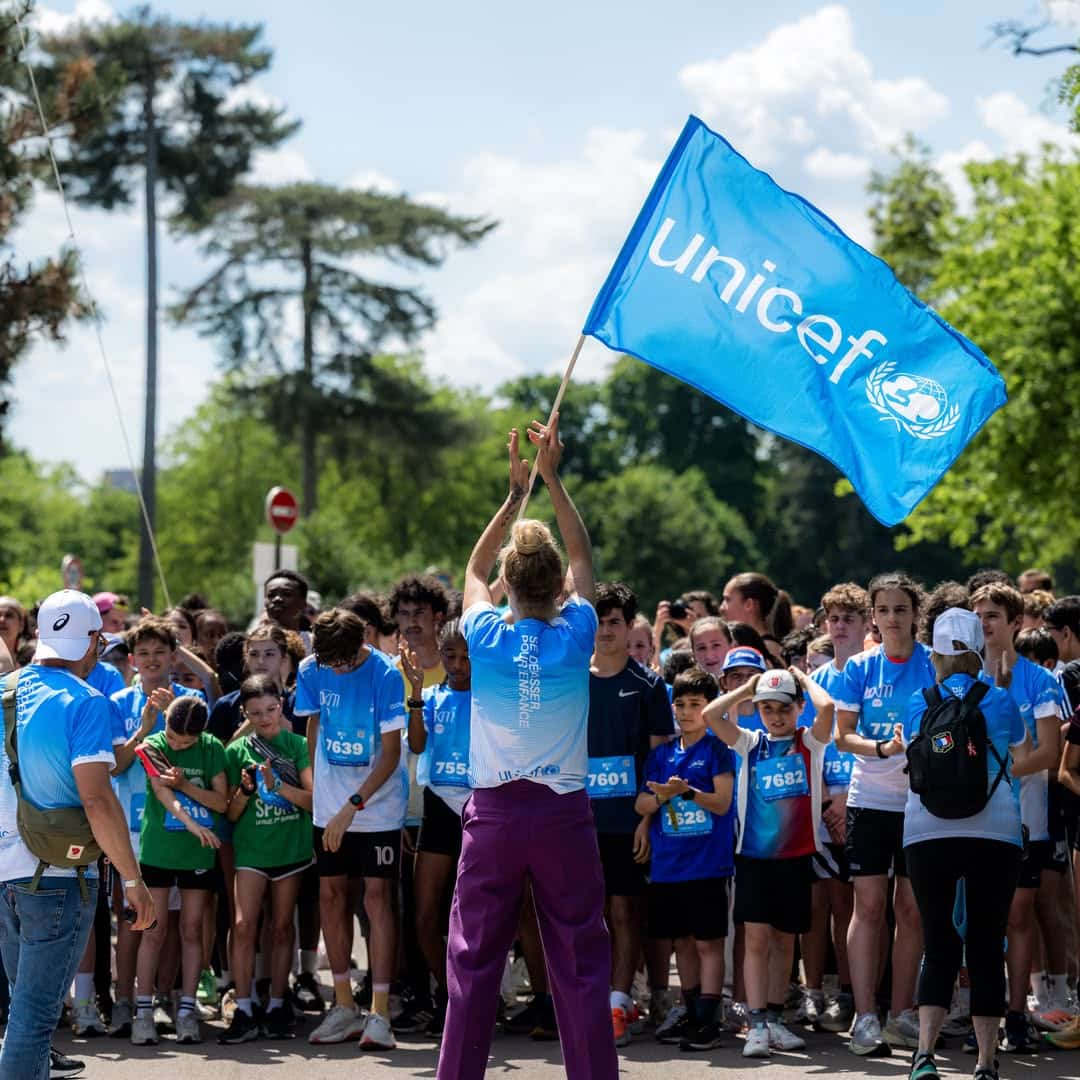
This Sunday, May 10, the Bois de Boulogne pulsed with the rhythm of thousands of committed strides. For its second edition, the UNICEF 10K brought together nearly 10,000 participants around a simple yet vital cause: helping feed the world’s most vulnerable children. Between racing, solidarity, and tears at kilometer 7, it was a morning that had all the ingredients of a major event.
There are mornings when the alarm goes off at 7 a.m. and there is no regret whatsoever. On Sunday, the sun played along, and the Bois de Boulogne — nestled in the Hauts-de-Seine on the western edge of Paris — became the epicenter of an unusual blend of sport and solidarity. Around 10,000 runners took part in the second edition of the UNICEF 10K, a race that has little in common with a traditional 10-kilometer event focused purely on personal bests and split times.
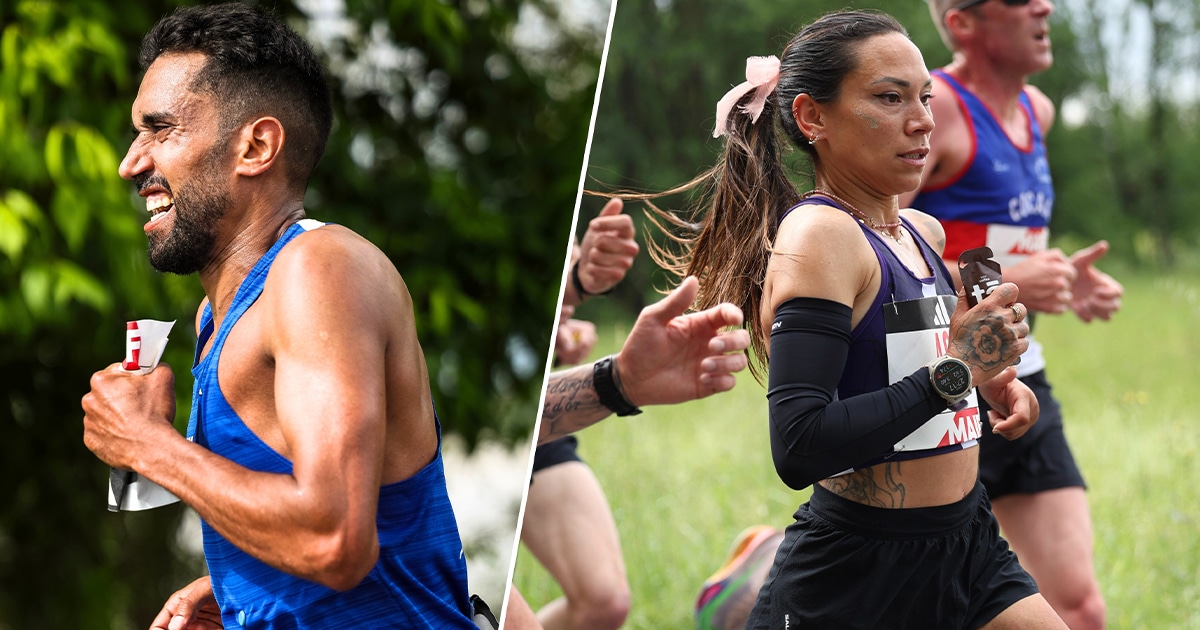
The atmosphere, the smiles, the handmade signs along the course, families cheering on parents in running shorts… everything gave the event a unique identity — part popular festival, part civic gathering. “I had tears in my eyes at kilometer 7, and I don’t even know if it was the effort or the emotion,” said Clara, 34, from Paris’s 15th arrondissement, running with her club. The feeling was easy to understand.
| Forest paths, running strides and 43 meters of elevation gain
The course features just 43 meters of elevation gain — a detail that seasoned trail runners might smile at, but which is enough to add spice to a 5K or 10K. The route stays entirely inside the woods, far from Paris traffic and crowded sidewalks. Between tree-lined avenues and winding dirt paths under the canopy, the experience feels more like a Sunday walk on steroids than a city race.
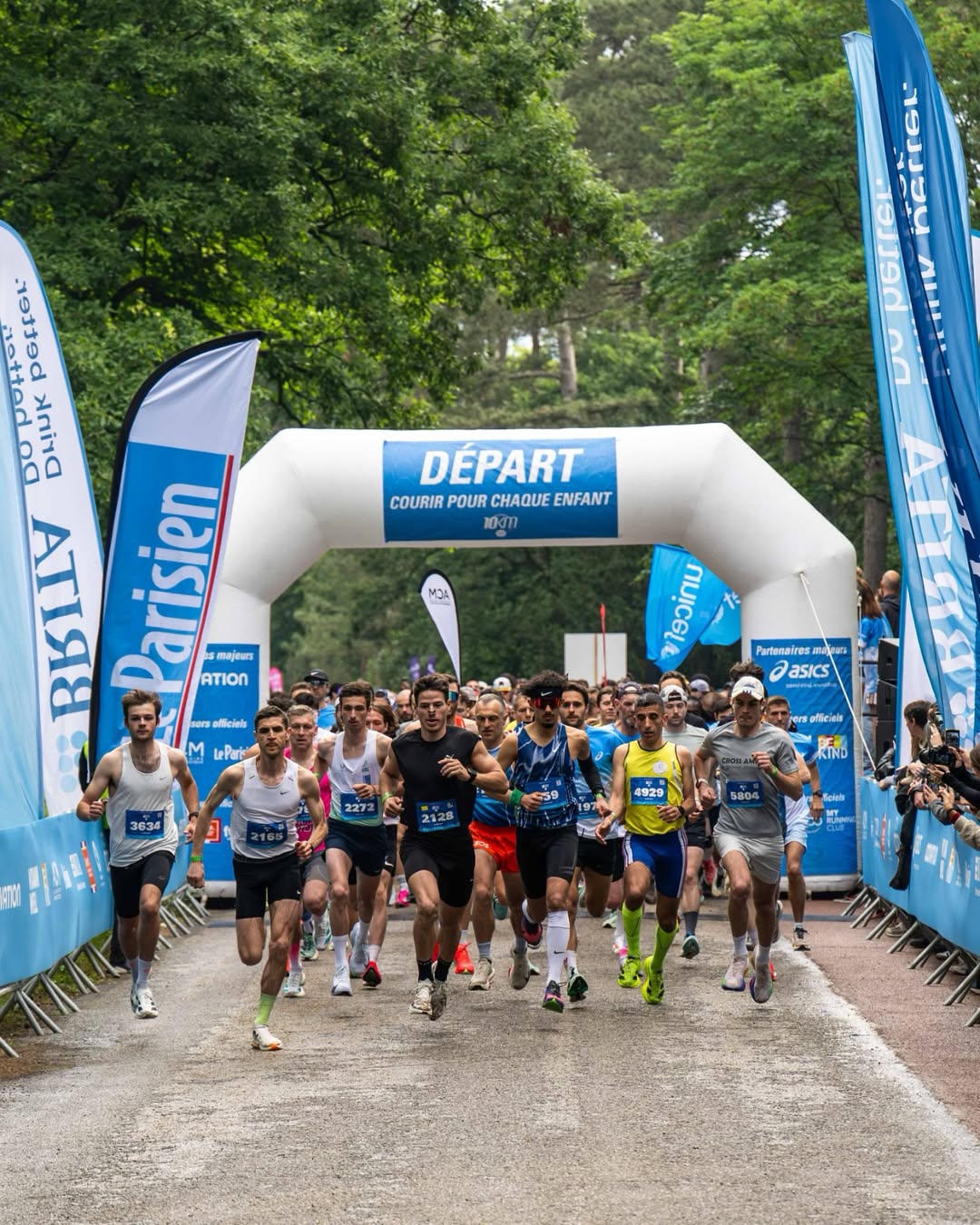
The start was given at 9:30 a.m., and from the first strides the tone was set. Pacers were spread throughout the field, guiding runners targeting specific finish times — 45 minutes, 50 minutes, one hour — while others simply followed the collective energy. “I planned to run 55 minutes, I finished in 48. I don’t know if it was adrenaline or the crowd, but something carried me,”said Théo, 28, breathless but smiling at the finish line.
« I raised €340 thanks to my friends. On race day, I wasn’t really running for myself anymore. »
Amandine
In total, 5,292 runners were officially classified, a figure that reflects strong participation — even if the initial ambition of 10,000 on-site runners was supplemented by connected participants running remotely, tracking their efforts from their neighborhoods or hometowns with GPS watches and a digital bib. Several UNICEF ambassadors and guests were also present, including Élodie Gossuin, Jimmy Mohamed, Ophélie Meunier, and Sylvie Tellier.
| The solidarity bib, the real innovation of the edition
This year’s major innovation was the “solidarity bib.” Instead of a standard race entry, each participant could run for a cause that matters. The concept is simple but highly effective: all funds raised are fully donated to UNICEF to support its fight against child malnutrition, with no cap on donations — every extra euro directly contributes to helping children in need.
As a result, some runners arrived at the start line carrying far more than just running shoes and training in their legs — months of fundraising, online campaigns, and challenges shared with friends and colleagues. “I raised €340 thanks to my friends. On race day, I wasn’t really running for myself anymore,” smiled Amandine, 41, a physiotherapist from Lyon who traveled specifically for the event. It’s hard to measure exactly how many therapeutic meals that represents, but somewhere in the world, it clearly makes a difference.
| Kids had their own race too
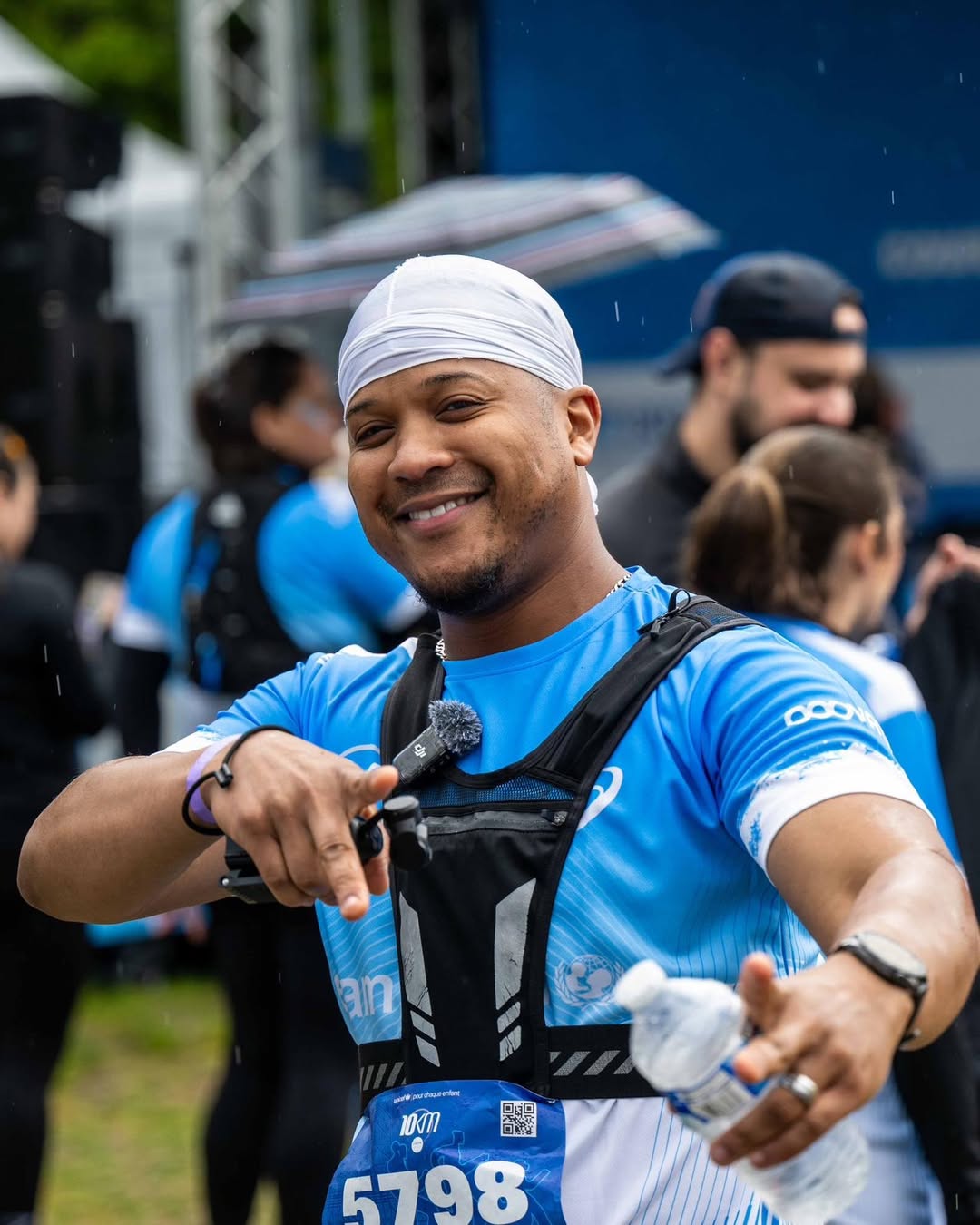
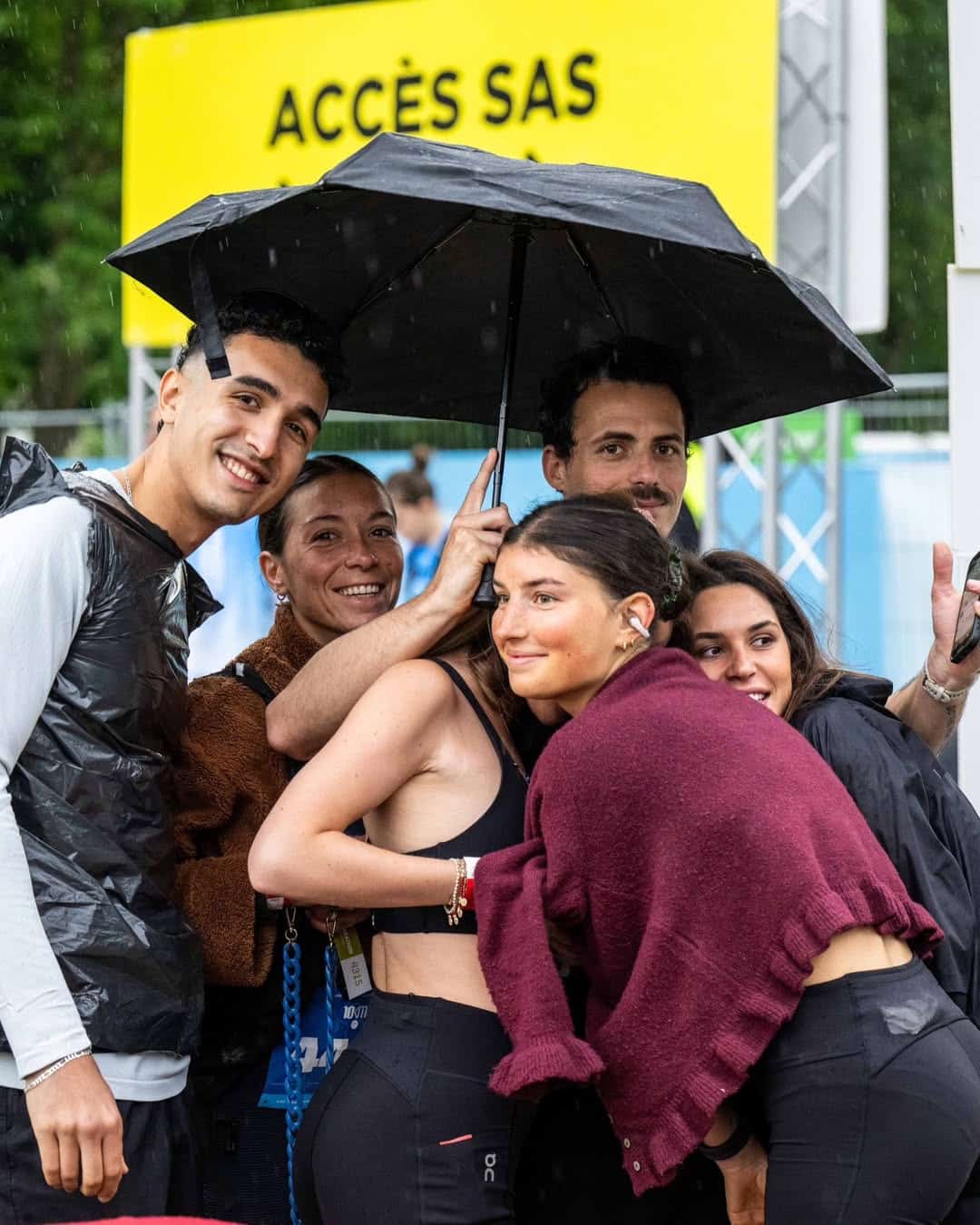
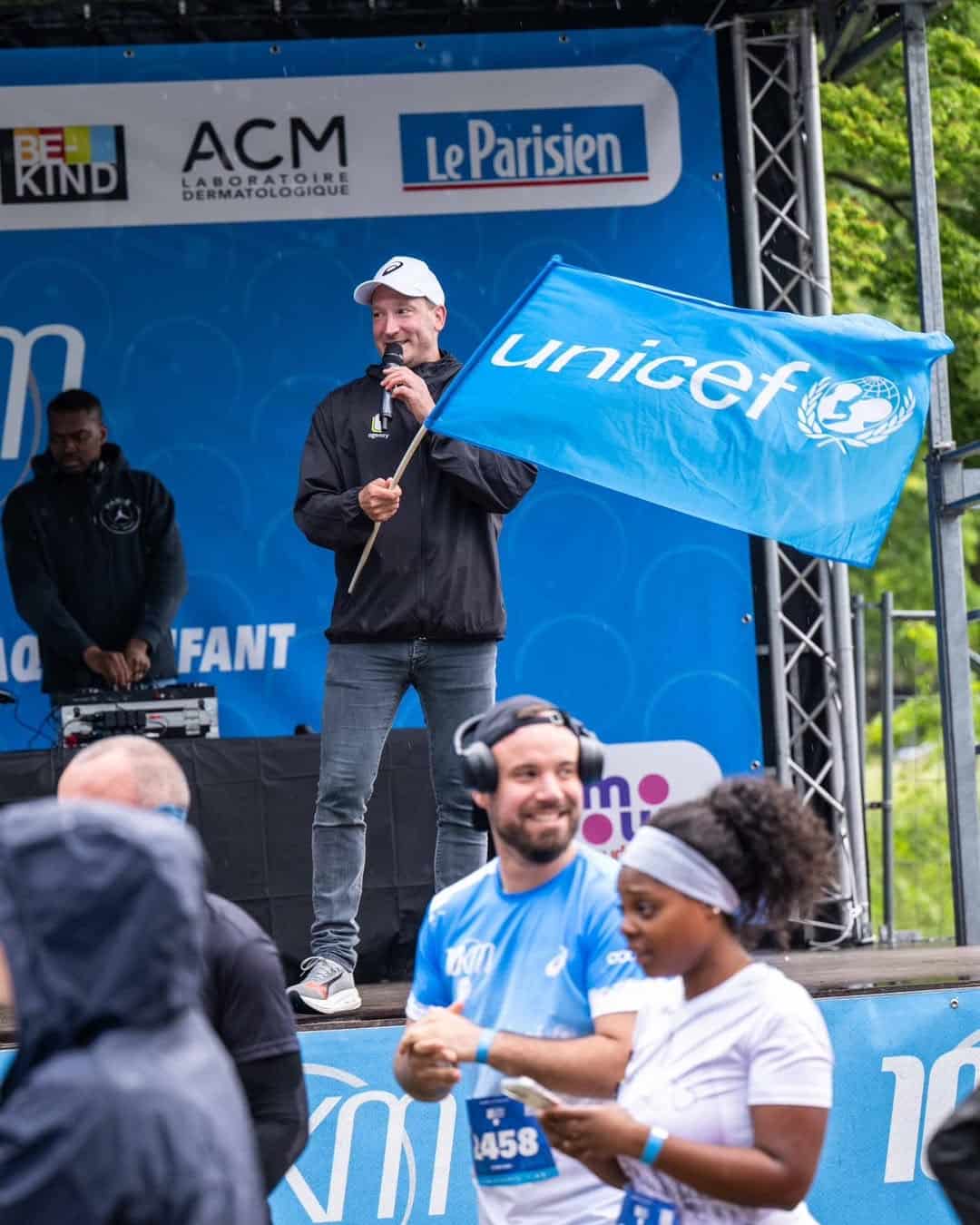
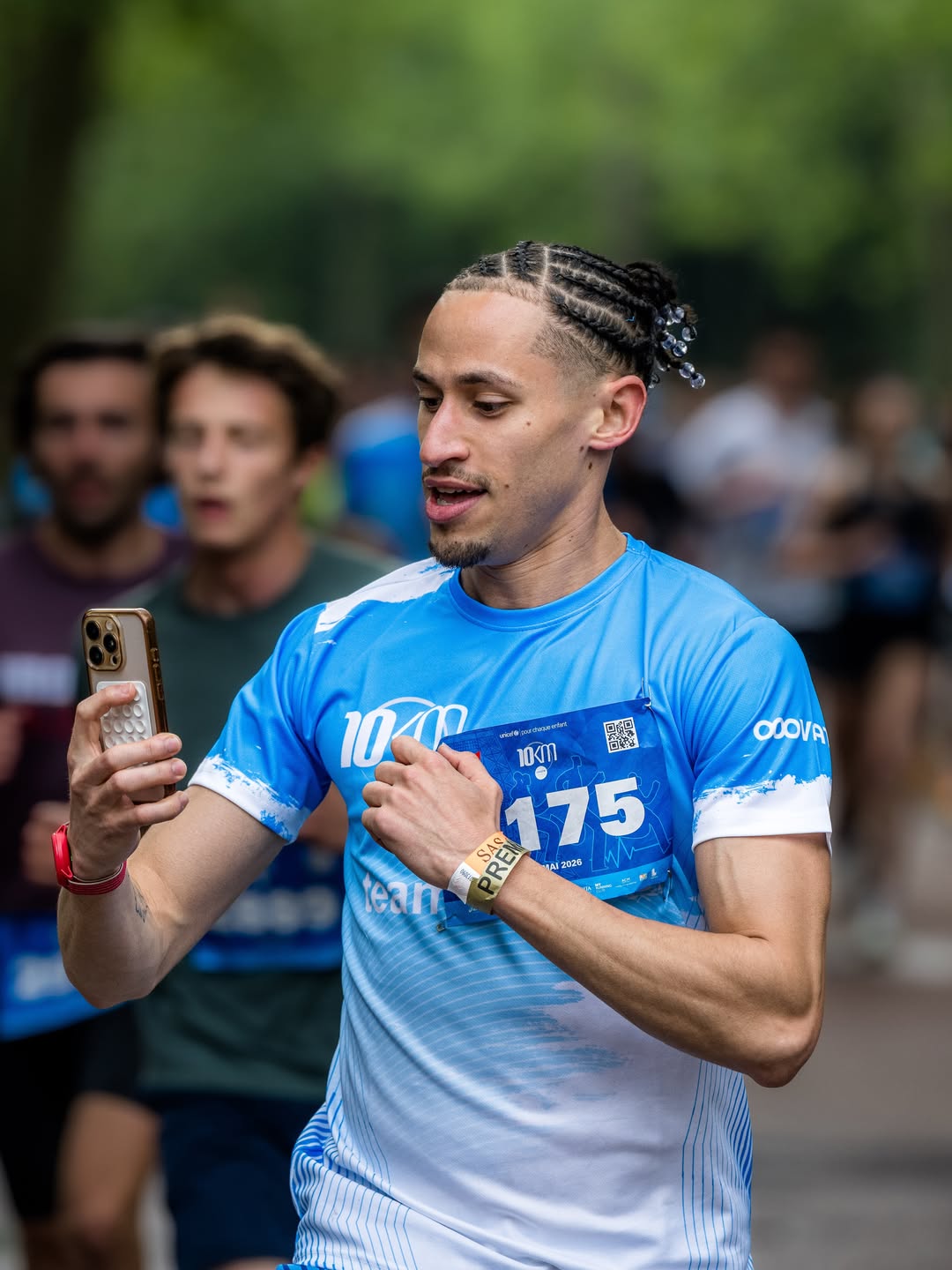
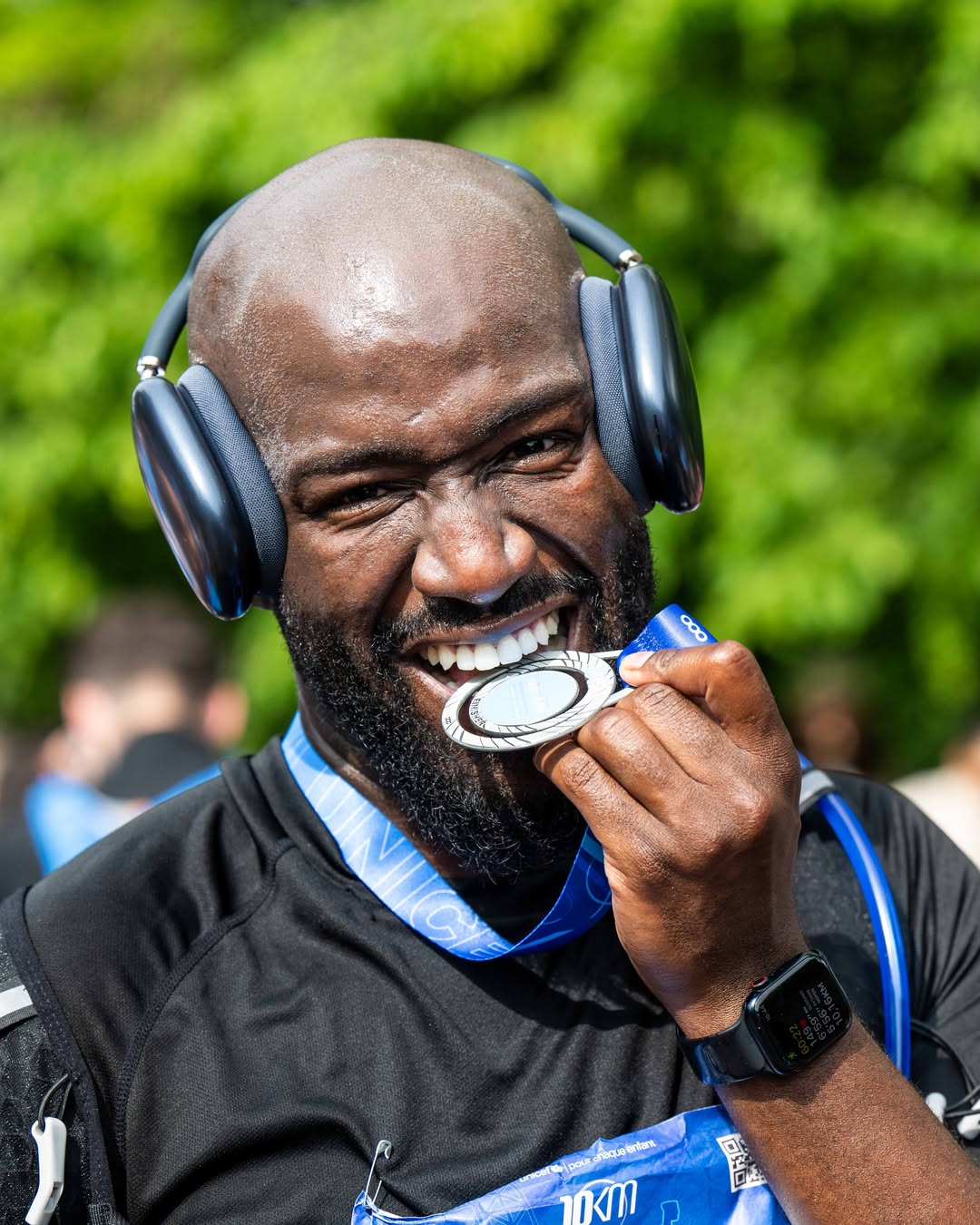
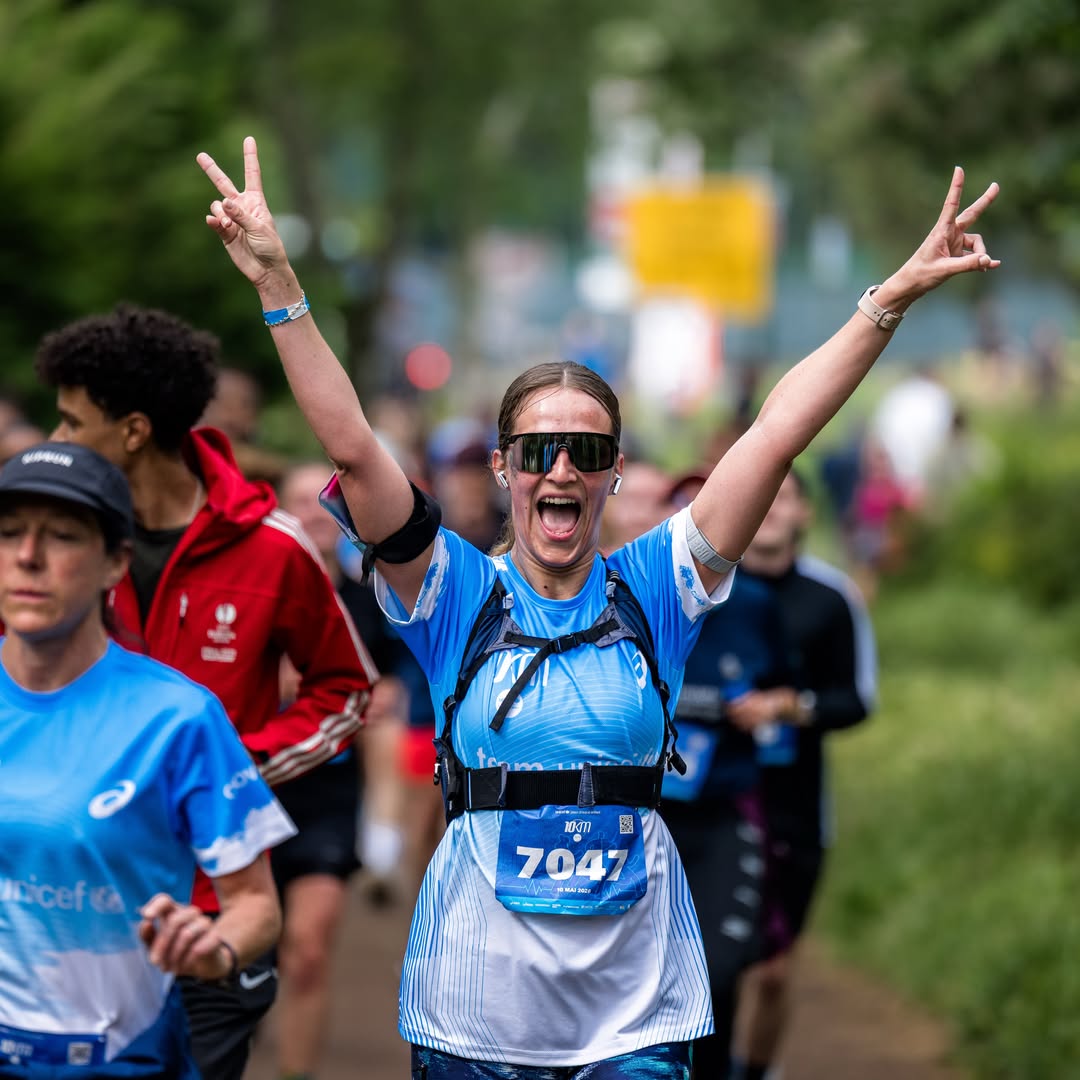
Because a family-oriented race cannot be only about adults, free races were also organized for children aged 6 to 10 and 11 to 14, giving families a chance to share a meaningful sporting moment while raising awareness about nutrition and physical activity. The day before, on Saturday May 9 at 2:30 p.m., two additional distances — 1 km (ages 7–11) and 3 km (ages 12–15) — were offered for free so younger participants could also experience race-day excitement. “My 8-year-old daughter ran her kilometer faster than some of the adults I saw in the 10K,” joked a proud father at the village. From starting lines to finish-line smiles, the images spoke for themselves.
| The connected race: running together, apart
The connected race allowed anyone, anywhere, to take part by recording their performance using a GPS watch. A general ranking and gender rankings were established, with prizes awarded to the top three men and women. It extended the community far beyond Paris — and even beyond France.
Runners from Bordeaux, Lyon, Berlin, and Montreal started at the same time, sharing the same digital bib and the same cause. “I’m in Marseille, so coming to Paris for a 10K wasn’t an option. But knowing thousands of people are running at the same time creates something unusual — and pretty cool,” said Romain, 36, whose Strava feed proudly displayed his Sunday morning 10K among hundreds of others.
| Strides that matter, euros that add up
In 2025, the first edition gathered 6,000 runners (on-site and connected) and more than 250 committed public figures — already a strong success that set the bar higher for this second edition. The bet appears to have been won. UNICEF France CEO Ann Avril reminds us that malnutrition remains one of the most urgent global challenges, affecting millions of children worldwide.
Behind the race times, medals, and post-finish selfies lies that reality. And the fact that thousands of people chose to wake up early on a Sunday, lace up their shoes, and run 10 kilometers for it — even symbolically — says a lot. “I’ll do it again next year. And I’ll try to bring even more people with me,” promised Laure, 52, who finished the race with her two teenage sons. For a second edition, it’s hard to ask for a better outcome.
✔ Results of the 2026 UNICEF 10K
Dorian VUILLET
Journalist