 © World's Deepest Marathon
42.195 km underground: the extreme version of the marathon inside Sweden’s Garpenberg mine
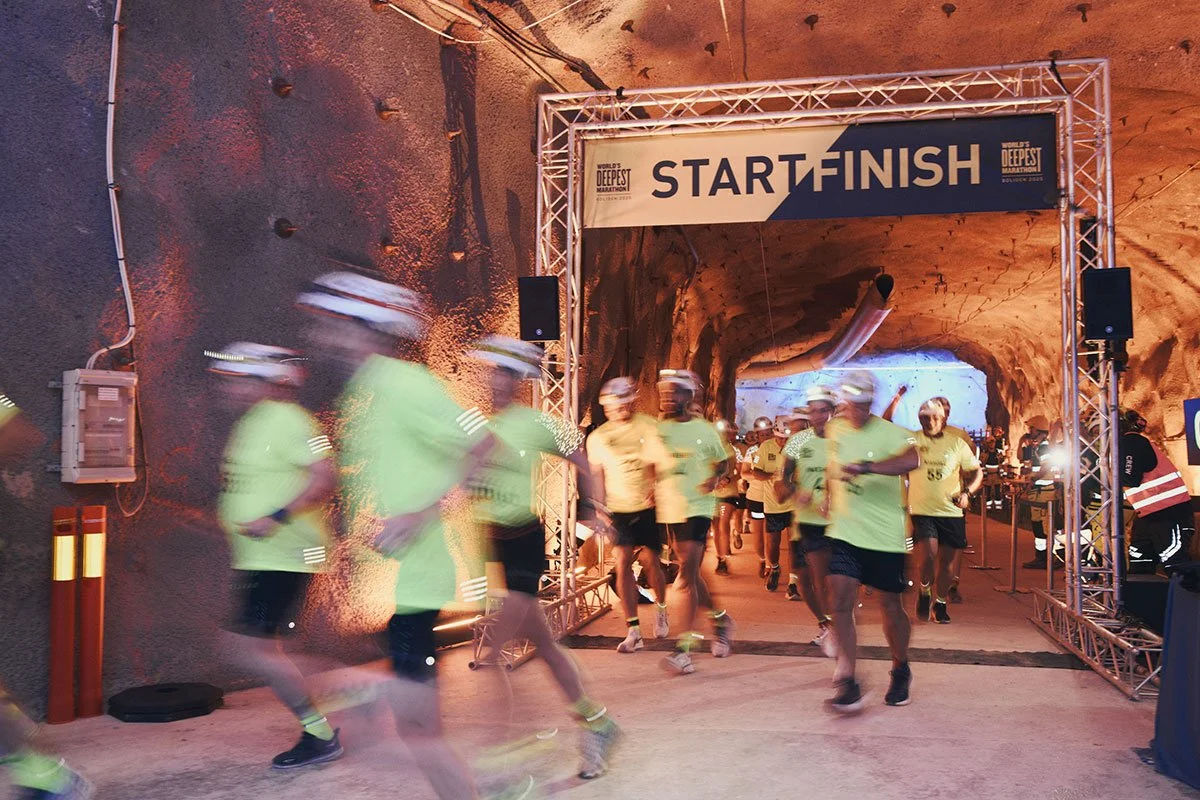
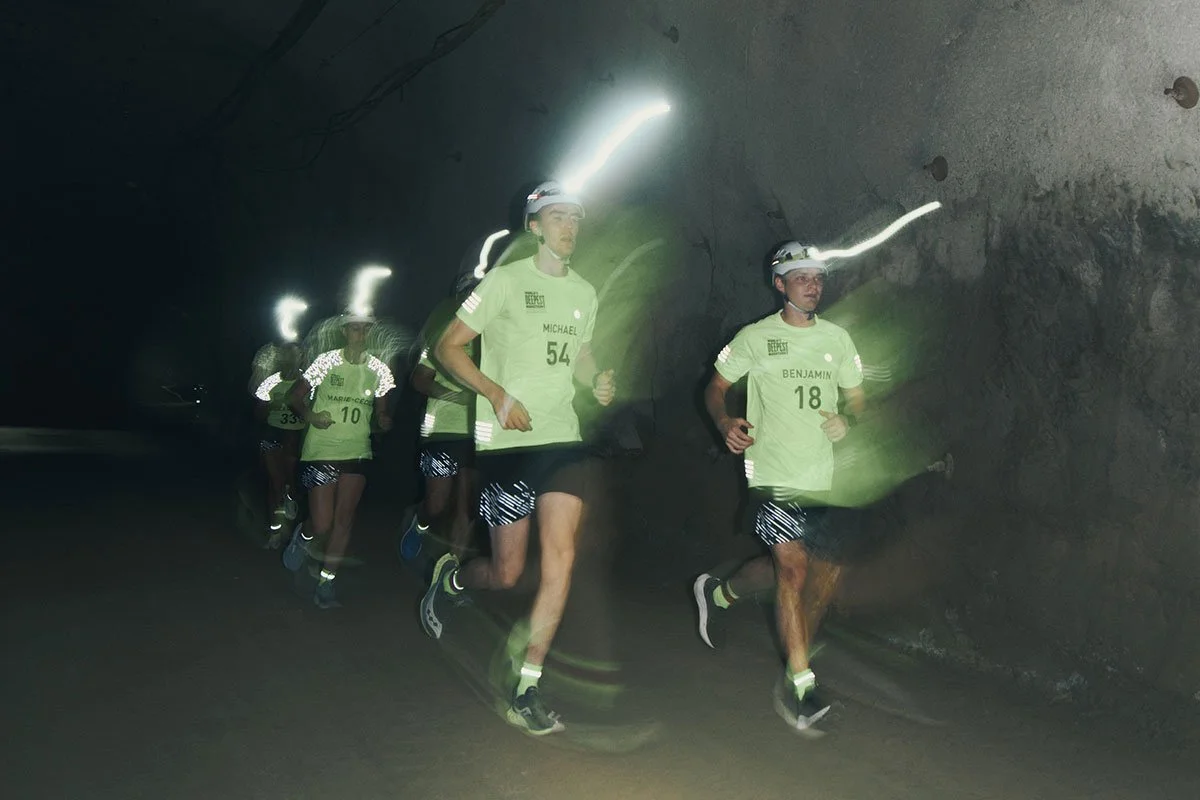
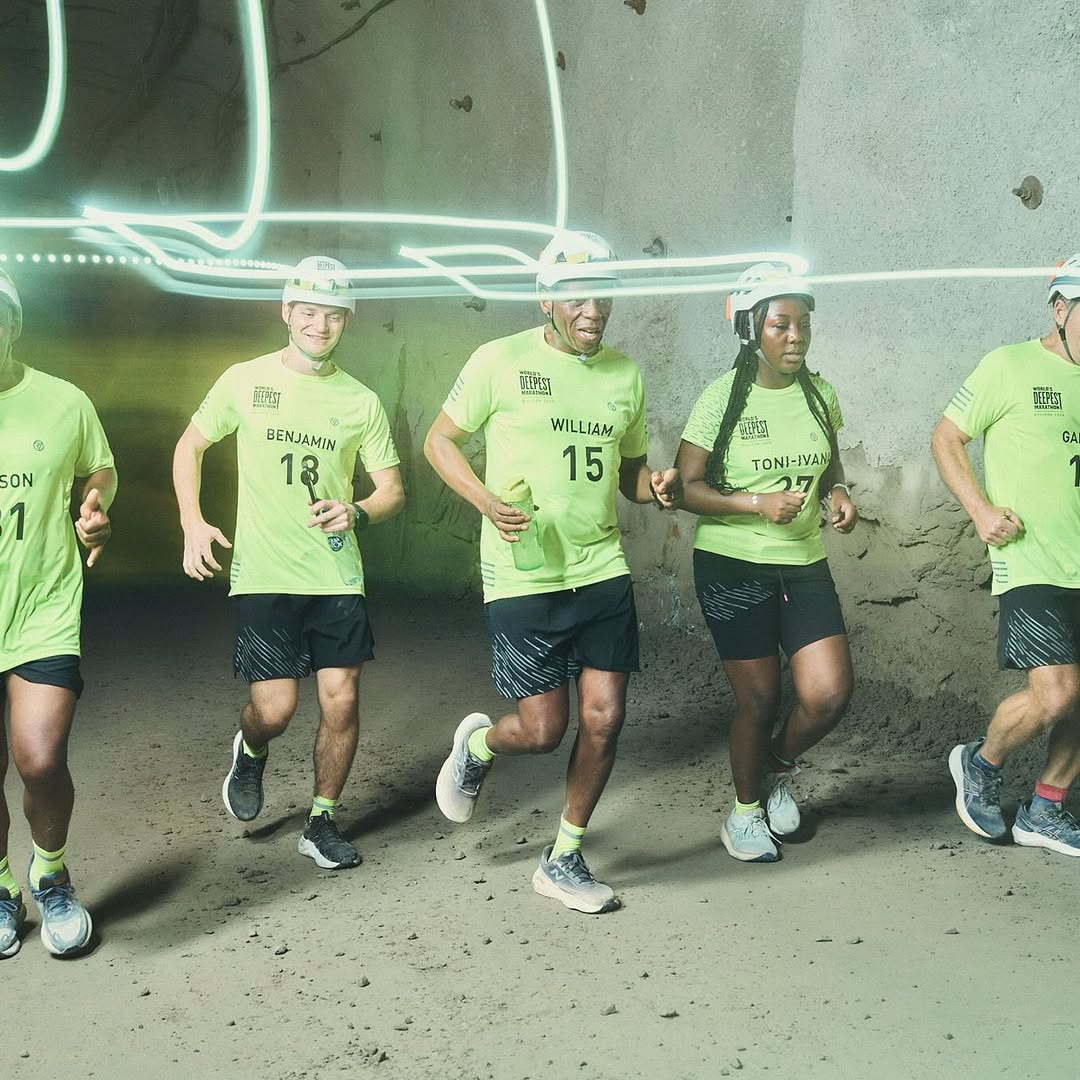
18/04/2026 11:12Running a marathon usually means watching the scenery change kilometer after kilometer. At more than 1,100 meters below the surface, 55 runners completed the full 42.195 km inside the Garpenberg Mine in Sweden, surrounded by darkness, humidity, and repetition. It was a radical experience where endurance is tested as much in the mind as in the legs.
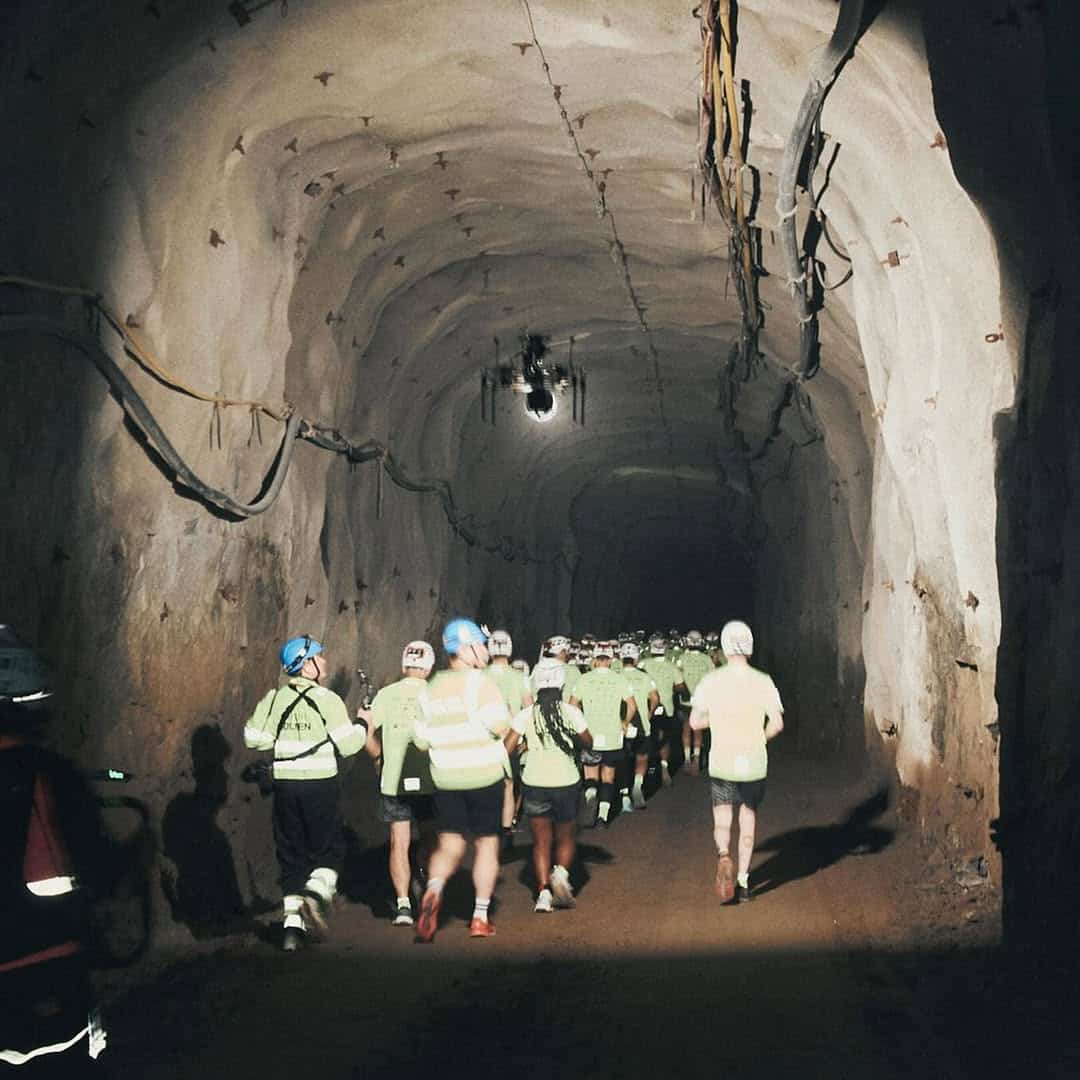
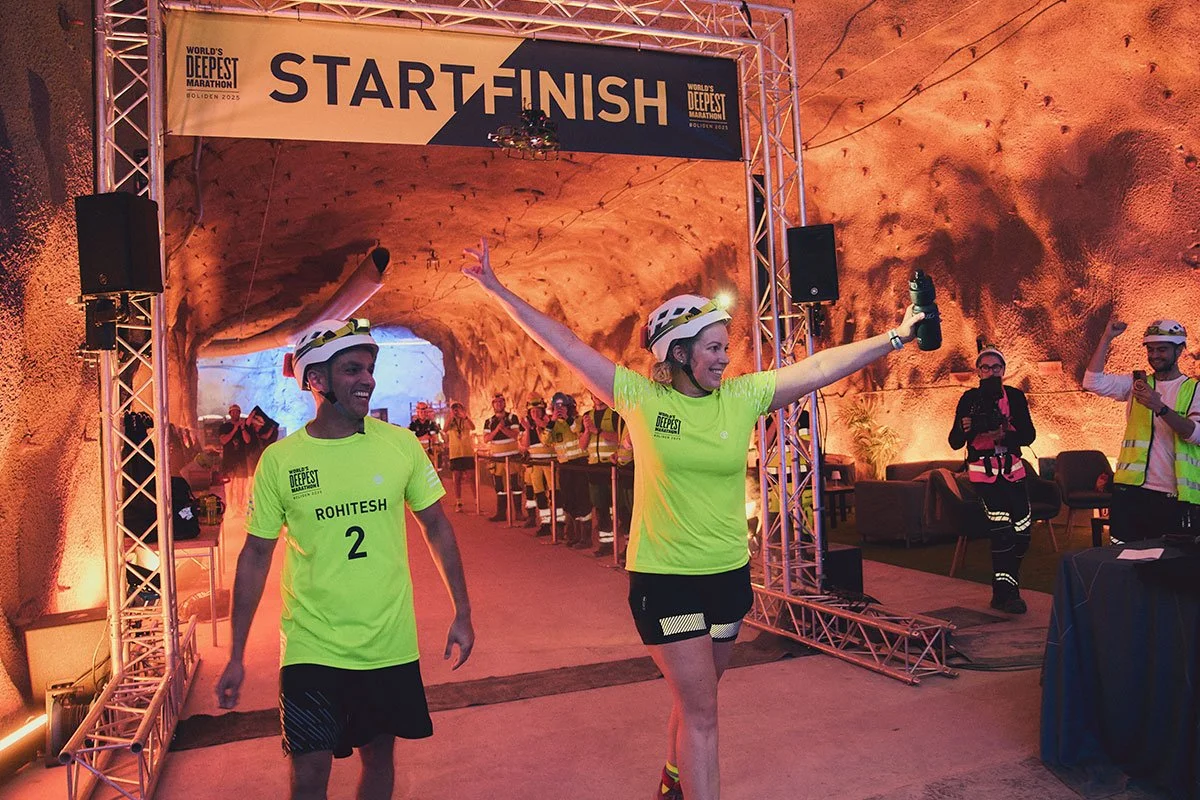
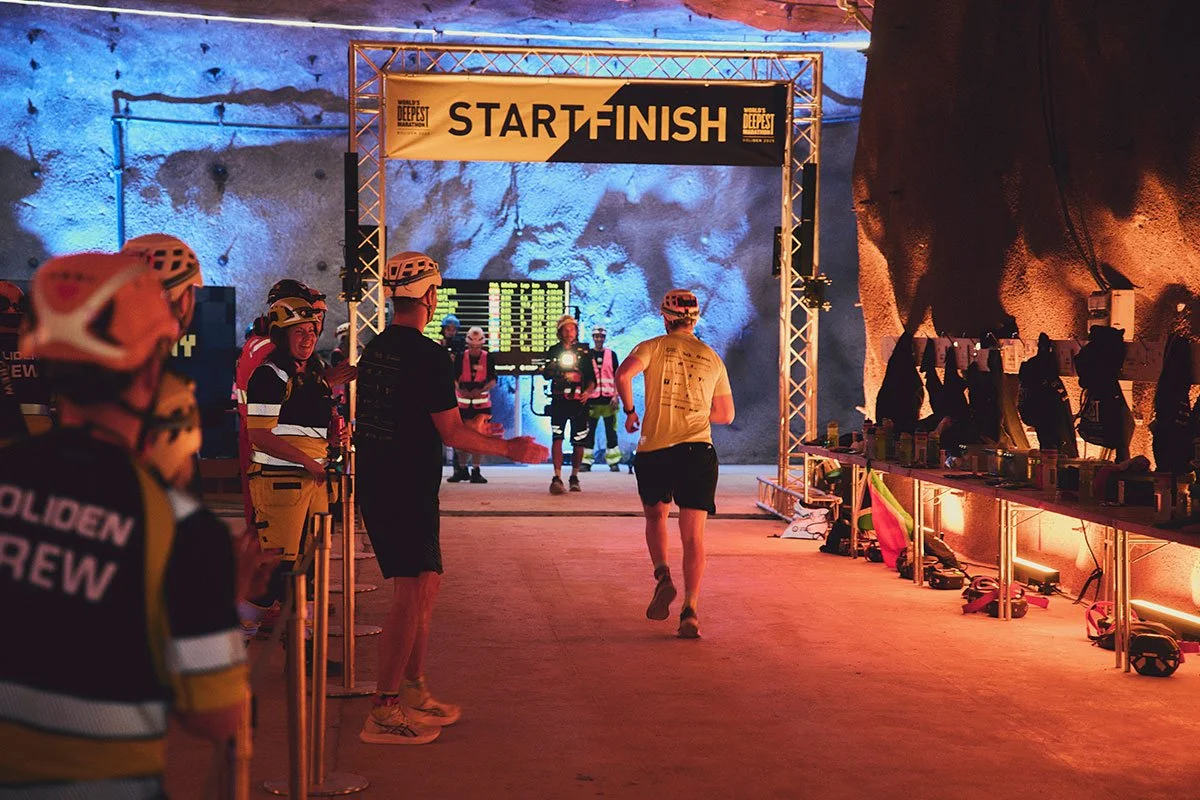
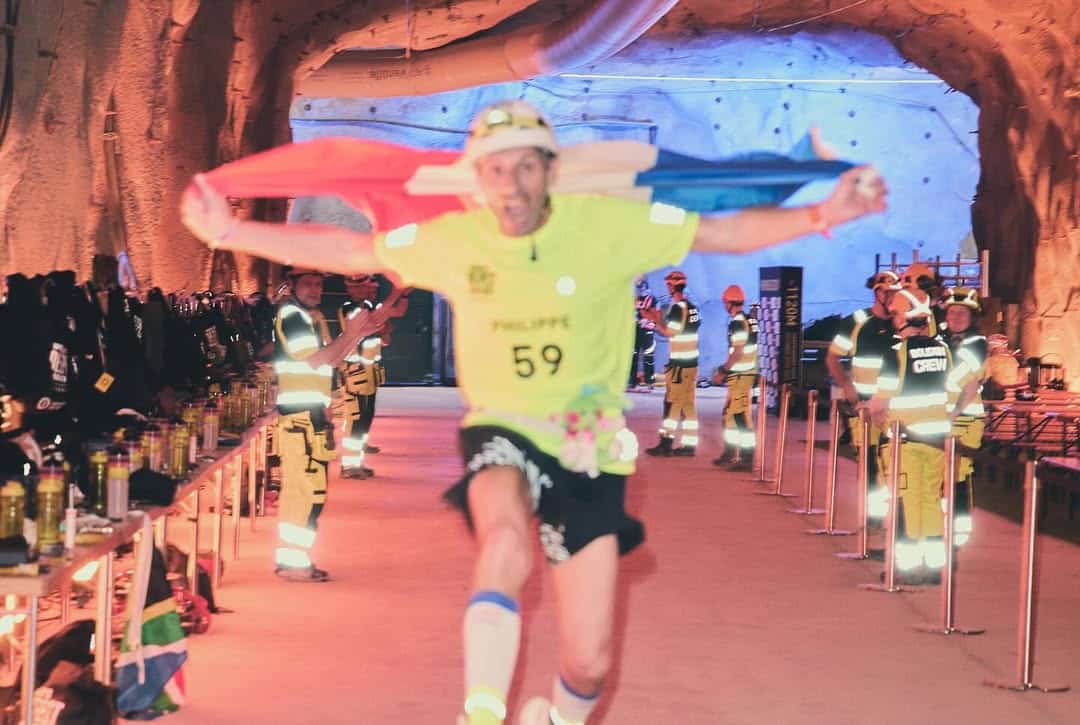
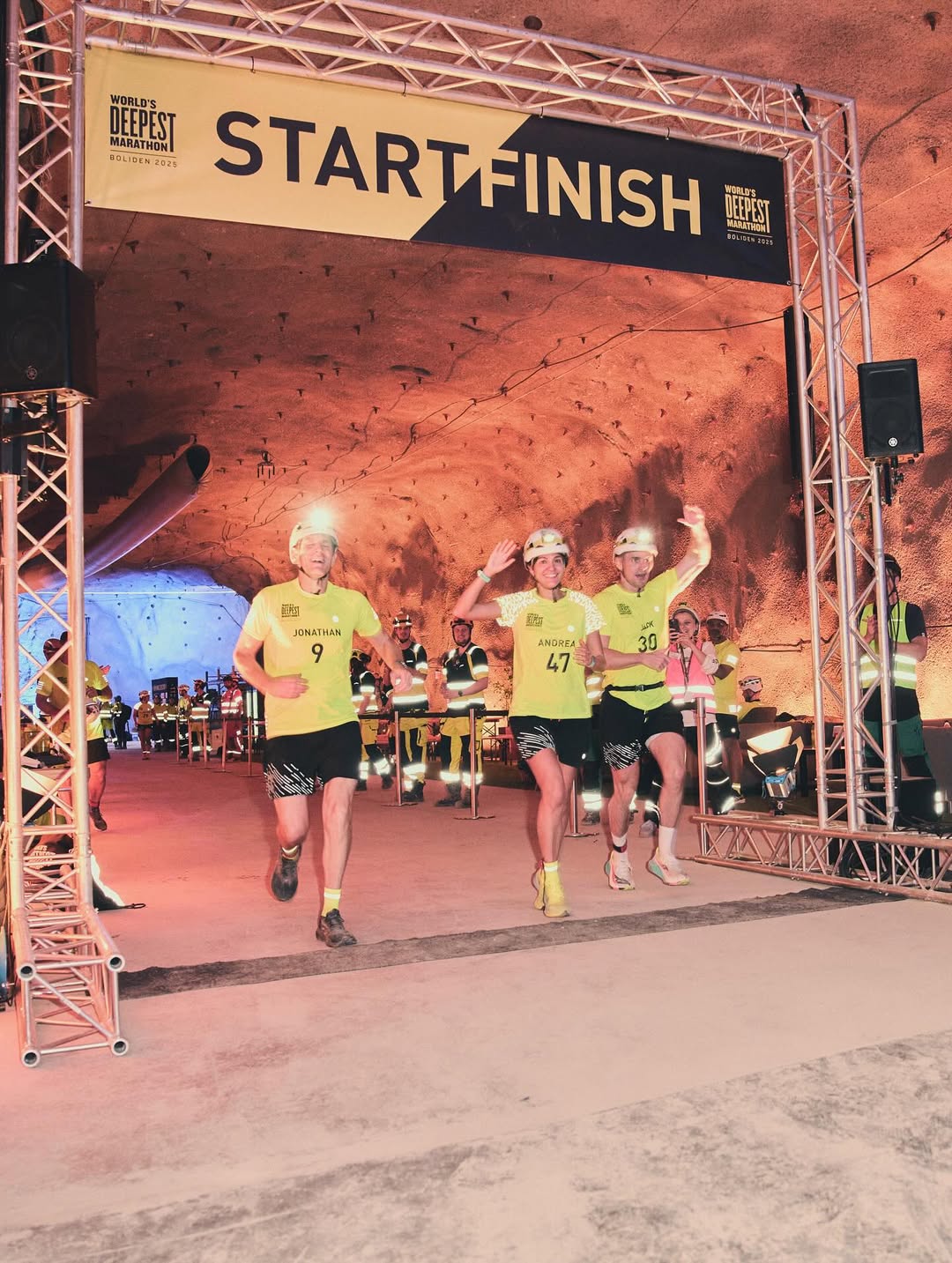
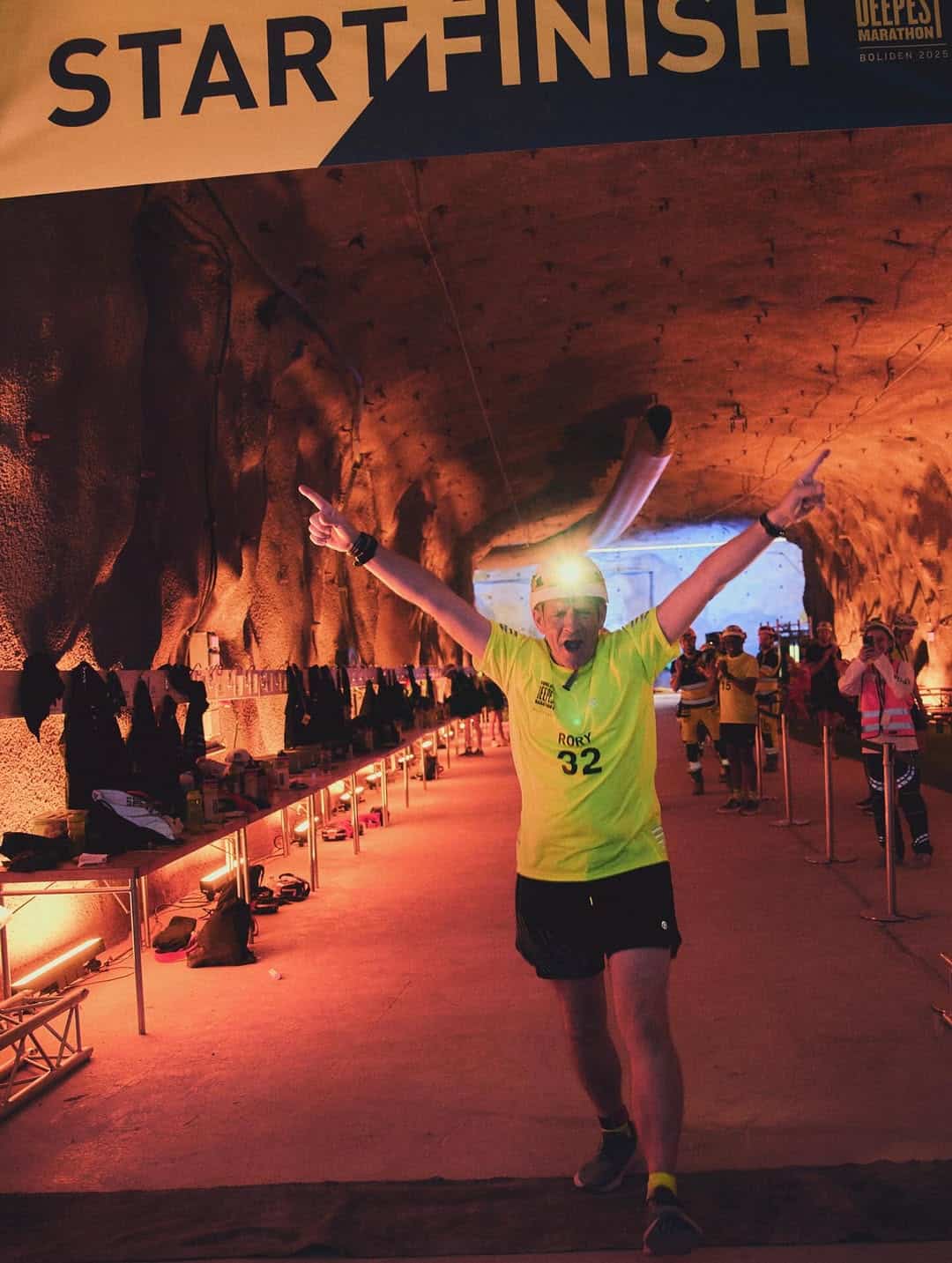
In October 2025, the Garpenberg Mine offered a completely different take on the marathon. No passing landscapes, no familiar landmarks—just tunnels, rock, and a depth that fundamentally alters the perception of effort. Fifty-five runners from 18 countries, including France, gathered deep inside this zinc mine to take on a truly unique challenge: 42.195 km at more than 1,100 meters below sea level, with a lowest point reaching 1,118 meters. That single figure is enough to show how far this experience sits outside the usual running framework.
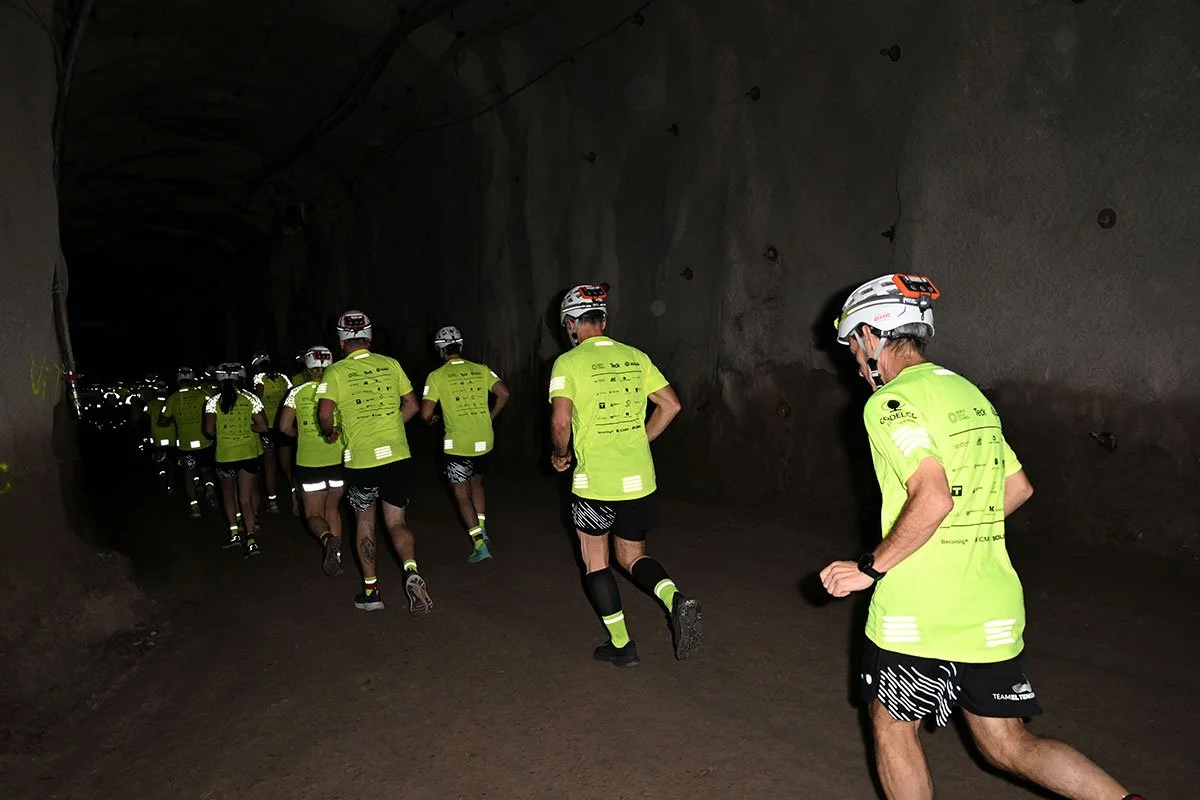
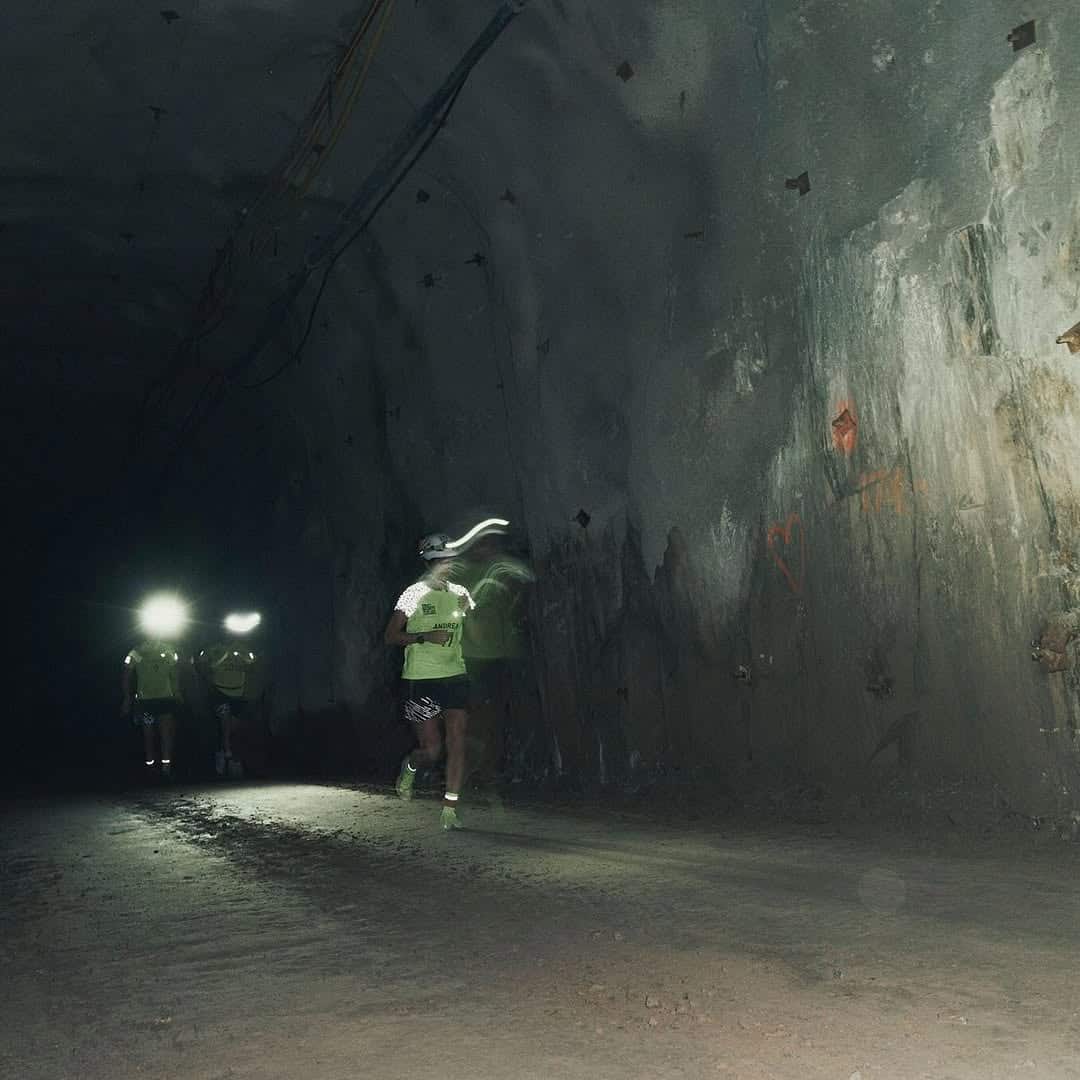
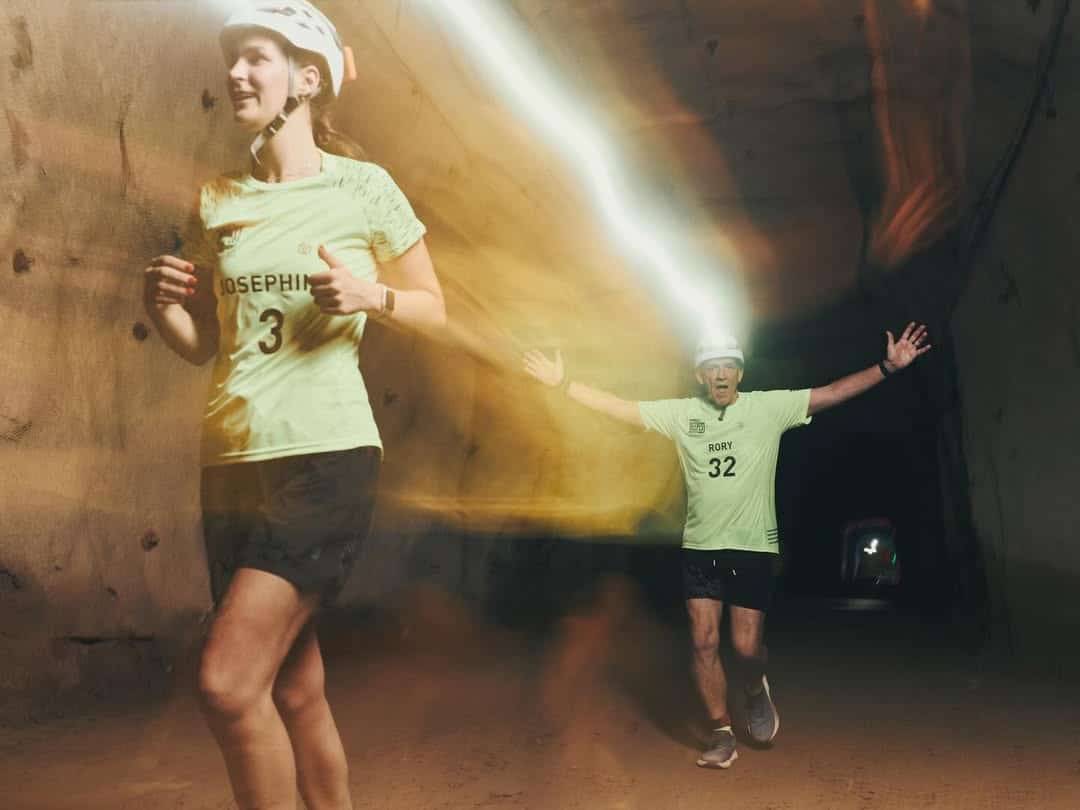
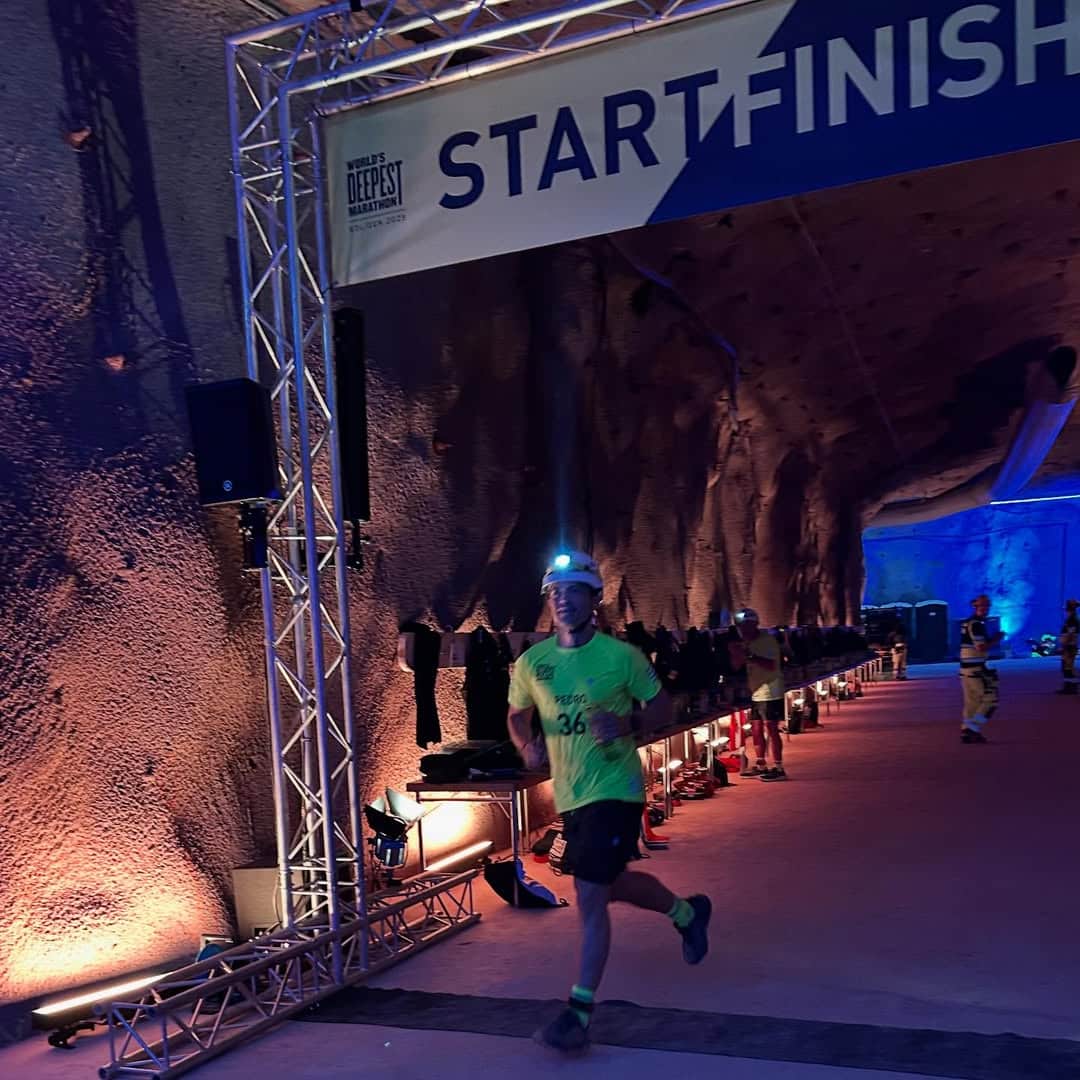
The course follows its own logic. No variation, no visual relief—just 11 laps of an identical underground loop, repeated again and again. Each circuit brings the same turns, the same sections, the same sensations. This repetition creates a very specific kind of fatigue—less spectacular than long urban straights, but far more insidious. Very quickly, the kilometers blur together, and progress becomes as much mental as physical, with a constant feeling of being trapped in a frozen space.

| An environment that completely redefines effort
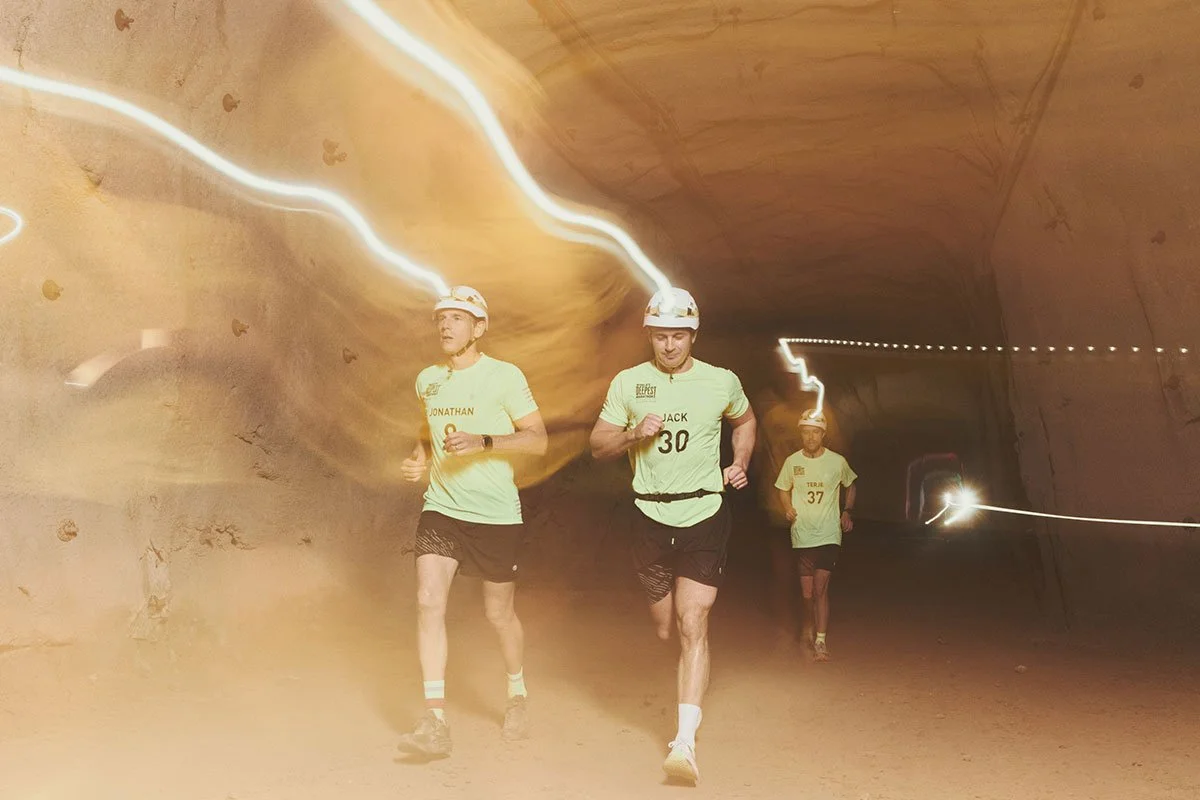
Running at this depth, in such a confined environment, changes everything. Temperatures remain stable but relatively warm, around 25°C, while humidity is a constant presence. Total absence of natural light means runners rely entirely on headlamps, which become an essential part of the race. Without them, moving forward would be impossible; with them, visibility remains limited, reinforcing a powerful sense of isolation.
In this setting, silence also plays a major role. No crowd, no music, no external noise—only footsteps and breathing echoing off the rock walls. Effort management becomes more complex. Usual reference points disappear, time feels stretched, and mental fatigue often arrives long before physical exhaustion. Here, chasing a personal best is meaningless. The goal is simply to keep going, lap after lap, and stay mentally sharp until the end.
| A project between performance and purpose
Behind this extraordinary event lies BecomingX, co-founded by British adventurer Bear Grylls, known worldwide for his TV series Man vs. Wild, alongside the International Council on Mining and Metals and Boliden. The initiative carries ambitions that go far beyond sport. The winner, British runner James Mason, claimed victory in this uniquely dark marathon, which is also recognized by Guinness World Records. More broadly, the event aims both to explore human limits in extreme environments and to highlight often overlooked industrial settings.
The race also raised $1 million for charity, underlining its impact beyond pure performance. On the start line, participants ranged from experienced marathoners to first-timers, but all were confronted with the same reality: in the Garpenberg tunnels, endurance is not only measured in kilometers. It is built on adaptation, resilience, and the ability to keep moving in an environment that offers no respite.
➜ Discover the marathon calendar

Dorian VUILLET
Journalist