 © ASO
© ASO
Paris Marathon 2026: everything you need to know two weeks before race day
With just two weeks to go before the Schneider Electric Paris Marathon, the excitement is building. Training is almost complete, the long runs are behind you, and now it’s time to taper. But another kind of pressure kicks in: logistics. Bib collection, PPS, start wave timing, aid stations, bag drop, official app, transport… at this stage, preparing for a marathon isn’t just about running—it’s about planning ahead. The good news? In Paris, everything is meticulously organized to make the experience as smooth as possible for both runners and spectators. Here’s your complete practical guide to arrive stress-free on the Champs-Élysées on April 12.
| Paris: the 3rd largest marathon in the world
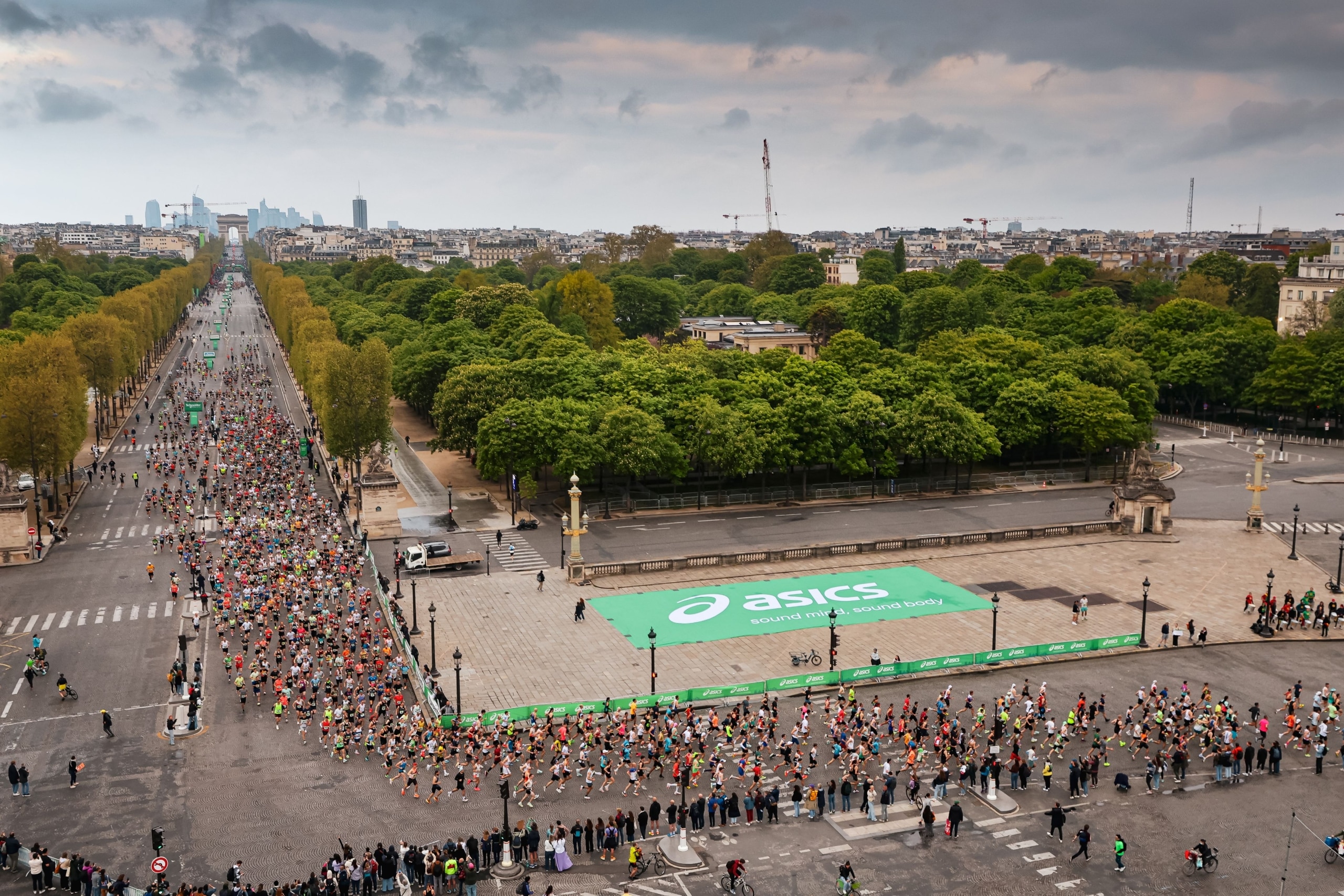
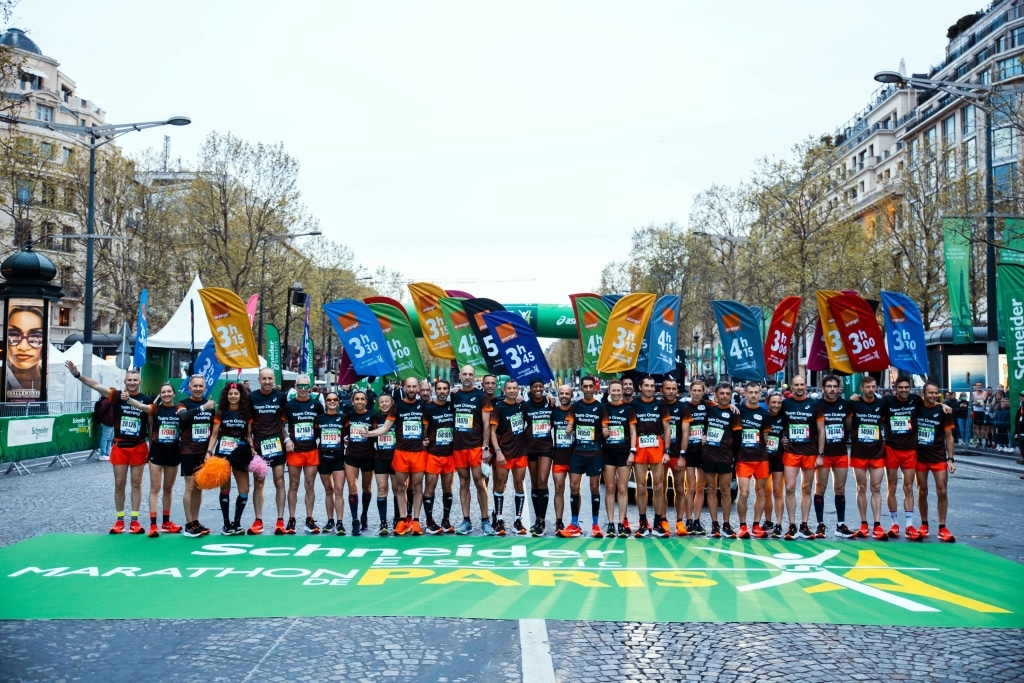
The Paris Marathon is in a league of its own. In 2025, 55,499 runners crossed the finish line, making it the third largest marathon in the world (behind London and New York). The course runs through seven districts, passes many of the city’s most iconic landmarks, and relies on a massive organization: 40 entertainment points, 32 pacers, 11 timing checkpoints, and hundreds of staff mobilized on race day.
Key figures – Paris Marathon 2026
- Nearly 60,000 participants
- 29% international runners
- 49% running their first marathon
- 20,700 women at the start (33% of the field)
- 8,500 charity runners raising €8 million
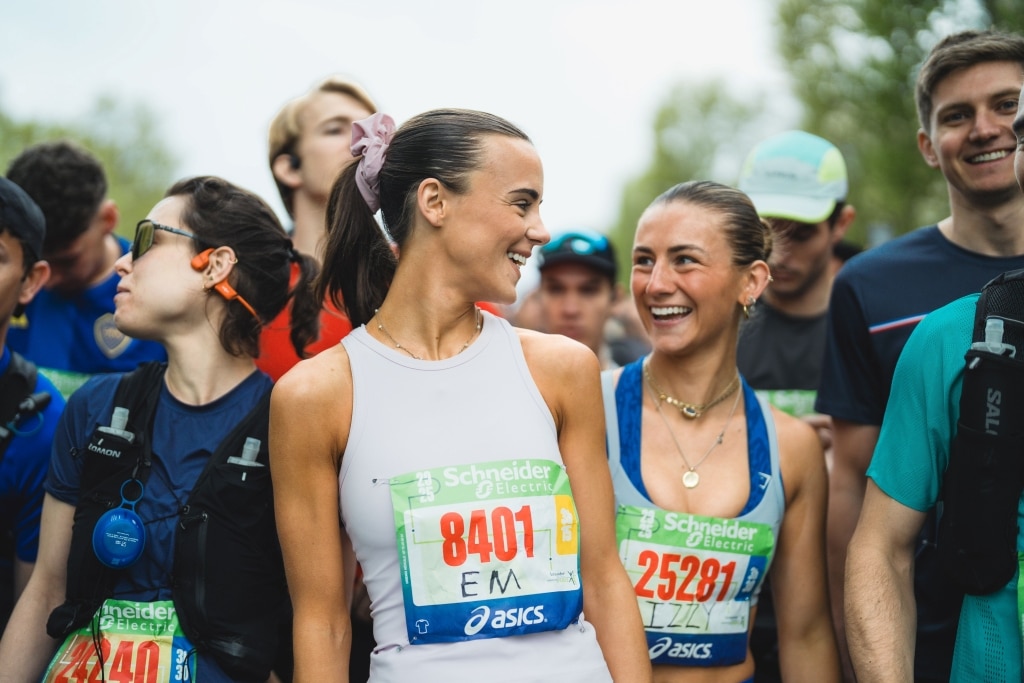
| Weekend schedule: bib pickup, expo, then race day
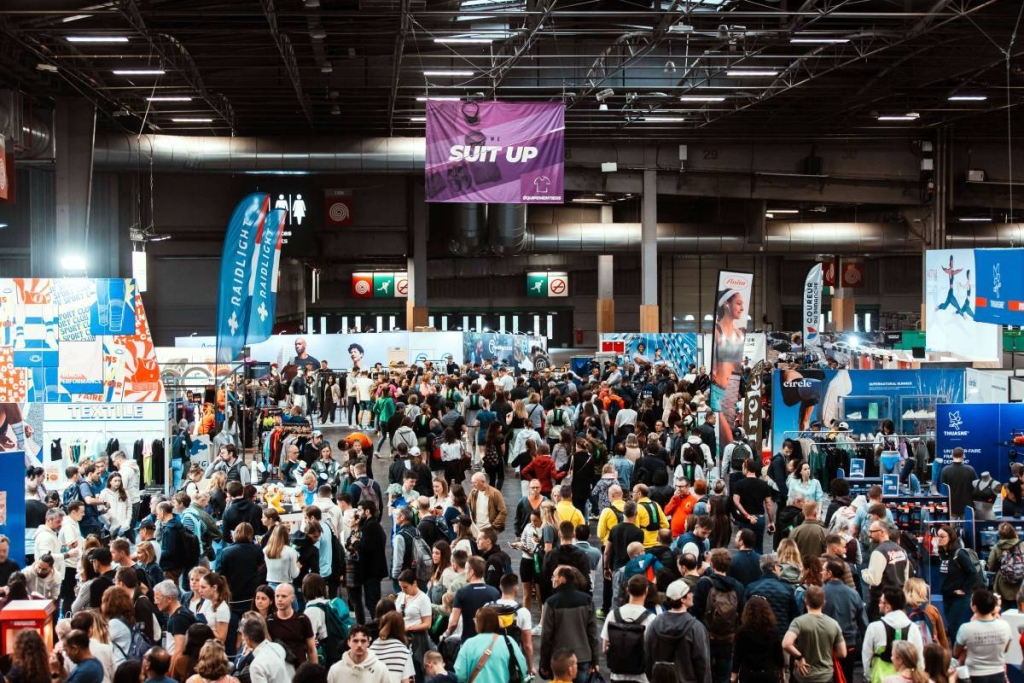
The first key event is the Run Experience expo at Porte de Versailles. Held in Hall 1 of the Parc des Expositions, it features over 150 exhibitors, a Running Arena, conferences, and major brand booths. Entry is free and open to everyone.
➜ Location: Parc des Expositions – Porte de Versailles (75015 Paris)
■ Thursday, April 9: 3:00 PM – 8:00 PM
■ Friday, April 10: 10:00 AM – 8:00 PM
■ Saturday, April 11: 9:00 AM – 6:00 PM
➜ Access:
■ Porte de Versailles stop: Metro line 12 / Tram T3a and T2
■ Bus lines: 39, 42, 49
Bib collection also takes place here—and to be clear, no bibs are distributed on race day. To collect yours, you must validate your PPS or FFA license on your timeto account, present your registration QR code, and show ID. Make sure your envelope contains 4 safety pins—they’re essential.
If your goal time has changed, you may request a wave change at the expo (Information Point) with an official performance less than 4 years old. For elite access, go to the SOS Runners stand.
| PPS: don’t forget it
A major change for 2026: the medical certificate has been replaced by the Health Prevention Pass (PPS). You must complete it online via the official FFA website , obtain your certificate, and enter the PPS number into your timeto account.
All details must match your registration, and the number must be submitted at least 7 days before the race. Don’t leave this until the last minute—two weeks out is the perfect time to double-check everything.
| Start waves: where and when
Like all major marathons, runners are assigned start waves based on their target time (from 4:30 to 3:00, plus specific waves for wheelchair, priority, and elite runners).
Wheelchair ► Start: 7:55 AM
Elite men & women ► Start: 8:00 AM
Priority ► Entry: 7:40 / Start: 8:00
3:00 ► Entry: 7:43 / Start: 8:03
Handisport (FFH) ► Entry: 7:59 / Start: 8:19
3:15 ► Entry: 8:02 / Start: 8:22
3:30 ► Entry: 8:24 / Start: 8:44
3:45 ► Entry: 9:14 / Start: 9:34
4:00 ► Entry: 9:59 / Start: 10:19
4:15 ► Entry: 10:50 / Start: 11:10
4:30 ► Entry: 11:12 / Start: 11:32
Arrive early to respect your wave entry time—otherwise, you may not be allowed to start in your assigned group.
| Bag drop, toilets, personal items: details that matter
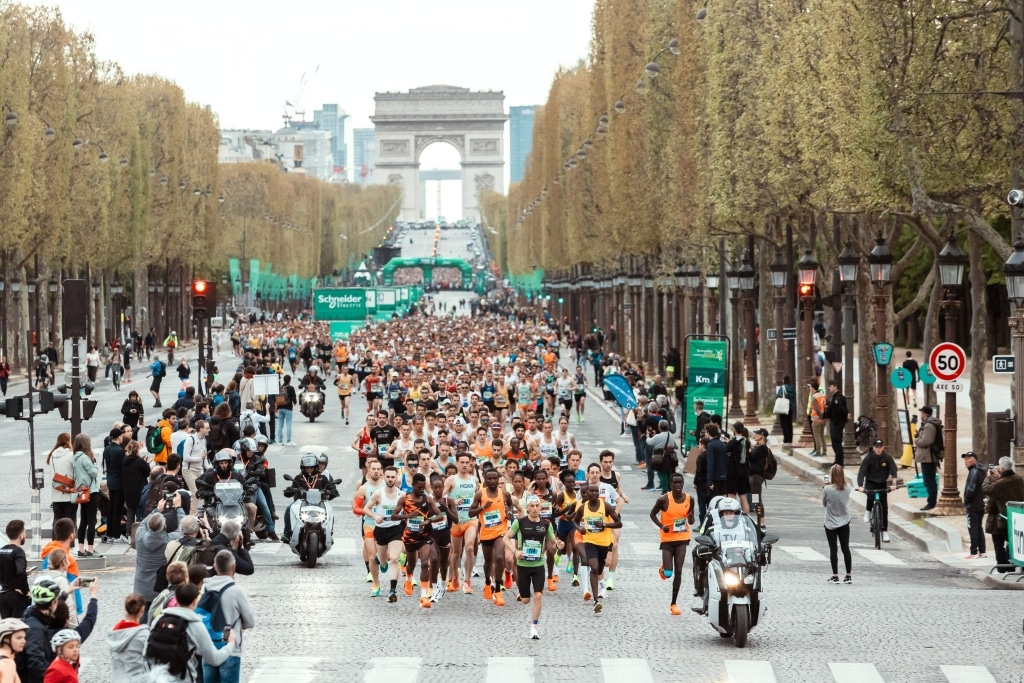
The start is on the Champs-Élysées, but logistics require planning. If you have a bag, drop it off at Avenue Foch, then head to your start wave via the Champs-Élysées.
Best transport access:
■ Charles-de-Gaulle Étoile (RER A, Metro 1, 2, 6)
■ Porte Dauphine (Line 2)
■ Franklin Roosevelt (Lines 1 and 9)
Bag drop opens at 7:00 AM on Avenue Foch. It’s free, and you’ll retrieve your bag after the race with your bib. Bags larger than 45 x 36 x 20 cm are not accepted.
Toilets are widely available: cabins and urinals on Avenue Foch, Place de l’Étoile, inside start zones, and at each aid station. Simple advice: bring minimal belongings and don’t arrive late. Discarded clothing at the start is collected, recycled, or redistributed.
| The course: 42.195 km through the most beautiful city in the world
Simply put, it’s one of the most beautiful marathons in the world. Starting on the Champs-Élysées and finishing on Avenue Foch, the route passes Concorde, Opéra, Hôtel de Ville, Bastille, Bois de Vincennes, the Seine riverbanks, the Eiffel Tower, and Bois de Boulogne.
It’s stunning—but not flat. The early kilometers are favorable, then the course becomes more rolling, especially in the second half. The riverbanks can be tough on the legs, and the climb toward Bois de Boulogne is challenging.
The key: don’t get carried away early. Paris feels easy at the start, but like most marathons, the real challenge begins after 30 km.
✓ Find out more about the course profile
| Aid stations: more frequent, but bring your own container
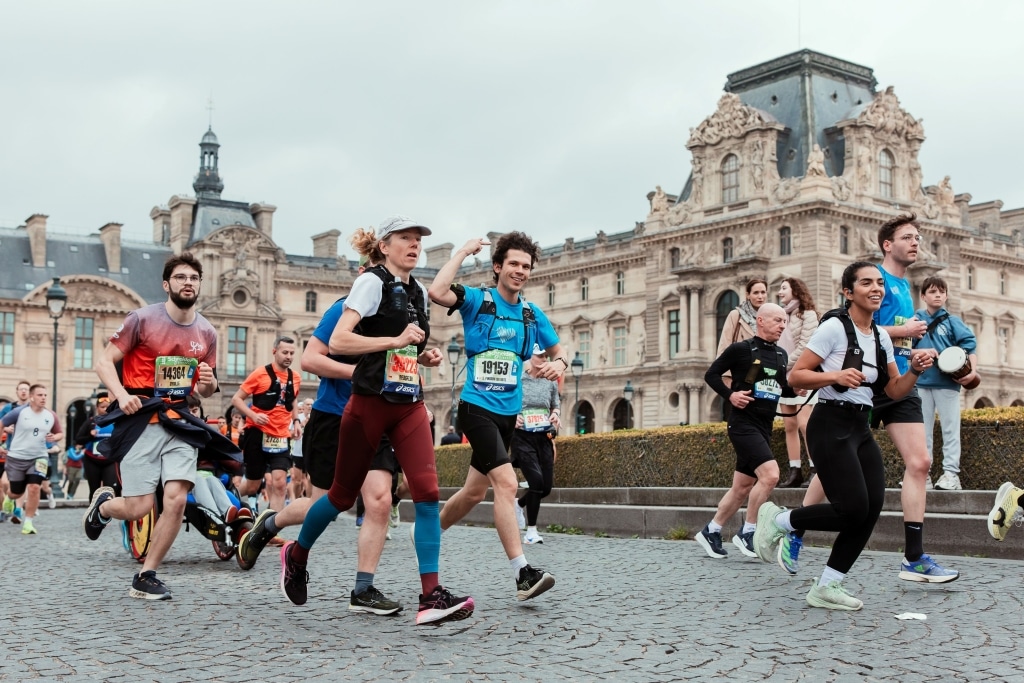
One of the biggest changes this year: no cups or bottles will be distributed. You must bring your own container (flask, reusable cup, or hydration pack).
There will be:
■ 13 total stations
■ 9 full aid stations
■ 4 water points
■ 2 Tā Energy points
■ Finish line refreshments
Locations:
■ Full stations: km 4.8, 8.7, 13.3, 16.8, 21.3, 24.2, 30.6, 35.1, 38.8 + finish
■ Water: km 22.5, 29, 32.6, 37
■ Tā Energy: km 24.2, 32.2
Food includes bananas, gingerbread, dried fruit, sugar cubes, crackers, etc.
For sub-2:50 runners, stopping isn’t practical. A special system of pre-filled bottles is available in priority waves, but must be used according to strict rules.
| Official app: essential for runners and supporters
The official Paris Marathon app is a key tool. Before the race, it helps track training, set challenges, and connect devices. On race day, it provides:
■ Runner lists
■ Rankings
■ Live tracking
Supporters can track runners in real time using name or bib number. The RATP also offers its famous “#Ligne42KM,” a virtual metro line allowing supporters to move easily between strategic viewing points.
| TV broadcast
For those watching from home in France, the race will be broadcast live on France 3 and france.tv starting at 7:50 AM, with Alexandre Boyon and Stéphane Diagana on commentary, and Olivia Leray on the ground. Coverage focuses on elite runners; amateurs can be followed via the app.
| After the finish: medal, t-shirt, reunions
The finish is on Avenue Foch. After crossing the line, runners pass through the finish zone to collect:
■ Medal
■ Finisher t-shirt
■ Refreshments
Then they can access exits, medical services, podiatry, or bag collection. Pro tip: set a clear meeting point with friends and family in advance (Rue de Traktir is a good option). Don’t improvise after 42.195 km—and keep your bib visible.
| “La Médaille qui Régale”
New for 2026: the “La Médaille qui Régale” initiative gives finishers access to special offers in Paris venues on race day and the following day, upon presentation of their medal.
Examples:
✓ Discounts at museums: Palais Galliera, Petit Palais, Musée de la Libération, Maison Victor Hugo
✓ Amoné (Paris 18th): 100 cordon bleus for the first 100 finishers
✓ RORI: €5 pepperoni pizza
Two weeks before race day, focus on five key things: your PPS, your bib pickup slot, your start wave, your transport plan, and your hydration system. Everything else is secondary—but small details can create unnecessary stress. The Paris Marathon is huge, impressive, sometimes intimidating. But the work is done, your body is ready. Now it’s time to recover, plan, and get ready. On April 12, there’s only one thing left to do: run Paris.
✓ All the information about 2026 Paris Marathon
Clément LABORIEUX
Journalist