 © Alanis Duc
Running with Multiple Pairs of Running Shoes: Why Is It a Good Idea?
We’ve all spent hours trying to choose the best pair of running shoes. But have you thought about owning multiple pairs? Alternating between different pairs of shoes can be a winning strategy, especially when preparing for long races like a marathon. While elite runners have long adopted this strategy, many amateur runners are now following suit. Reduced fatigue, increased lifespan, decreased injury risk—here’s why running with several pairs is a smart move.
| The “Shoe Rotation” Strategy in Running
Shoe rotation involves alternating between multiple pairs of running shoes. This means choosing your shoes based on the training session or even the weather. You need at least two pairs to implement this strategy: one for training and another for competition. Depending on your goals and budget, you can have as many as 4 or 5 pairs. Integrating this approach could be a significant asset in preparing for your next marathon.
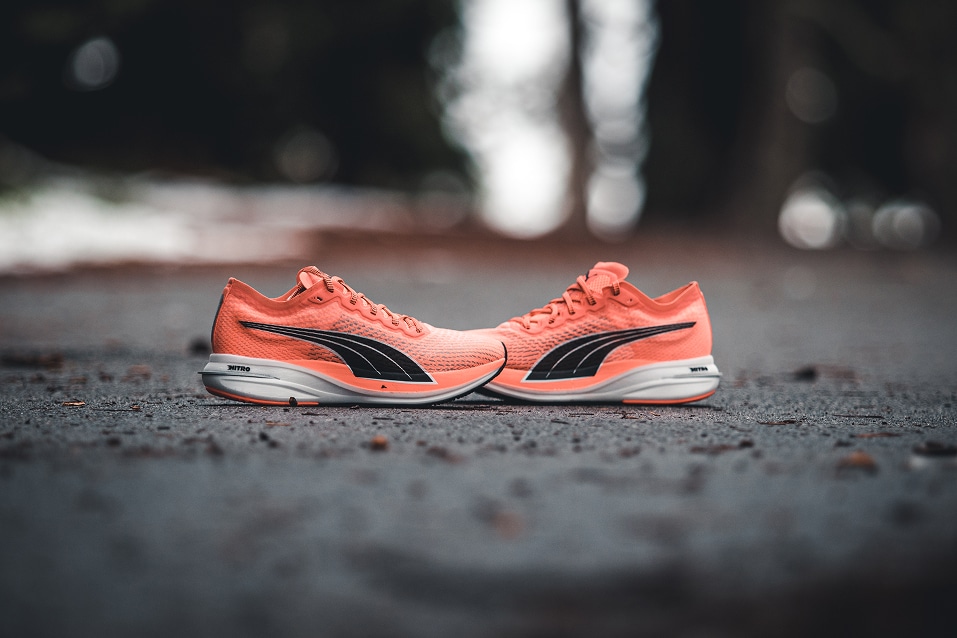
Each shoe has its own unique features. Some are designed for high-speed performance, while others focus on comfort, grip, or responsiveness. The goal of shoe rotation is to fully utilize the specific technologies of each pair. While not mandatory, it offers numerous benefits for runners.
| Reducing Injury Risk and Fatigue
Injuries are every athlete’s worst nightmare, but shoe rotation can be your best ally in avoiding them. Switching between different pairs can help reduce fatigue and lower the risk of injury.
By adapting your shoes to the type of session you’re doing, you optimize their use and avoid counterproductive wear. For example, using a race-oriented shoe for base endurance runs might stress your muscles and tendons unnecessarily. Opting for a more comfortable shoe for endurance sessions enhances recovery.
Choosing the right shoes also reduces the risk of muscle fatigue. The aim is to minimize stress on your muscles and tendons, preserving them in the long run. Therefore, using a dynamic shoe for intense sessions and a more comfortable one for easy runs makes perfect sense.
| Extending the Lifespan of Running Shoes
Rotating your shoes also extends their lifespan. On average, a running shoe lasts about 600 km, depending on the runner’s weight, usage, and the specific shoe type. While you could use the same pair for all your runs and replace it after 600 km, a shoe rotation strategy optimizes their longevity.
Once again, it’s about adaptation and optimization. Using a carbon-plated shoe, which already has a shorter lifespan, on rough trails would accelerate its wear. In contrast, a versatile pair with reinforced support worn on roads or light trails would fare better. Save carbon shoes for high-intensity sessions and races where they will wear out more slowly, while your more robust pair can handle everyday running.
If you’re prepping for a marathon, here’s the rotation strategy to implement.
| Adapting Your Shoes to Your Training
Could running with multiple pairs make you more efficient? Using various pairs based on the training type not only optimizes performance but also protects your body by adapting to each session’s specific demands. Each pair is made for a precise purpose: comfort, response, dynamism… Choosing the right shoe for the right workout is about matching shoe attributes to training needs.
Interval training, hill repeats, or tempo runs require energetic shoes with good energy return and lightweight. These models often feature reactive foam or a carbon plate to enhance stride efficiency. On the other hand, endurance runs and long outings put more strain on the muscular and skeletal systems. Shoes with added comfort are more suitable for these sessions.
Running with multiple pairs does require a larger budget. However, this strategy helps extend each pair’s lifespan, boost performance, and reduce the risk of injury.