 © Mizuno
Mizuno Wave Rider 30: the new daily trainer that won’t leave anyone indifferent
Thirty years of heritage — that means something. The Mizuno Wave Rider has literally stood the test of time. Across eras, it has become one of the most reliable and beloved franchises in the Japanese brand’s lineup. Since 1997, this iconic Mizuno model has accompanied thousands of runners and rarely disappointed: comfortable, stable, smooth, built to last. Everything you expect from a daily trainer. Twenty-nine versions later, Mizuno is back — and has thoroughly rethought what already made the model a success, taking it even further. The design won’t leave anyone indifferent… but the Wave Rider 30 is more than a cosmetic update. With new nitrogen-infused foam and a full-length Wave plate, this is arguably the most accomplished version Mizuno has ever produced.
| Mizuno: a pioneer of plates in running midsoles
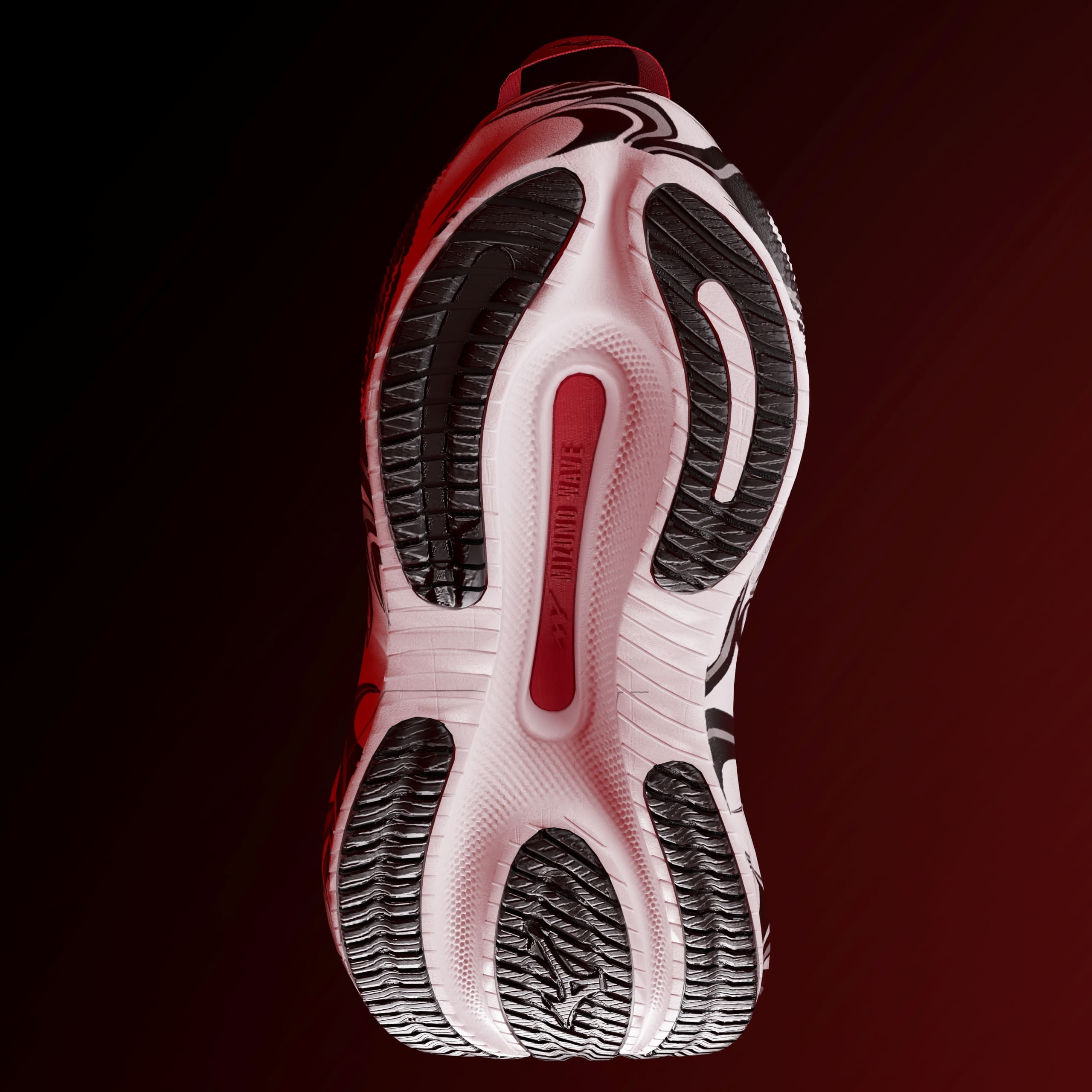
Before talking about what has changed, it’s worth acknowledging what hasn’t. And what hasn’t changed is what matters most. Mizuno Wave technology was born in 1997 with a simple but brilliant idea: make cushioning and stability coexist in the same shoe, without sacrificing one for the other. A wave-shaped plastic plate, embedded in the midsole, that absorbs impact while guiding the stride. At the time, putting a plate inside a running shoe’s cushioning was a revolution. Today, it has become standard practice across performance footwear. Depending on the brand and model, a plate can deliver more cushioning, more stability, or more energy return.
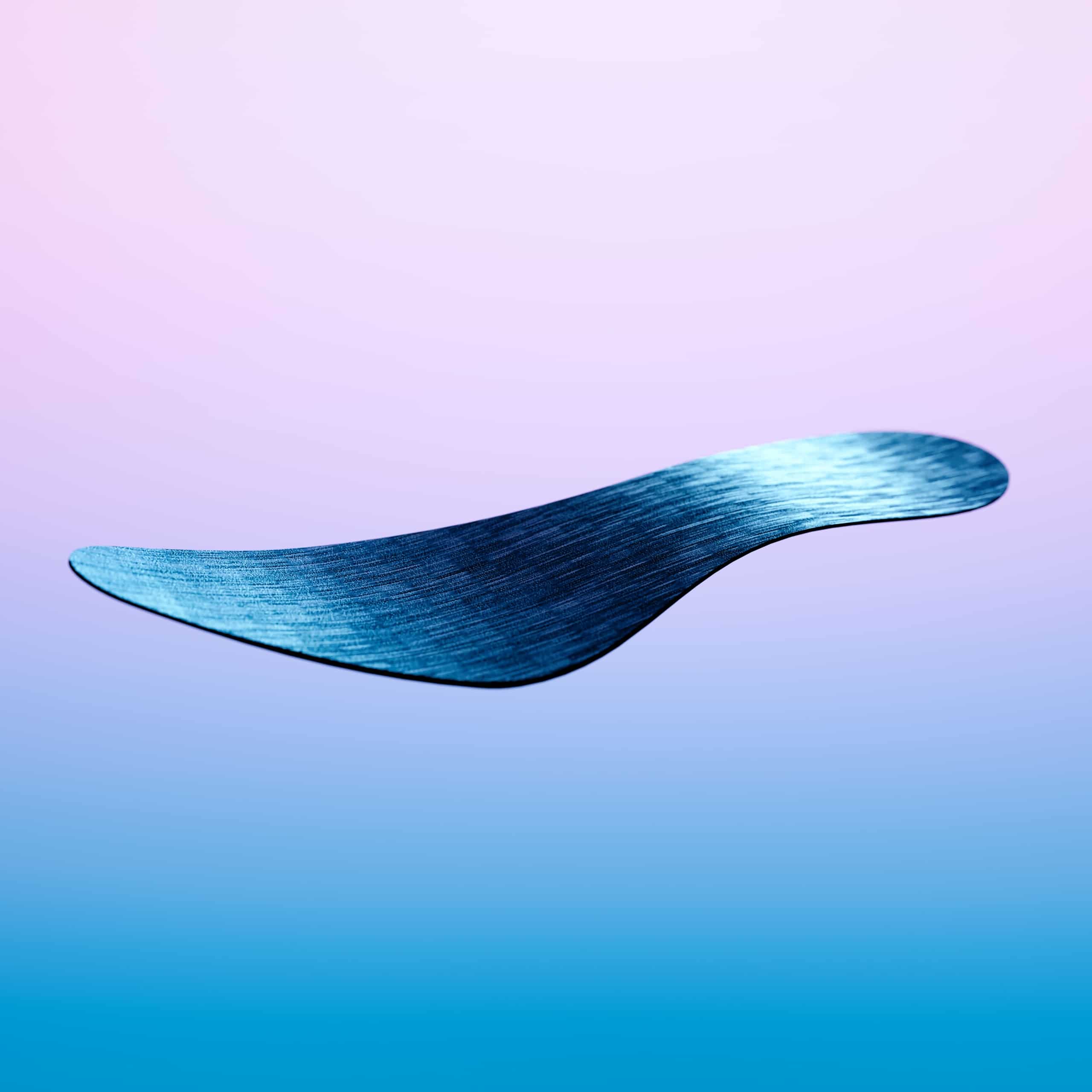
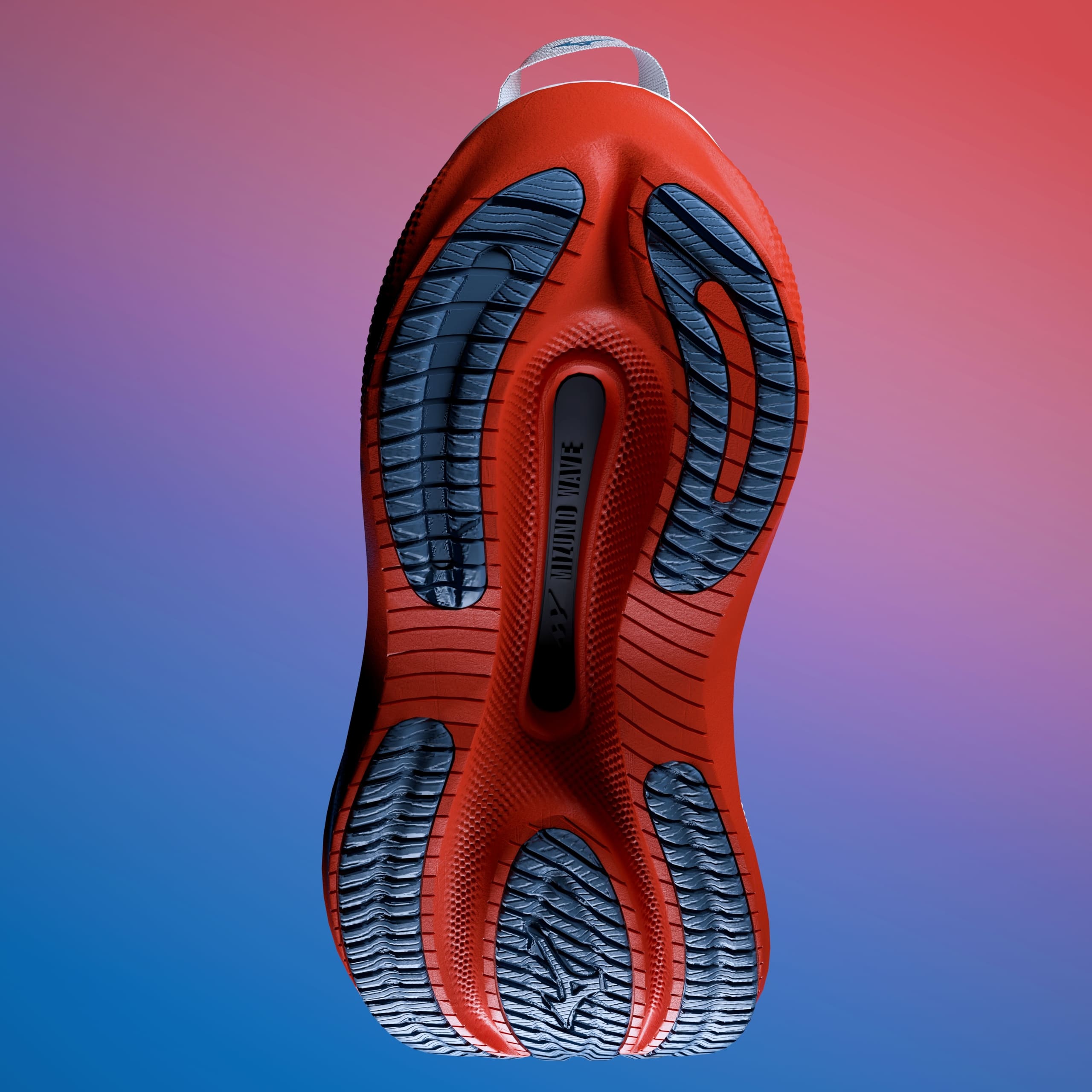
On the Wave Rider 30, this plate now runs the full length of the shoe, from heel to forefoot. This is a significant evolution over previous generations, where the plate only extended halfway along the midsole. Mizuno claims the stride transition — from initial ground contact through to propulsion — is more guided, more consistent, and smoother. On paper and in practice, that translates into a reassuring ride. A crucial point for a shoe worn day in, day out.
| Enerzy NXT: dual-layer foam for bounce and cushioning
Last year, the Wave Rider 29 already brought fresh energy with the introduction of Enerzy NXT foam across the full length of the midsole. The 30 goes even further in pursuit of added dynamism. That foam is still here — but it now sits in a dual-layer configuration beneath the foot.
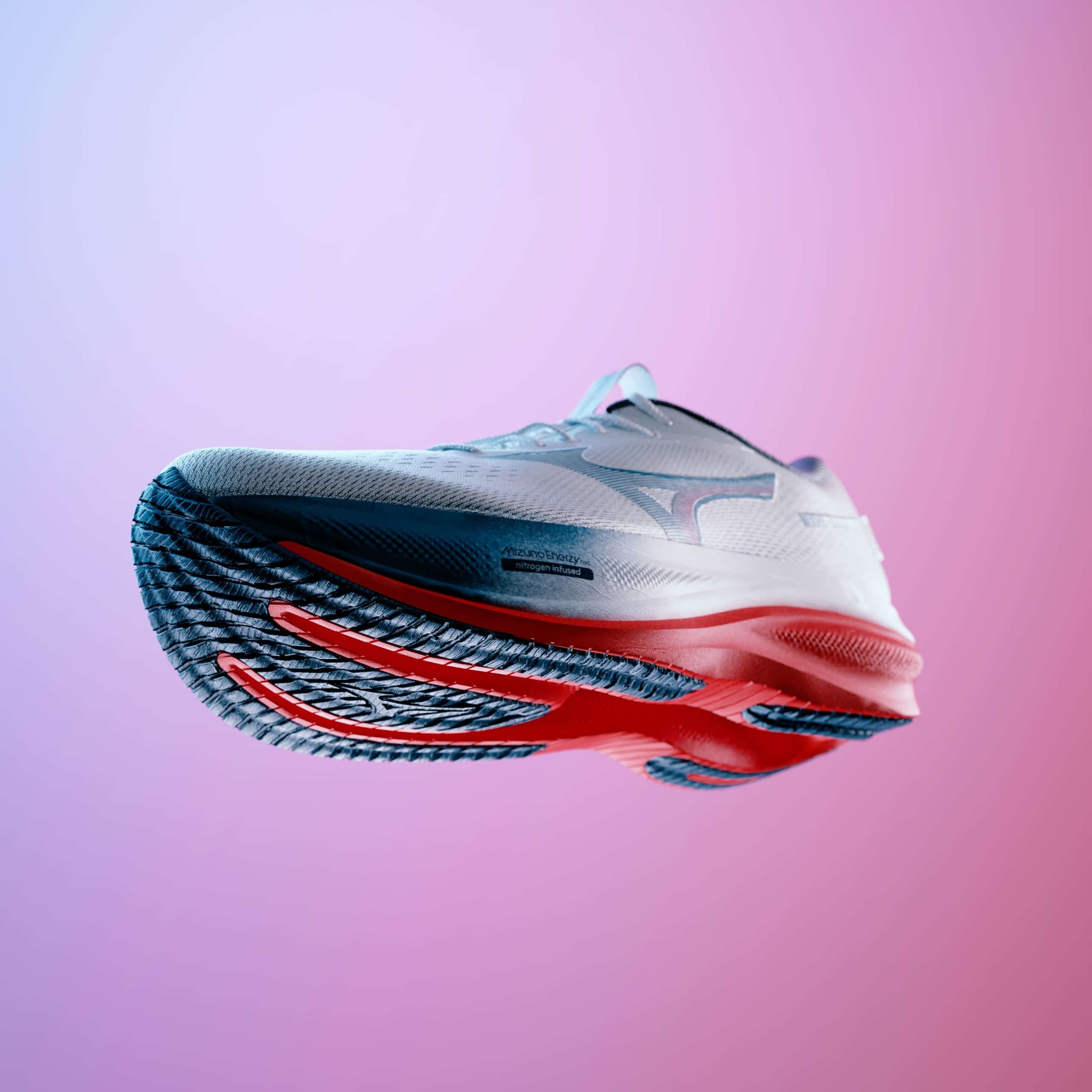
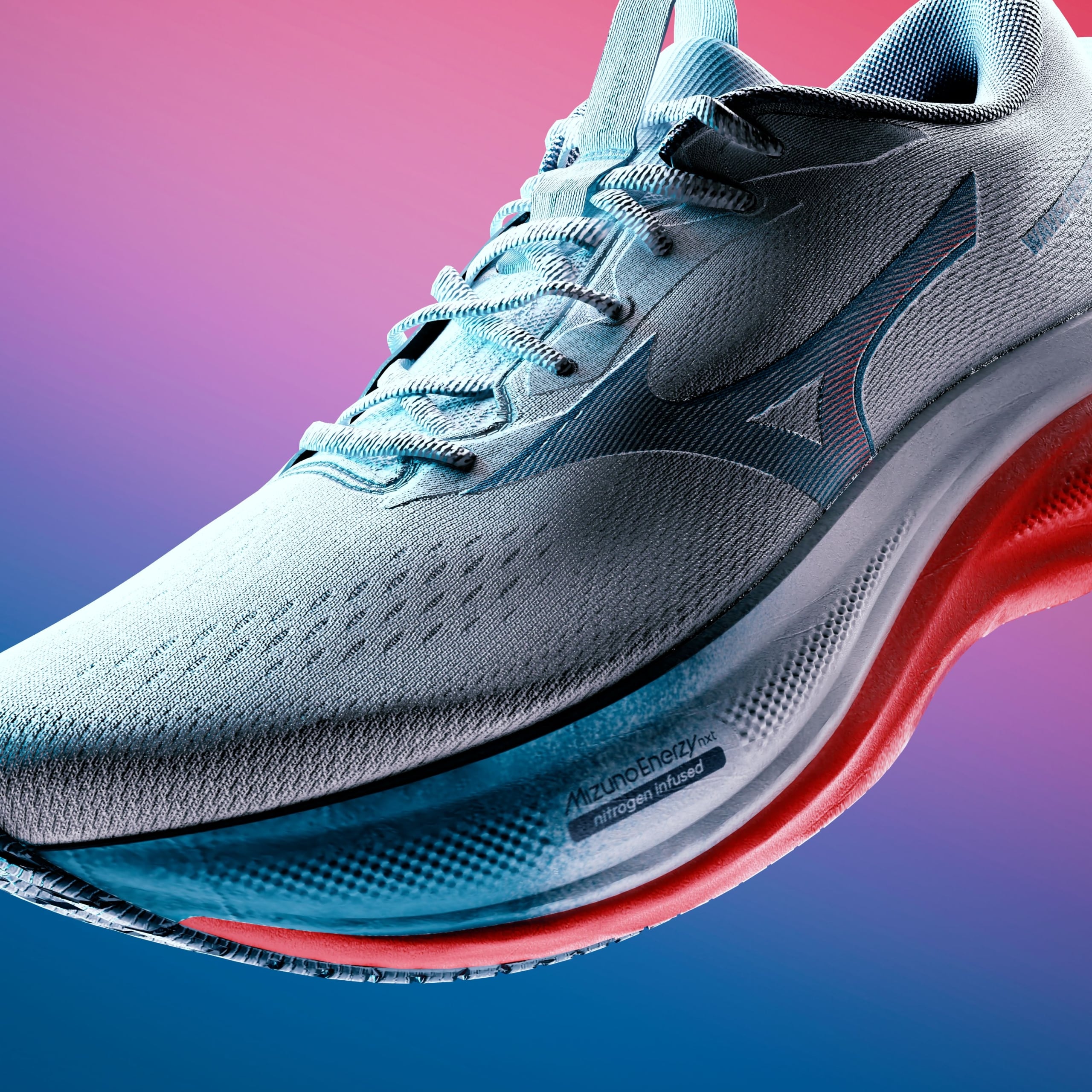
The top layer — in direct contact with the foot — is nitrogen-infused. This technique, increasingly found in high-performance foams across the industry, produces a finer, more uniform cell structure and therefore greater responsiveness. The result: softer surface cushioning and a noticeable uptick in energy return. The lower layer, in EVA, plays its foundational role: absorbing impact and providing stability so the shoe doesn’t become overly soft.
It’s the combination of these two foam types that delivers the result. A shoe that absorbs impact well without that sinking feeling you can get from some maximalist models. The Wave Rider 30 stays lively and comfortable underfoot — something of a Mizuno signature.
| Breathable mesh upper and protective rubber outsole
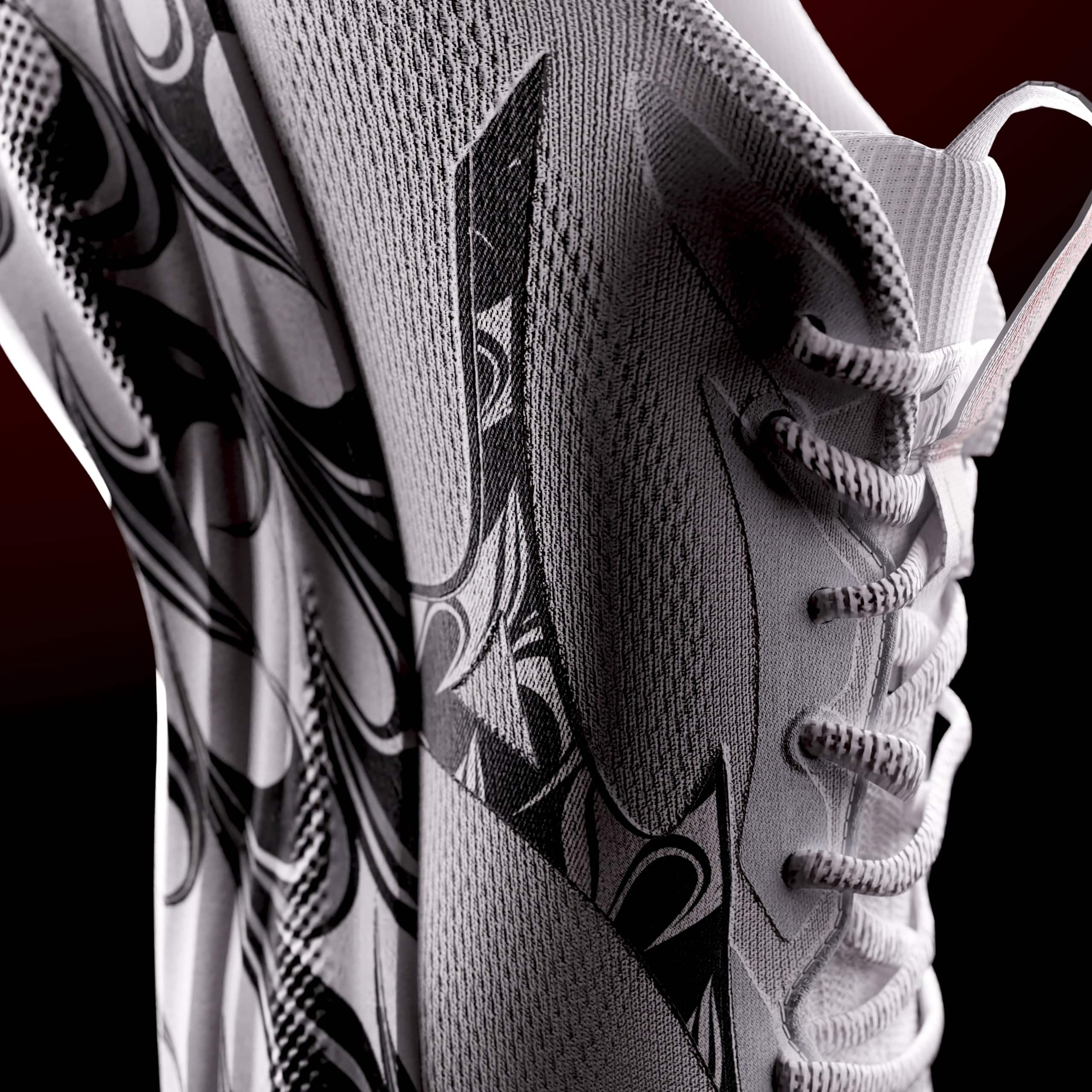
Mizuno has also reworked the Wave Rider 30’s upper, and it shows. The knit mesh is softer and more breathable than on previous versions, with a gusseted tongue that minimizes pressure points and a heel pull tab for easier entry. The rear heel counter remains firm — the foot is well held at landing — but the overall feel is more natural and less rigid. It’s especially on longer runs that this refinement makes itself felt: the shoe doesn’t fight you, it goes with you.
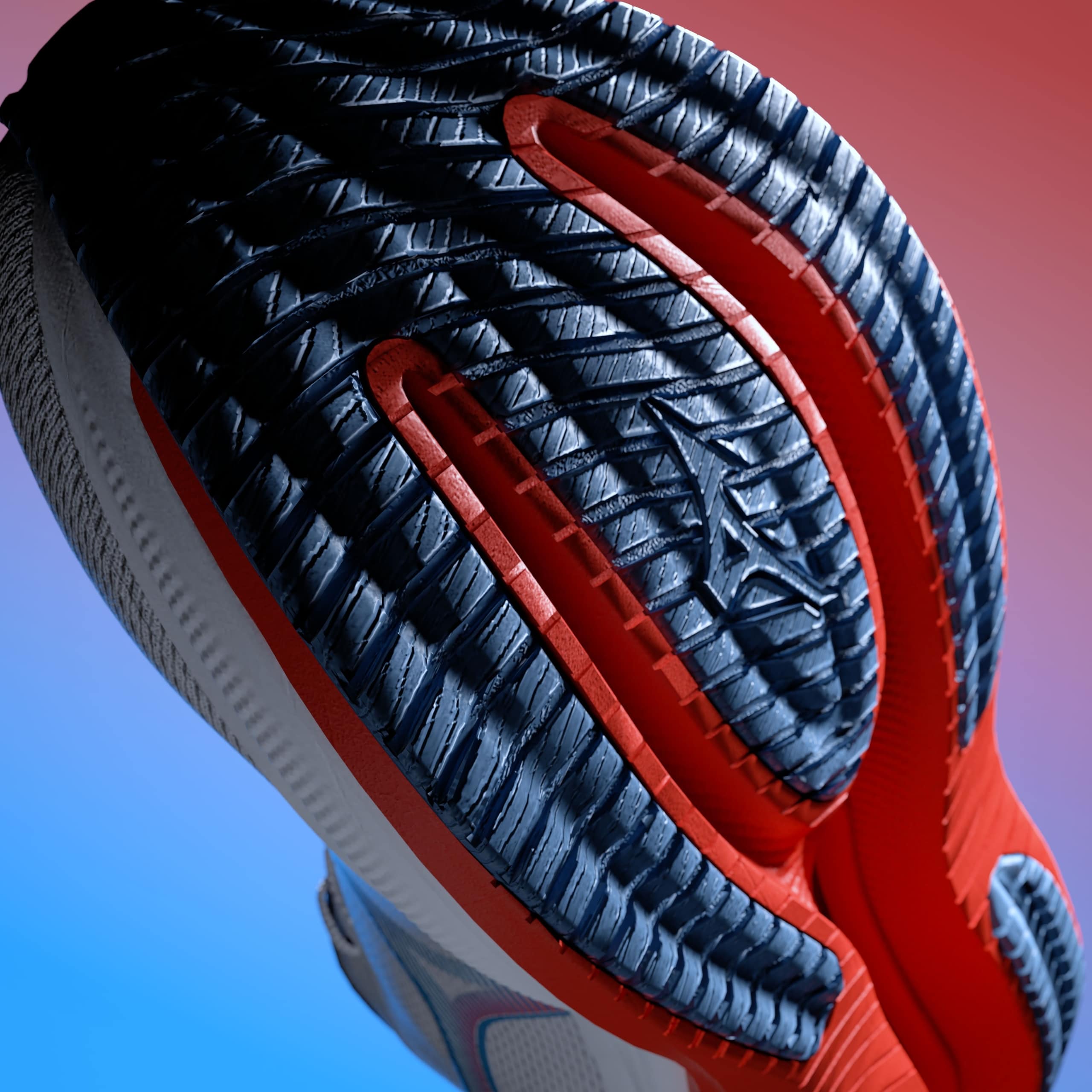
On the outsole, Mizuno relies on its X10 carbon rubber, placed on key wear zones. A well-known material across the Wave range: extremely abrasion-resistant, reliable on both wet tarmac and dry asphalt, and above all protective for the foam beneath. On a shoe designed for daily use and high mileage, that’s a durability guarantee. The Wave Rider 30 should comfortably exceed 800 km without showing signs of premature wear.
| Wider midfoot: enhanced stability, broader platform
It’s not the flashiest detail, but it’s one that counts: the Wave Rider 30 gains 14mm of width at the midfoot compared to the version 29. On a shoe built for everyday running and long runs alike, this is a meaningful evolution.
A wider midfoot means a larger base of support, more efficient foot mechanics with toes able to splay naturally, a more controlled heel-to-forefoot transition, and less work for the stabilizing muscles. At the end of a run, that adds up to less accumulated fatigue. For a runner stacking sessions week after week, this kind of detail makes a real difference over time. Mizuno didn’t highlight it by accident. Medium and wide feet will be delighted. For narrower feet, the mesh is flexible enough to prevent friction.
With a stack of 42.5mm at the heel and 34.5mm at the forefoot for an 8mm drop, the Wave Rider 30 positions itself clearly as a generously cushioned, protective shoe built to eat up kilometers without punishing the body. It is perfectly aligned with the current demand. We are in an era where maximalist cushioning has become essential for runners.
| Who is it for, and what is it for?
The Wave Rider has never claimed to be a racing shoe. That’s not its role. It has always been designed for regular runners who want a reliable, comfortable pair capable of handling a Tuesday easy jog just as well as a Sunday long run — and above all, built to last.
With version 30, that profile broadens slightly. The full-length Wave plate and wider midfoot make it an even more reassuring choice for heel and midfoot strikers, heavier runners, and anyone who needs a stable, protective model for the long haul. And at 265g, it stays within a reasonable weight range for a shoe at this cushioning level.
| A distinctive design — love it or hate it
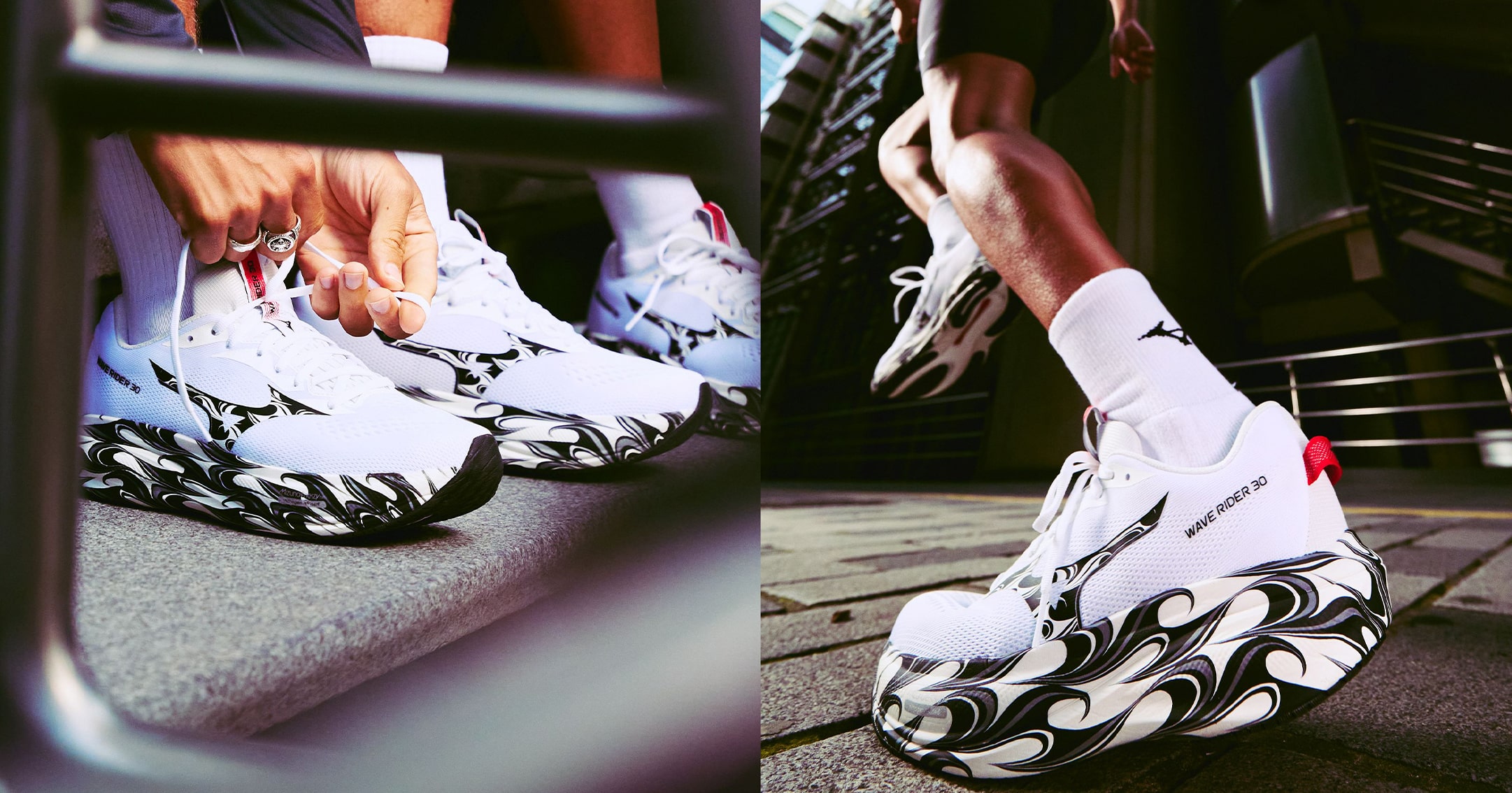
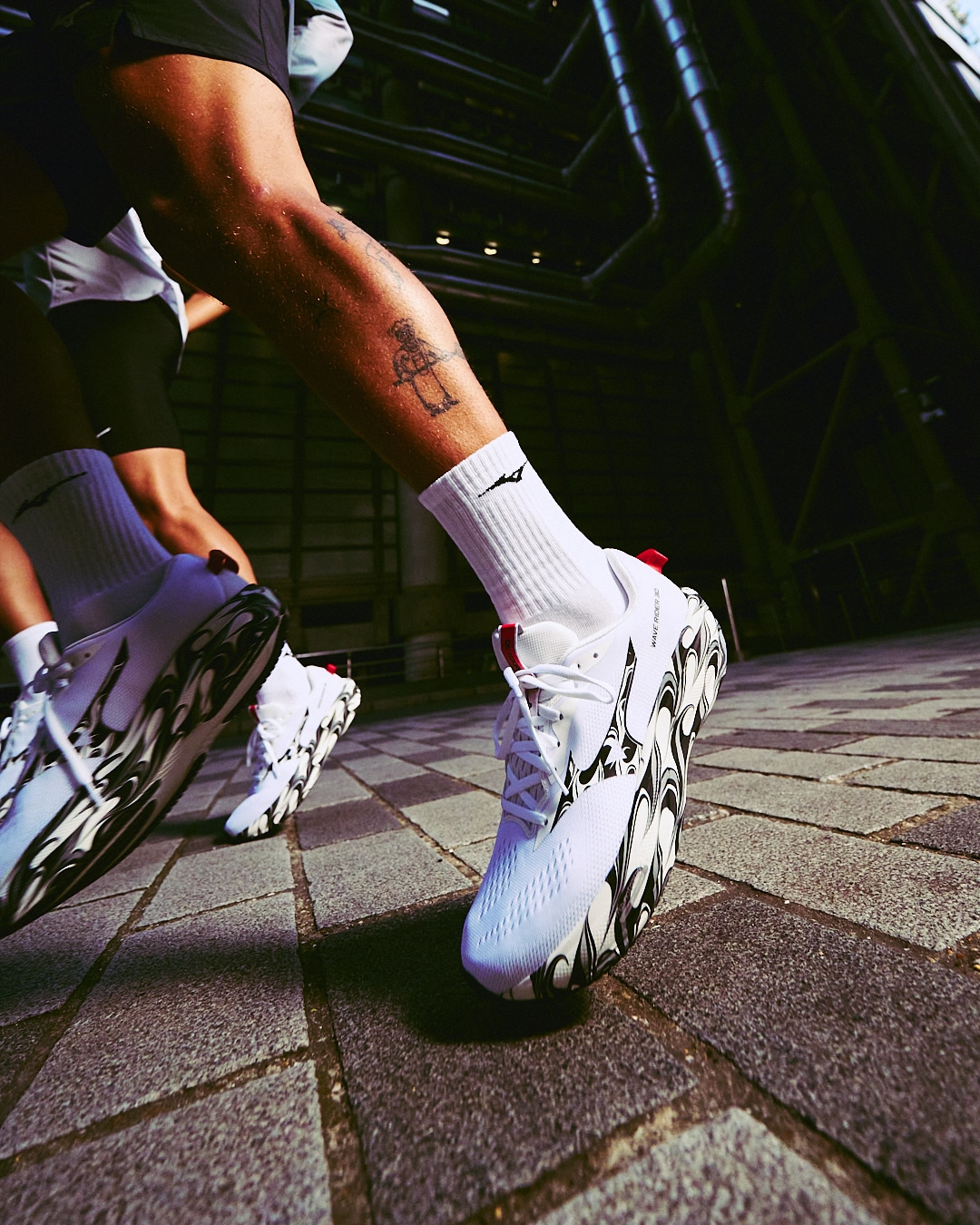
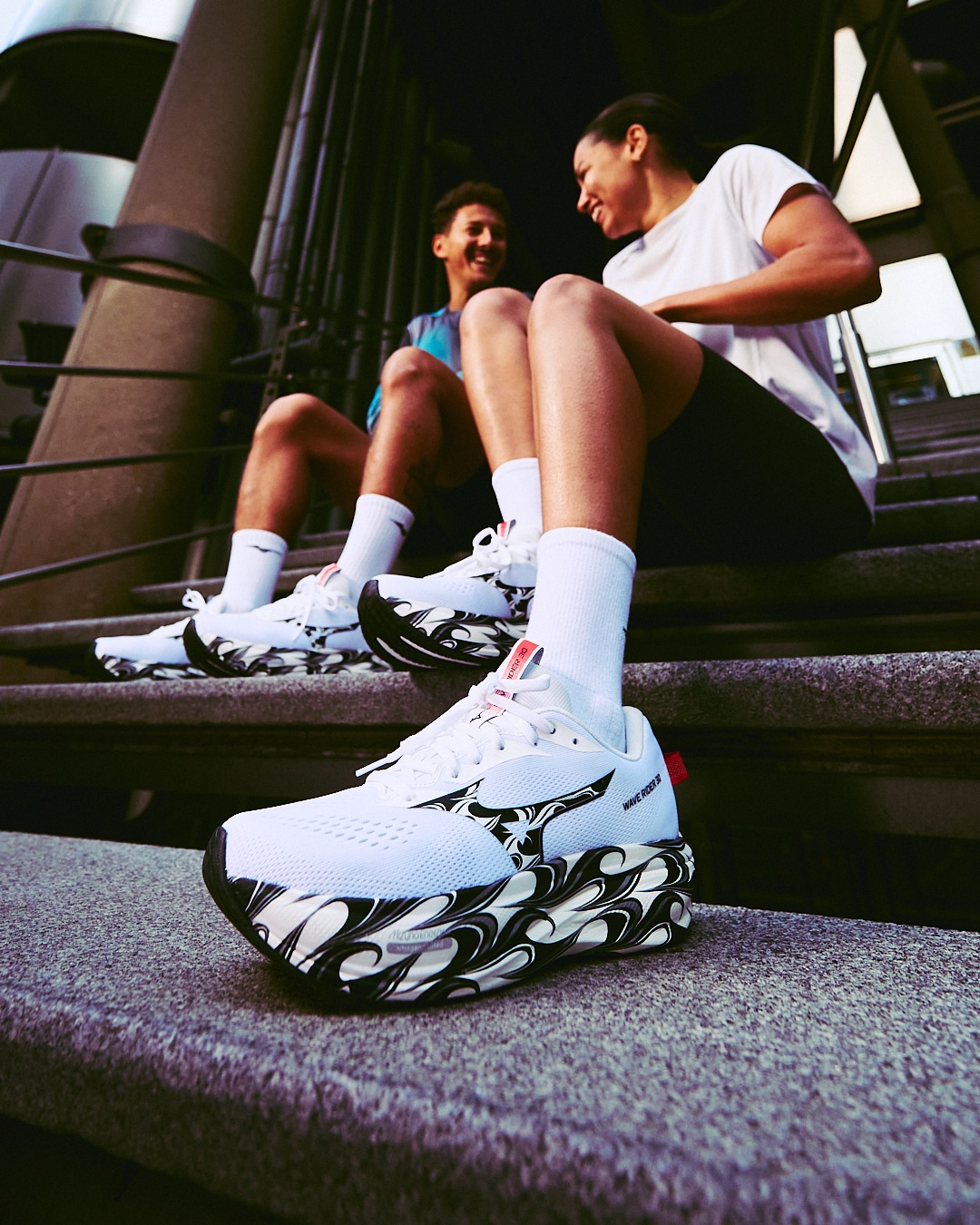
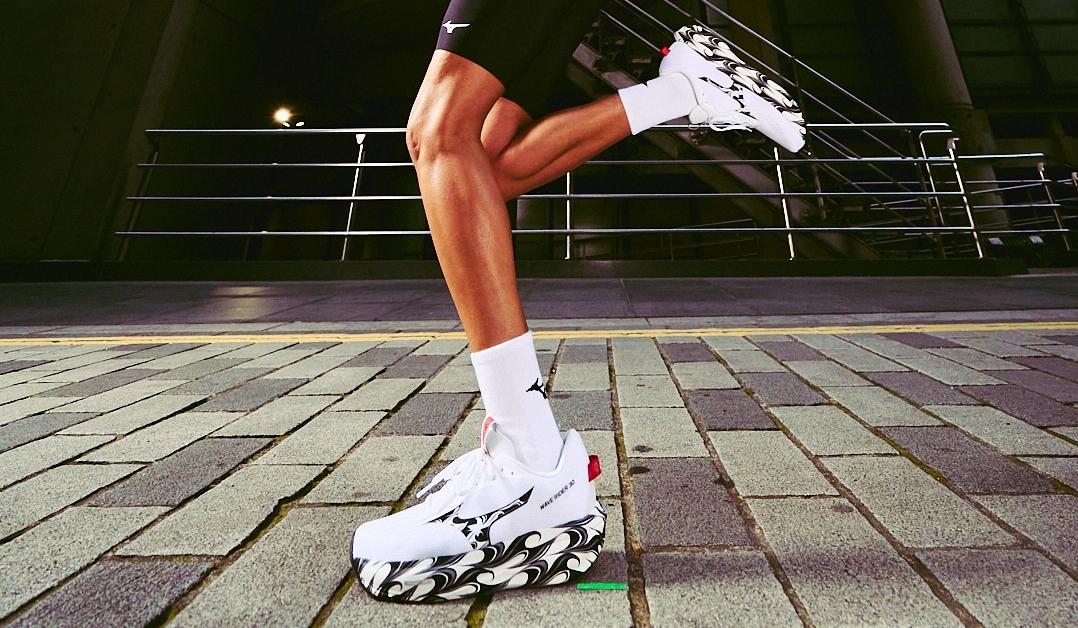
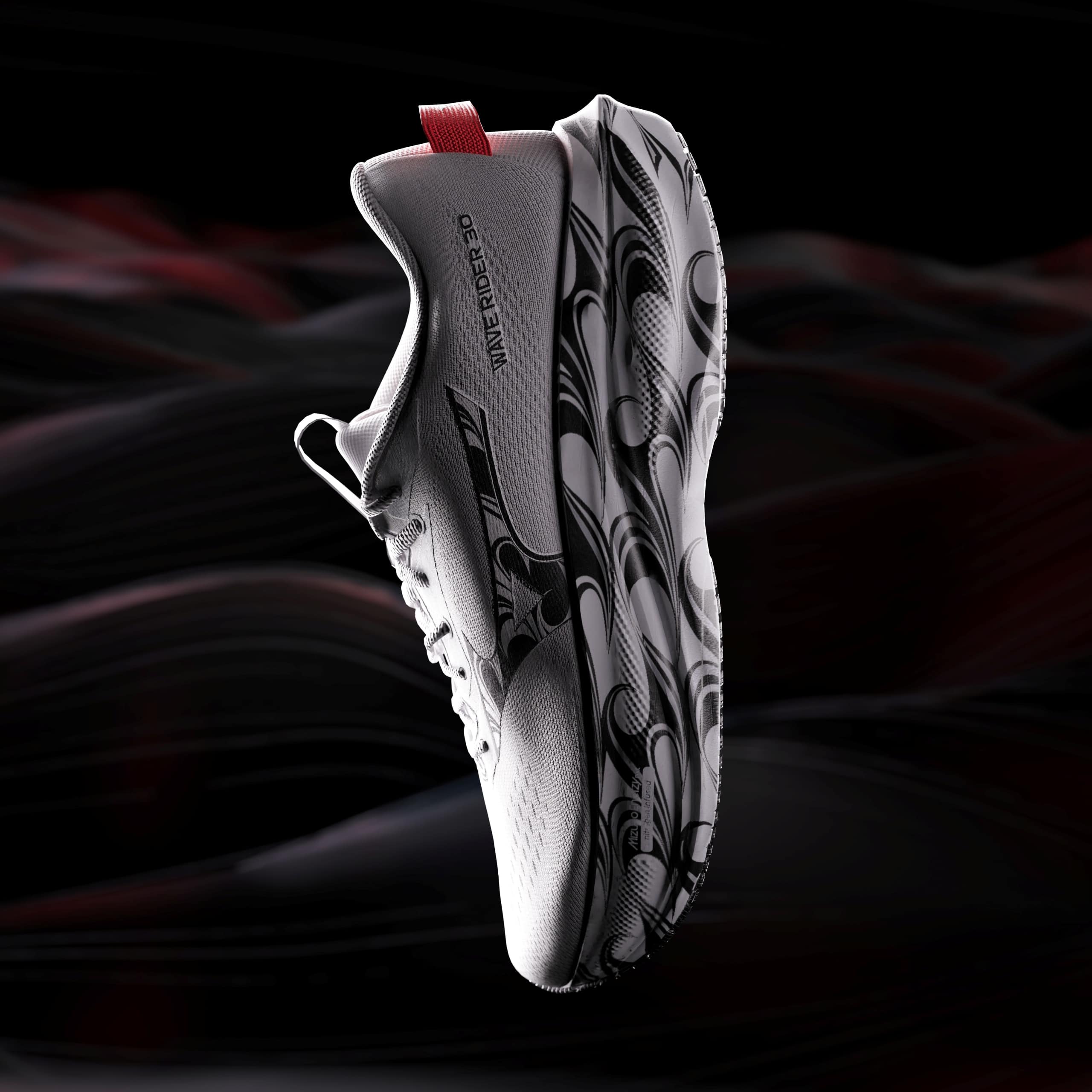
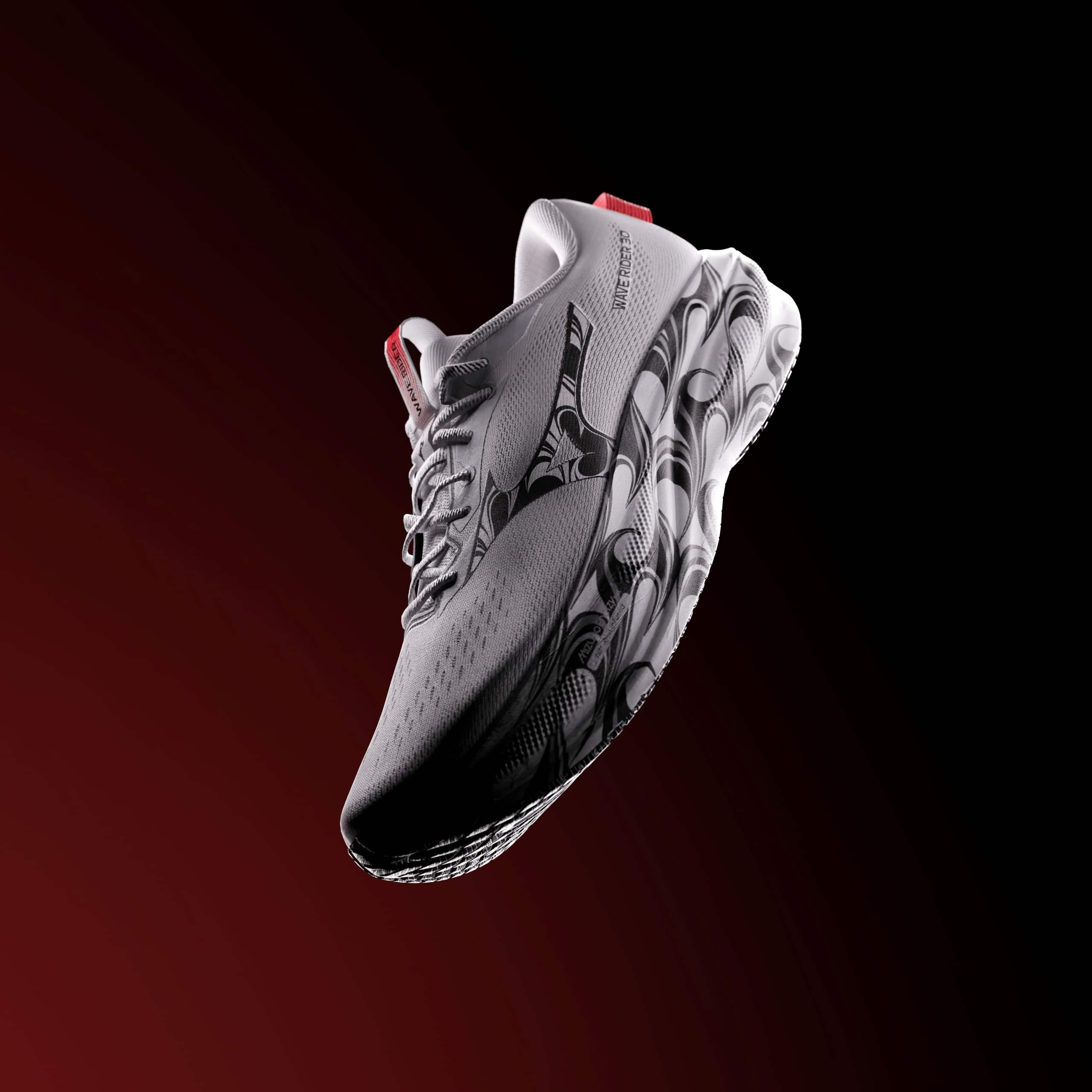
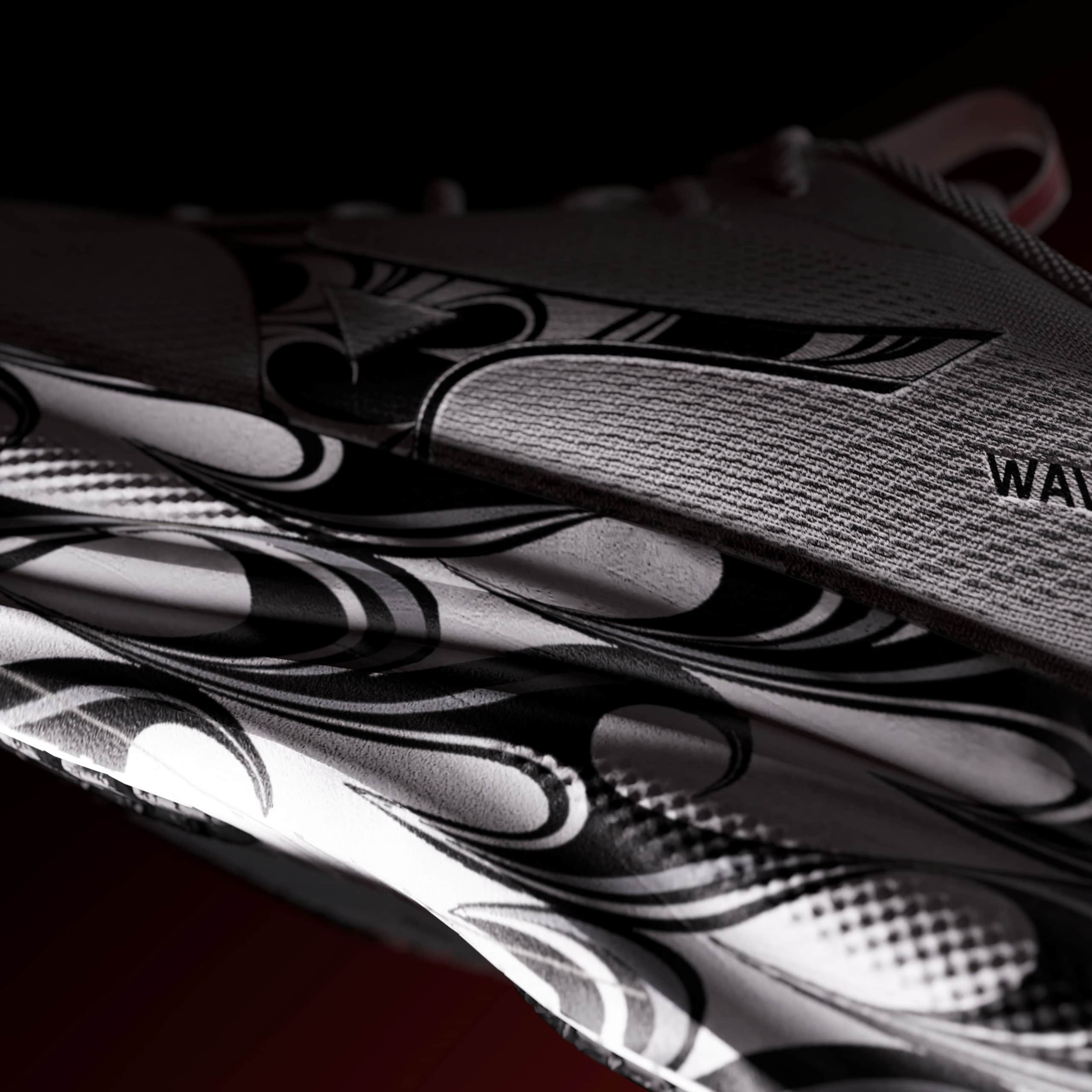
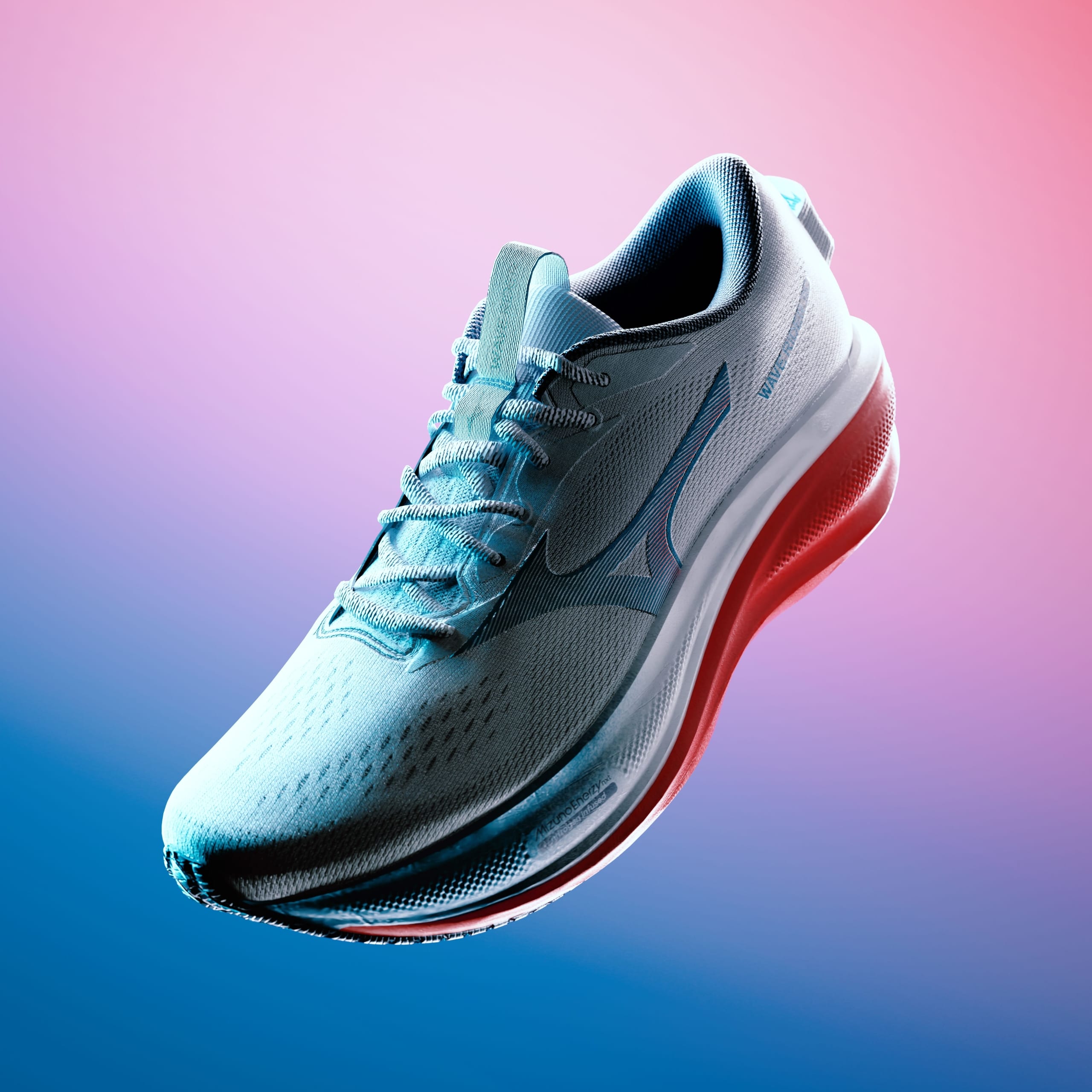
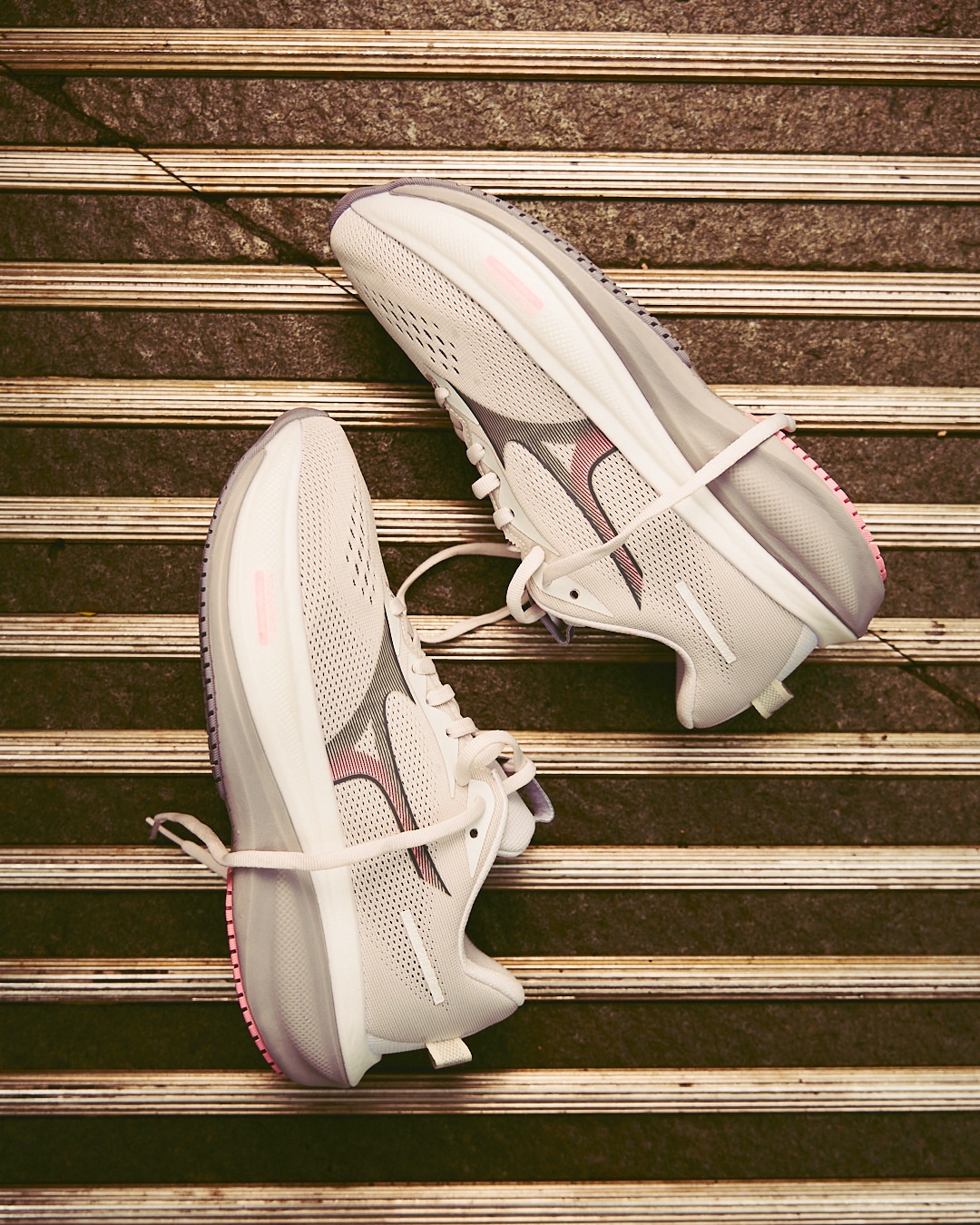
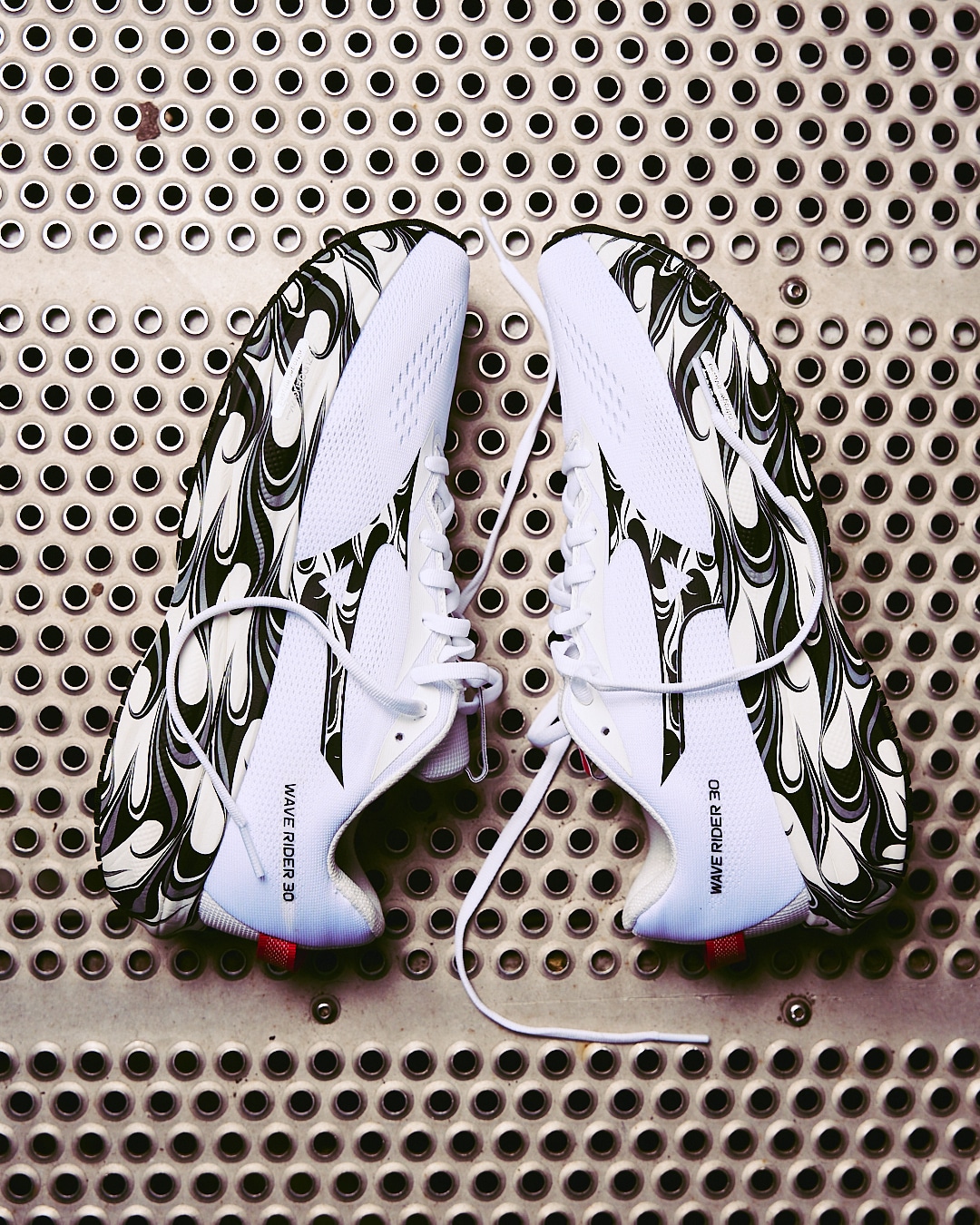
The design deserves a mention too. Mizuno has never done understated, and the Wave Rider 30 is no exception. The black and white wave pattern printed on the midsole — visible and unapologetic — is a reminder that the Japanese brand has always treated aesthetics as an integral part of the experience. “Trust the flow, ride the next wave”: the campaign tagline captures the intent well. The design perfectly reflects the harmonious motion Mizuno was after, with midsole graphics evoking sensations of glide and serenity on a wave. Love it or hate it, it stays true to the Mizuno DNA. For those who prefer a more understated look, additional colorways in more subtle designs have also been developed.
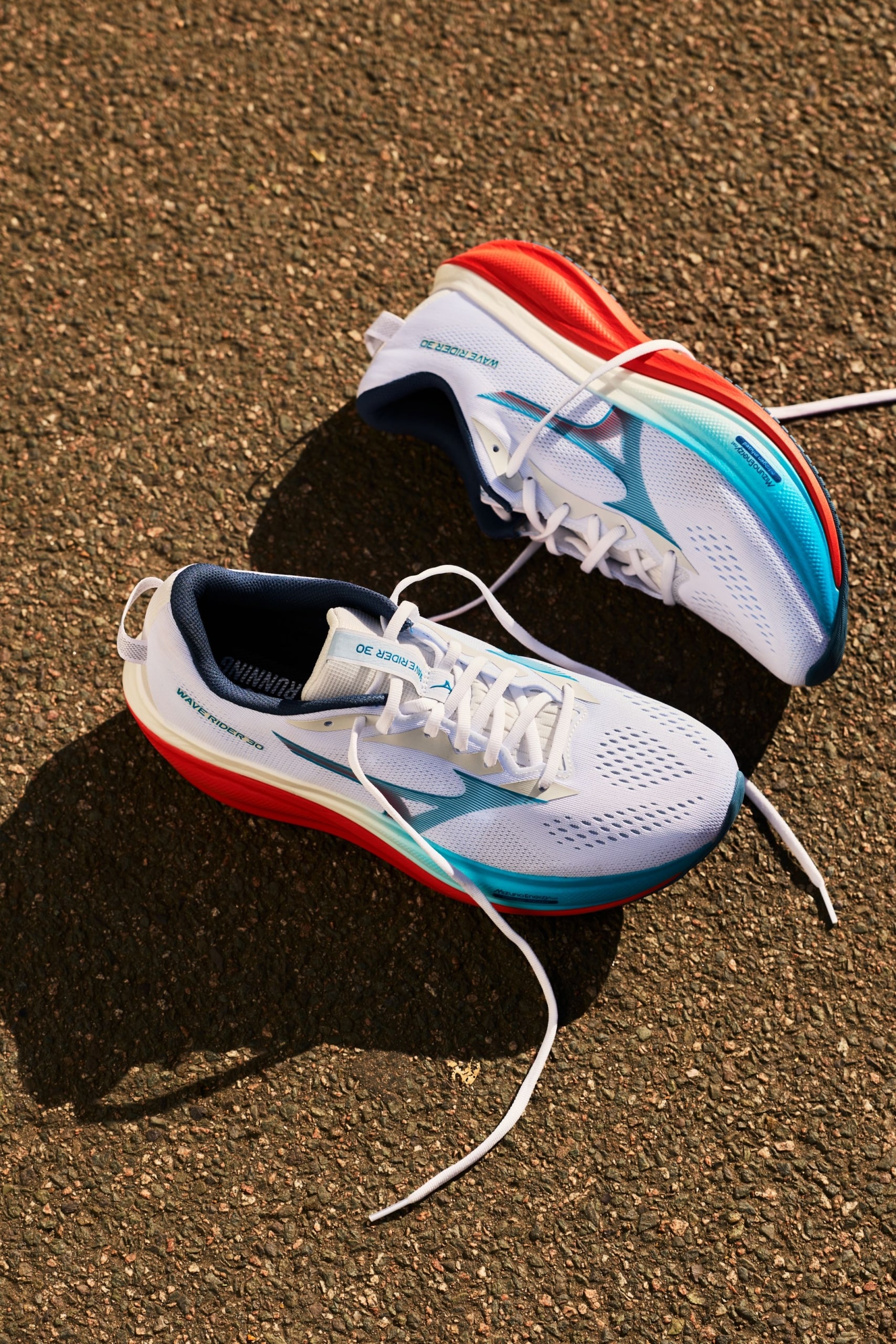
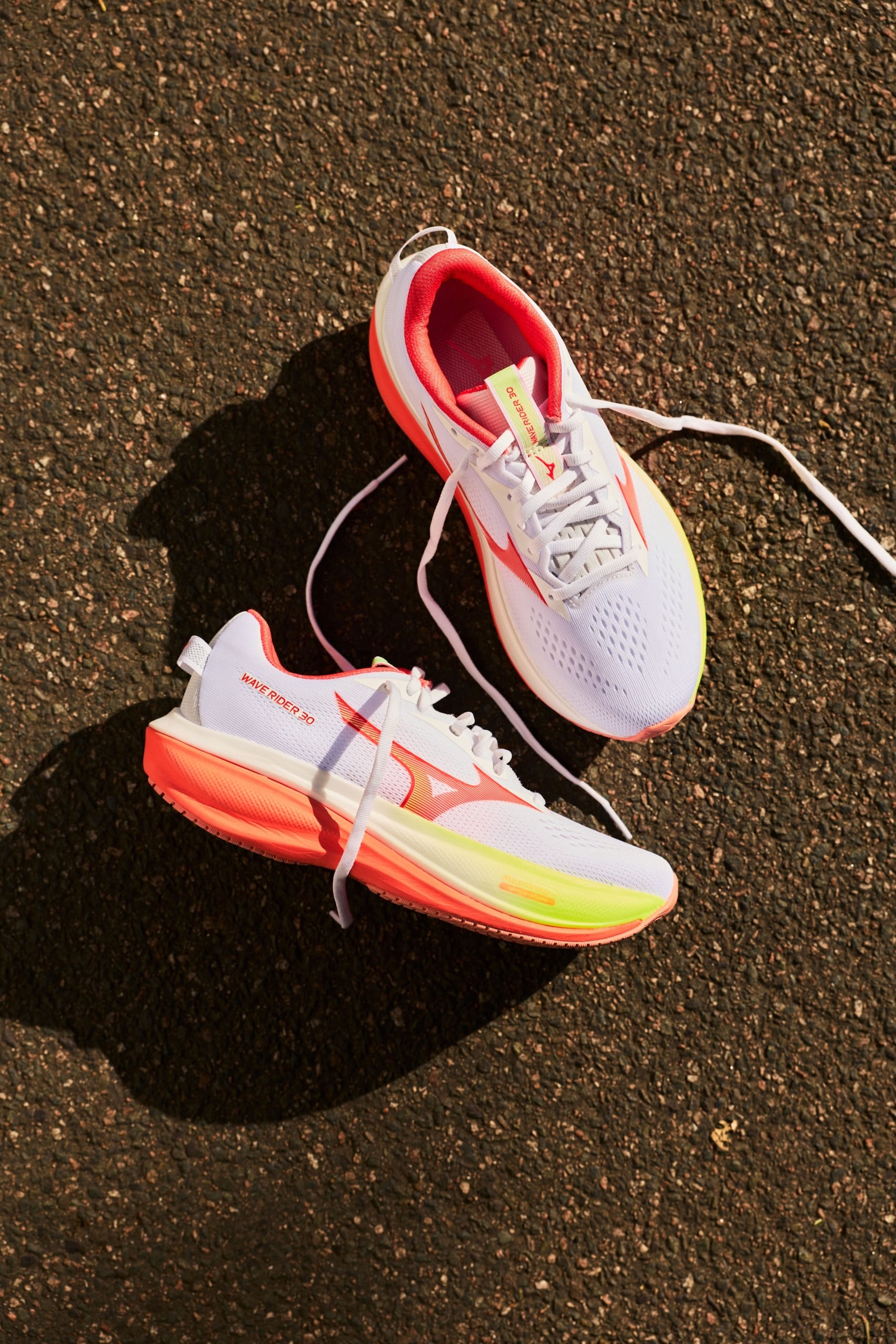
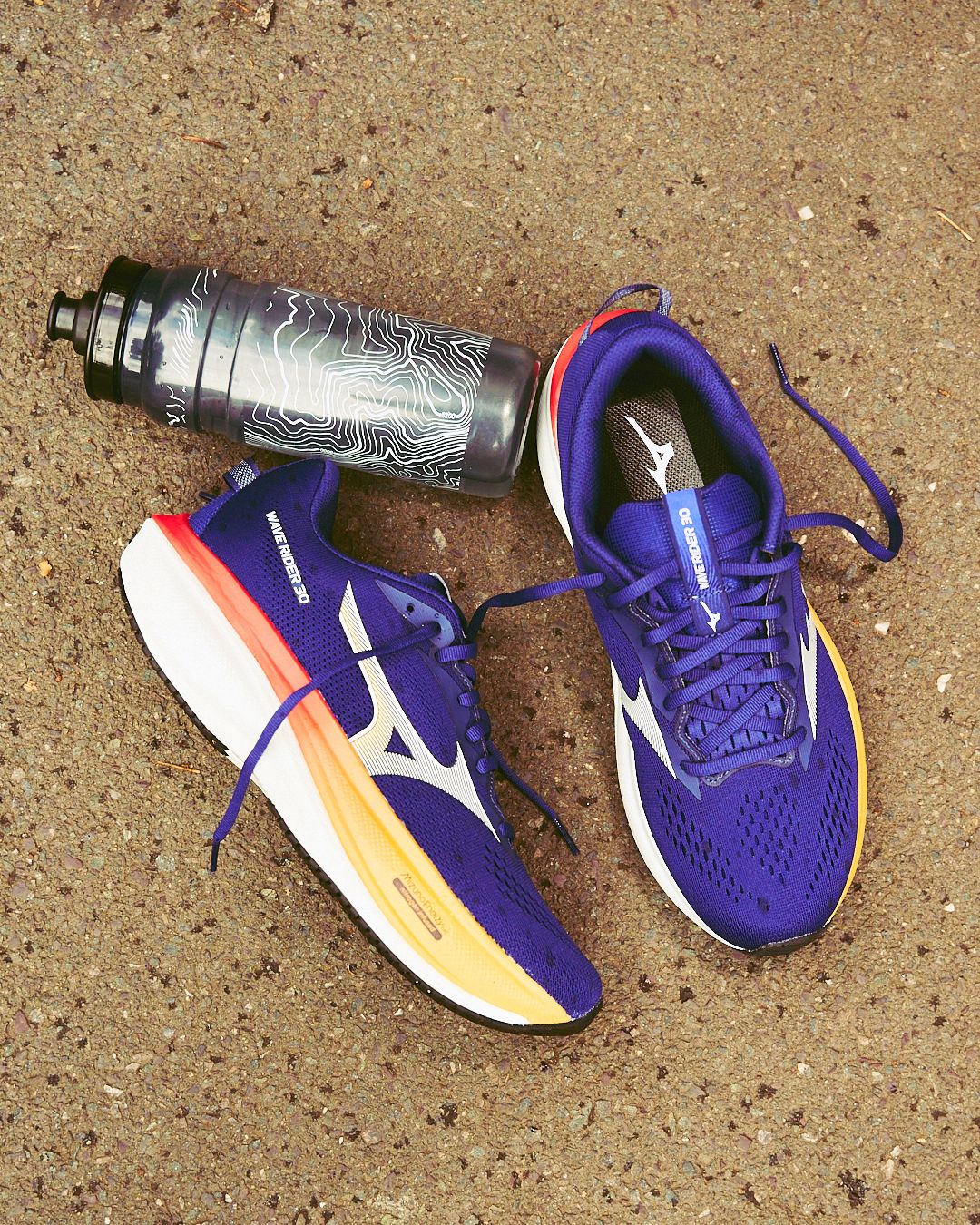
Technical specs – MIZUNO WAVE RIDER 30
- Category: Daily trainer
- Use: Easy runs, long runs, daily training
- Cushioning: Dual-layer Enerzy NXT (nitrogen-infused top layer + EVA bottom layer)
- Plate: Full-length Mizuno Wave (plastic)
- Upper: Breathable knit mesh
- Outsole: X10 carbon rubber on impact zones
- Surface: Road
- Level: All runners
- Stack: 42.5mm heel – 34.5mm forefoot
- Drop: 8mm
- Weight: 265g (men’s)
- Price: €160
- Availability: June 2026
| The Mizuno lineup
The Wave Rider 30 occupies a central place within the Mizuno range. To complement it, the Japanese brand offers a complete lineup, from speed training to high-performance carbon racing. Mizuno is also known for its unique shoe geometry, with a highly pronounced rocker and exceptional forward roll.
Wave Rider 30: The reliable daily trainer for everyday running — generous dual-layer foam cushioning, comfortable and stable thanks to the Wave plate.
Neo Zen 2: A more fun, more performance-oriented daily trainer — lighter, slightly less stable than the Wave Rider due to the absence of a Wave plate.
Neo Vista 2: The brand’s most versatile trainer, capable of handling everything from easy jogs to VO2max sessions — a very pronounced rocker and high energy return thanks to nitrogen-infused foam and a nylon plate.
Hyperwarp Pro / Elite / Pure: Built for competition, from 5K to marathon — carbon plate, ultra-light weight, exceptional energy return.




Thirty versions later, the Wave Rider hasn’t aged a day. It’s never looked younger. Mizuno took its time, never betraying what made the Wave Rider special, while continuously improving every component. The dual-layer Enerzy NXT, the full-length Wave plate, the wider midfoot: three concrete, coherent evolutions, all pointing in the same direction. More comfort. More fluidity. More stability. And a price that hasn’t moved — rare enough in the running industry to be worth calling out. At Marathons.com, we love this Japanese personality: the attention to detail, the bold and distinctive design. For long-time Wave Rider fans, the 30 will feel like a natural progression. For everyone else, this might just be the right moment to step on board and let the ride guide you. That’s fairly easy to do when the brand behind it has over 120 years of history.
✔ The Mizuno Wave Rider 30 is available on mizuno.com and at selected specialist retailers, priced at €160.

Clément LABORIEUX
Journalist