 © Emma Bert / MARATHONS.COM
Saucony and nutrition brand Pyrene: their pop-up store at the heart of the Paris Marathon
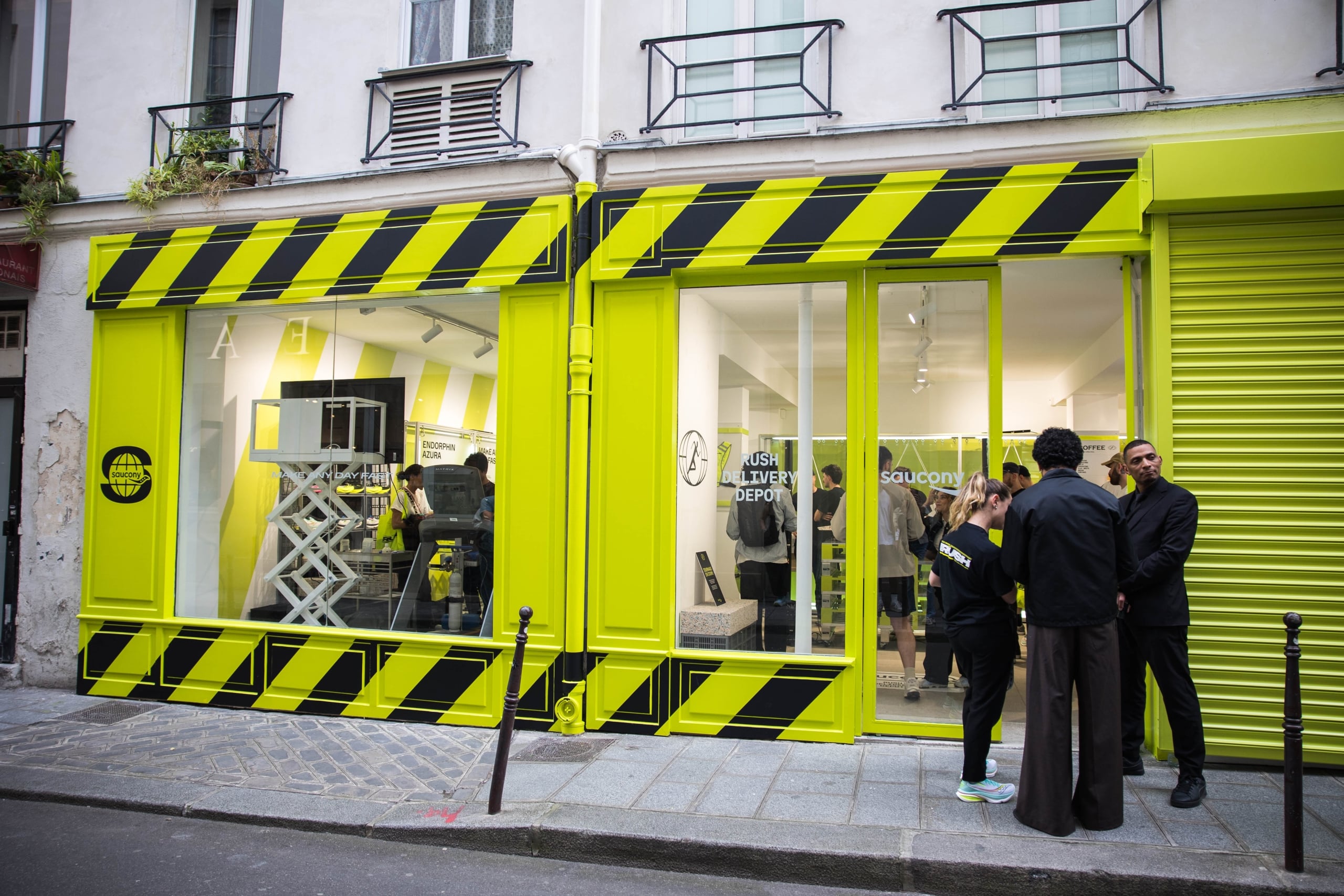
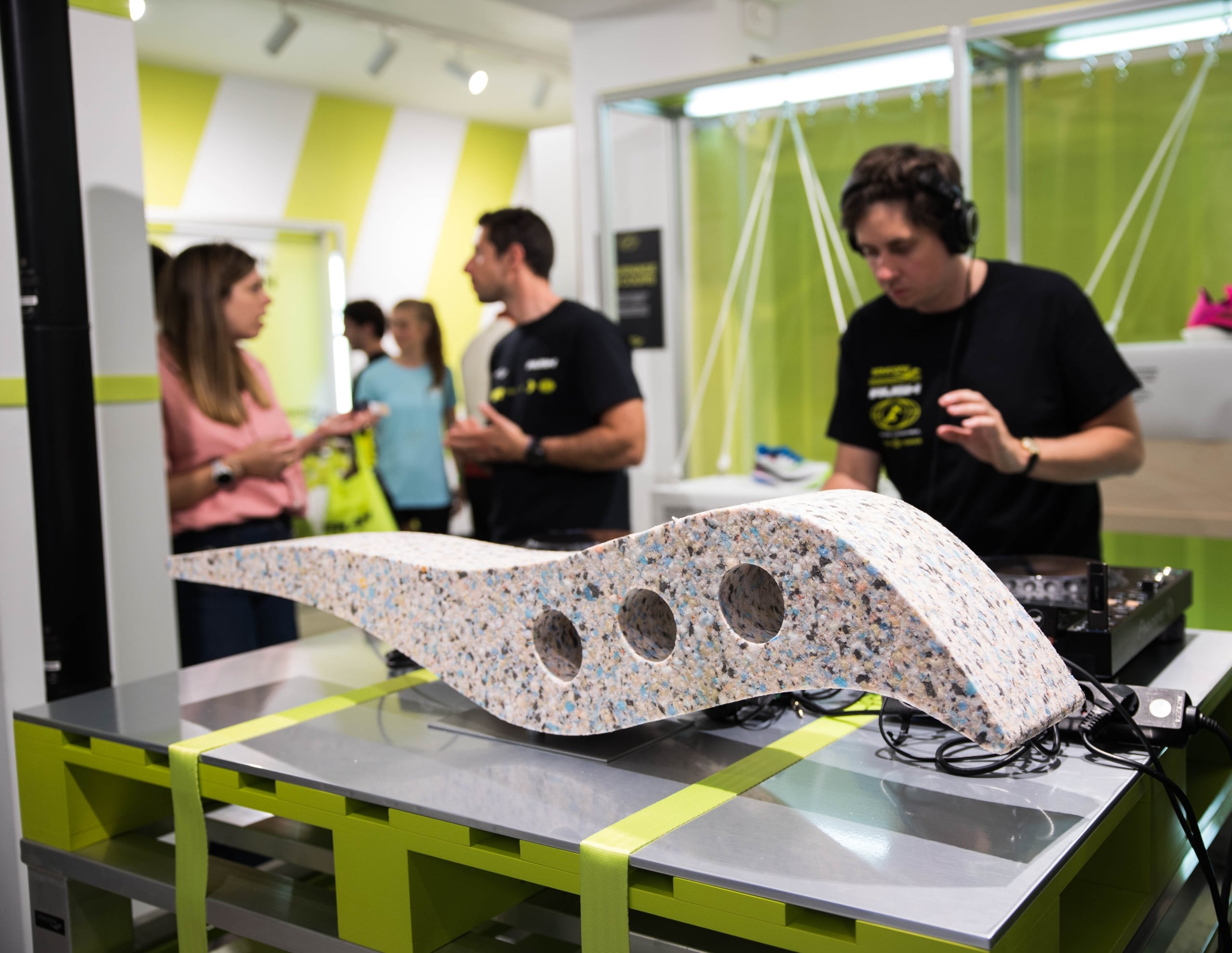
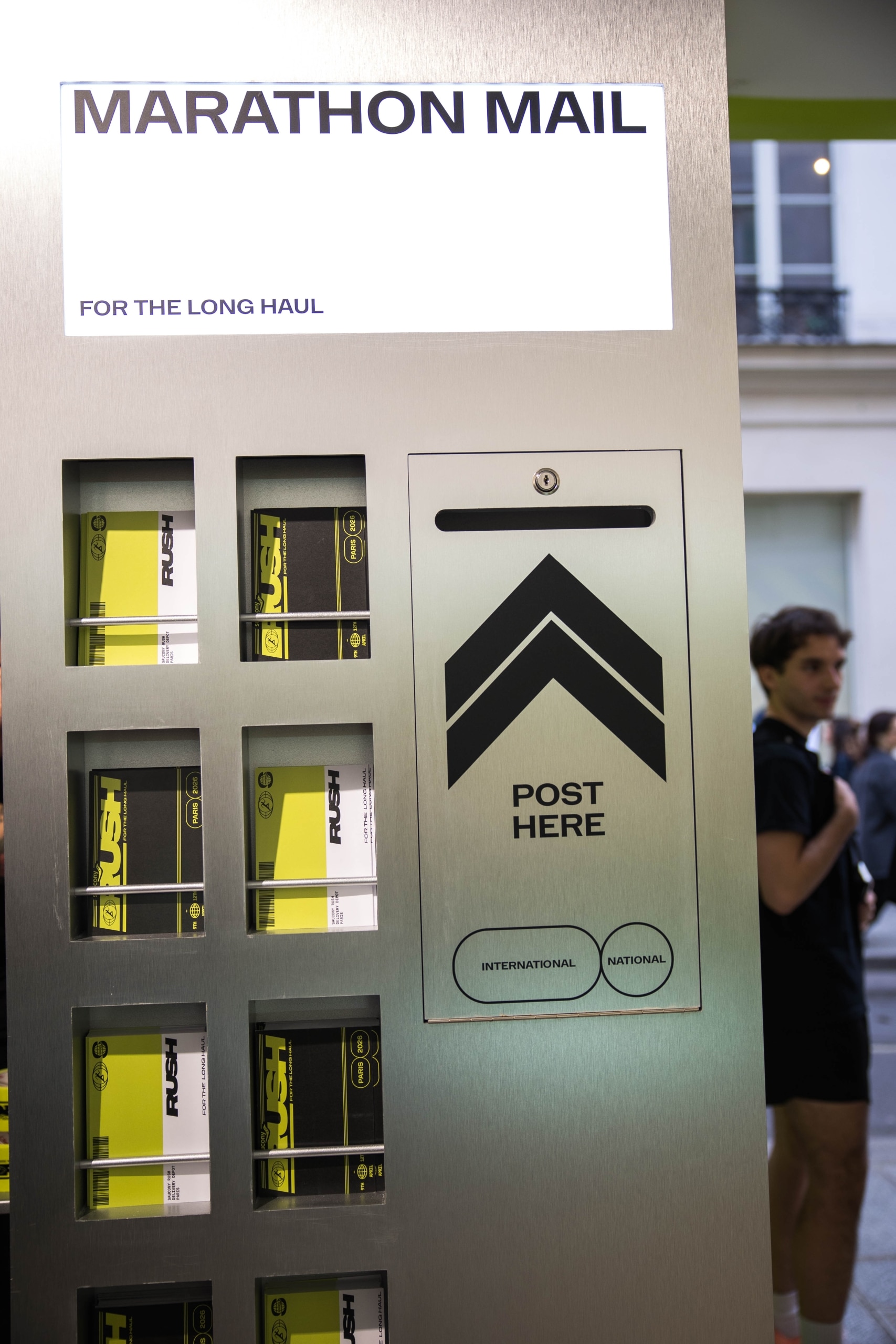
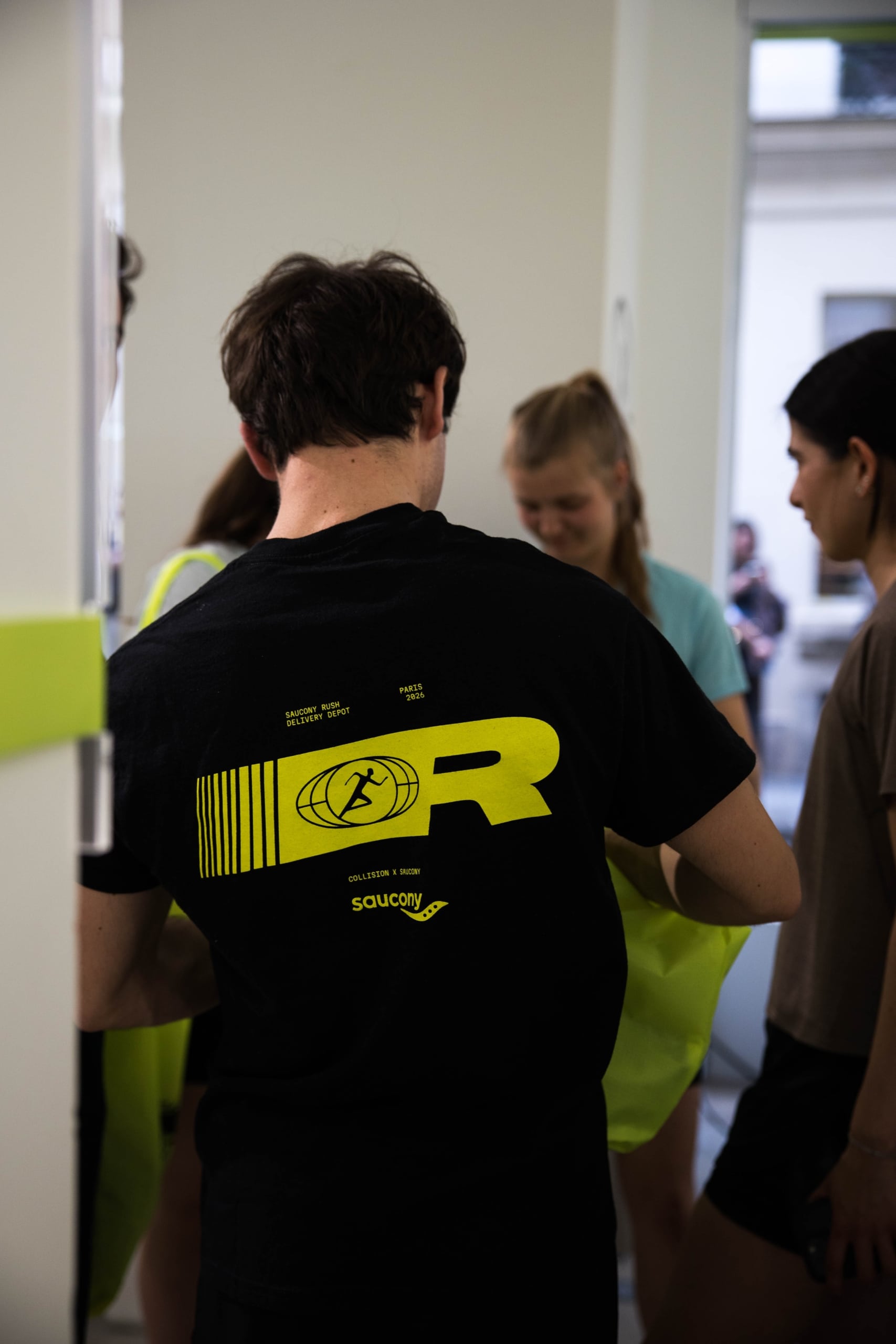
Brands made a strong presence close to runners during Paris Marathon week. Saucony stood out in particular with a vibrant pop-up store set up in the heart of the Marais district. A range of activations, along with discussions around the latest innovations from the brand and French nutrition company Pyrene, brought several evenings to life.
A storefront freshly painted in neon yellow, streaked with black lines, created a striking visual. A space that stood out from the typically grey Parisian façades and immediately caught the eye. American brand Saucony — the oldest running brand in the world, founded in 1898 — teamed up with young French label Pyrene. The collaboration offered an opportunity to draw parallels between the evolution of footwear and that of nutrition, built around a shared vision of endurance.
| Pyrene, a French laboratory for endurance nutrition
This collaboration reflects the strong ties between the two companies, built from Pyrene’s early days. They regularly work together on long-distance running projects, particularly on formats exceeding 200 km — a real testing ground for Saucony and a development opportunity for Pyrene.
The nutrition brand was founded in Toulouse in late 2024. In a highly competitive market with more than 250 manufacturers across Europe, the company stands out by designing and producing a new kind of product range. “Our formulas are based on scientific literature, high-quality raw materials, and intake protocols that are particularly innovative in the endurance world,” explains founder Emmanuel Lamarre.
Their observation is clear: over long distances, athletes reach a point of saturation from constant fueling and struggle to digest after prolonged effort. These issues often lead to nausea, followed by a complete stop in consuming gels and similar products. Yet beyond 75 minutes of activity, energy stores drop sharply without an external carbohydrate intake.
“We wanted to address the issue of digestibility,” explains Emmanuel Lamarre, who comes from a background in rugby and consulting for complex industries. “Products are often highly acidic for preservation purposes, which can cause unwanted side effects. We chose to develop ours without preservatives.”
A demanding approach in terms of production, as it requires specific, pharmaceutical-grade protocols. “That’s what allows us to achieve very high tolerance. Our formulas are new in terms of composition, sourcing of raw materials, and osmolarity. We offer solutions that are easier to digest, less sweet in taste — and therefore less nauseating — with a simplified dosing protocol.”
| Drinks designed like pharmaceutical products
With their resealable bottle format, featuring a cap borrowed from the pharmaceutical industry, the products stand out for their packaging. In terms of use, intake is adjusted based on the duration and intensity of the effort. A dosage chart on the back of the bottle allows athletes to quickly determine how much they need. According to Pyrene, a single bottle can cover seven to eight hours of effort.
“The dose is then poured into a bottle or flask for your session, allowing you to have all your nutrition in a single container. This helps ease the mental load of managing your fueling strategy, which can be restrictive — especially when dealing with multiple single-use gels.”
Emmanuel Lamarre
| The Pyrene Metabolic Scan to unlock valuable data
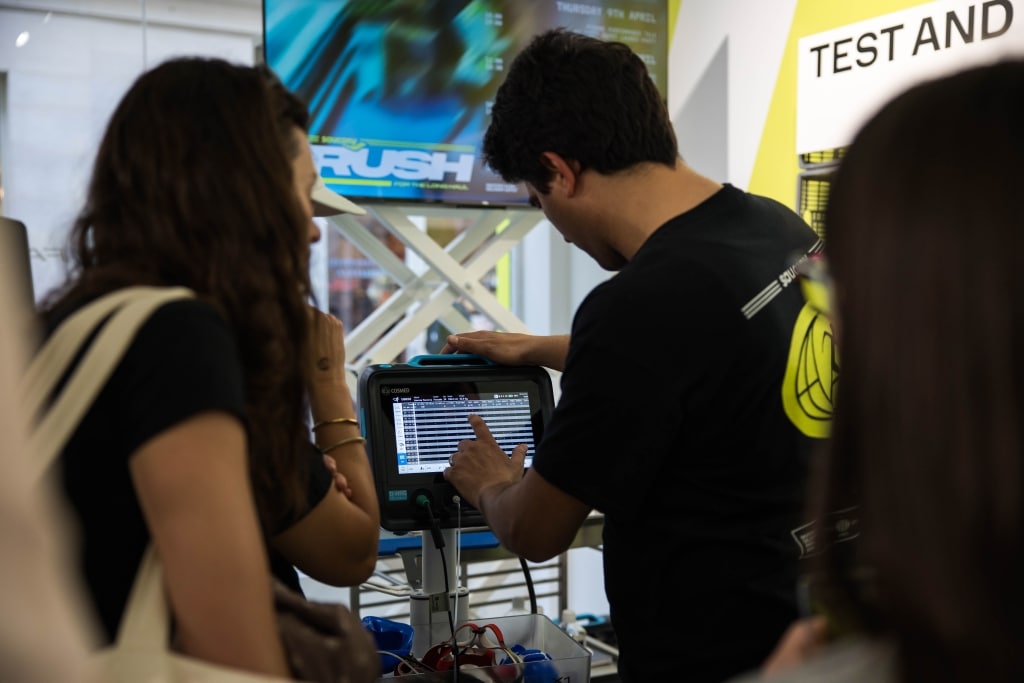
Carbohydrate consumption depends heavily on exercise intensity and varies from one individual to another. To demonstrate this, the brand introduced the “Pyrene Metabolic Scan” within its pop-up space — a way to measure an athlete’s VO2 max, as well as their effort intensity zones, in order to determine their ventilatory thresholds.
“The test allows us to define training paces, but also energy expenditure down to the exact kilocalorie, based on exercise intensity. These are extremely valuable data for athletes focused on performance, looking for a nutrition strategy tailored to their pace.”
Emmanuel Lamarre
The test also measures “fat max” — the speed at which an individual oxidizes the most fat — along with lactate levels and sweat composition, making it possible to adjust electrolyte intake and replenish minerals lost during exercise. “The runner will be able to know exactly how many carbohydrates to consume per hour, because it’s specific to each individual,” the founder explains.
Pyrene has built a team of 22 ambassador athletes, including professionals in long-distance triathlon, running, cycling, as well as high-altitude disciplines and freediving.
The company also operates five testing laboratories in collaboration with French naval commandos to refine research on oxygen consumption, including simulations of high-altitude conditions. Actively involved in the growing run club scene, the brand positions itself close to its community of users.
| Less of a divide between elite and amateur runners
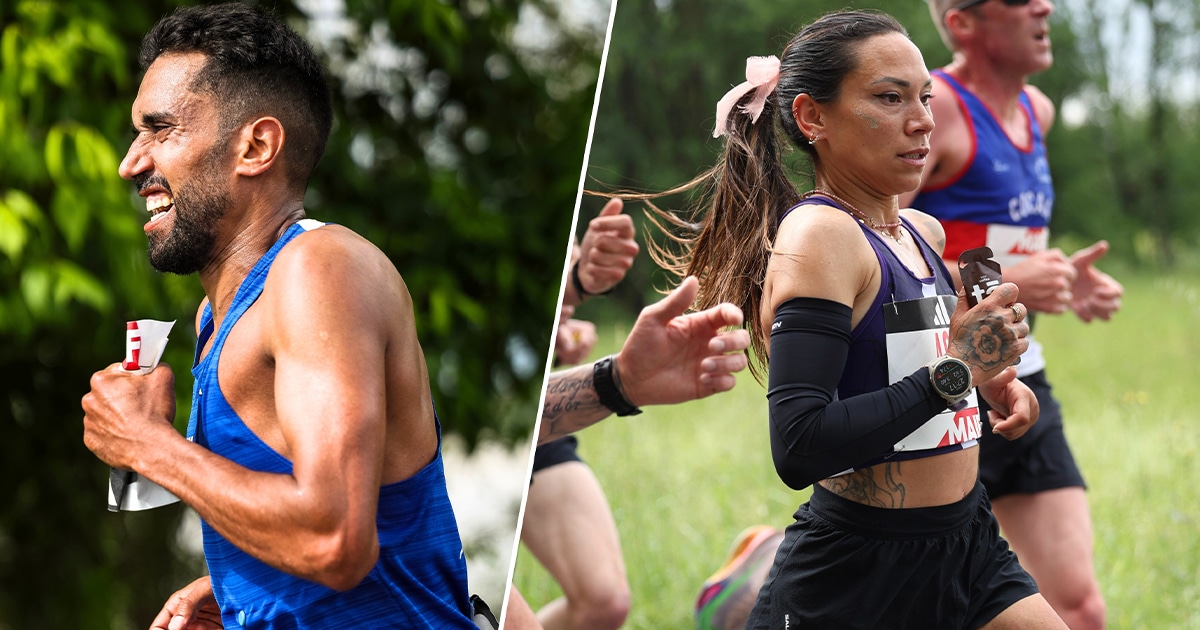
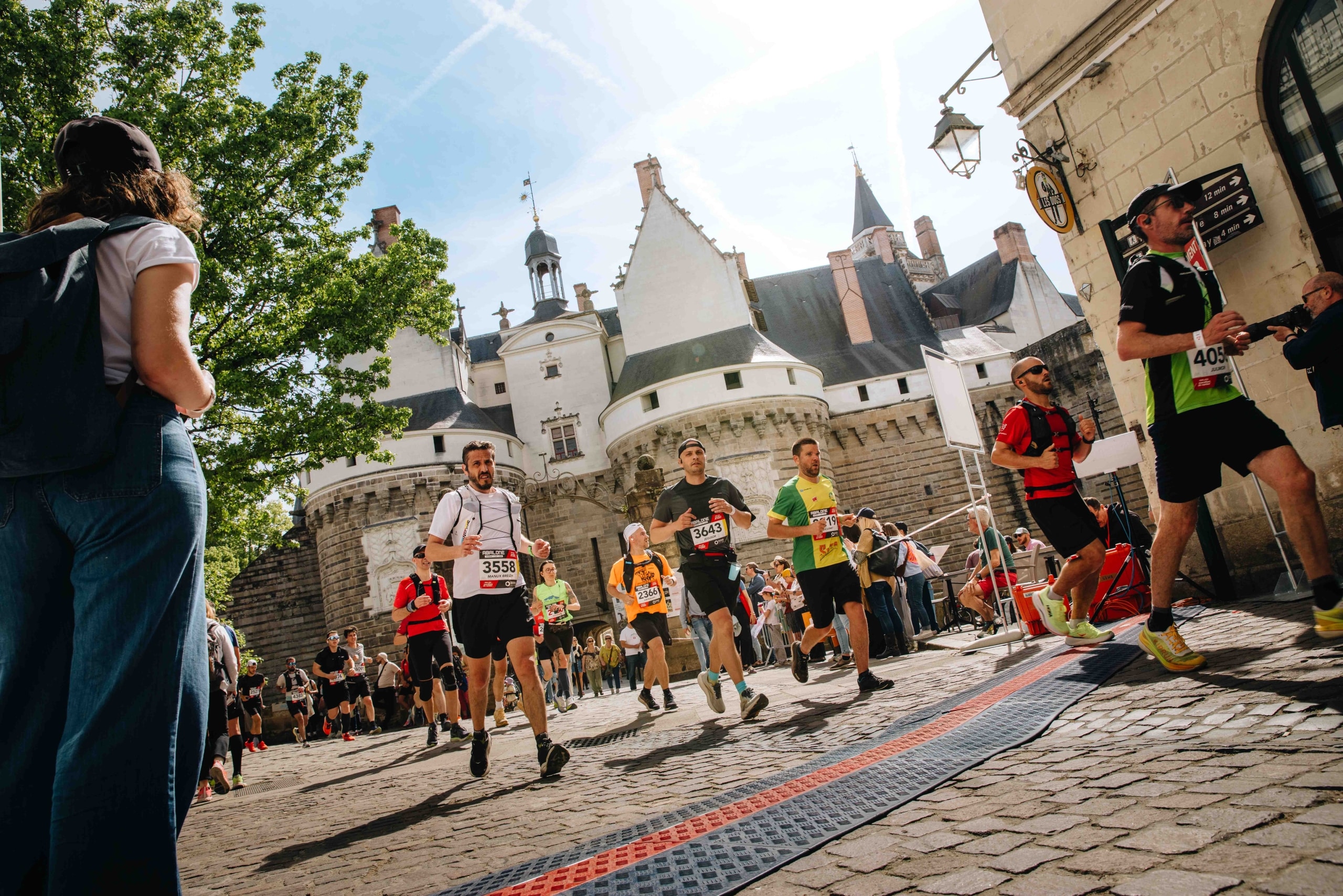
Running has never been more popular in Europe. The 60,000 finishers of the 2026 Paris Marathon — a record for the event — are a clear illustration. With this boom, performance levels are rising. According to Pyrene, the average amateur marathoner has improved by eight minutes over the past decade on the marathon distance. A significant gain that highlights the growing professionalization of amateur runners. Long-distance formats are becoming increasingly accessible, and brands are now offering elite-level products to everyone. Saucony and Pyrene have embraced this shift, aiming to connect with a new generation of highly engaged runners.
The two companies draw several parallels in the evolution of the sport and its “silent revolutions.” The 2000s were defined by the minimalist era, with shoes featuring the thinnest possible soles. At the time, athletes rarely fueled during effort, or relied on older-generation products like Gatorade in the United States or Isostar in France. Hitting the wall at kilometer 30 was seen as inevitable. The 2010s, marked by the early development of super shoes and advances in foams and materials, also saw the rise of gels. “They became the standard in sports nutrition, but with fairly basic fast-sugar technologies designed to provide a quick boost,” explains Emmanuel Lamarre.
The introduction of the carbon plate in 2015 marked a major turning point. At the same time, nutrition underwent a real breakthrough. Physiological intake had long been considered limited to around 60 grams of carbohydrates per hour. “We knew that glucose, a fast sugar, was oxidized by the intestine. That’s when dual oxidation came into focus. By adding fructose, a more complex sugar oxidized by the liver — engaging multiple organs — intake could increase to 90 grams of carbohydrates per hour,” he explains.
These two innovations have contributed to a wave of record-breaking performances across endurance sports. In 2019, mastering these technologies even brought athletes close to breaking the two-hour marathon barrier. The Covid-19 pandemic in 2020 then triggered a cultural shift around sport, particularly running.
“Many people have since integrated physical activity into their lives and are taking an interest in equipment and nutrition,” the expert notes. Saucony and Pyrene, positioned as premium brands, aim to make these technologies accessible to all. The line between elite and amateur runners continues to blur, as innovation advances to improve running economy.
| A more knowledgeable and practice-conscious audience
Runners are increasingly interested in how they train, the gear they use, and the data they rely on. There is a growing desire to understand and become more knowledgeable. Brands now need to provide deeper insight into their innovations and benefits. Saucony, for example, is considering integrating sensors into shoe soles. Pyrene is also seeing this demand for understanding and personalization, which is even more complex when it comes to nutrition.
“We need to help runners adopt a precise, conscious approach to nutrition — to improve performance and stay healthy, without under- or over-consuming. Today, people want to understand what’s happening in their bodies, and there’s a real demand for data and all kinds of testing.”
Emmanuel Lamarre
| Endorphin Pro 5: presentation of Saucony’s latest performance shoe
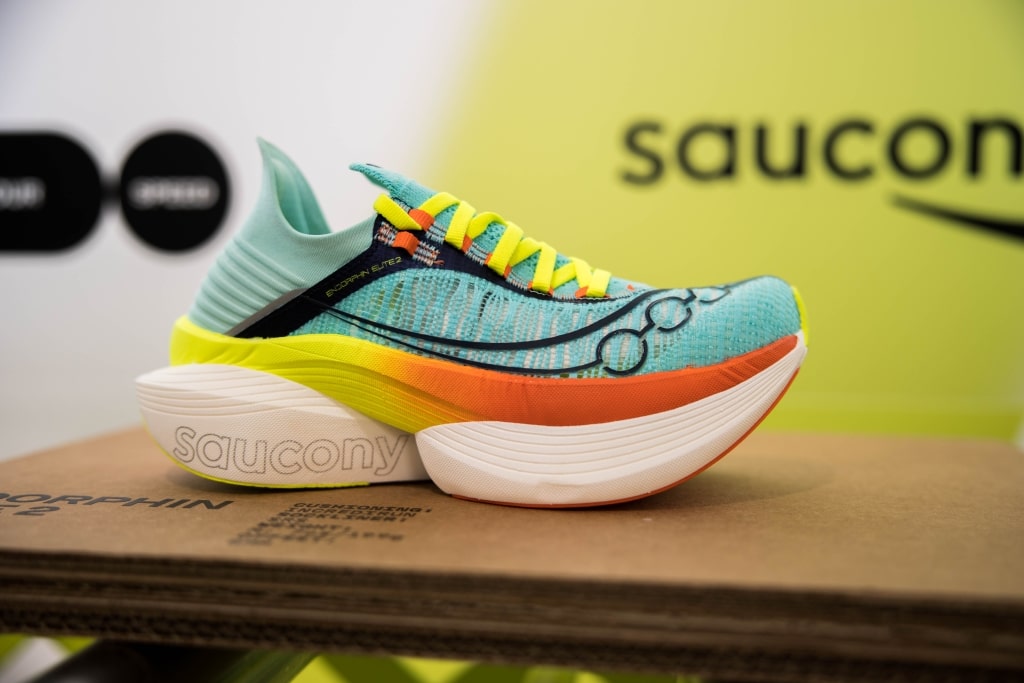
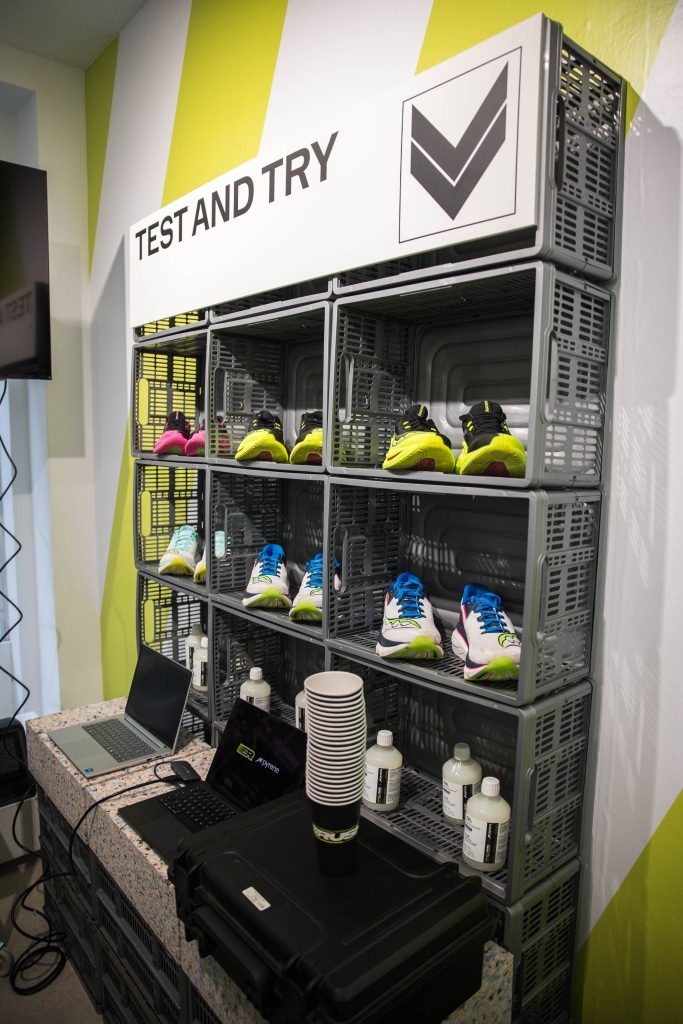
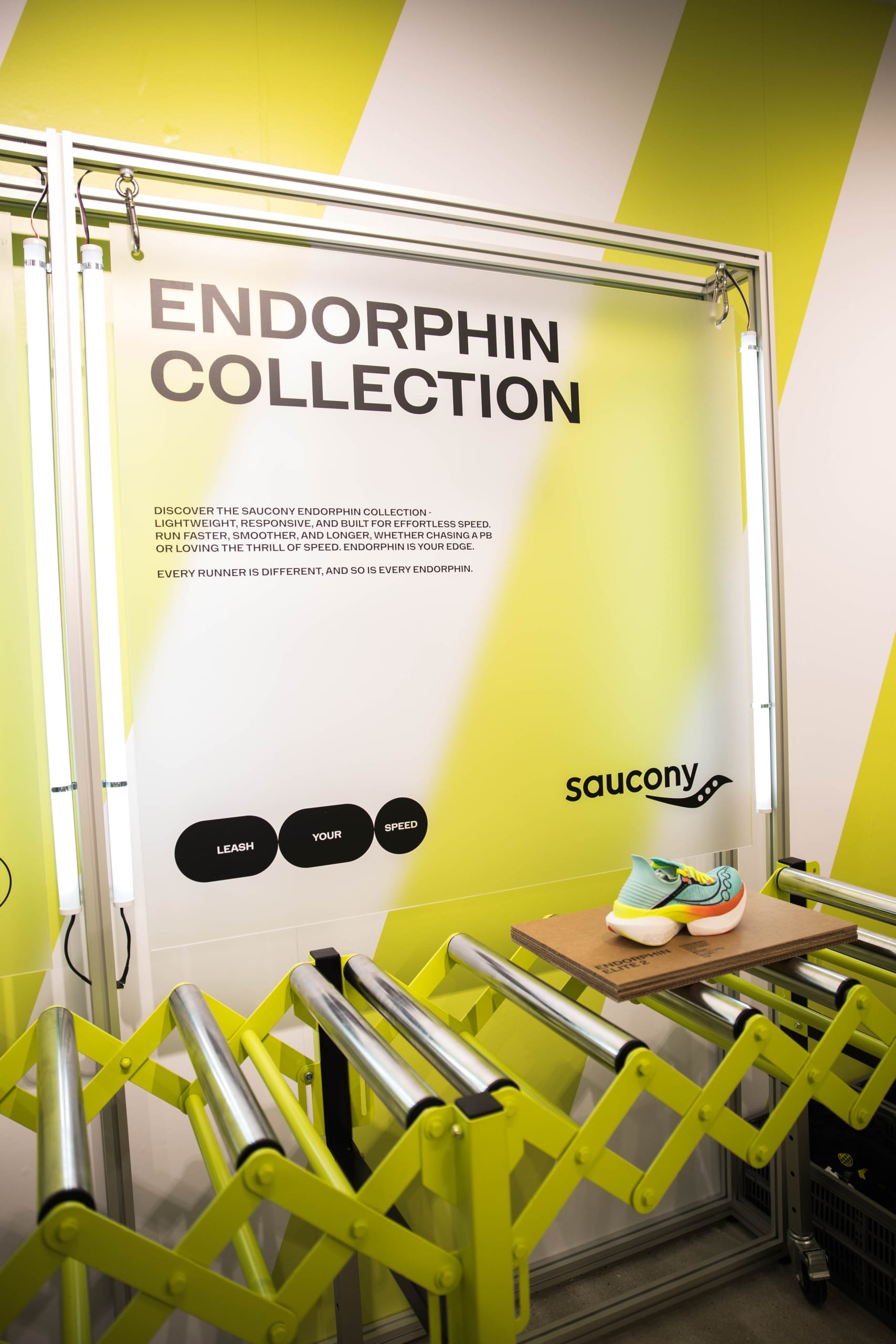
The brand showcased the four models from its Endorphin range, along with its latest releases, including the Pro 5, unveiled last March. This new version, featuring a reworked foam density, is equipped with an updated carbon plate. Designed for half marathon and marathon distances, the shoe delivers a more responsive ride. The width of the heel platform — a hallmark of racing models — provides both stability and performance.
It was also an opportunity to revisit the recent launch of the Endorphin Azura, the brand’s daily trainer. This model incorporates the same foam found in some carbon-plated racing shoes, but without the plate itself, making it significantly more accessible and forgiving, according to brand representatives. Positioned as a gateway into performance running, this dynamic model stands out for its versatility. Priced at €160, it sits in a similar range to comfort-oriented shoes.
Not to be overlooked is the flagship model, the Endorphin Elite 2, which features a carbon plate inspired by that of the Pro 5. Foam, plate, and aggressive geometry — the brand has optimized these three key elements to maximize performance at high speeds. Released a year ago, its major evolution lies in the use of PEBA foam, known for its lightweight properties and exceptional energy return.
According to Saucony, this formulation can achieve up to 97% energy return, one of the highest levels on the market. “Only four or five models across all brands use this relatively rare foam,” explains a Saucony technician. Its durability remains more limited, but it allows — according to the brand — improved running economy and greater efficiency.
The oldest running brand rooted in athletics has teamed up with the young French company Pyrene around a shared vision: to democratize access to innovation and enhance performance for runners — from elite athletes to amateurs.
➜ Discover the official website of Pyrene

Emma BERT
Journaliste