 © Amazfit
We analyzed the data behind Yeman Crippa’s wins at the Paris Marathon and Naples Half Marathon
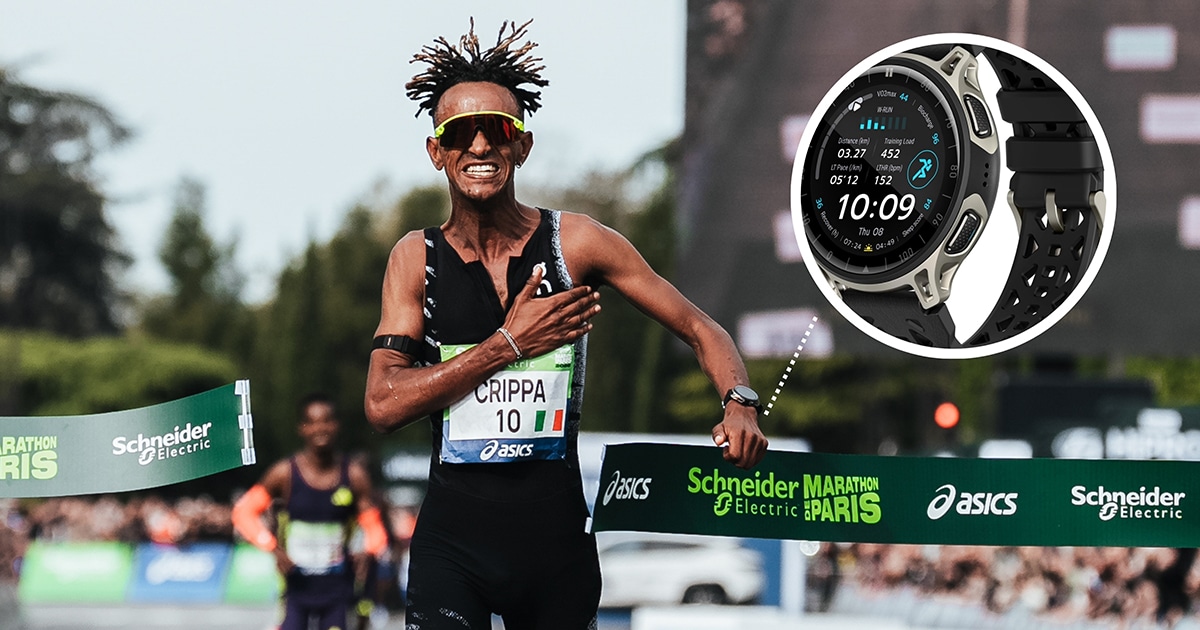
In running, some times leave a mark. But so does the way a race is executed. Yeman Crippa’s performance at the 2026 Paris Marathon made a huge impression. Because yes, winning in Paris in 2:05:18 is already massive. But doing it with a perfectly controlled negative split on a course that gets tougher in the second half? That’s another level. The mark of the very best. And the Italian had already shown what he could do. Two months earlier, he had made headlines in Naples with a 59:01 half marathon, improving his own national record. Two races. Two distances. Two demonstrations. And thanks to his partner Amazfit, we can now dive into his race data and discover the power of Yeman Crippa’s engine. An athlete with a huge heart.
| Two races, two distances, two different efforts
Before looking at the numbers, one thing is clear: you don’t run a marathon like you run a half marathon. And Crippa illustrates that perfectly.
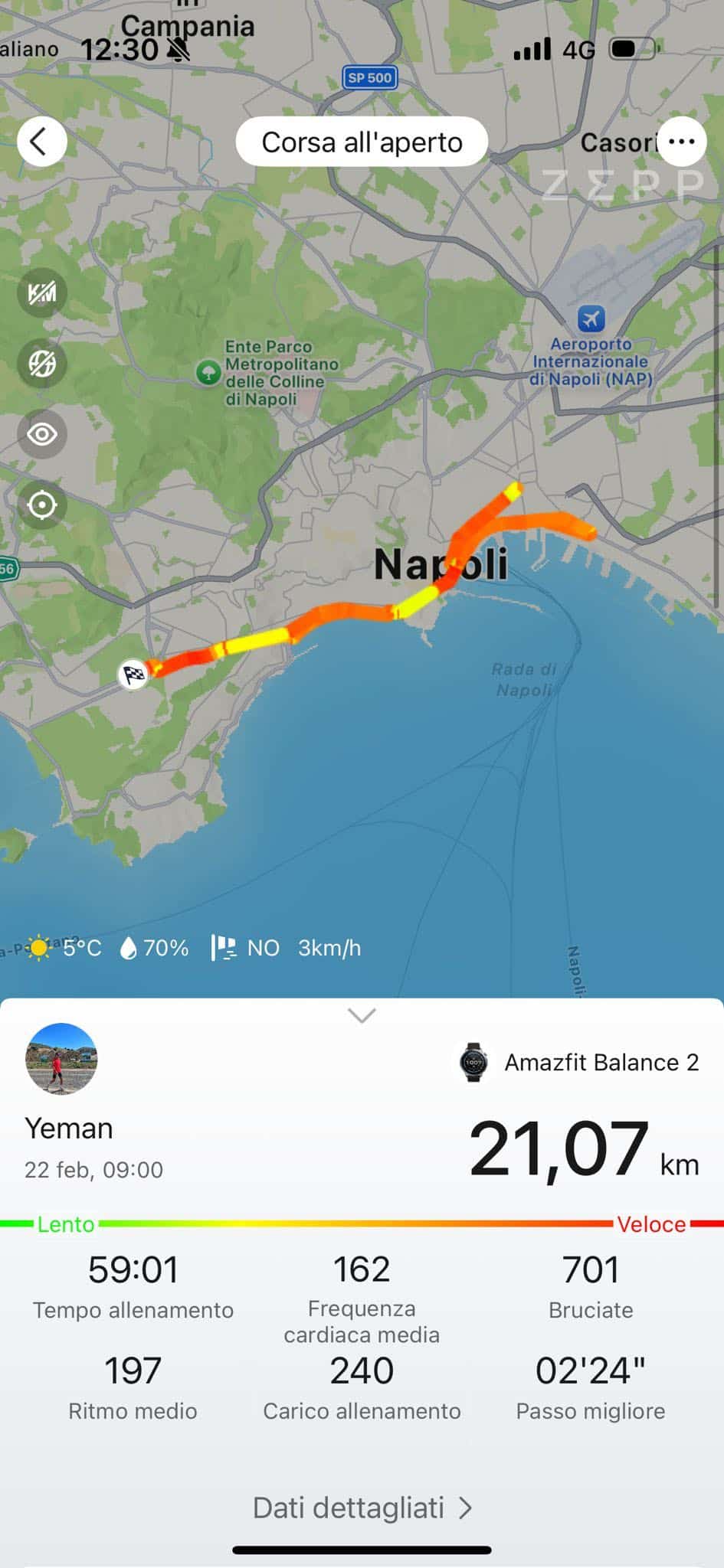
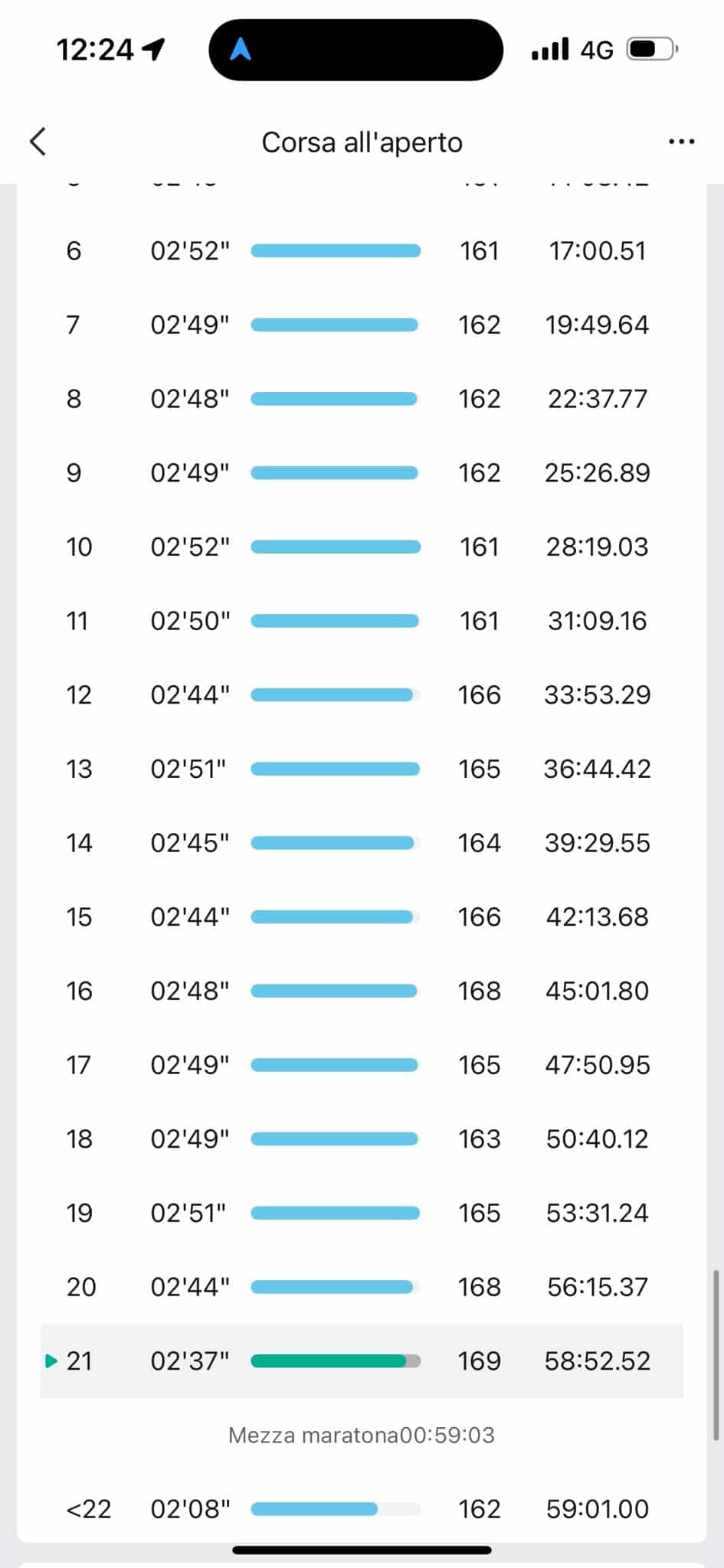
At the Naples Half Marathon on February 22, the effort was intense, flirting with his physiological limits:
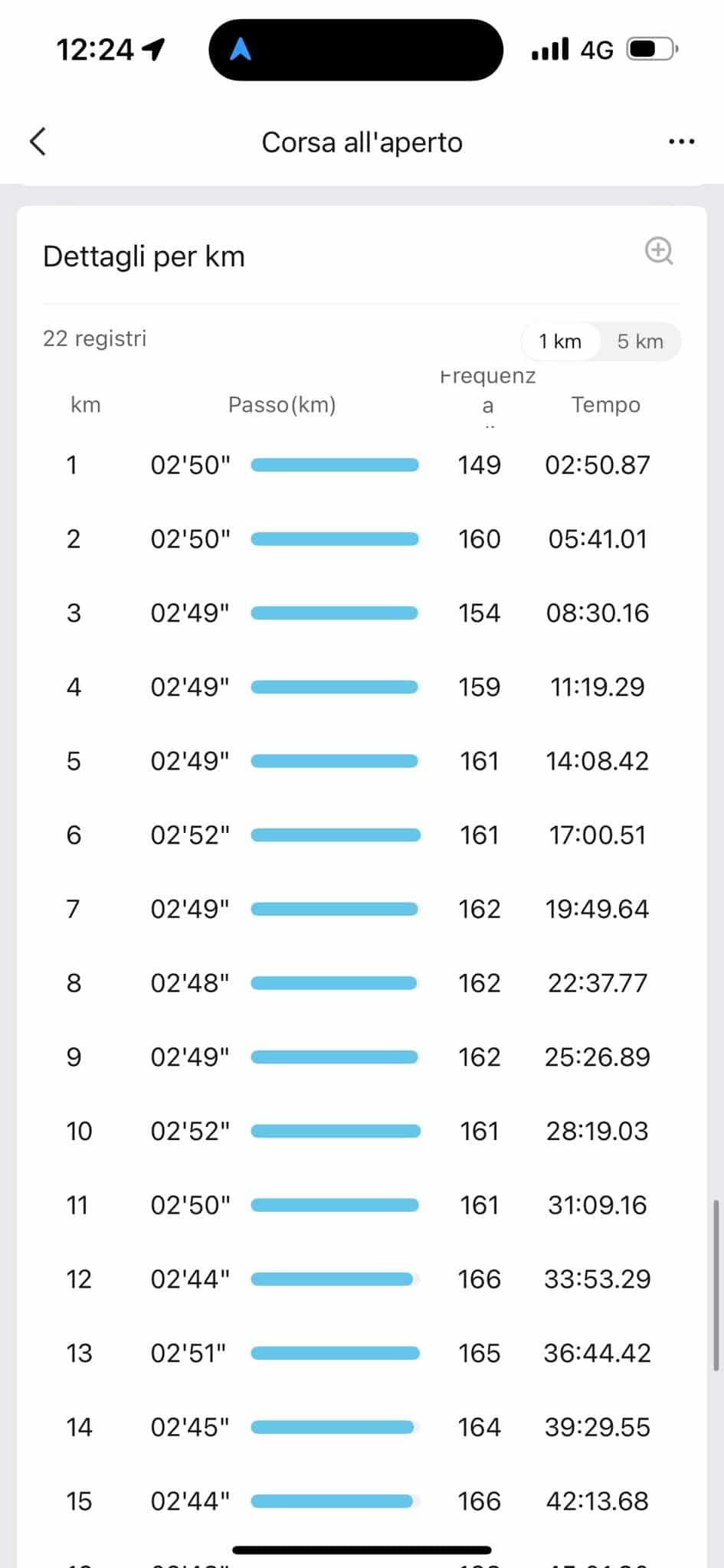
✔ Average pace: 2:48/km
✔ Average heart rate: 162 bpm
✔ Heart-rate zones: Zone 4 (95%), Zone 3 (5%)
At the Paris Marathon on April 12, the effort was far more controlled. The Italian managed his race perfectly, settling into cruising pace to save energy for the final part of the marathon—where the race is won:
✔ Average pace: 2:58/km
✔ Average heart rate: 150 bpm
✔ Effort mainly in Zone 3 (70%)
| Naples Half Marathon: almost maximal effort from start to finish
The half marathon is a deeply physiological event. Confident in his ability after a perfectly planned build-up—and years of training—Crippa knows his thresholds extremely well. In Naples, he spent almost the entire race near his anaerobic threshold, an intensity that can be maintained from 20 minutes to around one hour depending on fitness level. His heart rate rose quickly, stayed high, then climbed again at the end when he unleashed his speed. Over the final two kilometers, he almost reached 170 bpm.
What’s impressive is not only the intensity. It’s his ability to sustain it without breaking—and still accelerate at the end. His track background and speed speak for themselves. Crippa has a 3:35 personal best over 1500 m. Outstanding top-end speed, remarkable running economy and a powerful engine: the Italian is an exceptionally complete athlete.
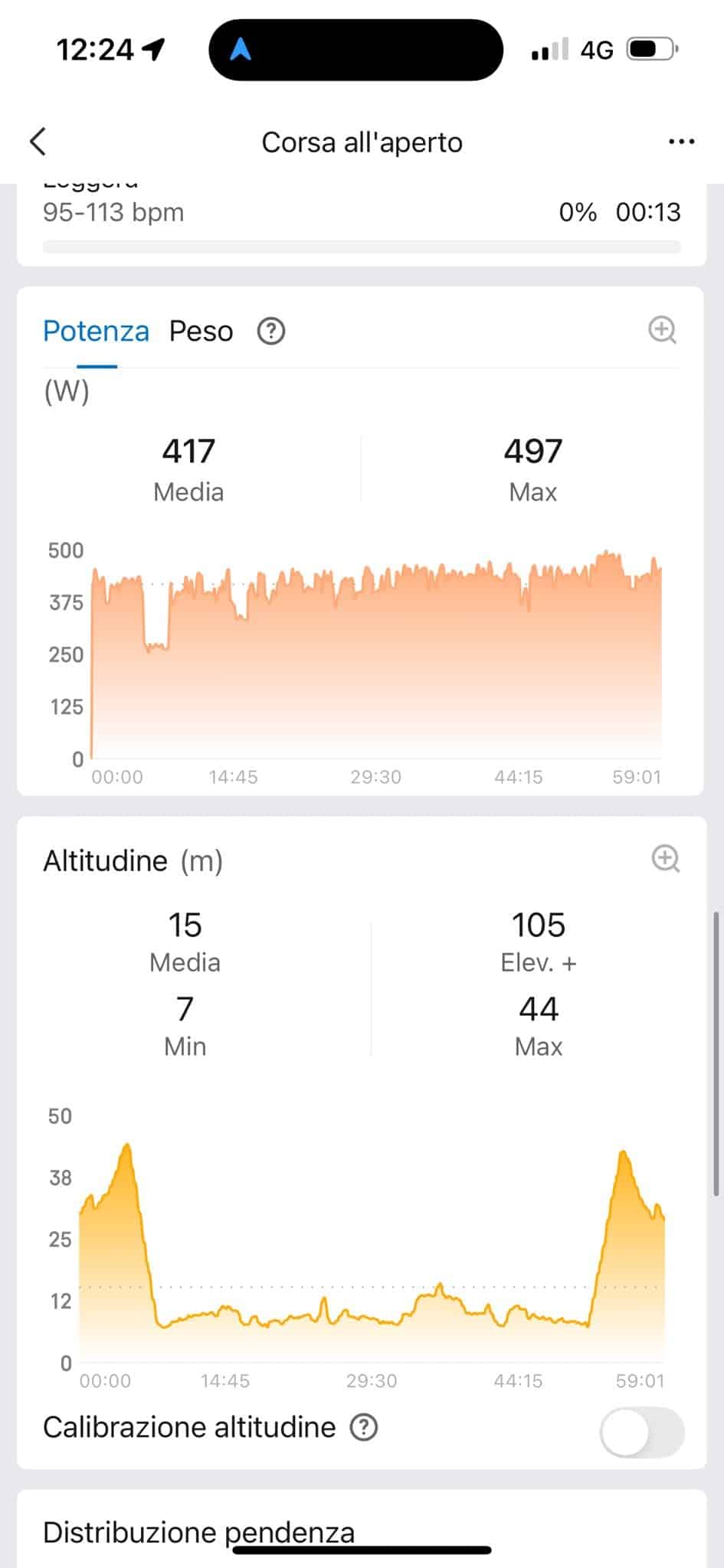
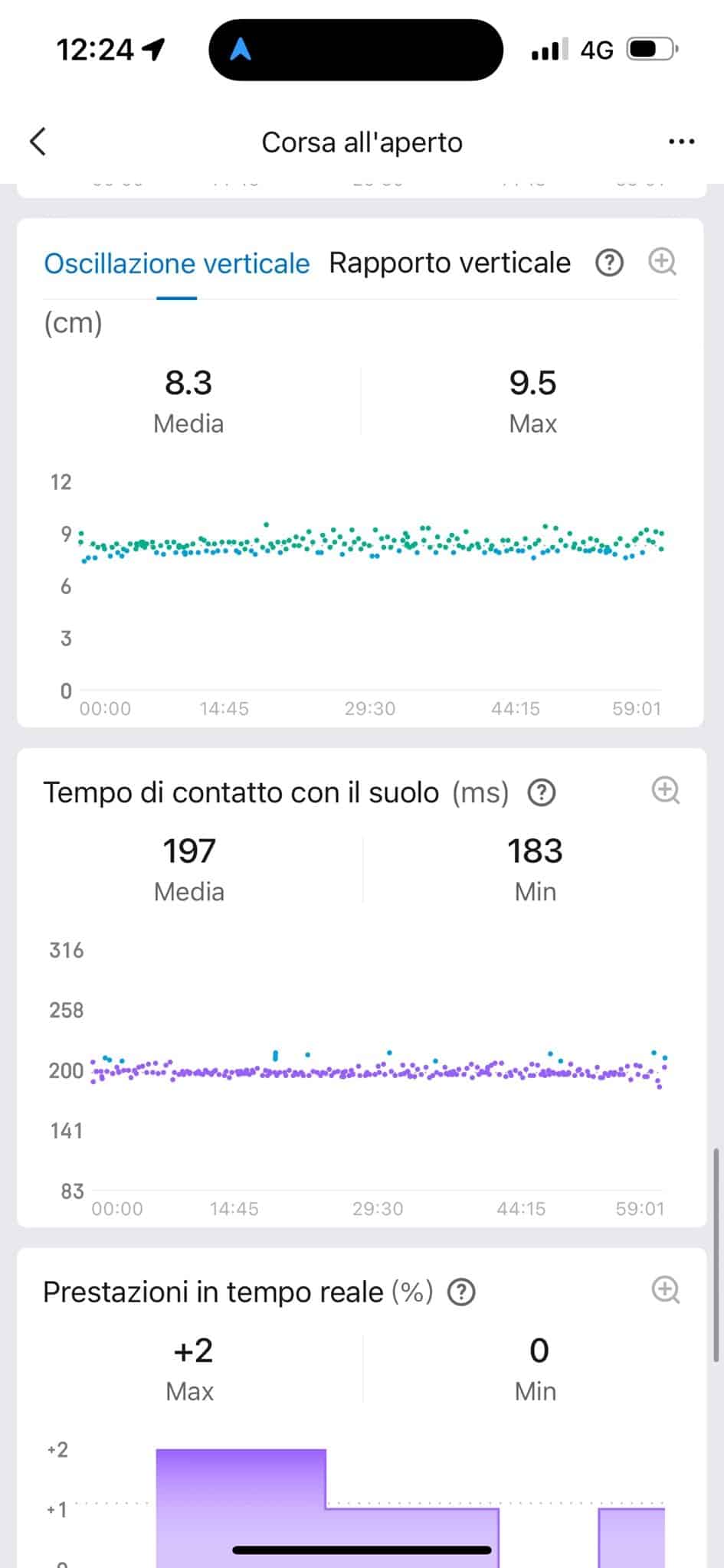
Mechanical data from his Amazfit Cheetah Pro 2 shows:
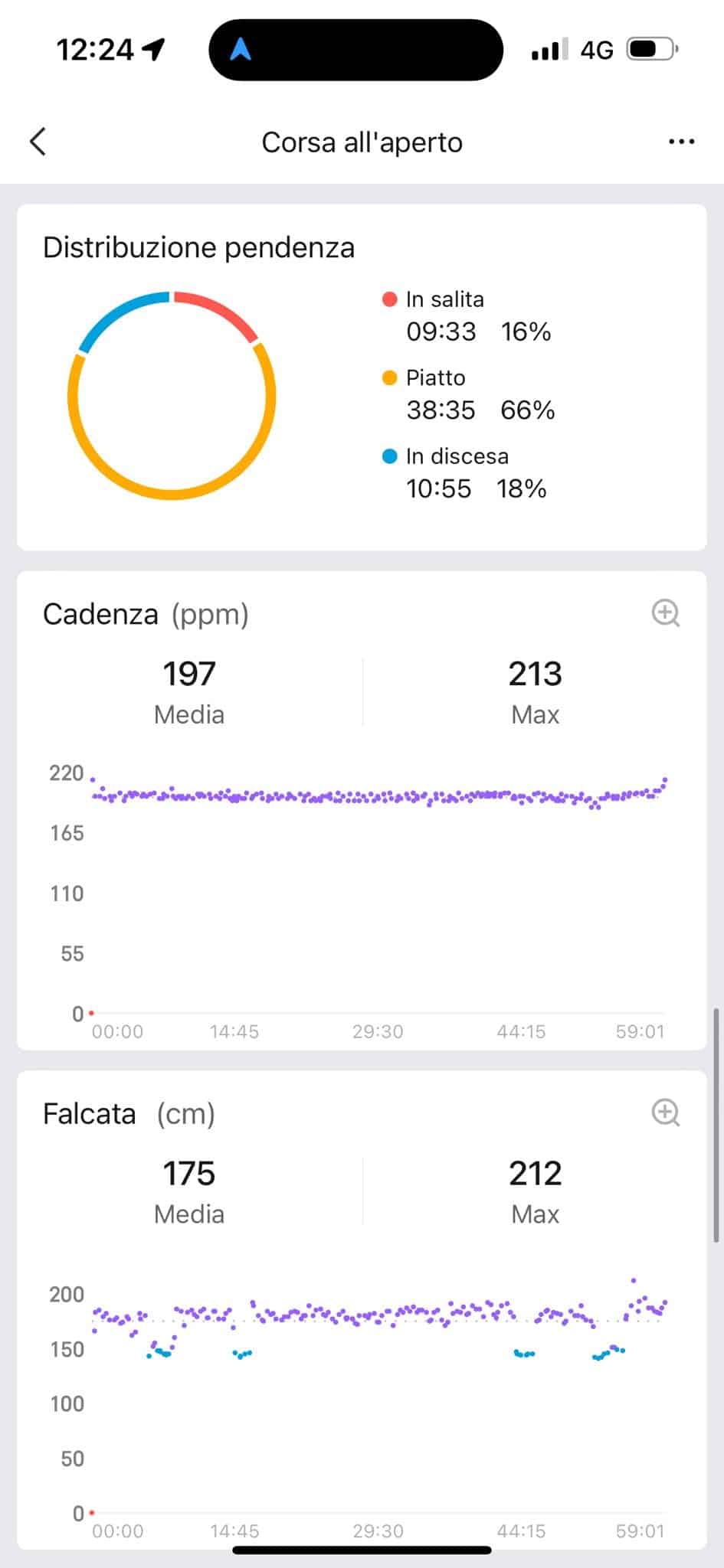
✔ Average cadence: 197 spm
✔ Stride length: 175 cm
✔ Controlled vertical oscillation: 8.3 cm
Everything is optimized to run fast. Very fast. He is a machine built to produce speed—efficiently and for a long time.
| Paris Marathon: surgical race management
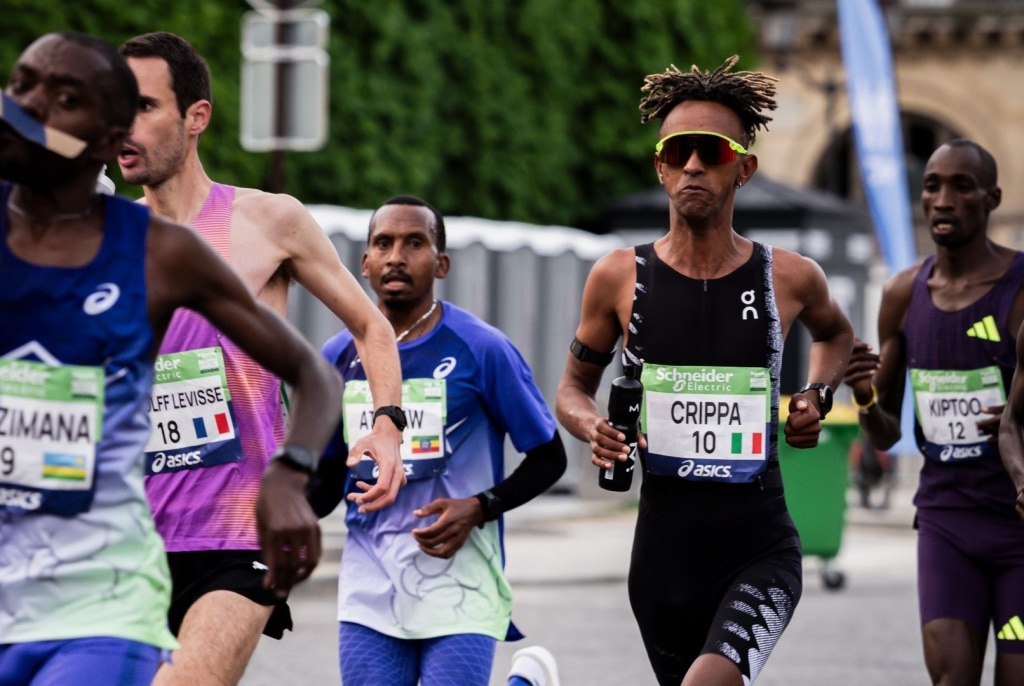
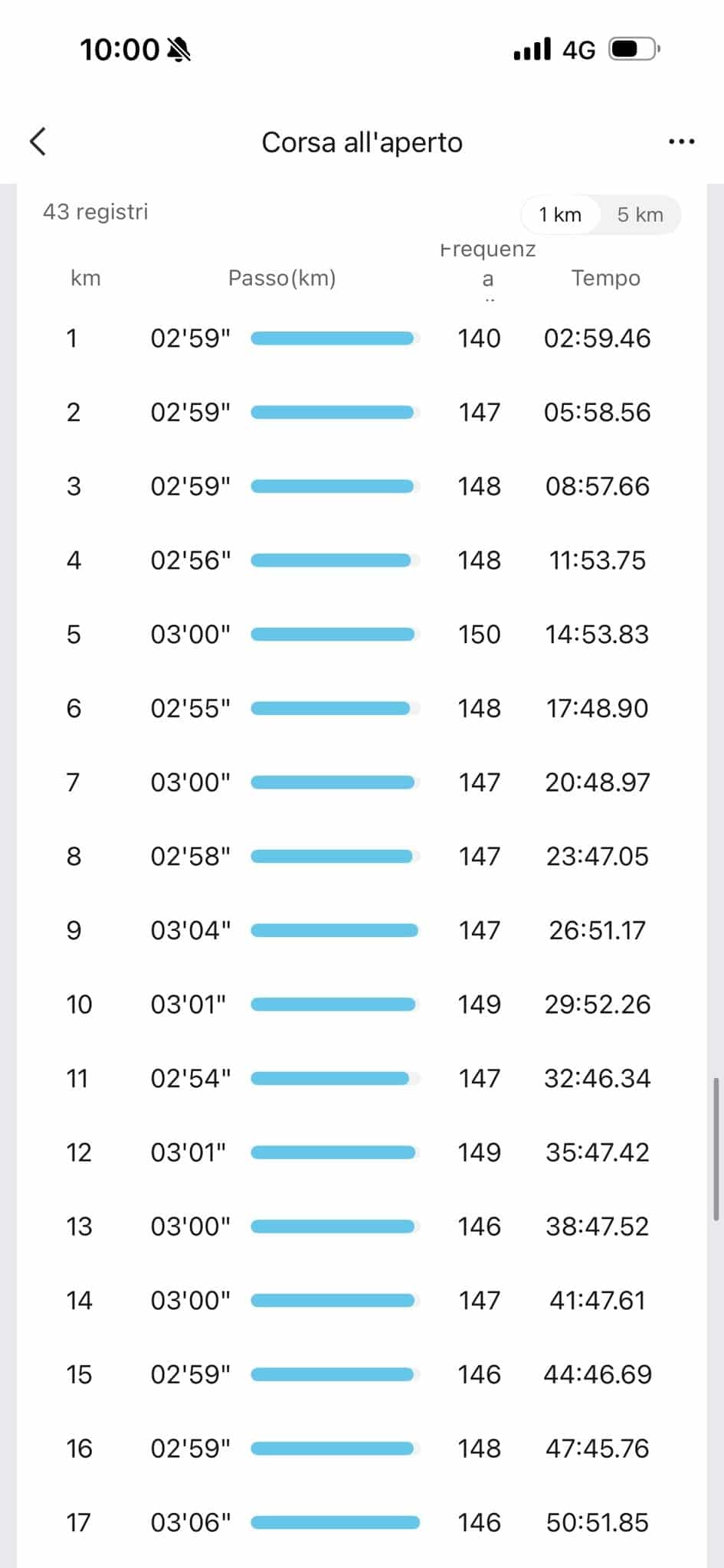
The Paris Marathon tells another story—but with just as much control and intelligence. Crippa started at a solid pace. He covered the first 10 km at 2:59/km, with a heart rate around 147 bpm. Nothing aggressive. Nothing excessive. Even in the slightly tougher early section, he stayed stable. He didn’t force it. He let the race come to him, perfectly placed in the lead group behind the pacers.
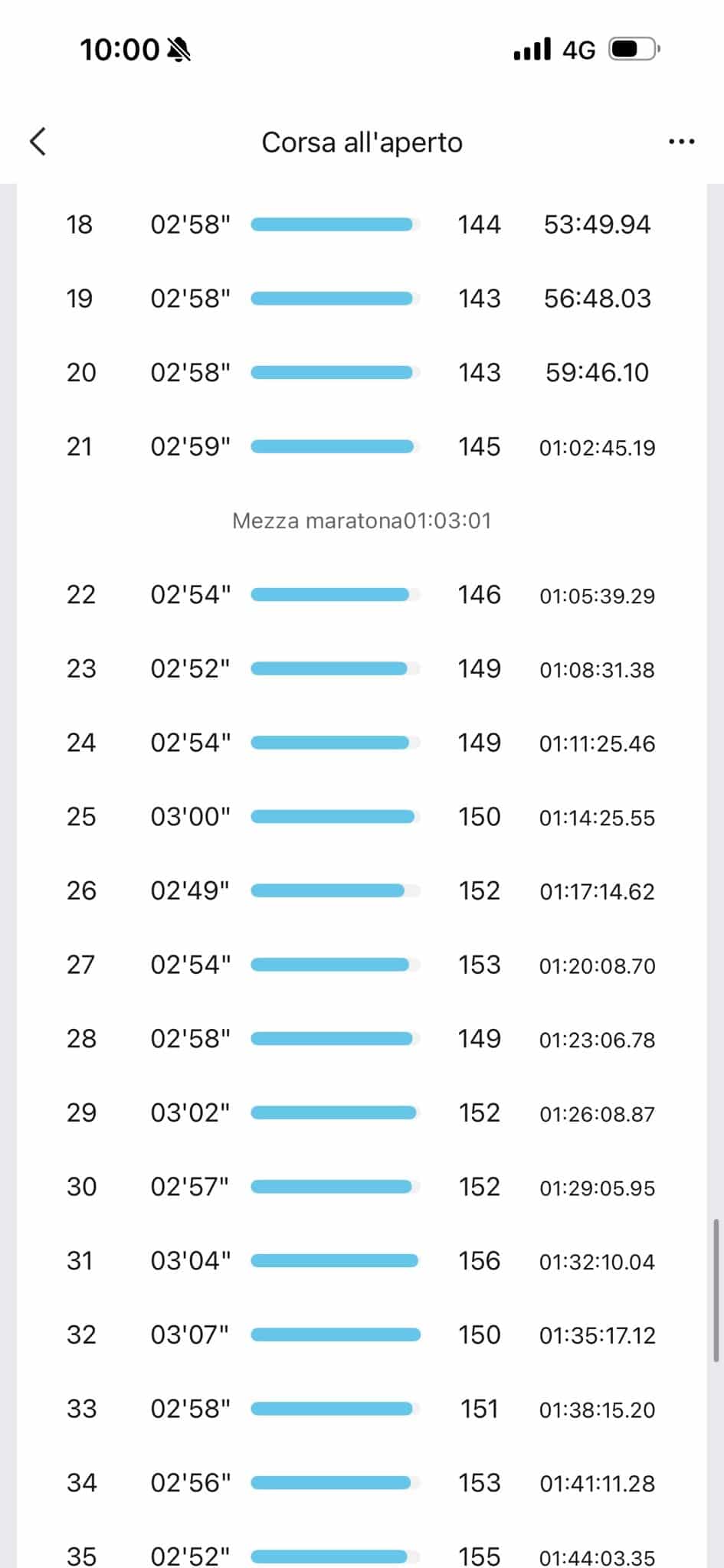
Then came the key moment: between 21 km and 30 km, he used a faster section along the Seine to slightly increase the pace (around 2:56/km) while remaining comfortable in Zone 3. That’s where he began to build his move.
For marathoners, this is often the moment when you know whether you’re having a great day or not. For Yeman Crippa, what followed became history.
| His late-race accelerations: when the engine truly speaks
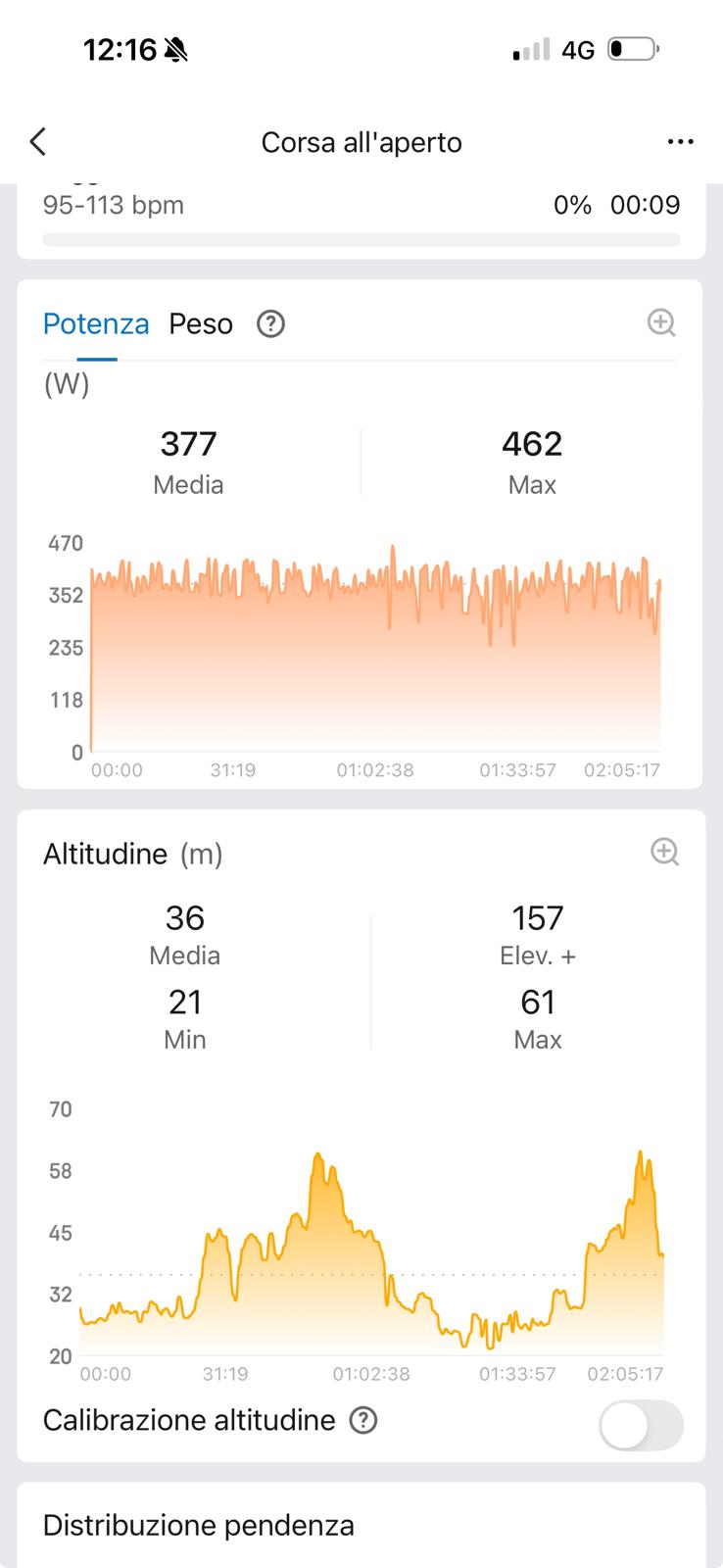
From 30 km onward, the course gets harder. Small climbs come one after another. The marathon starts to make its selection. Many runners slow down. Not him.
He surged hard and blew up the lead group. His finish was worthy of the best distance runners on the planet:
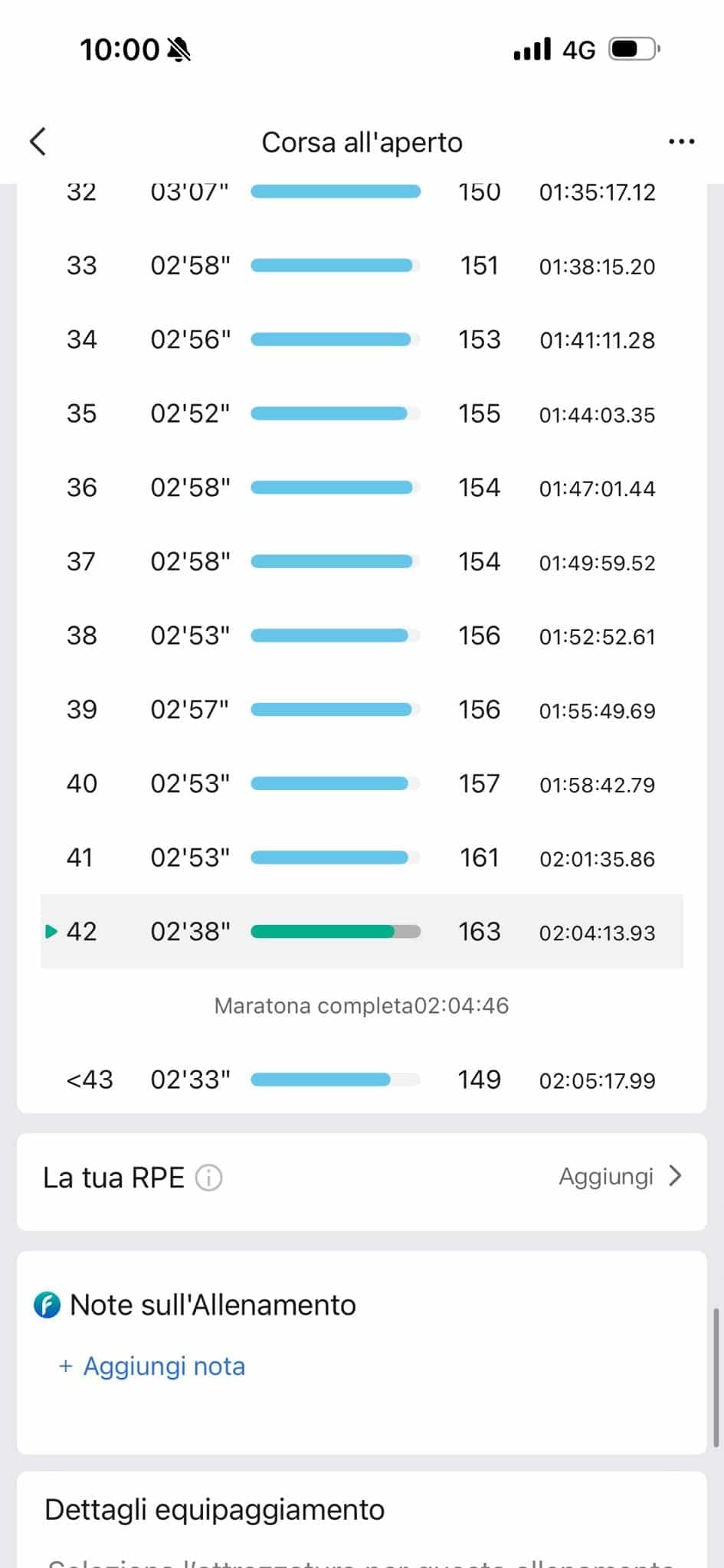
➜ 35 km to 40 km: 2:55/km average
➜ 41st km: 2:53/km
➜ 42nd km: 2:38/km
➜ Finish: 2:33/km
A stunning display of precision and speed. At that stage of the race, on a demanding course like Paris, he hit the turbo and moved into Zone 4, around 160 bpm. But he could still accelerate. And that is rare—very rare for a distance runner. Once again, his track speed made all the difference in the final kilometers.
| What the Amazfit data really shows: an ultra-complete athlete
When you compare Naples and Paris side by side, one thing becomes obvious: Crippa is not just fast. He is economical.
Several key signals stand out:
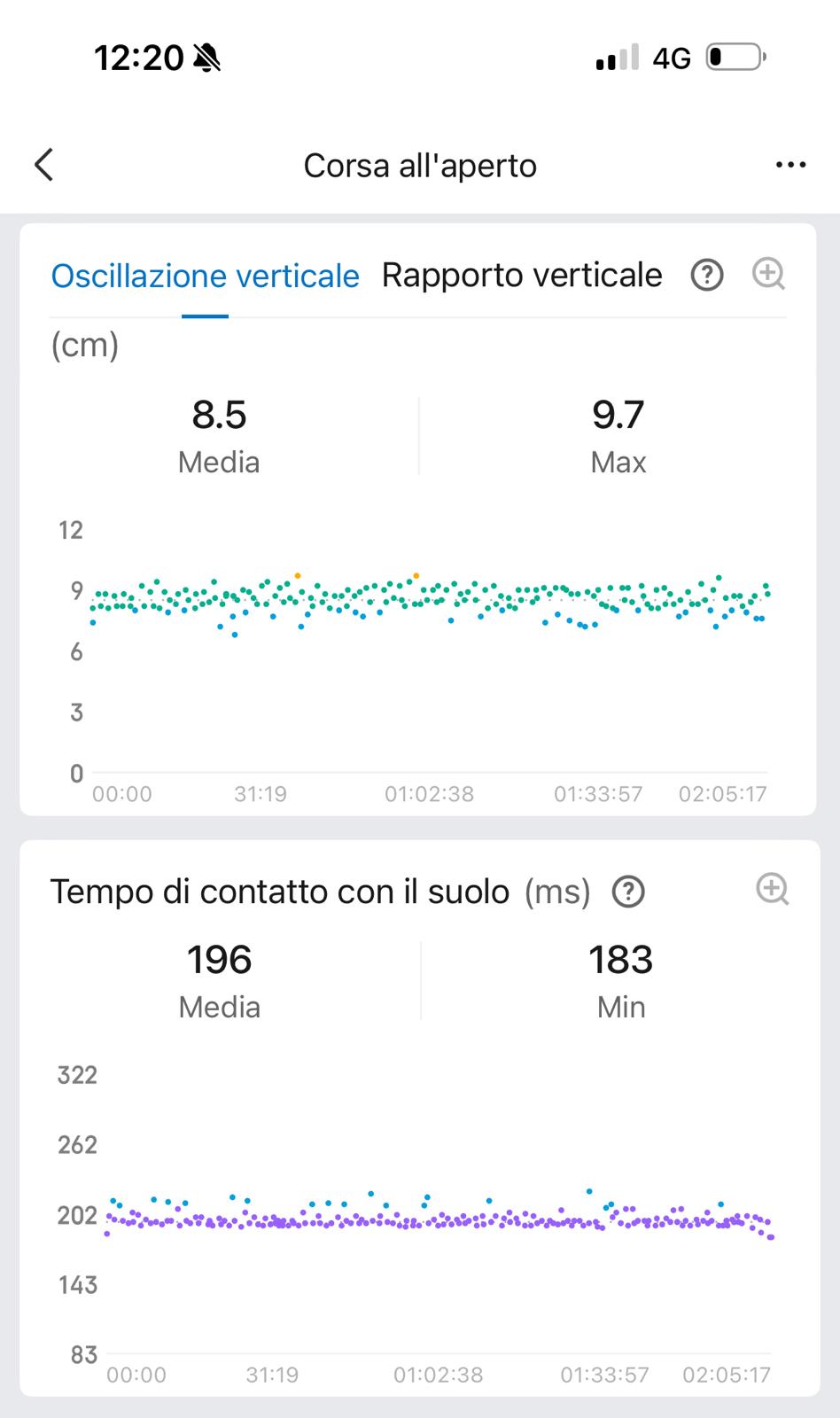
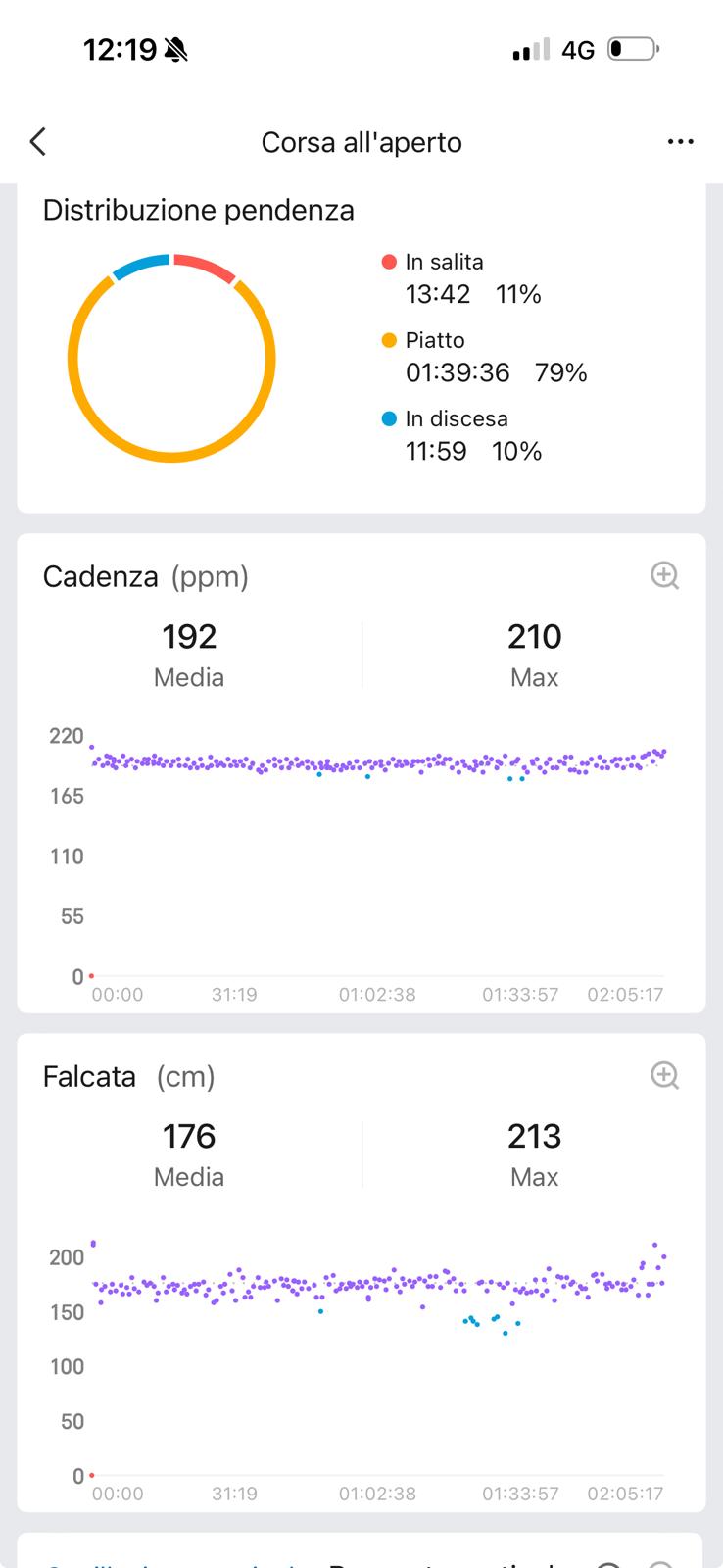
✔ Very high cadence even over the marathon (192 spm)
✔ Stable stride length (176 cm vs 175 cm on the half)
✔ Identical ground contact time (183 ms)
In other words: his stride barely changes between 21 km and 42 km. He slows slightly, but technically, everything remains extremely clean. Efficient, economical, powerful running mechanics—and a final kick worthy of the world’s best middle-distance runners.
What his race data tells us is that he can stay in Zone 3 for a very long time, then shift into Zone 4 without blowing up. That’s exactly what elite marathon running is about.
| The real lesson for every runner
What Yeman Crippa does is not just run fast. He runs intelligently. He delays the moment when the race becomes hard. In the half marathon, he accepts the difficulty early and flirts with the red line, trusting his physiology. In the marathon, he delays the difficulty as long as possible, managing the first part of the race before accelerating hard at the end. And that may be the most valuable lesson for amateur runners:
➜ A marathon is not won at 10 km
➜ It is not decided at halfway either
➜ It reveals itself after 30 km
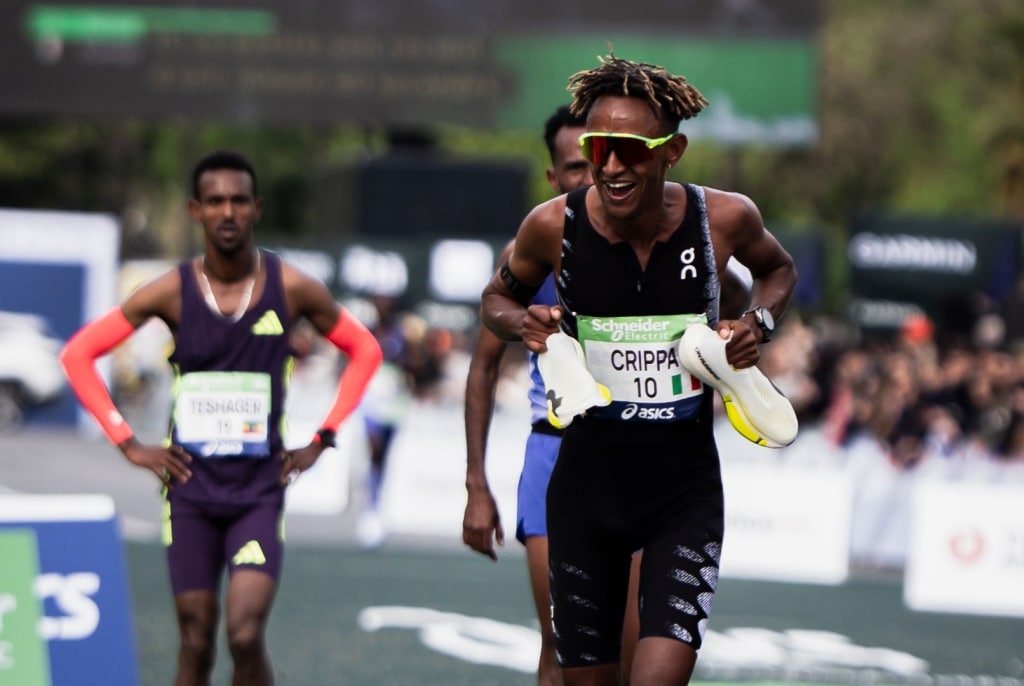
After his first victory at a major international marathon, Yeman Crippa has entered a new dimension. He is no longer just an excellent European distance runner. He is now a world-class marathoner, capable of performing across terrains and distances. Above all, he shows one essential thing: the transition from track to road can be a complete success when talent and speed are combined with race intelligence. And maybe, in the end, the difficulty of the Paris course actually helped Crippa produce this masterclass. On such a demanding route, he was forced to adopt a cautious approach. A strategy that paid off perfectly. Six months earlier, on the ultra-fast course in Valencia, he had blown up after 30 km. So what’s next for Yeman Crippa? We already want to see him on another major stage. Because after what he showed in Paris—and especially after what his race data reveals about his physiological ability—his future over the marathon distance looks very bright.
Clément LABORIEUX
Journalist