 © Bronx Community College
Run the Bronx: A New York City Race That Brings Communities Together
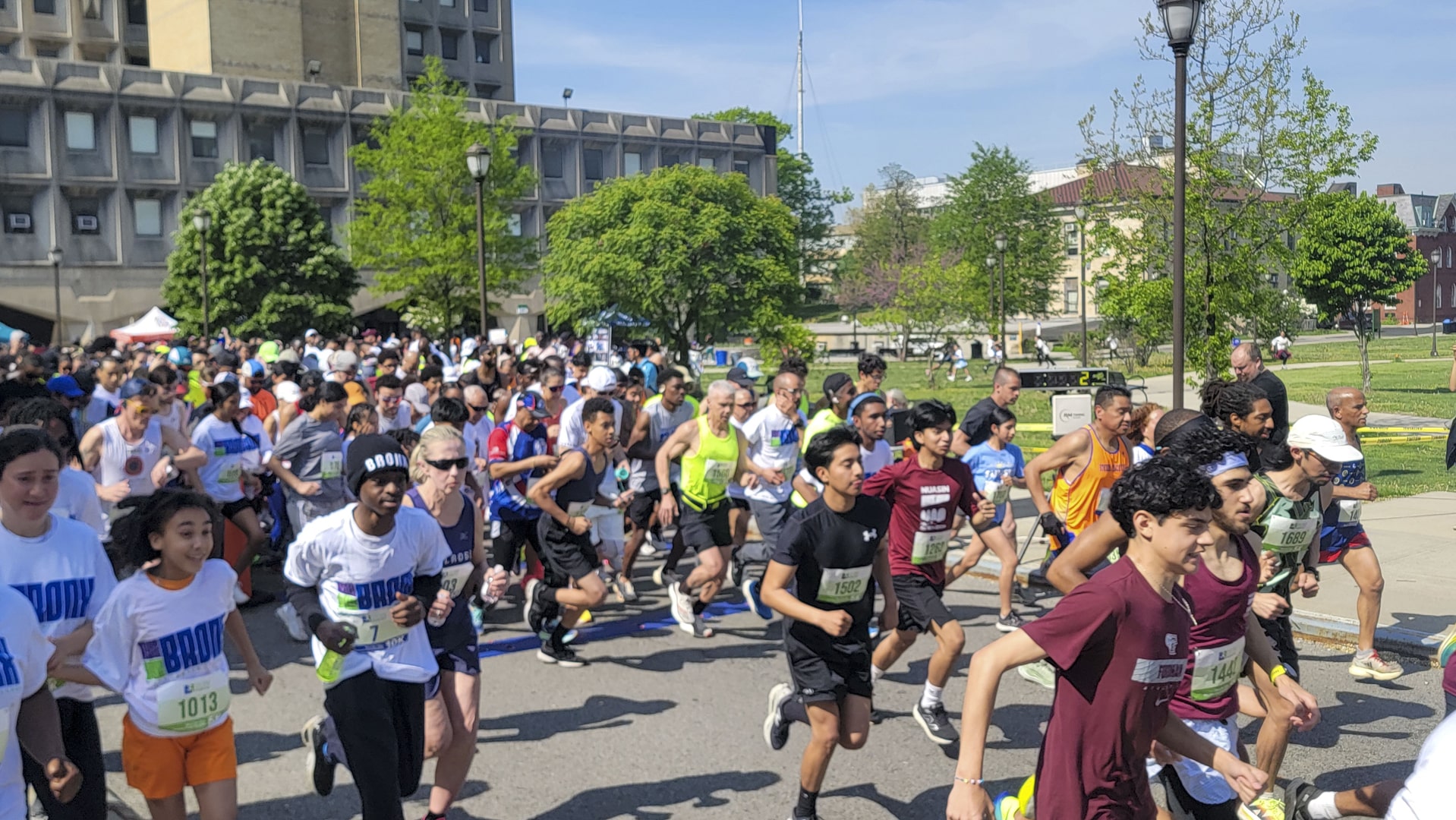
13/12/2025 17:50The Bronx, in northern New York City, is one of the city’s five boroughs, alongside Manhattan, Brooklyn, Queens, and Staten Island. Nearly 1.4 million people live there. Known for its cultural diversity and as the birthplace of hip-hop, this vibrant part of New York is an essential destination. It’s in the heart of this “city within the city” that Run the Bronx has been held for nearly 50 years, every first saturday of may —an ever-growing running event featuring a 5K, a 10K, and a walk. The race takes place in the Concourse neighborhood, known for baseball games at the legendary Yankee Stadium, home of the New York Yankees. The course follows the Grand Concourse, the borough’s main artery, which stretches nearly 5.5 miles through the Bronx.
➜ Robert Whelan is the organizer of the Roscoe C. Brown Jr. Hall of Fame Run, more commonly known as Run the Bronx—a race he considers part of his very soul. This community event carries a rich legacy and embodies a strong commitment to accessibility—for beginners and seasoned runners alike, regardless of background. The local college plays a central role in hosting the event, which is much more than just a gathering of runners. Alongside the race, the organizer runs a Health Pavilion aimed at raising awareness about public health issues among the local population. This warm and welcoming running celebration has taken place every first Saturday in May since 1978, bringing together around 2350 passionate participants each year.
 © Bronx Community College
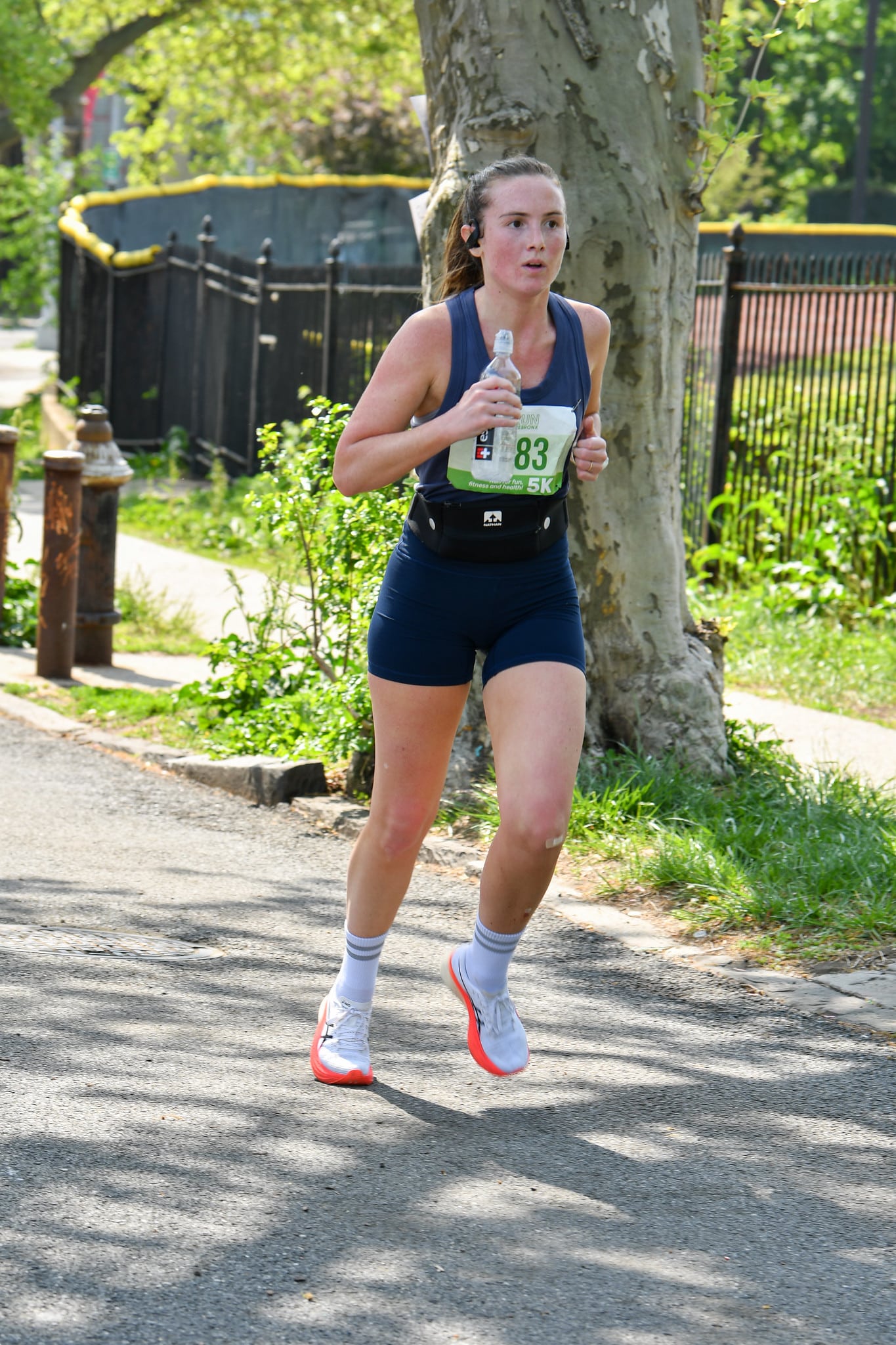
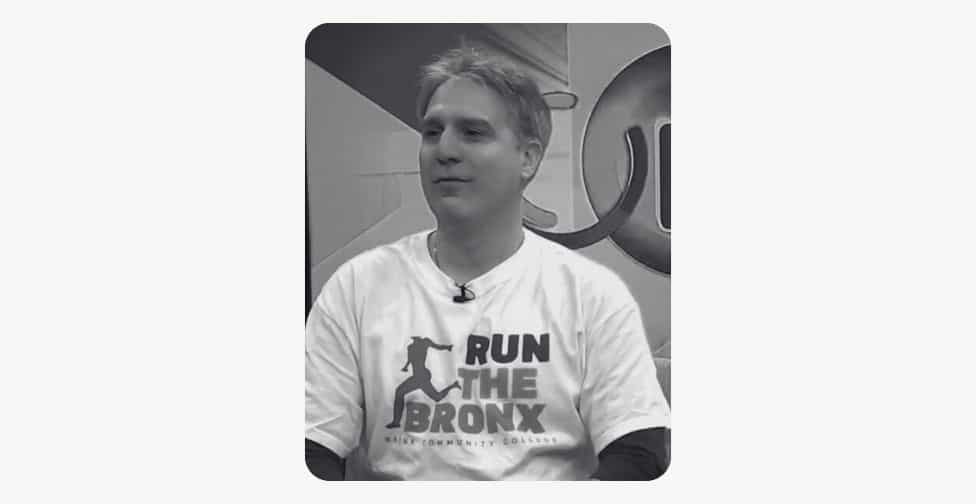
Behind the scenes of Run the Bronx, a legendary neighborhood race in New York City. We sat down with Robert Whelan, Director of Alumni Relations at Bronx Community College and head of the event. Deeply passionate about his community and his borough, he shares how, year after year, he brings this race with a unique legacy to life.
| Could you please introduce yourself?
Robert Whelan : I’m Rob Whelan. I mainly work at Bronx Community College within the foundation, where I’m responsible for alumni relations, scholarships, and sponsorships. The race has become one of the greatest assets of our office.
| Could you describe the concept of this race and what, in your opinion, makes it so unique?
Robert Whelan : Run The Bronx is, above all, a community event. It starts right here on this campus—a place most people don’t even know about. It’s a beautiful campus. The race has been held for 48 years, since 1978.
What sets us apart is that the Bronx has some of the worst health statistics in the city, and we’re trying to make a difference. It’s also unique because it’s a true road race, not one that takes place in a park. And the story behind it is special too—we don’t just focus on who organizes it, but on its history and the legacy it represents.
| Who founded the race? Why should he still be remembered today, and what was his story? In short, could you tell us who created the race and what makes this history so unique?
Robert Whelan : Roscoe Brown was one of the three founders. Alongside him were two other alumni—Joe Ramos, who graduated from here, and Henry Skinner, also a graduate who later returned to work here as a physical education professor. But Roscoe was truly the central figure. He served as the college president from 1977 to 1986.
He was a World War II veteran and a fighter pilot, a member of the Tuskegee Airmen, one of the first all-Black fighter squadrons in U.S. history. He flew escort missions for bombers, commanded a squadron, and shot down two Nazi aircraft. That alone would make him a remarkable figure. But what made him even more exceptional were the initiatives he went on to create as a president, teacher, and educator.
Over time, the race itself has come to embody that legacy. His impact was—and still is—immense.
There are documentaries about him. The film Red Tails, for example, tells part of his story and highlights the role he and others played during World War II. There are many accounts of his life and achievements, and it’s vital that we keep his memory alive.
For me, the most powerful moment in the history of the race isn’t when people talk about numbers—“you broke 2,000 participants,” “you had this many runners,” “you welcomed 22 international athletes.” No. For me, the most moving moment will always be that Roscoe’s last race, in 2016, was also his last public appearance. The fact that he was able to see his race return to what it was meant to be—and what it still is today—was extraordinary.
| And today, the race has reached nearly 2,350 participants. Could you tell us who takes part in the race and what distances they run?
Robert Whelan : We have participants from the Bronx, from the college, from across the city, and even from out of state. Although I’d say that, in spirit, we still remain a very local race—about 50% of those who register online come from the Bronx.
I think using certain registration platforms, like RunSignUp, has been a tremendous advantage. It has allowed us to reach new audiences from other states such as California, Maryland, and Georgia. We’ve even welcomed international runners. For us, that’s amazing to see, because we don’t always realize how far the event’s reach has grown.
Our organization isn’t a professional running organization—we’re a college. Our main goal, above everything else, is to make sure our students graduate, lead productive lives, and build meaningful careers. The race is part of that mission, of course, but our priority has always been, and remains, the students.
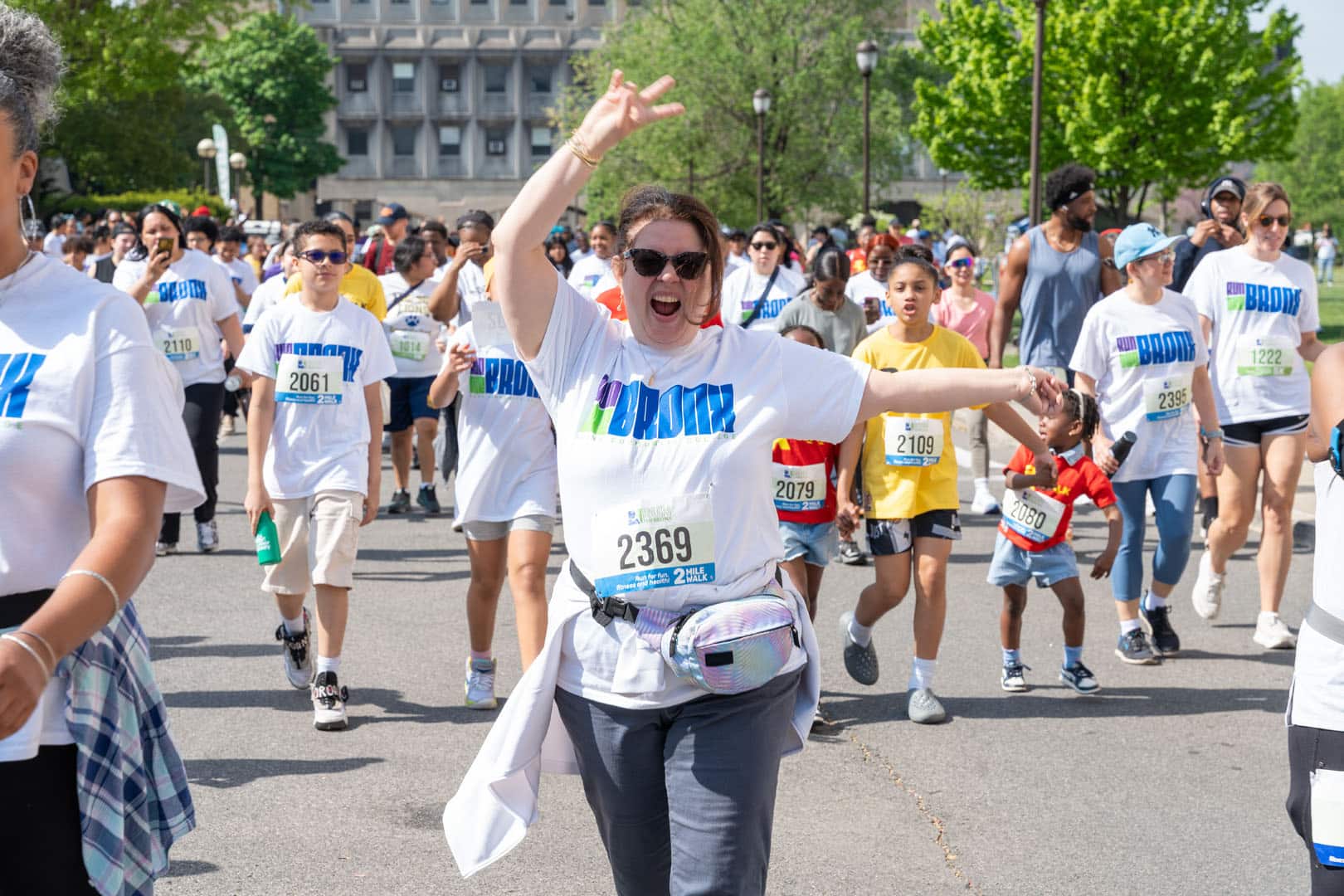
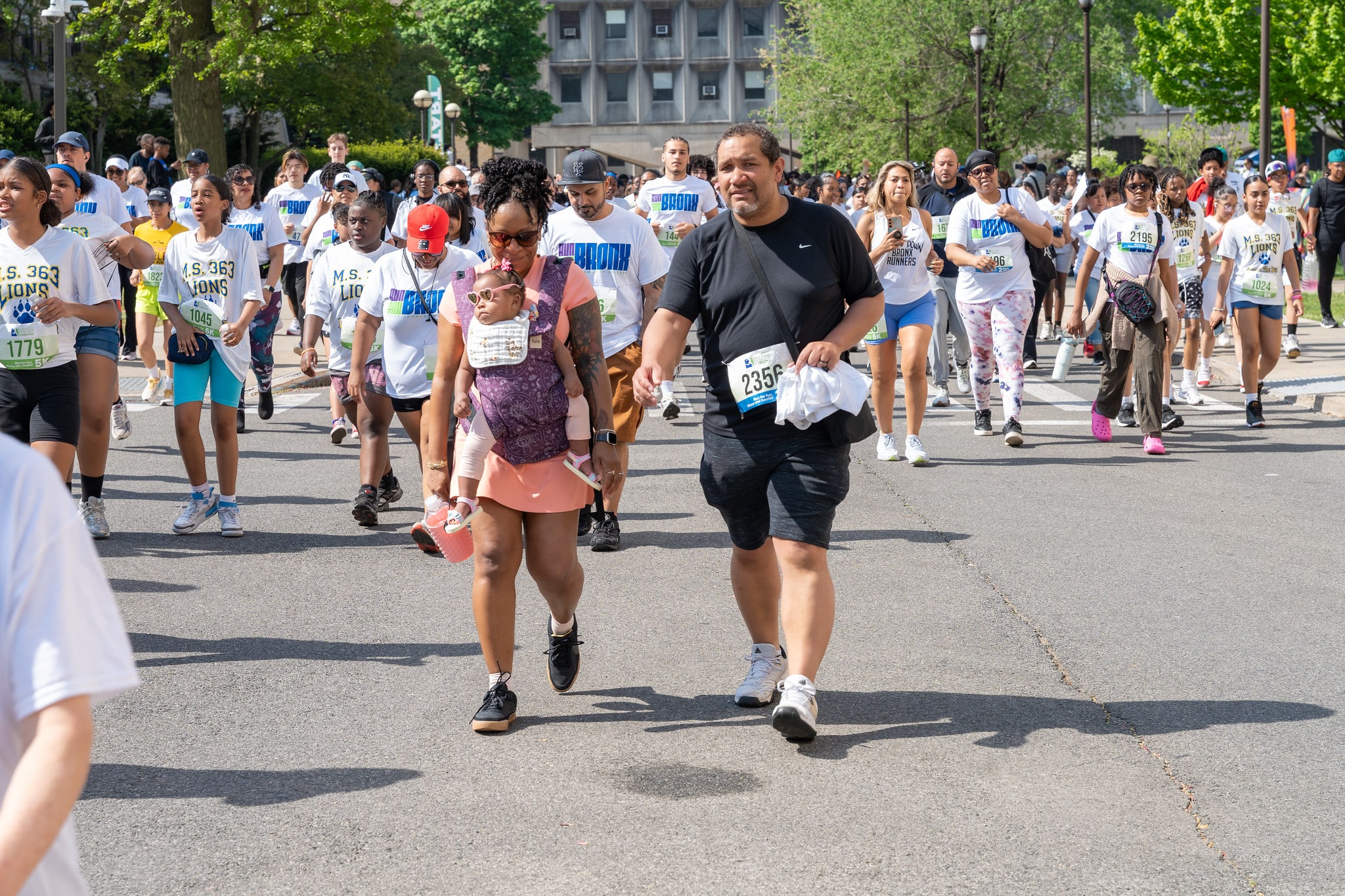
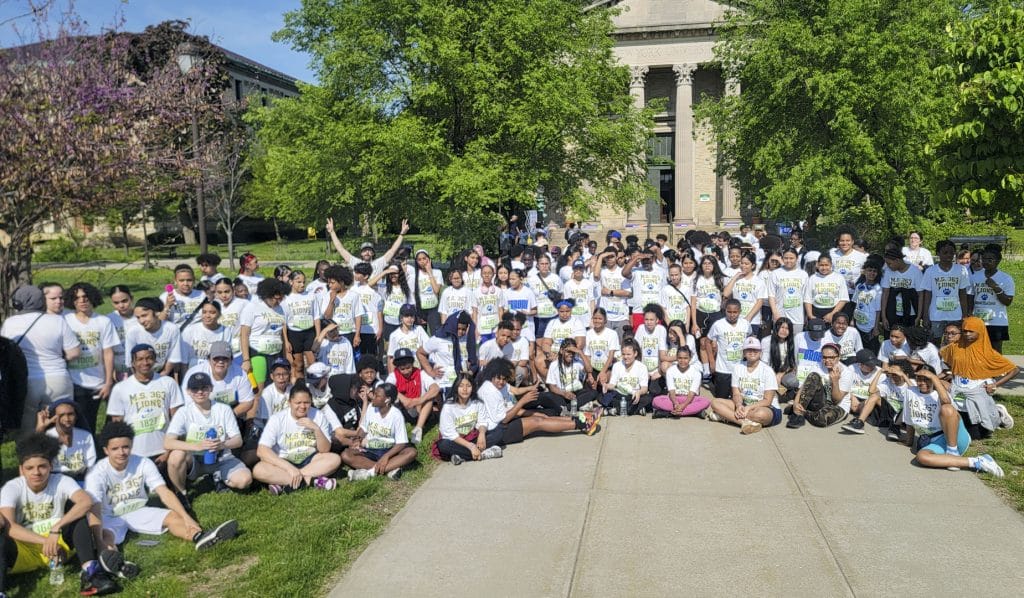
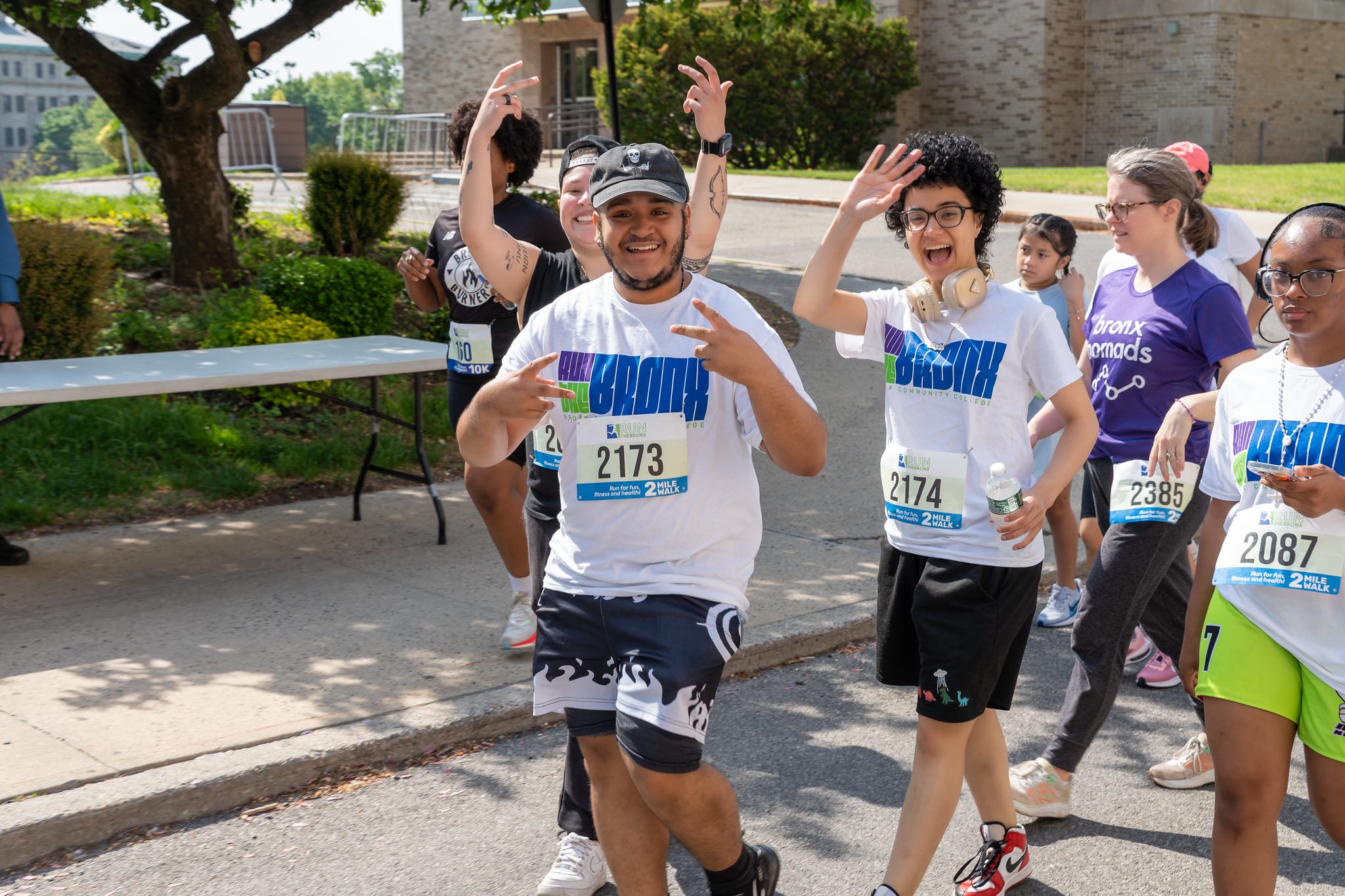
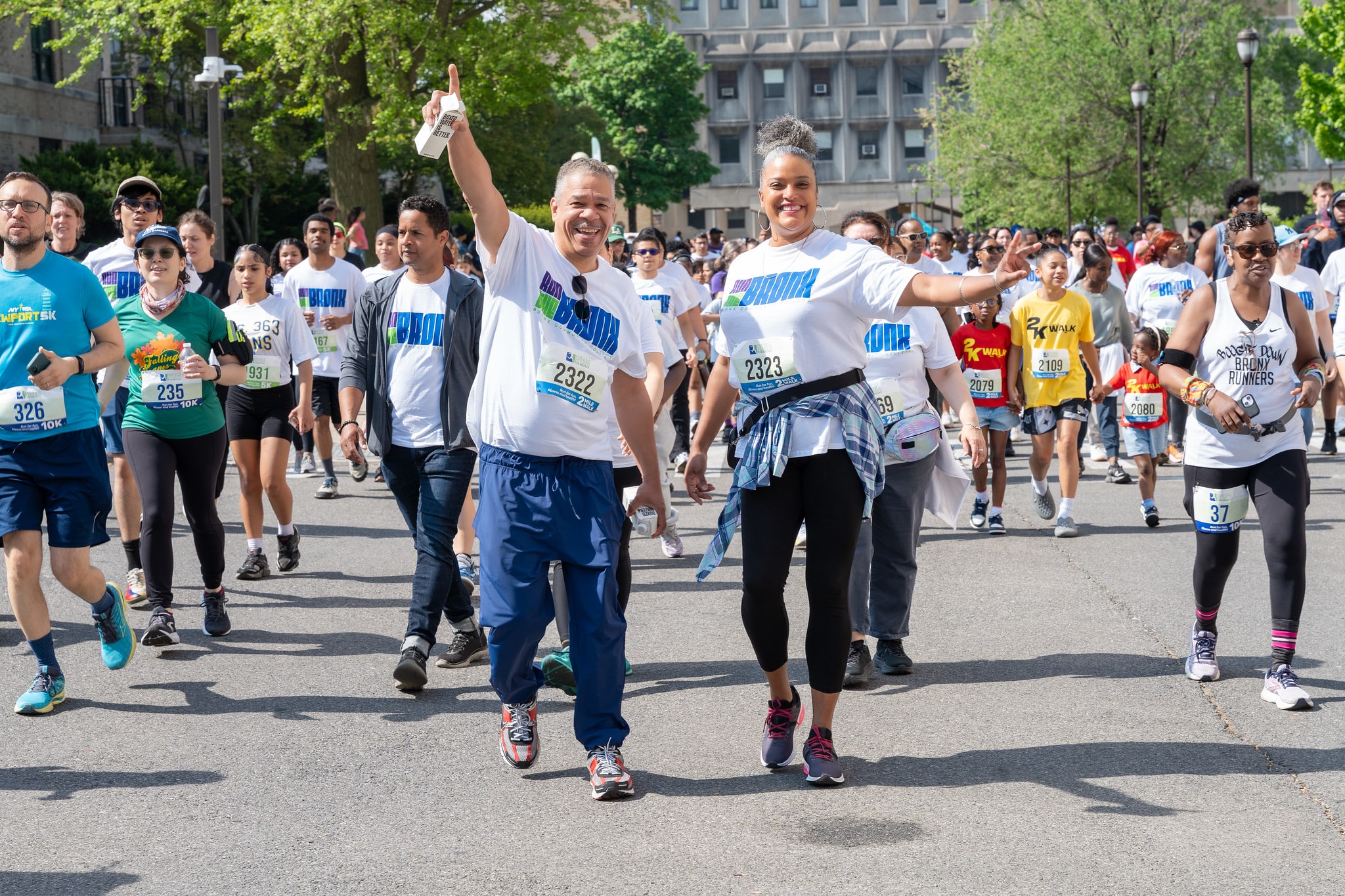
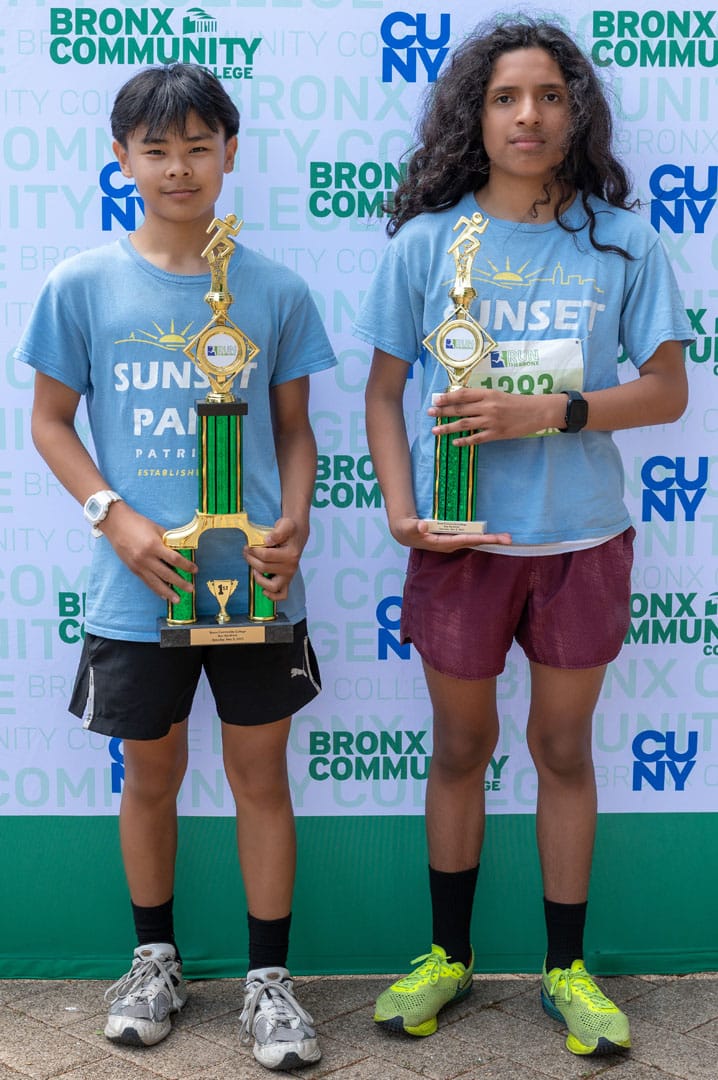
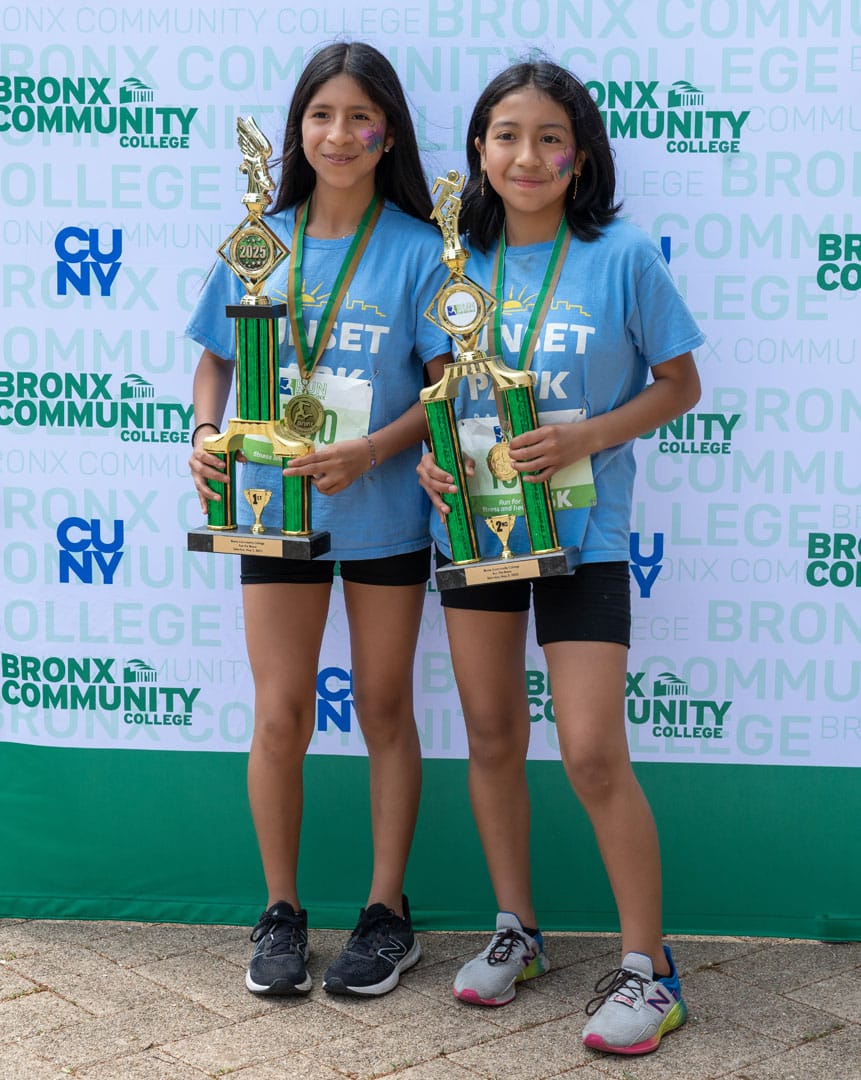
Many schools take part, including some located right along the course, like the local college Lions and the Brooklyn Patriots. Students and high schoolers don’t pay an entry fee—it’s covered through our sponsorship packages. Even the children and the 90-year-old runners receive their medals.
We’ve had international participants too—from Europe, Asia, South Africa, Brazil, India, Mexico—and even photos of virtual runners who joined us during the lockdown period. So, seeing the race take on a life of its own, beyond all that, is something truly rewarding for us.
| You mentioned that you have participants coming from other states, like Maryland. But is the race already well known in Manhattan, for example, or in Brooklyn? Do you think there’s still work to be done to make it better known? Are you also trying to attract participants from those boroughs to help them discover this beautiful campus?
Robert Whelan : Yes, I think we still have work to do in that area—to better showcase this campus. I showed you that DVD with footage filmed here: even when people watch it, they don’t always realize where it was shot. And I think that’s part of the challenge. When people hear the word “Bronx,” they often associate it with negative stereotypes, not with its beauty. They don’t see this campus, they don’t see the Grand Concourse, they don’t see the surrounding community.
I’m usually so focused on what’s happening on campus during race day that I don’t always think about the course itself or the runners out there. But that’s exactly what makes us different. In a race held in a park, your biggest supporters are the trees. Here, it’s the residents, the people leaning out their windows to cheer you on. I even think one of the schools along the course organized a cheering section for the runners. That’s a real difference—it changes everything.
And then, of course, there’s the hill. Yes, it’s true, the hill is tough. I’ve been told many times that this climb isn’t easy to handle.
| You mentioned the Grand Concourse, a major artery—almost a highway—running through the Bronx. How did you manage to make that happen? How do you go about closing those streets? What kind of arrangements do you have with the police to make it possible?
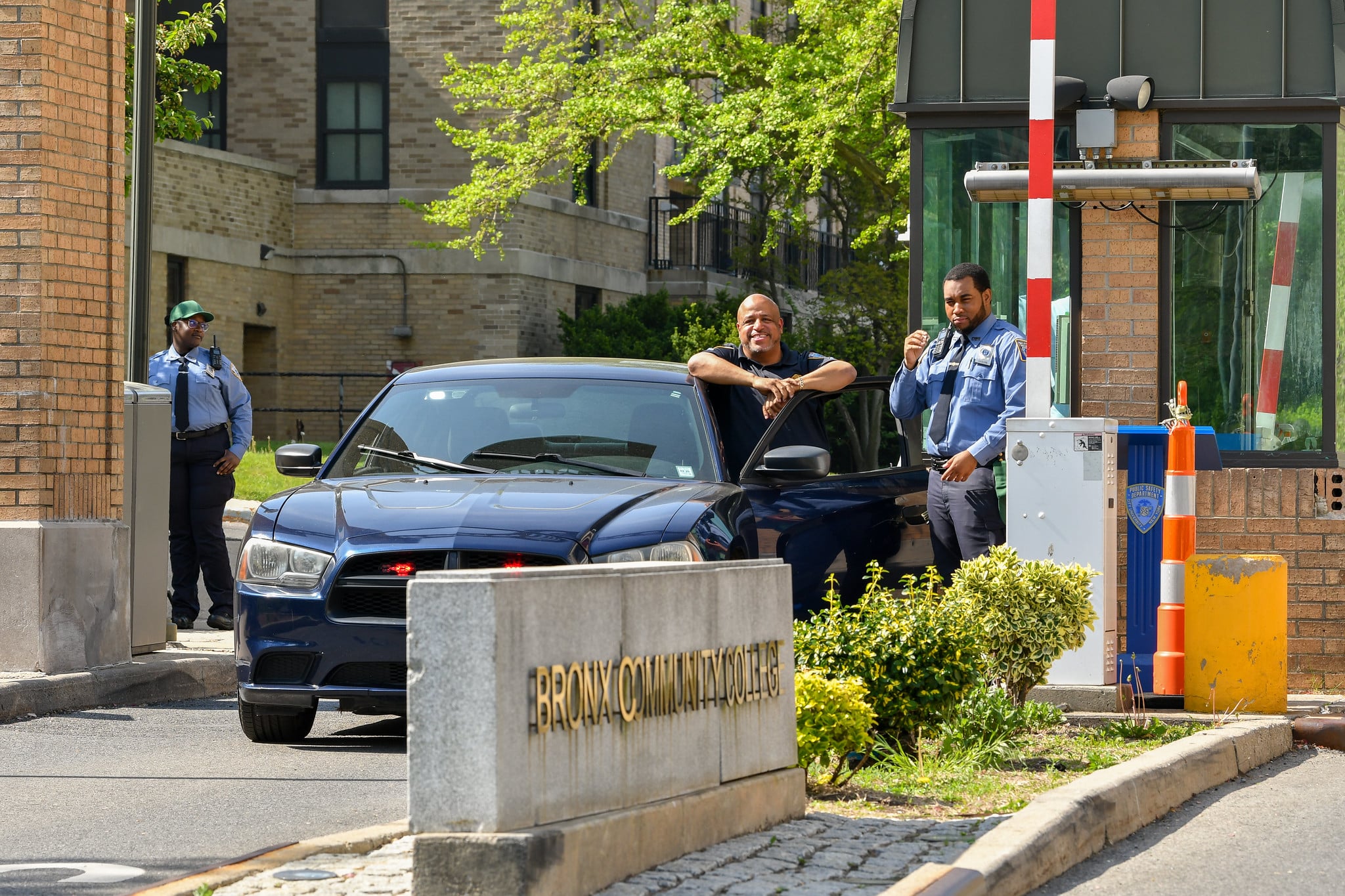
Robert Whelan : Our relationship with the NYPD is excellent. Things go really smoothly with the New York City Police Department. And one thing that helps us a lot is our history. Thanks to our long-standing relationship with the police and with the race itself—and because our event has been around for so long, now approaching its 48th edition after just completing the 47th—we can’t change our date. We will never change the date of our race. It will always be the first Saturday in May. That’s set in stone.
And that’s tied directly to our connection with the police: we don’t want to alter anything. They know it perfectly well. They just look at their calendar year after year and know that the first Saturday in May means Run the Bronx. I think that’s part of what makes our relationship strong—that awareness, that continuity, that longevity. They’ve been invaluable partners for us.
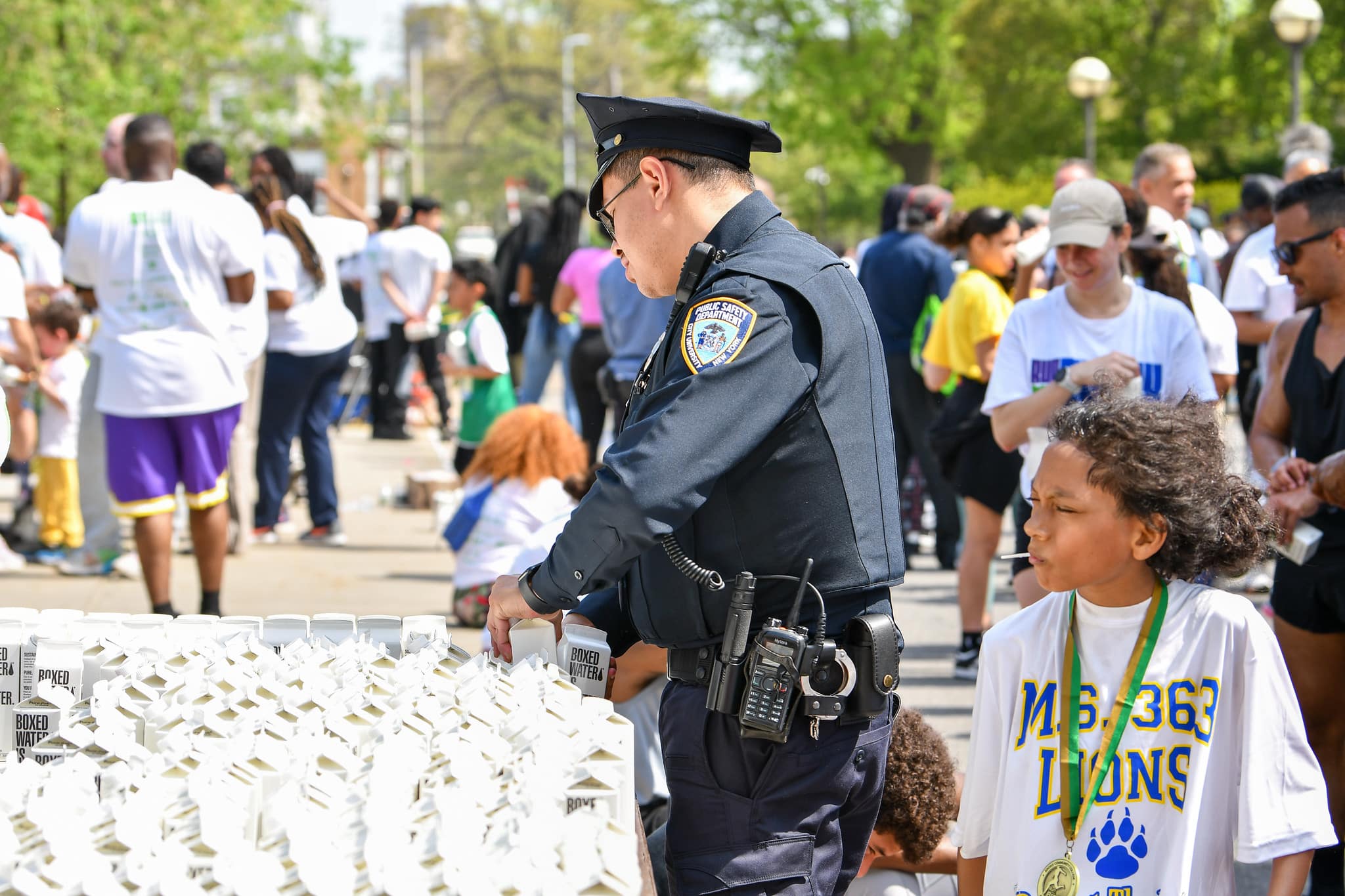
And as the race has grown, their involvement has grown too, because they’ve seen its impact. It’s not like they’re closing a major Bronx thoroughfare for just a few hundred runners. Shutting down such a big avenue wouldn’t make sense for that. But when you have more than 2,000 participants—half of whom are from the Bronx—and when residents see the police interacting positively with the community, it changes things. It also helps their image, through their Community Affairs Bureau. It strengthens their reputation and their role in the community, which is particularly important here in the Bronx.
 © Bronx Community College
 © Bronx Community College
| You’ve set up a system with motorcycles and bicycles to help close and reopen the roads quickly. Can you tell us a bit more about that?
Robert Whelan : Of course. We did that because we’re using such a major artery in the Bronx that it’s absolutely crucial to reopen it as quickly as possible. We don’t want to block traffic any longer than necessary—keeping that area closed for too long would really impact the city’s flow and movement.
So what we did, in the past, was set up a bike patrol: police officers on bicycles would ride behind the runners. That served two purposes. First, if someone was injured or feeling unwell, they could immediately alert the EMTs or EMS and get medical assistance on-site as fast as possible.
And in recent years, we’ve added small motorized scooters—kind of like John Deere utility vehicles. They follow at the back of the pack, which allows us to start reopening the road as soon as possible. In other races—for example, at Disney—if you don’t keep up a certain pace, a bus will come pick you up and pull you out of the race. We don’t do that. Here, everyone runs at their own pace. The scooters are just there to make sure everyone is safe.
And as soon as they clear the course, we can start reopening traffic. That’s really essential for us—getting that major road open again as fast as we can.
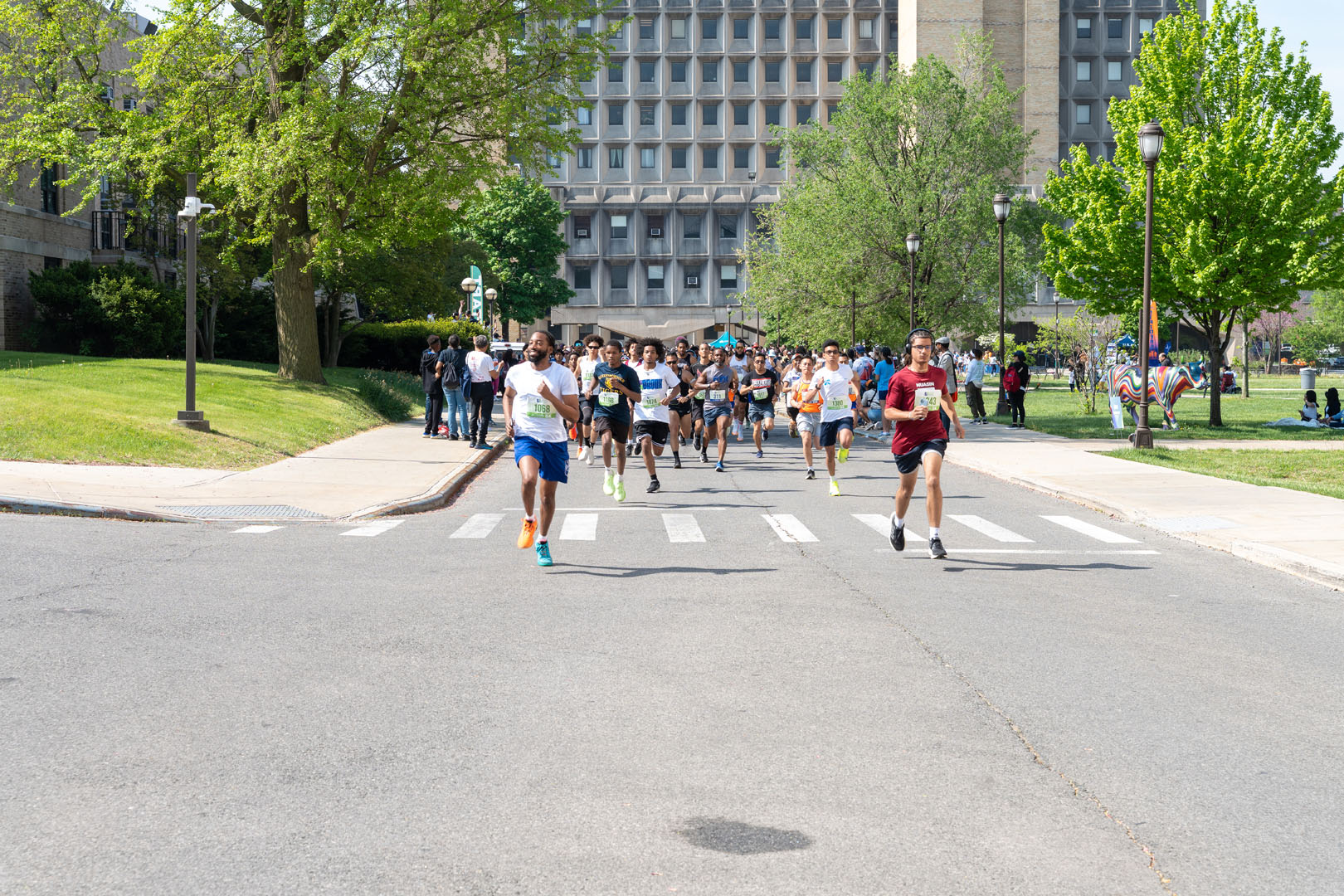
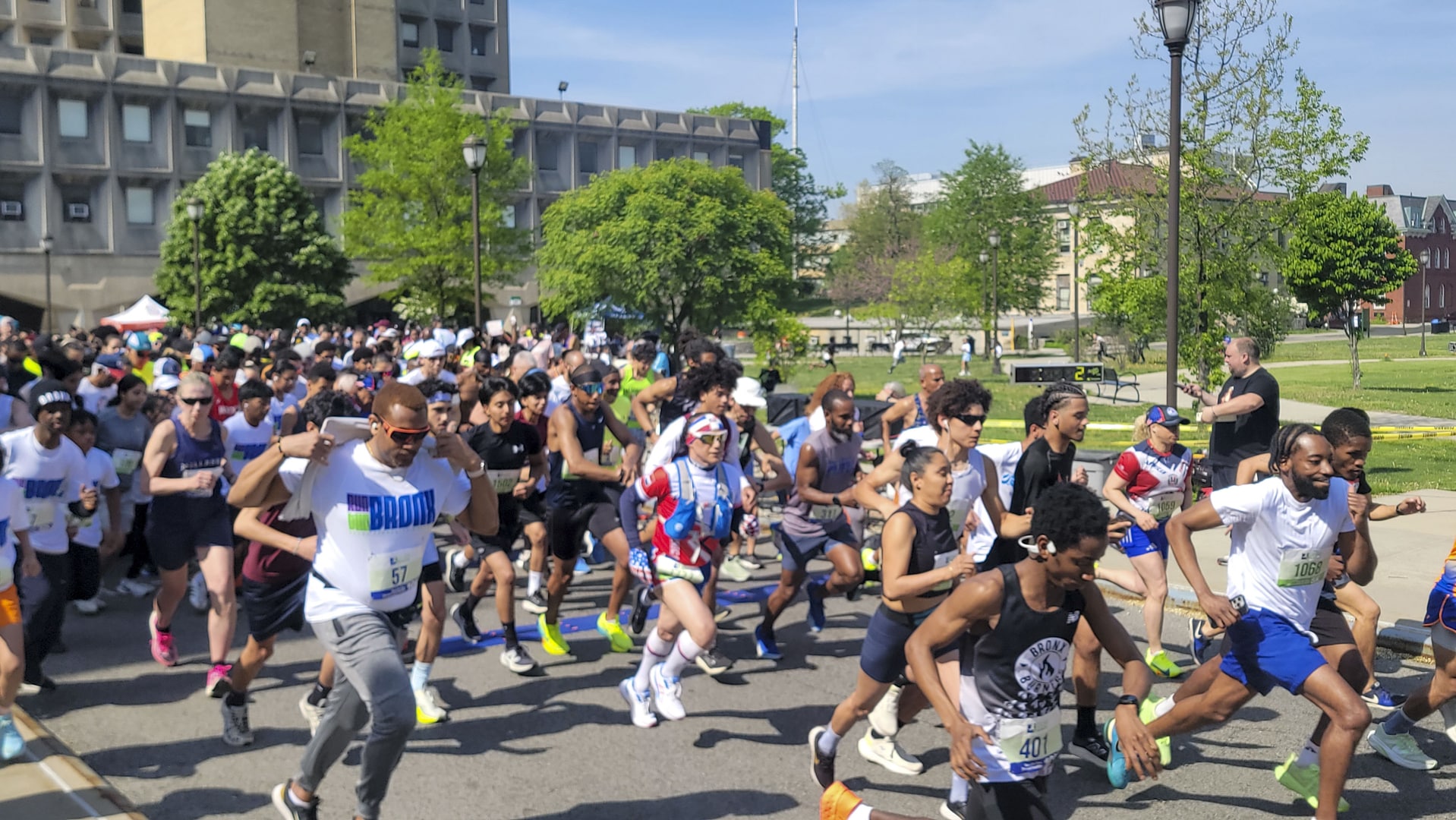
| Another unique feature of the race is that it’s a true road race, not one held in a park. The start and finish lines are in the same place, which creates a special atmosphere on campus—and it really is a beautiful campus. But once the race begins, runners head straight into the surrounding community, and that’s where the experience becomes something different.
Robert Whelan : I was lucky—the course had already been set long before I took over. It was already there for me. From what Roscoe’s son told me, the original plan was actually to have the race take place just around the campus, simply running around the buildings. That would have been a bit easier to manage. But they decided they could do something bigger, something more ambitious. And being able to close down the Grand Concourse—that’s definitely something bigger, more impactful, and it gives the race a whole different dimension.
We really want to highlight this campus because it’s beautiful. We want people to be here at the start, to see how special this place is, then head out onto the Concourse to experience that major avenue, and finally come back to campus to enjoy refreshments—fruit, water, and the community atmosphere.
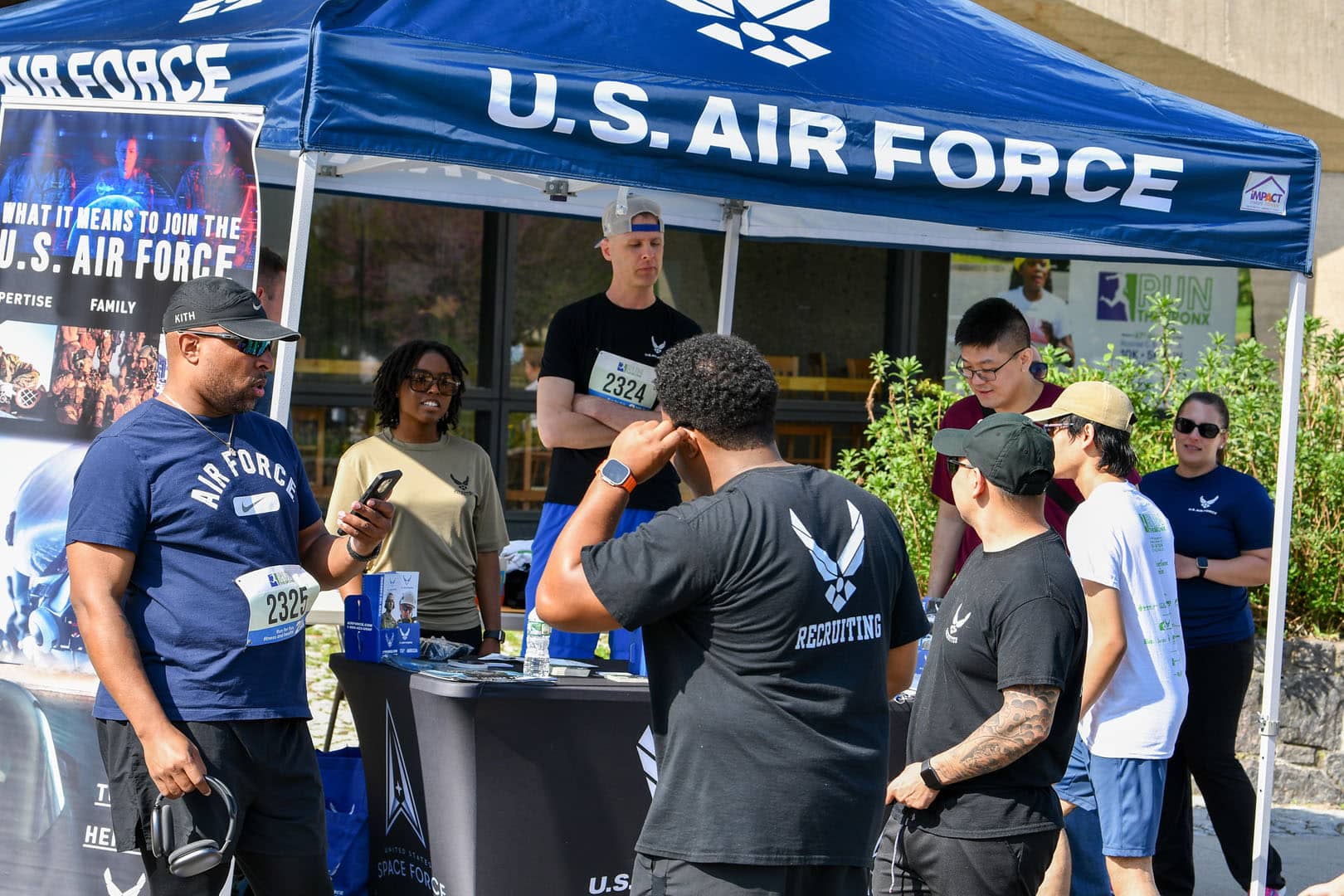
Another thing that sets us apart from other races is our Health Pavilion. We don’t just focus on physical health—we also address mental and financial health, because they’re all connected. You often meet people struggling with mental health issues who also face financial challenges. And conversely, those dealing with financial hardship may end up developing physical problems caused by stress, anxiety, and everything that comes with it. It’s all interrelated.
That’s why we wanted our pavilion to provide as much information and support as possible across all these areas.
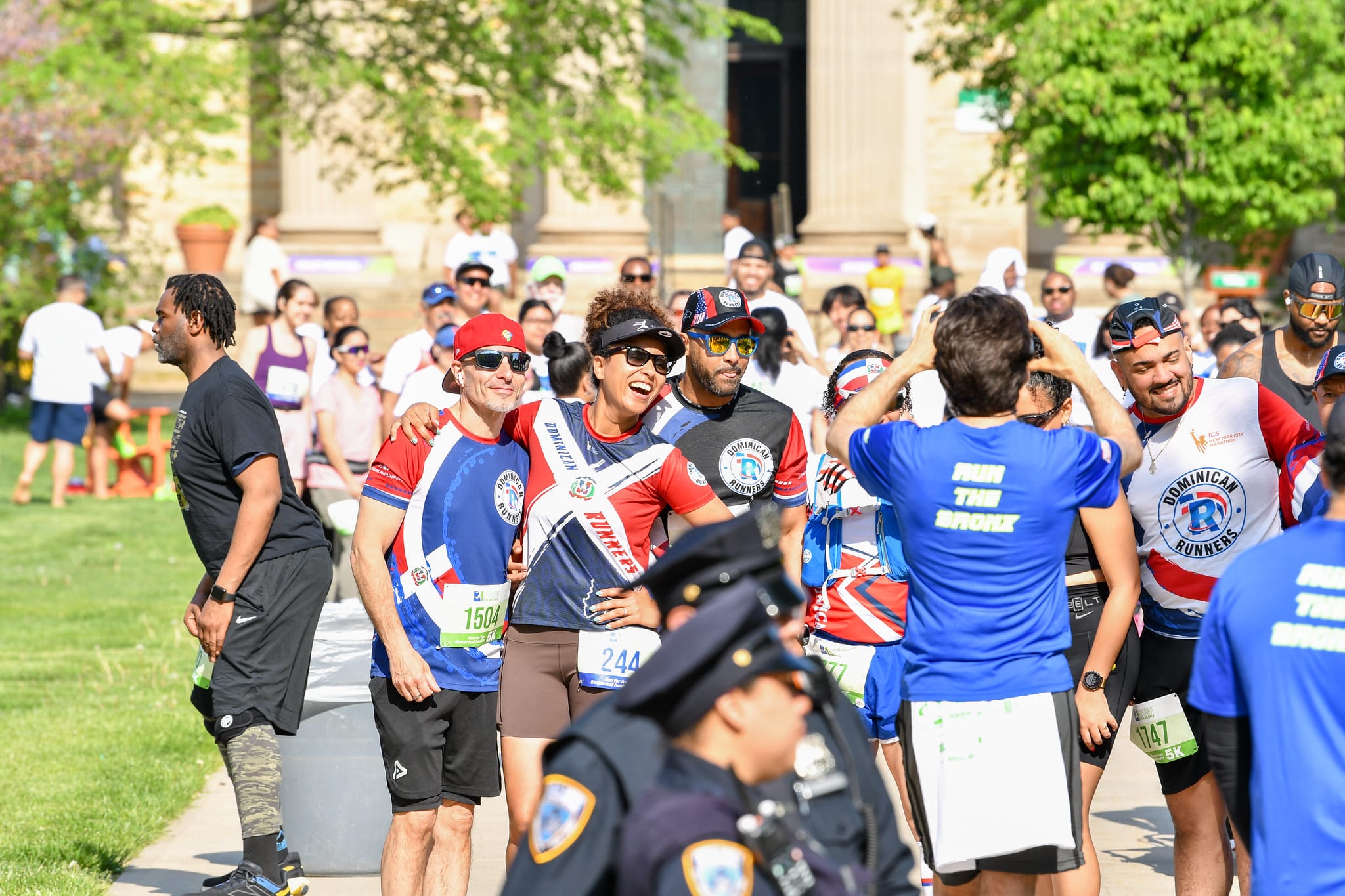
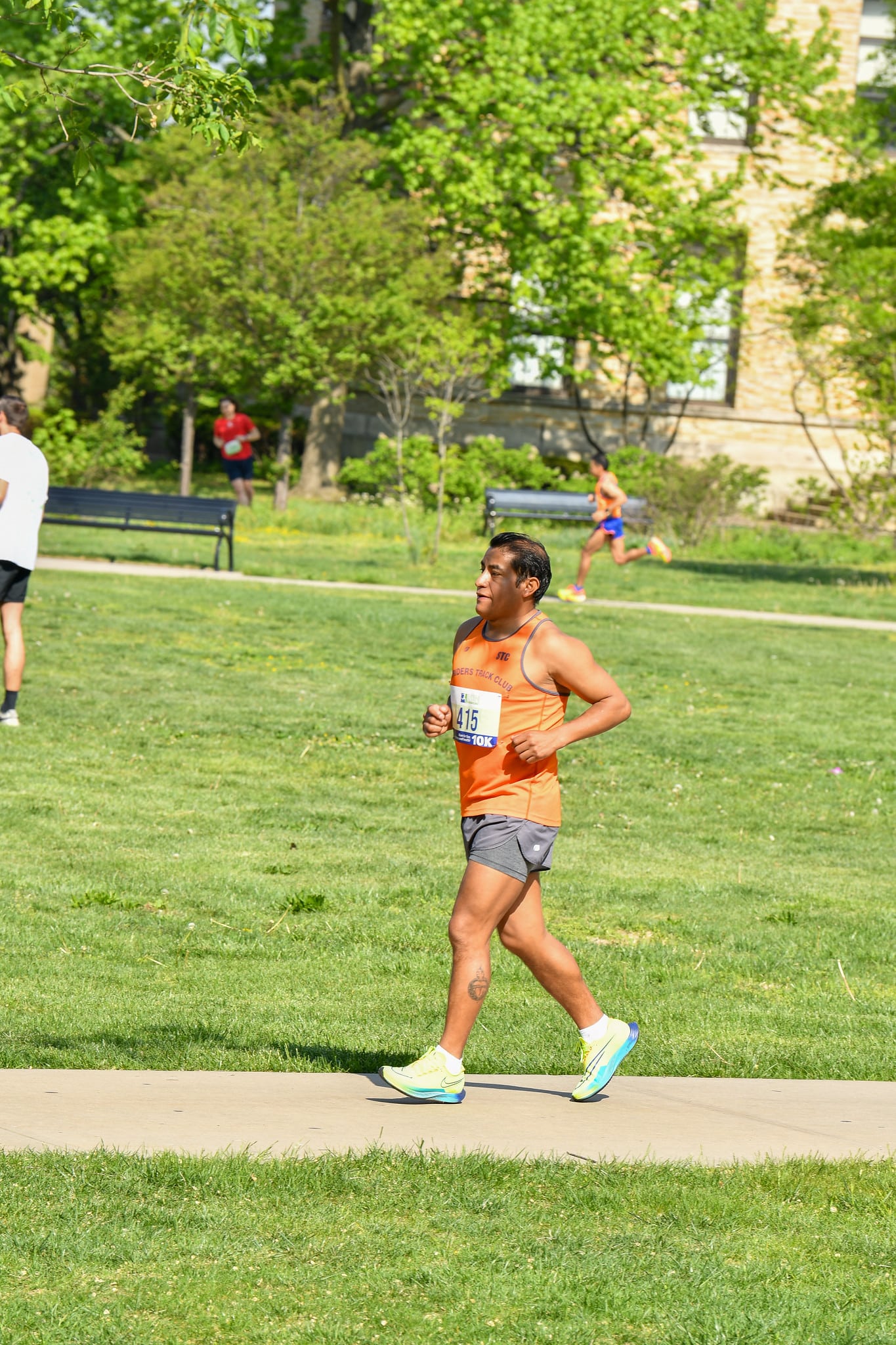
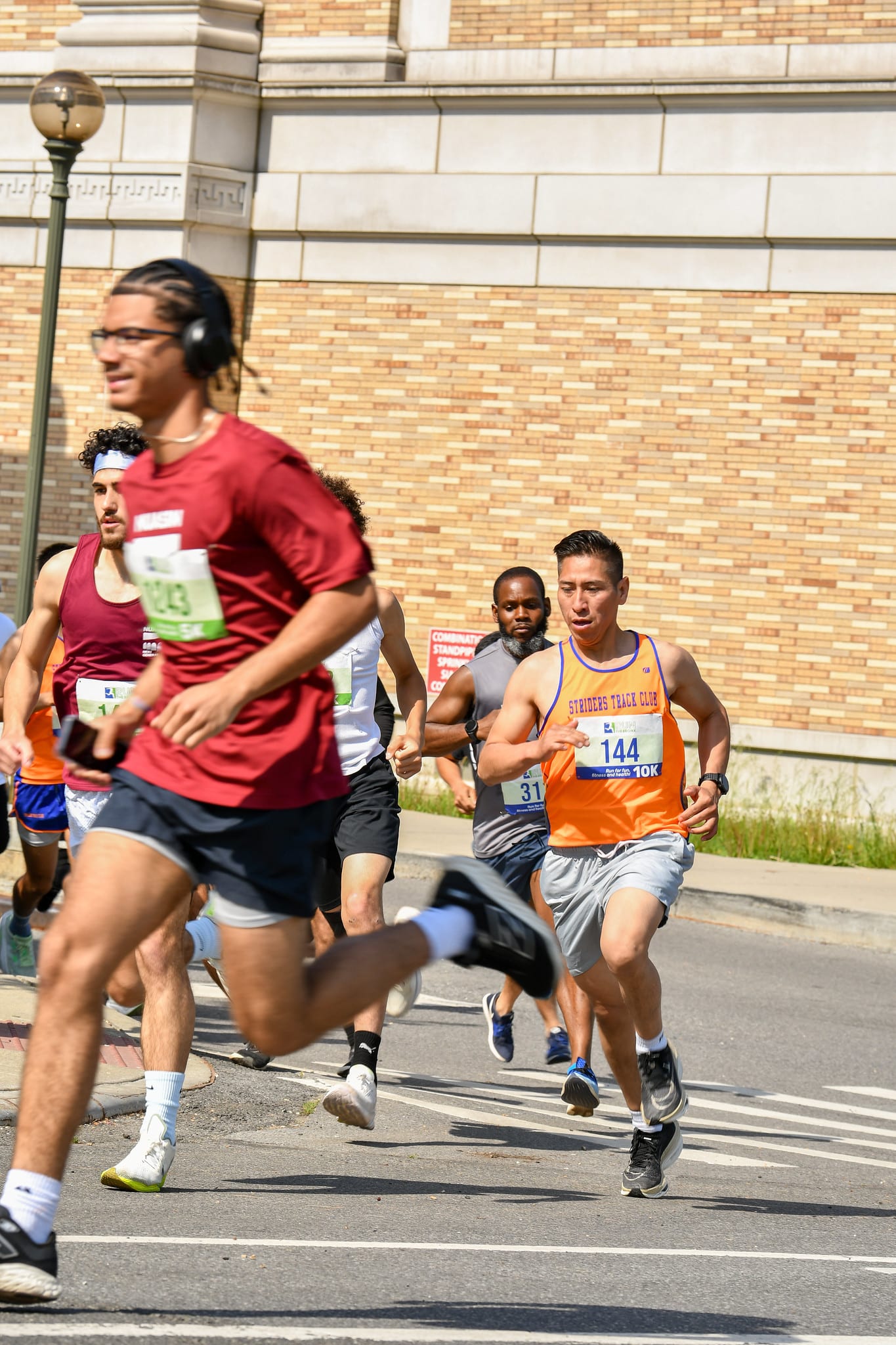
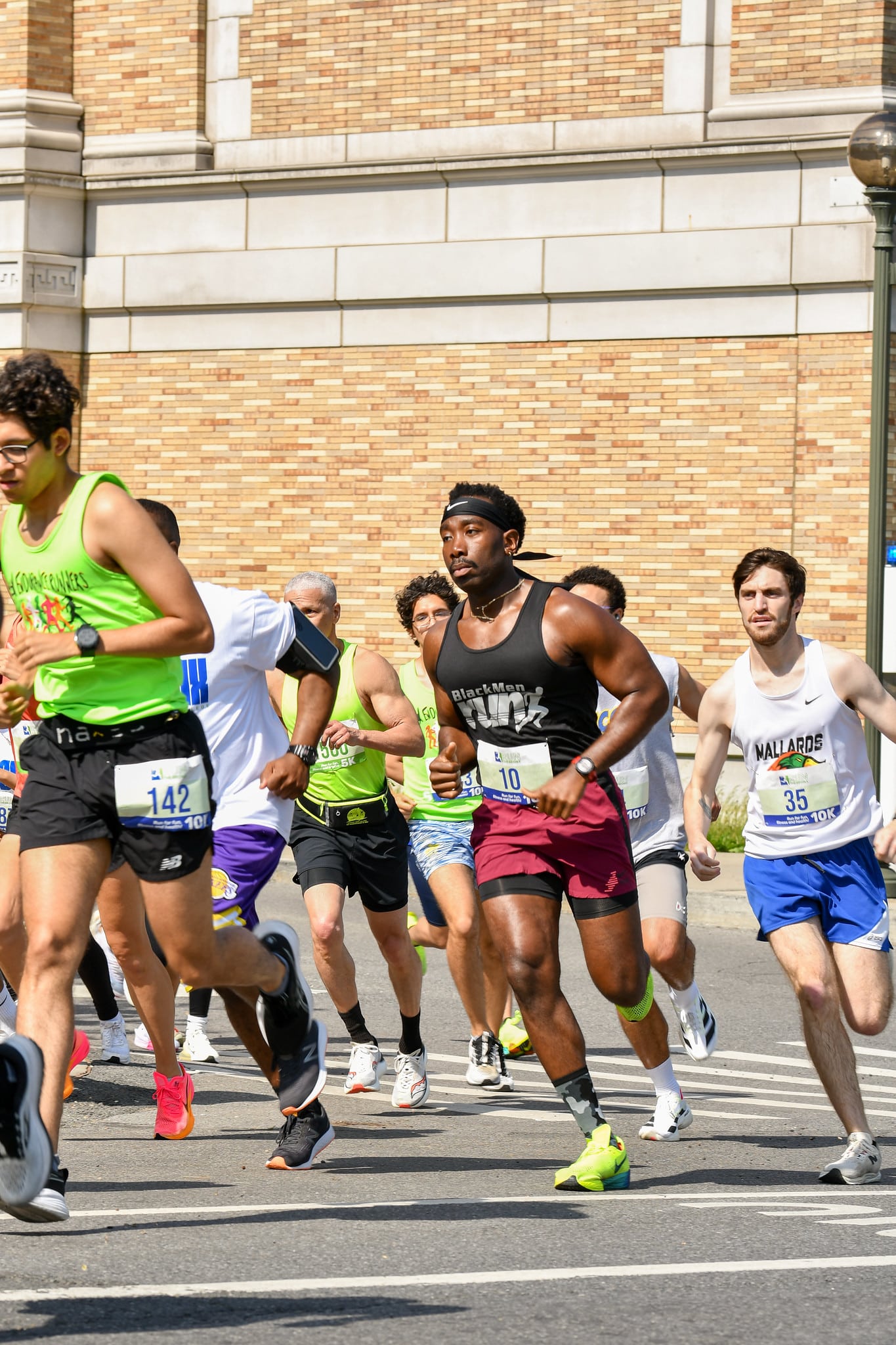
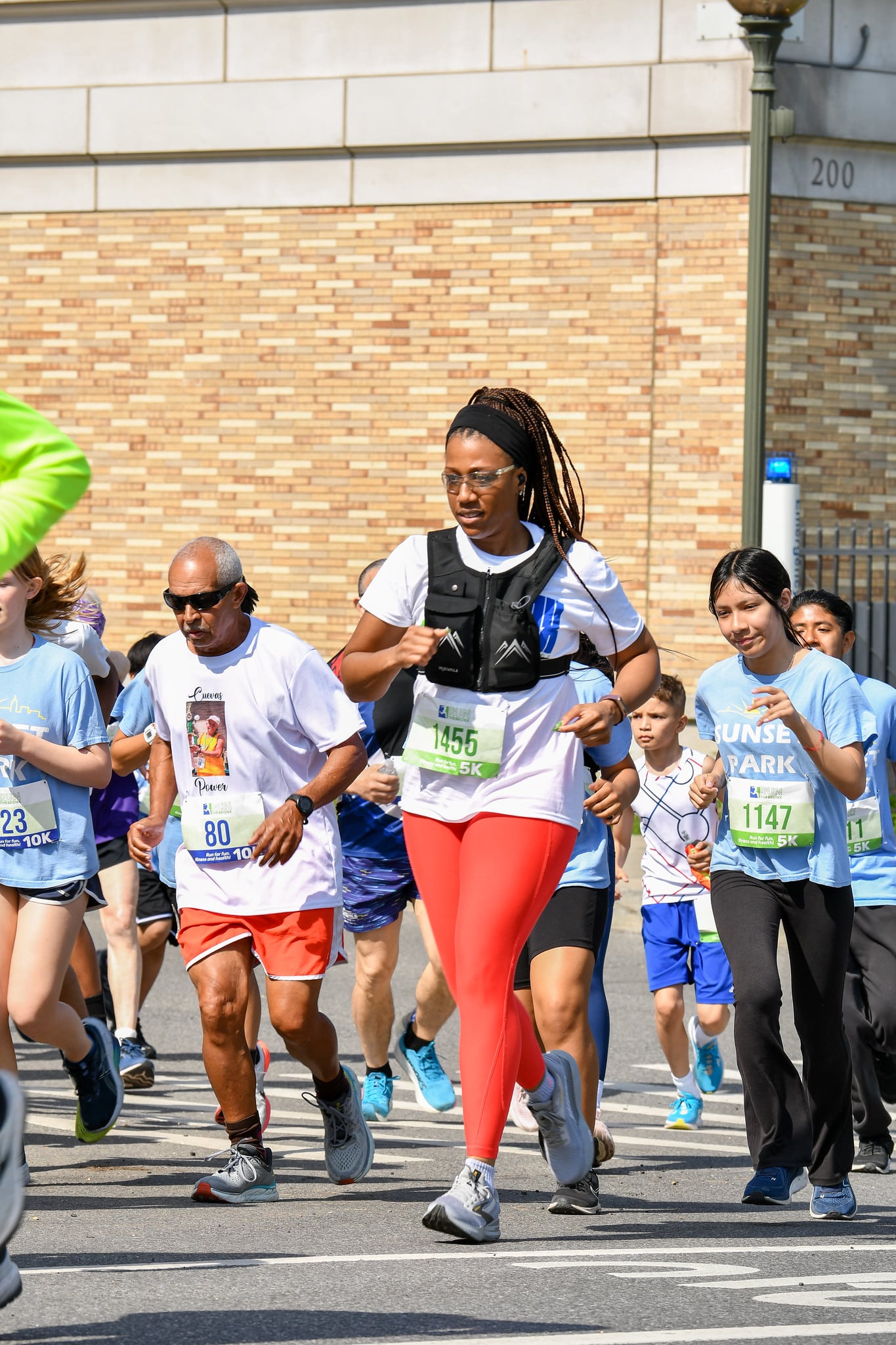
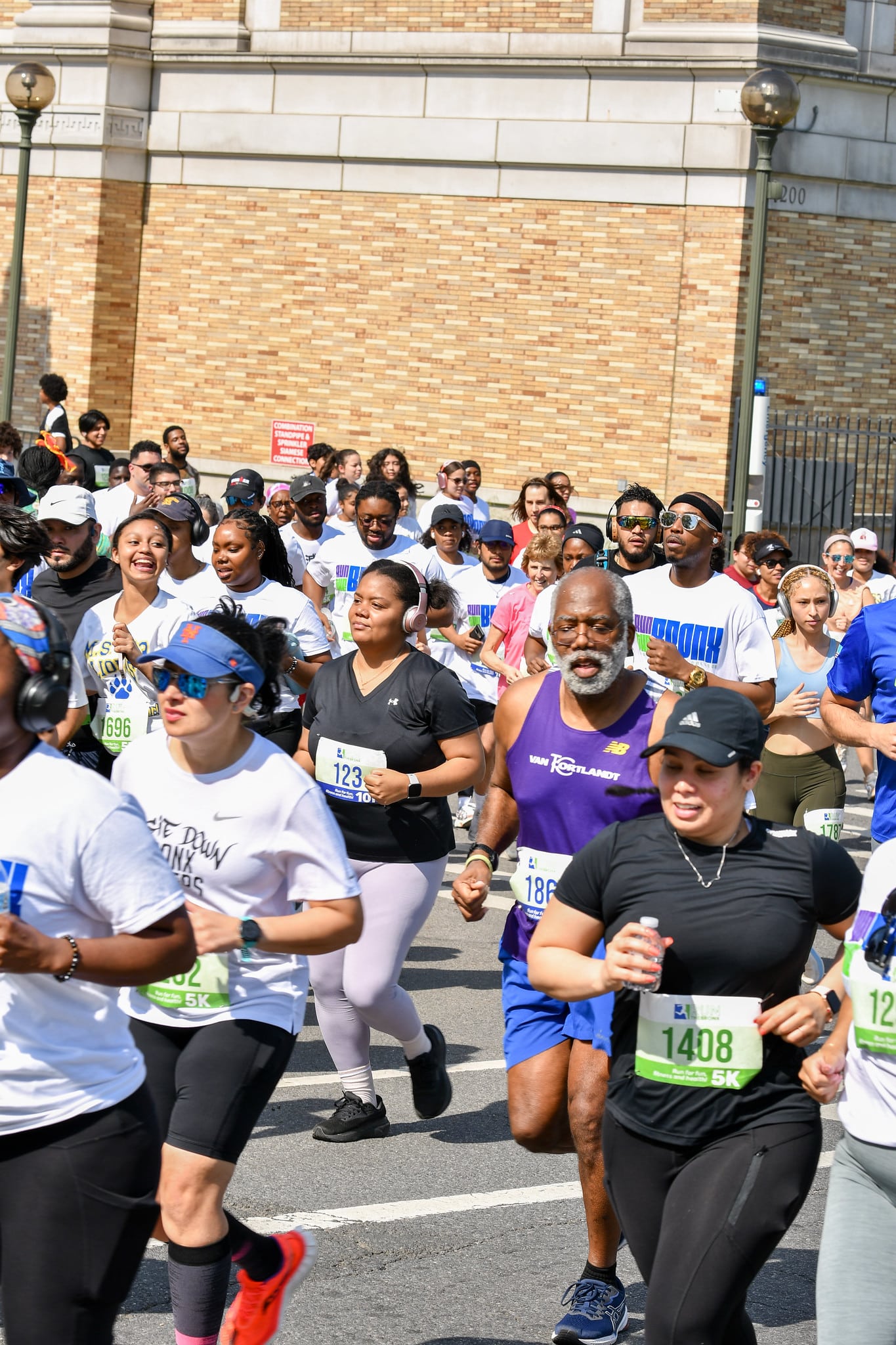
| You offer several distances—the 5K, the 10K, and the walk—and all participants start together, which is quite unique. But have you thought about the future, for example increasing the number of participants even more, or perhaps one day adding a half marathon? Are you already thinking about the 50th edition?
Robert Whelan : That’s a tough question. We added the 5K in 2010, before I took over the race with my department. That addition really helped boost participation to the levels we see today. We’re not sure if there’s a real trend toward a half marathon for us.
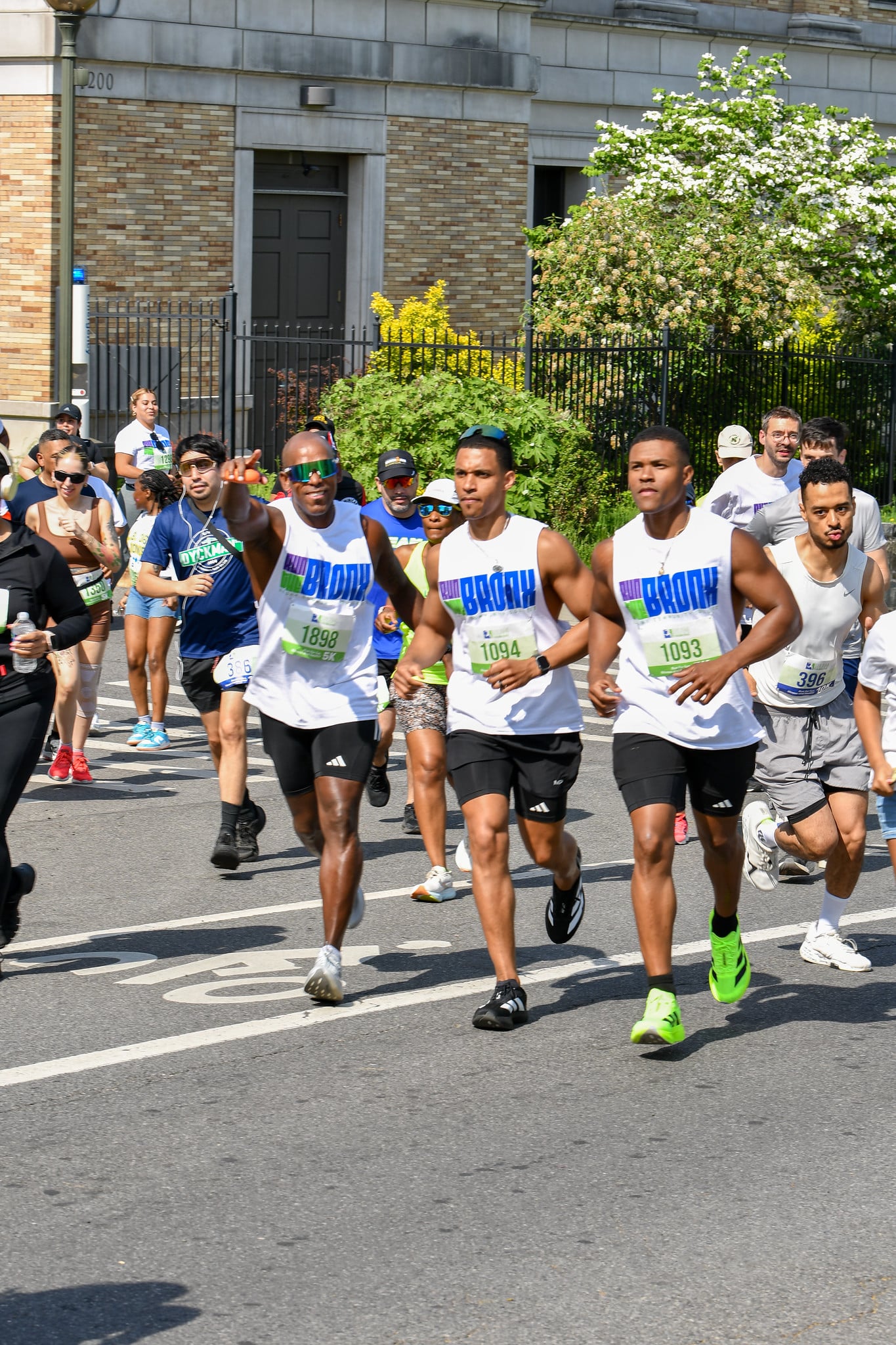
We’ve noticed that the 10K has been pretty stable for some time—it hasn’t fluctuated much. But the 5K has grown significantly. Just before COVID, in 2018 and 2019, we had our two biggest editions: 1,700 runners in 2018 and over 2,000 in 2019. Then the pandemic hit. Over the past three years, we’ve been rebuilding, and we’ve now reached 1,800 participants, which makes it our second-largest race ever. My goal was to reach 2,100 or 2,200 and set a new record, and we did it with 2350 people.
So, the 5K is really our growth driver, while the 10K has leveled off. As for a half marathon, I’m not sure it would be feasible for us—partly because of trends, but also because it would require extending the course along the Grand Concourse. And how far could I realistically close that avenue before causing serious issues for the police and the community? It would practically double the logistical challenges. Closing such a large section of the Concourse would be very complicated.
| The race starts at 10 a.m., if I’m not mistaken. In Europe, that’s quite late…
Robert Whelan : Yes, it’s late—even for New York. But I think it’s mostly tradition. For decades, it’s always started at that time, at least from what I’ve found in the archives. It’s something we might consider changing, maybe starting a bit earlier.
| And the race is held on a Saturday, right? Will that always be the case?
Robert Whelan : Yes, it will always be the first Saturday in May. Not just the first weekend—the first Saturday. Why? Because the very first edition in 1978 was held on a Saturday, May 6, and it’s stayed that way ever since.
And of course, there’s our relationship with the NYPD and the Community Affairs Bureau. Closing a major artery like the Grand Concourse requires a massive amount of coordination. Trying to change that would be risky. I could probably negotiate an earlier start time, but if I tried to move the event to, say, October, it would be nearly impossible. Our partnership with the police, community affairs, and the City of New York is so strong that changing something that fundamental would be extremely difficult.
| What is your biggest challenge when organizing such a race?
Robert Whelan : The biggest challenge is probably that, since we’re a college, our main priority remains the students. So our biggest challenge is recruiting enough volunteers.
That’s definitely the hardest part, because we’re not a running organization where everyone is a runner or directly involved in the sport. We’re an academic institution first and foremost. Organizing an event of this size, with this level of logistics and coordination, while remaining a school, is a real challenge.
The major issue is attracting more people from outside to help. Determining our maximum capacity will also be tricky. In a park, you have all the space you want—you can set up barriers, stagger starts, send runners off in waves. Here, on our campus, everyone starts together. So the question becomes: how many people can we safely accommodate before we need to start separating the starts? That’s the challenge.
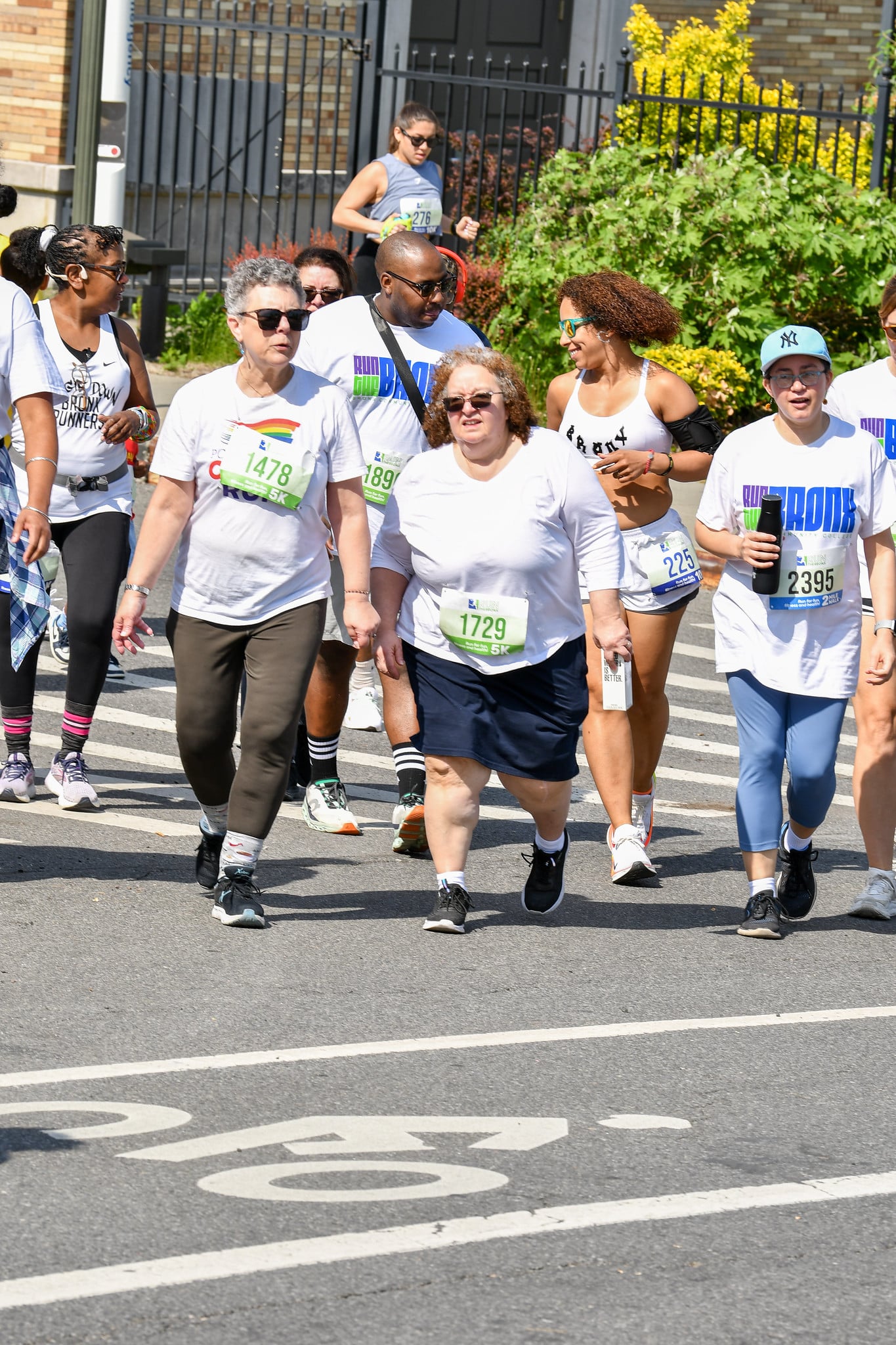
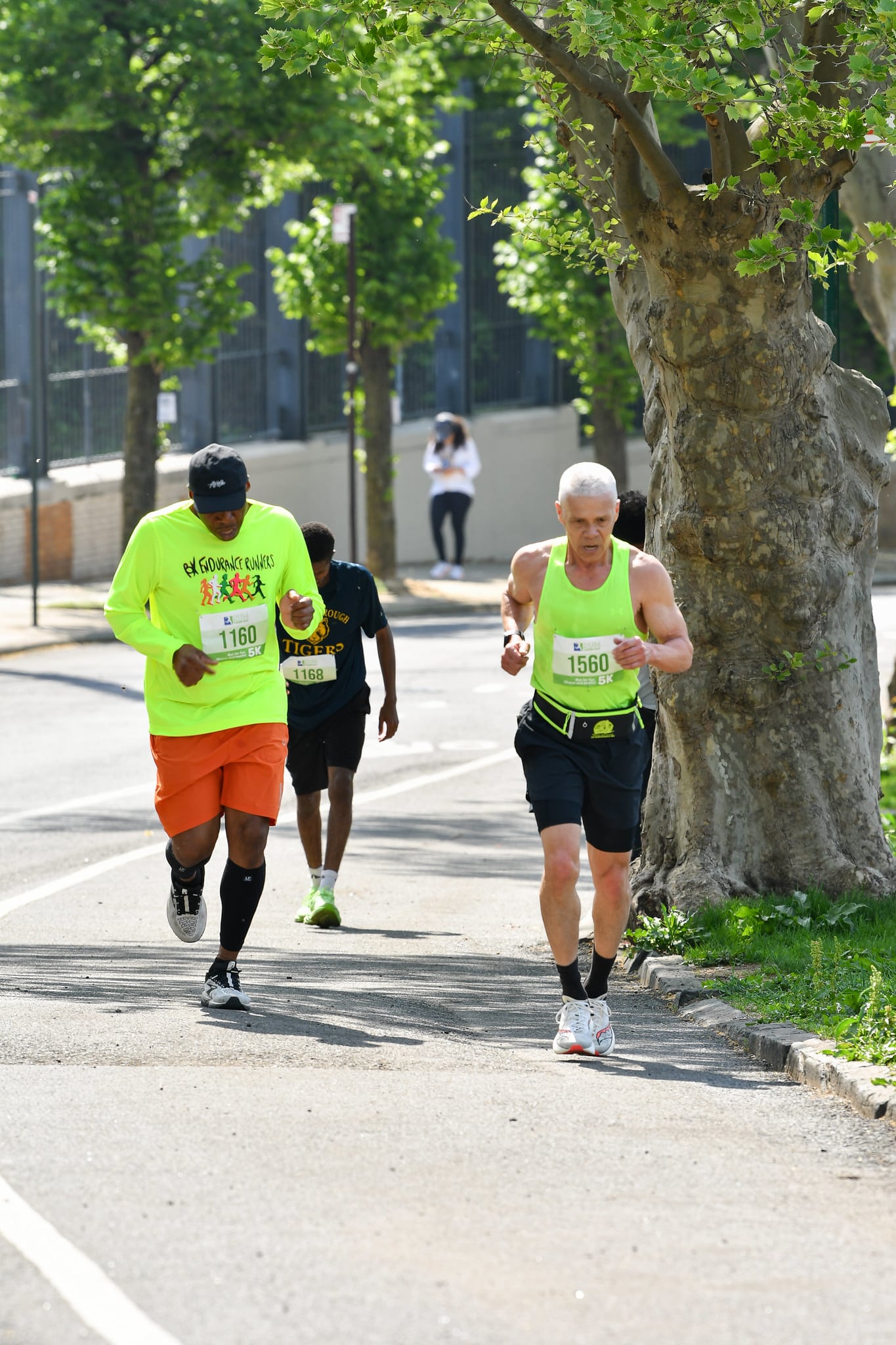
| If we keep going in that direction, would you say it’s easy to organize a running event in this part of the Bronx?
Robert Whelan : I think for us, it’s easier—because of our history. For an organization starting from scratch, it would be much harder.
Our experience, and our relationship with the community built over years and decades, makes the organization smoother. If this were a first-time event, setting everything up would be far more complicated. But we benefit from a legacy, a legitimacy, a long-standing history that really makes the whole process much easier.
| Do you feel the support of the community?
Robert Whelan : Yes, absolutely. The people who live along the Grand Concourse and the other streets that the race passes through—those who watch from their windows—do they know about the race? Are they happy to see it go by?
I think we still need to do more to broaden that awareness. People do know about the race—they’ve heard of it. Some tell me, “Oh yes, I saw the poster in my building,” but they don’t always really look at it. Still, they’ve heard about the event, they know it’s happening, they’ve seen it every year, so it’s familiar to them.
It’s mostly a matter of making sure everyone knows exactly when it happens—that it’s on that specific day. Our legacy has really helped with that: people have known for 48 years that the first Saturday in May is race day.
| Which communities are the most represented in the race?
Robert Whelan : As I mentioned, about 50% of our online registrations come from the Bronx, which is quite significant. After that, participants come from everywhere—truly everywhere. We’ve had runners from New York City, from the other boroughs, from Westchester County, and from many other areas. All of them take part in the race.
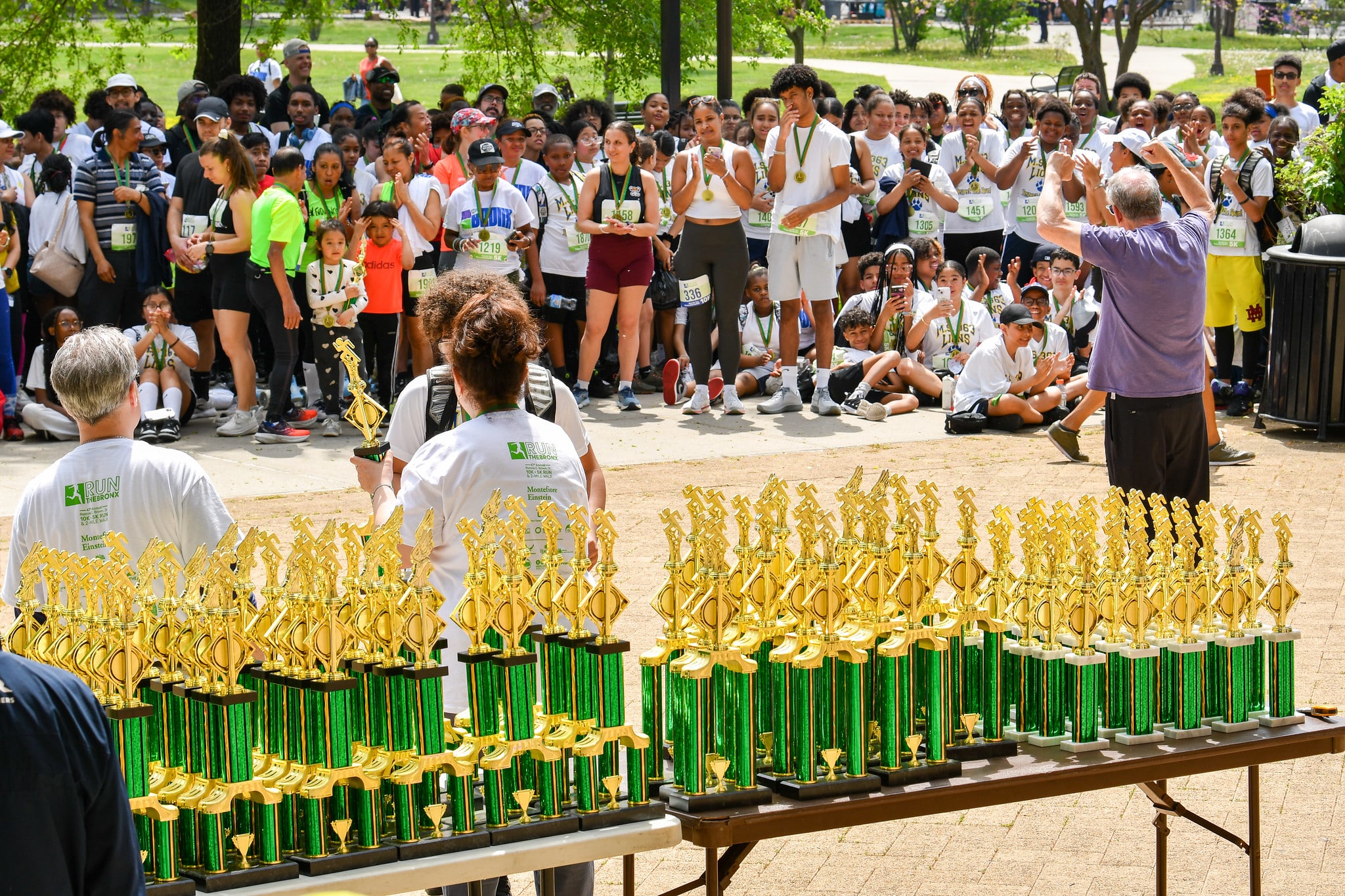
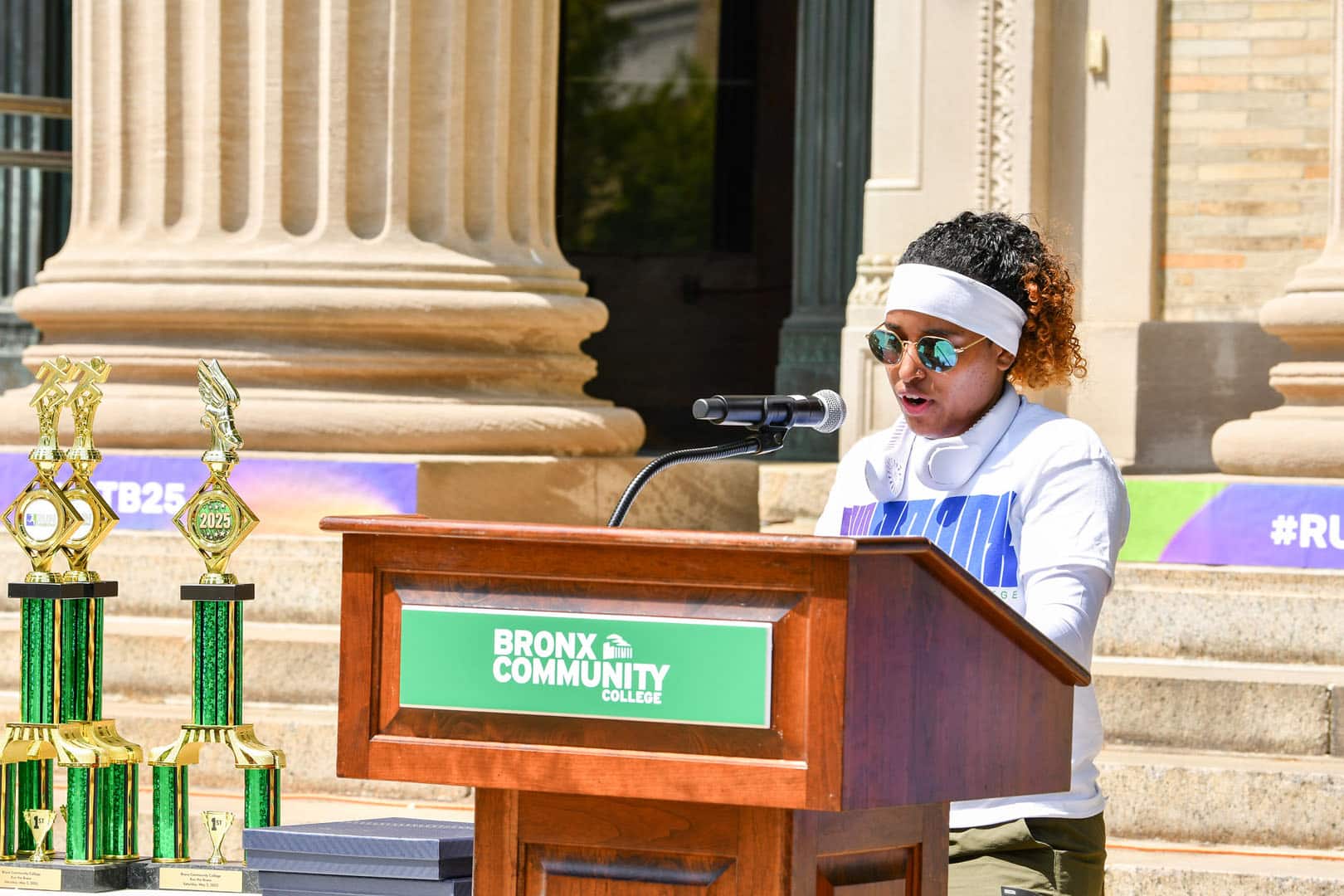
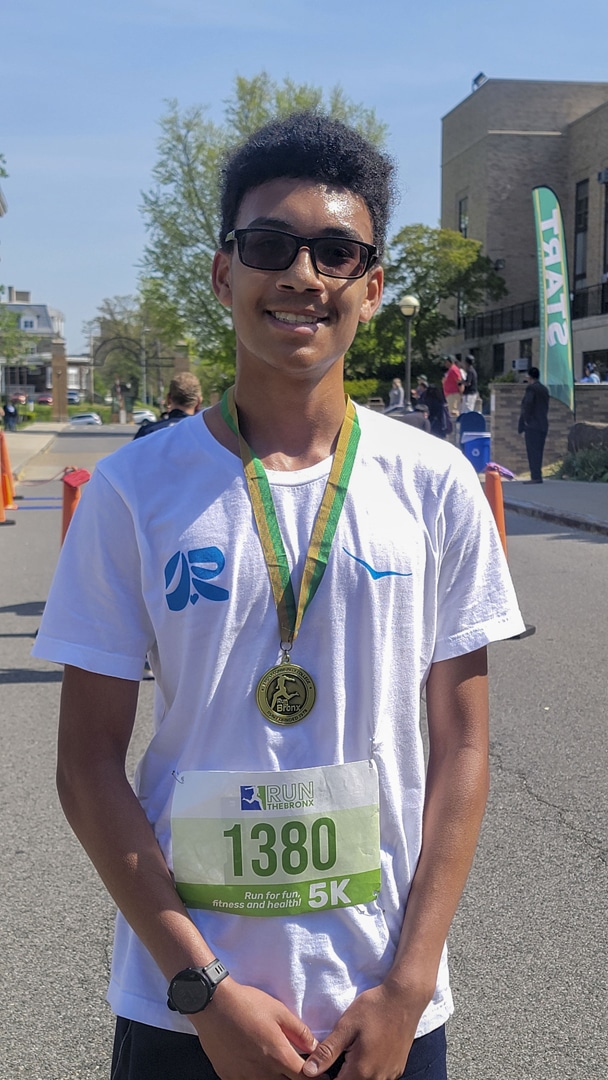
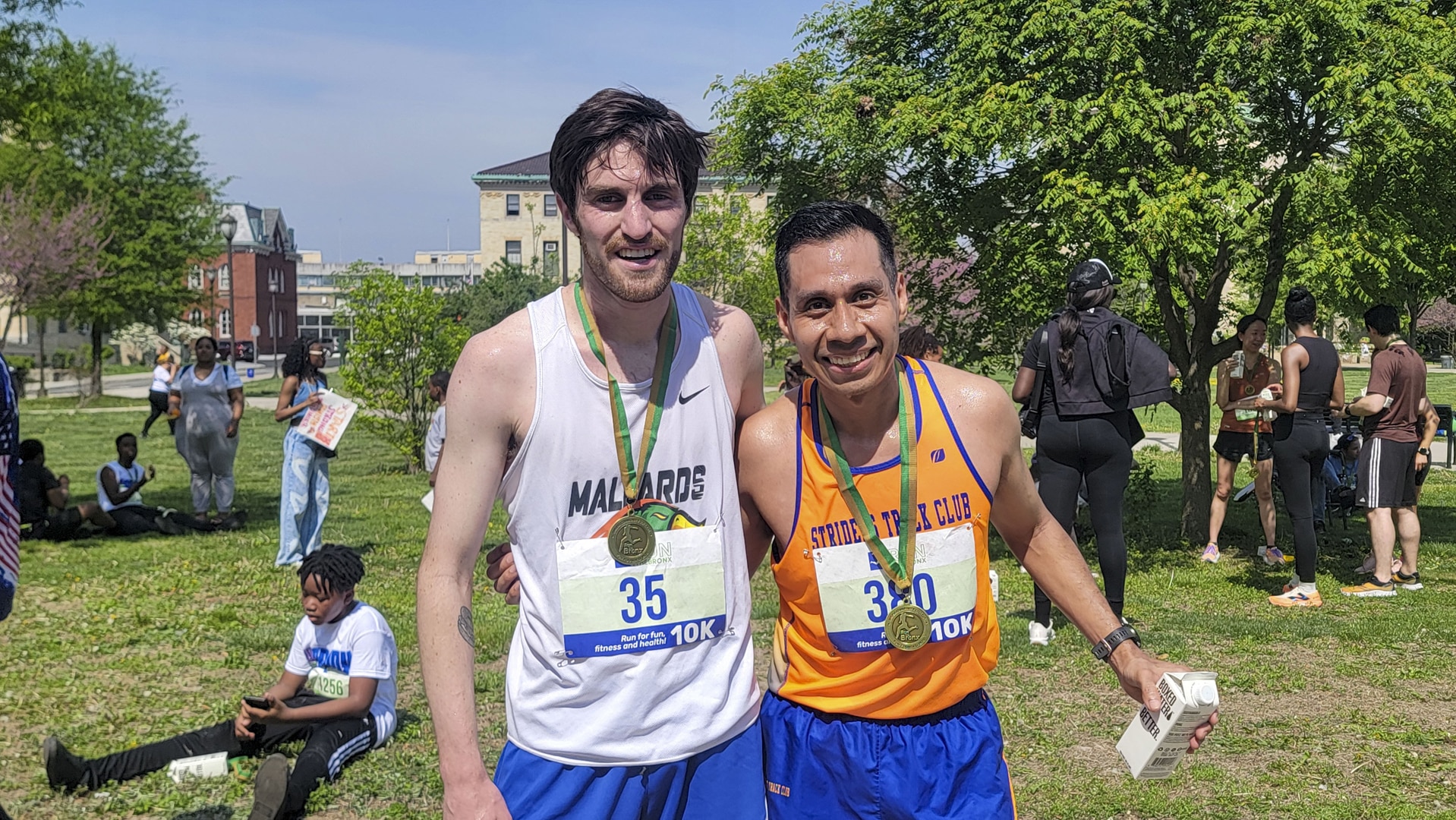
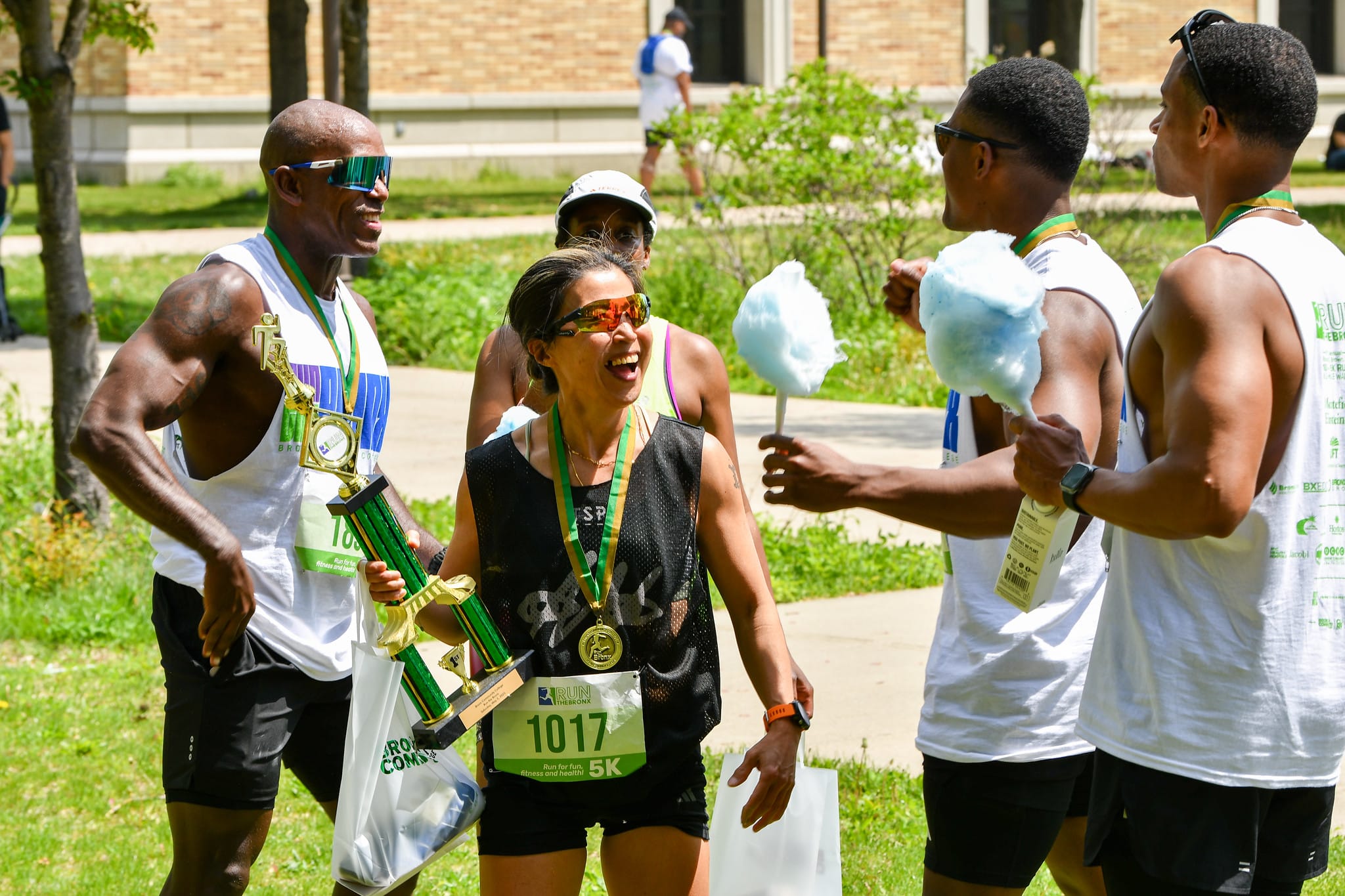
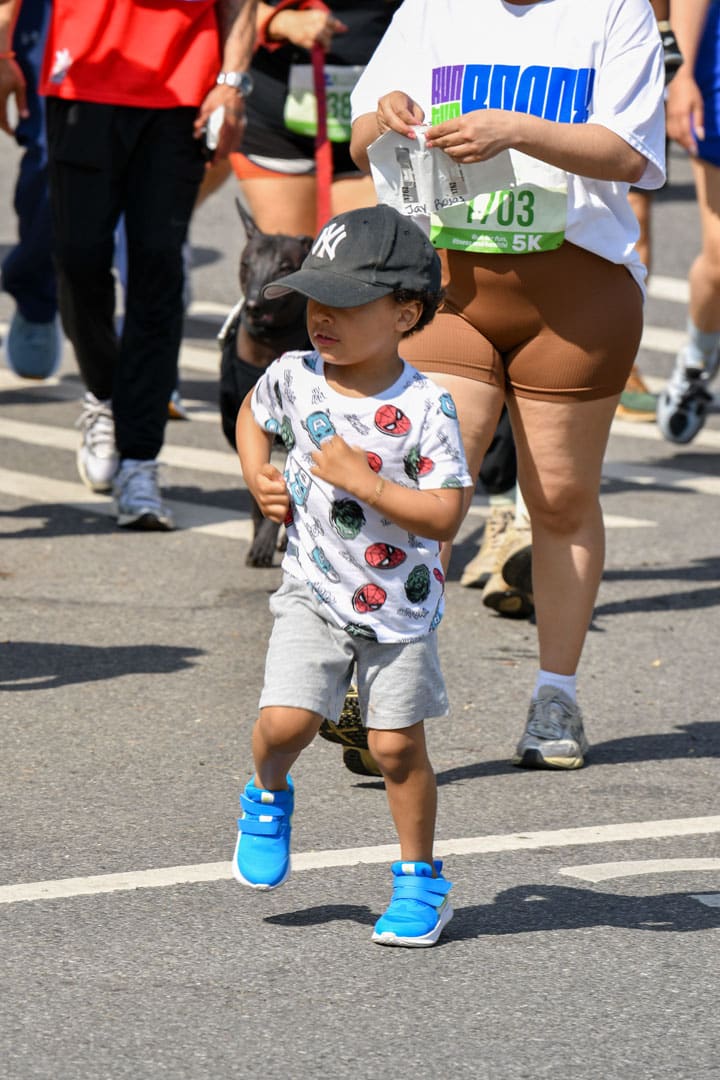
We organize a packet pickup to make sure everyone gets their bib number, race shirt, and all the necessary information. We don’t require anyone to wear the event T-shirt on race day, but many runners choose to. Everyone can wear whatever they feel most comfortable running in. At the finish line, every participant receives a medal—even the two-year-old who walks the two miles.
The 5K and 10K are timed races, with trophies and awards. The two-mile walk, on the other hand, is untimed, because we want it to focus on fitness and participation rather than competition. Of course, for the 5K and 10K, many runners still treat it as a competition—whether they’re chasing a personal best, trying to catch someone ahead, or simply testing their limits. The two-mile event is more about health, well-being, and community spirit.
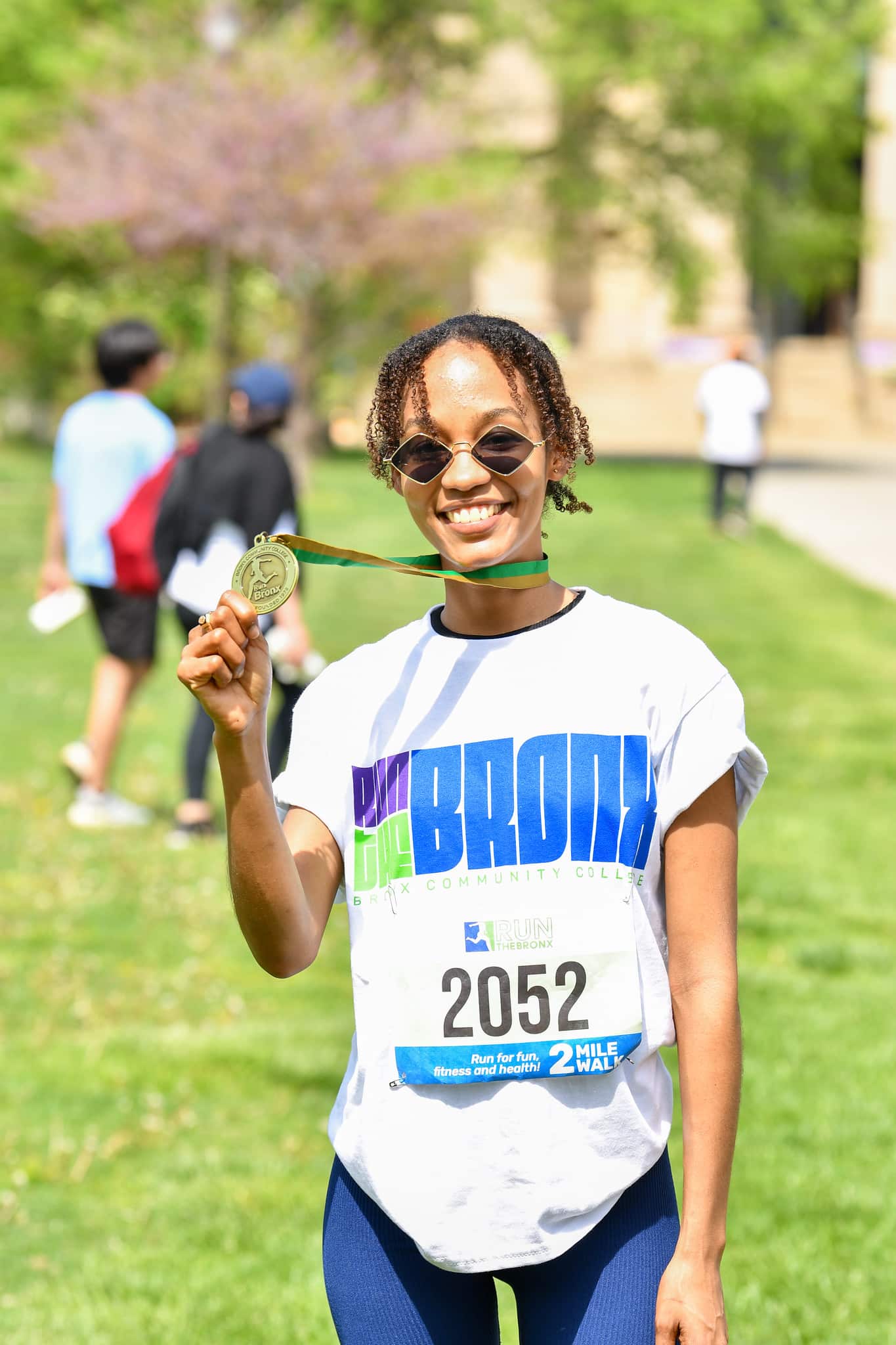
| Registration fees seem much more affordable than for other events in the city, the state, or even across the United States. You also offer free entry for certain participants. What’s your stance on this, and how do you make it possible?
Robert Whelan : Well, everything depends on our sponsors. Without them, we simply couldn’t organize the race. Montefiore—whose name you can see on the back of the race shirt—and all the others are our sponsors for that year.
What’s funny is that, in the past, we used to just print a list of sponsor names on the back of the shirt—just text. Then, around 2017 or 2018, I decided to switch to using their logos instead of plain names, and it looks so much better that way.
But truly, without our sponsors, none of this would be possible. They’re our biggest supporters, and they make it possible for us to keep registration fees low and offer free entries to students and community members who might not otherwise have the chance to participate.
| Would it be fair to say that the registration fee here is more affordable?
Robert Whelan : Yes, for our race, that’s true—and we’ve made a conscious effort to keep it that way. We didn’t want to exclude anyone, and we want to make sure everyone has the opportunity to take part.
| Would you say you have competition?
Robert Whelan : Yes, in New York City, there are between 100 and 200 races every year. On some weekends, there can be four or five happening at the same time.
| Do you see that as competition? What’s your take on it?
Robert Whelan : Yes, I think we’ve become more of a competitor, in a sense. Let me put it this way: years ago, when we were much smaller, we weren’t really seen as a threat. But now, with our growing numbers, more running organizations and race directors are noticing us. We’re becoming more visible.
Before, it was just “oh, that little race in the Bronx” that drew a few hundred runners—maybe two, three, four hundred at most. Now, we’re hitting 1,800 or even 2,350 participants. Suddenly, we’ve become something bigger. And that’s where the sense of competition comes in—it’s not that we’re actively trying to compete, but that we’re being noticed. That’s probably the most accurate way to put it: we’re being noticed now.
| You’re quite efficient—the race has a long history, and you’ve improved a lot over the years. Are you already thinking about new developments, or are you focusing on consolidating what’s been achieved?
Robert Whelan : We actually conducted a post-event survey to learn what runners wanted to see or experience. We’ve already ordered the flags for next year—they’re ready. We’ve also started working with our sponsors for the upcoming edition and collaborating with more schools to get them involved. So yes, we’re already thinking ahead.
Sponsors are a big focus. They’re essential—local banks, Montefiore Hospital, local unions, and neighborhood markets. The water comes from Fox Water. The banks and the hospital are local partners with branches throughout the area.
We also take runner feedback seriously. Some things are out of our, like the weather. Others, we can influence a bit—for instance, starting the race earlier, which we’ve discussed. But that also depends on the police. Last year—well, this past April—we were a bit behind schedule because closing that major artery takes time. Ensuring it’s fully secured and shut down is a real operation.
Overall, I’m very satisfied. One year, we were six minutes late; last year, about ten minutes. But most of the time, we close that street just ten to twenty minutes before the start—which is remarkable. And that’s another thing that sets us apart: we don’t have to shut down a park to hold our race.
It’s impressive to manage to close the street only ten to twenty minutes ahead of time. And having the police’s support for that is truly invaluable.
| Outside of Run the Bronx, which seems to be part of your soul, is there another race you love, follow, or find inspiring?
Robert Whelan : Honestly, no—I focus entirely on this one. I’ve organized galas for 300 people and golf tournaments, but road races are unique in their own way. I was talking with a vice president once—for a golf tournament, you start around noon or one o’clock, you’ve got four hours before everyone comes back, then dinner, salad, main course, program…
With a race, especially an elite 5K, the first runners are back in what, 18 or 20 minutes? You’ve got less than 20 minutes to make sure water, food, and everything else are ready. Everything is condensed.
I’m impressed by other races, of course—some have great ideas. Some events have the start and finish in different locations, which lets them prepare the finish area hours before the start. We can’t do that. Our start and finish are in the same place, so we have to set up everything simultaneously. I think we’ve done a really good job handling that.
 © Bronx Community College
© Bronx Community College
© Bronx Community College
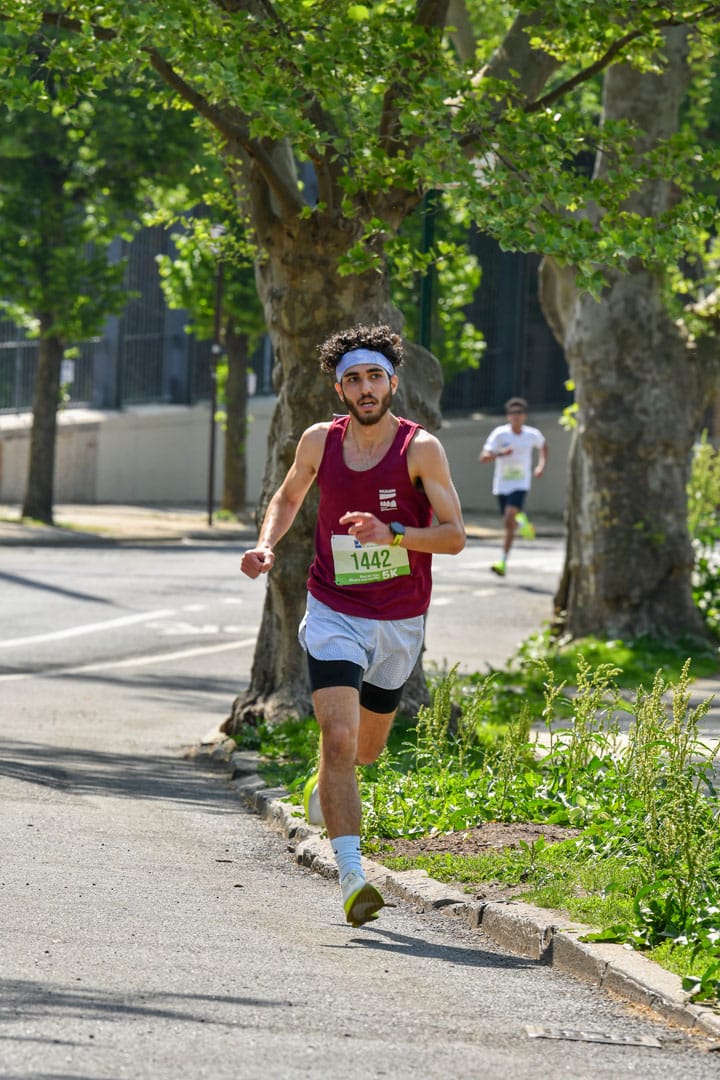
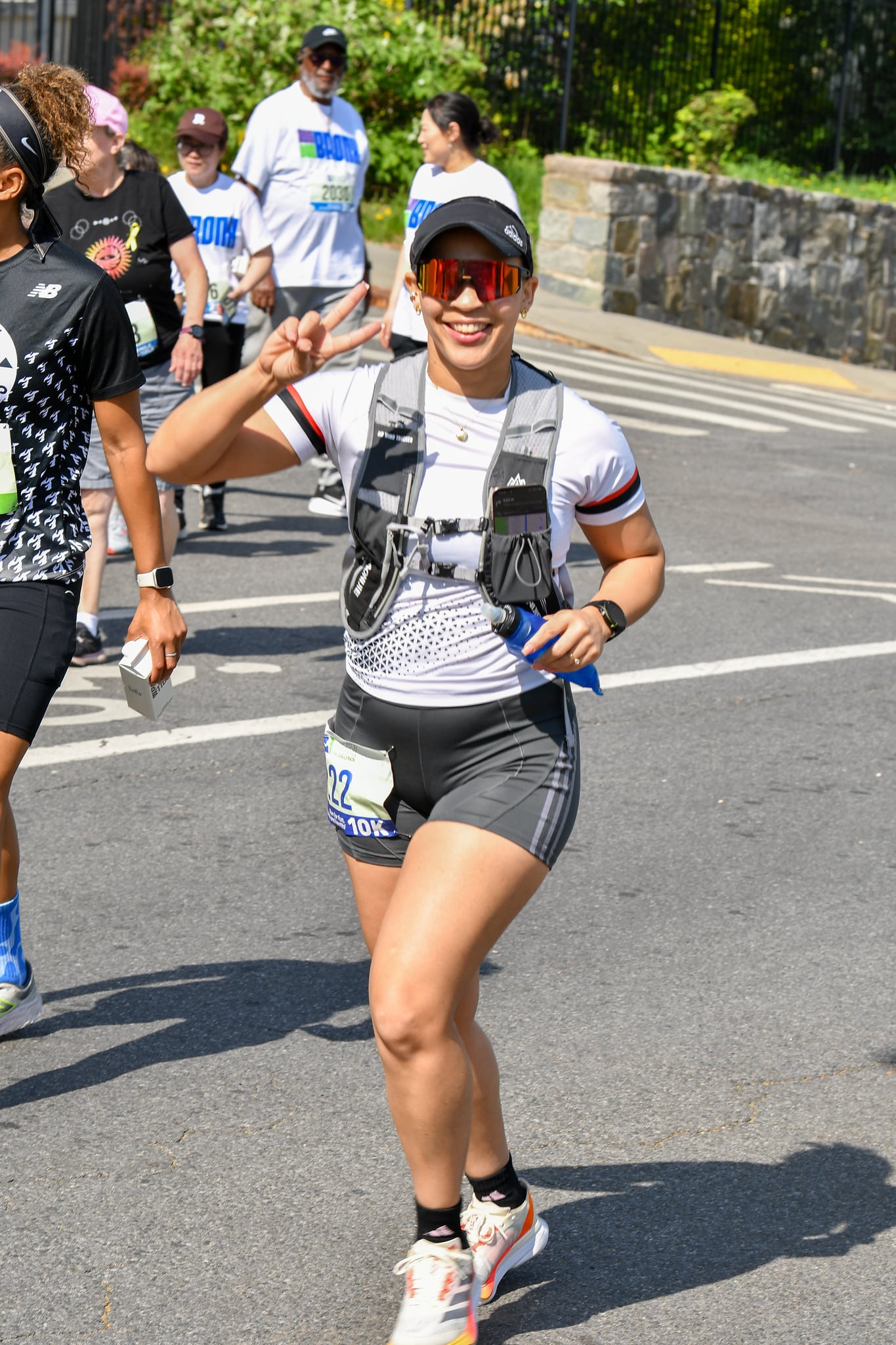
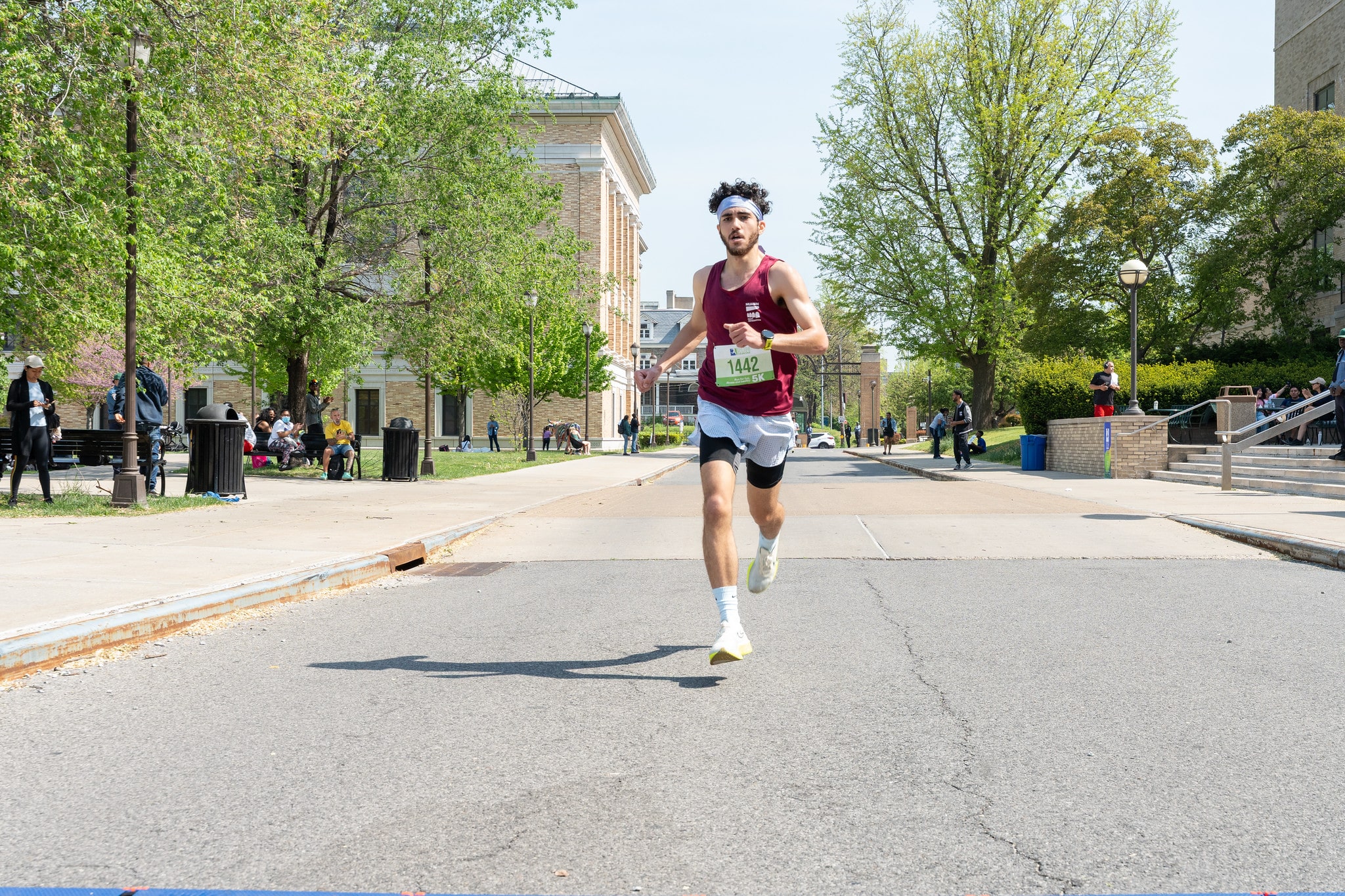
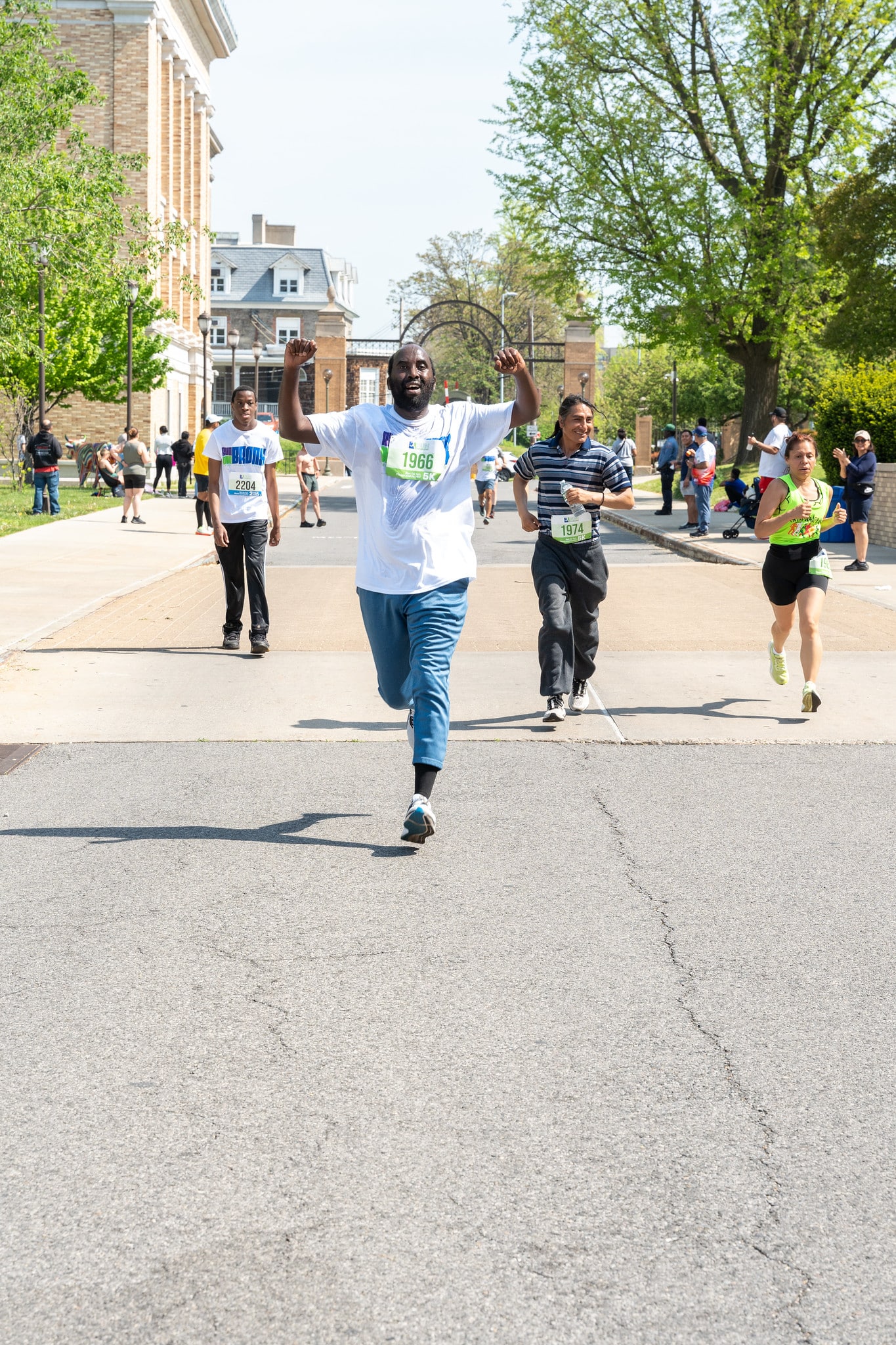
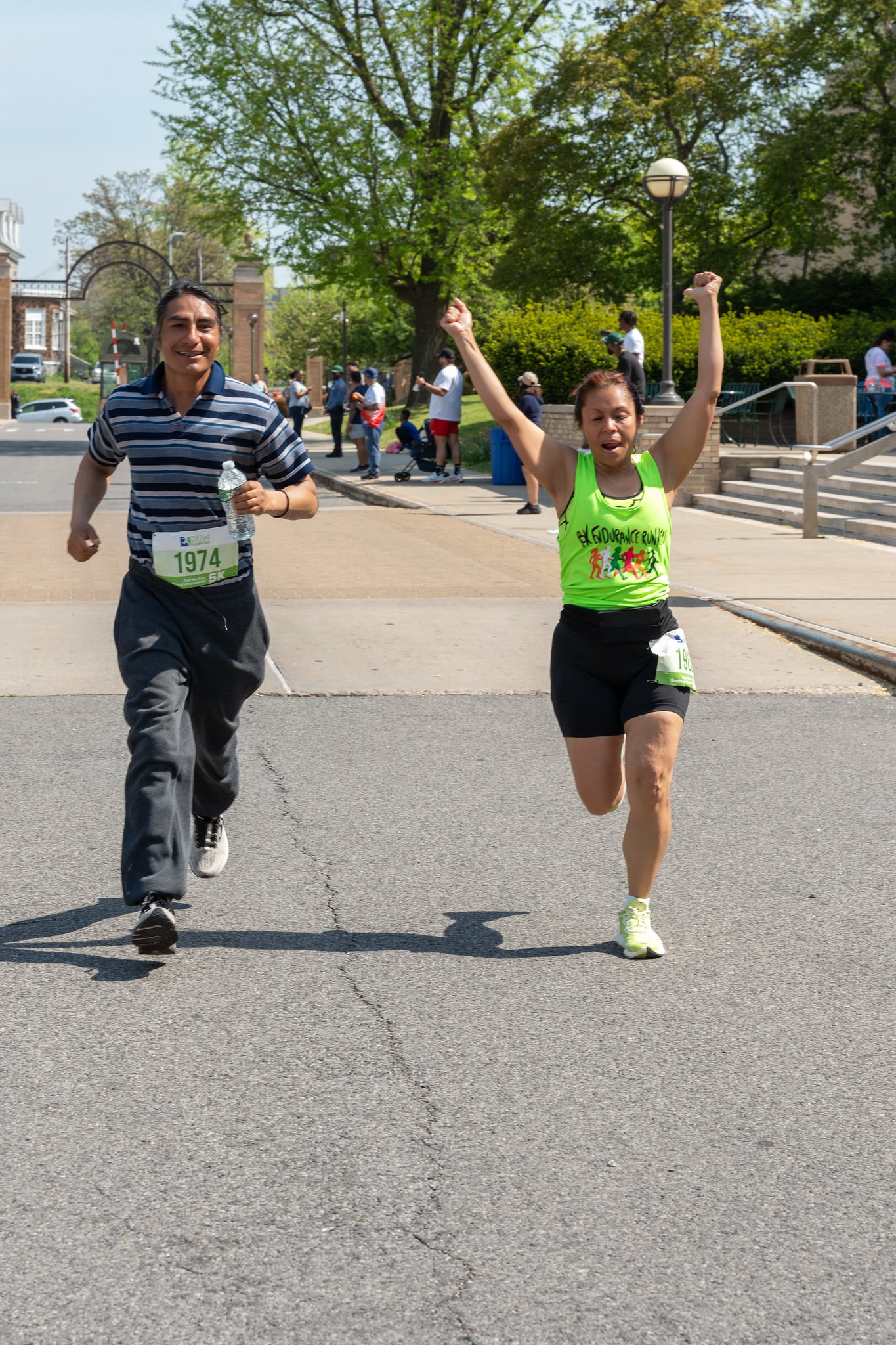
From the first edition on May 6, 1978, to today, Run the Bronx has never lost its spirit and continues to inspire enthusiasm on par with New York’s most prestigious races. Founded by fighter pilot Roscoe Brown, who served as campus president from 1977 to 1986, the race’s legacy is rich and unique.Today, the passionate organizer Robert Whelan carries that legacy forward, making this community-centered running event shine in the heart of the Bronx. From 50 participants at its inception to 2,350 runners today, each edition grows stronger. Whelan’s mission is to keep the race accessible to everyone. Participants come from all walks of life, and themes of physical, mental, and financial health remain central to the event’s philosophy. No matter the age, background, or social status, everyone is invited to challenge themselves in the Bronx. The course is popular—it takes runners through the college campus and along the major artery of the Grand Concourse, requiring intricate logistics to manage traffic and reopen streets quickly. For students, schools, and the wider community, the race is both a cultural and educational event—deeply woven into the Bronx’s and the college’s history. It’s a true source of pride for Robert Whelan, who lives and breathes Run the Bronx, determined to keep propelling it to the forefront of New York’s running scene.
➜ The next edition of Run the Bronx will take place on Saturday May 2, Find all the details here!
Emma BERT
Journalist
 17/05/2026
 17/05/2026
 16/05/2026