 © Underrun Bilbao
Underrun Bilbao: running beneath the city, where silence makes its own noise
17/04/2026 09:17On the night of March 30 to 31, Bilbao slipped into another dimension. For a few hours, its metro lines were emptied of trains and transformed into an underground racing arena for a rare, raw, almost surreal challenge. Underrun Bilbao redraws the boundaries of urban running by taking it where it never normally goes.
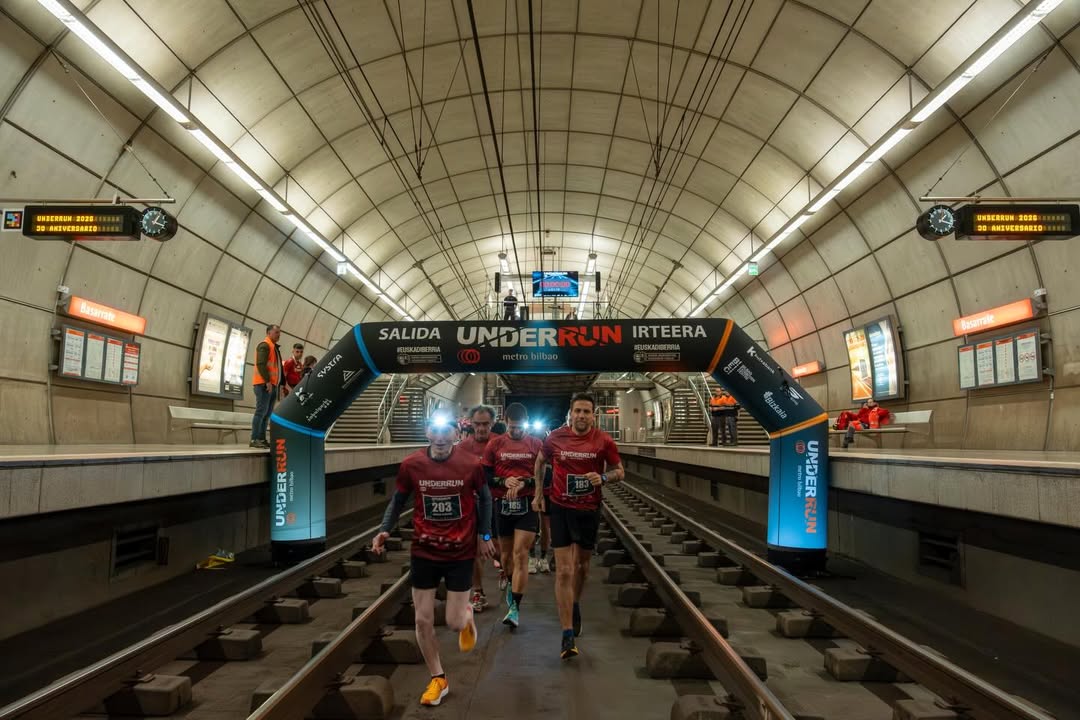
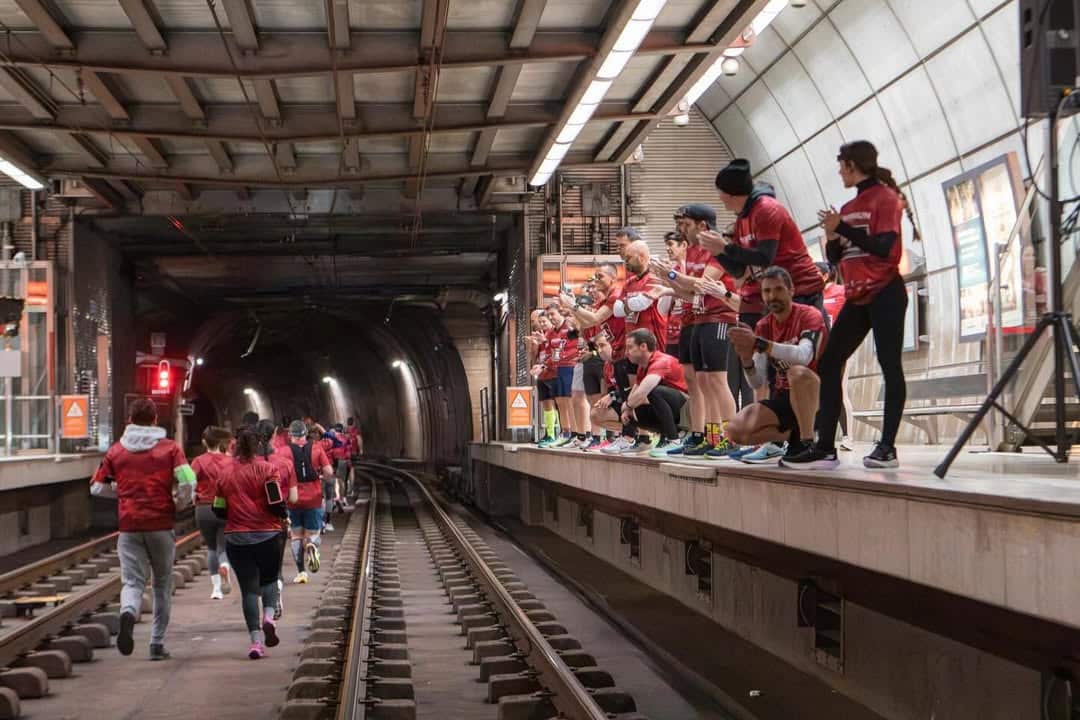
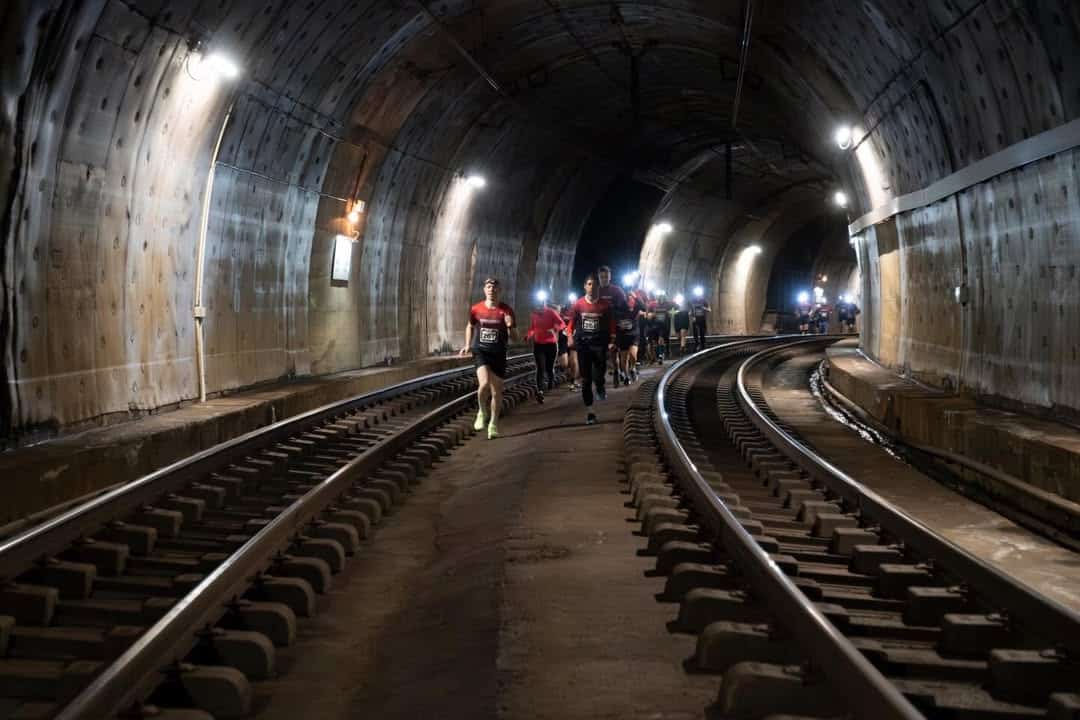
Beneath the tracks, there are no spectators. Only rising heartbeats and footsteps echoing like in a concrete cathedral. The setting immediately sets the tone. The longer format started from Basarrate for the most committed runners, heading toward Ansio over 10.2 kilometers. A shorter option from Moyua offered a 7.8-kilometer route. In both cases, the same thread ran through the experience: underground racing.
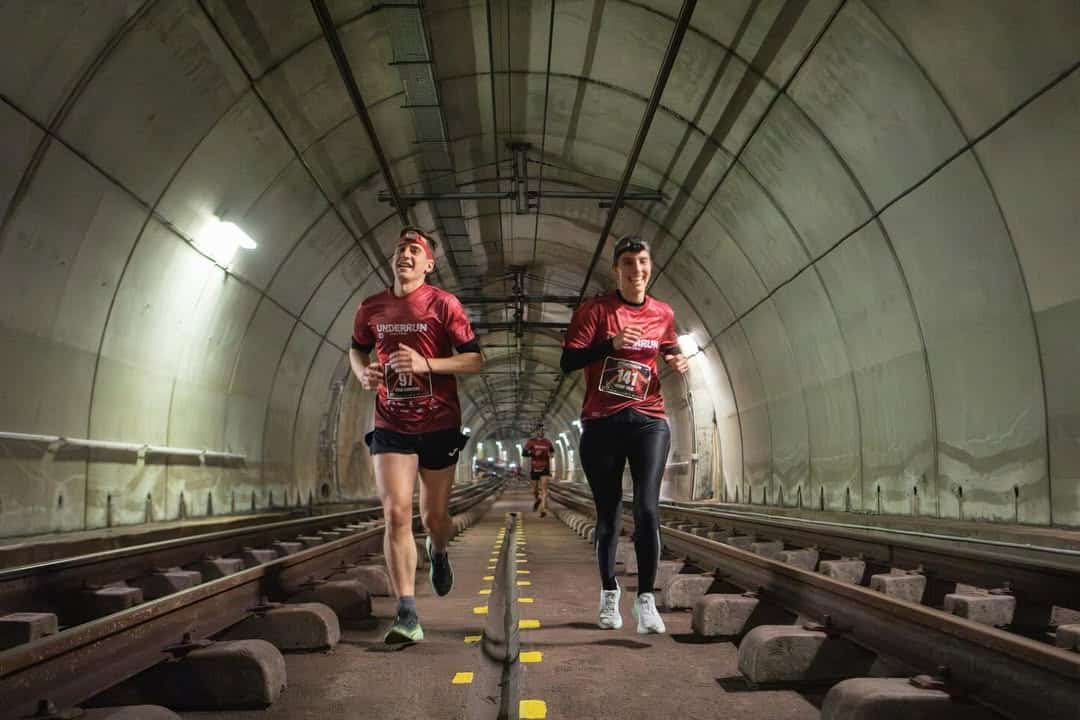
Almost no escape, no visual variation. Just a tunnel, an average gradient of around 4%, and breathing that quickly becomes the only reliable reference point. No crowd, no scenery, no rhythm changes dictated by the environment. Here, effort is entirely internal—a closed-world race where every stride echoes off the walls.
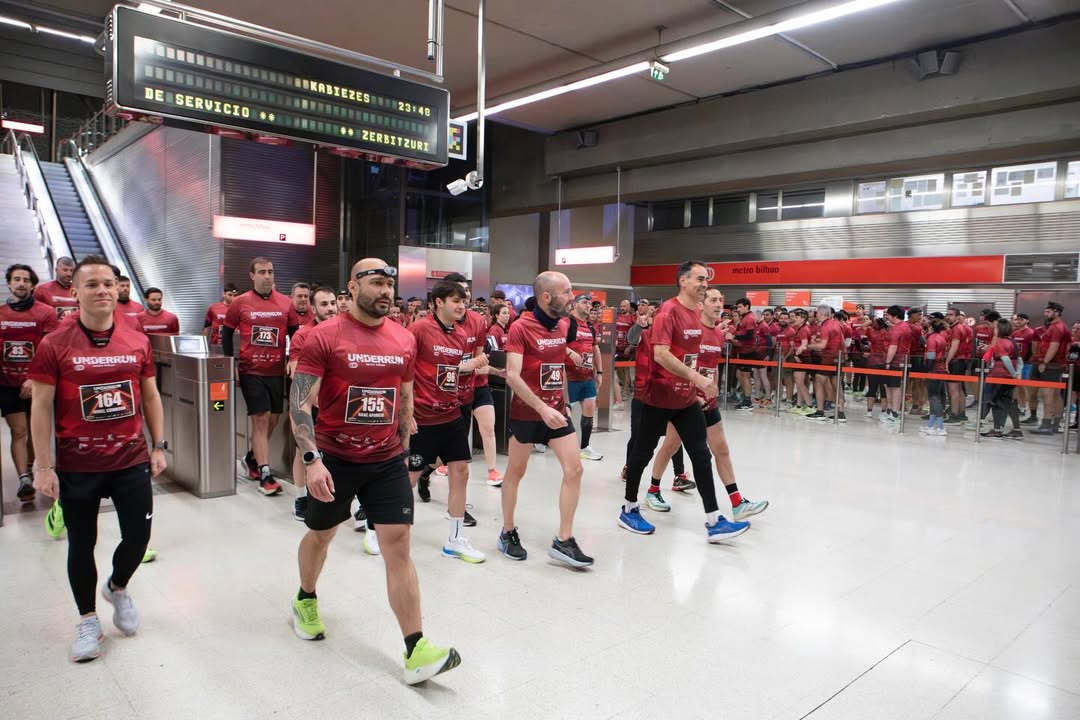
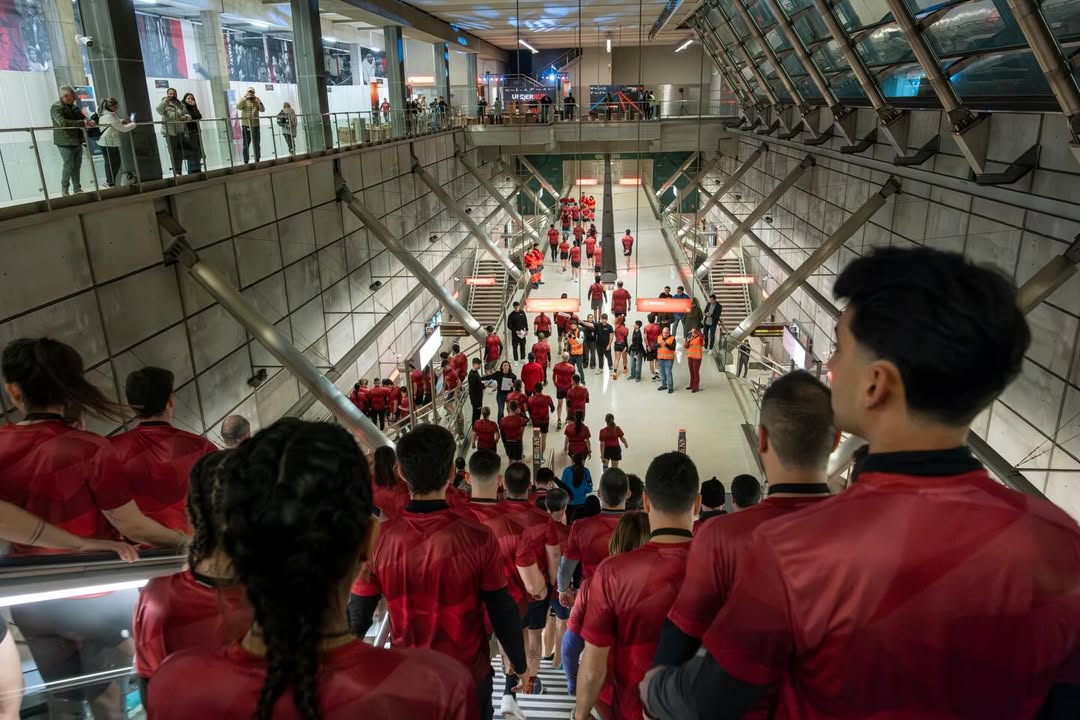
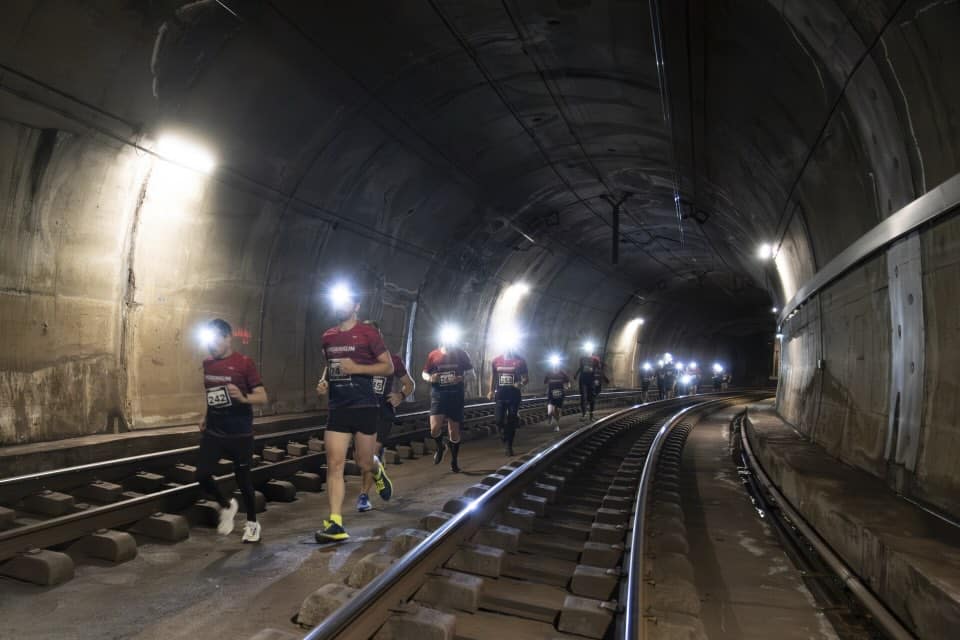
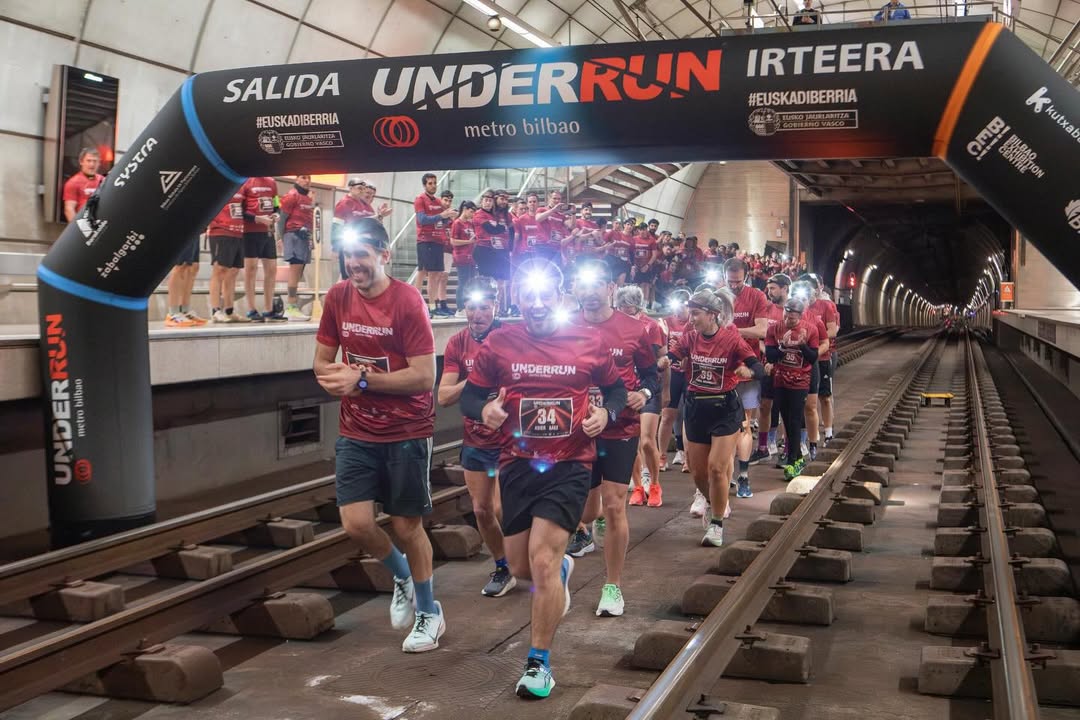
Around 250 participants were transported by a privately chartered metro to the start zones. A slightly ironic reversal of roles: usual passengers becoming athletes in a space designed for movement, but not physical performance. Each runner wore a headlamp, a glowing signature in the artificial night.
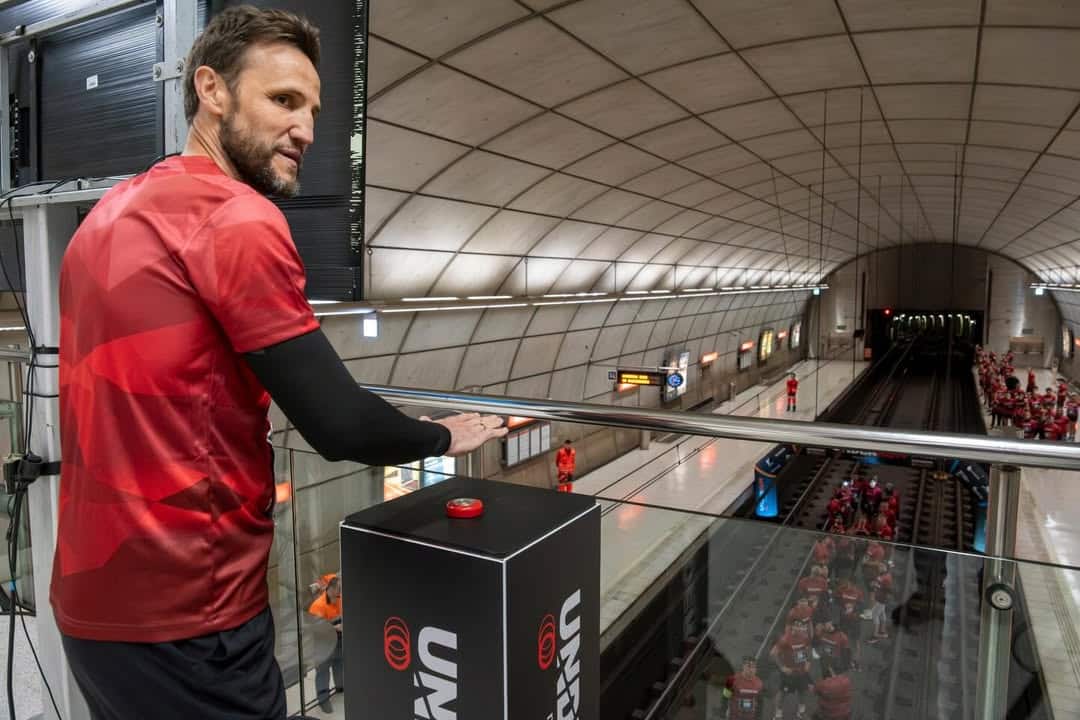
The start, given after midnight, added another layer of strangeness. The body hesitates, the mind adjusts. Circadian rhythms are disrupted, but adrenaline takes over. Runners set off in waves every two minutes, allowing the tunnel to “breathe” between groups.
| When logistics becomes part of the show
Behind the raw image of the race, a massive logistical operation unfolded. Turning a working metro system into a safe, fully runnable course requires rare precision. Bilbao’s metro staff were deployed along the entire route to guide, secure, and monitor the event. Every section, every bend, every technical passage had been carefully planned. An invisible choreography, but an essential one—the kind of organisation you only notice when it fails. Here, nothing went wrong. No incidents, no major injuries. Just runners moving forward and a perfectly controlled system.
At the finish in Ansio, the first athletes emerged around 1:30 a.m. Their faces told the same story: fatigue, satisfaction, and that subtle smile that appears after something truly out of the ordinary. Local sports figures such as Carlos Gurpegi and Naia Zubiaga also took part, running alongside everyday participants. A start line without hierarchy, where the only real requirement was accepting the strangeness of the challenge.
| Running differently, thinking differently
Underrun Bilbao doesn’t resemble a traditional race. No skyline, no dramatic finish line overlooking a landmark. Just point A, point B, and a long tunnel in between. An almost introspective experience where mental strength takes over from the very first kilometers. In a world where races compete through scenery and entertainment, this format does the opposite. It strips running back to its essence: move forward, breathe, endure.
The event also carries a strong social dimension. Proceeds were donated to “Haszten,” an organisation promoting inclusive sport. A way to give additional meaning to an already unique race. By morning, trains were back in service and platforms returned to routine. Passengers likely noticed nothing. Yet beneath their feet, something else had taken place just hours earlier. And in Bilbao’s tunnels, a trace remains—the echo of footsteps that linger long after the finish line.
➜ Discover the marathon calendar
Dorian VUILLET
Journalist